New AI Google: AI-Powered Shopping, AI Time Travel, Information Search and More
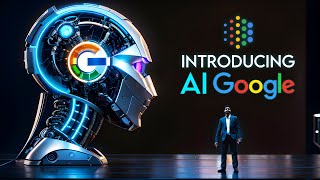
Google is rolling out generative AI across search, maps, and shopping. Search now generates summaries with images, Maps has a time travel feature to see how places looked years ago, and Shopping added virtual try-on and price alerts. The changes could reshape how people find information and buy things online.
Questions this video answers
June 18, 2023.
labs.google.com.
"over 80 people" (photographed front and side).
Women's tops (brands cited: Anthropologie, Loft, H&M, Everlane).
Chapters
So Google is now using AI to change how we shop, travel and find information online. I'm truly impressed with Google's advancements in AI lately and honestly, I never expected that Google would fully integrate AI into their operations. But you can witness this transformation yourself in this video. So I highly recommend watching till the end as you wouldn't want to miss any updates on their new AI features. So what exactly is Google doing with AI? Well, a lot of things, but in this video I'm going to focus on three main Google Search, Google Bard and Google Shopping. These are the products that most of us use every day and they are getting some major upgrades thanks to AI. First of all, let's talk about Google Search. You know how when you type something in the search box, you get a list of results that match your query? Well, that's not enough anymore. Google wants to give you more than just links. It wants to give you answers, suggestions and experiences. That's why it created the search Generative Experience. SGE is a new way of searching that uses generative AI to create personalized and interactive results for your queries. Generative AI is a type of artificial intelligence that can generate new content from existing data such as text, images or Audio. For example, ChatGPT is a generative AI tool that can create realistic conversations based on your input. With sge, Google uses generative AI to create results that are tailored to your needs and preferences. For example, if you're looking for a travel destination, SGE will not only show you the best places to visit, but also suggest activities, hotels, flights and more based on your budget, interests and availability. You can also see how the destination looks like in different seasons, weather conditions and times of day using generative images. Another example is if you're looking for a product to buy online, SGE will not only show you the best options from different merchants across the web, but also let you try them on virtually. Using generative AI, you can see how clothes look on different body types and skin tones using generative models that match your shape and pose. You can also see how products look in different colors, patterns and styles using generative images. SGE is a game changer for online search. It makes searching more fun, engaging and useful than ever before. It also gives Google an edge over its competitors like Amazon or Bing that are also using AI powered search tools. But how does Google come up with these features? Well, that's where Google Labs comes in. Google Labs is a testing ground for early stage experiments that use generative AI to enhance Google products. It's where Google tests new ideas and gets feedback from users before launching them to the public. For example, one of the experiments in Google Labs is called Time Travel. It lets you see how places have changed over time using generative images that recreate historical scenes based on old photos photos. Google Labs is a great way for Google to showcase its creativity and innovation with generative AI. It also gives users a chance to try new things and give their opinions on what works and what doesn't. If you want to check out Google Labs and see what other experiments are available, you can go to labs.google.com now let's take a closer look at one of its most popular products that also uses generative AI. Google Bard as we all know, Google Bard is a chatbot that can answer your questions and have conversations with you using natural language. Now Bard is available globally and integrated with many other Google products like Lens, Maps, Photos, and more. One of the coolest ways to use Bard is with Lens. Lens is a tool that lets you search for things using your camera or photos. For example, you can point your camera at a landmark or a plant or an animal and get information about it. Or you can take a photo of a menu or a sign and get instant translation. But you can also have conversations with Lens about the things you see. For example, if you point your camera at a painting, you can ask Bard who the artist is, what the style is, or what the meaning is. It will answer your questions and also give you more information or suggestions based on your interests. Another cool feature of Bard is that it can use visual cues in search. For example, if you're looking for a movie to watch, you can show Bard a poster or a screenshot of a movie and ask ask for similar movies. It will use the visual features of the image to generate recommendations that match your taste. But Bard is not the only Google product that uses visual cues in search. Another one is Google Lenses new Find My Skin Feature Find My Skin is a feature that helps you find the best skin care products for your skin type and condition. It uses generative AI to analyze your skin from a photo and give you personalized recommendations based on your skin tone, texture and concerns. For example, if you have dry skin with redness and wrinkles, Find My Skin will suggest products that hydrate, soothe and smooth your skin. It will also show you how the products look on your skin using generative images that simulate the effects of the ingredients. This is a great example of how Google uses generative AI to create visual matches for your search queries. Another Google product that uses generative AI to create visual matches is Google Maps, which is one of the most popular navigation tools in the world. It helps you find places, get directions and explore the world. But now Google Maps has some new features that use generative AI to make your navigation experience more immersive and fun. One of these features is called Time Travel. It lets you see how places have changed over time using generative images that recreate historical scenes based on old photos. For example, you can see how New York looked like in the 1920s or how Paris looked like during the French Revolution. Another feature is called AI Tour Guide. It lets you explore places with a virtual guide that uses generative AI to create personalized and interactive tours based on your preferences and location. For example, you can explore Rome with a guide that tells you stories about the ancient monuments, shows you hidden gems, and gives you tips on where to eat and shop. Alright, now Google has some amazing news for online shoppers as well. Google Shopping is a tool that helps you find and buy products from different merchants across the web. It lets you compare prices, reviews, ratings and features of different products in one place. But now Google Shopping has a new feature that will change the way you shop online. The Virtual Try On Tool the Virtual Try on tool is a feature that lets you see how clothes look on different body types and skin tones using generative models that match your shape and pose. It's powered by the same technology that Google uses for its SGE feature in Search. It is very easy to use. You just need to upload a photo of yourself or choose one from your gallery. Then you can browse through different clothes from different brands and see how they look on you in real time. You can also adjust the size, color, pattern and style of the clothes using sliders and buttons and it is very accurate and realistic. It uses Generative AI to create images that show how the clothes would drape, fold, cling, stretch or form wrinkles and shadows on your body. It also takes into account your skin tone, hair color and accessories to create a harmonious look. It helps you find clothes that fit your body type and style without having to go to a store or order online and return them if they don't fit. Google made this tool using numerous Images of over 80 people who varied in size from extra small to extra large. These people had different skin colors, body shapes and came from various ethnic backgrounds. They were photographed from the front and side. This variety allowed the tool, powered by artificial intelligence to learn how different shirts fit on different bodies. This means it can generate realistic pictures showing how a person might look from all angles while wearing a certain shirt. The virtual try on tool is currently available for women's tops from brands such as Anthropologie, Loft, H and M and Everlane. Google said it will expand to men's shirts in the future, and they also said the tool will get more precise over time. And this is not the only new feature that Google Shopping has to offer. Google also announced some other updates, like the new buying guide feature that helps you with complex purchases. You know how sometimes you want to buy something but you don't know where to start? You have to read tons of articles, compare different products, and open countless tabs on your browser. Well, Google wants to simplify that process for you. The buying Guide feature shares helpful insights about a category from a wide range of trusted sources all in one place. For example, if you're looking for a laptop, the buying guide will show you the best laptops for different purposes, such as gaming, work or school. It will also show you the key features to look for such as battery life, processor speed or screen size. Another update is the new price comparison feature that helps you find the best deal for a product. You know how sometimes you find a product that you like, but you're not sure if it's worth the price. You have to check different websites, look for coupons, or wait for sales. Well, this new feature shows you the lowest price for a product across different merchants on the web. It also shows you if there are any discounts or offers available for that product. You can also see how the price has changed over time and get alerts when the price drops. We've seen how Google uses generative AI to revolutionize its search engine, its chatbot, its navigation tool, and its shopping tool. But what does this mean for us as users and consumers? How does this affect our online behavior and experience? And what can we expect from Google in the future? Well, there are many possible impacts and implications of Google's AI advancements. Some are positive, some are negative, and some of them are uncertain. One possible impact is on the traffic for publishers and content creators. As Google uses generative AI to create more personalized and interactive results for users, it might reduce the need for users to click on external links or visit other websites. This could affect the revenue and visibility of publishers and content creators who rely on clicks and views from Google Search. On the other hand, Google might also create new opportunities for publishers and content creators to collaborate with Google and showcase their content on its platforms. For example, publishers could provide data or insights for Google's buying guides or SGE features. Another possible impact is on the future of online shopping. As Google uses generative AI to create more immersive and realistic shopping experiences for users, it might change the way we shop online. We might shop more frequently, more impulsively, or more confidently online. Google might also create new challenges or risks for online shopping. For example, generative AI might create fake or misleading images or reviews that could deceive users or harm merchants. Or it might create ethical or legal issues around privacy, consent, or ownership of data or content. So Google's AI progress could have many potential effects. Not only is Google steadily pushing its AI goals, it's continually introducing new AI powered features and products to improve its offerings. As users, we need to stay updated with these changes and adapt. It's important to understand the pros and cons of these AI tools. We should critically analyze the information AI provides and look forward to the opportunities it promises for the future. That concludes our video. I hope you enjoyed it and let me know what do you think of Google's AI advancements? Which feature or product are you most excited about? And if you liked this video, please give it a thumbs up and subscribe to my channel. Thank you for watching and I'll see you in the next one.










