OpenAI's Finally Give GPT-5 A Body (Figure 02 Breakthrough)
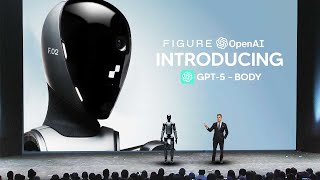
Figure 02, a humanoid robot with onboard AI reasoning, processes speech and camera input to control 16-degree-of-freedom hands at 1 kHz. The company claims 50% more battery life than its predecessor and plans to collect terabytes of data daily from a robot fleet to improve its models.
Questions this video answers
2.2 kilowatt‑hours (battery pack in the torso).
50% more energy than Figure 1 (claimed).
20 hours of useful work per day (claimed target).
Six RGB cameras located in the head, torso, and back (claimed).
Fourth generation hands with 16 degrees of freedom (claimed).
Chapters
So OpenAI's AGI embodied humanoid robot is finally here. The platform that will enable GPT5 to speak, walk and feel like a human is finally here. This platform, this incredible humanoid robot demonstration has finally been revealed. The second iteration of Figures humanoid Robot series is really going to surprise you. And after you guys watch this short demo, I'm going to explain all of the things and key details that you really need to know, because the next era of robotics and AI are going to be absolutely stunning. So that was just the incredible demo that you just saw there. And I have to say, first of all, hats off to the Figure team for such a remarkable feat of engineering. Currently, if you don't know, this is the world's most advanced humanoid robot. And they've partnered with a variety of providers to ensure that this is the case. And it uses cutting edge technology to ensure that this robot is state of the art. So one of the things that they spoke about was the speech to speech reasoning. Some other robots use many different other methods, but one of the things that Figure 2 decided to use was the speech to text to reason. And what you're looking at currently is the onboard model that allows this model to select decisions. So you can see right here that if someone says, can I have something to eat? This is where OpenAI's model, which could be any kind of model, we're actually not sure. And one thing that we haven't seen is that we haven't seen clearly which model Figure 2 uses. The CEO hasn't actually stated which model it is, but I do believe that either it's a small language model that's specifically tuned for robotics, or it's probably just GPT4O, considering that thing would have really low latency. So whichever model it's going to be, I'm guessing it's going to be one that they could probably swap out. So essentially what we can also see here is that from this speech to text, we can see that this model then of course selects the behavior. There may be various different policies that this robot could pick. So of course, what we have here is the neural network policies that we can select. You can see that then of course this goes down to the 200 Hz actions, which then uses the whole body controller and the 1kHz joint talks to of course pick up the apple. And of course, finally we then get to this right here, which is where we get to sure things hit. And then you can see there that after we select the policy, then of course we use the body to Control it. Then, of course, we then comes all the way back and it says sure things. Here's an apple. And if you do remember, that was something that happened in the previous demo that we did get to see. So, all in all, this entire system that we have here is a pretty rapid, pretty rather effective system that allows the figure robot to embody AI. And of course, in the future, when AGI does get here, I'm sure that it's going to embody AGI. Now, one of the reasons that I do believe that this announcement advancement is a lot bigger than people believe is because, number one, if we actually take a look at this robot just for a second, this robot was designed in less than 18 months, which is a remarkable feat of engineering, considering how much time and development and research and development goes into making these products. And of course, these robots, like robotics, is so hard that OpenAI initially left this division because they were like, look, this is just way too hard. We need to focus on software. And it's not that OpenAI aren't smart enough to do it. It just takes a lot of time to be able to get a kind of robot that looks this good and can perform this well into an actual working thing like robotics is extraordinarily hard, and I can' stress that enough. So it's important to understand that this wasn't the work of 10 years of research and design. This company was founded in 2022, like late 2022, and already they're on their second iteration, which is already the world's most powerful robot. So you can start to see if we look at the kind of trajectory and the amount of funding that's going into this product, how much this is going to evolve. If we're already at the second iteration and it's already so good, and I mean, you know, breakthroughs are going to continue happening. There's going to be more and more developments around the space, and all of those, you know, breakthroughs are going to continue like some kind of flywheel. Now, there's also something that I really think is important here, which is why I do believe that things are about to get real crazy, is because we can talk about this data flywheel. So, basically, what we have here is a situation where we have this robot fleet. So, for example, the robot fleet is, of course, all the figure robots. So all the robots that are walking around. At the end of the video, you saw them walking around in the factory doing a repeatable autonomous task. And it's going to be able to do that for hours. On end. And remember, it's also able to self correct itself. So what we have here is a situation where with this data that you're going to be getting from this robot fleet, you're essentially going to be getting terabytes of data per day. So you can see right here that they've highlighted it. Terabytes of data per day. Now, why is this important? Is because terabytes of data is important because robots like figure 2, these robots need a lot of data in order to be very effective. One of the two biggest problems with humanoid robotics is, number one, the cost of the robots. They're not cheap at all. They cost the price of a supercar. And number two, is that there's just not enough data to train these robots effectively. So there are two main reasons. One of those issues is if we manage to get terabytes of data per day, what we can then do is we can then use that data which is collected on board via the vision cameras, which is recording all of the actions. However that data is collected, it could be through motion or whatever, successful attempts. There's a million ways to collect the data. I'm not sure how figure is doing it, but however this data is collected, it then of course is then put into the training data. And then of course then it's updated to the latest neural network. You know, it's fed into the latest neural network and of course it's then back into this robot fleet. So this is where we have a situation where every iteration of like, you know, we keep getting better and better and better. There's going to be this, you know, progressively increased level of sophistication from these robots, which is why I say that right now, you know, things are about to get a little bit intense because these robots are rather effective for what they're doing already. So, I mean, once you've scaled up these humanoid robots, you can think about how much data they're going to be able to collect and how effective these robots are going to get over the long term. So that's going to be super interesting to see how these robots get there. Now, there were some key details that were left out of this video, but the founder did actually talk about on Twitter. One of the things that he spoke about was the fact that figured two, of course, has this onboard vision language model and this enables semantic grounding and fast common sense visual reasoning from the robot cameras. And I think right now, even like the current vision language models that we do have, which enables speech to speech reasoning, they're not that Good. Sometimes they do mess up quite a bit. There was even. I need to show you guys something. There was even something that Andre, I think it was Andre Karpathy spoke about on Twitter. But essentially it was just like, these robots excel in many certain cases, but in other cases they just don't excel that, that well. But, yeah, I can't find it. But the point he was saying is that there are certain niche cases where robots don't do well. And vision is an area that, you know, robots are okay at, but they still need to do, you know, they still need to get a lot better at finding out what's in an image and then, of course, grounding that. Because whilst humans might think that their vision is not good, it's remarkably more effective than a robot's vision. And this is going to be something that, you know, needs continuous development. Now, what's also interesting here is that they also spoke about the battery. And the Battery is a 2.2 kilowatt hours battery pack in the robot torso. And it delivers 50% more energy than Figure 1 to maximize robot runtime. And they're hoping that, you know, this is going to be able to achieve 20 hours of useful work per day. So that's incredible when you think about it. I mean, imagine a robot working for 20 hours per day. I mean, humans cannot work for that long. And I'm not sure how long it's going to take to charge, but considering the fact that some of these platforms, you're going to be able to just swap out the batteries, I mean, it's going to be absolutely incredible to see these robots working for 20 hours per day. That's just remarkable, remarkable stuff there. Now, one of the coolest things they actually spoke about as well was, of course, the cameras being able to understand and perceive the world through their AI driven system. And there's six onboard RGB cameras located in the head, torso and back. And I mean, when you actually start to look at the future, you can understand that these robots are going to have incredible vision. They're going to be not just in their eyes, like how humans have them, but they're going to be in the torso, in the back. They're going to be able to see and have a sense of spatial awareness that humans might not have because you're able to see from all directions. And a surprising thing that they managed to do was they managed to get their hands to be surprisingly better than the Tesla bot. So this is the fourth generation hands. This is 16 degrees of freedom, which is absolutely incredible. And I'm going to show you guys why this is so incredible. As someone on Twitter did compare this to the Tesla bot. We can see here the comparison from this bot. Now this video, I do have to admit, this one that was posted on Twitter, it wasn't posted in good taste as in someone posted this as a dig Figure two, because they've got the dates here and they're basically saying, look at how long it took them to get this. Of course you can see here that these hands are pretty much both very effective, but they're basically saying that, look, haha, Tesla managed to do it a few months earlier, you know, six to seven months earlier, whereas figure two are just doing this now. However, I would say that, you know, this company, I mean, it's like at least they got competition now, you know, we as the consumer are going to be benefiting from this because both companies are now incentivized to make their robots better and of course cheaper. So I mean, either way, there's a lot of development going on here. And I think figure two is definitely putting pressure on Tesla and Elon Musk to, you know, you know, like actually release something that's rather competitive because it was even Elon Musk that actually tweeted, hey, look, I'm actually going to make sure that I really, really go hard on the Tesla Optimus because he actually tweeted, bring it on to the CEO and founder of this company. So there is a bit of a rivalry going on there and we know that Elon Musk is not someone to be underestimated. Overall, I think this robot is going to be remarkable considering the fact that we've got frontier models coming soon that are going to have advanced reasoning. We're of course going to have some breakthroughs in vision which are going to be absolutely incredible. And hopefully we do manage to get that data flywheel going. Of course, right now there's still issues with Nvidia's simulation. Not saying that Nvidia is bad, but I'm just that if we're able to solve the data issue, these robots are going to become super effective very quickly. So I can't wait for those things to happen. And this is kind of like an early look at this futuristic world that we're going to be living in where we have robots walking around, doing tasks in factories and being able to truly expand the economy. Let me know your thoughts about this robot. What do you think about this stuff? And I'll see you guys in the next video.










