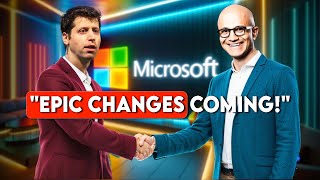
Sam Altman left OpenAI and joined Microsoft to lead a new AI research team. Emmett Shear, former Twitch CEO, became OpenAI's new CEO. The moves reshape power in AI and raise questions about how each company will pursue the technology.
Chapters
In the past few days, the AI world has been rocked by some major shifts at the top. First we saw Sam Altman getting ousted from OpenAI. Then a dramatic twist with talks of his return. And now OpenAI has named the former Twitch CEO as their new head. And the most shocking news Microsoft has now scooped up Sam Altman to head their new AI research team. In this video, I'll guide you through the twists and turns of this saga and discuss what these shifts might mean for the future of AI. Let's start with the headline grabber. Sam Altman, the driving force behind OpenAI, is now joining Microsoft. This isn't just a routine executive shuffle. Altman's influence in AI, particularly with his work on groundbreaking projects like GPT3 at OpenAI, has been colossal. His transition to Microsoft as the head of their new advanced AI research team marks a significant turning point. Satya Nadella, the visionary leader of Microsoft, remarked on this development, so saying, we're excited to bring Sam's expertise into our fold. His innovative spirit will be instrumental in advancing our AI endeavors. This move signifies Microsoft's relentless pursuit of AI supremacy and could catapult them into uncharted territories of innovation. The implications are enormous. Altman's insight and experience in AI could spearhead new, groundbreaking technologies under Microsoft's banner. His leadership style, known for its boundary pushing and visionary approach, might just set a new pace for Microsoft's AI journey. Shifting focus to OpenAI the appointment of Emmett Scheer as CEO is stirring up the AI waters. Scheer, celebrated for his role in scaling Twitch into a global streaming platform, brings a unique blend of tech savvy and leadership acumen. Scheer's vision for OpenAI could steer the company towards a more ethically aligned, responsible approach to AI development. Known for his balanced view on technology deployment, Scheer might emphasize the balance between innovation and societal impact in OpenAI's future projects. Discussing his new role, Scheer mentioned joining OpenAI is a chance to impact the world positively. We're at a pivotal moment in AI development and I'm excited to contribute to a future where AI helps rather than hinders our society. The tech community has been quick to respond to these seismic shifts. Industry experts, AI researchers and tech enthusiasts are weighing in on what these changes mean for the future of AI. Some hail these moves as brilliant strategic plays, while others ponder the potential challenges ahead. A prominent AI researcher commented, Altman's move to Microsoft could be a game changer for the AI industry. His vision, combined with Microsoft's resources, could lead to some unprecedented advancements in AI. But the larger narrative here is Microsoft's strategic coup under Nadella's leadership. By bringing Altman and Key OpenAI Minds on board, Nadella seems to have outmaneuvered the industry. It's as if Microsoft acquired the intellectual powerhouse of OpenAI without an official acquisition. This move not only fortifies Microsoft's AI capabilities, but could also mark a shift in the AI power dynamics. A tech analyst remarked, Microsoft's maneuver to bring in OpenAI's talent could set a new standard in the tech industry. It's a strategic masterstroke that could redefine the AI landscape. These leadership changes are more than just corporate maneuvers. They're indicative of a new era in AI development. With Altman at Microsoft and shier at OpenAI, we're likely to see new trends and priorities emerge in AI research and development. The focus might shift towards more ethical, responsible AI, with an emphasis on groundbreaking innovation. It's clear that these moves at Microsoft and OpenAI are more than just headlines. They are pivotal moments that could shape the future of AI and technology. We'd love to hear your take on these developments. Do you think Microsoft's move is a game changer? How will Shear's leadership transform OpenAI? Drop your thoughts in the comments below. Thanks for watching and see you in the next one.