How to influence a conditioned response
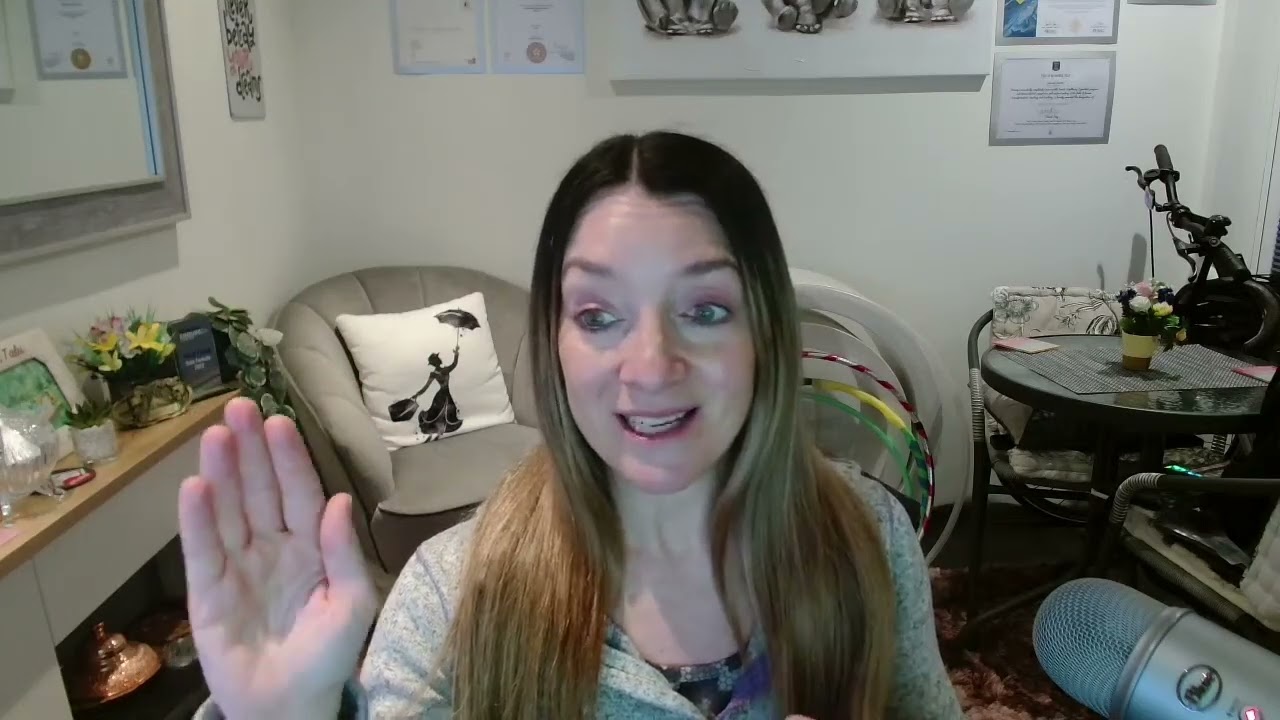
Health coach Joanne Smith explains how the brain creates pain or symptoms based on past experiences, even without physical injury. She shares her own knee pain running downhill and teaches self-talk, visualization, and pattern interrupts to reshape these automatic responses through repetition and calm.
Chapters
Hi there, Bend and Snap Active People Getting Back on Track. Thank you for being here on this lovely Tuesday. Welcome anyone that's just recently joined us, it's brilliant to have you here. Please say hi in the comments. Please ask questions in the chat, and I will hope that they come through. Facebook has this strange way of not always putting the comments in the chat when I'm live, so I sometimes see them and sometimes I don't. So please just know that I know you're here, and I will look back at the comments afterwards if I miss anything. And hopefully one of these days The comments will just pop up live, so I'll know that you're here. But for those of you that have maybe not met me yet, I am Joanne Smith. I'm a health coach specializing in chronic pain and chronic symptoms recovery coaching, also neuroplastic pain recovery. It's named in so many ways. I tend to describe it as neuroplastic pain these days. which basically means pain and symptoms which is coming from the root cause, which is the brain, rather than a fault within the body. But this approach also helps with structural and neuroplastic pain, so either way, whatever symptoms that you're having, this approach is super useful. So So it works for both, hybrid I'll call it. There's a lot more people that are using this approach that do have diagnosis of structural pain also. But in general, those with the neuroplastic pain as the root cause are able to make a full recovery, so it's really exciting. Exciting stuff for those people that have had, um, maybe been told by mainstream medicine that there is no cure. Well, we now know that that's not the truth and that there are people that are fully recovering, um, from neuroplastic symptoms. So today's session is going to be, um, maybe an extension to the session that I did a couple of weeks ago. I introduced us to the concept of conditioned response a couple of weeks ago, yeah, because last week I talked about recovery slow, recovering slow is fast, and the week before we talked about this conditioned response, or predictive coding it's also known as. The brain is a predictive machine, it will create what is expected to happen next, but based upon its experiences and beliefs and these kind of things. So, um, yeah, so this, this could genuinely change the way that you experience pain or symptoms. So it's not about being able to— I called the title How to Influence a conditioned response, because there's certain things that we have control over and there's certain things that we don't have control over. So I'll give you an example of what a conditioned response is to get us started with. So for me, my biggest conditioned response that I noticed Was that I would have pain when sitting, and every time that I would sit, I would be in discomfort, a very big level of discomfort. Every time that I would wake up, again, it would be there. So again, that's an example of something conditioned response. The brain will create whatever Is expected. It's not done consciously. I didn't intend anything. It just happens automatically. Um, so the reason why I say influencing this is that there are a couple of things that we can do consciously that can interfere with this cycle and change the outcome of the cycle. Interesting stuff. Yeah, so a way of looking at this is if you've ever said to yourself, every time I do this, this is what happens, every time I bend over to pick this up, this is what happens, or every time I run— I've heard this one so many times— every time I run downhill, my knees hurt. That's a big one that I hear a lot. This one's for you. This one's for you, because there is a chance that you could be experiencing a conditioned response here. So the first question is, just notice if your symptom or whatever you're experiencing is showing up on a pattern, like at the same time of the day every day, or with certain movements that you're doing, or in specific situations. Um, just notice that, um, and now I'll kind of do my best to break it down a little bit further for you. So the brain has learned to create the symptom out of thin air in certain situations. It can do that. Um, it doesn't mean that there's something wrong. This is where it gets really interesting. But it does expect that something's wrong, but that doesn't mean that something is wrong. But if our brain is predicting that something is wrong falsely, because it doesn't care whether it gets it right or wrong, as long as it keeps us safe and protects us, then it doesn't care. It doesn't know the difference. It just would rather it be wrong than than not at all. It would rather not— it would rather alarm us with a false alarm than nothing at all. So yeah, my examples, waking up really, really stiff and in pain every time I sit down, is more of a one that people will probably feel is very familiar. So yeah, we're not doing this on purpose. No one would do this on purpose. It's not consciously— it's not being caused consciously. It's the subconscious that's trying to protect us here, and it would rather protect us because if this happened last time, if this happened before, time and time again, then it's going to send that pain just in case. So this is where we can do what, what it says on the title for today: influence this conditioned response. This is what we can do to interrupt the pattern. Interrupt the pattern. Otherwise, it's just going to keep on running autopilot. You'll just keep on getting what you always got— same trigger, same response— every single day over and over. So how to change it? This is where it kind of gets a bit To me, it gets a bit fun now because I play around with this sort of stuff all the time now. It gets really interesting and really powerful because we can't force it to stop. That's not— oh, that's not on offer. You can't force— I can't force this hand to hurt. I can't do that. And it's the same way that I can't force it to stop hurting. It's not like under our control. So this is why I use the word influence, because there's certain things that are under our control that do influence what happens. So setting a new expectation, it seems too simple, it seems like, hmm, as if that's going to work, just set a new expectation. But if you understand this stuff, and you see it to be true for you and you think, oh yes, that could be me, and you've done your homework, you've done your diagnostic, you've got in touch with whoever it might be for some help to find out, then you can do this stuff. You can set yourself a new expectation. Before before the thing that you would be gonna do, where it would normally happen, you can actually just use the power of language. You can speak to yourself, you can say, actually, this does not have to hurt. This is actually a really safe thing to do. And for me, I'm still on a journey here, I'm still doing this because it doesn't happen instantly, it takes Repetition, repetition, repetition. Like anything, if you want to get a 6-pack, you're not just going to go and get it on day 1. Like training a muscle, it needs some consistency. So we can start by influencing it by expectations, setting expectations, reminding ourselves before I go to sit down, sitting's a normal thing. Human beings are designed to sit comfortably and safely. It's not a dangerous activity, so I can give myself those messages, and I can say things to myself like, I'm good, I can do this, anything like that is really useful. Take a seat, take the load off your feet. I could do a little chant or a little song to myself, make it a little bit of fun. I did used to do that quite a bit, singing a little chant and saying, take a seat, take the load off your feet, before I went and did that, knowing that it's actually completely safe and that I was going through a conditioned response that had been activated time and time again. So fully knowing that I don't expect a result on the first time doing this, But the more that you do this, just be committed, just make a decision, I'm just going to do this, it's even a lot more of a pleasant experience than what you might be innocently doing without realising, like dreading it, like bracing yourself for it kind of feeling, oh, I don't want to do it, it's going to be such a bad day tomorrow because I need to sit down in this training for the next 5 hours, So it's like, actually, no, maybe it could be a nice experience. Just soften, soften what you think is going to happen in your own mind and visualize, imagine it going well. Imagine yourself doing it with ease, feeling relaxed, and eventually, eventually, sounds too simple, but Eventually, the more that you repeat this stuff, you may well experience a shift in the sensations that are happening. But yeah, pick something to try, just have a go with it. This stuff, you can do no harm. The only thing that can happen with this kind of stuff is— oh, it's not even a risk because you're going to risk feeling better! Having a reduction in symptom or even a full recovery. So it seems, um, to me a no-brainer. You've got nothing to lose by having a go at doing some of these things, um, and just setting yourself an expectation with knowing what's possible. Um, but like I said already, please don't expect an instant miracle. Please don't be disappointed if nothing changes on the first time. Like you wouldn't expect to go to the gym and develop this, um, change in, in body within one session. It's like that with this, so be willing to stay in the game. So if the symptom does happen, this is the second thing that you can do to influence this response: how you respond to that happening is really important, so don't panic and don't get frustrated. Easy said than done, but why would you get frustrated and panicked over something that is a false alarm? Like, once you understand this stuff, it's kind of a lot easier to respond with less fear and less panic, because actually If that does happen automatically, then notice it, and then you've got the choice to choose on how to respond next. Because you can probably notice a few things here. If you do respond with panic and frustration, you might notice that things flare up more, or this just does reinforce the, the conditioned response to keep on going and going and going. Um, So you can then go back to reassurance. Ah, it's still safe. This is not a dangerous activity. My brain's just not learned this yet. It's on a journey to learning something different, and it's a pattern interrupt. In neurolinguistic programming, we call it like a pattern interrupt. It's like a sequence of events that happens, and we can intercept it and do something different, in which case the entire pattern changes. So you're breaking the loop that's been going on and on and on for a long, long time for some people, many people, decades. So yeah, we don't expect this to happen the first time. But with consistency and patience, like I say, infinite patience, infinite patience, then you are actually influencing what happens next. So rather than feeling completely hopeless and there's nothing that I can do, it's completely out of my control, I just have to, you know, go with it, Um, this, this part of it you can influence. So it feels really exciting because finally there's something that you can do for yourself, and it really is something that you can do for yourself because nobody else can actually do this for you. It does need to come from you. Um, unfortunately, people can remind you, people can share it with you, people can give you a reminder that you can put reminders up for yourself, you can put things up on your walls, you can put reminders on your phone, you can make your own little records, whatever you want to do, you can write it down, there's so many ways you can influence this stuff, but it has to come from, from you and no one else really. But that's kind of a nice thing when you know that it's something you can do for yourself that's going to really help. So I'm going on to another session tonight, so if I finish slightly early, that's good because I've not got— I'm not as organised as usual. I've just been busy all day. So the final kind of words that I want to share for today's session Is just to give yourself some breathing space and realise that you can't control when the symptoms show up, like, that's out of our control here, but the things that we can influence are what we expect to happen, And how then we respond to whatever does happen. So like I said, you can give yourself some words of expectation and reassurance that, I'm good, there's a chance this could go really well. You can then imagine yourself, visualise yourself doing that thing going well. And then you can make a decision that you will respond with knowing and clarity if things happen. So be willing to experience whatever sensations are cropping up with that knowing, so that your response is as calm as possible. So So let's encourage you for this week to challenge yourself in the next week or so to pick a situation that you might be experiencing, um, where you are like having one of those moments where you're like, yeah, this is going to happen, and you, you kind of like— or it's something that's happened all the time on repeat for, for quite some time. And have a practice at influencing it, interrupting it, whatever word you want to use. Have a practice at doing something a bit different to see whether it will influence what really happens. Just give it a try, like, nothing to lose, it's safe, it's not dangerous, it's not harmful. Yeah, especially if it's something that you really want to get back to being able to do, you're even more inspired. And even more willing to persist with repetition and calm and all of that kind of stuff. So yeah, apologies for no comments. I'm not getting any comments. I keep clicking, and I was hoping that when I moved on to my new laptop it was going to work, and it's like a modern up-to-date laptop, so it should be working fine. So maybe it's Facebook. Live, maybe if I like I said I keep thinking one week I'm just going to go live from my mobile phone. So next week might be the week that I do that. Hope you all have a brilliant week, and as always, you're welcome to reach out to me, message me any questions, anything. I'm always happy to help share, point you in the direction. So thank you always for being here and listening. Please share with each other in the group. Please get the chat going. Don't rely on me. One day I'll get time. I'm just busy, busy doing what I can, as much as I can. So if there is anything you want help with, just ask in the group and put comments in and share with each other, and let's help each other to get Um, out there and active, and if we are dealing with anything, um, and at the end of the day, neuroplastic symptoms are a human condition, so it's unlikely that you will get through life without experiencing anything that is neuroplastic, brain-created symptom. Um, It'd be very unlikely that you would get through life without that, so this stuff is going to be relevant to everyone, and it can be a little bit strange at first to get your head around, but I encourage you to stay in the conversations and keep going because it's the only thing that works, and it's just such a nice understanding that can be so helpful. With recovery. So yeah, good luck everyone and keep in touch, and I'll see you all next week. Thank you for listening. Bye! Bye!









