Recovery Begins with Messages of Safety
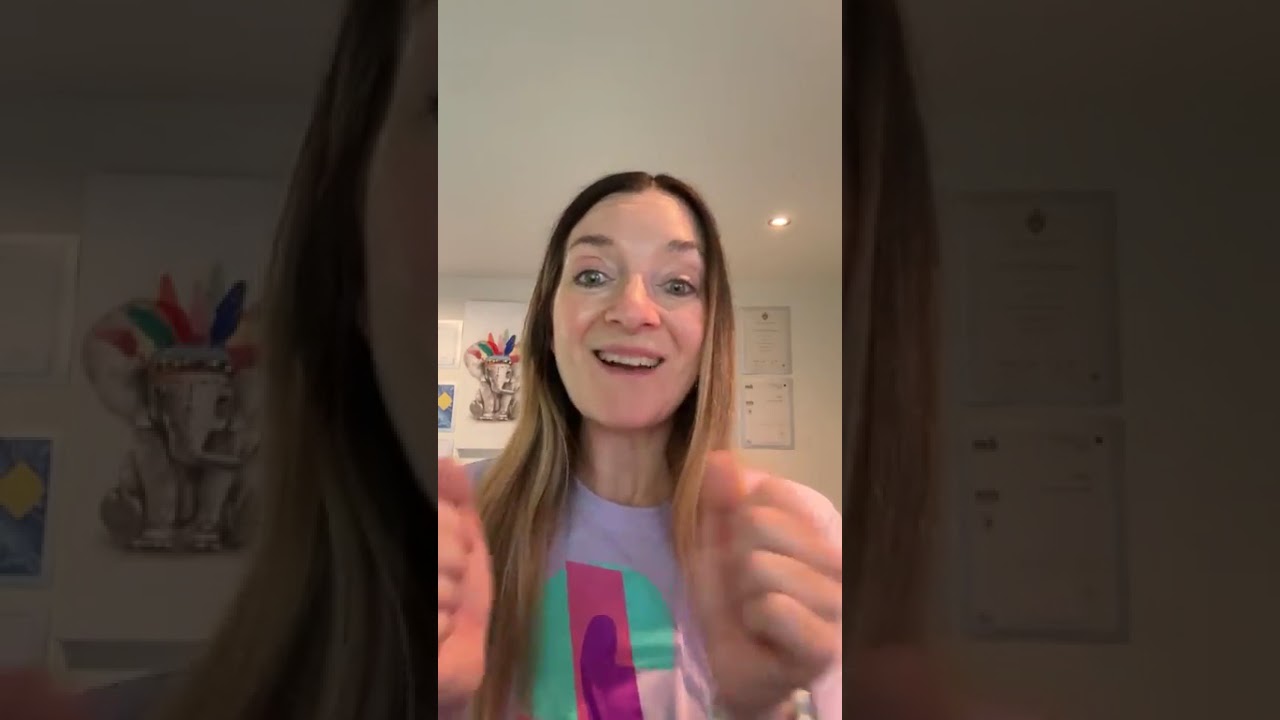
In this 25‑minute live session, Joanne Smith guides people recovering from chronic pain, fibromyalgia, chronic fatigue, or long‑term injury toward a nervous‑system‑based approach to healing. She frames recovery as a shift from "messages of danger"—pain, fatigue, hyper‑vigilance, avoidance—to "messages of safety" that reassure the brain that the body is protected. Joanne explains how well‑intentioned rehab activities can unintentionally signal danger if they are performed out of fear of fixing the body. She then offers a toolbox of practical, low‑stress activities that act as safety signals: smiling, slow diaphragmatic breathing, self‑compassionate self‑talk, gentle hugs, naps, pet interaction, movement for enjoyment (hula‑hooping, walking, dancing), nature exposure, music, emotional expression, laughter, playful silliness, and mindful eating/drinking. She stresses the importance of social connection—joining clubs, volunteering, reaching out to friends, and avoiding conversations that focus on symptoms. Joanne shares personal anecdotes (volunteering at Endure 24 Leeds, her son’s holiday, her own 16‑year pain journey) to illustrate how belief in possible full resolution is itself a powerful safety cue. She recommends specific resources such as the Curable app and Dr. Schubiner’s training for understanding the brain‑body safety‑danger model. Everyday habits like sunlight exposure, tidy environments, and simple routines are highlighted as additional safety messages. Throughout, Joanne interacts with live‑chat participants (Simon, Emma, Varna), reinforcing community support. She concludes by urging listeners to regularly audit their thoughts and actions for danger versus safety signals, add more safety‑based practices, and keep the focus on living as if symptoms were absent.
Chapters
Hi there, Bend and Snap Active People Getting Back on Track. I've just gone live from my laptop and I'm not sure it worked, so I've rejoined from a mobile phone. So please say hi if you're here. Please let me know if you have any, any comments, questions at any point during the session, and a massive welcome for anyone new that's joined this week. Apologies that I always have these techie issues. I'm not sure whether it's a Facebook thing. I like to consider myself as pretty good at using technology, but I don't know, maybe I'm just full of myself. Anyway, the subject for today's session is Recovery Begins with Messages of Safety, so that's what I'm going to talk about for the next 25 minutes or so. I've actually got quite a few notes written down— well, not written, um, for today, so quite a few things that I wanted to share in tonight's session. Um, so I'm just going to get straight into it because otherwise I probably will run out of time. Um, but I'm just modelling the new t-shirt that I got for volunteering, um, at the event that I volunteered for on Saturday, which was Endure 24 Leeds. And I really would recommend volunteering to anyone that's interested in getting, even if you're just wanting to get back for yourself, like volunteering is just so much fun, it's such a great way to inspire yourself, to see what's possible, to get confidence, you just meet so many amazing people. I did the night, I did the Well, 5 PM till half past midnight, 1 AM kind of time, and we did a checkpoint dancing. It was like a full-on rave, but it was fun. And I didn't realise, but it means that you get like a discounted entry for next year, so you might even see me back there running next time. I'm not sure, I'll probably do a mixture of both, volunteering and running as well. There was one lady that volunteered for 12 hours, Another lady did volunteering for 6 hours, then went running for however many 6 hours, and then came back and volunteered again for 6 hours. Anyway, there's so many things to do that can be really helpful for, um, for you, for recovering. And actually, that can be a really great message of safety to see that other people are out there doing things, um, who are not even quite ready to do those things. Well, they might have believed they were, but they're there doing it and it can help you. So I didn't plan on talking about that today, but I just thought it's quite, quite a nice thing to mention. So whether you're recovering from an injury that's become— lasted, the pain's lasted longer than the expectation for that particular injury, usually if it's lasted more than 3 months or longer, whether you are living with a diagnosis that you may have been given by medicine, for example, fibromyalgia, fibromyalgia, which is what I was diagnosed with. It could be chronic fatigue syndrome. It could be whatever it is. If you're in a situation where you're feeling like you can't trust your body, you're feeling like you're never going to get out of this, you're feeling like, I'm never going to get well, anything like that, you can end up being in a situation where you spend a lot of time looking for what you think might be the perfect Rehab kind of program or recovery program or special supplements or treatments, and those things have got their place, but if you have got a nervous system that is constantly receiving the opposite to what I want it to receive in this session, so the opposite being messages of danger, we're looking about recovery begins with messages of safety, so what's the opposite? Danger. We don't want messages of danger. So if you are in a situation where you're working really hard to fix something and you're doing all these exercise regimes and training plans and all of these things, that could be an unintentional message of danger. Your body could stay on high alert, and the nervous system has just one job, and the one job is to keep you safe, keep you alive. So it, it doesn't distinguish between A genuine legitimate physical threat or an imagined threat, if your brain thinks you're in danger, it will increase the protection. And one of the most amazing ways to do that is to alert you through protection, which could be pain. Pain is protection. It could be fatigue. It could be muscle tension, tight muscles. It could be avoidance, overthinking, hypervigilance, And so on. So recovery does begin, in my mind, when we can help the brain to gently realize that you are actually safe. So one of the biggest, biggest, biggest messages of safety that I had way in the beginning was even just knowing that there was a possibility for a full resolution for all the symptoms that I've been experiencing. And that I had been experiencing for, at the time, over 16 years when I first found out about this approach, that was a huge dose of safety to my nervous system in the beginning. It was like, oh wow, actually there's a potential to get out of this. And I'd spent 16 years trying to get out of it, doing everything I could to fix and help myself and Manage, and all those things that I was doing, I now know were messages of danger, which I didn't realise at the time. Okay, so I won't go too deep into the story because I know many of you who already know me or have been with me for a while in this group have probably heard this stuff before. We're just going to focus for this session on what might be a message of safety. So, and please type in chat at any point because I am on my phone, so there's no reason why I won't see the messages today. And if it works well, I'll just go from my phone every week instead. So what is a message of safety? I'm losing count about how many times I've said this so far. Okay, so a message of safety is anything That is going to gently tell your brain, your nervous system, that you're safe. So it could be a genuine feeling of, oh, I'm actually okay right now. Oh wow, like I had in the beginning, I knew, wow, if pain can be created in the brain and it can still be generated even when there's no physical damage or problems, then that was just amazing to know, incredible. Dose of safety. But yeah, so there's just so many ways that I, I could have done a humongous amount, but ultimately they're individual to you as well. So things like smiling, I do a lot of smiles, I do a lot of smiling at other people, smiling at myself, I look at myself in the mirror, I'll look at myself on this camera now and give myself a smile. It's an instant softening, calm, settle into the nervous system. So your brain will naturally associate smiling with safety, connection, enjoyment. So yeah, go for it. That's number 1. Well, no, I've probably done about 2 or 3 so far. I won't count, but calm breathing, slow breathing. I like to do in the nose, out of the mouth, whatever. Breathe however feels comfortable and slow. Notice the difference between shallow breathing, because shallow breathing is what we do when we're stressing. It's like a hyperventilation kind of breathing. So slow, deep breathing where you really fill the belly. You feel this, you'll feel the belly rise and fall, like when you, you know, you— that's like signalling There's no danger, there's no threat, everything's good. Okay, let me think. Speaking kindly to yourself, treating yourself like your own— you are your own best friend. Um, rather than being critical on yourself, oh, you're doing rubbish, you're never going to get through this, this is never going to go, I'm stuck here forever, it's going to be more, I can overcome challenges. This is temporary. So yeah, being kind to yourself is really important, um, because there's no race here. So taking a break, taking a rest without feeling guilty— instant sign of Jo's good. She's just gonna go and take a nap, and it's not a bad thing. Oh, I've got a comment coming in. Thank you, Simon. Calm to me is taking my dog for a walk, the joy of his face when I reach— oh, I love it— reach for his lead. Thank you for sharing that one. My dog too. Oh my gosh, the smile on his face. Even dogs do huge smiles. Um, yeah, brilliant one. Thanks for sharing. So yeah, taking your dogs, time with pets. Giving yourself a hug. Oh, the amount of times I give myself a hug during the day is getting a little bit— I do it all the time. I don't do it, I don't know if I do it in front of other people, but I do it when I'm on my own quite a lot. Sometimes it's just arms like this. Yeah, naps are great. Yeah, they're so good. Can wake up feeling better than having a full night's sleep. So yeah, giving yourself a hug, a really good message of safety, not believing every single stinky thought, all the thoughts that are taking you into the bad neighbourhoods, I call it, you know, when you get on that, the wrong bus and end up going down that road. We don't need to believe our thoughts, and that can be a really good sign of safety. I've been having some difficult thinking over the last 24 hours because my son, who's 18 years old, has gone away on his first lads' holiday. So clearly I'm a mum, I care deeply, I love my son, and I don't want nothing to happen to him. So I've been having a lot of thoughts, but fortunately I'm not— I don't believe my thoughts, so it's helped to get me back to safety again. Calm my nervous system. For me, hula hooping. For others, that might put them into a fight-flight response, but for me, I always have my hoops. I've just done a full session on the park. That, for me, it takes me into my body and out of my mind. It gives me a break from the busy mind. So yeah, nature, getting in nature for many people can be really, really helpful. Like, just hearing the sounds of birds singing, the noise of the birds actually is a really, really great way to feel safe because birds only sing when it's safe. So that is a really, really good Message of safety. Going for a walk, going for a jog, whatever it might be, watching the clouds float around in the sky, just looking out on the scenery. For some people, people watching, they might like that. We did yesterday, me and my daughter went. She trekked me to take me out for dinner and we went to, well, we actually set off to go to Pete's, oh, where did we go? We were supposed to go one place and we ended up in another. We were supposed to go to Bella Italia and we ended up at Pizza Express, but we were just watching how other people interact, you know, like in the restaurant, and my daughter kept saying, oh, Mum, she goes, it's so interesting watching them couples and the way that they like sat and ate their meal together, and then she watched them get up and walk out of the restaurant together, and so we actually found that really relaxing and interesting. And thank you for the comment, Simon, about the fantastic advice. I'm really pleased that it's helpful because I aim just to share genuinely from my heart on things that I've found useful for myself and others that I work with. And if you find just one little thing that you can take away, then I'm a happy girl. And Emma's always here, so thank you, Emma, for being here. It tells me that you're watching. And I've I always said that as long as Emma shows up, I'm going to keep on coming, um, because Emma's been here nearly every single week right from day one when I started doing this in 2023, September 2023. Um, so really appreciate you all for being here. Um, I actually have got here on my list playing with your dogs and playing with your children and moving just for the pure enjoyment of moving. I'm actually standing up just so I could get my camera at a reasonable angle, because when you have a smartphone and you've got it on a weird angle, so, right, so yeah, moving for the fun of it, not because you think you've got to do it because you're going to fix yourself. That's the difference, because if you think you've got to do it because you're going to fix yourself, actually that's a message of danger. It's not safety. So always ask yourself, is what I'm doing a message of safety? Laughter, you can't beat a good old giggle. You can just laugh for the fun of it sometimes. Laughing yoga, that's even a thing if you go on YouTube and just search up laughing yoga. It genuinely changes our physiology. And just being silly, be Just being a bit childlike, I mean, I don't think I've come across anyone that don't enjoy that, like, deep down, even those that are very professional, that have got their professional hats on at work, and they definitely don't crack a, you know, they're really difficult to crack, tough nuts to crack, even deep down, I think there's something inside of each and every one of us that just Loves that kind of thing. I've just realised that I do want to buy a nutcracker because I keep getting pistachio nuts and, you know, when they're not open, I'm like, oh, how do you eat a pistachio nut that you can't crack into? Because I'm going all healthy recently, started to eat nuts. I haven't had nuts in years, but I realised I like pistachio nuts and I need more of them in my life. Anyway, Music. Who loves music? Like, I've just had happy hardcore playing. I think it's still in my mind from Saturday night volunteering. We literally have just rave happy hardcore music playing, reminding me when I first passed my driving test back in like 1999 or whenever it was. And just loving a good sing-along with music. all different kinds of music, whether it's power ballads. I like a massive range of music. And actually, wow, like, it's such a great way to teach your nervous system that emotions are safe. Because, um, the emotional part of recovery can be really big because a lot of people may have grown up, um, where you've been not able or not encouraged to feel your emotions safely. So some of us, our nervous systems developed in a way to say, right, you're not allowed to cry, you're not allowed to be sad, you're not allowed to be upset, and you've had to sort of like just find a way of coping, survival, and it gets stuffed away, the emotions get shoved under the rug, and they're building up and up and up. So I think a really lovely way for me Actually, to go through this recovery and have been able to, like, prove that feeling sad, having a few tears, having a little feeling of sadness or anger or whatever it might be, music's been a really great way for me to tap into those, to actually create a message of safety whilst feeling emotions, okay? That's a whole new subject for a whole week all by itself, is that, the emotions. But music can be really lovely. And I'm just going to read this next comment just to see what it says. Simon says, the only person whom you need approval from is in the mirror. Oh, I love it. Absolutely, albeit I'm an old git. Sure you're not. Laughter is so the key to well-being, and you're doing a grand job. Thank you so much, Simon. And I even realised when I said Simon Says, I was playing a little bit of a game game there. Um, Simon says, well, you are definitely right. I'll take that. Thank you. Oh, Varna. Oh, welcome, Varna. I didn't realize you were here. Thank you for, um, your comment. Love that you mentioned if you think you need to do a workout or something, it can be a message of danger. Oh, thank you for sharing, Varna. I hear so many people, including beating ourselves up if we think we should do a workout and then don't. Yes. Oh, I'm so glad I've got my comments working because it makes it so much more fun doing the live. So thank you so much for the insights. Yeah, it was such a big part of me feeling well again, because I used to give myself quite a tough time for not doing, and now I just do. I am like bulletproof confident that I know I'm not the kind of person That's gonna not do something for days and days and days. I know it's not going to be the fix, and I realise that because if movement was the best medicine, then I would have got well like a long time ago because I didn't stop moving. So yeah, thank you for sharing that. Okay, so I'm gonna move on just for a few more sections of what I would class as messages of safety. This is a really important one. Connection. Human beings need connection. Connection with other people is a huge part of messages of safety, feeling safe. When we, when we feel lonely, when we feel isolated, and that can happen when you're having pain and symptoms, it's a little bit of a vicious cycle because what can happen is We don't feel like being around people, we don't feel like socialising, but then that in itself again can heighten the brain's perception towards safety. So even though it might feel like hard, I really encourage you to join groups, join a club, join a hula hoop if there is one near you, or a dance class, or a running group. Like, meet a friend, like, say yes to the invites. Even if it's just a half an hour, have a coffee with someone. Share your stories, talk funny stories with each other, have a laugh. And the best message of safety is don't talk about your symptoms, don't talk about pain and symptoms, talk about anything other than that. So don't make the conversation about that. It can be really hard when you've been there a lot of years. But yeah, like, if somebody does ask you a question about, oh, how are you getting on with your back, for example, you could be like, oh, you know, you don't have to be like, don't ask me, don't mention it, you don't have to make a deal about it or anything, but you could be like, oh, I'm working on some stuff that's taking me in the right direction, and how are you? Let's talk about you, what's new in your world? You know, you can do it in a way that's That's soft and gentle and that's not like, oh, I'm not allowed to talk, you know, so it's just being a bit natural about it. Okay, so another message of safety, because we've not said enough for one day, is actually believing in yourself, feeling like you are capable, like it might not happen instantly. It's not something that's available, like, on day one for everyone, but we're working towards that. So you can even ask yourself the questions like, what makes me feel capable? What things could I begin doing that will be a message of safety? Or like, if you think about things you've been avoiding, you could then start doing a little bit of those things, because again, that's gonna— Be a message of safety when you, when you take steps towards doing those things, because when you're avoiding doing those things, that screams danger. Jo's not cooking dinner. Jo doesn't believe she's able to cook a meal. That screams danger rather than safety. So baby steps, little by little. There's nowhere to be— there's no time limit on this, you know. This is your own journey. So Yeah, don't make promises to yourself that you can't keep. Make a promise that you know you can see through, because again, safety, you know. You did well, you did really well. I talked a bit about physiology at the beginning with like smiling, like, but I'm gonna just enhance on it a little bit more. So calm the body, like drop the shoulders, the jaw, In the beginning, I did have to do a lot of, like, consciously, like, realizing, oh, you're holding your jaw quite, you know, tense. Or I'd just kind of, like, let my teeth at the back, teeth, the back molars, have a little gap between them, make sure my tongue's, like, not pushed up to the roof of my mouth, all those kind of things, just to ease any pressure or tension that's in the body that I didn't even know I was holding. So that can be really nice and helpful. Some people enjoy following guided meditations, or there's so much available on technology and apps. I've got my favourites, like different apps that I like to listen to, and I always recommend Curable. Curable is an amazing app. If anyone wants to join it on a 6-week trial, just drop me a DM, I'll send you a link. I would encourage anyone with With who's been, you know, struggling and not getting any progress with mainstream medicine, or then definitely Curable is so good. So yeah, use the technology, use the apps, they can really help us to get, get to safety. Okay, I've got everyday messages. So just signs that you're up and about, like Getting out in the sunlight, drinking water. I'll just have a little drink now. I still lost my voice a little bit from cheering so loud for so long on Saturday night, and that wasn't at the football either. I didn't watch England, although my husband and son watch, they watch all the games, so I was still up all night. So like opening your curtains, drinking, eating lovely food, Savouring the food, you know, when you eat a lovely meal, don't then give yourself a hard time after it, you know, oh, I shouldn't have eaten that. It's like, no, savour the food, enjoy. Your environment, whether it's like a nice tidy garden, a lovely tidy home. Drinks, you know, like cups of tea, cups of coffee, How you can just sit and really get into the moment, that mindful eating, mindful drinking. Again, it really does calm down the nervous system. So there, let me think if there's anything else. One more to end it on there, and then I'll do a little summary. So living your life, live the life that you would be living If the symptoms and the pains were not there. Aim towards that and that will get you there. So sometimes we get into a habit of unintentionally keeping our nervous system on high alert, like I did for so many years, because I was living thinking this is never gonna go away, it's not possible. I've been told you can't recover from fibromyalgia, it's a lifelong Disability. That's an unintentional— keep you— if you want to keep your nervous system on high alert, then tell somebody that for the future. And they're like desperately, desperately fighting to move and do things and try and be active and do the things they love doing. And it's like, whoa, I've got to drug myself up on medic— prescription medications just to be able to do those things. Like, you know, that's going to keep you on high alert. So, like, it becomes a cycle of continuously checking, how am I? How's it doing? Oh, is it— has it got worse? You know, it just becomes avoiding certain things. I avoided sitting down for so many years. It just becomes an automatic thing that you got really good at doing. Like anything, we can get really good at anything that we practice often. And And you learn, the brain learns certain things, it expects, it predicts, it works based upon predictions. We can have conditioned responses, so it's just the way that it works. Like, we're not doing anything wrong, the system is there to protect us, it's doing its job perfectly well. So if we, we can have the awareness and understanding, then we can then add in messages of safety This is why I titled today's session Recovery Begins with Messages of Safety, because it really does. And the first message of safety could just be that you even knowing that full resolution of the symptoms and the pains that you're experiencing is possible, that can be the first message of safety. And then we build upon that. And just having that knowledge about, oh, asking myself, oh, am I filling my mind with messages of danger? Or am I filling my mind with messages of safety? And keep it really simple, Dr. Schubiner style. The Dr. Schubiner training is amazing, it's really, really good and really, really simple. So yeah, I think I've summarized it there, so I'm just gonna say to you, I'll leave that with you, just ask yourself, Is my behaviours, my thinking, my routines, what I expect tomorrow to be, providing messages of safety, or is it providing messages of danger? And then get curious and see whether you can add in more of those activities that we've all chatted about, messages of safety. Yeah, and I'm just going to read this last message before we finish because Simon says, Fabulous advice, An easy fix to help your peer group is to just send them a text. How are you doing? Not intrusive, but connects you. Self-care is low on our agenda generally, so you are smashing this, love. Oh, thank you, brilliant. I really like that one. Yeah, that is a really great message of safety too. Even just reaching out to another human being And asking, hey, how are you? We benefit too. Like I started out the session talking about the volunteering, when we volunteer to help other people, it's filling our nervous system up with signs of safety too. So I'm going to leave it on that one, and thank you so much for getting involved, and I will go live from my phone every time now because I think it's going to be better because I can read the comments. So have a beautiful week, everybody, and please share comments and questions in the group at any point. And if there's anything particular you want me to talk about, then just ask and I will, because we're never going to run out of subject ideas and there's always lots to share. So have a great week and I'll see you next time. Thank you. Bye. Bye.









