Slow is Fast
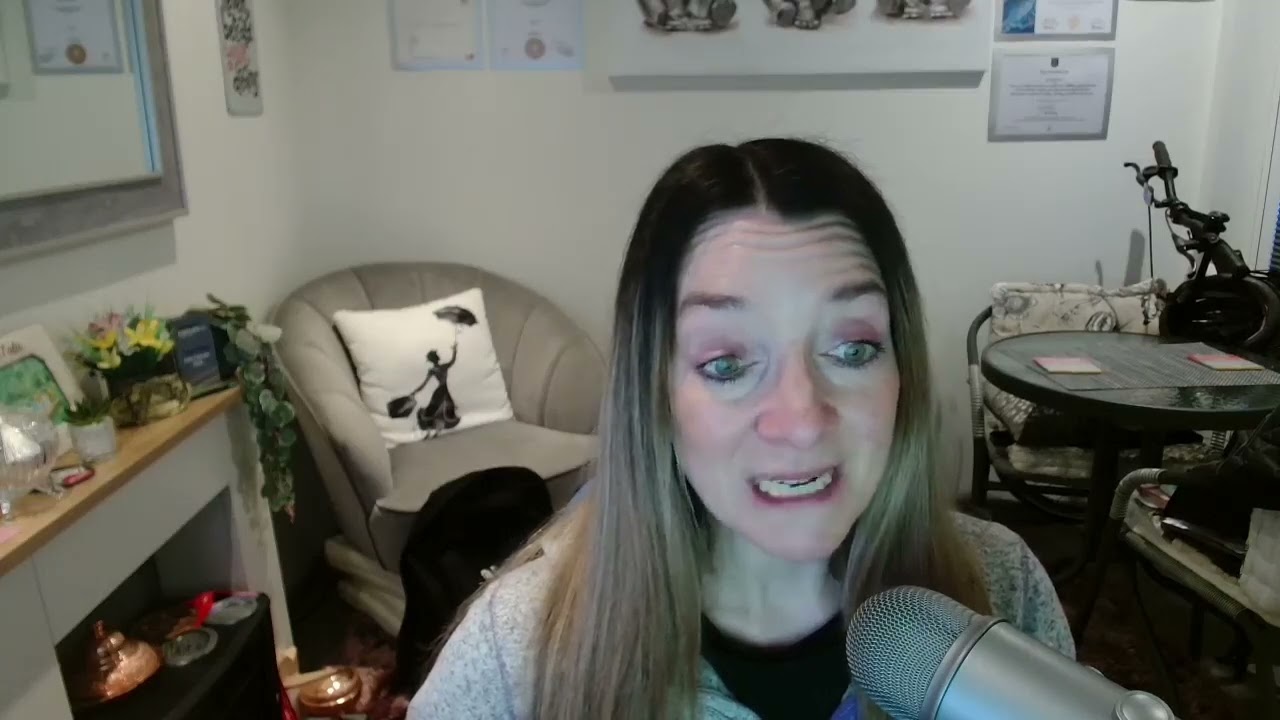
Joanne Smith explains why "slow is fast" in recovery from chronic pain. Rushing for quick fixes wastes energy and backfires; a gentle, consistent approach lets the nervous system rewire like a garden path worn slowly by footsteps. Focus on tiny daily gains, not the gap to where you want to be.
Chapters
Hi there, welcome to Bend and Snap Active People Getting Back on Track. Welcome to another lovely Tuesday. Gosh, I'm a minute late. Where has today gone? It's been a busy one. Before I know it, I'm like, "Woo! Oh, better click going live." I've been messing around because I'm on a new device again. So maybe today I will get some comments. So please type in the chat if you're here. Say hi. Any questions at any point? Any comments? Please let me know if my audio is working. I didn't have chance to check it before I jumped in here live. So I'm gonna get started, hoping that everything's working. And yeah, so today's session inspired by me really reminiscing about a quote that I came up with years and years ago, actually before I even truly understood the power of this quote. And I used to say this when I was a health visiting teacher. Team facilitator because I was helping to lead a team of health visitors, nurses, nursery nurses, and I used to see— there were a big team, there was like 25 people, and I used to see people coming in, rushing around, flapping, panicking, like in a big rush to get things done, like, oh, Oh my gosh, this has happened. I need to fix it. I need to fix it right now, right now. Like, like as though it was the most important thing in the world. But what I realized was the amount of energy and effort and wasted time. I used to notice it all the time that so much wasted energy, so much wasted panic, so much fear that didn't need to be a drama. I used to see it happening over and over again because basically everyone came to me with the problems and all the worries, and I always used to say, okay, let's have a cooling-off period. I used to say, remember, slow is fast. And I actually came up with the expression because I realized it through my running journey when I was building up with doing longer distance running. I began to realize that if I ran slow, I always got there quicker. And I used to start— I just started saying, slow is fast, slow is fast, because I realized that if I didn't, like, overdo it and push it, then it would be fast because I would get the job done quicker. And it would feel better. Obviously, it felt better because there was less panic involved. But little did I realize that All of these years on, I would finally connect the dots, not only with those, you know, whether it's work, whether it's something that needs, um, dealing with at work, whether it's whether you're running or whether you're building up with learning how to do a new instrument, or whether you're building— it just— I just realized that it obviously comes into play in all areas of life, but particularly it comes into to play with mind-body recovery, for sure, with neuroplastic pain and symptoms recovery. This approach to slowly— slow is fast— is huge. And actually, the team really bought into it, and they wrote it up on the board in really big, like, Capital letters, but they added a little bit extra in. They used to put on there, slow is the new fast, and it became a bit of a team motto, which was really quite nice because the atmosphere was just really nice because everyone would be like, slow is the new fast, like, we can take a breather, we can, there's nothing to fix, there's nothing to do. Often these things sort themselves out when we take our foot off the accelerator and we take our hands off the wheel and we just take a step back and trust the process, a lot of the things that we were doing didn't need doing because there were nothing actually to fix. So, um, no comments coming in, so what a shame. Must be a Facebook thing because it's definitely— I thought it was my PC, I thought it was my technology, but it's not. Because this is a whole brand new laptop and it's still not working. So let me just quickly check if there's anything on my phone because I'd hate to think that I'm live and it's not working. But I think it is working. If there's anything— oh yeah, iPhone, because I'd hate— oh, I'm checking it on my phone quickly now. And I can see that there are comments from Emma. Hi, Emma! Woo! Ignore me, I'm playing it and you can hear me in the background, but thank you for saying hi. I can't read them because I keep speaking and I don't want to hear the sound of my own voice playing in the background. Yeah, right then, enough of the pep talk about the slow is fast. I'm gonna get into this because it does go against everything that Modern-day living is screaming out to us. We've got technology, we've got everything can happen really quickly, we have databases, like in the NHS we have systems where they're all there on the list, whereas years ago there may have been a message that was sitting there in an old-fashioned workbook where, you know, the old phone would ring and you'd pick the phone up and then you'd handwrite it in a little book and then the member of staff that it was for would Maybe log it, maybe look in that book a week later. But whereas now it's everything is so fast, it's there in the click of a button. There's a lot of urgency, a lot of getting results fast. There's a lot of, well, yeah, urgency to get things done quickly. And when it comes to suffering with symptoms, then if we're gonna be going at it with that same level of urgency, then that can be really, really counterproductive. That same level of, I guess it's just, it's unintentionally fueling things to keep going without realizing. And I've worked with a lot of people now over quite a few years, and I'm really beginning to see these, these patterns hugely now. Where what I'm realising is that the people that do go with this slowest, slow approach, the gentle, more nothing to fix approach, actually get there quicker. Because there are people that get quick fixes and they get quick results following maybe reading a book, and all of a sudden they think, wow, I feel great. But unfortunately for many, they'll end up with something else happening. And I get a lot of people contacting me that have got a lot of knowledge about this stuff, which is really great because it's nice to speak with people that have a lot of knowledge and insight. But what I'm realizing is that they may— because things happened quickly for them the first time around and they didn't go on this This more slower journey where the, the brain really has realized this long-term, slower, longer-lasting, then they tend to get what I talked about last week, like with the symptom imperative, where it just swaps for something different, or the original symptom returns. So it might sound backwards. Like everything that I talk about, but it's good because I say a lot of things backwards, so actually I might finally start saying things the right way around. So yeah, like, I think when we've been on these long journeys for a lot of years with struggles, we want rid of this stuff yesterday. We want it gone now because it's exhausting. And it really is exhausting, and you just get so desperate that it's like you just want to do anything to force it away, fix it, go for it, want to do it as quick as possible. I want to— if I know what needs doing, I just want to get on and do it as quick as possible. And unfortunately, That can backfire as well, so it's better to be— itchy nose now, being hula hooping outside and being on the floor and on the grass and everything else. I even got a little bit— I think I got bit as well on my leg, I felt a right sting, I don't know if something flew up my trousers. Right, back on track anyway. Sorry, I'm getting distracted. But it's just about committing to the tiny little small steps that you can do consistently. Because like I always say, it's the people that all of a sudden, like whether it might be 6 or 12 months or longer, 18 months, 2 years, whatever, we don't care about how long. We don't care because we know that That's the approach that's going to get you there, to the recovery. So it's the ones that just randomly wake up all those time later, that have gone slow, that have not gone at it with this dramatic speed and gotta do this right now, that That realize, ah, I actually feel better, because it was so gradual that they didn't even know at what point they got there. Um, because this slow consistency is a really good approach for the nervous system actually getting, um, real genuine trust That this safety that we're creating and it's happening is not— is real, because sometimes when it's like a really quick thing, for example, like if it could be like a really good placebo cure, the nervous system hasn't actually caught up, it might Like, believe that for a little while, but often these things return because of the— because it's not been such a slow approach. So sometimes, yeah, I hope that worded it right, like the, the kind of like the nervous system got to catch up to believe that it is actually real. Um, so When you're doing a little bit more each day, like it might just be a little walk a little bit further each day, or just moving that slightly little bit more, it's a gentle approach, there's no desperation or fighting or pushing, then you're actually working with yourself rather than against. If that makes sense. So like I said before, fast healing— I'm not saying every time, this is not like a one-size-fits-all. There are some people who do recover really quickly and that will be longer lasting, but more often than not, more frequently, it does bring on a faster relapse than those that have done this more gradually. I mean, you can't really choose because it's all done automatically anyway, but if you have the understanding, then it's going to keep you committed and keep you consistent and more motivated knowing this stuff. And this is like the generic, like the vast majority of people would follow this pattern. So in those like rapid healing moments where people read a book and get what they call a book cure. Sometimes the mind hasn't caught up yet, and so that, that's sometimes why people get really confused and like, why, why is this back? And they get even double, double disappointed because they're even more scared than they were the first time around. But if you know this stuff, then you're gonna save yourself a lot of worry and a lot of fear. Because the body might not quite trust, trust it. And if there's still some danger going on there that hasn't been dealt with, then you're kind of going in a cycle. Yeah, but if you're doing it slowly, gradually, the new neural pathways are created. Like, I always think of it like My front garden, the grass sometimes grows quite long, and my dog will walk down a certain way on that, and then I actually watch it day by day, he creates like a little path that gets laid down in there, but it takes a little while and it happens gradually, it doesn't just happen on the first time that he walks through that little path. And in my mind, that's how I imagine these new neural— it's probably completely crazy, but it's just how I do it, like visually. In my mind, I imagine these new neural pathways getting created that are a bit like the grass on my front garden. That's how the lasting change happens. Lifelong lasting change rather than a quick fix that doesn't last. Or, or even doing things that you didn't even need to do by over-panicking and doing loads and loads and loads that didn't even need to happen. Save yourself some energy. So yeah, if you are currently going through a recovery process and you're getting frustrated and What have I got going on now? Action needed. Action. I don't know what kind of action it's wanting me to do, so I'm just going to close it and hope for the best. Um, yeah, if you're getting frustrated because you're not where you think you should be and you've been unwell for a long while and there's no answers and you understand about neuroplastic pain, you know it's you, but it's just not happening quickly, then I want to reassure you that you're where you are, you're where you need to be, and it's not actually an issue. It's actually a a good thing. It's the wisdom. It's this pace is keeping you safe, so just keep going and know that you're gonna get there faster, if that makes sense. Because I think of it like marathon running, like there is a There's no set time for anyone to do anything. There's no set time. I know people that have been only running like six months, and they do their first marathon. But what I have realised is that the people that I know, that I've met, you know, it's not an exact; it's just an observation of mine. They don't tend to, um, be around that long in the, you know, and like in the running clubs and things like this. They tend to peak really soon and then they don't seem to continue. It took me a lot of years, you know, to get to that sort of a level. Um, so that's where the slow is fast expression came from when I was building up with my running journey. I just realised that it's transferable and relevant in All of these other areas of life, so yeah, yes, I think of it like in in marathon sort of like running marathons, and by the time I got to doing that, I could do it over and over again. No, no problem. Didn't finish with any injuries. Could go again the next day. I know people that ran a marathon and couldn't even walk for a week afterwards, but I always sort of live my life based upon this understanding without realising it. So there's something in it, so just notice it for yourself. Don't panic that you're not where you think you should be. Because that's when you're getting stuck in the gap, they call it the gap and the gain, and it's where you, you're completely not noticing all the things that you've achieved and all the things that you gained, you're just looking at where you think you should be and where you are now and that gap. And really you want to be focusing on the gain, on all the mini bits of progress, which is, trust me, so much more important than getting rapid, rapid results and going and peaking really soon, because often it's not a sustainable way forward. Many people do, unfortunately, I'm not saying everyone, but some do hit a relapse and we don't want that. We don't want that to happen. We want lasting results. We want deep understanding about the root of the cause rather than getting stuck in that loop. And actually, the people that tend to get far are the ones that don't slip back to that old, um, cycle. And they just sort of like get a little bit addictive, you know, to this process. And they just don't really have their eye on any particular destination or end point. And they're just, um, knowing and Just going with it, knowing this is what I need to be doing, and this stuff takes time. It's not a, um, a light switch or a click of a finger. The process often takes, um, time. So just be comfortable with that slow process is all I'm sharing for today, um, because I've actually got another meeting soon as well. So I'm going to aim to finish a little bit early tonight. So I just want you to, yeah, have a think about what area can you go a bit slower, go a bit easier on yourself. No rush, nowhere to be. Um, with ease, um, with more softness, just find a peace at being Gradually consistent rather than— I always call myself the Sergeant Major Jo that's constantly saying you've got to do more, more, more, more, more. Well, you don't, and you don't have to go faster, faster, faster, faster, faster. You actually need to get more comfortable with going slower. Let me think. Let's think of a nice moment to end this on. Slow is not the enemy of fast results. Slow is actually the path to them. And try telling somebody like me! I would have never heard that years ago because All I ever did was try and do things to have to be the quickest or whatever, you know. No patience, no patience for that. No patience for standing behind somebody that's strolling really slowly. I'd have to rush around and get past and all this stuff. And I'm like, oh God, all that time they had the right idea. They had the right idea. Um, but it's a progress, it's a progress. Try it out. Try it on for size and see how you go. I am not saying that you can't have your moments where, you know, that feel good, that feel safe, where you want to do something with, with a faster sort of style. I'm just talking about how we move forward with recovery from chronic pain and chronic symptoms. And the slower process often leads to much lifelong results. Okay, have a brilliant week, and sorry about not answering any questions. It's really bizarre that it doesn't let me do it on here. Maybe one week I'll go from my mobile phone instead, because clearly these days mobile phones are better than Laptops better than any devices. It always seems to be like they work better, so I don't know. I'll see you all next week. Have a lovely week, and thanks for being here, and thanks for anybody new that's joined. And please share in the group. You're a quiet bunch. You're a quiet lot. Um, and um, I'd love if I had more time to get the party started. I would. At some point in my life, when I maybe get a bit of time, I'll come on in there and try and get the party started a bit more, but at the minute I genuinely do as much as I've got time for. So yeah, please somebody jump on in there and get the party started for everyone, and I'll see you all next week. Have fun! Bye! Bye!









