Brett Lindenberg & Blogging and Podcasting with his VA
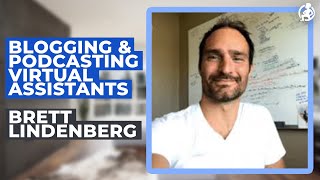
Interview transcript of Brett Lindenberg (founder of Food Truck Empire) describing his site FoodTruckEmpire.com and podcast (Food Empire Pro), how and why he started the business (launched 2013), growth challenges and monetization (ads, courses, AdThrive), acquisition of MobileCuisine.com, and practical advice on hiring and managing Filipino virtual assistants—particularly content writers (he employs 3 Philippines-based writers).
Questions this video answers
2013
Three; all based in the Philippines and focused on content writing (including marketplace listing management).
Food Empire Pro
MobileCuisine.com; purchased "last December" (relative to the interview).
Approximately $30,000–$40,000 per year (during that plateau period).
Chapters
Hey, it's Elaine with OnlineJobs th and today we've got Brett Lindenberg with Food Truck Empire, the owner, founder, and also he's got a great podcast, the Food Empire Pro. Brett, it's great to have you.
Julian, awesome. Thanks for having me on. Excited to be here.
Okay. Yeah, this is fun. You've got such a unique business model. So tell us first what your business is and what services you offer.
My business is foodtruckempire.com I kind of like to think of it as the entrepreneur magazine for starting a food truck business. So basically we just help other entrepreneurs start a food truck, help them with their business planning, help them with their numbers, that sort of thing. And since we got started now, we've kind of talked about all sorts of different types of food related businesses, from coffee shops to restaurants. And that's really our goal is just to help people start or increase the profit of their existing food business.
So how long have you been doing it?
2013 is the first year that it started, so been at it a little while. I had tried a few different blogs and websites in the past prior to that, and you know, some of them had like modest success, that sort of thing. And I was kind of at like a reset point where I was looking around at different businesses that I could start, whether it was online or like a real business quote, unquote. And this was around the time that 2013 is when food trucks started kind of getting more popular. And I think also like the great food truck race it might still be, and I believe it was at the time it became the number one show on the cooking network or cooking channel, whatever channel it's on. So it was the number one show. So I was kind of like, oh, this is a really interesting business. It's something that seems like you could start for kind of affordably is something that you could do just part time, you know, and even like hold down a job because most of the big events are going to be during the weekends anyways. So I was like, oh, this is a super, super interesting business that you could get into. So I kind of looked into it more and naturally the first thing you do is you head to Google, you type in some word, you know, like, oh, how do you start a food truck business? And when I did that, I just kind of realized there wasn't really any information about it online at all at that time. Like aside from, you know, a couple articles on Entrepreneur magazine, you know what I mean, it was just like a post here or there. So it's like, oh, okay. There's a lot of people that are super interested in this on television. This could be a cool business that I could start and maybe I could do some type of a thing where I document my journey, starting a food truck and you know, I could interview people. I was a big, I was listening to a lot of podcasts at the time too. So I thought I could launch, you know, an interview series, podcast around it too to get information about it. So that's really how the site started was just, I was kind of looking for, yeah, a business to start. I just noticed that there wasn't much content about it and I thought, hey, maybe there's something here to publish about and be kind of a first mover. And kind of launched it from a one bedroom apartment totally in the spare time, had a full time job, that sort of thing. And yeah, just launched it like any other blogger and like so many other blogs. It's very, very slow in the early days and not much traffic and it kind of took a, took a little while to build up.
What were you doing for your full time job at the time?
Internet marketing. So. And that's kind of what got me just, I went to college for to be a content writer. I kind of just ended up right after college, moving to Southern California after I graduated and I ended up just getting hired by an Internet marketing agency as a writer. And so that kind of experience got me to at least know about like SEO, know about websites and how they get ranked. So that, that kind of made me aware of that and helped me build up some skills that, you know, would be able to build a successful blog in the future.
What, which podcast specifically kind of lit that fire underneath you?
The one at the time was, I remember the Entrepreneur on Fire podcast by John Lee Dumas specifically, I remember that one. And I just remember being like, all he does is he has like eight questions that he asks and it, you know what I mean? Like he doesn't even really switch him up. I'm sure he does now. You know, I'm sure he's switched it up from the time. But that's just kind of was like, so he just reaches out to people, asks them these eight questions and publishes it. That's super, super simple. So that was kind of the approach that I was thinking too. I was like, okay, I could contact food truck owners, ask them questions about starting a business and then just record it and then write about it as well. So it's really like that basic concept that I kind of built it around.
Initially, what's your favorite thing to focus on?
I think the story is really cool, especially with food truck owners or really anybody that gets into the food space. A lot of times they're pretty scrappy. Like, a lot of times a food truck wasn't necessarily the initial idea that they had. Usually it's like, I wanted to start a restaurant around this concept. I realized I didn't have a million dollars. So, you know, I started out with a food truck, you know, that I could get started for under 100 grand. Kind of went from there. So I guess I would say that's really one of my favorite parts, kind of being able to tell people's story a little bit that wouldn't normally be told otherwise. And yeah, I just think there's some really good, especially within the food truck world, some just good, scrappy kind of entrepreneurial stories that come out of it. And there's a lot of people, too, that end up growing, like, pretty big businesses too, which is interesting. You know, you start with a food truck, then you get two food trucks, then you add a restaurant and then a bar, and maybe you write a cookbook, which is like all. All different things that different food truck owners that I've interviewed have done as their careers kind of progress. So, yeah, the storytelling part is my favorite part.
Are there any bumps you've hit in your story?
I would say around year three or four, I kind of felt like I had hit, like, a plateau that I couldn't get over. I think this happens with a lot of bloggers. You just kind of hit a ceiling and you're like, what exactly do I do next? I don't know know really what the next step is going to be. So, I mean, for me, probably around year three or four, I was just like, really? It was making a little money, maybe say like 30 to $40,000 a year. So it was like, okay. But I didn't have any path that I could see forward to kind of increase the revenue from it. And I felt like I had tried a lot of different things. So I would say, really for probably 6 months to 12 months even, there was like a stretch year period in there where I wouldn't say that I even. I was working on it, but I wasn't working on it that hard. And I think it was just because I didn't know what direction to take with it. I didn't know how to grow it and that sort of thing. And that's kind of when ultimately I kind of figured out the food truck space. Is a great niche to be in, but at least from my side personally, I kind of need to branch out into some other topics and not just focus on food trucks. And also too, I would say just from a personal level, I kind of had hit a point where I'd gotten a little bit burnt out talking to food truck owners only. And you could just tell when you're about to interview someone and then you go, I think that helped too. Just kind of getting for me personally refreshed and like, okay, I'm going to go talk to people in different types of businesses that are still food related but that I haven't heard that exact type of story before. And it's a little bit different, but it's still business and it still makes sense under this food umbrella. I mean, there are some other things too, like this company called Adthrive. They kind of, they're popular amongst food bloggers and mom bloggers mostly. But basically if you have a website with a lot of page views, they will run advertising for you and kind of optimize it and they kind of work out deals with bigger brands. So anyways, once I kind of got onto their platform too, that really helped revenue and also helped motivation to kind of keep pushing forward. So I'd say that was another big, critical, critical piece in it.
Have you always had the entrepreneurial spirit, you know, kind of that fire underneath you?
Yeah, I, I think I always had some sort of an entrepreneurial thing pushing me, even though I didn't really realize that's exactly what it was. You know, I had, you know, before Food Truck Empire, I'd probably tried two or three different website concepts. You know, I think the most successful one prior to that maybe made $500 or $600 in a month. I literally started a cloth diaper e commerce website one time, which is completely, completely out there. This was like, probably back in like 2011, I started an SEO website because I was, you know, doing that for works. So I was kind of like trying to follow the, you know, discuss what you know and publish that online. And that did okay. But I, yeah, that was again, kind of like that. I would say like all these different sites and these different things that I did go through, it helped me. It taught me how to like build an email list, it taught me how to publish that, you know, kind of carried over and helped me out with this website a lot. So I was able to get started a lot faster. Yeah, there's probably like at least five or six examples. I tried an air traffic controller Website. I tried a remote control airplane website.
Just, I mean at this point is Food Truck Empire your main, your main hustle, your main job, your main source?
Yeah, that and then I bought another. I bought a site called mobile cuisine.com last December. That is, it's in the same space. And then I've actually got a full time job too on top of these two sites. So it's kind of crazy.
You need some more VA's.
VAs? Yeah, to be able to kind of support everything. Part of the reason like at this point I could technically like quit my job and we'll be fine financially like with how much the websites make currently. But like for me it's like I don't want to do certain things that take a long time. You know what I mean? Like, I don't want to, I don't want to learn how to be the WordPress developer. I don't want to do sort of these customer service type response emails that I have some of them doing. And I also don't want to do some, some of the content writing either on the site, especially on topics that, I mean, I still do write some of the content, but now I only write about things that I feel like writing about, you know what I mean? Or that I will enjoy writing. You know, as long as I can pick the topics that I'm writing about, then that's fun. But there's other topics that could be great for SEO or that people are looking up and, but that I don't necessarily want to write about. Stuff like that is what I've been found really, really beneficial to outsource. And it's, yeah, it's, it's helped me maintain a full time job for now and kind of bring on, still get a lot of stuff done for sure.
So how many Filipino teammates do you have at this point?
3. Based in the Philippines. They're all based around content writing. So I would say one thing that they do is we have a food truck marketplace section on our site where people can list their food trucks for sale. So obviously if you're listing a food truck for sale, there's just some basic information that you got to get from people, like an image and you got to know the price and you got to have a description of the vehicle and what cooking equipment is on it, et cetera, et cetera. So you can imagine when somebody submits this information to the site through a form that a lot of people don't send the right stuff. They don't send all of it. They're not, you know what I mean, they maybe provide one sentence description for a truck that they're asking $50,000 for. So yeah, so that process is all completely managed by one of my employees. So they'll get a new listing that comes in, he'll review it, he'll respond and just say, hey, here's what we need or great job submitting this. Here's the live, you know, listing now. So that, that is one kind of big piece that is kind of just automated and I don't have to involve myself in anymore. You know, it's a. Something that you can build a process around pretty easily and then just about it, which is nice. And then the other thing that I really have basically everyone else working on is different content writing projects. Projects. So basically there's different types of content with a certain structure that the writers will follow. And basically they research, write and upload drafts of different blog post topics related to food. And that's basically the focus for the rest of them. I mean, it's a blog, it's an advert, it makes most of the money off of ads or selling courses and, and things like that. So for a blogging business, that's kind of, that's kind of the work.
How do you find great content developers? Like, what is your hiring process?
Yeah, I would say right now the process is very simple. I would say initially I was trying to hire and I think it's an okay process. I was basically just hiring people based on processes that I'd gone through myself in corporate America. Right. Like get an application or you know, a resume, look at the resume, schedule an interview, you know, get a, have them respond to an email. Just kind of a basic process like that. That was okay. I found that it wasn't really too beneficial to me, especially as a writer. Like if I'm hiring writers, I don't necessarily need you to be able to be great to talk to on, you know, a zoom call or, you know what I mean? Like that's just for that specific skill. I just kind of realized you don't really need to do that. So I guess I used to just do a typical corporate hiring process and that was okay. Now honestly I just really look at examples of past writing. That's a big one. Just to get a quick sense of their style and whether or not, you know, they have the ability to be able to kind of write in a somewhat natural, American ish way. That's the, that's the big thing that I've come to realize is, you know, the Writers over there are just, they're just trained to write in school, I think in just in a different way because they're in a different country than they are here in the US So you gotta have somebody that can kind of adapt to the US language a little bit, the. More like casual language, I guess you'd say. So yeah, I just look at really some writing examples and then I look, I ask them maybe a couple questions by email just to get, just to understand how they responded email, because that's basically how I talk to them now. I don't do any like, for the most part, like at first I was trying to do team calls and things like that with them, but after a while I just kind of realized that wasn't really productive and I don't think that they enjoyed it any of them that were on the call with me either. So I just kind of, yeah, stopped doing that. And I would say too. So I basically just have a super simple hiring process. And now when I do hire, I basically make a quick decision to hire someone and, and then I say, hey, this is your 30 day trial period or 60 day trial period. And within that, literally like a week or two, you can pretty much tell if somebody's going to work as a writer for you or not work as a writer. I know when I started out, the first hire I made off of the site, I thought, you know, I thought they looked great. I think I waited, you know, I gave them their first assignment. I probably waited like two weeks. And after two weeks I think they had written maybe like 400 words or something like that into it. Yeah. So I was like. And I, and I really tried to like, I was like, oh, maybe they don't have the right information or maybe they're having trouble logging in. So I think I spent about, literally a month and a half with them and at the end of it they maybe published two pieces that were not very, very good at all, like completely incoherent. So after going through that experience, I was like, oh man, like, maybe this doesn't work like this, that and the other thing. And. But I remembered there was, it was basically like between two guys, two applicants, I should say that I was planning to hire because I thought both their, both their examples are really good. So I just contacted the other guy instead and I said, hey, you know, turns out this position opened up and the second one turned out to be excellent. He's been working with me for over three years now. Very consistent, very easy to work with. He's the one that I've actually got trained in to do the marketplace listings that I was describing earlier. So after kind of going through that, I just essentially followed the quicker process moving forward. And I've found for me anyways, what seems to work and I've had the same kind of thing happen. I'll make someone an offer, okay, great to go. And then usually the ones that don't work out, they just won't write anything, you know what I mean? Or they'll be so slow that you can tell that it's not like an effort thing. It's just they're, yeah. Not going to work out. And if they're not working out the first couple weeks of the job, they're probably not going to work out six months from now. Right. So now, yeah, I just make, based on their previous writing a couple emails, I'll make a, you know, quick 30 day hiring decision with a trial and with content writing you find out pretty quick who's going to write, who's not going to write.
Do you have any tips or advice for anyone who's kind of struggling, who thinks, oh, I thought this was going to be a good fit, but the community, you know, there's, there's a rift in the communication or think of it.
As a process to hiring someone and just I feel like it's probably the, you know, it's the exact same if you're hiring someone in the United States too. Some people in the United States that you might hire are going to be great, other ones are going to be average and the other ones are not going to be very great employees. You know, just bottom line and just kind of realize that that's the case in the Philippines too. There's going to be some great ones, some average ones and some not great ones. And just because the first one that you picked out doesn't happen to be a super rock star doesn't mean that everybody is going to be exactly the same. We're all, you know, we're all different people, we all have different skills. So that would be the main thing I would say is approach it as a process. I would also say too, I mean, make sure too that when you're hiring, you know exactly what people are going to be doing. Make sure that you have a pro, you know, a clear process and step by step, as much as you can in place, like what they're going to be doing on day one. That way they understand it, that way you understand it. You just got to, as long as you're accepting and you understand that there might be a little bit of a language barrier, a few miscommunications early on, as long as folks are able to correct them. Like, I don't, I don't view that as a big deal. You just got to kind of go in going with the right expectations on your side too, I think.
How do you train your writers specifically to kind of adopt your voice and your expectations and improve that way? Or do you just hire them?
Yeah, no, for sure. And I think this is really important when hiring someone, especially on the content side. For each, for any type of content that. So I'll just use an example of one that I, that I hired for. Wanted someone that could write a variety of business plans about different types of food businesses. So a coffee shop business plan and a food truck business plan and, you know, etc. On and on down the line, all the different types of food businesses that you could have. So basically before that person got on, I made sure that there was an outline that you would follow for consistent standard outline that you'd follow for every single one of these posts that you're going to write. You think about a business plan, think about the different things you're going to have to cover. You're going to have to have a mission statement, you're going to have to have an operation plan. So really just kind of map that outline for them. No matter what type of piece of content that they're going to write about, any type of content, kind of do that, make sure it's really detailed and then also provide them with a few examples of something that's already been published, obviously, so that they can take a look at it or things that you like. I think that's the first big thing that you've got to provide to them. And then after that, especially at the beginning, and this doesn't have to take a super long time, but especially the first few times they do it, there's probably just going to be some little tweaks that you're going to have to explain to them. One for me, as an example is there's always a tendency, and I think it's not just Filipinos, but to try to spin everything that they're writing in like a positive light, like, oh, this coffee shop is going to be wonderful and you're going to want to start this coffee shop and everything's going to be great afterwards. So part of it is just kind of like retraining them and saying, hey, I totally get why you're writing it this way. But not everything has to be like, things can be a challenge and that's okay. Like that's actually what we want to write about here. If you see something like, based on your research that you think is bad or something to look out for, call those things out. Another thing too that I always like to tell people to do is to. Instead of providing long, flowery sentences, which is another thing that I see long, flowery, kind of descriptive sentences, again using words that in English we wouldn't usually say but are fine. I mean, they make sense. But I kind of try to readjust what people write to instead of using those types of sentences. Use data, you know what I mean? Use like support if something's good or if something's bad. Say why? With data that you find online. And I make sure to give people resources to. So they can find good data sources. And that's kind of some of the training process too is like how to research the different articles that you're writing. So yeah, like all of that sounds like a lot of stuff, but once you start doing it, it's like I almost can predict exactly the type of feedback that I'm going to have to give most people before they get started. And this is like, it doesn't matter if they're from the Philippines or from the United States. I'd probably have to give similar feedback anyways. So it's just a part of, it's just a part of hiring. It's just a part of helping people understand what you're looking for. Because at the end of the day, like they're just trying what they're writing is what they think that I wanted. You know what I mean? Like the first.
Right.
You just gotta have to like explain it to them. And I think it just takes a little time because yeah, it's just gonna take time for people to figure out what your tone is. But the nice thing is if you're, if you're good to people, if you're not kind of like a hard ass, I feel like if you're accepting, you know what I mean? And I feel like give them respect and give them time off when they need it, that sort of thing. I mean, I've had a pretty good run that the ones that start and look good, like they kind of stay and like once they get going, it's like, you know, there's not that much to do after you kind of get them trained in for like the first few months. So yeah, I would say once you do get somebody trained in, just try to, you know, try to make them happy. Try to be flexible. One of. One of my employees ended up getting Covid last year. So, you know, I was just like, you know, like, whatever, you know, whatever time you need to take off, like, it's fine. Like, I don't. It's not a big deal. If you feel good, like, feel free to, you know, work. If you don't feel good, then don't, you know, work. I'm not going to, you know, it's fine. So I think you mentioned this on your website because I've basically learned about hiring Filipinos just through your website. Like, there's tropical storms there. Their Internet isn't as good as ours. There's things there that happen. Yeah, it's a different place. It's a different. I've never been to the Philippines, but there's just things that you've got to kind of understand and accept before you hire there.
Tell me what you feel like you do differently or need to do differently. Working with or managing a Filipino team versus managing like a stateside team.
Yeah. Try to be as specific as possible, I guess, with the feedback, like, you know, I guess I usually provide most of my feedback in an email form and I think that's probably better. Just that they can read it and we all are like on the same page with everything that's being said. Yeah. I don't think it's too much different. I think just don't hesitate to provide feedback. I've never liked had an employee kind of come back in a negative way about it. Usually it's just like, oh, okay, you know, and usually it's pretty welcome. I would say. Usually it only takes like one or two times of correction for folks to kind of get it. For example, with business plans, we'll use that as an example. Again, that person could be writing 50 to 100 business plans over the course of months. Right. So as long as it's that same style and format, then, you know, once they get that down, then they're pretty much good. Kind of master one, you know, I'll add in another one. And I think too, just from their side, or at least I would feel that way. Like, it's kind of nice to like mix up what you're writing a little bit just to keep things at least a little bit fresh. So I try to do that too. And that way everybody knows how to do two or three different types of blog post formats.
Do you have any other advice or specific things that you would share with someone?
Yeah, if you can find a task that someone can do, especially if it's something that you're doing over and over again that you don't enjoy, that can be a great. Something great to outsource. Like, I know on your guys site there's a lot of people that are looking for 20 hours a week of employment. So that I think doing something like that is a really good start. You know, start somebody out at just 15, 20 hours a week, that'll kind of get you into the groove of what you need to do. And it's not going to cost you that much either. I don't know. I feel like there's a lot of people that get hung up when they're hiring in the Philippines on stuff like, are they going to be working all day or not? Are they going to be like, do I need to time track them? Or if you're hiring content writers especially, you can tell or your editor can tell who's writing well and who's not writing well. Like, I don't personally stress myself out and try to micromanage what people are doing all day long. Yeah. I think it's just important to not like, spend your time worrying about like what other people are doing. As long as they're doing a good job. You're getting, you're getting the output that you want in. Right. Because you want the result you don't really care about.
Okay. Well, thank you, Brett, so much for your time today. This has been really fun. I haven't talked to anyone specifically about hiring content developers and writers, so this will be a real fun one to run with. Thank you for your time.
More from John









Stop Being the Dispatcher, Start Being the CEO: How to Scale Your Field Operations 🛠️

