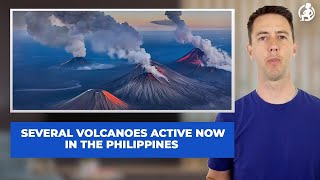
John Jonas reports on multiple active volcanoes in the Philippines. Taal volcano near Manila produced sulfur dioxide vog that disrupted outdoor activity, while Mount Mayon 500 km south is at alert level 3 with lava flow and evacuations. The vog poses serious health risks for people with asthma or heart conditions.
Questions this video answers
Episode 362
March 28, 2024
Alert level 1
Alert level 3
About 500 kilometers south of Metro Manila
Chapters
Welcome to the Secret Sauce of Outsourcing podcast that's dedicated to making you better at outsourcing to the Philippines. This is episode 362, active Philippine volcanoes. So my son, who's on the mission in the Philippines and I've talked about a number of times in the past, has told me recently that Taal volcano is affecting people nearby, including him. He's in a city that is close to Taal and it has been erupting. It's spewing gas into the air. He had a couple days where they didn't really go outside because the air was too thick. So one of my new writers, Siggs, goes to Tagete often, which is near Taal, and so she wrote about the recent eruptions. Here's what she at our outreach event in Tagete on October 8, a critical situation arose that had major implications, especially for me as I have asthma. The situation involved the unexpected relief of sulfur dioxide gas from Taal volcano. The this led to immediate safety measures including suspension of in person classes in Batangas and nearby areas. The primary concern revolved around vog, which stands for volcanic smog. To clarify, VOG is a mix of volcanic gases like sulfur dioxide and it's riskier for people with asthma, lung problems and heart conditions. Vulnerable groups such as the elderly, pregnant women and children are also at higher risk. Because I have asthma, I took extra precautions, including wearing an N95 mask to reduce my exposure to sulfur dioxide. The Fil Volx so Fil Volx is the Philippines Volcano Institute or not really sure, but it's the people that monitor volcanic activity in the Philippines. The Fil Volks had been closely monitoring sulfur dioxide emissions since early September, even though Taal volcano was alert level at alert level 1, indicating low volcanic activity. This experience highlighted the importance of staying informed and prioritizing safety, especially for those with underlying health issues. Being vigilant and taking care of your well being is crucial during such events. So it's interesting that Taal is at alert level one, even though it's then erupting. Taal, it erupts all the time. It's common. A couple years ago there was a major eruption from Taal that covered a big area in ash and and it caused a lot of health problems and a lot of people were affected by it, including a number of my of my team members. But this is part of what they deal with in the Philippines. They're part of the Ring of Fire, which is this ring around the Pacific Ocean which is created by volcanoes. And the Philippines has a Number of active volcanoes that erupt regularly. Now, Taal is mostly fine. They expect this vog. Mount Mayon on the other hand, is currently at alert level 3. So Mount Mayon is about 500 kilometers south of metro Manila. It's in Bicol. And they're currently experiencing earthquakes, lava flow, the VOG on a daily basis there. There's a chance that a violent eruption could occur. And so they have evacuated people that live close to the volcano. So these aren't the only two that are like this. Now I'm going to read this to you because these names are definitely not familiar to me. But Bulasan, which is in Sorsogon, also in the Bicol region of Southern Luzon, and Mount Kanlaon in Negros Central Visayas are also showing earthquake activity and gas emissions. Now hopefully these don't escalate. In a coming episode, I'm going to talk about earthquakes that happen in the Philippines. Some really big earthquakes and pretty consistent earthquakes. And add that to the typhoons. They get hit by 30 to 40 typhoons every year, which is so often. The Philippines is a very natural disaster ridden place. The Philippines is also really, really good at handling natural disasters. They deal with it all the time and they're really, really good at recovering from it. That doesn't mean they're not disasters because they still are. And the things that are happening still affect people. They affect them significantly. In fact, a couple years ago, a typhoon came through Cebu and one of my people that's in Cebu, we helped them move because their house was completely destroyed. So they moved. We, we never heard much more about it. We just knew that they had moved and we had helped them. And when we sent them their bonus this year, we heard back from them saying, oh, thank you so much. This will help us rebuild our house, which is the house that they moved out of a couple years ago. They still would like to rebuild and move back home. It was just the area was completely destroyed. This is how the Philippines is sometimes. Now for us, when that typhoon happened, I think we lost like a week of work from, from this husband and wife and that's it. No, we never heard anything again about it. It's been years and they're still dealing with it. But their work has been amazing during that time. So yes, natural disasters happen. It happens often in the Philippines. But they're so dedicated to their work, you probably won't notice a significant impact.