LIVE - the MOST inspirational moments of the tour
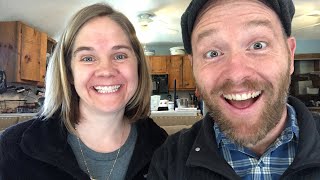
In this concluding segment of the live stream, Victor Justin Rhodes and co‑host Rebecca shift from recounting farm visits to promoting the Great American Farm Tour documentary bundle. They detail three pricing tiers, extended cuts of the film, micro‑documentaries, and short instructional videos on basil, Back‑to‑Eden gardening, and permaculture orchards. A limited‑time 15% discount ends on April 22 at 10 PM, after which a beta community directory and a private Q&A webinar (Sunday 8 PM) will be offered to early purchasers. Bonus content from experts such as Paul Wheaton, Dan Oman, and Jill Winger is highlighted. The hosts then revisit memorable farm stories: Washington hosts Doug & Elena (who housed their bus), Paul Gauci’s Back‑to‑Eden garden and the importance of wood chips (referencing Randy Klyman), Hawaii’s Andrew (Salvation Army camp, chick‑shawl, pineapple), the inspirational chain from Joel Salatin to Julius to Andrew, Arizona’s Danelle thriving on just three inches of rain, and Louisiana’s Michael discussing health challenges, family legacy, and the emotional interview about what his grandchildren will say in 50 years. Throughout, they emphasize the overarching message that every person’s “greatest farm” is the one they can influence, driven by love for children, perseverance, and legacy. Technical glitches (purple screen) are acknowledged, underscoring vulnerability as part of authentic storytelling. The segment ends with gratitude, reminders to purchase the bundle, and community appreciation.
Chapters
Seeing this part— if you guys are seeing this part, you're seeing the replay. So thank you, replay viewers, for being in this. You might want to fast forward about 3 minutes. We're gonna let people on. Normally, people on the live show, it takes a few minutes for everybody to get the notifications. From what I can tell, there's nobody on, but somebody liked it. So how does that happen? And we'll wait about 3 minutes and then we'll get started. Okay, there the comments come. Hi, man, just flew in all at once. We're just gonna shout out some people as we wait. Um, love you too, Devani. Alex, good morning. Thank you. Hola, I like that you're here. People are flying in. Good, you saw our video yesterday inviting you guys in. Jesus, you're in the house. John, welcome, buddy. Love you too, Rosebud. The Hunting Channel is here and All these people coming into our house right now, about 205 people.
You haven't missed the show.
Just boom, just come in here.
Have we missed the show?
No, no, no, no, we're just getting warmed up. Hey, Paul Wheaton. Paul Wheaton's in the house. Okay, 3 minutes and we'll get started. So we're taking our daily, wait, where's your D?
I already drank it.
We're taking our daily D. Good for chickens, good for people. Oh, Randy's in the house. Gonna drop your name, Randy. You gotta hang on, buddy. There was an inspiring moment in Minnesota. Brayden, Jade, I was looking for my notes. Let me find my notes.
I don't know where they're at.
Okay, I see it up there. You hold it, hold down the fort.
Whoops, sorry y'all. Norway is here.
Get out. The kids could come running out shouting. Uh, we've got them in the back watching some shows. Uh, oh good, Randy, you building chicken tractors? That's going to be my story real soon. Hopefully this will give you a reprieve from that for a second. We're gonna spend about an hour, maybe up to an hour. We're gonna have to get out of here by 2. We have guests coming. Yes, but, uh, would love to meet you too, James. It was cool to meet everybody as we traveled. I feel like we know many of you, you know, we can shout out Randy and others, Paul. We've been to your farms, we've been to your places. Now we know what we're looking at when we go to shoot and we, we have the, what I call the black eyeball of the camera, because we've met thousands of you guys now.
No, the layers are still down in the, um, with the meat chickens.
We're moving the layer and put the layers in the meat chickens. Together because we weren't ready. Uh, yeah, we're gonna move them into the— what I like to call the port-a-brooder. Some people are saying, why don't just keep them with them? I— there are some benefits. I mean, because the layer chickens are like scratching more, and so they're stirring the litter.
But also, I think that it's the layer chickens are scratching more, which is making the Cornish Cross scratch, because I was watching them today and there was several scratching, and I was like, wait a minute, these chickens don't do that. Yeah, but apparently these ones do.
It was great meeting you too, Valerie. So obviously some benefits of mixing them, but We want to take our layer chickens. We're going to have them for 2 years.
Ken's on here. Ken Randall. Oh good, we're going to be seeing him next week.
Ken Randall, I hope you saw the movie, buddy, and I hope you saw your little, uh, he did. He did a little farm in there.
I think he texted us.
Oh, did you? Okay, I should check. I should text. But I thought you'd be tickled by that. That was certainly an inspiration. What time we got? Oh, it's 1 o'clock. Let's get this show on the road. The most Okay, come see the show. You take over the show. It's gone. What do you want me to do? Just keep welcoming people.
All right. Please get a horse. I'm sorry, we're not going to. Hey Rose, how are you? We are Everyone's talking to other people. That's awesome. We love to see that. All right, here comes Justin. I don't know what you're supposed to— what I'm supposed to be doing. I don't know what I'm supposed to do.
Just talk inspirational moments.
I'm feeling great. Yes, I should update people on me. I'm feeling good, much better. Here, you come in.
Is that better, guys? Okay, Mother Earth News Fair. Yes, we're gonna see a bunch of you guys this weekend, I'm sure, at the Mother Earth News Fair. We're not having a meetup because we just had a huge one this time last week. We were about to— what, we were getting the end of a 4-hour meetup? Yes, probably 300 people. So we're meeting— we've got our meetup down. Yeah, but we'll be, we'll be walking around the Mother Earth News Fair this coming weekend at Asheville. So if you see us say hey. Maple will be there. Jeff and Stacy will be with Maple that entire time. They're showing her for their business, their bus conversion business.
Somebody stayed up.
Hey, how you doing? Okay, let's get the show on the road. The most inspiring moments on the tour. I'm gonna have to start now because it's gonna— I hope I can get through it. I mean, look at this. This is crazy. And I know these are not the only moments, but these— look, another back page here. So I'm kind of going to go in the order that we went in, and I'm sorry if I left you out. You're an inspirational inspiration. It's just that with the movie, there was so much to cram in, we couldn't do it all. Just same thing with the inspirational notes. Also, towards the end, I'm going to remind you guys about the Great American Farm Tour documentary bundle and tell you about the bonus— some of the bonuses that are in there, including deep discounts, uh, that go away Sunday at 10 PM. Stay, stay stay tuned to that. I saw Paul Wheaton on here earlier. He's got a bonus in there that you can get a hold of. I mean, just the bonuses would make it worth it. So hang on for that. Let's get into the inspiration moments. Georgia. When we went down to Georgia and we went to the Hanhun Farm Pig Workshop, there was a moment I kept catching— and which one, which one was it, Andy or Doug? Doug. He would smack And it was that— it was a habit, but it was also those guys loved what they were doing and they were so passionate about it. I mean, it was a 3-day workshop on butchering and processing pigs and they were never bored. They were never not into it. And this is what they do. Bear with us, guys. We're just talking to ourselves. Can you hear me now, Rose? I can see the video again. Randy, can you hear me? Somebody say yes, you can hear me. It looks like they can hear us, Rebecca. It looks like we're back. Are you checking it over there? Uh, some people are saying yes and some people are saying no. Okay, I'm just gonna go with it. Thank you, Rose. We're back. All right, we're back, Rebecca. Hopefully that won't happen again. Uh, they loved processing that pork so much, they appreciate it so much, they used the entire thing. I mean They had head cheese there, guys. And when we went to see them in Ohio, we had blood sausage. So they inspired me to absolutely use every part of the animal. And they weren't making it like, ooh, gross, we're gonna push ourselves through this. No, they were like bringing in European recipes from cultures that cherish this kind of stuff. And so I was inspired by them. They even had a moment where they read a Wendell Berry poem that did make the movie. Movie, and it was like, today we turn hogs into people and not the other way around. So it was kind of neat to see and be reminded that when we do this on the farm, we are turning these things into us. Yeah. And so to appreciate— just to appreciate it. And you can add anything you want here, but Full Circle Farm— I was inspired by the boring routine. I mean, no matter— we went there 3 times, and no matter what day we went there, yeah, Dennis was up milking those cows. And you could— hey, Swedish Guys, Swedish Homestead in the house! You could hear the milk machine going, and they were there this morning, and they're going to be there tomorrow morning. And it's just a persistent— and they weren't, they weren't begrudging about it, so I really appreciated that. And then, um, Dennis's child, how old was she driving that truck? Carolyn was like 12, I think, or 14. I don't know, it was crazy. They made the movie too. That part made the movie too. But she was like 12 years old and driving a truck. It kind of reminded me when I was a kid and I was 4— I went— I went quite 12, but I was 14. But it kind of reminded me of an old— the old days, sort of, that we— I think we kind of hear of where we just kind of, as a people, just take care of ourselves and just do what needs to be done. And kids are more responsible than they may seem to be today. I mean, they have the internet there and everything like that. They're not against it, but they're, they're taking the best of both worlds. Anything you want to add to that?
Um, no.
Pete's— when we went to Green Dreams, Pete Canaris, my good friend now, was absolutely jamming it. That guy is getting it done. He had an absolutely massive food forest. So many plants, probably thousands of plants he's starting. You could go up to him, to any of those plants on call, and say, tell me about this plant, and he would go on and on and on about it in a very structured, informative way. And Pete does everything right, from heavy-duty commercial water hoses that are coiled up and put up nice, to nothing is out of place, to having all the right equipment, and not just the equipment but cleaned and picked up. Yeah. And so he was inspiring in that way, in that he goes so big. And he did not have a YouTube channel when we got there, and him rambling on about all these different plants, I said, start a YouTube channel. He took his phone out, mounted it up on a tree and did his first video, and now he's going on a year. He's at 10,000 subs. So, um, Pete, if you ever— if you get on here and watch this, I'm proud of you, buddy. Keep it up. You're an inspiration.
Yeah.
While we were at Pete's, we went and saw Jim. I like to call him the Nomadic Farmer, and he was an inspiration. He was probably one of the first very popular videos on the vlog. I think his video went partially viral because he was, he was making $5,800 a month in February in Florida. But what was cool about Jim was that he was doing it in Florida and in Maine. And so why is that an inspiration? Why are some of these things altogether an inspiration? Well, we're talking about We all want to grow more of our own food. We're going to come across obstacles. Well, Jim's a good example of how that can be done because he shows that you can do it. You can grow things in Florida, which some people would say there's some obstacles there, and then he would say— and then he's growing in Maine. And so those two climates can be difficult. Florida can be difficult in the summer. Maine can be difficult in the winter. So what does Jim do? He flips it and he says, why can't you be a traveling farmer? Have you ever— I mean, that's one thing that homesteaders go through. They feel sort of like, oh, I'm stuck. I'm stuck here. I can't travel. Well, Jim, he's a traveling farmer. He was just getting set up there, you know. He's scything, he's planting his garden, he's just doing really well. And in the way he does it and his methods, it's not overwhelming. He's taking time for himself. He reads like 60 novels in the summer up in Maine. So Jim's an inspiration and can be an inspiration to us all because geographics don't hold him down. Okay, it'd be a little harder to do that with animals, But if you want to be a traveling farmer, do some vegetables, go be a snowbird. So moving on from Pitts— or moving on from Jim, we went to a guy named Kevin Pitts. This is a guy who had come to my— he was a vlog fan. He had come seeing us up here in the holler in North Carolina, and he applied to be on the tour. And we went down to his house, and we knew that Kevin would be our typical viewer, actually. Did you guys know that most of you are working regular jobs? And Kevin, you're in the house, buddy. You're going to appreciate this. Kevin's in the house. Everybody say hey, Kevin. So he represents the typical family, our typical fan base, hard-working people who have limited time, limited, limited income. They're growing on the weekdays, they're growing on the— thanks. Everybody's shouting out Kevin, that's great. And then he's growing and doing projects on the weekend, so he's sort of like our poster child, and he's implementing some things that— oh, Ken Chapel in the house! Hey Ken, hey Ken. So we went to his house and he's got some vegetables growing, he's got rabbits in the hutch, he's got some plant starts, but he's also starting to implement mulch. He's also starting to think about how the chickens in the garden can work together. He's got them at least in proximity, and he's building compost there. And so he's obviously implementing some things he's learning. He's obviously on a journey. And we filmed this movie, and it was great. And then we got to our next destination, and I was messing with the camera and, um, accidentally deleted all the footage. And after a thousand— I've done a thousand videos, guys, at this point.
I'm wondering if we're running too many devices.
Do you think you can—
Oh, it's going.
Okay, we're going back. So when I told the audience that we had, um, I think we had teased Kevin the day before that we lost the footage, and, and the audience was disappointed, and they were like, I'm really looking forward to that. And, you know, I just pulled a vlog out of nowhere that day. I mean, we filmed our friends swimming in the pool or something that day, but the kids— yeah, we, we couldn't do nothing about it. I mean, now we know if you format a card that it's actually not final and you can actually go and recover that. But anyway, people wanted him so bad, we went back to Kevin.
Yeah.
And I think it was special and inspiring, and people were so inspired by it because He's just you guys. He's just typical person. I mean, when you look at a Joel Salatin or even sometimes even a Full Circle Farmer who's maybe doing this full-time and got a whole big thing going, it can be intimidating. It can seem unattainable. But Kevin is like a good example of somebody who he could probably, I mean, if they were willing to eat all that, at least 50% of their own food, right? During the growing season. Just in their backyard.
Yeah, so everybody wants to know where the kids are. They're in the, uh, they're in their room actually watching a movie, which they don't get to do very often, so they're pretty excited. Yep, pretty captivated with it.
So Kevin, you're welcome, and I hope, I hope you saw your, your part in the movie. You were a big part. It was actually the first time that I realized and preached this is probably what we're going to discover to be the greatest farm. And actually, when I set out— I'm going to tell you guys a little secret— when I set out to do the Great American Farm Tour, I wanted to conclude— I had it in my head that I was actually going to conclude, because people think, oh, the greatest farm, oh, that's Joe Zaleski. Yeah. And perhaps it is, and, and, and in a certain category.
Yeah.
Okay. But I was wanting my message to be, no, the greatest farms are the Kevin Pitts and the Darcys and the Roses and the, these, these, this, just the everyday person just growing a little something. The Natalie, the, the tomato in the pot. And that was going to be my overall message. I was surprised, and it took a lot of digging and a lot of experience on the farm tour to realize I was over looking myself. I'm assuming much of you have already watched the movie, so I'm not giving away something here. But, uh, Kevin, you were a critical part in that. So let's see what time it is. Okay, it's 1:15. Uh, I think we're doing good. Okay, South Carolina and the gardeners. What I want to say about the gardeners, they're everyday farming people too, right? You know, have jobs. Yeah, on the side.
Yeah.
Why are you laughing? Share something, beauty. I'm talking too much.
Come on, just We had so much fun with James and Hillary and their family. They were amazing hosts. And not that— but almost every single place we went to was an amazing host. But, you know, they were just— James was hilarious. So yeah, we had a good time just thinking about everything that we did there. And yeah, and they, and they were really trying hard. Like, they were really, you know, um, just doing what they could. And I was just— I thought that was so awesome, you know, because they're doing more than the average person.
Yes.
And what they weren't doing a whole lot— I mean, they were doing a lot, but like, they weren't a market farm or anything.
I think you touched a little— and hi, Mindy— I think you touched a little bit on what I was going to say about them. I don't— you don't know this, we didn't film it, it gets too stressful. Our car broke down while we were there.
Yeah.
They helped us. They took us to a shop. They were going to help us get it fixed out. Their shop worked and got it fixed. The bus— the automatic doorknob broke down while we were there. We could not get into our bus. Yeah, what'd they do? They drove an hour. Yeah, to Lowe's with us and helped us. They had connections there in the Lowe's and were able— we were able to return the jinky one we had. We didn't have the receipt.
No, we didn't.
But because their connections, they were able to help us. They were able to help with that. And it was the beginning of us realizing the kindness of the American people because they represent how kind everybody else was. I'm not saying the kids weren't nice. They fed us. Everybody was so nice, but it was finally sinking in by the time we got to the gardeners.
Well, and they also, you know, all the hosts, they, they aren't necessarily gluten-free and they went gluten-free for us. You know, I mean, some people went so far as to be like, can you even eat anything that's been made with like in a pot that's had gluten in it. And I was like, yeah, as long as the pot's been washed, I don't care. You know, it just needs to not have gluten in it presently for me to eat out of it. But people were so kind. I mean, they would go out of their way to make sure that we could eat at their table. And that was huge and very kind of all these people going out of their way. I mean, we had one lady go and, you know, she was just not— we had said like, don't worry about feeding us, you know, it's a lot sometimes if you're not gluten-free to kind of go gluten-free. And she was like, no, no. And she went and drove to the grocery store and bought stuff. So yeah, for us to eat, which is very kind.
She's an inspiration, I think, because I want you guys to be reminded that you all watching this are very kind people. We found out that the homestead community is very kind. Even the homestead YouTube community, um, lift uplifting videos like all those people doing the What Can One Man— Can One Family Make a Difference on us. Those are uplifting videos. They're not like videos tearing other people down. Yeah, there's very few of that, especially compared to other industries. So we, we are in a really nice community. We just started to discover that in South Carolina. North Carolina, Kitty Hawk, We went and saw where man took their first flight. I probably had one of the best moments with my children, you know, just cuddling them in when we went to the fourth flight of that day where they first flew off and saw where they had landed. And we imagined what these brothers had felt and wondered if they had a rivalry and competition. But it didn't seem like that. It seemed like they were— these were two brothers working together to do something great. And that could be Jonah and Josiah. That could be y'all's kids. I mean, they went to the bathroom just like everybody else, okay? They had little arguments. They had arguments. Yeah, I'm sure they did. It was not peaches and cream. We read the book. We read the book. We bought the book there and read it afterwards. It wasn't all peaches and cream, the Kitty Hawk guys. And, uh, I told the kids, you know, everybody's going to tell you you can't. It's even our habit, even as parents, we have to hold ourselves back if our kids want to do a project and we know it's not going to work. Yeah, it's hard not to say, you know, that's not going to work. Because everybody, a brilliant idea is always crazy until the day it works.
Yeah, and then it's like brilliant. It was like, that was so, that's so smart. And but before they were like, you're nuts.
So I'm sure their parents and everybody else told them you can't do it. And I'm sure when you go and grow things, people are going to tell you you can't do it for whatever reason. And you just need to think in your heart, you know what, I can. And, um, chances of failure are high, but I don't care. I'm just gonna do it and just keep trying because the rewards are worth it. I mean, having the first flight was worth any kind of trouble they might have encountered. I'm gonna say Virginia, and instead of just saying the obvious of Joel Salatin, everybody knows this, he's an inspiration, but what about his son Daniel? And when his son Daniel took time for us And these— this is in the extended version of the Great American Farm Tour— the garage, the, the Durackin house, where he's got chickens and rabbits working together. Rabbits in the hutches, everybody understands that, but chickens underneath to stir that manure on, on deep mulch so they can turn that in, and you end up with a great compost. Well, Daniel had a point. You could grow thousands of pounds of protein out of your garage with this system. I don't know why nobody's doing that.
Well, because, no, but I, I mean, who wants to have a garage full of rabbits?
Okay, she's spoiling my point. Okay, well, never mind then. Sorry, I guess, uh, that's why.
I mean, and it's a lot. I mean, it's work, like, you know, not— yeah, I mean, why don't we have a garage full of rabbits?
Because we got plenty of other stuff going on.
Well, I guess that's other people too, so Okay. And rabbit's not a common meat. I mean, yes, like homesteaders generally eat rabbit, but it's not like chicken.
Hi, Texas boys. Well, why—
but sorry.
Okay, in this system, that's okay, that's okay. There is a reason why nobody's doing it, but technically you could.
This guy wants a garage full of rabbits.
I wish he would and put chickens underneath them. I really don't see why you couldn't do rabbits.
Someone said rabbits are illegal where they live.
Um, they are a perfect protein. And I don't see though why, like, Kevin Pitts or somebody like that who has a, um, rabbit hutch system to begin— even if you just have two, like, let's not go all out with the garage, okay?
Just get something.
Just, uh, let's start off small. Just start running rabbits underneath, or start running chickens underneath your rabbits. That's it. Or how about a mobile rabbit hutch? I have thought about that. And, uh, that follow the chickens. Or that— or that you have a mobile house in the chicken run.
You could just have the hutch. Yes, in with the— in the chicken area.
Hey bud, you might want to take care of it.
Yeah, is it not working?
Okay, come here. What about a mobile, uh, rabbit hutch? Mr. Brown, you want to say hi? We have them in the back. Uh-oh.
Can you say—
you see the people saying hey to you? All those people right there, they're saying that, uh, one person got on here and said that rabbits are illegal. Can you believe that? Wouldn't that be sad in a certain place?
All right, let's go back and see what we can get you. Okay.
Hi, Texas boys, how you doing? So what about a mobile rabbit hutch that is over maybe the size of a garden bed, 40 inches by 8 feet? And it go— because you can apply vegetables to rabbit manure no problem right away. So having the rabbit hutch over where you're going to have a garden bed, I'm looking Looking out and seeing a hawk. I don't think I have anything to worry about out there. No small chicks out there right now. But anyway, you have a rabbit hutch over a future garden bed. You have your chickens underneath it, tealing, scratching, moving in that rabbit manure, and then moving that on. Why not do something like that? That's inspirational. I'm not saying I won't. I'm just saying give us, give us one thing at a time. And why I wouldn't have rabbits in a garage because I've got plenty of room. I think this would be for somebody who maybe doesn't. Um, in Maryland, we went and saw Bill, um, the bee guy. He was an inspiration because he's so passionate. This is Bill Castro for Bee Friendly Apiary. He was so passionate about bees, it's hard for that not to be rubbed off. And the importance of bees Knowing that I think it's 90% of, uh, is it flowering fruit? Yeah, flowering shrubs or depends on pollinators, something like that. Yeah, so, uh, he's definitely encouraging them. He's definitely doing his part. He had bees on the roof. He had bees on his front porch. Now I did say to him, you know, you got bees on your front porch and you and I are out here talking, but anybody that might want to rob you might not really know that honeybees are cool, and if you just act cool, you're not gonna get stung. So I mean, it's a bit of a self-defense there. I mean, you keep— you keep bees on your front porch, and I think, uh, you might deter some robbers. Maybe not, but I think I would go— if I was— I think he's on the front porch.
Definitely.
Okay, one less problem.
I will say I read an article about bees, and they say that they're not as endangered as used to be.
Oh good.
I think that's because so many people are getting bees.
Good.
And like the problem has come to people's attention, and so now people are like, oh well, we have to have bees for food. So, so many people are getting bees, and it's like the bee people did a good job of bringing that problem to the attention of the public, which is good. I got inspired by veganism. People.
Okay, okay, here we go. Massachusetts. And you let me know.
The guy we visited in Maryland is a natural beekeeper. Yes. So if you have any—
he— beefriendlyapiary.com.
And if you go there, he has lots of information, I'm sure.
Yes, and he loves to help people, and he's very natural, and he's offered to help us. We just have to get our feet on the— we have to get our feet on the ground and, uh, more established. Seems like we're jumping back into this full steam ahead. The cows, the chickens.
We were going to do bees, but I think that we decided that we probably got too much going because you want to do everything. I mean, we want to—
we want to— I would love to get everything all at once. The food forest, the swales, the pond, right? The goat, you know, goats, pigs, sheep. That's the problem of the homesteader. You get one successful thing, you put one piece of fresh food on your plate that you ate, and then you want to do it all. Maybe, maybe, Rose, maybe goats next year. I want everybody to know that to clear, clear land, we've got several acres that could be cleared from our pasture. And, uh, we've eaten goats and they taste pretty good.
So we're gonna get a goat that is not a dairy goat but more of a—
we're gonna get meat goats for clearing. Yeah, because we like our cow milk. Um, yeah, somebody told me— you guys tell me if this is true— but somebody told me it was over the weekend, um, event, that cow pee— you know how I'm talking about when I say there are dog people and then there are cat people?
Yeah.
Which one are you? Are you a dog person or a cat person?
I'm not really. I don't know what I am. I'm not really. I'm like a parakeet person. I want to get a parakeet so bad.
Put it in the comments, y'all, if you're a dog— Texas boys are dog people. Put it in the comments if you're a dog person or a cat person. Rose, I want to see what you say. I want to see, Rose, if you're a dog or a cat person. There's some cat people in here, mostly People or dogs? Some people both. Dog, obviously. Somebody was passionate, all capital letters, dog. And so see, you're usually pretty passionate about it. I said Ken Chappell put definitely dog. Other people are putting, oh, Rose. I'm both. Okay, I can see that. Okay, so here we go. Dog people end up being cow people And cat people end up being goat people. Okay? Does that make sense? Does that ring true for any of you? I don't know, that's what they told me. Old Texas boy says amen. And you go there and they do like their cows.
Yeah.
Okay? So, Kathy, you might like goat then, 'cause you're a cat person. We'll see.
Oh, somebody says— Well, she wants cats. She wants dogs so bad.
She wants cows too, so she's a cat and a dog.
She must need to be an animal.
Anyway, back on track. Massachusetts. This is where— this was Pariah Dog Farm. They were growing the strawberries. One thing that happened on the tour is we didn't get to work as much as we would have liked. Yeah, we thought we were going to go places, be able to volunteer or teach or whatever, but it doesn't work like that.
It doesn't work like that when— and I mean, we know that when people come to the farm It's hard to get a project started and all these things, so it's like—
Sometimes it's technical.
Yeah, and it's not like, then you have to like find everything and then I don't know where this stuff is and then that person has to, yeah.
It just didn't work. It just didn't work. To tell their story too, we had such little time, so I had to get to know them and then essentially I had to film. And this, we were able to work there because they were just planting strawberries, something that you could teach easy and apply easy, and it didn't require any tools. And we— the kids planted strawberries, but Pride Dog Farm works so hard. Yeah, there's people, and they were very representative of all the professional farmers out there that work so hard. And it's not— they're usually talented, educated people that could be making more money somewhere else, working with a lot less responsibility and a lot less stress and a lot difficult— a lot— what was I trying to say there? Anyway, them being a farmer, they've taken a sack— they've taken a sacrifice because they love the lifestyle. They, you know, they love the people, they love getting their hands dirty, and it really made me appreciate them and others who are working so hard for so little. Yeah, compared to what they could do for it just for the love of it. Maine, you want to say motivational moments in Maine? I wrote down Maine, but I didn't write—
I didn't, I didn't, uh, well, Maine, I think they were the only people on the tour that, um, milked sheep. Yes, they were the only people that ever did that.
So that was inspirational in a way because it was something different. We always like to see something different. Everybody and their brother— goats are like cool now. They're like in.
Everybody has goats.
Everybody's got goats.
Everybody has chickens. Everybody has a garden.
Of course everybody has chickens. But you don't see too many people milking sheep.
Yeah.
Which was great. And so that was inspirational because why not? Like, why not challenge the social structure and just go for something just because you can?
Yeah, it's hard because a lot of my experience on the farm tour was very personal with the people. It wasn't necessarily like the farm stuff. I was spending a lot of time with the mom of the house and, or I was taking care of stuff for our family. So it wasn't like I got to experience a lot of the farm on the farm tour. So a lot of my memories are very like personal memories that maybe those people that we visited don't want to be shared. So not that it was like bad or anything, it's just, you know, personal.
In Vermont, we learned, um, well, of course you're going to get inspired by Carl Hemmer, who's feeding 600 chickens with no grain, no commercial grain, just big huge compost pile. That means if he's doing 600 chickens, I don't see why you can't do 6 or 12 on a 3 cubic yard compost pile. And, uh, that's an inspiration because that's thinking— again, it's thinking different, like the person with the sheep. And by the way, the Swedish Homestead said it's sheep, not goats, over there. And so in other cultures too, going back to the pig and us eating the pig, it's no thing, like in Europe, to have head cheese. Okay, one time we ate the entire rooster. I don't need to tell you all the bits and pieces. But let me just tell you, we ate the entire rooster because you can, okay? Comb, cheeks, and all. And, uh, you know where we're getting all our recipes? Like Asia. Like, you're going to Google and you're finding these Asian recipes where they cherish it. So anything that gave us a different perspective was a good thing because it challenges your brain, it challenges you to think, and it broadens your worldview, which is always always a good thing for making improvements. Uh, also, what about when we went to that smallstead in Vermont? This made the movie. It was where Carl Hammer had taught us that only 30% of the world's food is consumed is actually coming from Big Ag. That means 70% of our food is coming from smallsteads. That's people from— that's people like we visited on the tour. It's the homesteaders growing their own, but it's also the big— it's also the more, uh, the bigger market farms like Primal Pastures, uh, Joel Salatin, even Greg Judy. Those are smallsteads compared to some of these conglomerates, the Tyson chicken houses and stuff. But I don't know what the ratio is in America because to me it seemed like we were passing nothing but big ag and But I know America is what, only, uh, 6% of the world's population, something like that. So there's a whole nother world out there. And we were passing a lot of big ag where, you know, when I say in the movie we're passing cornfield after cornfield after cornfield, you know, that looks sweet and beautiful, but then you realize it's all GMO, it's all genetically modified corn. And is it even real? And, uh, out of Goshen's in the house. And it's depleting the soil. It's, it's taking more than it needs and it's getting to be less nutritious. And so it's getting worse and worse for our bodies. But we would pass these cornfields and then we'd go to these meetups and we would go to these farms and it was like this little network of people. These 100 people would show up at the meetup and if we could put all their farms together and see that and put it on a map, I'm thinking we would be bigger than we imagined. Because we're so— we tend to be more individual. We're not these big conglomerates, but we are spread out, and together we make a difference. I wonder if we could take our 250,000 subscribers and see what they are all doing and put them on a map, just how big we are. I think it would actually be a big impact. And then you take other people that have— with Community Art and Breathe, that kind of thing— it would just be huge. Yeah, you want to add something, make a comment? You're kind of reading the comments, I'm kind of— yeah, driving the, the, uh, the inspiration train here.
You are, you are.
Vermont or Illinois, Darcy, she was an inspiration because when we drove into her development, I said to Rebecca, I said, are they really allowed to have chickens here? Like, it was nice. It was like, it's not where you expect to— you don't expect that kind of neighbor. It wasn't like anything like extreme, like mansions, just regular type of stuff. But when you see really nice mowed lawns and stuff like that, you're thinking the chickens are probably illegal here, were they not?
No, she could have chickens. So she actually had the animal control had called on her at one point because one of her neighbors didn't like it.
Okay. So that was inspirational in that the sense that animals are being allowed in regular neighborhoods. It wasn't always the case that they're illegal. In fact, when we went to Danielle's in Arizona, you could have cows in your— in suburbia, guys. It was suburbia. We're passing these nice houses with cows in the yard. It was great. It was actually beautiful. So we hear a lot of bad stories about HOAs and, and whatnot, but there are some, like the one in Missouri where the, the, or Mississippi, where the lady who's the head of the HOA is heading up all this stuff, has rabbits and chickens and stuff in her backyard. I'll see you later, Sweetest Homestead. Thanks for getting on here. Um, this may be— this is not in my notes, but you and I don't normally shop at Walmart, and we probably hadn't been to Walmart in 10 years.
I hadn't been to Walmart in a really long time.
There's just other places we can go around here. Yeah. And you notice when we got home, we went right back to that. We haven't been there in a while, but on the road, we had to go to Walmart. Where else could you go get diapers and wipes, kombucha, kombucha, and oil for the—
for the bus? Yeah.
Okay, we got some crazy Variety of stuff there all in one place, so it's healthy. I'm trying. But did you hear that? I said kombucha at Walmart because we didn't know you could get kombucha at Walmart. Walmart has got organics now. It's crazy.
Yeah, actually, I was, I was in Walmart once and they said, have you checked out our organic selection? And I was like, oh wow, that's a strange idea.
That's so inspiring, y'all. Now why? Because, you know, a lot of people, they, they begin switching to organic and you probably start with milk. You get rid of the conventional milk and you bring in organic milk, okay? And that's how our journey was, and we slowly progressed down that road. So when Walmart begins carrying— and then you go down this organic journey, right? You start switching from conventional to organic, and then you're like, well, this organic milk is expensive, or these organic vegetables or meat or whatever expenses. Why don't we just grow a little bit? So see the trend? Do you see what happens? People start thinking about health, they start thinking about organics, then they start thinking about, well, I could go beyond organic and get it at my local farmers market or get it myself. So this, I think Walmart then is a reflection of the trend, whether you like, whether you love or hate Walmart, it's a reflection of a very positive trend that's going on. And I say trend, not fad, because trends last. They're a little slower in growth But Walmart isn't getting organics because the Walton family has a conviction on healthy foods.
No, they're doing it because people want to buy it.
Because people are spending their money on the organics, so it comes. So we were encouraged by that and inspired. Let's go on to Michigan, to Part-Time Permies. I'll shout you guys out in case you guys get here. They were so inspiring. Because again, thinking different, they had a little— was it— what is that chicken? Why am I blanking on this?
They have the Silkie.
Silkie. Little tiny chicken, great at brooding. That means those chickens love to sit on an egg. You have to— a chicken has to sit on an egg for 21 days for that, that fertilized egg to hatch. And that's what you call going broody. And not all chickens go broody. Yeah, a lot of the times that have been bred out, but hens are just ready to sit for 31 days and hatch out chickens. You know what these, you know what they did? They put a goose egg under that bird.
Yeah, they did. I can't even believe that.
Goose egg's probably that big and that chicken's probably only that big. It's a small chicken. It is, it's very small.
And that chicken matched that goose. And it was almost as big as the mama.
Yeah, so check out part-time permies.
The goose was almost as big as the mama at like 3 weeks old.
Yeah, at 3 weeks old. I showed it in the movie. It made the feature film. It was just as big as the mama. Pretty sure.
Yeah.
And they were cute together, weren't they?
They were.
They were different species working together and raising. And that chicken, they— that chicken could have swore that goose was its baby, fussing at it, keep trying to keep it safe.
These people did, um, turkeys under silkies.
Are we getting a goose again? Can you say yes? Yes. A big— oh yes, we're actually getting 2 goose. We actually need 3 because, uh, we're gonna put a goose with each flock. We're gonna have a Icelandic free-range chickens that move behind the cows. That will have a goose because they will have no fence. And then I'm thinking we're probably going to put the other goose with the meat chickens because they're going to be smaller. So we're going to have— we got a new meat system that's coming out. It's been inspired by the tour. I cannot wait for you guys to see it.
And brewing it in your head.
Oh, there's so many ideas. It's just going to rock the world because it's so different than what we all know. Okay, it's gonna be so much fun. So, um, cannot wait. We got our meat chickens in now. In 3 weeks we're gonna have to have this special— it's a chick shaw, it's a chick shaw, but absolutely minimal. Okay, not gonna even have walls, dare I say that. So it's gonna be fun. And then we're gonna do some daring things when our next meat chickens come. That we learned from Darius in Hawaii. It's going to rock everybody's world again. So first, we're going to get rid of walls, and then two, we're going to get rid of— I won't, I won't, I won't— you won't leave it? Yeah, I can't give it away yet. We got to have some surprise, right? Okay, let's see, Becky, we've got about 20— we got about 15 minutes. Yeah, we're gonna zoom through this. Hang in there, guys. If you haven't, uh, checked, I'm gonna tell you more about it, but we're doing the Great American Farm Tour Bundle right now. We're doing a special right now only until tomorrow at 10 PM Eastern, that's April 22nd. We have some bonuses, deep discounts on the retail price of the film, some bonuses that alone are worth the value of the film. I'm gonna tell you about those in a second. Let's get through this, Rebecca, and then jump into that. So Minnesota, Randy, you still in here?
Randy!
We didn't, we come from the South, so we've heard of Southern hospitality. We didn't know there was a Minnesota nice. No. And boy, is there a Minnesota nice.
Minnesota people are very nice.
You guys are rocking that Southern hospitality.
It's not too late to claim.
You keep it hard with the Southern hospitality thing, Randy, yes. And Randy, you know this by now, you've seen the film. Thanks for the picture of it with you guys watching it. So the film, we went to your house and that was the first time that we started to sink in that pretty much everywhere we went, people were 10. Whether it was at your house, Randy, and for those that don't know, Randy Clement's on here. He was also the guy in the movie, if you've seen the movie, where he was telling me about it getting -60. And I don't know why he was telling me that, but I said, don't bad things happen at -60? And he said, yeah, your face freezes in 3 minutes and your car won't start. But Randy didn't follow that with We're trying to move to Florida as soon as we can, or go to Hawaii where it was 85 degrees. And that was the way, whether it was at Randy's or at the Nails, when it rains 3 inches a year and it gets over 100 degrees during summer, she never said, you know what, I kind of like Jim's idea where you kind of move around.
85 is too hot.
Hey Randy! And for the record, Randy straightened me out one day and he said said, you know, for the record, I'm not content at -60. But you didn't move, did you, buddy? So you didn't move. It didn't even cross your mind. And that was the way with so many people. Sure, there was some people that were moving. Yeah, even moving states. Like Life Goes North, they went to, uh, they went to Alaska. She's preaching now. Bloom where— yes, bloom where you planted, grow where you planted. That was the overall attitude. And that's their attitude now in Alaska. When, you probably got snow right now, don't you?
Yeah, a lot of snow.
It's getting like 60 to 80 degrees here right now. And y'all are in snow.
Alumna said that in New Hampshire it like just snowed. It's crazy.
Randy said he went to Illinois a couple years and came back. You got drawn back in. Okay, we're running out of fuel on this phone too. So I hope we don't lose you. Let's speed through it. Missouri. Greg Judy's grass, the best grass I've ever seen in my life. If heaven has grass, it's going to look like Greg Judy's grass, isn't it?
It's snowing right now in Colorado.
I'm so— oh my, and you were going to move to Colorado, you're going to move to Colorado, weren't you? Oh, Randy got 14 inches last weekend.
Oh my word, that's crazy.
David's pasture there— this is a guy who was making a lot of money, you know, working for Chick-fil-A, high up. I don't remember if he was an owner or whatnot, but he was doing good. I think he was an owner. That's hard to get, like only 1 in 1,000 people get to be the Chick-fil-A operator owner. And he had made it and he quit all that so that he could be with his family. He got out of the rat race. He said, what am I living for? You know, his goal was to make a lot of money. And he said, you know what, I need to change my goal and it needs to be with family. It needs to be working with my hands. And they were working hard and again, not making a lot of money. Could have made a lot more money somewhere else.
He could have made a lot more money being a Chick-fil-A owner.
They weren't like going broke, I don't think.
They're making it. They're just fine.
They're simplifying their life. They're, uh, delaying gratification and making a lot of sacrifices, and the result was priceless. When I asked those boys, and, you know, I complimented the dad on saying, you know, these two, they want to take over the farm. That was inspirational for a dad to realize that there's something more important than a high money-making career, that that could be a career, make money, You got to, to feed your family and work together as a family. We won't make as much, we're gonna work twice as hard, but we're gonna be together. That was inspirational. Nebraska with Jonathan Dodd. He also made the movie. How could I not make Jonathan Dodd with the movie? And what you don't see in the movie and the vlogs is just how many people Jonathan Dodd is helping with his ministry. And this is a ministry where they're bringing in volunteers, kids from juvenile detention, attention center and I really prodded him in the movie, especially extended version you see even more of that. Just really like, what's your ask like when you're trying to raise money? 'Cause you're raising money, you're not like selling this stuff. You know, what's it feel like to hear no? And he's heard no so many times he's used to it. And he just loves those kids so much and then it's like, do the kids respond? Oh yeah, you know, you know, kind of gives me that cookie-cutter answer but you push it a little forward and then it's like, oh no, they just kind of sit here like this. But some of them and one of them ends up coming your house, and it makes it all worth it because they, they change their path and they get on a great path.
His story makes me cry too, Jennifer. They were the sweetest couple. We just loved them. They were an amazing family. Um, you know, it's, it's sad because, um, on the vlog, you know, in the videos, we can't really show all of the intimacy of, um, of just like be hanging out with these, the hosts and stuff. So it was like, you know, they were just an amazing couple. You should probably pick that up. Um, so yeah, it was just like they're so good and like they were just so great. They were just, uh, I can't say it enough, like they inspired us to do things differently too. So I am going to do videos again on the beautiful life. Justin's been on me too. He's like, so you're better, you know, you're feeling much better. And like, you, you're, you always, you love health talk stuff. Like, it's funny because I'll talk about like health stuff that I'm learning, that I'm reading about. Justin talks about business stuff. It's pretty like he says one thing about business, I say one thing about health, and like that's how we have conversations. Conversations. So it's hilarious because, um, she knows so much.
All our friends are texting her, calling her, getting information from her, and I try to encourage her to share that. So probably when you come back, it's probably going to be more health-related.
Yeah, it will be more health-related, but I do want to do cooking too, like especially when the garden starts producing, because like right now, I mean, most of our food is coming from the grocery store, so it's not that exciting. But like when I've grown something out there and brought it in and want to share it, you know, it's just, it's just so much better. So probably it will be, um, more health-related in the beginning and probably just like home-related because I've been focusing on being a wife and a mom and, uh, you know, and that sort of thing. So that's where I'm at. So hopefully I will get to take you guys along.
All right, we're gonna get through this because we got about, uh, 10 more minutes. I'm gonna have to speed through it. We've done the whole page. We've got a little bit more Wyoming real quick. The toughness of the people in Wyoming. Go ahead.
I'll just message you. Life Goes North.
Okay. The toughness of the people in Wyoming. 8-foot snow giraffes piling up their door, digging, digging themselves out. Sonya, the lady who lost her husband and continues to farm. Wyoming people are tough people.
They are.
And they ain't moving either.
So yeah, not only do they have the crazy degrees, negative degrees, but then they also have crazy wind.
I was gonna say, they have the wind. So Idaho, Dan Omen, doing good as a police officer, climbing that ladder as an investigator, and checked it all with doubts, just to go and, you know, switch their family dynamic where she works, he stays at home with the child. What an inspiration. Dan Omen from the Grass-Fed Homestead. Yeah, showing that anybody can do it if they really want to, because now what do we have, guys? We have a Chick-fil-A operator, we have a police officer who left their job, and we have— and, and then with Primal Pastures, I'll go ahead and mention them, uh, Paul Grieve, he was an accountant. So we have 3 different drastic things, and they went kind of 3 different drastic directions. You know, the Chick-fil-A operator kind of went more of a Joel Salatin, smaller scale market farm. Denham, and just content creator, homesteader, just switched roles with his wife with the income.
Yeah.
And then, um, Paul Greaves just went like blew it up and it's like one of the biggest sustainable farms in the world, like even surpassing Salatin in numbers and brings on investors and things like that. So it's like, just how do you want to take it? The choice is yours. You could do it at home scale, creating content like Dan, you know, switching roles to just full-on out corporation. And I'll jump to Montana and say real quickly about ABC Acres.
ABC Acres.
Oh good, ABC Acres. They were amazing because they are textbook permaculture on a big scale. They're doing the reflective ponds with the big boulders in there to collect the solar mass. They got the hedgerows where the, the fencing is edible, and they've got the cows and they're moving them 3 days behind each other. They got 16-paddock pig rotation, followed by the chickens, followed by the goats. Goats are somewhere in there. So if you want textbook what permaculture can look like, it's pretty much all at ABC Acres.
Yeah, he's amazing. And they were amazing hosts too.
Yep. And you can actually go and stay there and rent one of their Airbnbs in Montana. It's, uh, What's the city near there?
Hamilton.
Hamilton, Montana. They got a nice Airbnb, they let us stay in it. And you can pay and go on their farm tours in the morning. Yeah. And there were people there doing that then. ABC Farm Tour. And it was so fun. You get to go and it's a tour slash you get to help with the chores, which you get to feed the pigs and the chickens and stuff like that. Yeah, learn about all of it. So ABC Acres.
And you could pick his brain too, I'm sure.
And then, Washing—
someone said fly into Missoula and drive to Hamilton. So yeah, definitely do it. I mean, I think that that's—
go on vacation, go on a farmcation.
I think we're going to do that again. I think we want to go back out there one day and go to their Airbnb, you know, skip the beach this year and go to a farm.
Make, make a farm your destination. Go to a Joel Salatin's, um, what do you call those, Lunatic Farm tour, and go eat at Cranberries and stay in a nice Airbnb or something. Make a vacation surrounded— visiting farms, why not? That's— we farm for our life. We've chose it for our life when we're done with work or on the weekend, so why not choose it for our vacation? I'm sure many of you are.
We will be coming back to Florida. We have so many people there. Um, I, I have family there. I have good friends there. Well, Justin has good friends there. We both have good friends there now.
Florida is like our playground.
Yeah, we will definitely be going back.
We don't want to move there, it's so crowded, but it's so fun and so, it's so amazing, Florida.
How do you get the bonuses after you bought the complete?
Okay, so you know what, guys, I'll jump right into this because some of you might need to go, and then we'll finish it. We gotta, we got Washington, California, Hawaii, Arizona, and Louisiana. Maybe we'll go a little bit over, we'll go as long as the kids will let us or our guests arrive, but okay. The Great American Farm Tour bundle is— let me point it out right now. The, um, we got so many bonuses. You got to get in by April 22nd. That's Sunday night at 10 PM. It's deep discounted, at least 15% across the board. There are 3 different options. So no matter where you are at income level, we got a lower tier to a higher tier. You get more obviously as you upgrade. We have extended versions. Like, I cut this movie down to like 3 hours and 45 minutes. I needed to get it down to 2 hours, but I didn't want to kill that because I like fully edited that. It's full-on, all I got editing into it, and it's wonderful people, and I hated to cut them. So I said, okay, I'll make that a super extended version. Came up with, cut that down to about 3 hours. Again, I'll make that an extended version. And then finally got down to the feature film that we showed for free over the weekend. This is that, that's the version that we're going to try to get on Netflix, those kinds of things, right? And but with that come, uh, the— those are the bundles. They also— we also have micro-documentaries that are inspirational and educational. And then we have instructional. At the premier level, you get 3 instructionals. You get how to plant basil in a pot, just like we did on the road, how to plant a Back to Eden garden. And these are short and quick, they're like 10 to 20 minutes long. Are 10 to 15 minutes long, so straight to the point, grab the information and then go. And then the third one is how to plant a permaculture orchard. We saw Stefan in Canada, wonderful orchard system. The bonuses though are going away. They are, um, we're going to do a beta. We want to create community. Let's do a beta of an online directory of community where you guys can fill out, hey, your name, email, what city are you in, what state, and let's find each other. I know in Michigan we had a meetup and I think 100 people showed up and then they kept it going. Yeah. And that's what I would like to see.
They did another one later that summer and then they're doing one again this year.
That's great.
So if you're in Michigan, find them. It's like the Michigan—
We want to connect people. And I'm not saying that that directory won't be available to others in the future. I hope to make it, but I want to use the people of the Great American Farm Tour, who the customers to, let's beta it. Let's like test it out. That's what beta means. It's like a trial. And then we're gonna do a live question and answer. Anything you guys want to ask that our customers— we're gonna send out for you guys to ask us questions. We're gonna go on a private webinar next Sunday at 8 PM. So you'll have until next weekend. You get it, you get, you get the documentary bundle by Sunday at 10, and then you'll be included in that live webinar. And Paul Wheaton has submitted an amazing teaching for from his paid permaculture design course. It's a 1-hour portion of that. Dan Oman talking about, has given us an ebook to give out. That's a 6 stages for setting up for sheep. I'm using that now as I'm getting ready to set up for sheep. And then Jill Winger, talking about Wyoming, is gonna do 40 different recipes, an amazing cook. One of the, so we had some amazing meals at our house, but these are foods for your, critters and for your garden. So natural ways to take care of your critters and garden, and I think it's great. All those are bonuses. We can't just give those away forever, so that's happening until Sunday at 10. I encourage you guys to get in there. If you guys have already become a customer, I want you to look at me in the eyes. I want to say thank you, thank you, thank you. You help us do what we do. This is our job— content creation surrounding the homestead, teaching and inspiring others to grow more. It's a very satisfying job and And we really enjoy and appreciate you guys, and we couldn't do it without you. So thank you. Now, more content, if that's what some of you are waiting for. There it is, we got it out of the way. Now let's go to Washington. Doug and Elena, they made the extended versions, were some of the nicest people in the world.
Yeah, I mean, so nice.
They let— they hosted our bus.
What do you need?
Can you look up there and see if it's—
it's that color.
Okay, so we have a purple. I don't know if you guys can still hear me, so I'm going to keep on going. Doug and Elena, they let us keep our bus there while we went to Alaska. When we got back from Alaska, I had a tooth removed. They take— they took care of Rebecca and the children. We had to do some prepping for Alaska. They watched the children. And one moment in this, in the vlog and on the super extended version, he's talking about planting a tree and And he's admitting, he's saying, I don't know if we'll be here when this matures, but somebody else will and they'll enjoy it. He just, that just encompassed, I know it's purple, Ken, just hang in there. Hopefully it'll get through. I'm just gonna keep on pushing through. And let's move on. More people in Washington, Jay Elliott taught us, you know, she was just going all out on meals for us. It was like going to Thanksgiving. You know, not in quantities, but in quality. And we said to her— I said to her, why? Why? And I kind of knew. I wasn't like questioning her. A lot of times my questions on the tour, I knew the answer, but I wanted the audience to hear the answer, and I wanted them to hear it directly from them and not me. So I asked her, you know, why are you doing this? And she, she told us it was for celebration. Why go through all the trouble to grow all this stuff? And not have amazing meals. And what a great point, because sometimes we forget the whole reason we got into that, and it's the end result, isn't it, for the food? So why not prepare it amazingly, and why not celebrate every day? So some people, I know you're getting a pink screen or purple screen, and I'm sorry, we're having some technical difficulties. Uh, my phone seems to be okay. I think it's on YouTube's end, so I'm sorry and apologize for that, but there's nothing I can do. Just a few more listings here and then we'll go. Back to Eden in Washington. I think that was so inspirational because here's Paul Gauci. His garden is just as beautiful as it is in the movie Back to Eden. And this is a man that has been injured by— was it Agent Orange, Rebecca? Yeah, he's handicapped because of Agent Orange. He's going around on a cane. It takes him a really long time to walk anywhere, let alone work. But, and he's alone, you know. I thought for sure he's gonna have some interns or employee, even, you know, an assistant, as slow as he was going. But he doesn't. But that's just proof. I'll stand closer, Rose, because I don't know what to do about the distant voice. And Paul is, is the real deal, and he's getting it done. And because of his system, he's able to maintain it because he's put 20 years— I didn't. So they're losing my audio, Rebecca. So I'm so sorry for this, guys, on the technical problems. I'm going to just have to keep going because I don't know what else to do. Hopefully it'll come back in. So Paul, he's able to do it that because he's put so many years into it, and that's the result of the wood chips. It gets easier and easier as you go. So I encourage anyone— I don't see if you can get a hold of wood chips, I would try very hard to get a hold of wood chips. Randy Klyman has a great article, just search Google. That's what I do when I need his article. I search Randy Klyman how to find wood chips because I link it a lot in the show notes. I link it in the, uh, How to Do a Back to Eden Garden show notes. Randy has a— Randy, you can link it in this if you can hear me. Put your link in on how to get wood chips and, uh, do it because it gets easier as you go. In Hawaii, we had a host named Andrew, and they were again working with a ministry. It was, uh, it was actually the Salvation Army, and they were doing the most good, I guess. And And they were just running this camp for underprivileged kids, but also trying to incorporate growing of the food. And they were, I mean, if I had a poster child, it's Andrew. He built my chickshawl. He had the chickens in an area. He was moving them out after I, oh good, the sound's back. The, he moved the chickens out, then he was planting pineapple in there. So what an amazing inspiration Andrew was. And at one point, I was inspired because Andrew took me over to see Julius, the guy, and Julius had been inspired and motivated by Joel Salatin, and Andrew had been motivated by me, and it sort of, I sort of tripped out for a moment there. Like, Julius was getting motivated by Joel, I'm motivating Andrew, and Andrew said, you know, he complimented me something, and I said, you I'm just an ordinary person. And I know I am. I am just an ordinary person. And I was just making sure he knew that. And I know he knows it now because he hung out with us for 3 days. He got to see everything, the good, bad, and the ugly. And I said, I'm an ordinary person. He said, you know what, but you're an ordinary person doing extraordinary things. That— I don't say that to, to toot my horn. I say that because I'm ordinary, so are you. We can all together do extraordinary things. Um, moving on back to Cali. I already talked about Paul Gauci or Paul Greve. Arizona. What Danelle is doing in Arizona with 3 inches of rain amazes me. How they work with their kids, how they balance the family dynamic. She too, you know, has an interesting— they too have interesting career, you know, that they've found creative ways to make it and work together as a family, and that's through content creation in various ways. And like Randy inspired me because they're okay with the 3 inches of rain, they're not moving. They're happy there. And it ultimately made me realize how content Americans were, helped me realize just how content I should be. I'm glad you're loving this, Ellen, because this is like crazy with the purple screen and everything. I guess it's turned into a podcast here at the end. But, you know, I guess this is symbolism of what I'm talking about. You know, we're having technical problems here and everywhere I went, There were problems. There were problems. Everybody had problems. And ultimately, I think that was the ultimate inspiration that I got from this film and didn't even pick up on it until I finally put the overarching story together. I finally figured it out. You know, it took me weeks to figure out, you know, what is the overarching story. I knew I set out to, to highlight and search for the greatest farms in America. I knew we were hunting for a possible place, but When I figured it out that we had the greatest farm because it was what is in our influence, uh, it's, it's what we had the power over. You know, we can't control things around us. It was, it was a big moment, and it was a big moment because I want everybody to realize that if I've concluded about that, if I've concluded that about myself, it's true for everyone. Everyone has Everyone has a greatest farm. We have really no excuses, whether we're— whether we have room just for a pot or we're on leased land or we own 8,000 acres like one farm in Hawaii. We can just do on that. You know, somebody recently said on a YouTube vlog, you know, I'm glad you show— thank you for showing what went wrong. And it's hard to show what went wrong because it creates vulnerability. Vulnerability. But ultimately, that is the truth, and that's what makes a great story. You have a hero, a character who wants something, and there is conflict. Any movie you watch, this is the scenario. Any good book you watch, it's the scenario. Somebody wants something, and there's obstacles in the way to get it, and they either get it or they don't. Oftentimes, we all, of course, them, want them to get it. So hopefully the— well, the movie ends up showing that because the character, which I hope goes beyond me and becomes you in the movie— so you want something, you know, you want the greatest farm, you want the farm that works outright, you want the farm that produces an abundance with less work, you want that. And so you're on a search with us for that in the Great American Farm Tour bundle. And we're all in search for it. And it takes us 30,000 miles in 50 states and 2 airplane rides and $10,000 worth of fuel to— and, and a return to finally figure out that we had that what we were searching for all along. We all do. And now nobody has to go anywhere because I've done it for all of us, okay? Trust me, I've been everywhere, and it's enough for it and that's enough for it to go around. So we show— I bring up me showing the problems because I go everywhere, and that was the biggest encouragement, is that even Joel's, even Greg Judy with the heavenly grass, it was uneven. It was being mowed uneven, weeds were still present. But the, the overall theme of what I saw in everyone doing was that they didn't stop and they planted And they couldn't guarantee you 100% that it was gonna work out. And they could do some things better. And they were doing some things perfect. And that's the same case with all of us. There's some things that we're doing spot on and we need to know that, you know, we need to know and pat ourselves on the back every once in a while and say, hey, you are doing some things right. Good job. And there are places you need improvement and that's okay. So it goes both ways. Lastly, Louisiana Michael. I think he sums up, you know, there's a point in the movie when I was watching the live audience with them, it was so fun watching the live audience to see what they laughed at, what they cried at, what they responded to. There's a moment at the end, I think, when it, you know, the Texas boys helped with that when, when they commented on, you know, him not, he finally admitted he didn't like always doing chores, and that was when it was cold. Why didn't you When do you not like doing chores? When it's cold. Well, when is it cold? When it's 50. And everybody laughs. And I hope Texas Boys, you're still on here. And that helped change the tone of the movie. And that was a good— that was good because from then on it's kind of lighthearted and fun and inspirational. And then we get to Michael, uh, who, you know, is overcoming health crises. And him and his wife They're like, would you say they're 50? Late 40s? They were in their early 50s. And here they are setting up a homestead, and we're— and despite these health crises, and you see some shots of his grandchildren working. And finally, I asked, I asked him in this interview, what would you— what do you want your grandchildren to say in 50 years? Because what we're doing right now, guys, as, as in growing things is we're setting a 50-year statement, even longer than that. What we do now is still gonna, whether it was good for the earth or bad, it's gonna have consequences for the good or the worst. And so why, Michael, do you do this? What do you want your grandkids to say in 50 years? And boy, that touched a nerve. And there was a pause and a man cried. A big, burly, tough man cry. And if you haven't cried by that point, I don't know. Make sure the heart's pumping 'cause it's a touching moment. And I think he summed it up. I think he summed it up. Why do you do it, Michael? What do you want your kids to say in 50 years? He says, I want you to know we did this because I love you. And I want the best for you. And so ultimately, if we ask what we're doing, why we're doing this, why are we planting, ultimately what does it come down to? Legacy.
Yeah.
Love for our children. That's what it ultimately comes down to. And we need to remember that. And that was so inspirational because it's, it's easy to forget that in the day to day, the milking every day, the hands sore from the milking, the letting out the chickens, the, the tomato plant, the one tomato plant we have growing in the pot is failing. Uh, right now our, our plants have been frostbitten or are needing some nitrogen, and we're not necessarily sure. Yeah, so in those moments, it's either chickens or, or I don't know how they're doing it, man. Their wings are clipped to the neck, to the, to the quick. I can't go no further without drawing blood. So when the— um, this is a reminder myself. So in those frustrations We're going to keep going, aren't we? We're going to just— you got some extra kale, we'll put those in there. Yeah, we're going to figure out how those chickens are getting out. We're going to make sure— we're going to be more diligent about making sure that fence is on. Uh, but why? Because we want our children to eat, and we want our children to develop that same attitude, that non-stop, keep on going, that Wyoming grittiness, the Minnesota coldness, the Arizona dryness attitude. Keep on planting attitude. Uh, so I think that's all I got. Yeah, we have reached the max here. Our guests will be here in a minute.
We're sorry. We're sorry for the video issues. They're nothing we can fix. I've tried to fix it on our end and it's just a, it's just a glitch. Sometimes that happens.
Yeah. So, okay. Thank you guys. Do, uh, we thank you guys. We love you guys. I appreciate you guys. Thank you so much for those who have already gotten the documentary bundle. I hope you guys, if you haven't, check it out. You got, I don't know, 18 more hours or so from the recording to go and check it out. I know Rose has gotten one. I'm sure Randy has and many, many others. So we thank you. You're welcome, Nicole. I wish we didn't have the technical problems. We might hang out and talk more, but we're going to have to go anyway. So fun hanging out with you guys. Thanks for hanging for an hour and listening. You guys are a big part of it. A lot of times people feel like we're their family and we feel like you're our family. We really do. So we always enjoy meeting you at the meetup, you know, at the 4th hour. And people are saying, aren't you tired? You must be worn out. Oh, I'll be quick. And we say, no, no, we love this. We love this. We love meeting and hanging out with you guys.
And thanks Rose and Ken for moderating. We appreciate it. Rose has been dropping in the, links.
Yes, thank you, Rose.
How people can get it and choose their mod. Also the extended chapters, how they can get those things.
Yes, thank you, Rose, for answering everybody's question. It's very helpful.
And answering questions. We super appreciate it. All right, have a, have a great rest of the weekend. Say goodbye.
I know, I wish we could wave. Just, just pretend we're waving.
We're waving. I'm waving.
Okay.
More from Justin






If I had to start my Homestead all over again, it could only pick one animal… 




