$0 to $1 Billion in 6 Years & Creating a Performance Marketing Engine, with Haroon Mokhtarzada
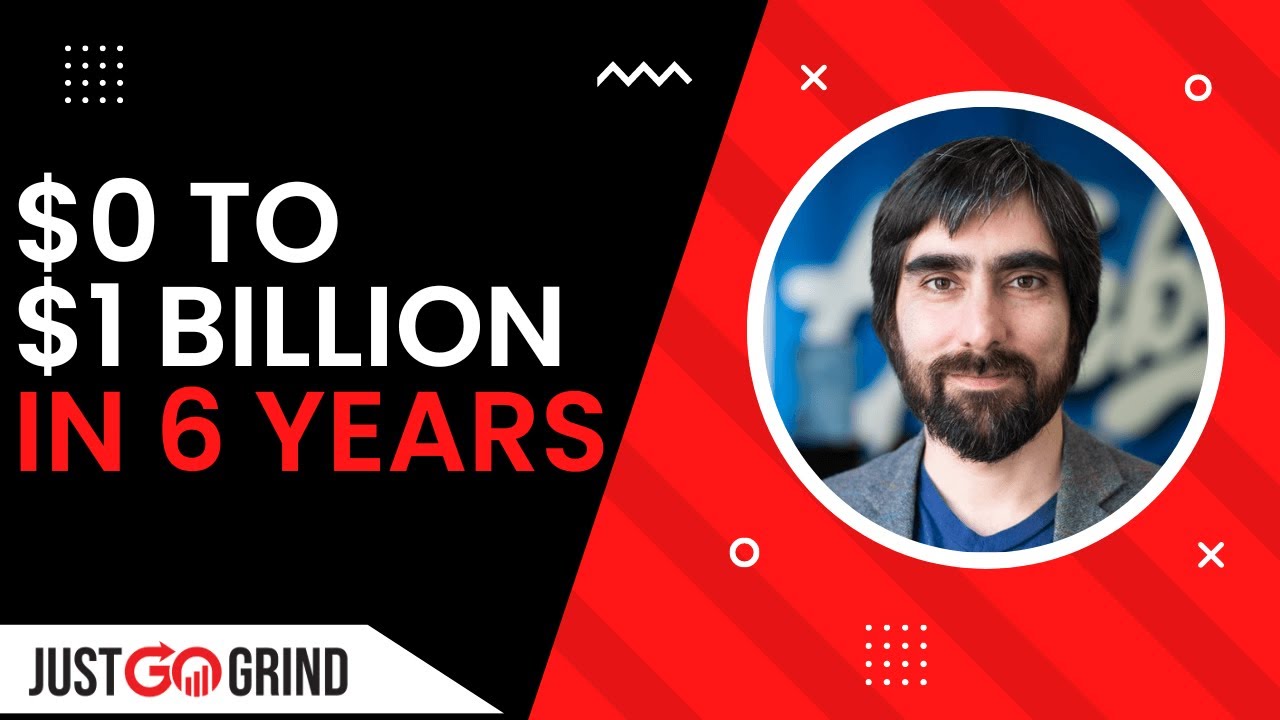
Haroon Mokhtarzada built Truebill, now Rocket Money, from zero to $1 billion valuation in six years by aggregating bank data into a personal finance dashboard. He pivoted the business model three times, then scaled through performance marketing across Facebook, TikTok, and Reddit, obsessing over CAC and LTV metrics to guide spending decisions.
Chapters
Haroun, welcome to the show.
Thanks. It's great to be here.
Yeah, there is a lot to talk about with your journey. And it can go a lot of different ways with this, with Truebill, with now it being called Rocket Money after the acquisition, so many ways to go about this. But for people who don't even know Truebill, just take me through what this company does.
Sure. So we're an iPhone and Android app. And basically, you, you sign up and you connect all of your different accounts, your bank account, your credit cards, stuff like that. That gives us access to pull in all of your transactions and make sense of it for you. So give you visibility. For example, you can see all of your balances in one place. You can see all of the subscriptions. We automatically detect what recurring services you have. So all of your subscriptions and bills, what you're subscribed for, how much you're paying, when the next bill is hitting, all of that stuff. Then you— it automatically budgets you. So it puts everything in categories automatically so you can see a pie chart of where your money's going. You can trend anything over time. You can track your net worth, all of your assets, liabilities, and see how your net worth is growing over time and your credit report. So it's basically, you know, you just connect a few things and you get a full dashboard into your financial life.
There is so much with this that I love. I downloaded the app not too long ago. I heard about it maybe from another podcast, started it, paid for it. I was like, yep, I get it right away. There's so much value obviously within this. Uh, sometimes a little Hard to see all the subscriptions I have. I'm just like, wow, I still have all of these things. But it's nice to know that you can kind of help with that. But one of the things from your story that I have to ask about, you sold a company before for $100 million plus. You could have just sat on the beach. No one really wants to do that who starts a company and goes to that level because they already have the drive and want to solve problems. Just take me through that point in time selling the first company. Like why, why start another company?
Why start another company? You know what I gotta say, as I was building this company, I asked myself why, oh why, many, many times.
Why did I put myself through this?
Again. Well, after that company, I sort of was in that retirement mode for about a year, year and a half, and I did start getting bored. So I did a lot of angel investments, I did other stuff, but it felt like my days were not filling. And I would find, I felt myself being fairly unproductive. So I knew like I had to do something. Yeah, I was in my 30s still, like it's, It's not really the time to retire.
Yeah.
And I also felt like, look, the amount we made was a really great amount on that first exit. It was enough that you wouldn't have to work again, but it's not enough that you can just like do whatever you want. You can't just like go and write like a million-dollar donation check or something like that with that type of exit. And so I did feel like there was a second layer of sort of financial freedom that would've been, would be really nice to get to. And so Me and my brothers who did a first company, we literally got back in the basement and we're like, all right, let's come up with another idea. We had no idea it was going to be big or not. We just said, what's an interesting idea? And managing and canceling subscriptions just was an idea that we were passionate about. And it ended up becoming something that far exceeded our expectations. But it was really just started as like, we just want to do something.
Going from then an exit to this company, what was the difference in terms of you starting this one versus the last one, just in terms of the ideation phase, knowing what you knew from that company? I'm just kind of curious on that. It's not a normal thing.
I think the ideation maybe wasn't that different, but what was different was, first of all, we started that company in 2001, right? So the technology that's now available to start a company, like everything is already, there's so many SaaS solutions that are like there for you. So when we started our old company, we built our own customer service solution. We built our own data solution. We built our own dashboarding solution. Like we had to build all these things manually. Here, everything's kind of available and ready. And so you can actually launch a lot faster and you can have systems and visibility up much better. But the other thing is we basically took everything we did wrong from that company and didn't do it. And we took everything that was huge needle movers from that company and we did do it. And so as a result, we basically saved ourselves years of mistakes and problems by doing that from those kind of hard-earned lessons and the wisdom we gained from those hard-earned lessons. And that's why, you know, we went from, you know, zero to a billion-dollar exit in 6 years, which was like, would have been impossible if we didn't have the experience we had.
Yeah. And to that point, just to dive a little bit deeper on some of that, I know other founders are always curious on which idea to go after. Is this the right idea to go after? Whatever. And there's a lot of things you can go with that. But with you, what were the other companies you were considering or other ideas you were throwing around? Because I mean, you had a year and a half, like that's A long time or kind of thinking and kind of ruminate on things?
Yeah, we, you know, there was a couple ideas I played around with. One is, it was called Infinity Drive, and it was a hard drive that would use the cloud to never fill up. And so you could use it like as an external hard drive that would never fill up. And that's one that I actually got some patents on and stuff like that, but just, you know, didn't decide to launch it. I did launch another one. It was an app called Minder. It was a dating app for the Muslim community. And that's an ongoing concern. I hired a CEO for it, is doing quite well. It's the number one kind of Muslim matrimonial app in the US. And then we had some other ideas like subscription boxes and things like that. But as kind of the brother group, we settled on Truebill.
What is it about an idea that makes you actually want to do it? Because you have these skills and capabilities and capital where you could go after a lot of different things.
Like, what is it about You know, I think for me, so it's like I use entrepreneurship as like problem solving. I enjoy problem solving. And so for me, it's just like, what problems bug me? Like literally, like what bugs me? So like with Infinity Drive, there was a professional photographer that came to me and talked about how he had like 100 hard drives in his closet of all of his work and like he had to keep backing them up and stuff. And I was like, that's silly. Like, that's really stupid. And then like my mind started churning on like, how would you solve that? With the dating app thing, it was like there was a bunch of girls I was talking to that were really frustrated they couldn't find good men. And these were like well-educated, you know, beautiful girls, like totally like, you know, catches. And I was like, that's silly. Like, why should that be? And how could you solve that? And with subscriptions, I couldn't keep track of my own stuff.
Yeah.
And so I was like, you know, this is annoying. And I tried to download other apps that would help me and nothing had the feature that I wanted, which is just Let me connect my accounts and you tell me what subscriptions I have. And so I think for me, it's just like personal frustration of like, I don't think the universe should work this way. I'd like to see it work a different way. And then we build something and hopefully there's other people that like find that thing useful.
To that point with this idea with Truebill in the early days, in this, you know, we're going to build something, obviously you mentioned in another podcast around minimum lovable product. Take me through more of what you look For in that, in terms of building that product that people love?
Yeah, because people say minimum viable product, but like, how do you define what's, what does viable actually mean?
Right.
Does viable mean it works? Right. So like minimum level product means it's something good enough that if you show it to friends or people using it, that they will, they can respond, oh my God, I love this. Right. And this is so useful, et cetera. And so what our minimum level product was just a web experience where you could go connect your accounts and we just tell you what subscriptions you have. And we show you kind of how they've trended over time. And that was enough to get out to friends and family. And a lot of people found subscriptions they were paying for, ourselves included, that like they had no desire to be paying for. And so once we sort of found that that was an actual problem, acute problem over, you know, a bunch of people, that's when we decided to launch.
To that point of launch, then what were you thinking about in terms of go-to-market and how did you end up actually going to market for Truebill?
Yeah, we actually just launched on a site called Product Hunt, which is, you know, it's a place you could post and kind of get out to a tech-savvy community and get early feedback. And then we did, we had some PR also. And that was basically it before that. After we raised funding, then it was like we started performance marketing and stuff. But before that, it was just kind of like getting the word out through some of those channels.
Okay. I want to definitely dive into the performance marketing engine you talked about on a different show, because that's what I geek out about, but just real quick on The funding, you just kind of glossed over. You said in a different show too, you're like, you thought it'd be easy for this company to get funding because you obviously had a massive exit. It's like this great team that had done that. What was the struggle with funding and fundraising for this?
Yeah, so what we didn't know was that basically PFM, personal financial management, was just like a black hole of startups that had hit brick walls. And so when we went and we presented something that felt like it was a PFM, it was just nos across the board. And literally people said like, Haroon, I'll invest in any idea you bring to us except for this one, just like anything else, please. And frankly, I didn't know how successful we'd be either, but it's what we had. And so it's like, we just figured, well, we'll do it and we'll get as far as we can with it. And I think that's why like, Execution matters so much more than the idea. All right, there's like a ton of people with the— that had the idea of personal financial management. It's not a new idea. Mint's been around forever, right? It's owned by a huge company, Intuit. Uh, there's many others. And so it just really goes to show that like it's the execution that fundamentally makes a difference between the winners and the losers, not the idea.
There's so much that you execute well on, obviously, to get to this point of a massive exit. One of the things I'm curious about though is just With the business model, it's kind of gone through this evolution for Truebill over time. Take me through that and what initially launched with and then how you got to the point of, yeah, subscription.
Yeah, well, you know, the original business model we thought is we'll put like basically affiliate links like Credit Karma has, and we'll just monetize that way. But we just couldn't make enough money doing that. And so the company was basically going under. We couldn't afford to pay our employees anymore after we spent down the funding that we had gotten from after Y Combinator from a seed round. And so it was really out of desperation, we tried other models. And so one is we said, okay, let's negotiate bills. And if we reduce a bill, we'll share in the savings. So we'll reduce your bill and then we can share in those savings. And so that started working. We got some revenue, but that's a one-time revenue hit.
Yeah.
So the user comes in, we negotiate their bill, but then what, right? And so we knew that that wasn't enough. So it's like, how do you make money over time? And basically we are dead. And so we're like, all right, we're going to have to try a subscription model. And I was like, this is so dumb because we're an app meant to cancel subscriptions and asking people to pay a subscription is just silly. But we just like, we'll let the users decide. And I think you have to do that sometimes. So we did that and the users surprised us and many converted and basically almost out of goodwill that like, hey, this is useful enough, I'm willing to pay for it. And so we actually transitioned from that subscription model to a, hey, it's a subscription, but you get to choose how much you want to pay. Like pay what you think is fair. And we let users choose, you know, from $5 to $10, like what they want to pay. And, you know, that ended up being something that our customers appreciated and they understood like, look, if I pay for this thing, they don't have to— then we didn't have to jam the app with ads everywhere, right?
Yeah.
And we could just focus on what is the best app Like, what's the best features? What's the thing? Because then suddenly what we cared about is like retention. And we didn't have a whole group of people trying to monetize and squeeze every last penny out of our customers because they're paying for it. So it ended up being like an amazing boon for us in the end.
One thing I can't gloss over either, I know you said on a different show too with that, and you even said now just with your kind of hesitation on it, like, it's stupid. Like, we're not going to charge a subscription for someone canceling subscriptions. What got you over the edge though? They'd be like, all right, like let's try subscriptions.
Actually in this case, like they did it without my permission.
Oh, there you go.
Yeah. So like they just like, we're gonna try this thing. And after they started working, I was like, okay, fine. But like they basically did it and the early metrics looked so good that I was like, okay, I changed my mind completely. You've gotta like, you've gotta not be tied to your actual intuition, right? So you can have intuition. And let's say mine is good 80% of the time. That's still good. You're gonna be wrong 1 outta 5 times. And you've gotta be humble enough that when the data actually comes, you better like shift immediately. So I wasn't like, oh, I still don't know. I was like, the next day I was like, triple down on this. Let's go. This is our new business model. And so I think if you're willing to do that, it's fine.
Yeah, you can make it work. And with this as well, you mentioned kind of a little bit the data side of it. The performance marketing engine, you kind of briefly mentioned in different pockets. I want to go deeper into that though. What was the performance marketing engine you kind of built out that allowed Truebill to go from this, you know, even the million-dollar ARR to $100 million in 4 years, which is insane. Like, what was that?
Yeah. So like anything, right? Performance marketing is, it costs a certain amount to acquire a customer and you're going to make a certain amount from that customer. So it's your LTV of a customer divided by the the cost to acquire, the CAC.
Yeah.
I think what we did is really instrument things well so that we could predict very early on how much a customer is going to be worth and send that back to the ad networks to kind of create a feedback loop so that those ads could be optimized. And then we created a performance marketing team that just had like a high testing culture. So constantly new creatives, constantly testing new things. And then the game is basically People don't think about it this way, but the game is to spend as much as you can on marketing, not as little as you can spend. It's as much as you can spend, cuz that's where growth comes from. So if you can hold efficiency, you say, hey, we want your efficiency to be this, but our marketing budget was infinite. We would say, go and spend as much as you can at this efficiency level.
Mm-hmm.
Because if you're getting more of it, more than a dollar, you put in a dollar, you get more than a dollar. That's basically a cash machine. So why wouldn't you do as much of that as you can? So that's what we told them. And we had kind of like a, this is what we think we can do. And usually marketing was able to outpace our spend kind of guesses. And then it was on me and the executive team to raise enough money to pay for that marketing. But as a result, we were growing 3, 4, 5x year over year for several years in a row. And then the revenues escalates really quickly when you do that.
What were some aspects of just the overall kind of marketing that you put in place? Because I know you had some SEO side of it. You mentioned PR initially. Just take me through that kind of umbrella of some of the things we're doing.
Yeah, so it started more organic with PR and SEO. Once we did performance marketing, it was mainly Facebook and Instagram, right? And then it was expansion across digital. So then it's like Snapchat, TikTok, Twitter, Reddit. And so you expand out the digital. And then we, after we really had that going is when we started doing offline. So that's like billboards, remnant TV buys. A lot of people have seen me or my brothers on TV. Like literally we do this stuff on the cheap, right? Like we were the actors, we wrote the script, our own people filmed it and edited it, and we just rented a studio for a single day. So people go spend like millions of dollars on a commercial. We just did that. And then we test, you know, we test even our, even our like brand TV spend and stuff. We're still testing and tracking that stuff and seeing what's working and not. So it's just expanding into other channels over time, which allows you to spend more per month. Which was, which was the game. Um, we, we didn't do, which is almost just as important, is we didn't do a lot of PR. We never hired a PR firm. We never had PR because what we noticed is like, even if you have like a big hit, it's like one day and it's like a little blip.
Yeah.
Because we're getting 10,000 users a day. So you get like, oh, an extra 1,000 users came one day and then nothing after that, right? So it's kind of like we didn't see a point. It was just kind of slowing us down. So we really focus on the things that like we know we could put a dollar in and we can get a couple bucks back and really focus on that. And then we focus on like our product and product marketing team on the funnel because any improvements you make to the funnel means marketing can now spend more because the conversion rate is better. And so that kind of enabled you to increase CAC. And as you increase CAC, it expands the opportunity set of where you can buy ads.
With that, you mentioned the CAC, you mentioned that lifetime value as well, LTV. What are some of the other metrics that you guys really cared about most, care about most? Because that's a lot of things that people get into the nitty-gritty of that, but there's way more than obviously the high level, you know what I mean?
Yeah. So most businesses, LTV, CAC should be like, that's the business metric. That's the fundamental thing. But then a layer under that, you say, okay, NPS, the Net Promoter Score, which is like, how do you know if people like this thing and if they're liking it more or less over time? By the way, metrics, the number doesn't matter. It's always trends that matter. So like, otherwise just a vanity metric. So like NPS is useful in how it's trending, not necessarily just like the number itself, but are you getting better or worse over time? Then conversion rates were super important to us. So like what percent of signups would go to premium? What percent would activate into our various features? Those, so those are conversion rates and then retention. So retention is What percent of people who paying are still paying like 6 months later or a year later? And what percent of people who are logging in are still logging in 6 months later or a year later? And those are some of the key ones.
Yeah, there's so many you can dive into with that as well. With that, and then progress you made and the traction obviously you had relatively quickly, I know it was initially challenging to raise funding because the space is just crowded. As you kind of move down and progress in that though, How'd you think about the investors you wanted on board, the fundraising side of it, showcasing that, you know, you wouldn't dominate this space? Take me through more of that.
What's really interesting is we were having tremendous success, right? We were growing at like gangbusters, like 4 or 5x year over year without really burning a lot of capital. And we still had at every round, it was a bit of a challenge and we still had a lot of people saying no. There was never one round where like everyone just wanted to pile in. Actually, at the very end, we almost did another round instead of selling the company. And that was the first time where we felt like we would've gotten multiple offers. And that was north of a billion-dollar valuation. So it's funny how like that was an easier round than these earlier rounds. But like what happened is we had pitched so many people in the earlier rounds that when we went back to them and said, hey, you know, we've now 5x since we last talked, they're like, oh, that was so stupid. I should have invested. But now you're too expensive, or now it's too late. And so nobody that invested at the— like, nobody that passed on us ever invested after that. And so what we wanted was really good firms that really loved our product and believed in what we were doing. That was what was super important. And so Eldridge, Bessemer, you know, Cota, Eldridge, Bessemer, and Accel were those. They were great firms, but they also really fundamentally believed in the product. And what was good about that is they didn't come in and say, okay, when are you launching a bank? Right? Like if Bessemer Excel had come in and been like, listen, I've looked at the market, you need to launch a bank. We might have done that. And it would have been a really bad move actually. And so what we got lucky with is we brought on board people who were just like, dude, I actually love Truebill. Like I love the app and you guys should just keep doing more of what you're doing. Like don't try to be someone else. This is working, just keep going. And so we were able to just be like super focused and the board was like fully aligned.
I have a question from Twitter that is relevant in this as well. Someone's asking, Lucas Timberlake actually was asking, his app is quite good. But for PFM space has been quite commoditized with intense competition for active users. So where does he see true winners coming from in the PFM landscape outside of Truebill/Rocket Money?
Well, so we, I think, have like now 65% of the PFM market share by actives. And then Mint is like in second place. And then after that, it's tiny. There's no one who has like real scale. So I'm not sure there's much out there. If I had to mention, you know, another app that I think has done a decent job, there's something called Copilot that I think they've got good design. It's a bit more for like the advanced budgeter in my mind and less kind of like a mass market play.
Yeah.
But, um, and then, you know, Mint has tens of millions of downloads, I think, but I think a lot of people just kind of fall off, uh, because it's not useful enough.
With Truebill and Rocket Money now getting 65% of the market, why do you think it was that you were able to— clearly you executed really well, but take me through anything else you can say that this, in this crowded space, you're able to succeed.
We, we consider what we did as PFM+. So all of the other PFMs are visibility tools. We took everything a step further. So Okay, you can see your subscriptions. Now you see something you don't want. What do you do with that? Well, we said, well, clearly you're going to want to cancel that. We're going to do that for you. So Truebill, you don't have to go and figure out how to cancel the thing. You hit a button and we cancel it for you. We show you bills that might be high. We will lower these bills for you. We show you what your budget looks like. We will open an automated savings account for you and start moving money into savings for you. So these And recently we've added, it's now in beta, but we see your credit. We have a card that can help you build credit. So, you know, like it's called TrueCard right now. It'll be, you know, be rebranded into the Rocket name soon. But that is another example. So it's not just like we went a step further from just the visibility to like, here's really useful visibility, but then once it's time to take action, we can help you with that next step as well.
Was that insight for you always clear that you had to do that in order to succeed?
We did the cancellations of subscriptions fairly early actually. And we always, we realized, like we saw how much users really enjoyed that feature. And so it became clear to us that, and also we were just looking to your user's question, to your listener's question, like what is gonna make us different? We can't just be another PFM. So like, what do we want to be actually? And what we want to be is we want to be the place where someone can basically like run their financial journey, right? Like we want to be mission control for your financial life. And not only can you see, you should be able to see everything in one place, but also take action in one place. And that's one of the reasons we sold to Rocket is one of the biggest steps then to close that loop is these massive things that end up happening. Like I need a credit card, I need a mortgage. I need like a loan for an auto, things like that. And so we had a hard time imagining we're going to build out those functions like mortgage and lending and stuff like that, but they're really important parts of the pie. And so it's like these things come together really nicely and creates an opportunity to build that all-in-one platform.
In a similar vein, and we'll see how you take this question, I guess another question we had was, I'm curious about his views on the fintech regulatory environment. And what do you think government's role should be in regulating this new wave of financial services like Truebill/Rocket Money?
I think the government can play a good role. One is data portability is really important. There are some banks that don't want consumers to be able to connect their accounts, let's say, to Truebill or anything else. And that's a big problem because we believe a consumer's data is their own data. So if you have data from your own spend, you should be able to put that data wherever you want to get the most value out of it. It's not the bank's data. We believe it's your data. And so we believe the government is supportive of that. There's also, you know, there are situations where people take advantage of users, things like payday loans and stuff like that, that we think the government should take kind of like a harder opinion on, or at least make it really clear to people how much they're actually paying for this stuff. We had a pay advance feature but decided to sunset it because we didn't feel like it's the— it's the best thing for the customer. Um, so, so we shut that down. Um, and, uh, but, but yeah, on the, on the privacy stuff, and then I actually think financial regulations, I mean, they're— they are important because you can end up with situations where consumers are taken advantage of or there's fraud and stuff like that. And so there's a current decent balance. I, I do hope we get to an open banking, kind of more towards open banking in the US, where there's kind of like a single way that banks kind of share information between them. Uh, money should be like— ACH is, is like notoriously slow and outdated. And so getting to a normal, easier money movement is another piece of the pie that, you know, that hopefully the industry can move towards.
One of the things you mentioned with even the, the product feature around basically helping people cancel their subscriptions and whatever, you mentioned in the other show you did a lot of this manually in the beginning. Take me through some of this Things that you kind of did that did not scale and was totally just manual in the background?
Yeah. I mean, literally at the beginning there were so few users that like, we had a team of like, you know, our whole team was like 5 people. We had like 1 or 2 people that would just spend all day long, just someone's put in a, hey, I wanna cancel this thing. And they would just go and figure out how to cancel it. And then they would write down those instructions for the future. And then the next time they came in, they already knew how to do it, right? And so now we support thousands of services, but it took a long time to build that out. And we basically built, okay, there's different types, there are different methods for canceling each different subscription. And so we're going to have teams that can perform each of those types of methods all the way from phone calling to like a bot, right? And so you kind of go across all of those and then it's like a big, big machine now that handles that. With like hundreds of people. Um, yeah, doing that work.
That's crazy. Oh my gosh. And the back— yeah, that's gotta be a lot. One of the, one of the things that we haven't discussed yet, which we kind of have to, uh, you have 2 exits that are massive. And for people who are selling companies, a lot of times it's a complete black box. You have no idea what it's like going through selling a company because it doesn't happen for a lot of people. You've gone through 2. Anything that you can take away or share with people who are considering selling a business or in that process that you wish you would've known?
I mean, one thing is that basically if the CEO, if it's a large deal and you haven't talked to the CEO or the CEO's not involved, you don't consider it anything until the CEO's involved. Okay. Like just the corp dev teams, their job is to button up a deal, right? And put it in front of the CEO, but the CEO rejects most of the vast majority of them.
Yeah.
And so if they're, if you're doing like a ton of work and you still haven't talked to the CEO and the CEO's not necessarily interested, they haven't even heard of you yet. That's the corp dev department's doing their job and collecting all this data and information, but you could really be wasting your time. So I think one of the lessons is like, figure out how serious they are. And usually that's like, if the CEO's not getting on the phone with you, they're not that serious.
Yeah.
They're just not. Or if they haven't personally told their team, like the other, they might tell their team, I'm interested in this company, go and figure it out. Right. But if, if they, if the, at the highest levels, they're not doing that, you know, you, you need to think, or if the decision maker isn't doing that, So that's one, is figure out how serious. The second is you always have to have more than one offer. Like you've really gotta make sure the difference between having one offer and more than one offer is like massive. And so you need to understand what the market says you're worth. And then the third is you really shouldn't be the first person to throw out a price. Everyone's gonna ask you for a price. The way you can say it as well, our last round was at this price and we've grown this much since then. You can say things like, we're worth what the market says we're worth. We're doing a market check and Put out what you think is, you know, reasonable, but there's going to be probably multiple offers because you don't even know what you're worth. And so it's better to just let the market price you than try to impose a price. It can't benefit you, right? Because if you throw out a price, that's your ceiling. You're never going to get more than that.
Yeah.
And it's and you know it could scare them away. It could be if it's too high. They're just gonna be like, okay, forget it. And they're scared away. You don't want that. And if it's too low, then it was, you put the ceiling too low. So it's better to have them throw out the first price.
Did you learn all these by making that mistake or did people tell you these things?
No, this is, this was like, yeah, I think one thing VCs are good at is advising on deals and helping, like, because that's where they make their money. And so in our, in our first exit, these were things that were advised to me by Perfect.
No, I love that. One of the things that I have to talk about too is just with the calendar, because I do the same thing and I'm curious more on this. You basically block out everything. And I had someone look over my shoulder at my calendar and saw everything filled. They were so appalled, like, wait, why do you have everything blocked out? I'm like, because I even block out the fun times and whatever. How have you always done that? Explain how you manage that.
No, I know that's more new because basically where I am, right, a 200-person company now.
Yeah.
If I don't have, if it's a workday and I don't block out a piece of time, it will probably be grabbed by someone.
That's right.
Someone wants to meet with me about something and they'll take that slot. And so you'll end up with just a day full with nothing, with no time to do any of your own work. And so that's why I started blocking stuff like that on my calendar out is to make sure that it actually like that it happens. And meetings, if there's too many meetings, then they'll just get pushed into future dates.
One other thing too, you mentioned a different show around having this chip on your shoulder. Have you always kind of felt like you had a chip on your shoulder and has that propelled you to help build things or?
Yeah, I did have my chip on my shoulder about, about Weebly. Yeah. Because they were a Y Combinator company and they always got mentioned in TechCrunch and other media and webs.com, we could never get mentioned. And so that always bothered me and I always was like, I'm gonna become a YC company one day so that like TechCrunch will cover us.
I'll show them.
So that was something specific. He's like, David from Weebly is a good friend of mine, the CEO and founder. He's a good friend of mine now and we chat a lot. He was very successful with that company and it's all in good jest.
Perfect. I love that. I wanna switch gears a little bit here and you mentioned the angel investing. You were doing that a bit after that first company too. Take me through what you're looking for. I don't know if you're still angel investing or not, but what you're looking for, how that kind of came about too.
So it came about because I was acquired, right, by Vistaprint, our first company, and was working on that. And so I was like, how do I stay relevant in the startup market? Like, I want to kind of be in the mix with startups. And so that was the way I figured to do that. Over time, the things I'm looking for now are One, it's just like, am I interested and can I be helpful? So if it's something comes to me about some new medical procedure or something, like I'm not gonna be that helpful to those people. And so it's probably not in my wheelhouse. But if it's like, you know, consumer or B2B SaaS or subscription, things like that, like I understand, like, yeah, that's there. I can be more helpful. So that's one. And then the second is how big is the opportunity? So another lesson is just like, I used to think like, oh yeah, I see, I could see this company being worth $100 million one day. But then you realize that's not where the money's made. So the real money's made when you have like unicorn exits and those pay, like they pay for the whole fund and everything else.
Yeah.
So making sure that the thing can be large. And then the third, which is most important, is like, is the founder awesome or not? What kind of experience do they have? Like when you talk to them, is this someone that just gets it and like they already know all these things or there's, they don't know much at all and they have got a great idea, but like They've got a long way to go to learn stuff. Um, and that's probably the most important one is like at the end of the day is probably the founders.
We have a lot of, uh, so we have a group at BioWise, uh, called BioWise Angels where we have almost 400 angel investors and a lot of them, they are executives at big companies, they're startup founders, you know, they're busy and they're trying to figure out the alignment of like time spent on angel investing, running their companies. How do you manage that? Juggle that? Yeah.
I mean, more recently, because again, now I like, again, I'm full-time now. Right. And I'm not like, I'm not like retired and stuff. I don't have much time to do it. So at this point, I'm not actively seeking out deals. There are deals that come to me through a friend or something like that. But what I realized is, wait a minute, there are people who are doing this full-time. Those are called fund managers. So like, maybe I should just be putting my money in those funds and paying, you know, whatever the carry, 15%, 20% carry on that so that I don't have to spend my time doing it. And then you're like, well, how do I pick funds? And there's funds of funds. So there's funds that they pick funds who then pick the startups. And so, you know, if the returns are like, let's say 15 or 20% less, but like you don't have to do all that work, that might be worth it. So instead of making, I don't know, like at a 30% IRR, you're making 25% IRR, but like you don't have to do any work. That sounds like actually a pretty good deal to me. So Then it becomes like, okay, which companies do I want to be involved in where I can be helpful, where it'd be exciting, where I like want to talk to this founder, and that you start selecting those.
Yeah, it's funny you mentioned that. We hosted a webinar recently about that kind of exact thing. It's like, you can angel invest, it takes time, you can invest in funds, takes a lot less time, different return profiles, obviously. But like, you have this ability to do that too. And one of the last things I'm curious about is just with your career working with your brothers as well, like, How has that family dynamic gone? Issues when you— any issues come about with that? I know other family members we've invested into. I'm just curious on anything with that.
Yeah, I mean, look, it's not, um, it's not without any issues, right? There are sensitive topics. You're not gonna fire your brother, probably, right? There's things like that. Um, but I've never— not, not that I ever needed to. Um, and so it's gonna depend on the family, but, but here's the benefits of it. I can talk to that.
Yeah.
One is, sure, you're not gonna fire them. They're not gonna leave, right? They're not gonna go to Google or Facebook or whatever, right? When the going gets rough. So to know that like your core C-level team isn't leaving, that's pretty awesome. Um, second thing is when you exit, if and when you exit, the money, your co-founders are your family. So the money kind of is in the family and you haven't left your family behind. So you can all afford the same vacations. You can all support your mom and dad in the same way. Like, You can do all those things. Um, and like that wouldn't have been possible if it was just me, for example.
Yeah, that makes sense. And, uh, one of the last things too. So I have a group of about 85 founders, this community I built up, only started 2 weeks ago. One of the questions that came from them, uh, is just a fun one. Which current startup do you wish you could have founded and why? If it wasn't Truebill, what else would you want to be building?
Oh, interesting. Um, well, I'll answer it a little differently. So, so, um, Sure. I would have loved to work like in those early days of PayPal with like the PayPal Mafia. And, and in general, I would have loved to work closely with Elon Musk, even though I've heard that people that actually work with him find it maybe not as enjoyable of experience. But I'd love to kind of like experience like what it is to work for someone like him or Jeff Bezos or something like that. So that's one. If I was gonna start a company where I'm like, gosh, that was such a good idea. I mean, I think Stripe is pretty awesome.
Which one?
Sorry.
Stripe.
Stripe.
Yeah.
I mean, Stripe, it basically started as such a simple idea, like we're gonna do a button and it's just gonna do a popup on the website and collect the payment information like that. And like, they took something that was so much work and made it like a line of code to make it happen. And, uh, obviously they've done much more since that, but just that small, like, new way of doing it and just like how well they executed on that. It's just a phenomenal company.
Yeah, it's quite incredible to see what they've done over time. And where's the best place for people to learn more about Truebill, which is now Rocket Money, and also connect with you if they'd like to?
Yeah, so you can search in the App Store for Truebill, and then in a couple of weeks, you can search for Rocket Money. And I'm @Haroon on Twitter. And so, you know, you can feel free to ping me on there.
Perfect. Thank you so much for the time today. I really appreciate it.
It's my pleasure. Great chatting.










