Building a Gen Z Cosmetics Brand for Men with Annelise Hillmann of FRONTMAN
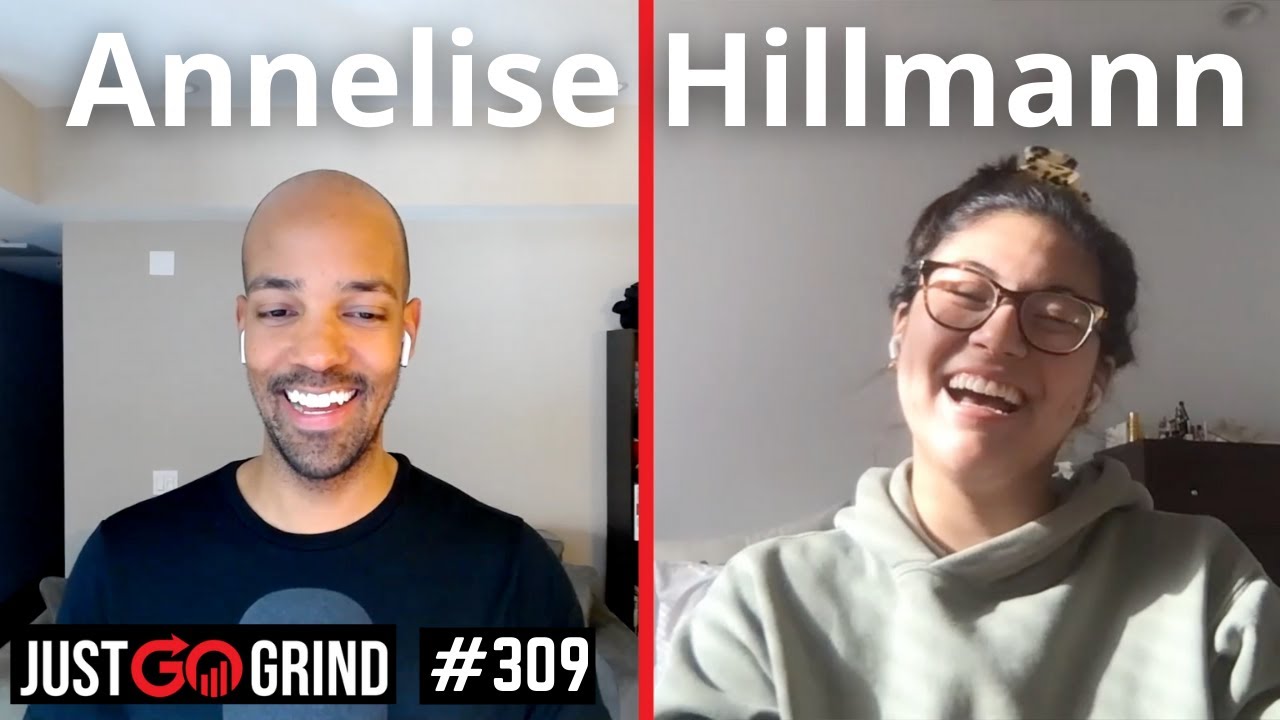
In this interview, host Justin Gordon talks with Annelise Hillmann, co‑founder of Frontman, a functional cosmetics brand aimed at Gen Z men. Hillmann explains how the company originated from a Harvard‑based Gen Z ad agency and a conversation about the lack of immediate acne solutions for guys. She details the development of their flagship product, Frontman Fade, an acne‑fading concealer that combines over‑the‑counter actives with medium‑to‑full coverage, leveraging her dermatologist mother as a medical advisor and a U.S. contract manufacturer identified through a product consultant. Hillmann describes the brand’s design philosophy—using behavior‑change design, cultural icons like Freddie Mercury and Tyler, the Creator, and a nostalgic aesthetic to reshape masculinity and grooming norms. The go‑to‑market strategy includes a January launch, paid media across Instagram, TikTok, Facebook, Reddit, Google SEM, and influencer partnerships (including a successful YouTube placement with New Rockstars). She outlines the lean team structure—two full‑time founders plus 5‑10 part‑time contractors—and the importance of diverse perspectives. Fundraising began with a $150K pre‑seed round split between friends‑and‑family angels and a VC with Asian men’s beauty expertise; a new round is in progress, with emphasis on strategic angels and advisors like Janine Labelle of Stila. Finally, Hillmann stresses mental health, describing personal practices (yoga, socializing outside startup circles, solo museum trips) and positioning mental‑wellbeing as a core brand value. The interview concludes with contact points: Instagram/TikTok @bfrontman, website bfrontman.com, and Hillmann’s personal Instagram/Twitter.
Chapters
Annalise, welcome to the show.
Hi, Justin. Great to be here.
Yes, there is always so much to talk about. I like to start with people who don't know about what Frontman does or what you guys are doing right now. What is this company? Tell us a little bit about it.
Yeah, so Frontman is the Gen Z functional cosmetics brand for guys. So what we're actually doing is reimagining the men's grooming industry to actually bring guys these new solutions that integrate skin I love it.
Yeah, I saw the brand when I looked at it when I first got introduced to you, and I was just like, I love the look of it. I love the feel of it. It obviously seems really needed. I'm curious though where it got started. Tell us about that.
Yeah, absolutely. Well, thanks for the kind words. So we actually co-founded this, my co-founder Nick and I, back in 2019. So we met as students at Harvard, actually. We were undergrads there, and we were actually starting a Gen Z ad agency together. And we were like, So we're marketing people, very sort of Gen Z focused with that lens. And we were helping companies, brands really figure out their Gen Z audience and what that would mean for their products and services and their marketing. And so we were in the midst of doing that when we kind of had this funny conversation. And Nick hates it because I basically shit on him. Basically, we were having lunch in a cafe one day and he just kind of casually turned to me. He's like, I'm so jealous that women never get acne. And I was like, what are you talking about? Like, of course women get acne. He's like, I never see women with acne. And I'm like, you realize that we have like a million and one immediate cosmetic fixes at our disposal. You know, like if we start to break out, we can put on a little concealer and like immediately feel more confident about it. And he was like, oh my God, growing up as like a guy in New Jersey, I was breaking out, you know, middle school, high school, college, present day, and just had absolutely nothing that was immediate. You know, it's like the Proactives, Curologies, you know, things that take weeks or months, that sort of traditional skincare to work. And if you have a date, if you want to go to school and just feel confident, you know, there's nothing out there for guys and in a way that really resonates and feels acceptable and easy to use. And so we said, you know, if there's ever a time for this to happen where we can show guys the use case of more of these cosmetic things like coverage or concealer, it would be now with our Gen Z kind of new approach and perspective. And so the trends that we'd been seeing among our friends, among Gen Z at large, was a real openness and kind of breaking away from the traditional gender norms that millennials and older generations have had to live with, you know, and had to conform to over the years. And We've really started to see people start to reject that, and so with that understanding, we said let's actually just reimagine what the whole men's grooming industry could be and what that could look like, and give guys these new solutions that really make sense for them. You know, and that they'll actually use on a day-to-day basis.
Yeah, and there's two main things I think right away with that. So one being the product side of it, so developing product everything with that, and the second being how you brand market etc. So. Let's start with the product first. How did you develop this product? Take me through some of that process of that. I know other entrepreneurs who are creating products want to know. I'm curious how it went with you guys.
Yeah. So our hero product is Frontman Fade, which is an acne fader. So it covers and treats acne at the same time. So it has OTC, over-the-counter ingredients that actually are active and work to treat acne, as well as that sort of medium to full coverage so that it hides it and looks completely, like, it's gone. It's erased, basically. And so that was the product that we spent a couple of years developing. And really, it was a process of a couple of things. One, I am very lucky and blessed to have a dermatologist as a mother. Good read there. Yes. So that was, I mean, that was part of why Nick and I realized we had such different polar opposite experiences growing up learning about skincare is because my mom you know, was a huge source of advice for me and how I got at least the basics, but also more of an advanced understanding as well. And, um, we, you know, brought her the idea and said, hey, can you help us with this formulation and understanding what needs to go into this? And so luckily had her as our medical advisor and she's key to all of our formulations, which is great. Um, and essentially went out to find a contract manufacturer, sort of figure out that whole world. Um, And started on the production process.
How did you go about that? Because I like to dig into details because other entrepreneurs like, oh yeah, should they get production? How does that work? Where do I even start? What website do you go to? Tell me more about that because I think other people might find it useful.
So for contract manufacturing for cosmetics specifically in the US, it's a very old industry. It's very outdated in that you can Google around, but you'll find these websites that have very little information and really do not, you know, get across any of the points that you need. And so it's very much about finding people who are experts and have an understanding of the lay of the land when it comes to the different kinds of manufacturers. So we found a product consultant in LA who had worked on some of these sort of, you know, product development projects before and said, can you tell us, you know, who would be the best fit? Can you bring us some options? And so we worked closely with her to figure that out.
Yeah, it's amazing. And there's definitely so much in terms of consumer products, obviously Los Angeles, the experience there is huge. So everyone wants that, definitely come to LA, a lot there. And then with the— that's that one side of things in terms of the product and kind of contract manufacturing, everything with that. Take me through kind of the brand behind it though, like that process for you having worked with a number of different brands before, and I've seen some of your work, it's very impressive if anyone wants to check it out. But how did you think of that for Frontman in terms of what that would be like? I'd love to hear more about the process.
Yeah. So specifically, I'm a brand designer kind of generally, as you were mentioning, have worked with a few different startups around their design and marketing strategy. And for me, what I like to design is that sort of sweet spot of designing for behavior change. And that is really the core motivation for design. In itself is to help people see things in a new light and actually help them change their actions and behavior on a day-to-day basis. And so that's obviously a very hard thing to do, especially when you're thinking about changing culture at large, changing gender norms, changing how people think about men's grooming. And so we spent a lot of time digging into, digging into, you know, a lot of the psychology around, you know, what guys feel when they're using products how they feel about their acne and breakouts. So, you know, we looked at all of these frontmen from, frontmen from history, you know, like Freddie Mercury, David Bowie, even some of the present-day people looking at, you know, Tyler, the Creator, and even, you know, women, Billie Eilish, you know, some of these people who are young artists today who are very much looked up to, but also changing the way we think about, you know, certain stigmas or norms and can actually have influence on many people. And so that was a huge inspiration for us. And we said, we want all of our customers to be frontmen, to really embody that confidence and to go out and really have the freedom to do whatever they want to do day to day. And so that is really the inspiration behind the brand and what we like to bring out, you know, the music side, the the flares there and how it kind of relates to that through a lot of the branding as well.
I want to go back to one thing you mentioned there. So just thinking of this Gen Z brand and you're thinking about the branding for the frontman and you're talking about Queen and '70s bands and '80s bands, where does that connect come from? How did you get to that point? Because I think about brands now and like how they go through research and thinking about what they want to portray and, you know, what generations do you go back to and you bring, you know, things, there's cycles always. But how did you get to that?
Yeah, it's really interesting. I mean, over the past few decades, we've seen how history repeats itself, where we're really pulling from, you know, the '90s, early 2000s. Now we're at the kind of Y2K, you know, era where everything is starting to repeat itself. And what I've seen generally from my generation is that there is a real nostalgia and love for these decades that we have not lived in, which is interesting. But I think it's, you know, somewhat reactionary to the kind of technological, social media-driven worlds that we live in today for that simpler time. And even, you know, returning to things like disposable film or Polaroids, trying to get that sense of authenticity that rarely comes, you know, comes around these days with our sort of digital interfaces. And that is like the authenticity that we think about a lot as a brand and want to bring back, you know, like, let's actually be a brand that people can, can talk to, that they can text on a day-to-day basis.
Yeah.
You know, and so that was kind of part of the thinking. Also the fact that when I was growing up, I only listened to like my mom's like CDs in the car. Like she had only CDs and it was like Queen and ABBA and, you know, like those kinds of groups, which were awesome. And like, they really, I think, pushed, especially at that time, pushed the boundary, you know, they were at the fringe of mainstream culture. And it was like, those, you know, kind of almost like outsiders, like the outcasts. And like, it was cool to be, to be a listener, to be a fan. And I think like, that is some of the originality and the really forward-thinkingness that we're trying to bring back.
Yeah. And like we mentioned with the nostalgia, for those watching the video version of this, I have like a Polaroid camera. I think you can see it right here on my shelf. Like, it's like, yeah, they, they made a whole new like kind of, you know, line, whatever, of cameras that now have the film that comes out. I was like, that's just so interesting to kind of go back to that. And I can see that how that's, you know, fascinating for people and to have that, to own that, to have those experiences. And for even generations before you, you know, you haven't seen that, but you can bring it back now. It's really intriguing. And With Frontman then, so you have this brand inspired by a number of different things. You've kind of gone through that whole process. You obviously have the product, you have the help dermatologist mother, which is very helpful as well on that side of things. But how did you then go to market and what did that look like in terms of that side of things?
Yeah, absolutely. So we developed the product and then had our launch actually in January of this year. So we're still quite new. And that was a really interesting time because we We're pushing out the product on, you know, all of the sort of standard paid channels, growing our community, working with, you know, young influencers and artists to kind of expose them to the brand and learned a ton, you know, at that period of what our customers are actually like, what they're into, you know, who that person is at the end of the day. And yeah, it's been really interesting to kind of see how many different kinds of people are very excited by the brand. You know, there's everyone from like the Brooklyn kids who are like skating around to, you know, guys in like Arkansas and Tennessee who are really trying to look for acne solutions and get something that works immediately. And so we've really seen that the, the immediacy and the speed of the product and our function-driven brand has resonated with many different types of guys. usually in this younger sort of cohort, Gen Z, young millennials. And that, I think, is a very exciting proposition because it's not just a niche fringe community that this is relevant to. It's relevant to guys who have acne, which is basically everyone.
Exactly.
So it's been very interesting from a branding perspective to see how that's played out and also really just shows us that the timing is right, that The world is ready for something like this in the men's category, and we can be part of leading that movement towards an actual you know men's beauty sort of movement.
With that too, so going back to what some some of those things you mentioned around that go-to-market strategy, you mentioned some of the different channels and like the classic paid channels. I don't want to gloss over things. I think the marketing is interesting. It's what I find fascinating, especially to Gen Z. How'd you think about that in terms of distribution? You mentioned influencers. You mentioned some of the paid channels, but. Which platforms, which type of influencers, how'd you go through that? I would love to hear more details on that.
Absolutely. So Instagram, TikTok, the big ones, Facebook a little bit. And we tested out some other ones as well, like Reddit. Google SEM is a huge one for us. Generally people are generally searching for solutions. So that's a great bottom of funnel for us. But Yeah, it's really still been a test and learn. I think, you know, especially in the first couple years, it's always about testing and learning. And so we've had, you know, things that worked really well and things that didn't. So like, we did a, like a short in-video spot with this YouTube channel called New Rockstars, which does like Marvel, you know, breakdowns and recaps about the movies. And that like blew up. And it was just like an in-video thing where he was talking about the product and We really saw that that audience was the right audience for us. And so kind of realizing and studying what audiences intersect and how those can be used for us to get to the next level.
Yeah, it actually reminds me of— so for Violize Venture Capital, we have an angel community called Violize Angels. And one of the things we did early on was we tested a newsletter sponsorship of FemStreet because we want to have more diverse investors. And that's why we wanted to create this community. And so FemStreet's amazing. I mean, there's like 10,000 people in the newsletter. And then that newsletter has done more than any other kind of thing we've done, single, single thing we've done. Obviously, like Twitter for us is huge in terms of, you know, getting more angel investors. But we found FemStreet and it's like testing different newsletters, having ones that we thought could be great. And this one proved to be like, oh yeah, how'd you hear about us? FemStreet. And like, then they tweeted us too. Like that also helped. And so like finding those right channels and trying to be creative with that is always fascinating to me because it's a constant stream of where people are, where's the attention, and it always is shifting. You know, a few years ago, TikTok was not a thing. So it's like that evolves and it changes pretty fast, which is kind of fascinating. One of the things I'm wondering about too is with this company. So it's obviously more than you. How have you built your team around this? People who are helping you, how's that side of things gone for Frontman? Yeah.
So, so far it's still me and my co-founder as the full-time group. And we do work with a group of 5 to 10 contractors at any given time, part-time people who help us with a lot of different facets of the company, mostly in creative and tech sides that we need support. And so, it's always kind of an interesting group to work with because we can bring in all of this other talent, you know, people who maybe are more of like the Gen Z kids who are helping us on, you know, some of the design sides or working with some older folks for tech. And I think having the variety of opinions is really, really nice. And I think a very big strength of ours is having, you know, myself and Nick as sort of a man-woman duo. We have these 2 different perspectives that really helps ground us in understanding the problem and the solution. You know, he brought his, his understanding of his experience with acne, you know, not knowing anything about skincare basically and what, you know, the typical guy is going through. And I bring basically the opposite experience, which is, you know, a real understanding of product and the cosmetics and skincare space and the technical understanding of that as well. And so together, I think we formed this great team that is really needed for something that's so new and so revolutionary is having, you know, that variety of perspectives that we can bring to the table in order to form this new vision of almost updated masculinity.
With this company too, so take me through some of the fundraising side of things. I saw you raise, see at least, internet can be wrong sometimes, but $150K pre-seed from Recharge Capital, at least online. How has the fundraising side of things gone for you? How's that process been? I'm curious on how that's evolved.
Yeah, so we did our pre-seed back in 2019, I think, and we're actually doing another round of funding currently, so it'll be announced soon.
That's great.
But yeah, but it's been an interesting journey on the fundraising side. We were lucky enough actually for the pre-seed to do half friends and family angels and then half VC because we connected with a VC that already had a thesis in this space. And I think that was a very strong synergy there in that, you know, they were completely on board. They totally saw the vision. They had actually seen it play out in Asia where, you know, some of the markets have already had men's beauty, men's skincare brands blow up. And so they had seen the playbook there and have distribution ties in Asia that actually made it a very strategic decision for us to choose them in the beginning. And from there, we've really been expanding our network of VCs and angels and actually brought some really great teams on board in this latest round that we're very excited about, that can be very helpful just from the side of knowing and understanding scaling consumer products.
With that too, so for other entrepreneurs who are early stage, maybe raising their first round or even their second round of funding, so on that side of things, how did you strategically kind of go about this or think through it in terms of who you wanted on your cap table, who could help you? I'd love to hear more about that side of things, especially for those early stage entrepreneurs listening.
Yeah. So I would say angels, don't discount angels. I think everyone's rushing out to get VC checks, which is great and definitely lends credibility to the team and to the space, which is great. But you don't want to discount angels because they tend to be very, very helpful. And we have angels that we work with on a day-to-day basis, actually, that, you know, we're calling and texting for advice. Janine Labelle, the founder of Stila, is an angel and advisor of ours. And she's, you know, so instrumental in having been there before and understanding how this works, you know, from the sort of traditional beauty side of things. And Every advisor that we've brought on has been so key in really understanding facets that we have no experience in. And so, that is, I'd say, a really large strength that you can play up as a young founder, as a founder who might not have built anything before, first time. This is where you can lean on a community of people because it's not just you who's going to, by sheer willpower, create something new. Which is, I think, how a lot of people view it. It's really building a community around a shared vision. And that's the job of the founder, the CEO, to share that vision, to communicate it well, and then to help mobilize people to create that in the real world. So utilize your investors as much as you can to help jumpstart that community because it can go a long way.
One of the last things I know, we're almost out of time here. I'm curious about for every founder, because it's so difficult to build a company and a startup especially is draining. How do you invest in your own mental wellbeing, mental health, make sure you can stay top of your game for the long term? Because ultimately a startup, it's going to be a very long journey. How have you approached that, Annalise?
Yeah, absolutely. This is something I like to talk a lot about because I think that very few people really share how hard it is from just a mental and emotional perspective on the founder to create something new. You are very much putting in your all. And I think that that often leads to burnout and is the number one reason why people end up dropping their ideas and moving on. And so that is something that we actually really focus on as a company as well. Mental health is a really large part of our brand. Because we've seen how closely tied, you know, feeling good and looking good are. And for us, you know, something we like to say is feel good first, look good second, which is something that I think the industry has never really said. You know, it's more about the looking good. It's more about the being handsome and looking polished and sleek all the time. And really for our generation too, I think mental health has been, top of mind for everyone, just the kind of anxiety and stress that we are under. And so for me personally, I like to make sure that I am getting all my touchpoints in for the various things that help me de-stress. So yoga, I try to go as much as I can, making sure that I'm socializing with friends who are not startup people, which is so hard because you tend to just self-isolate into startup world. But, you know, getting those other perspectives and seeing, you know, family and making sure you have time for that. And then also because I'm an introvert, I like doing my like self-dates basically of like going to museums or like going out and just being kind of by myself and able to, you know, read books and really just explore new ideas. So that's a big one for me as well.
And something I try to do so that I can recharge my battery and come back to the to the you know the meetings building yeah no I just talked to a friend of mine yesterday actually who he's on his third company he's like not third company he's the CEO of this new company but he's helped grow one was TikTok actually in the early days another one yeah one other one was another big company as well I won't name it because it might give him away but he's on his third company now and just seeing how difficult it is. He's 33, so he's been doing it for already a decade or more of scaling companies and consumer companies and just the toll it takes on you if you don't invest in yourself. It's very hard, especially at that point where I think he's going to raise like $20-something million and it's like you're really going for it. It's a lot. It's a lot to do, but taking care of your mental health is important. That's the only way you can stay in the long game, which every entrepreneur I talk to who has done it repeatedly has mentioned that. And I know we're out of time here, but what's the best place for people to learn about Frontman and also connect with you and Elise?
Yeah. So follow us on Instagram, TikTok @bfrontman. You can see us on our website, bfrontman.com. Check out everything there. And I am on Instagram and Twitter as well. Awesome.
Thank you so much for your time today, Annalise.
Awesome. Thanks so much.










