Building the #1 Global Integrated Fertility Care Platform, with Abby Mercado of Rescripted
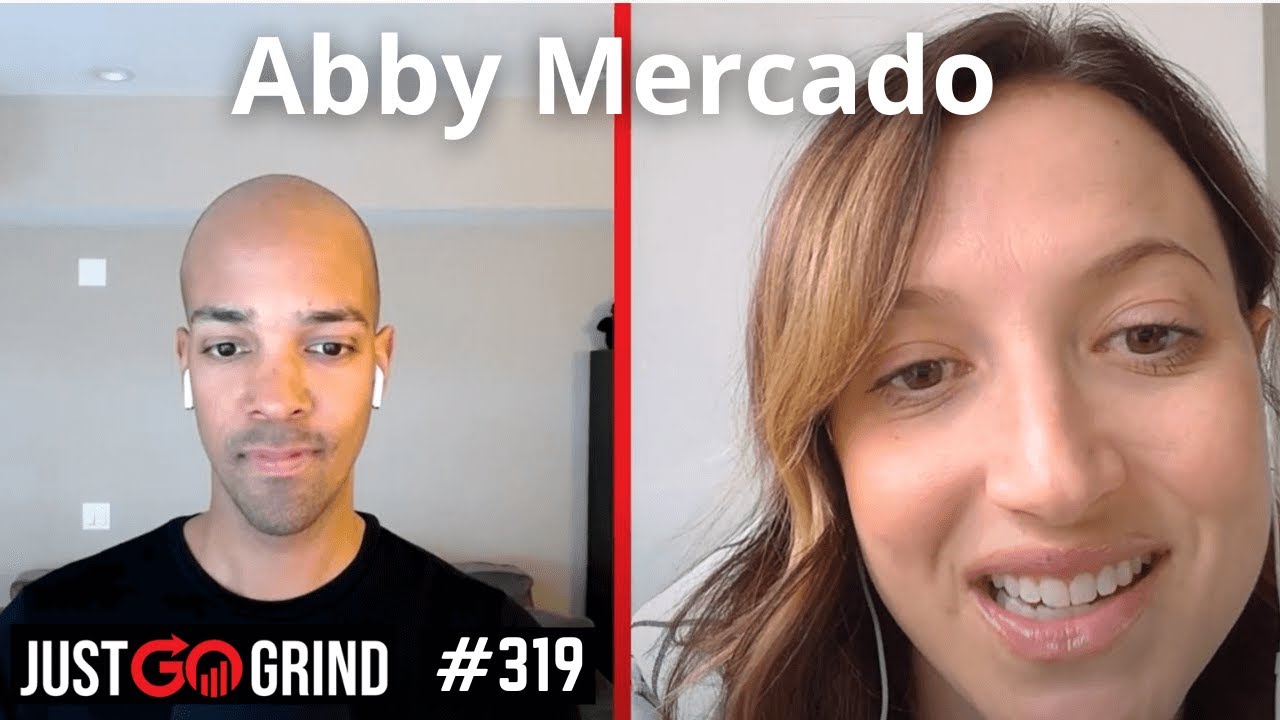
Abby Mercado built Rescripted, a fertility platform that started as a medication app for IVF clinics, then pivoted to a direct-to-consumer social network after acquiring fertility influencer Kristen Hodgdon's audience. The platform now serves 6.7 million Americans undergoing fertility treatment with community, content, mental health counseling, and a digital pharmacy.
Chapters
Abby, welcome to the show.
Thanks so much for having me. I'm, I'm pumped to chat with you.
Yes. Lots to talk about with the company, with Rescripted. People who don't know what it is, give us the overview. What is Rescripted doing today?
Yeah, so Rescripted is the number one social network, global social network for people who are interested in fertility topics. And we offer tools and resources for wherever you are on your journey to build a family.
With that, so taking a step back, like to go back to the beginning. How did this get started in the first place?
Oh man. Well, I'm infertile, so that's how it all happened. Um, my, my, my husband and I are infertile. So, um, you know, essentially we went, we went through IVF and I, you know, after I, after we were ultimately successful, I took a step back and I said, wow, that was, that was a very messed up experience. And at the time, I was working as a VC investor and I was investing in software, mostly B2B SaaS. And I thought to myself, there are just so many processes and things that we went through as patients that can be optimized using digital, using software, using something else other than a pen and a piece of paper. So how can I personally make this better? I really felt a a duty to make it better. So that's how it all started.
When you had that, obviously that experience, and then with deciding to start a company, there's a big delta between that and everyone doesn't just do that, obviously. Some people react differently. Some people are like, oh, continue on with life. We'll find a different way. But you wanted to help others and also start a company from it. What did you envision in the beginning, what this company would be just in terms of how do we launch this thing? What's going to help people the most? I'm curious about that in the early days too.
Yeah. So, man, the actual specific founder story is kind of a good one. So, I came up with the idea for this. So, the company was originally called Best Shot. Now, we're of course Rescripted, but came up with the idea originally when I was quite literally Googling around for a technical co-founder. So, I have no technical chops. I'm very much a business person. I've always been in finance, business development, or investing my entire career. And I said, wow, I need somebody who understands hands how to write code. Let's start there. And so I started Googling around and I saw a Techstars Startup Weekend. And I had heard of Techstars. I'm based in Denver, you know, I go out to Boulder, you know, and all that jazz. And so I said, oh wow, this is, this is in 2 weeks. Like, I should do this. Maybe I'll meet a technical co-founder. And, um, and so, you know, essentially it was a hackathon. So, and it was a female focus. And so people, there were 60 different future founders and all women, and they pitched their ideas. And then there were 60 different ideas. And then all of that was kind of whittled down to 8 different ideas that were kind of the winning ideas. And so people centered around those 8 pseudo companies and developed business plans. And even some of them wrote code. And so long story short, I was 26 weeks pregnant in front of a panel of all female judges, and I won the whole dang thing.
Dang.
Really cool. And that honestly just, that gave me the, the, just the extra push that I needed, um, to start the business. So I had my babies, I was pregnant with twins, IVF, um, and I gave birth to my kids. And, um, when, when, you know, moms are supposed to be, you know, like thinking about like feeding their kids and sleep training and like, you know, all of those things, I was thinking about my business and I was still thinking about IVF and, you know, thinking about how I can help fertility patients. So I put together a video with kind of my idea for this app. So at the time, it was a mobile application and it was really specifically focused on medication management for IVF. So as an IVF patient, you can take up to 50 different injections to grow your follicles to then be retrieved. So anyway, it's a lot to keep track of and it's just It's just a lot. And so I, I went to a conference and I started just pitching this video. And I, there were a lot of doctors, reproductive endocrinologists who were interested. And, you know, I felt like I'd gotten so much traction that I felt like I was able to quit my job. So I did January 1st. And at that same time, I'll have to give credit to Nadia Zola, who's the The managing director of former managing director of Techstars Boulder. He's now he now runs Matchstick Ventures. He's still a very important mentor of mine. He called me up and he said, Abby, we've had somebody drop out of Techstars. Like I know you you don't didn't want to do Techstars, but here I am asking you if you would take the place of this person, this this company that dropped out. And so I did. So the company was launched in Techstars 2020, and it was myself, my my co-founder, Per Marshall, CTO, and And the video that I had sold a couple months earlier didn't really change. So we started out as a B2B mobile application company and we've changed a little bit since then.
Okay. Going through Techstars, how was that experience? I've talked to a number of people who have gone through it. I'm just curious for you guys, how was that, the growth through that? Take me to it.
Yeah. Techstars was so amazing. I think as a former VC, I was like, I know how to raise capital. Spoiler alert, raising capital is hard, Techstars or no Techstars.
Yes.
So at first I kind of said, this isn't for me. And when I met Matty, I just decided like, yeah, it is for me. It's scary to kind of go off on your own. And I felt really lucky to be able to start the business during Techstars versus have a business already and then take it through Techstars. So I really feel like we We just really laid the groundwork. Our cohort was really interesting. So we started in January 2020. Obviously, the world shut down in March 2020. So we had a half in-person, half virtual cohort. And honestly, it was amazing. It was just like my favorite part of my career up until then. I think that what was really important to me, I was a first-time founder, multi-time entrepreneur, but first-time founder. And it was really important to me to just really develop those empathetic leadership skills, if that makes sense. How do I run a team? How am I an intense leader who does a lot of— who gets shit done, but how am I also empathetic? How do I think about building and growing a team? How do I recruit? How do I create a culture that is lasting? So I love Techstars.
In that experience, so you say you're basically starting the company in Techstars. So with that then, what were your objectives Going through that, was it to find some type of level of product-market fit, get the product out there? Like, where were you at in terms of what we were trying to do in that, in that, you know, 12 or so weeks it is that Techstars—
Yeah, you have 12 weeks, 13 weeks. We wanted to build our product, which we did. So we wanted to get 3 different pilot partners and build the product kind of with those pilot partners. And we wanted to raise a round at the end of Techstars, which we did.
So, okay, take me through that, the raising the round, because obviously all founders who are going the venture-backed route, they're like, okay, it's coming. We had to raise capital. How was that for you, Abby?
Yeah. So at the time, I think, so we had this product and we were testing the B2B2C market. So we were testing essentially selling this medication management application to fertility clinics. And we weren't sure that it was going to work. And so we raised a— and good signs that it was going to work, like good traction. We raised our round, but we raised it, it was a tiny pre-seed round and it was all angels. And Yeah, it was challenging, but we did it. We went on to raise this past summer, we raised a more significant seed round. So we've put about a little bit north of $2 million in the business to date, all from angels, which I'm really proud of. And we found that the angel set really has a heart for this problem. I'm proud to say that 40% of our angel investors are women and 40% of our angel investors have been through fertility treatments themselves. So, um, yeah, there's a couple things there I want to go to.
So one, for founders who don't have the context, like, what is a small pre-seed round?
I'm curious. So small, small pre-seed round, $250,000. Um, so we launched the business with about $170,000, and that includes Techstars. Um, and then subsequently raised that, that $250,000.
Yeah, I just want to put that out there for them. For us at Violize Venture Capital, like, our, our seed, our fund is in seed, so we're probably rounds are like $2 to $4 million. Now it's inflated because the valuations, everything's crazy now. So That could jump up. But then for our angel community called BioEyes Angels, we invest pre-seed. So it is like you mentioned $250,000. Yeah, we're probably up to maybe like $1 million or under, just under the $2 million in terms of the actual round sizes. So people have the context for founders who are like, I'm just raising capital now. I have no idea what that means. Like, okay, that just— want to put that bar there. From that experience, that raising capital, obviously raising that seed round and about $2 million total, take me through the growth of this. Like, how did you think about how we're gonna get the word out about this? Who are we gonna go to in terms of distribution? Like, I'm really curious about that.
Yeah. Yeah. So I'll take you through the whole thing. So we started selling to fertility clinics and what we learned was that fertility clinics loved this. It was reducing their amount of time that nurses would spend on phone calls. It was making their patients more likely to succeed at an IVF cycle. It was increasing their reviews, all of the things. But we had a blocker that we didn't realize was such a significant And that's the EMR. So essentially, because fertility is a primarily cash pay business, about 65—not primarily—but it's it's it's becoming more and more covered by insurance. But about 65% of patients are still cash pay. So because of this, you know, there's no government funding really in fertility. So meaningful use doesn't apply to the fertility space. So if I'm you know, let's take for instance if I am creating a like. heart disease application and I want to integrate with an EMR like Epic, Epic can't be like, yo, Abby, go pound sand. But EMRs in the fertility space can. So that became a big problem for us. And we thought we could get away with not integrating, but we learned that we did have to integrate. So we said, man, okay, let's think through this. Let's pivot, which is— it was a scary word to use then. Now I'm so happy we did. So We decided that we really wanted to be direct to consumer, and we have a very passionate demographic that you know is really thirsty for information about fertility. So in about November, we decided that we would pivot, and then a couple months later, we had launched an application on the App Store for free, and we are just you know looking at data, trying to see who was adopting it, how they were playing around in the app, etc. And I. I was like, well, how am I going to market this? And so, 35-year-old millennial female said, obviously Instagram. So I was like, who's the biggest influencer in this space? And her name is Kristen Hodgdon and she was the founder of the Fertility Tribe. So she's the largest fertility-focused influencer in the space. So Kristen and I did an Instagram Live. I grew my tiny Instagram following much too much larger with Krystin's help. And we became fast friends. So I'm a mom of boy-girl twins, Max and Annie, and her boy-girl twins, Brooke and Charlie, are 6 months older than mine. And so we became mom friends, honestly, like internet mom friends. And then we became business, like basically business mentors for one another. So Krystin's a professional writer and she was trying to monetize her following. I have all sorts of ideas for products in the fertility space, but I needed more of a following if I really wanted to go direct-to-consumer. So one day I said, Kristen, I really feel like we should merge our businesses. And she said, okay, that sounds good. And so we acquihired Kristen about kind of in tandem with our seed raise. And that's how we came out with with Rescripted. So that is how we are also the largest global social media network specific to fertility. So that's how growth has been. We're still early days post the merger, but yes, we did an acquihire of an influencer and the rest is kind of history.
Yeah. I have to, I can't just skip past that. Okay. First off, I have to know what was the pitch when you first were reaching out? Because that's something I'm always looking at like, oh, how did you start though? So what was the pitch? Or Do you remember that side of it in terms of reaching out to her?
Yeah, it was easy. And, you know, it's just like influencers make money off of helping people get eyeballs. So I paid her to give me more eyeballs. And she was like, okay, this is great money. I was like, I have money for you. And she was like, I will take your money. Let's have a conversation.
I dig into the details. Did you use a company? Did you just offer a random amount? Like, how did you go about that? Because like influencers Great for growing an audience for sure, especially at the beginning. But like, there's a lot to go through with that.
She had a price sheet.
Okay. She did. Okay.
She had built with data and we still do it. Like we are still influencers. We work with fertility clinics and we also work with brands to get the word out about what they're doing. So we still do it. Why wouldn't we? We're a content publishing platform and it's included in that. So.
It makes total sense. And then the acquihire, like, how does that go for acquiring? I mean, it's like her following and her brand in that way, but it's like, it's a company, it's a different way of a company. Like, how does that process go? I've never really heard about that before.
Yeah. So, um, we have an exclusive license to her online following. Um, and she is, everything is, you know, named under the Rescripted umbrella. So that's how it all works.
I love it. Okay.
The evolution of this— Our chief community officer, and she's the best.
It's such a smart partnership, obviously, to have that. And it's like, oh yeah, the audience versus having the product. Great. Merge the two. 1 1 3. I love those types of situations. From that though, how has the— you mentioned a little bit of the evolution of the product, obviously from early days to pivoted there, but how has it evolved even more recently into what you have today, what you offer today to people?
Yeah, absolutely. Number one global fertility-focused social network, and we are also kind of in tandem. We're offering tools and resources to help people wherever they are on their journey to build a family. So everything that we're doing is community-centric. So we're really interested in community-based healthcare. We're really interested in cohort-centric healthcare. We're really interested in you know kind of playing on that theme. So we have a true social network. You can log on. You can chat with other people. You can you. You know, you're you're kind of tagged by a diagnosis. You can get a lot of information. You can you know make friends on our social network. Second thing you can do is read all of our content. So we have over 350 pieces of unique content. We're constantly optimizing. A lot of this is in in the form of personal stories. So fertility patients or people interested in fertility, people who are struggling to conceive, they're really looking for information. They really like hearing these personal stories because it can be a really lonely journey. And Kristen and I can both very much attest to that. And we also have expert articles from reproductive endocrinologists, embryologists, OB-GYNs, therapists, you name it, we have it. The third prong, so, and this is, you know, generally how we monetize. So we're a cash pay hub pharmacy network. So we're more or less, we're a digital pharmacy. That's how we interface with, with our community members. So we say, hey, send us our script, send us your script, and we'll give you a digital experience through our 2 network pharmacies, Brown Pharmacare and Rosemont Pharmacy. The 4th is our mental health platform. So we just started small group counseling. So we took a very famous mental health professional, Dr. Ali Domar out of Harvard, originally affiliated with Boston IVF, and she had created this just amazing program called the Mind Body Program for Infertility. And we approached her and we said, Ali, this is awesome, but why can I only do this in Boston? Why is it 10 weeks? That's a little bit too long. And why isn't this virtual? Can we take this virtual for you? And lucky for us, she said yes. So we have that program. You can do group counseling on our site. And it's not talk therapy. You're actually learning skills to cope with an infertility diagnosis. And, you know, to throw a few stats out there, 76% of fertility patients have anxiety, 56% of patients have clinical depression. So we're really trying to just make the process easier for people and teach them, teach them skills to cope. And then lastly, we have a product marketplace that we are launching next month that we're incredibly excited about. We saw a banner year for women's health funding, $1.3 billion in women's health funding this past year. But all of these amazing products that are being, that are being built, that are being started up by these amazing, mostly female entrepreneurs are kind of getting lost in the mix. So if you think about a Clearblue pregnancy test, so like anybody in the digital sphere might come across a Clearblue pregnancy test before, you know, another one, a startup brand. So we're really trying to increase the discoverability, a lot of, a lot of these amazing women's health brands that are being sold direct to consumer. So that is us.
There's a lot there.
There's a lot there. And you sound like literally we are doing a lot, but we have to do a lot. We have to touch every piece of this equation, you know, in a small way to really build this integrated care platform for fertility patients and people interested in fertility.
One of the ones I wanna— things you mentioned that I wanna go back to is just with the community. The community, so you're monetizing through the pharmacy side of it, obviously, you know, this product marketplace, different things there. How does the community in terms of like the resources you put towards building the community, engaging that, answering, and then using that to like make everything else better? How does that go? How do you focus on that? Because I'm always thinking of community because we're running a community now at Vitalyze. So I think about that a lot. But I'm curious for you, how does community fit into what you guys do?
Community is everything. If we don't have community, we have nothing. And our community, it's— this is gonna sound weird, but we don't really have to try. We just had to give people a platform on which to connect with one another. So, you know, our community is vibrant. They're supportive of one another. You know, they're going through this deeply personal and deeply upsetting experience altogether. And straight up, we don't really have to try. They do it. They do it themselves. We don't have to carry it. At all. It's really, really cool to watch. I always say that if I'm having a bad day, all I have to do is log into our community and see people helping people. And it's amazing.
Definitely when you have the right fit. And like you said, you gave them a platform and place to have those conversations. Without having that, it's like, yeah, you're lost. You have no idea. They don't have that. That's kind of the power of community, especially when you have different areas, sectors, niches, whatever, where then you have, oh, this makes perfect sense. This didn't exist before. And then it can be such a powerful thing where I guess in exactly what you mentioned, like you don't really have to do much in that case because of people you've inherently brought in and the topic itself and people wanting to find this. Um, and which helps you obviously a lot with what you're doing with everything too, with building different products. You have a lot going on with there for you. Like what does your day look like? What does your week look like? I mean, you have a thousand things going on and obviously founders are trying to juggle things. Constantly. For you, Abby, what does that look like?
I would say that my biggest job right now while we're in the seed stage is like I'm our chief revenue officer. So that is primarily what I'm doing. So if I'm not doing activities that are driving our revenue up, then that's maybe not a good use of my time. Maybe someone else should do that. So that's That really is my job. And also making sure that my team members are happy and thriving and doing the best that they can do and with the tools that they have, with the resources that they have. So it's Chief Revenue Officer and Chief Mental Health Officer.
I love that. So with Rescripted too, obviously all that's going on now. You mentioned next month, which this is recording in January, so February. You're launching the marketplace. What else is on roadmap? Where are you trying to take this long term? I'm curious about that with Rescripted too.
Yeah, I think that we're very interested in the care space. This is, you know, there are definitely these things that we're testing right now as we launch the marketplace. There are 6.7 million Americans within fertility, and most of them do not have access to care. There's less than 400,000 cycles per year. So we're interested in, you know, trying to open up the market however we can open up the market. So, you know, that's something that we're always playing with. There are also 28 million Americans who are actively trying to conceive. Some of them will conceive incredibly quickly, For most of them, but that's a really small subset. For most of them, it's going to be hard and it's going to be stressful. And so we're interested in, you know, how can we provide care resources to that set of people as well? And I kind of referenced this a little bit earlier on, but, you know, we already have kind of this cohort-based mentality, this, you know, community-based care. You know, we're really interested in, you know, potentially working with some of our clinical partners on, on some of those themes and enabling access to care that way. Um, and then also enabling access to a better degree of care. Um, you know, right now it's like you could wait 24 hours before your, um, your clinic gets back to you. Like, how can we answer questions for patients in a better way? Um, there are more fertility patients than there are reproductive, than there are reproductive endocrinologists. I mean, there's I think 30-something that go through a fellowship every year. That is just not enough. Um, that's just not enough. Um, so how do we, how do we increase the quality of care here and how can we help with our, our kind of community-based mindset?
If people want to know more, learn more about what you're doing, get involved, join the community, where should they go?
Rescripted.com. Um, and follow us at Fertility Rescripted on Instagram.
Awesome. Abby, thank you so much for the time today. I really appreciate it.
Thank you. This has been a blast. I appreciate it.










