Building The Rideshare Guy, the #1 Destination for Gig Workers, with Harry Campbell
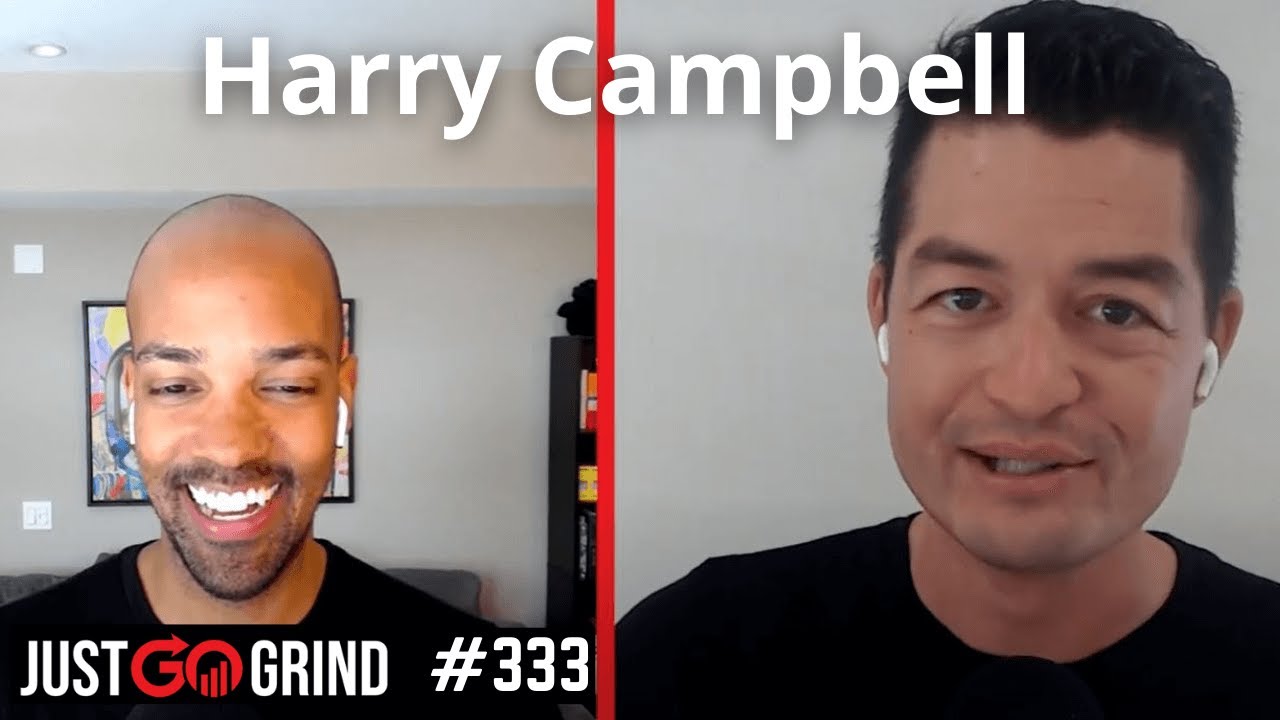
Harry Campbell started The Rideshare Guy as a blog in 2014 while working as an aerospace engineer, then quit to build it into a multi-platform media company for gig workers. He makes money through driver referrals, ads, sponsored content, and an insurance marketplace, and now invests in startups and advises founders using his platform.
Chapters
Harry, welcome to the show.
Thanks for having me on. I'm excited to be here. And I think we're probably actually pretty close to each other right now physically, huh?
Physically, yeah. Which is— which is a lot of them I've done in person like years ago before pandemic, and then somehow just shift to everything virtual, which does allow you to have guests kind of everywhere in the world, which is fun. Uh, and to that, there's so much to talk about with The Rideshare Guy, company you created, what you're doing. For people who aren't familiar, always have to start with that. What is The Rideshare Guy?
Yeah, good question. Hard to describe and depending on who the person is, but I think with your audience, they're definitely savvy and probably understand the digital media side. So that's sort of where I usually start. It's a digital media business that covers the rideshare industry and the gig economy industry, primarily from the perspective of the workers. So we're really not trying to compete with the TechCrunches and the Verges that are talking about Uber and CNBCs. We're really sort of talking about like, hey, you're an actual driver. You're someone who has a vested interest in this company.
Yeah.
We actually create the content for the workers, but probably about 10 to 15% 15% of our audience are people not actually working for the companies, you know, either investors in the companies or VCs or founders or a lot of— I just interviewed someone on my podcast and he said, oh, you know, when we were getting our company started, we used to listen to all your podcasts. I was like, great, you guys are big and successful now. I didn't really reap any of the direct benefits of that, but awesome that, uh, it helped you. So that's sort of, you know, really it's a kind of digital media business content. We've got a blog, podcast, YouTube channel, courses. Books, just released an audiobook, Every Social Profile Under the Sun. So that's really, really kind of the media side of the business. And I've got 3 to 5, I guess 4 or 5 people now full-time on my team that kind of help me with that and 10 to 20 contributors. So actual gig worker drivers that are out there driving and working for and delivering for different services and they contribute articles, videos, social tidbits, you name it. And then I spend a lot of my time kind of behind the scenes really connecting people, working on a lot of B2B, you know, sort of type services, consulting. Advising, investing, and really just sort of figuring out how to make money off the media side of the business in addition to, you know, the more typical forms, which I'm sure we'll get into around advertising and sponsored posts and, you know, YouTube ads and things like that.
Yeah, I definitely want you to explain it for that exact reason because there are so many levels to it because like, I know I've read it obviously, but for people who aren't familiar, it's like there's so much to it.
Well, I think that's one of the things that I love about working online so much is that you could go to my website at therideshareguy.com and literally you have no idea whether there's 1 person a month, you know, viewing this or, you know, 10,000 or 100,000. You have no idea what the revenue is. And so it's sort of, I think that like, you know, especially maybe we'll even touch on SEO, right? Because the, you know, that's the other thing, right? Like it's not even about the traffic, to be honest. It's about the targeted traffic if you're talking about revenue and sort of monetizing when it comes to a blog. So I think that's kind of what cool, and that's sort of why I like sharing my journey on podcasts like this to inspire other people, to help people and to make connections. 'Cause there are a lot of people that gave some really good advice. If you type make money online into Google, Google or YouTube, you're going to get some pretty crazy results. I don't recommend doing that, but there are people out there making money online and doing things that they love. And so if you kind of find the right people to follow, I think that's half the battle. It's like in everything in life, it's just you got to find the right people who know what they're doing, who are sharing good information. And, you know, if you can find those people, a lot of things in life get easier. Not, uh, you know, easy, but easier.
Well, it's your point too. It's like there's so many examples online now of people who have done it in different capacities and made money in different capacities. And especially if you Have never made a dollar online. Once you get that first sale, you're just like, wait, what? I can make money this way? It's like insane. And I remember I first had that years ago. We were just so perplexed by like, the internet, you make money through this, you don't even like meet the people necessarily. It's like kind of wild.
You just reminded me that first dollar, like there's something psychological about earning that first dollar for yourself or on, especially, you know, I think working online or in content or media, because, you know, I, I actually, before I started The Rideshare Guy, I used to be an aerospace engineer for Boeing. So I had a career and I had things going on and I was making money, you know, I actually I had a full-time job and a full-time career, I guess you would even say. But I remember when I made my first, uh, it was $75 off this sponsored post for one of the personal finance websites that I started, I don't know, 15 years ago. And I was like, wait, you just want me to like copy and paste this post onto my site that doesn't really reach many people, like dozens, and most of them are my friends and family, and you'll pay me $75? I didn't really understand at the time that they just wanted the link back for SEO purposes. And I ended up getting, you know, hit up for that many, many times for casino and gambling and all that. But there's something psychological, think about that first dollar. That's really cool.
Oh, I agree. There's so much to it. And even like getting like the first sponsorship I had for the podcast, and I haven't really pushed for that recently. But like, back when I was doing it full time, it was like trying to get sponsors and get your first sponsor. You're like, so I just read this thing off and you're paying me to do that? Like, it's not that much work. It took me like a minute to like— they wrote the copy. It's like, it's so crazy, like to make money in that capacity, which is why I love entrepreneurship more broadly and how it can go.
Yeah. And now when people reach out to me, it's not quite so easy to do an ad deal with me. I'll, I'll be upfront, but a little bit more money, a little more, Requirements. But yeah, you know, to kind of go from 0 to 1 is definitely a fun process.
You know, while we're on this kind of topic and something you mentioned earlier, which immediately caught my attention, it's this idea of value creation, which you're creating a lot of value through the Rideshare Guy and value capture. How do you capture that value, a large percentage of what you're creating at this point, since we already kind of are in the today of Rideshare Guy, how are you thinking about that in terms of business model today? What that looks like, how you have different revenue models, all those sorts of things. I'm curious about that for, you today?
Well, in general, my sort of overarching approach to business is kind of more of what they would call inbound marketing, right? Like, I'm looking to basically make so much noise and be in so many places. You know, I kind of joke that if you type in, you know, Uber driving or gig economy or DoorDash or something like that into any box on the internet, like, I want to pop up within 1 or 2, you know, listings or within 1 or 2 searches, right? And if I'm not, it's probably like an opportunity that I'm missing. And when you think about what that does, it's like, okay, imagining someone is looking to launch a new product or service for drivers, they're probably not going to just Google one thing. They're going to do a little bit of research. They're going to do a little bit of homework. Right. And so it's sort of like, I think those are kind of like the cool opportunities. And I've come across so many interesting opportunities that way, either just cool companies, um, you know, like consulting type, uh, you know, I guess you would say arrangements where people like wanted to end up working with us and pay us. And it's really all because of, I think the media strategy of we're like creating a lot of high quality content very consistently over the past 8 years, actually getting into the media, like real media. I'm not a real journalist. I'm just a blogger. You know, getting into the real media. I've been quoted, you know, thousands of times and done op-eds for the New York Times and, you know, lots of fancy stuff there. But that's been like a whole strategy of ours. And, you know, I prop up a lot of my contributors now and try to get them, you know, featured as experts when it comes to articles around Uber and Lyft and the gig economy. And so, you know, when you kind of start to add all of that up, I think from the outside, like, I'm not really going after and creating a ton of new opportunities. We do some outbound stuff, but it's sort of more like, hey, anyone who's making noise or sort of looking to do something big, like, they're going to find me. And that's kind of like my overall strategy on the business side. And I think that it just allows you to, you know, charge higher prices, you know, command more, you know, maybe even like respect, to be honest, right? Like, and I guess in a selfish way, like it feels better, you know, if you go to a conference and a bunch of people mob you and they're like, hey, we want this, we want that, you're awesome. You know, that doesn't ever happen to me. But, you know, that feeling, I think, you know, is more desirable than me having to like knock on 100 doors, right? That's a lot harder. That's a lot more work. So that's, you know, Obviously outbound can work, but that's sort of been more of the strategy that I focused on, and it's also just been more rewarding for me personally too.
How did you get to that point of making that decision to do that as a strategy?
I mean, just a lot of trial and error, to be honest. I mean, I think I got lucky in a lot of ways, but you know, I first started The Rideshare Guy. If we rewind the clock, you know, 2014, like I said, I was working full time as an engineer, but I had actually tried a lot of content projects. You know, I had been meeting people who are making it work online. A lot of folks. I had a lot of friends in the personal. Personal finance bloggers space. So you know I remember one of my early friends who he wasn't really my friend at the time, but now he is. He sold his site like 15 or 20 years ago to Bankrate for three million dollars, and I was like, "Whoa, a blog! You know three million dollars 15, 20 years ago—that's a lot of money today. That's crazy, right?" And so sort of started opening my eyes up to these opportunities. One of my big inspirations and mentors in the online marketing space was a guy named Pat Flynn, who runs a site called Smart Passive Income. And so it was really cool when it came full circle. I got to meet him and you know go on his podcast and do some. So, you know, sort of just like I basically— it's all to say, like, I was doing a lot of work on my own, starting sites, starting blogs, none of which really panned out and were sort of, you know, quote unquote successful. But I learned a ton from them. I was doing freelance writing, and this was all on top of my day job too, you know, no kids yet, uh, nights and weekends.
Yeah.
And, you know, sort of just like stuff on topics I was, I was really interested in, personal finance, I was really interested in travel. And so when I stumbled upon, uh, driving for Uber and Lyft in 2014, I was at the time an aerospace engineer. You know, a lot of people actually, I was a software engineer at the time. almost even say like made fun of me, like friends and family, like, wow, you're driving for Uber. It seems below you. It seems beneath you. And I couldn't disagree more. You know, for me, I actually— what was crazy, I was making more per hour driving for Uber and Lyft when they first launched, you know, because they were paying higher rates and they had all these crazy surge pricing. I did this podcast where I literally like drove on July 4th in Newport Beach, California, just the morning, 5 hours. And every ride I did was 5x surge and I made like $50 an hour for 5 hours. And then I went to the Strand and, you know, partied with all my friends. So it's just sort of funny that, you know, like I, I always, you know, like I value other people's opinions, but I think I like these opportunities where you kind of just jump into it and get started. You do some research. And so for me, that was kind of like, I feel like I wasn't an expert in blogging or creating a business or anything like that, but I definitely had been practicing. I had been trying. And so that then when this actual good opportunity fell into my lap, I said, hey, you know, this seems, you know, like I'm driving for Uber and Lyft. Like it's actually a little more challenging than it seems, right? You actually are a business owner. You have to deal with taxes and insurance and, you know, hey, Uber just paid me $500 bonus to do one trip. That seems like Like, doesn't seem like, you know, if you're making $20, $30 an hour, you probably shouldn't be getting a signup bonus of that. Like, something seems a little off here, right? Like, they must have a lot of money to play with. And then of course, you know, the luck part I think got involved, um, that the companies, you know, just exploded and got way bigger than I ever could have imagined. And food delivery exploded, you know, that's been a big revenue and, you know, content source for us the past 2 years. So that was sort of like, I think, kind of like a bit of the early journey.
Okay, while we're in the early days, there's a lot more I want to go into with that. So take me through just when you have the idea to start this, Obviously you're driving Uber until you decide to quit your full-time job. Because a lot of people I've talked to, founders are like, you know, when do I make the jump? How much do I need saved? All of that. I'm just curious on where you were at when you decided to go full-time.
Yeah, I mean, it's probably, it's like one of those things where it's like, what do financial advisors say? Like, this isn't financial advice, right? Because everyone's situation is so different. But for me personally, you know, like I had no kids. I think like honestly, like whether you have kids or not, like makes things much more, I have 2 2 boys now, 2 and 4 years old, and that's like my second job. It's like a lot of work, really fun, really rewarding, but it's like my son got up at 5:00 AM this morning. You know, it's pretty early, right? So it's tough. I didn't have kids at the time. It was just my wife and I. And, uh, you know, I had done, I had worked for about, I think, 6 or 7 years as an engineer, you know, making a good salary, probably started off around $50,000, $60,000 a year as a, you know, uh, engineer out of college. And, you know, I'd slowly come up a little from there. So I was making good money as a, you know, basically like, you know, married guy with no kids. And, Um, you know, had been saving a lot, had been investing a lot. So I was looking pretty good financially, I guess you would say, like for someone at that age. And so for me, it was kind of like, I, I guess I, I kind of often, I just told someone on my team who asked me kind of a similar question, and I think it sounds like he's considering making the jump.
Interesting.
Uh, I, I, yeah, I basically just told him like, for me, I actually didn't see it as like that high risk of a proposition to go and start the, you know, doing The Rideshare Guy full-time. I, you know, like I said, I was no kids. Uh, I had some money saved up, I had good income coming And I started The Rideshare Guy on the side. I was driving for Uber and Lyft. Um, and you know, like, I, within about 8, 8 to 10 months, I think is actually when I quit of starting The Rideshare Guy is when I quit my day job to focus on The Rideshare Guy full-time. So, you know, I was probably spending like 30 hours a week on The Rideshare Guy, you know, some at work, right? During lunch hour.
Mm-hmm.
And you know, when my boss wasn't looking and then nights and weekends. So I was working hard on it, but you know, literally I was physically limited by the number of hours I could do cuz I had to be at my desk for 8 hours a day. And, uh, Yeah. And I was starting to make actually a little bit of money, not, you know, anything crazy, but, you know, it was probably like $1,000 a month or $2,000 a month. There were a lot of, actually I got really lucky. There were a lot of, uh, driver referral bonuses that you could get. So you could get one bonus for a couple hundred or $500. And, you know, like it's pretty tough to monetize content and digital media. So I had a little bit of luck there in that, like, I probably shouldn't have been making $1,000 or $2,000 a month within 8 months. Right. I probably should have been like maybe low hundreds or nothing at all. And so for me, I kind of like, to me it seemed like actually a no-brainer, right? It was like, hey, right now I could triple the time that I'm spending on this, triple my income, and it might not even get to what I, where I was at with my day job, but I'm also increasing my income every month. Right? So if you kind of add all that up, to me, it's like, it'd almost be stupid not to. And so that's sort of why I felt like I had to make the jump.
Okay. 8 to 10 months of doing it on the side. I've definitely been in that journey multiple times now. In that process, are you blogging once a week, twice a week, 3 times a week? Just take me through some of the stuff you're doing before you quit. I'm curious.
Yeah, so I was actually doing— so we had the blog. So I started off with a blog and a podcast. I really thought that, you know, since drivers are always in the car, they'd want to hear a podcast. And then within about a year or so, I started the YouTube channel, maybe a little bit less. And it ended up like today, fast forward, YouTube is actually by far our best performing platform. Blog has always been up and down, but, you know, it's still pretty strong. And podcast is kind of like our lowest. I mean, we still get probably around 10,000 to 15,000 total downloads a month. So it's still pretty good for a podcast, but it's not—
Yeah.
You know, like it's, it's not, you know, we have YouTube videos, like our most popular YouTube video has 6 million views, right? So it's just like compared to—
Harder to grow a podcast.
Yeah. Harder to grow a podcast. And it wasn't, it was just funny cuz at the fir— at first I was like, this is gonna be great. And it wasn't for the reason it was great, but not for the reasons I thought it would be. And, you know, so as far as what actual content I was doing at the start, um, I was doing 3 to 4 articles a week. And I believe at the start it was me writing every article. So all 3 or 4 articles. And, uh, pretty quickly though, I think within about 6 months, uh, you know, this is a long time ago, so my timeline might be, you know, off plus or minus 3 months, but within about 6 months, I actually found 2 contributors that from my audience that basically like were so passionate. I could tell about, you know, one guy, Scott was leaving such detailed comments, like in every article. I'm like, dude, this could be an article.
You should write this for me.
This is an article. Yeah. You know, I can't really pay you cuz I'm not making any money, but, uh, it was cool. I ended up actually, when we did start doing ad sales, he became my ad sales guy and then I paid him for his articles. And then another guy, Jack, one of my good friends from high school who was driving for Uber and Lyft at the time and a writer, he ended up doing our Saturday roundup post. So once we kind of got in the groove, we were doing 4 posts a week. And that was really my goal for about— we did for about 3 or 4 years, we did 4 posts every week at least, excuse me, at least, and 3, you know, so Monday, Wednesday, Friday post, and then a Saturday more of like a news link type roundup and sort of what was going on in the industry. And I was very what's the word? I was very strict about that publishing schedule and like I literally never missed, you know, whether it was me or one of my contributors is we were basically doing 4 posts a week for a solid, probably 3 to 4, maybe even close to 5 years. And then from there, you know, we actually do more than that now. And so, you know, now we've got a bunch of contributors and I've got an editor, but when it was kind of like basically just me, we were doing 3 or 4 posts a week for several years there. So it was a lot, but I also got a little help with those contributors. I don't know if I would've been able to do 4 a week for 3 or 4 years.
Yeah, with that, so you're looking at 150 to 200 posts a year. So yeah, you're like 600 in 3 or 4 years. Okay. At that point, so you're doing these blogs and I, I'm, I'm asking this cuz a lot of founders have been like, what, what point do you keep going? Do you double down? Do you change strategies? Whatever. You just kept going with that same cadence and you knew you wanted to blog. Was there a reason for that? You just liked to, you'd like to personally just take me through that. Yeah.
Well, I think with content, especially, you know, creating content online, there's a really big cliff. Cliff in the sense that like you got to put a lot out there, you got to promote it a lot, you got to mark like honestly like 50% of your time should be on like creating content and 51% should be on marketing. One of the things early on, you know, that we did that was now I think it's kind of, you know, more widely used strategy, but we would do, you know, do like an annual expert roundup, you know, 50 experts share their outlook on the rideshare industry, right? And, you know, we would get some pretty big names in there, uh, you know, giving us a quote and we'd link back to them and things like that, right? And obviously that's a great piece because it's like now everyone, they all share it and on their LinkedIn and, you know, so we were doing a lot of stuff like that pretty early on because I had some experience, you know, like if, like I had kind of already figured out like, oh, you know, it's one thing to create the content. It's number 2 to put that out there. One of the reasons why, uh, you know, today when people ask me what platform they should start on, I love things with a lot of discoverability like YouTube.
Yeah.
TikTok, uh, really YouTube and TikTok, to be honest, are the, are sort of the, the number, uh, 1 and 2, uh, platforms that I tell people because there's so much discoverability. With a blog, you gotta like put all this content out there. You have to like bust your ass off to get it in like one by one, email it to people, talk to drivers, and then you gotta, you know, go to the media and like figure out a way to get links from highly reputable sites to boost your SEO. And it's like, I don't know, I think it's kind of a nightmare. So, um, it's, it's a big moat that I think you can build if you know what you're doing, but it is a lot of work on the blog side. And so for me, that was kind of my journey. And I also, I feel like one of the things that I've kind of learned about myself From the rideshare guy starting the rideshare guy, and over the years is that I get bored easily. Like after one, two, three years of writing about what it's like to drive for Uber and Lyft, like I mean you can only write so many articles about what to do when someone pukes in the backseat of your car, right? So I kind of early on realized that like hey, I like contributing articles. I really want to keep this cadence, and so I started hiring other contributors. You know, once we were making money, and even if you look on my YouTube channel today, we've actually probably one of the only YouTube channels out there, I'm guessing, with over 100,000 subscribers. that actually has multiple contributors. Uh, you know, like it's not just me as the face of the YouTube channel, which I think is very rare, uh, you know, in YouTube, right? Most people associate a channel with a creator if it's not, you know, like a brand like The Verge or something like that. And so, uh, you know, and at the start it was just me. And so it was kind of an interesting, not weird, but it was like an interesting transition. I'd bring someone else on and people are like, wait, who's this guy? And I'm like, oh yeah, you know, you know, sort of explaining all of that. But I think it's worked out pretty well and kind of allowed me to cycle through different roles of the business. And you asked, you know, sort of How did I know when it was time to scale up or do different things? It's sort of like for me, I look at it as a mix of a few different things. It's like the 3 things that I guess I always look for. It's like, hey, is there a good opportunity here? Is this something that helps people? And this is something, you know, that kind of like is interesting, is gonna make people, make us money, right? Like on the business and the revenue side. Right. So I'm sort of looking for 3 or 4 different things there. And if, you know, I'm not feeling that way about writing articles, it's like, hey, maybe I should start hiring more contributors. I'll take, you know, I'll do an article here and there and I'll go back to an editing role. I edited all the articles for a few years and I got a A little tired of that, hired an editor, right? I did all the YouTube videos and I was doing lives, and now I've kind of pulled back. Really, the only content that I'm doing on a consistent basis now is the podcast. And even on the podcast, you know, we'll do an audio and then, you know, audio and video. We'll publish the audio to our podcast, we'll publish the full interview to our YouTube channel, and then we'll usually take 1 or 2, you know, 5 to 7 minute type clips out and publish those as YouTube videos. And then maybe even a shorter, you know, more like social media TikTok style clip. So we're definitely leveraging, and that's another thing, you know, we're, we're doing A lot more leveraging across platforms. So I know it's, it's hopefully not too confusing, but, uh, this is, you know, it's taken 8 years to figure it out. So hopefully I can dispel all that knowledge in an hour or less.
Yeah. And I mean, I've, like I said, been in the content game for like a decade now, so I've seen the, how that all goes in terms of repurposing content and getting a system in place, figuring out your cadence, being consistent and seeing it kind of grow from that. On the hiring side though, for you hiring writers and people for YouTube, What, how have you gone about that? What's been useful or helpful for you? I know this has been a long journey, so I'm just curious on that and how you, how you maybe do that.
For sure. So on the blog side, I've had a lot of success hiring writers from my audience, right? Literally like people who literally like, I've hired 2 or 3 of my best writers from people who are leaving really detailed comments and I emailed them the same pitch every time. This should be an article, right? So it's sort of like, you know, a lot of times I think in content you kind of have to cheat a little. You have to find people who are really passionate about the subject and topic and are gonna kind of go above and beyond. beyond to do the work. Because if you had to pay them for everything that they were doing, you probably wouldn't really be able to afford it, right? You can't pay someone to go out and drive, you know, hundreds or thousands of trips for Uber and then write about their experience. You got to find someone that's already doing that and then happens to be a good writer, or you can mold them into a good writer. And so we've had a lot of good luck, you know, just sort of looking for anyone with an interesting idea or feedback, right? We'll literally ask them, we'll say, hey, do you want to contribute a guest post? We'll give you— and we also set deadlines. It's like, hey, we'll pay you, but we'll give you— you need to turn this in within 7 days. Because that's another thing, when you start hiring a lot of infrequent contributors, you need them to be somewhat reliable. And like, imagine you give someone one writing assignment every 2 weeks, right? They obviously don't really need this money. It's not super important to them, but you kind of do need them to hit their deadlines and to hit their goals, right? So it's sort of— those are kind of like the first thing I always say is like, hey, get this back to me within 7 days. And if they can't do that, we won't even, you know, move forward with them, right? And then the next step would be like, hey, do they that sort of really keen eye for interesting content. And I think on the blog it's easier to find that. YouTube has been a lot more challenging finding really dynamic presenters. And again, this is a model, you know, finding people that are good on camera and can present subjects and topics really dynamically. That's huge when it comes to YouTube. And we have contributors on my team, they'll do the, you know, 2 guys will do the exact same topic and one video will do really well and the other will do terribly, right? Because a lot of it has to do with the presenter and the person and the connection that the audience has to that person. And so, you know, we've actually, I think I haven't quite figured out our YouTube hiring strategy. We've definitely had one guy, Jay, who's been one of our top contributors. And, you know, by far every video he touches, every topic he touches, people love, you know, he's always getting great views, great feedback, you know, and, you know, done really well for us. But he's, you know, sort of cycled in and out of the gig economy recently. And so we've been looking, we've got, we've got, you know, 4 or 5 different contributors. I don't think anyone has been as dynamic as Jay, but the strategy we've used there is actually looking for other YouTubers who are covering topics, you know, whether it's driving for Uber or delivering, you know, food delivery is really hot right now. So a lot of DoorDash YouTubers and things like that. And we'll find ones that sort of have, you know, maybe 5,000 to 20,000 or 5, you know, some sort of small number of subscribers where, hey, they know what they're doing. They're doing videos. They've built an audience. They've got like a lot of the basics down. They know the thumbnail and they know how to, you know, take advantage of trending topics or whatever it is, right? Like they've got the basics to medium. Side of YouTube down and they might be good, but I know they're not making any money yet because if you've only got 10,000 subscribers, you're probably doing a hell of a lot of work and you're not making much. So if I come in and offer them, you know, $150 or $200 a video, right, for them it's like, hey, I kind of already do this. This is like pretty sweet. Like I make $50 a month off my YouTube channel or a couple hundred bucks, or maybe even, you know, even if they make $500 off their YouTube channel, I can come to them and offer them, let's say it's $150 a video, which isn't, you know, would probably be on the lower end. And that's $600 a month now of revenue. They literally just doubled Doubled their YouTube revenue by making an additional 4 videos. And they're probably already doing 2 or 3 videos a week. Right. So, you know, we've found, uh, you know, I think that's sort of how we've been having some success lately when it comes to hiring contributors.
And with that too, the interesting part of that as well, depending on the topic, obviously if it's more evergreen and you do pay for that, that can go on for years and people still find that video if it's relevant. You know, obviously you can redo it and stuff too, but that's the advantage of paying for that. If you are building out these content assets, now some of it's more newsworthy. So not as relevant later on, clearly, but if it is, it's different. Yeah.
Yeah. We do a mix of content on YouTube because I think what tends to do the best on platforms like YouTube and really, you know, more of the social, you know, type platforms, right, are breaking news, you know, newsworthy things. Like anytime Uber comes out with a new product, we rush to cover that for drivers because we know that'll get, you know, 5,000 to 10,000 views, probably easy, or maybe more, you know, across all our platforms. But like you said, it is not evergreen. Like no one is watching those types of, you know, news videos or breaking news or anything like that, you know, after a week or 2 or 3 weeks. And, you know, so pretty early on on YouTube, we sort of started discovering like we did really well with tutorials. So we do Uber driver app tutorials, passenger tutorials, and we do that for all the platforms and we update it every single year. And a lot of those are often in our top 10 videos. And then, you know, we also even— so it's sort of like you have to be a little careful because what gets the views and the clicks are like the sexy, the clickbait, the top, you know, the hot topics, right? But it's kind of like you're, it's like, you know, like a drug addict. You're like taking that hit. You gotta keep doing it every single week. So you kind of need to balance that out with some other type of content because that's the thing that especially I see on the YouTube side with a lot of friends who are creators and I'm talking, you know, people that get up there and get big, it's tough. You start making so much money or start doing so well, but if you're the face of the business, you literally like have to be the one doing every single video.
Yeah.
And then you either have to forego a lot of other really great opportunities or Or, you know, work your butt off and, you know, kind of like have to run the business and do all the content. So I think it gets, uh, you know, it's, it's a bit challenging when you get into, uh, some of those, uh, other, you know, other problems.
It is. And the media, yeah, any media business is difficult and challenging, especially for like individual creators and them creating companies off of their channel or their podcast or whatever it may be. For you too, like going back to the business. So you quit, quit your job 8 to 10 months to build building this, quit your job. At what point did you either equal your income or around the same as your income? You're like, wow, I'm like making as much as I did at my job. I'm curious how long that took you after you quit.
It was probably within a year and a half where I was sort of at a run rate, you know, kind of like an annual run rate that was equal to my day job income. And again, I think what really made that happen, we had a few affiliates, we were doing some small advertising deals, but 80 to 90% of our revenue in the first 2 and a half years was basically driver referrals. So this Was us getting money. I was literally signed up as a driver for Uber and Lyft and just using the code and the link from my Uber driver account, and I would just put that in all my videos and articles. And yeah, it ended up causing a lot of problems because we would break the referral system and you know have all these issues and things like that. But it worked; it worked. We got paid, and so you know the companies were kind of paying absurd amounts at the time. Like I said, literally in LA you could make $500 for referring a driver, and they would get $500. So you know just imagine you get a few of those, right? So we you know in the first. Few years, we were making hundreds of thousands of dollars, if not more, off of driver referrals. So it's a lot more income than probably we should have been making. And again, like, I kind of knew I had, you know, dabbled in the affiliate side, and I kind of understood about diversifying revenue. And I was like, wow, this driver referral money is great. And I'm going to take advantage of it as much as I can. But we did work hard to build out some other revenue sources so that if that collapsed, we wouldn't lose our money, you know, lose our entire income source. And so we did build out things like one of our early-on products, I guess you would say, that's still on the site today. It's our insurance marketplace. And so there was a lot of different companies offering what they call a rideshare insurance policy. And so it's like every state, it was like different companies had it, right? Like State Farm would have it in 12 states, but not the other, you know, 38, right? And Allstate would have it in these states. And so we basically built a resource that just listed out which company offered which product in which state. And then a bunch of individual agents started reaching out to us, and they were paying us anywhere from $100 to some, I think, even got up to $250 or $350 a month. And we had dozens of agents signed up for this marketplace. And it was kind of like, you know, very much recurring revenue. I, I probably could have done a much better job of, you know, getting them all set up on autopay and all that. I mean, we had it all, you know, dialed in on QuickBooks. And I had a guy, Scott, actually, who my early guy who I hired was managing it. But, uh, you know, that was probably doing like at its peak, like $5,000 to $10,000 a month in revenue. And so that was one where I was a little bit more proud of because it was like true revenue is like something we actually like discovered, you know, created this cool resource. And then that started getting shared. And even, you know, like I was on a driver forum the other day and I saw someone asking a question about insurance. I said, oh, go find the rideshare guy. He has an insurance marketplace. So it was sort of like, that was kind of like, it's still even to this day, you know, sort of being shared. And it's kind of known out there as a good resource for those insurance questions.
On that note, I'm curious today, what, what's kind of like the revenue breakdown just in terms of like either percentages or whatever. of like the business today and what it looks like?
Yeah. So our main revenue sources would be direct advertising. So this would be companies come to us, you know, even Uber, Instacart, DoorDash, for example, but other companies, you know, that, you know, Fortune 500 type companies, startups, they come to us and they basically want to do advertising with us. So they might want to do sponsored posts, sponsored videos. We've got newsletter advertising, all this sort of like typical stuff. If you go to therideshareguy.com/media-kit, you can actually see, you know, a lot of those options there. And so that's pretty straightforward. And then we also do affiliate, which is a bit different in that, you know, we'll go sign up kind of like what I was describing earlier, like literally, I might go as an Uber driver, and, you know, grab an affiliate, you know, a referral link, and then start putting that in videos or articles. And so affiliate is another big one that obviously are not— obviously, but I like a lot because there's no back and forth, you just grab the link and go run buck wild with it, right?
Yeah.
So a lot of our top affiliates are on the lead gen side, you know, we sign up drivers And so, you know, DoorDash is a good example. Like last year we did a big campaign, you know, because all of these companies were so desperate for workers. So DoorDash came to us and we did a direct campaign with them. We did like a big 1 or 2, uh, 2-month site takeover and did a bunch of features and things like that with them. And at the same time, we were actually referring drivers to them through a lot of our affiliate content and links and things like that. So sometimes they sort of merge. So those are the 2 big ones. And I would say, um, well, I'll give you percentages in a second too.
Sure.
But, uh, so those are the first big 2. And then we also do consulting. So this would really entail a lot of what I call like product research or discovery. So let's say you're like a huge company, like I've worked with, uh, probably signed an NDA for this one, but it was like a big TV manufacturer. So I can't say the name, but it was like a big TV manufacturer and they were like thinking about how they could get into Uber and Lyft or, you know, what, like they had some project around like rideshare. Right. And so it's like, again, they found me and they came to me and we did a big survey for them. You know, we got a few hundred drivers surveyed from our audience. We designed the survey with them and got feedback on this. And of course they ended up, you know, doing nothing with all the information and didn't end up launching a product. But that was probably, you know, we probably charged them $10,000 or $20,000 for that type of project. It was like huge company. And, you know, honestly, it's like wasn't super involved. We've done probably like close to 100 of those types of surveys now for everyone from like startups to academics to, you know, bigger companies. And so I call it, you know, kind of like product design or product discovery.
Yeah.
Sometimes we'll add on focus groups and things like that. So consulting is a good one, but it's definitely up and down. Uh, some months we get projects, some months I get investor calls, some months I don't. And then, I would say also probably just some more random ones that, you know, are smaller percentages. But, you know, like in the past, our insurance marketplace was probably 10 or 20% of our revenue. Now it's a lot smaller. There's a lot more competition. So it's probably more like a few percent of our revenue. We have our own products. So books, courses, audiobook, don't make any money off of that. But, you know, at one point we did make, I think, $2,000 or $3,000 a month off of our course. And, you know, so we've got some sort of smaller revenue streams like that. I feel like I'm leaving out something. one out, but we'll sort of leave it there. And if it comes to me, I'll get back to you. But so, uh, the only tricky part is the percentages do vary. Like last year, those direct campaigns we did, because these companies were so desperate for workers and they're paying like 5 to 10x on the acquisition side and coming to us really desperate, we're like, okay, well, we can do a lot, but we're going to charge you more because you're so desperate, right?
Yeah.
And, um, you know, because we can, right? And, you know, blame inflation or whatever. So I think last year it was probably closer to like 60, 65% of our revenue. And then affiliate was, you know, 20, 25%, and consulting kind of goes up and down, but maybe 10 to 20%. And then those other sources, you know, 5 to 10%. So that might add up to, it might be a little over 100, but you sort of get the ballpark. And it kind of also highlights like this year, the numbers, you know, our direct advertising has come down. The company's, you know, that was kind of like, I saw it as like a one-time thing.
Yeah.
Our affiliate revenue is generally though, you know, like our biggest revenue source just because we're able to drive so much volume. You know, I've got 2 people on my team that are basically full-time dedicated to SEO and tracking keywords and, you know, trying to rank for how much money can you make driving for DoorDash type keywords where, you know, you're going to have really high intent, you know, on those types of pages that are really valuable. Like it's less about the quantity of traffic and more about the quality. You can literally get 100 people and 80 of them might convert if it's for the right keyword. But, you know, generally they're higher volume.
I definitely want to get into that side of things. I do find the SEO side of it interesting, especially with like how much, if you look far like SparkTurtle, how many percent essentially searches don't actually go to a click. And it's like 65% or something. It's crazy.
Oh really? I didn't know that.
Yeah. If you, Rand Fishkin from SparkToro, they have a survey one time, I think it was like 2/3 are not getting clicked because Google obviously wants to show their own results as well. They're incentivized to do that. For you then, how have you grown the business in terms of like what's fueled the growth? Has it been the SEO side of it? I'm just curious on how that's gone.
So unfortunately I suck at SEO. I'll be perfectly blunt. It's like one of the skills that I just, I never was that great at. I didn't really come at it from that side. I came at it much more from a content side. Like I would go out and create really interesting content and I could market it and get it out there and I could develop organic relationships with reporters, which then in turn would get me links, which are great for SEO. So I was really good at like kind of what I call like a lot of the real relationship building stuff. And then the fake relationship building stuff that like honestly is what Google cares more about, I sucked at. And so, you know, it was sort of funny, like we had competitors in the early days Um, and they would literally like our most popular article, which even to this day I think is our most popular article, is the top 6 ways or 8 ways to contact Uber if you need help. And because Uber has such shitty customer support, so it's like everyone was like a nightmare. If anything ever goes wrong, you can't reach out to them. Uh, but, but that was one of our top articles and like one of our top competitors, they were like much more SEO focused and like, I know the owner and we're somewhat friendly, but like early on I was like, they would like totally rip off our articles and literally be like, like, you know, the 6, or if we had 6, they would be like the 7 ways that you could reach out. And then they would literally like outrank us even though we published it first. It was our idea. You know, we probably had more high quality links, but it was just like, to be honest, like that's sometimes, that is how SEO goes, right? Like I often joke like the best SEO people you can't hire because they're out there making like millions of dollars.
Tons.
Uh, or getting paid tens of millions of dollars, to be perfectly honest. Like it is so lucrative if you really know. Are dialed into the SEO side of things. And, you know, like, I know all the basics about link building and on-page optimization and, you know, the stuff that you can find by Googling. But, you know, I know a few people that I've come across over the years, like, honestly, I could count them on one hand, that really know what they're doing. And I mean, they're doing— they're on another level, to be perfectly honest, right? And they're not someone you're going to be able to find or hire. Uh, you know, maybe I could, you know, go with someone and do like a rev share where they get like half of my business, and then they might be interested. Like, that's kind of the level of involvement That you know they would need to be at, but it also just wasn't something I was super interested in. So I think that's kind of another recurring theme that's been coming up. Like for me, there's so many things that you can do, and there's so much fun and interesting and opportunities, right? So sort of like find the stuff that you really like on. Like you probably got to know the basics of SEO, but that doesn't have to be your exclusive strategy. We have competitors that are on the SEO side that you've never heard of that aren't making any noise. You know, I've interviewed Uber CEO twice, right? So like if I'm pitching an advertiser, that's more what I'm pitching. I'm pitching a combination of acquisition, right? Which comes from the SEO side and us, you know, getting a lot of traffic, plus, you know, the credibility. Like, I wrote the book on rideshare, you know, I've got all these little catchy taglines when I'm trying to convince people to give me money, right? But, uh, you know, so that's sort of like, I think, more the angle that I'm going for, and that also that I'm good at and that I enjoy, right? So that's kind of what I focused on.
Yeah.
But at the same time, like I said, I do have 2 people on my team who do spend a lot of time on SEO because it is so important when you're kind of at the higher With this, I mean, you're like eight years, seven eight years into this now at this point in time when you quit your job.
I mean, did you want this to be something where you're like, I just want to do this full time and think it's going to be great? Did you have a number? You're like, I want this to be a six figure, a seven figure, eight figure business because I know some people. Okay, in my role at Vitalize, we talk to a lot of people who are trying to build billion dollar companies. Some because maybe because VCs are saying that, some because they actually want to, but like they're trying to build these massive companies. But I also. You know what I mean? Because there's other ones who like just want to have an amazing lifestyle business, which I actually love because there's so many lucrative ones that are doing that. What did you want from this company when you started?
Yeah, that's a good question. I don't think there was a dollar figure that was ever in my head, but I definitely had more of the lifestyle business in mind. And I think if you're in the online marketing world, right, it's a lot more guys and gals that are doing the lifestyle business. that are trying to make the hundreds of thousands, millions of dollars and, you know, sort of like be Tim Ferriss and be on a beach, 4-Hour Workweek, right? It's much more that mentality. And in startup and tech, it's kind of the opposite. It's like, let's go bust our ass and grind 80 hours a week and become billionaires, right? And I think that it's sort of funny because like those 2 worlds are pretty far apart, but they often intermingle, right? Like I'm the perfect example. Like I've worked with, you know, like I know tons of people in startup and tech and do a lot of stuff with startups, but I don't really envy that life. Like one of my best friends who was at Uber and then at Bird and now has a startup, like, you know, he's like in the middle of starting a new company. I'm like, you know, this sucks. Like, that sounds terrible to me. He's always like depressed whenever we play golf. He's always on his phone, you know. I'm like, this sounds terrible to me, right? Uh, but, you know, I can sort of tell like he did not have to do another startup and he wanted, you know what I mean? Like, he was into that, right? Like, that was sort of what drove him. And so I think it's sort of like different mentality, but it is funny when they kind of cross, uh, back over. So sorry, what was the original question?
I was just wondering what What you wanted from the business? Oh, yeah.
And so I mean, I think it was definitely you know what I wanted was more on that lifestyle business side of things. And you know, as far as like I didn't have an actual revenue number in mind. I mean, I definitely wanted and thought that there was the opportunity to make more. You know, than I was making as an engineer, which I don't think I was six figures, but you know, getting close to that as an engineer for Boeing. So I think that and then you know over the years, you know, as I've started to make more money, I mean, like I guess for me, like I think if you're making you know for me personally, right, like a few hundred thousand, three four hundred. $100,000 net profit a year. Like, I guess to me, like, I think you can live a pretty damn good life in LA. And, you know, you can kind of— in a lot of cities, you can have a family, you can have a lot of the things that you want. And, you know, if you're investing and, you know, sort of taking good care of that money, I think basically, like, there's, you know, everyone's different, but like, there's a lot of damage you can do if you're making $300,000, $400,000 a year. Maybe you have a spouse who's also bringing in a lot of money. So I think for me, like, that, like, over the years, that has sort of become more of my goal. It's less about like making millions of dollars a year and sort of just about enough to make me comfortable. And, you know, like obviously I want to keep growing the business and make more money. I heard a good quote that, you know, money isn't the object, but it's a great scorecard.
Yeah.
And so I think that like even though my goal isn't to, you know, go out and make millions of dollars every single year, like I do kind of want to keep seeing the business grow. I want to see more, you know, I mean, we've done, you know, millions of dollars, if not close to probably $10 million of gross revenue, you know, over 8 years. But I've also Hired, you know, I've, you know, my payroll last month was $35,000. So, you know, plenty of expenses going out the door too.
Yeah. It's interesting you mentioned that. Cause like my, one of my, my best friend, he has a piano course business, online piano courses. It's grown to multi-six figures, close to 7-figure revenue with like, with like limited time he has to spend on it. Cause he automates most things. And it's like people who are in startup land, like some of them don't even realize that exists. Like imagine having a business where you could spend 2 2 hours a week on it, and you make $900,000 a year. Like, that sounds pretty okay to me too. So it's like, there's a full spectrum of what business and entrepreneurship can be, which— that's why I love interviewing a variety of people on the show. And I've interviewed people who have multi-billion dollar companies. And also—
I might have to talk to this piano guy. I haven't heard of that extreme of a situation in a while. But also, like, you know, if you're someone working 2 hours a week, like, you know, if you're someone working 2 hours a week and making $900,000 a a year, you probably like don't want to tell a lot of people about that because it almost seems like a little too good to be true or a little unbelievable. Right. And so I think it's sort of like, again, it like goes back to like, you know, you're, it's probably going to be tough to like find someone online or on a forum, but if you meet someone in person, it's like they start telling you about that type of business and you think to yourself like, oh shit, wow, I didn't really think that was possible. So that's sort of why I joked before is that like, I think the 2 worlds, you know, like tech and startup and sort of online media and entrepreneurship, you know, kind of combining could be more of a good thing, especially for the folks on the tech and startup side. Because I think if you applied like that level of work ethic and sort of really, you know, I think for me, one thing that I like in a lot of things I do when I'm working with companies or even think about myself, I really always think of, sit back and like, think about like, what are my goals? Like if I'm, if I have to go and, you know, stay up all night working, I'm like, what are my goals? And like, will staying up late an extra 6 hours like actually feed into that? Or am I just doing it for And if it doesn't like kind of fit that overarching goal, right? Like we work with a lot of companies, I'm doing a lot of projects right now around social media and influencers and, you know, like a lot of companies, you know, they'll start some Instagram page. I'm like, but why'd you start the Instagram page? You're just posting like all this bullshit, all this crap. Like no one's really interacting with it. No one, you know, they're like, oh, everyone, you know, hires a social media manager and does it. But like, what are the current goals of the company? Like, let's focus on that. And if it doesn't feed into that and drive into conversions, then I'm And like, why are you it's doing it? Yeah. okay not to do that, right? So I think that mindset is sort of one I've tried to adopt. And it's also frankly, like really rewarding as an entrepreneur, because if you can really narrow down a lot of that, you can work, you know, maybe only 2 hours a week or, you know, like, you know, work a more limited schedule and take advantage. You know, I always say you got to take advantage of being an entrepreneur. If you just sit there and work all day as an entrepreneur, you might as well have a day job. It's a lot easier, a lot more secure.
Agree. And I, as you I have one more topic I wanted to cover. So on the note of Tim Ferriss, since you mentioned that, and what people see him with his media empire he's built, obviously with everything there, but he made a lot more money as an angel investor. So to that, because you get in Uber super early, one of the unicorns of unicorns, let's just say, uh, of the generation, and he had made way more from that. And so I love the combination of people who have built kind of lifestyle businesses, cash flow in many ways, have a media empire that's giving them Them a lot of freedom. Yeah. leverage to then take the home run bets by having lottery tickets in these startups. I think the combination of those 2 is like the best thing possible. And I love having that idea of that. For you, you've obviously built this media side of it, company is doing well. And then you also have the startup side of it in terms of investing. How did you first get started, whether it be as an advisor or an angel investor? I'm just curious on how that kind of played a part.
So I would say, you know, because I think of, you know, because I frankly, I was like working so many tech companies. And, you know, I see, you know, here I'm making a lot of money, you know, from Uber and all their drive— crazy driver referrals. But at the same time, I do see, you know, I have a lot of friends that worked at Uber, and I know people at Uber. I'm like, wow, I did well, they did a lot better, right? So I think there's always a bit— I don't know if it's called jealousy, right? But, you know, so I think there's always the grass is greener on the other side, right? Like, wow, tech and VC and startup and investing, like, seems sexy. And I think for me, there was enough interest there on a personal level, like, hey, this seems like a topic, you know, that I want to learn about. I think Tim Ferriss actually talked about this in one of his podcasts. Like, he looked at his angel investing like that was his MBA, you know. He was like, hey, let me take $200,000, do a bunch of angel investing instead of getting a, you know, MBA. And I sort of really like that concept because I was finding that a lot of early startups, you know, in rideshare, in gig, in mobility, in transportation, were reaching out to me. So I was like, oh, I'm seeing and I'm hearing a lot about this, but like, what can I do with these guys? Not much. Like, they don't have any money for advertising. It's cool. And And again, it's like, you know, okay, they asked me to hop on a call. I think about like, what are my current goals? Like, it's kind of cool and fun, but it really isn't serving much purpose. And it's hard to say no to those types of requests. His friend intros you or whatever, but it really doesn't do much. And so I sort of thought that, excuse me, angel investing might be a nice outlet for, you know, taking more of those conversations or doing more work in that space. And so about 3 or 4 years ago, I started angel investing in individual companies and then doing some LP stuff. And so at this point now, I've probably invested over $500,000. thousand dollars in, uh, I could pull up the exact numbers, but probably about 20 individual companies, uh, all early stage or most early stage. Some I have done like some secondaries and later stage just to sort of learn about the process.
Yeah.
And then a bunch of, um, LPs. So these are all smaller checks obviously, but, uh, you know, my strategy, that's kind of how my strategy started off. And I can also tell you and fill you in on how it's gone. Obviously, the investment, you know, angel investment lifecycle is more of a 7 to 10 year nature, right? So I haven't had any exits per se on the investment side. But I did kind of quickly realize like, wow, because of the media side of the business, there's a lot of help. You know, every investor, every VC is like, oh, you know, we're value add, we can help so much. But for me, I actually felt like it was genuine. You know, like I get invited to speak at a conference, I can't go, I recommend 3 of the companies, you know, that I've invested in, you know, they're founders to go. And it's like, you know, they'll often take one or two, or I do speak and bring along a few founders, you know, so stuff like that, where it's literally like one email. And, you know, because I'm getting so much inbound, I can kind of provide, you know, some pretty valuable assistance here and there, partnerships or whatever it might be. And but the problem was like, for me, if I'm investing, I was investing like $5,000 to $10,000 checks and some $10,000 to $20,000. I didn't make enough money to do a bunch of $10,000 to $20,000 checks was the problem I was running into. And if I was only investing like $5,000 or $10,000, I felt like I was doing a lot of work. And like the potential return might not be there, you know, across all these different companies. I'm like, wow, I'm helping these guys a lot. But like, even if it does get a really good return, like, okay, 10x, I make $50,000 on a 5x, I'm like providing them more than that, you know, that much value. And just like a few, you know, interview them and have them, you know, join a conference with me, stuff like that. So that's been the only issue I've bumped up against on the angel investment side. So I've sort of pivoted a bit more towards doing more LP investments and sort of establishing some relationships there. You know, a lot of smaller seed funds, but some bigger ones too. Like I just invested in Crosscut Five here in LA, and you know again, like small LPs for these you know pretty large funds. But you know, I'm like kind of the mobility, the rideshare. You know, give them a good pitch on why they should you know have a little guy like me in the fund. And then there's good coverage. Like Crosscut is a good example. We just put on a conference called Curbivore in LA in March at the intersection of food tech and delivery, and actually three of Crosscut's portfolio. Crosscut 5's portfolio companies were at our conference, and a few of them, you know, like I kind of purposefully, you know, tried to get them involved, and, you know, or one or two of them, and, you know, so it's just sort of like very synergistic in that sense, right? Like, hey, they're already going to attend and sponsor, it's like, how else can we showcase them? So that's sort of like where I've gravitated more towards on the LP side. And then I guess kind of in tandem with that, you know, I've come on as an advisor for probably 10 or 15 companies, which, so when I say say that, you know, basically they've given me equity, uh, in exchange for, you know, advisory, whether it's like kind of all the same type of things that I might help with. And I sort of prefer that model a lot more because I'm getting, you know, equity. Obviously there's a lot of differences, you know, there's a lot of differences in details, but I'm getting upside. That's a good way to put it. And they're giving it to me instead of me having to kind of pay for that privilege. And so I think that's like where, hey, if I had a lot more money, I think investing would be the better route to go for me personally. But I think at this stage, like, I'm kind of gravitating much more towards like, you know, literally like a company comes to me and they're like, oh, I saw you do some investing and, and/or advisory. And I'm like, well, I'd rather do an advisory deal, you know, and I'll make— I often make a symbolic investment, you know, on top of my advisory, because it is, you know, might be a small check, but it's like a big amount for me. So I might do that.
Yeah.
Or I almost always do that if I come on as an advisor. But yeah, I mean, that's sort of, I think, been a good way to give me exposure to some of that upside. And, you know, so like I said, I think I probably have, you know, advisory, or sometimes we do advisory shares. I'm not technically an advisor, but they'll give me shares. So probably advisory shares in like 20 to 20 companies, 15 to 20 companies. And then, you know, I talked about everything I've invested in and only had one exit so far. And that was, we did a bunch of work with Bird, the scooter company, and this was January 2018. So it was a really good time. To get in. And unfortunately, their, their stock price isn't doing so hot. So that's not going to turn out to be a lot of money. But at one point, it did look like it was going to be amazing.
Yeah, I mean, obviously, timeframe, it's been, you know, you say been doing this for 3 or 4 years. So it's only been 3 or 4 years, the timeline is 7, 8, 9, 10 beyond even for angel, if you're investing like pre-seed, it's so early that these companies take a long time, a lot of them stay public, stay private longer too. So the liquidation, depending on if you get secondary shares later on, if you sell, like, it's gonna be a while. But, uh, it's interesting to see that.
I'll be honest, like, I feel pretty good about it. You know, I've invested a lot of money, to be honest. Uh, you know, I was like kind of thinking at the start, like, oh, I'll keep it to 5 to 10% of my net worth. And, you know, it's like, it gets— it's addicting, right? It's like, oh, $25K here, there, $5K, you know, it's like, it's fun and it's addicting. And, you know, it's like, I also like, because I'm in, you know, more of the lifestyle business, like, I like, you know, jumping in and out of these. That's one of the things I like about the startups. It's like, man, Everyone there is working so hard. I just came on for, as an advisor for a really cool company that's still in stealth and they're providing some services to gig workers. And it's like every, it's like the founder, she's amazing. She's like signing people up left and right, you know, to join the company and raising money. And I'm like, wow, this is like really inspiring. So that's the part that I really like. So regardless, like I would love to make a lot of money from it, but I'm also, you know, seeing that like, hey, this is really fun. It's really inspiring. It's really interesting.
Yeah.
I'm learning a lot. You know, I have my lawyer review every deal, even though I'm a tiny check in a lot of these times. And I've probably spent like more— I haven't spent more on my lawyer than I've invested, but you know, it's, it's a probably a higher percent than it should be. And, uh, you know, so for me, like, like I'm still like, I've kind of already won in a couple respects. And then, you know, now in like hopefully in 7 to 10 years, it's like, okay, some of these checks start to cash too.
Well, it is so interesting when you obviously, if you have this media component, you have an Advantage in some ways, like you said, value add. And I've seen other people who have built companies around like hiring and recruiting, and they see the top hiring, top fastest hiring companies so they can invest in them. I'm actually thinking about doing a starting a founder community for Disco Grind. I've done it before, and like it was it was okay. Just think it's got some traction. But I'm thinking about that even for that. It's like okay, should I ever take advisory shares or anything? Like for something that could happen down the line, it's like considering it as an option, but not the top of mind. But it's like eventually I could see where that. to shake out in some ways. So it's interesting to have both is really— Yeah.
I mean, I think for me, one of the things that I really like is working on things that are interesting and fun and that help people and where I can also get paid. Right. So it's like, if there's a bunch of startups, like I would love to just like chat with them and help with them. And like, if I can find a way, you know, it's not like my main objective. Right. But it's like, hey, you know, like I've had lots of advisor deals fall through and I've like kind of basically I'll start working as an advisor for them and helping them. And, you know, if we can end up closing the deal, great. And if not, no worries. But, uh, you know, so I think that that's like, a lot of the stuff, you know, behind the scenes that I'm trying to work on is, you know, trying to get like companies that we're trying to advertise with to like use partners that I've invested in or that I'm an advisor for. And, you know, then there's like 3 or 4 different webs going on. And, but, you know, as long as I'm aligning myself with good companies, good people, uh, good sponsors, good advertisers, right? Like, I think it is a win-win, right? So it's sort of like, that's kind of what I'm, you know, really just trying to keep on levering up, uh, you know, every interaction or everything I do, try to get, you know, like that 10x return for, you know, one phone call.
Yeah, I know we're out of time here, Harry, but where's the best place for people to learn more about The Rideshare Guy and also connect with you if they'd like to?
Yeah, for sure. Well, I run a podcast, uh, The Rideshare Guy and The Rideshare Guy Podcast. Been doing it for 8 years, over, over a couple hundred episodes, uh, and, uh, so that's a good spot to hear my unfiltered thoughts on, you know, we cover a lot on the podcast, we cover a lot more industry topics too, and interview executives and things like that from rideshare and gig and general mobility and transportation. I'm also on Twitter @TheRideshareGuy. And then, uh, really any box on the internet, uh, The Rideshare Guy. Or if you're looking to dive a little deeper into the nitty-gritty of driving and gig work and things like that, you know, YouTube channel and our blog, therideshareguy.com, are good spots for that.
Awesome. Thank you so much for the time today, Harry. Really appreciate it.
Cool. Thanks, Justin.










