Hustling to Build an $18M+ Startup (BloomNation)
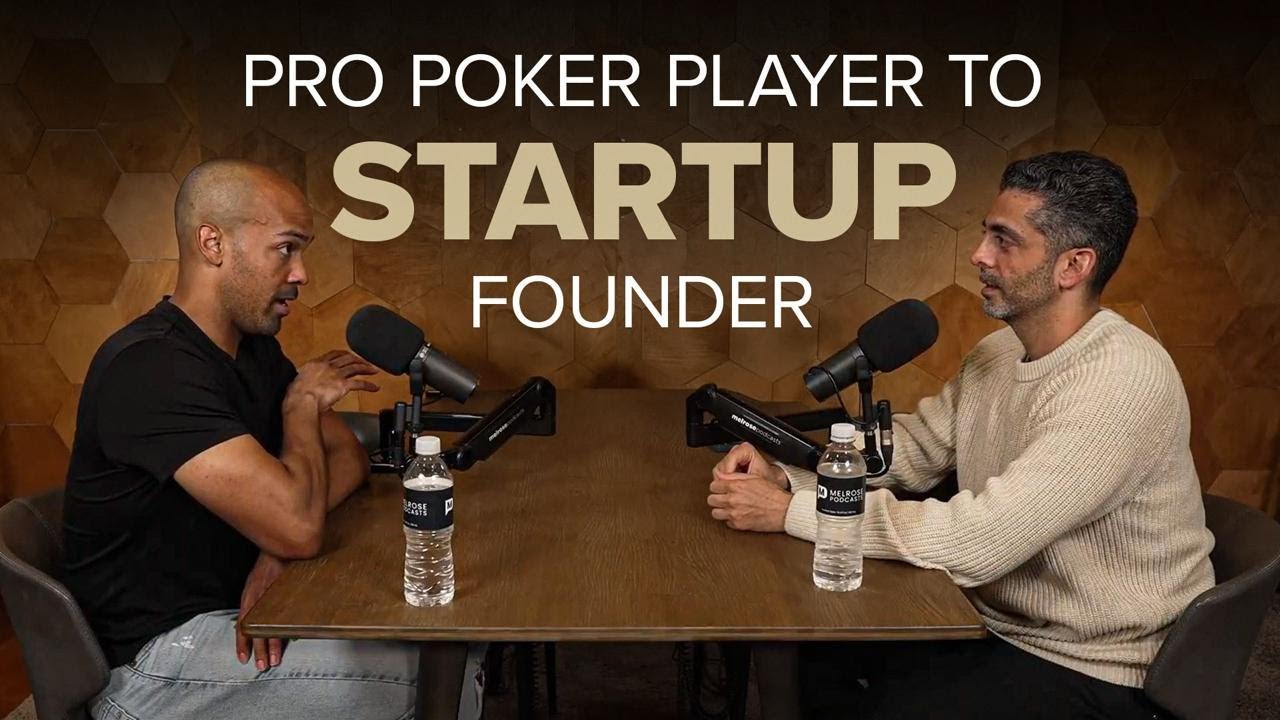
Justin Gordon interviews an early BloomNation team member about building the $18M+ flower marketplace. A $50,000 poker win funded the first version, but the real growth came from pivoting from B2C to B2B sales with florists and wholesalers. The founders treated sales like dating: high volume, comfort with rejection, and relentless networking at trade shows.
Chapters
I want to go into the early days of Bloomation because it changed name as well, people who don't know already. But it changed names after, at some point, I don't know what year was that.
Right after I left.
Right after you left, okay. So right after, literally right after. Early days, getting customers, figuring out what this product was going to be. Take me through more of that Bloomation because you guys also raised venture capital, which is a whole juxtaposition from what you did now with Whippy. Take me through early days of getting Bloomation off the ground at least.
And that's a good conversation, like venture versus no venture.
Yeah.
So there's actually an interesting story that's true. So when we were starting Illumination, I was at business school and none of us are technical. So we needed $50 grand to get the first MVP going. And that's actually where I went to Commerce Casino.
Amazing.
We're just sitting at my apartment mocking things up and I just like looked on the Poker Digest tournament at Commerce, first place, $50 grand. So it's a little bit like a movie.
Perfect.
And that actually ended up becoming a blessing because not only did we get the $50 grand, that's been a huge thing for just like picking up the story, press, getting—
Of course.
Getting that out there. So that was Bloom Nation. And then I think like, what did that look like? I think I'll just tell you, I had no playbook. Like I ran sales. One of my other partners ran product, one ran Operations. I'll just tell you, we just hustled. So like, and that's something that I think here, and I think that's like a lost art. So there weren't a lot of SaaS companies back then. So that kind of like predates us, but that was 2012, '13 that we started it. Yeah. So at that point, that's a decade ago. Like actually at that point, SaaS companies didn't have as high multiples as marketplace companies. That just shows you how far back it was. And we we got lucky. We got some customers. The one takeaway I learned from there is we went B to C, which means you know we're we're like trying to push bloomnation.com this like marketplace. But we realized there's more money in B to B sales, which is like while we're talking to the florists, oh you need new websites, you need new marketing tools, you need that stuff. And that was more my my strong suit. I wasn't ever like a huge growth marketer. I wasn't the best at at brand, but I was really good at calling people and convincing them to do stuff. And so that's when the venture companies came in, and it was lucky we had like some really good companies like Andreessen Horowitz and Spark Capital, and we scaled that. And as you said, um, we scaled it, and then as we— as I left, which was 4 years ago, a little over 4 years ago, they rebranded to the Promenade Group because what they wanted to do is do Bloom Nation but in a whole bunch of verticals. Like, they want to do it in liquor and in in restaurants, but that became crowded because there were other players there. And so that is a learning I took to Whippy. When Jack Kennedy, who's my co-founder there, we started this, he was an engineer at BloomNation. I think we had like this insecurity that like we didn't want to be a company that, that we got to this point where growth was capped.
Yeah.
And so, and we'll talk about that. We did the opposite. We decided to just go for something that's so vague and so broad that there was a different problem there. It was just like defining your messaging and your market. But that's what kind of excited us.
With Bloom Nation in the early days especially, you mentioned the sales side, that you were good at the sales side. And that's something every founder obviously has to learn or they either have to find someone who's that side of it if they're a technical founder as well. What can you say about the sales side of startups? Things that are helpful for you in those early days of Bloom Nation? We can talk about Whippy after as well. But like, what was helpful on the sales side? What makes you a good salesperson?
Well, I mean, I don't know. I mean, I don't know if I'm good. We'll have to— that's like a different conversation. I mean, I don't know if this is gonna be good or bad, but I compare it to dating a lot. And like, you don't have to have the best car, the best clothes. Like, that's not the person that's usually the most successful going out. It's the person that just has the most conversations.
Hmm.
Like, who's not afraid of rejection, who actually thinks of themselves in a certain way that others may not think about, and that carries off. And so I think in sales, I mean, we had a good product. I think we were able to make really good connections. And I think the other thing that we're really good at doing at both companies was leveraging those contacts for more. So we were never good at like, oh cool, your customer thinks. We're always like, hey, do you know other florists? And at BloomNation, or, and then BloomNation, we scaled actually by going one level up, the wholesalers. We made, I was able to make relationships with all these wholesalers that sold them flowers. And I convinced the wholesalers around the country to do these joint events with us. To say, you know, what's good for your customer is good for us and good for you. And that helped actually speed go-to-market.
Oh, interesting. I just talked to Everett Cook, the CEO of Ro recently. They're a sponsor of the show as well. Thank you, guys. And like in the early days, especially, they did so many events as part of their growth strategy.
Yeah.
It's like, how do you stand out? How do you build brand in something like business banking? And they're like, we're going to go host events. We're going to have just kind of boots on the ground style. I can see where you can easily Partner up with all the other service providers who want the same customers.
Yes.
It's like jointly beneficial. So very helpful in that way too.
And I think a good example of this, just to tell you, and I don't know if this will just show you in this world, we just sponsored a show, a trade show.
Yeah.
And I think it cost me like $50 grand. I'll have to look at what it was. We got a booth and it was great. Great event. There was someone else who had sponsored the prior booths and he didn't. He just went— it was in Miami at the Fontainebleau.
Yep.
He just ended up getting a cabana at the pool and a penthouse.
Yep.
And he'd just go in the lobby and invite people. And I think he paid— I don't know what he paid.
Let's just say a fraction of what I paid for the suite or whatever it was.
Yeah. And he had like his own conversations, intimate conversations. And I was like, wow, that's pretty hustle.
Yeah.
So I, I agree. Like, um, one of the things I was thinking at the show, like, I'm a basketball fan, a sports fan.
Yeah.
Is, should we just call like the largest prospects and then just invite them to a box at a sports game? Like, and if we do 10 of those, maybe that's the same cost as a trade show. And I think I'm gonna measure and I can come back and tell you which one gives you more return. But my gut is those high-touch kind of events with larger prospects might actually, you know, prove more fruit.
Yeah, especially it depends on like what your lifetime value of a customer is, right?
Yes, yes.
And like, that's a huge part of it is I looked at even from a perspective of finding sponsors for the show. It's like, okay, who has a high LTV? Because then obviously they're willing to spend on sponsorship. But also it's like their customers are just worth way more. You take more shots on goal, everything. And to the point of like showing up, not even having like the trade show booth, it's like the Tim Ferriss thing in the early days of 4-Hour Workweek.
I loved it.
It was just like South by Southwest. He was just at the like bars and stuff talking to people, not even the show.
I love it. I love it.
Amazing.
I was even on my reps. We took a bunch of reps. We only had a certain amount of passes, but I still took the other reps in the lobby. And I was like, I noticed there were more people there and deeper conversations at the bar over whiskey, right? So I do think that is hustle, by the way. That is hustle. If someone's thinking about starting a company and let's say it's in the podcast world, just go to the show. Like if you can't, I mean, this is probably not good if you can't sneak in, right? And I did see people sneaking into this one and I didn't rat them out because I was like, that's hustle. You're asking how to start a company. But then go start at the bar, sit down there, open a bartender, buy somebody a drink, ask them questions. Like, that to me is like one sign of hustle.
Yeah.










