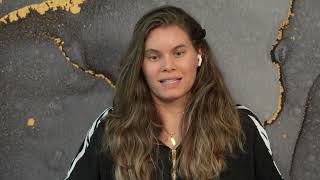
In this monologue, Kelly Alhooie outlines the pervasive burnout among healthcare providers caused by declining insurance reimbursements and overwhelming patient loads. She shares personal experiences of fragmented, ineffective care—such as a costly, unresolved heart issue and uncoordinated dermatology treatment—to illustrate systemic failures. Alhooie argues that many clinicians are leaving the insurance‑based model for cash‑based practices, where they can spend more time with patients, coordinate care holistically, and deliver better outcomes. She positions herself as a cash health and wellness coach, urging providers to adopt this model and encouraging out‑of‑network specialists to listen more closely to patients. The overall message is that cash‑based coaching offers a sustainable path for both provider wellbeing and higher‑quality patient care.
Chapters
So most people, or most providers in healthcare, are over the healthcare system. We have all seen behind the curtains of what the reality is. Reimbursement gets lower and lower every single year, and providers get more and more worked with more patients just to try to make overhead and to make a living wage. And the reality is most of us are burnt out. Tired. We're sick ourselves because we can't give to ourselves because we're giving to our patients 24/7. And so most of us are actually leaving the insurance-based realm and going cash. And this is why I am a cash health coach and wellness coach, because I know that most providers are going that way because they're just over the healthcare system, and we all should be. And I'm not blaming anyone because I did the same thing because I was over it, even for my own health. Like, it was just enough's enough. And they weren't actually giving me real results. I can't tell you how many times I was in Portland, I had a heart issue, not solvable. I paid $10,000 with insurance, but the cardiologist couldn't solve it. I swear it was from a dental procedure, but the doctors couldn't connect the dots. Because they weren't in the same hospital. You know, the dentist and the heart doctor don't work together. And it's like, I think this is 100% correlated. And they're like, no, it's not. It's not. Same thing happened with my face. I saw so many different providers and they're all saying, well, it's this thing or it's this thing and this. And no one's talking to each other. Did I get my problem solved? No. And it was all in-network because I couldn't find a dermatologist that was out-of-network. Shocking. By the way, if you're a dermatologist out there, please go out of network so that you can actually listen to your patients and pay attention to them. Okay. Because if— I mean, like, really, if we were able to put— I was bringing so many stuff to my dermatologist, just desperate for answers, and they'd be like, no, I don't think so. And I'm like, why? Right on the internet, this barberry thing is a natural antibiotic. Should I take that? No, I don't think so. I'm like, and I started taking it and helped. So you have to use the pain, whether or not it's your own personal, you know, story of your own personal health, or maybe it's a family member. Like, I had to deal with two very sick family members during my whole journey, and seeing them struggle and go through the system And again, they couldn't figure it out. And use that pain and that struggle to do it differently, to help patients out the way that we know that they deserve to freaking have help and to have answers. Because we know we can give so many more answers being a cash-based provider. We can, because you know why? We have time with the patients. We have time to understand. The complete full aspect of who they are and what their needs are. That's the benefit. Comparatively, every 10, 15 minutes a new patient walks in the door. How am I supposed to give every single patient my undivided attention? I can't. And it becomes very challenging and very hard, and you burn out. So the last thing you want to do is go research something like that's not for your patient to like help them. It's if you don't— if you didn't know it, that's not helpful. It's not helpful for anyone.