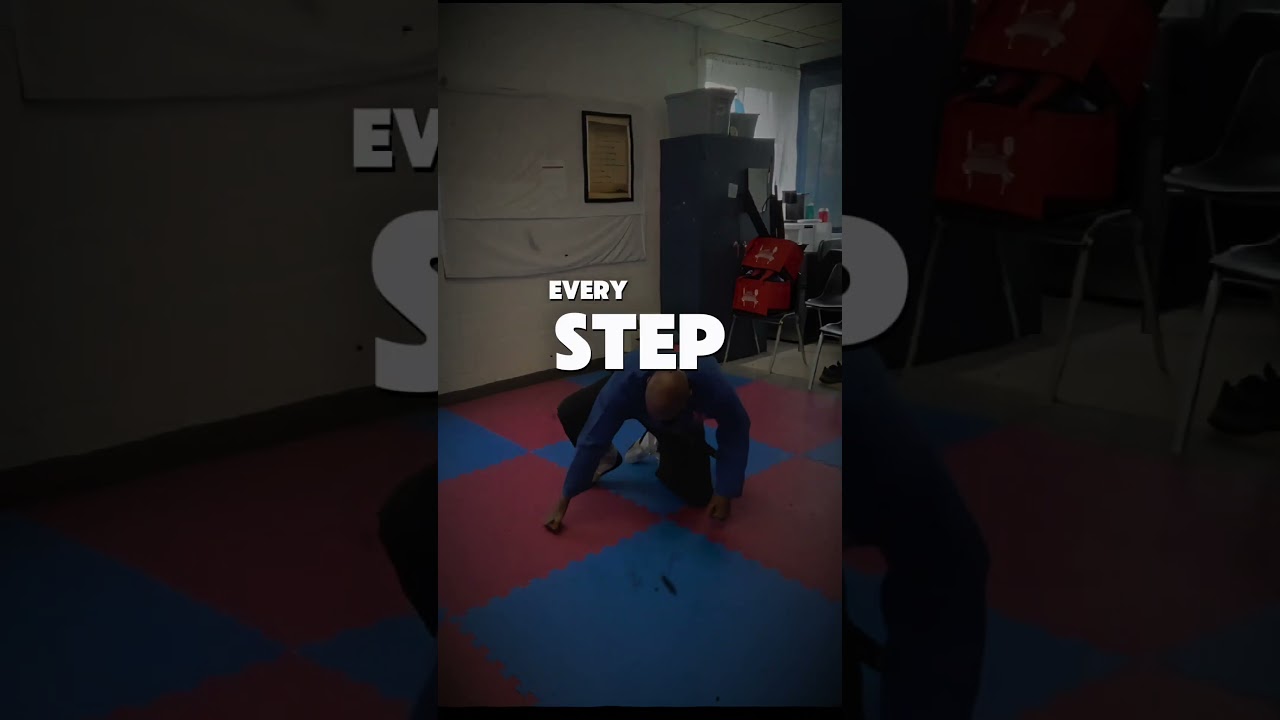
Kenneth Hill Jr. reflects on a year of family deaths, living with hereditary neuropathy, and fighting Social Security over disability. He lost two nearly-finished video projects to technical failure, but found clarity through martial arts and music. A therapist identified his fear of success; he's now teaching others to push past medical predictions that said he'd need a wheelchair by 35.
Chapters
I don't know about anyone else, but so far this year, the easiest way I can say how this year has been, it's been like a dumpster fire. Things started off, you know, pretty routine, which is what I like. I, I like routines. You know, nothing outrageous, and at the same time, nothing devastating. Just, just a smooth start to the year. Everything was going well, and then it was one thing after another with losses of family. And see, with me, family is not restricted to bloodlines. It's anyone that's, that's in my circle. You're family to me. And as I was getting overwhelmed by all the news that I was receiving week after week after week, sometimes it was every week, someone that I knew very well, someone I was close to, you know, growing up, you know, and, you know, they're no longer here. And it was always a surprise. Because he never thought, you know, them. It's like, really? And it's like, man, here we go. And then as I start to recover from, you know, that kind of news and the adjustments and the phone calls and, you know, things like that, and I'm like, okay, getting out of this storm that I've been Been navigating through for right now, and things start to clear up. And then here we go again. It's something else. It's something with my finances, whether it be Social Security or or you know any anything else. You know, and it's like I'm in this battle with them for the last six years about. Finances and whether or not they still feel I'm disabled, even though I was born with a hereditary neuropathy that as of yesterday there's no cure for it. But there, you know, because I do too well, they decided that, you know, maybe I'm not disabled anymore. Yeah, I don't know what, what, what pill that is or what drink you're pouring, but, you know, I'll take some of that. It's intriguing to me sometimes that I know life can be like the weather. It can be unpredictable. The weatherman may tell you, hey, it's gonna be partly sunny. When it was great temperatures and you know go out and enjoy the day, take advantage of the nice weather, and then two hours later tornado comes you know rumbling through. You know it's like it can ha it can change like that. I I I owe I feel like I owe everyone an apology because I was working on you know putting more content out. And I was working hard on it. I'm starting to get a rhythm, and I had not one but two electronic devices fail on me. At first, when, you know, I started having issues with them, it's like, okay, this is the recommendation, you know, delete some of this, delete some of that. And I did, not realizing it corrupted the videos I was working on. So now they go to retrieve that information, only to realize that it was gone. But gratefully, I saved it to an external hard drive. Cool. So I get everything in order, start downloading that, still have the problem. Okay, let me go a little bit deeper into this because, you know, I, I do have a A background in electronics, so I do know some things. And I start diving into that, and then it crashes. Not one but two devices, they crash. And it's like, now what? So now my videos are completely wiped out, everything that I was working on. There were two videos that were one step from being completed, and the third one was in production. And they crack, just gone. So now here I am starting from scratch again, and I'm like, what is going on? Every time I think I might have the answer, it's like, nope, here comes another curve. I've said it time and time again, but I, I really have to emphasize how much I'm grateful for martial arts. It gives me an outlet. Those times that I'm frustrated, times that I need to clear my head, you know, music does that too. You know, there are times that I can sit back and listen to some music and clears things up. Sometimes I'll just go somewhere and just have peace and quiet. No phone, no computer, no tablet. I don't care if the doorbell rings or the You know, just, it's like I'm not there. But martial arts is my thing. I'm so grateful for it because without it, I guess there would be a lot of holes in the wall because it's like, then I start to question things, you know, I'm flashbacking. Do I deserve this? You know, did I do something wrong to bring all this on? Instead of realizing things just happen because they can. And I know that just from the experiences I've had in life. You know, there are people that give you that shocked look just because you walk into a room. There are people that are checking to see if you're on the guest list. I mean, there are other times that you know you pretty much need the key to the executive washroom. You know, it's that kind of atmosphere. Those things I know can happen because I've experienced them many times. I I just sit and I pray. I think to myself. I talk out loud. You know, I go work. You know, I have my own. List of things that I'll do to get through that, because I remember how I used to deal with turmoil before, and it was just unproductive. It didn't just hurt me, it was— it hurt the people around me that knew that I was self-destructive. Sometimes I've said out loud, it'd be nice to just get a break. And then I think of how good I really have it. And then those things come flooding back. You know, my doctor calling me, he's like, oh yeah, I got your results from your blood work and, you know, from your annual physical and blood work, you know. And he goes, I gotta ask you, what's your secret? What do you mean? He said, other than you being a little low on vitamin D, it's like everything is incredible on your, on your blood work. You're the exact same weight that you were a year ago. It's like, how do you do that? And it just goes back to one of the things that I tell people, it's like you got to know yourself. I've never been on a diet. You know, there's nothing against any diet that's out there and any trend and any this, any that. But a lot of times I realize that when I've had conversations with people, when they say that they struggle with their health, they don't ask themselves the simple questions like, how does this affect you? And what do you feel you need to do differently? You don't need to come up with these incredible concepts. You just need to make adjustments. So that's what I've done. I, I've just made adjustments. You know, I'm taking my own advice where it's like, okay, things were just chaotic and This year has been just very unpredictable, but I'm just making adjustments. Some people call it a shift, you know, do like my sister back in the day, give it the stiff arm, you know, whatever, whatever it is. It's like things are going to happen that are no matter how well you plan it. And you got to work to just get through it. I had a hard time with that for a long time because I was worried about how I looked going through it instead of just going through it. It took me a long time to understand those old school, you know. Pieces of advice that the old dudes would give you when you're sitting out and, and just hanging out, just listening. But it took a while to understand those concepts. Like, it doesn't have to be pretty, just needed to be effective. And stop worrying about how— what everybody else thinks. What do you think? And once I really took hold of those things, as well as many other things that I've heard growing up, life became simpler. You know, I love the keep it simple rule. It was emphasized a lot at the truck stop. Not just at the truck stop, just in trucking in general. You know, just just do what you got to do and be on your way. Do what you got to do to stay safe and get back home. You know, it's like it really was a simple way of doing things, and it's actually very effective. Sometimes it feels like an ambush. You know, you wonder. It's like, oh boy. Is there gonna be something waiting around the corner? Or if, you know, you open the door, is there gonna be something waiting on you when you get out there? You know, it's like sometimes you just wonder, you know, but I realize that that's fear talking, and that's not how I live my life. When Miss Johnson said, there are 2 things going on with you, she said, I, I can already see what's wrong. She said, I'm going to start with the second thing, and that is that you're so used to having to figure it out for And suck it up and deal with it, that you're afraid to ask for help. You were told that that was a weakness. You know, you just got to be strong all the time. Just deal with it and work through it. And so that's what you did. She said the number one thing with you is. You're afraid of success. Now, those statements were very profound because no one's ever said that to me before. She said, I don't, I don't see you afraid of many or any other thing. But those 2 things are definitely an issue for you. She was someone who definitely turned my life around because she just was profound in what she said. And, you know, she just gave it to me straight, which I appreciated. They always have a plan for you because this was at a time that, you know, I'm going through rehab. They always say for drugs and alcohol, but, you know, I was one of those people that said, well, alcohol was not an issue. I didn't get in any problems with that, so what's the big deal? I was more of a social drinker. I mainly focused on the drug part of it. Going through rehab, you know, and being in there for a year, You know, you meet some fascinating people. You meet some people that are only there just because, and some of those people, you know, you have a bond with, and sometimes it lasts outside of rehab, which happened to me with a few people that I met. But one of the things that I struggled with is What do I do now? I mean, I had a successful rehab program. I had no desire and haven't had any desire to do drugs since I went through that program. But once all that ended, that routine of going to work and reporting back for sessions With the psychologist, with the group, you know, just learning more about me and my behaviors to focus on what I needed to change. You know, once all that was over, it's like, okay, well, what do I do now? It was a feeling of relief, but at the same time, it was A feeling of this is new and different, and I'm not sure how I feel about it. I went back to what was familiar, which is martial arts and working out, and it was cool. And along the way, you know, going through rehab, there's some people that were my friends that that I had lost for one reason or another, whether or not it was my time to move on, you know, without them, or things just happened in their lives where they weren't there anymore, you know, I just moved forward. I really got into my cars then because then, you know, It was like, it was something that I enjoyed working on them and learning about them. Wasn't a great mechanic, but I did enough to keep the cars running. You know, from having my Mustang first and then, you know, not long after that having my Chevelle, you know, I just had back-to-back great cars and they were just so much fun. I would dive into working on, on the two of them to having them perform better and learning more about, you know, cars itself to enhance, you know, my skills in that. But at the same time, it always felt like something was missing. Like, just something was empty. So I just dove deeper into my martial arts again. I mean, as a kid, I, you know, wanted to be this, this fighting champion and, you know, world-renowned You know, superstar in martial arts, and it was just kind of you know a dream that I have just from watching you know Enter the Dragon with Bruce Lee. You know Bruce Lee, of course, you know when I saw him and how fast he was and how he moved, and I wasn't a big guy, I was like, you know what? I wanted to be like that. I also love Jim Kelly's part of it, you know, because he was just strong and fast, you know, a little bigger guy. But at the time, you know, I was like, you know, I would love to be like either one of them. So I just dove into it when I was a kid, wanting to be an instructor one day and You know, a lot of that went away for a long time. You know, at 22, when doctors tell you, you know, by the age of 35 you'll be confined to a wheelchair, you know, I figured what did I have to look forward to? You know, that stayed with me even after rehab. That that was my future. So with that being my future, you know, I'm back and forth on my emotions on, you know, should I just live life to the fullest every day, which pretty much meant reckless at that time, which means the rehab program there was no point of it. I didn't think very much of myself if I'm going to do that after going through all I went through. But at the same time, who knows, you know? I was always having that tug of war of what to do, what not to do, you know, a whole lot of those Red pill, blue pill scenarios that I was going through when it came to making decisions. My biggest goal and biggest dream was just to be able to walk and practice martial arts at the age of 35. Sometimes I got a little bit stuck on that number, that, that's all I saw for myself. It was longer than I anticipated I would live because I used to tell people I didn't think I would live to be the age of 30. So being 35, and disabled, I struggled with that even after rehab. No matter how good things were after that, it was something that I still struggled with. It was always funny because I go into competitions and I'm competing like It was my last fight, and as if okay, I'm gonna see if I can go out with a win. I lost many of them. Did not have an impressive record when it comes to competition, but I'm happy that I did it. It's very humbling. You know, I had given up on being an instructor because I'm grateful that, you know, my life has turned out so much better than I saw for myself. And when I see how many people whose lives have changed just from a conversation with me, It just encourages me to want to do more and more. So that's why I do that. Recently, I did a short video about falling, because with CMT, falling is something that happens. Even though we take all the safety precautions that there are to take and You know, the advice that people have given us has been, you know, just great advice, and it's great advice for anyone, whether disabled or not. But one of the things that was true is that I would still fall. And as I get older, those things that I used to hear from people about, oh, when you get older, You know, if you take a fall, it's probably not going to turn out well and you'll be laid up for a while, etc., etc. Those things kind of come to me as I'm falling, and it's kind of a trigger for me because it helps me to get my hands out or to get myself in a position to lessen the severity of the fall. And I have so much fun beating the odds that I teach other people how to do the same thing. It's not that I have anything against the medical community where I'm like, you know, Having those in-your-face moments, but I enjoy them being wrong about not just myself, just about people in general. When they say you can't do this, you won't be able to do that, you're not going to get to that level. So when I see people triumph over all those Levels that people say you'll never triumph over, you'll never reach, you'll never achieve that level. However they want to word it, I'm like, there you go. There's an example of what you can do. One of the things my doctor used to say to me sometimes is he said, "If I tell you." 80% of what's gonna happen to you is negative. You tell me, you've always told me that's fine because I'm in the 20%. And that's how I feel, and that's how I want people to live their life. Even if it's 1%, if 1% can get through this, if 1% can survive, If 1% can achieve, be a part of that 1%. If you don't tell yourself that you're in that percentage that will not be able to make it, then that's probably where you'll be. If you look at yourself as, you know what, I got a shot at this and I'm going to take it, then you take that shot. A normal reaction from people when they're unfamiliar with something that I want to teach them is the same that mine was. How? I didn't have my head wrapped around the fact that I could be successful at doing it. I was like, how? Because I'm looking at, okay, I have this issue with my physical health and you want me to do this? It's like my body doesn't function that way. I've never I've never done anything like that before. I watch other people do it and, you know, they have athletic ability, they have this, they have that. You know, I used to run the gauntlet on all the reasons why I would be unsuccessful. But I started off by saying how. And I realized when I did that, I was just compiling that list. That's what, that's what put me in the 80% bracket a lot of times, where I just figure, well, it's not going to be successful. I mean, I'll give it a try, but, you know, I wasn't really putting a whole lot of effort into it because it wasn't going to end well anyway. Then I learned instead of saying how, I just said, okay, let's go. Because once I said, okay, let's go, then I learned how. I didn't have to have that answer before I began. Sometimes it's like, you know what, let's just dive in and see how this turns out. And I was glad that I did. There were a lot of things I missed out on in the past because I didn't start off doing that. It's not that it's easy for me to say, okay, just do it this way, because it's not always easy. But I learned that it's okay that it's not easy. The reason why I learned how to do so many things is because I tried. Even when everyone else said, no, it's not a good idea, and times that I said, no, it wasn't a good idea, and— but I tried it anyway. I learned that I had skills that I thought were too far-reaching for me. I actually don't like things to be easy all the time. I like that challenge that life has brought me at times. Of course, I don't like everything, but some of those challenges were necessary. Didn't always see that at the time, but I understand that now more than ever. Many times I've seen people who, you know, they, they feel the same way that I do. They stand their ground on how they feel. I stand the ground on how I feel, and I respect that. I mean, I learned that there are people, just because I walked into the room, didn't like me. And that can happen anywhere. And I also learned that, you know, from working side by side with someone who actually came out and said that they don't like people of my color, Because they didn't grow up around us, everything they heard about it was negative, etc., etc. I respect that as well. But one of the things that we did is we had respect for one another. We both had our differences in our beliefs and in our upbringing, you name it. It was just different. But working side by side together at work We were both doing a job. If I needed something and I needed assistance, that person helped me just like I helped them, because it was about the job. It wouldn't matter if we were looking at each other in a bad way going in and out of the parking lot. On the job, we did the job and did it well, working side by side with one another. So I, I don't have to have that kind of environment where everybody gets along in order to exist. Everyone can feel however they feel, even when I teach. The students don't realize I'm the one that's learning from them too. When I get to know them and their personalities, their triggers, I've learned to teach in a way that benefits them. If I have 10 students on the floor, all 10 of them are different. Even if they're learning the same thing, they're all different. So my approach to each of them will be different. Some of them need a little extra instruction for the same technique that we're doing. Others, they have it. Some need a visual to go along with the verbal instruction. You know, there's just so many different components. That not just me, but my team adds to how we teach and what we do. And I developed those principles just in life, realizing that I spent a lot of time trying to model my life behind someone else. And it took me a long time to realize I had to learn how to be me. I had to learn how to like me first. So then I can learn how to be me. And once I did that, it shifted everything for me to— it's okay, I take a little piece from this person, or I took a little part from that person, and I realized that who I am and the way I am is a combination of different things. That I learned to be the best that I can be. Because another example that I teach everyone is, especially kids, is to be the example that you're looking for. There are many that always talk about who they want to be like, and many times they don't even know themselves. Who they are. And it doesn't matter who the example is. When I look at— when they say they want to be like this person or be like that person, that's fine. But that may not be where their life should go, in the direction they should go. And I teach them to be the example that you're looking for. Instead of looking for an example of what to be like. It's been a very effective way of approaching growth, is decide, you know, hey, what works for you and what helps you achieve and what helps you grow, what helps you to be successful. That's what I want people to look at instead of being like. Be that person that everyone else wants to be like. It's hard to say what's right or what's wrong for anyone, especially if you don't know them. Another thing them old dudes used to say to me, he said, I don't care how many books you read About that person. If you ever have an opportunity, have— make sure you have a conversation with him. And I was like, whoa, if I already read about him, I'm not— it's like, no, have a conversation with him. The easiest way to learn about someone is to have a conversation Okay. Doesn't matter what you heard from someone else, 'cause I have friends that everybody else says, I don't know how you're friends with that person. And that's because I got to know this person and see 'em for who they are, not who you think they are. Because most of the people that say they don't know how I'm friends with that person only saw that person during their bad times. Or only heard about that person during those bad times, but don't know them. Sometimes just sitting down and having a conversation with someone— and having a conversation means to actually listen to them— that you can learn a lot about them and from them. I mean, as kids, we're always told to have a plan on what you want to do with your life, how you want your life to be. You know, you can do the whole thing with school and military or learn a trade. Then you have the house and the wife and the kids and the dog with the picket fence and all that good stuff. I mean, I was told that I was going to go to college. It wasn't that I didn't understand that things don't always go as planned. It was a long time before I realized that even though things don't go as planned, doesn't mean it wasn't the right plan. I think I'm gonna go with the first one. No matter how well I laid it out. I mean, you know, I'm, I'm real methodical in, in my thinking and, you know, dotting i's, crossing t's, carrying the 1, just all, all that stuff. And, you know, I would do that when it came to how I wanted my life to be. And when it didn't work out, I didn't have a plan B. I was in that, oh well, we'll see what happens kind of phase. And what happened was a lot. And it wasn't always good, but it was a lot. I encourage people more than ever to live the life that they want to live instead of the life that everyone expects them to live. It's nothing personal. It's your life. You know, there are other people that could have their standards on how they think you should be and what— how they should think you should do it, and there's nothing wrong with that. It doesn't mean that that's the right way for you. I don't go around taking polls and surveys to see what everyone else wants me to do, because if I did, then I mean, for one thing, I never would have driven tractor-trailers. The second thing that's probably bigger than the first is I would have listened to the doctors that said I wouldn't be able to walk by the age of 35. I could have been that person, but I just decided, no, with the driving the trucks, I just want to see if I can do it. With walking and, you know, studying martial arts, it's something that I wanted to do beyond 35. And having that kind of focus and that kind of mentality turned into more. My cousin and I used to talk all the time about life. We're both older, you know, I have 7 years— had 7 years on him. But we used to talk about life in a whole different perspective. You know, he's one of the ones that was always around when I had my Mustang, and we just had a lot of fun hanging out in that car, going to events. Yeah, we did some street racing and You know, I'm grateful no one ever got hurt or even close to getting hurt. But we used to talk about life a lot, and one of the things we always emphasize is, you know, how people have to get off of this thing of, you know, tomorrow's not promised to anyone. Because what I said, and it left counselors shocked in my 20s, is neither is the end of today. So once we came to that realization, we just lived life the best that we could every day. It's hard for people to grasp that because all too often, if you don't say things a certain way, then people are instantly offended and they instantly gravitate toward the negative. Of what they think it means instead of realizing that, you know, many people like myself are, are very positive people. And how we got this way is looking at things realistically, that things are going to be difficult at times doesn't mean you can't get through it. Things are going to be confusing at times, but it doesn't mean you Don't continue forward. There are other times that people are not going to be in your favor, and all that's okay. They don't need to be. You don't need to prove anything to anyone else. You don't have to decide, oh well, you know, I want to make sure mom and dad are proud, or I want to make sure my spouse is, you know, Thinking that I'm wonderful and my kids think I'm great. Sometimes you have to do things that you feel are right, not only for you but for everyone around you. When my cousin and I used to have those talks, we used to get into it, you know, and sometimes we didn't agree, but we were— there was never any hurt feelings. And it's like he give his side, I give my side, and then next thing, by the end of the night, we're laughing at each other. It's like, you know what, it's like, you know, I, I never looked at it that way, but you opened my eyes to a different way of looking at things. And he would say the same thing about me. Those are the kind of things that make life special. I'm beginning a new chapter in life where I'm actually going to be opening myself up more and being vulnerable even more than I ever have, and I hope it helps people. That is my hope. I hope that I give people hope to realize that no matter how gruesome the details are, that you can still get through it. And once we realize it doesn't have to be easy, because oftentimes it's not, it's just not easy, but it's okay and it's always worth it in the end, even if you don't see it at first. It really is. Be the example that you're looking for. Just breathe.