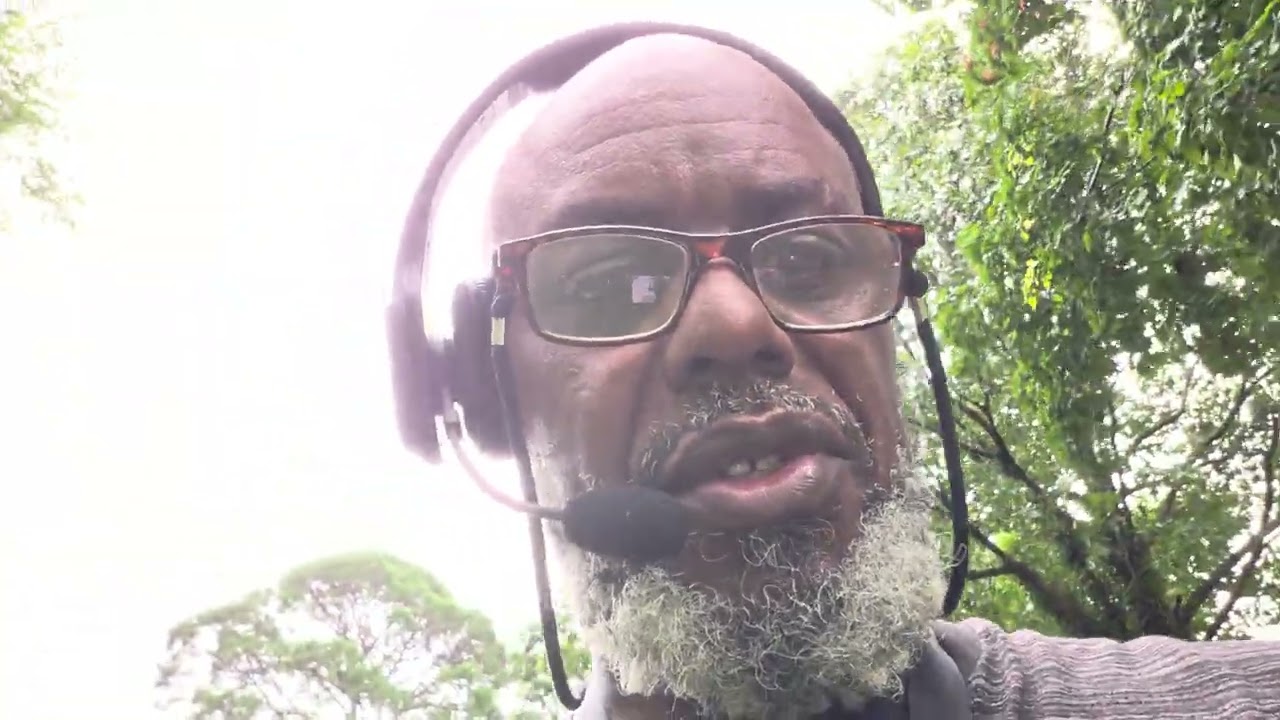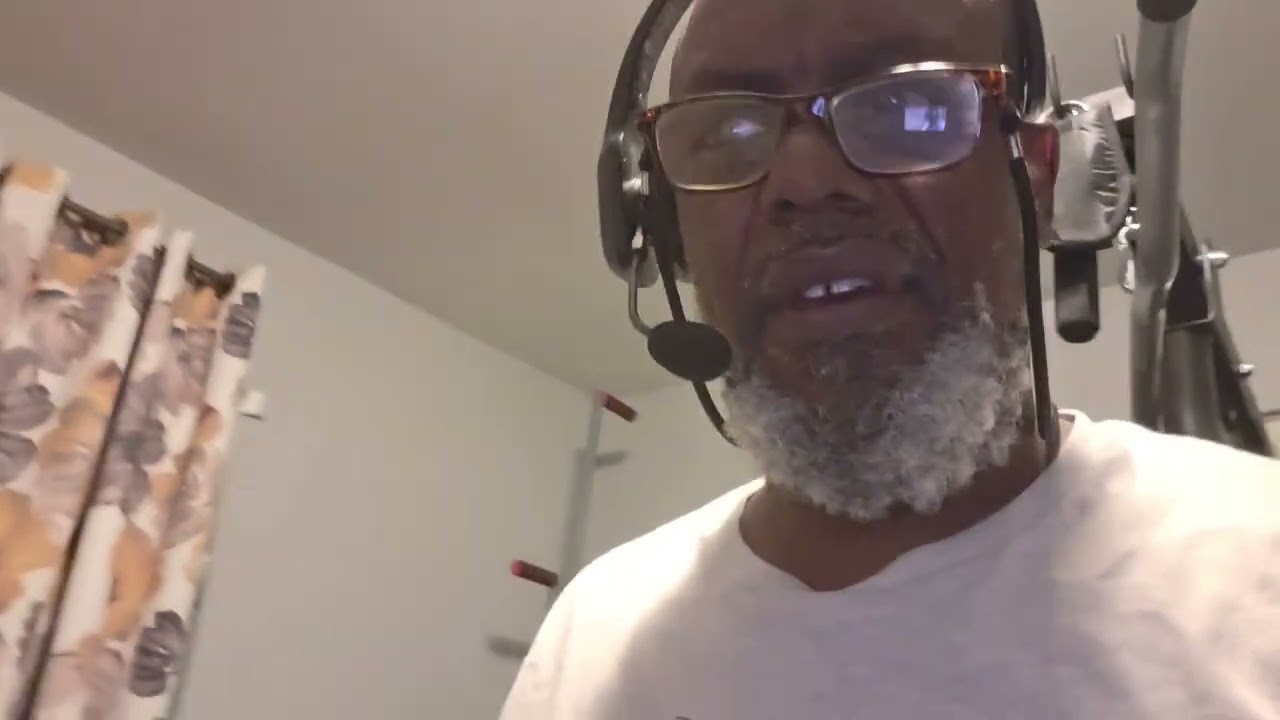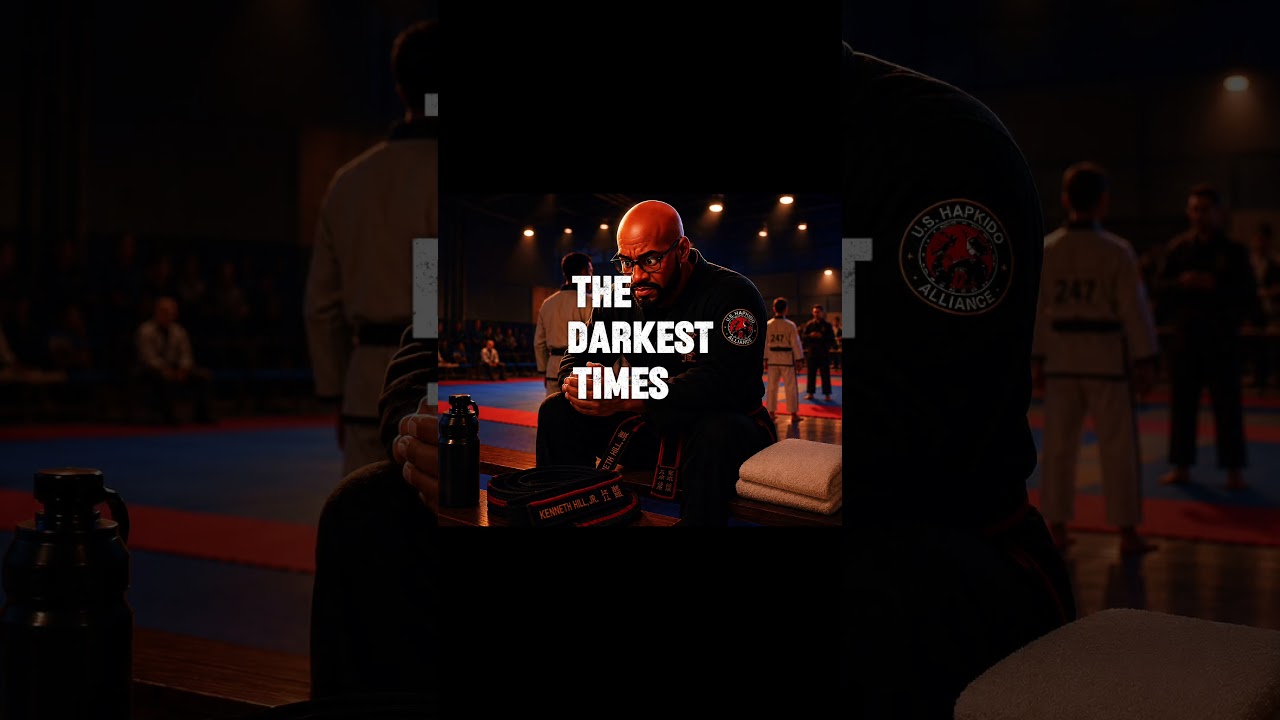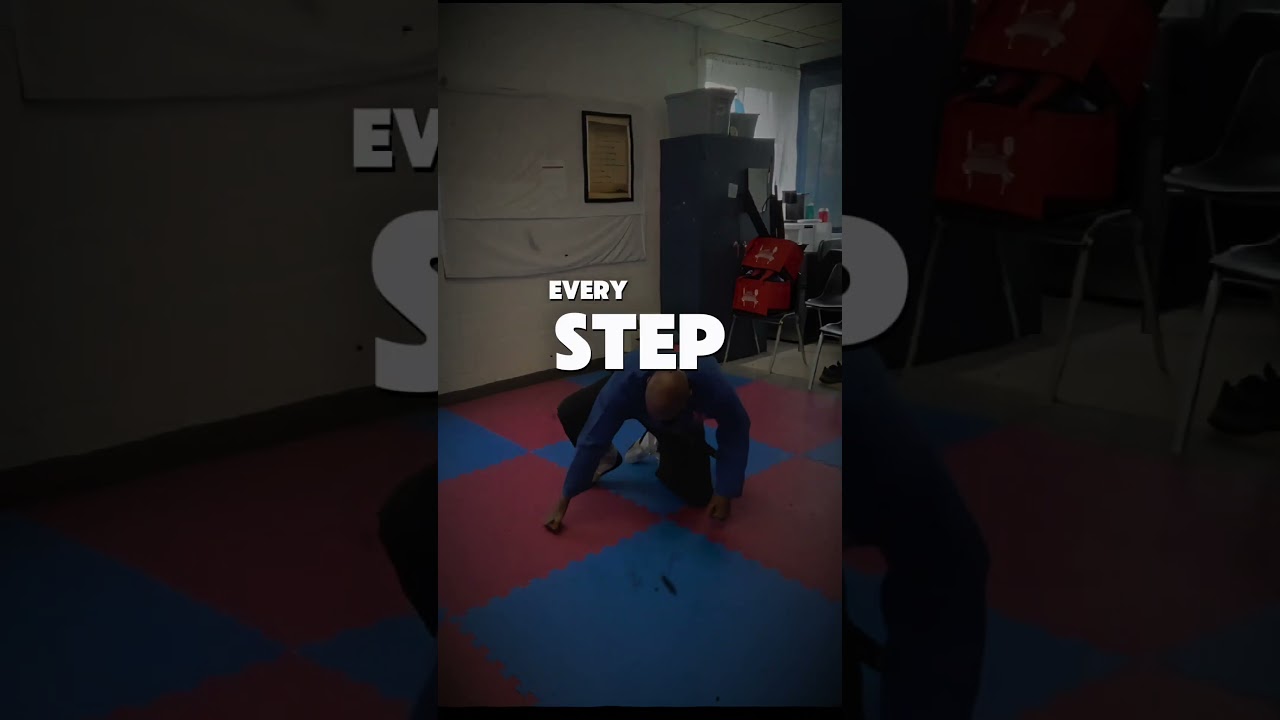
Master Ken Hill survived childhood bullying, suicide attempts, homelessness, and a car crash before discovering he had Charcot-Marie-Tooth disease. He drove trucks for Dunkin' Donuts for 17 years, earned multiple black belts in martial arts, and taught Hapkido to neurodiverse youth using methods like the scroll of excuses exercise.
Chapters
It was about 11 PM on a warm August night. I mean, there are only a few cars on the road. I dropped off two of my cousins at home and I headed back to the main road in town. As I approached the main road, my heart began to race. When I reached the traffic light, it was decision time. If I turned left, I intended to go home. Place my weapon in my mouth and end it all. I had a hard time convincing myself that it was worth it to continue. If I turn right, then I would head down to the hospital and see if there was anyone they could help. Only because of divine intervention did I turn right and head towards the hospital. Upon arrival, I walked into the emergency room entrance without hesitation. I stood firmly at the nurse's desk and announced, "Someone needs to help me or someone's going to die." I don't know if my announcement, the "Kill 'em all, let God sort 'em out" shirt, that I was wearing, or both. But she said, don't sit down, go to the door on your left and I'll buzz you in. I walked to my left, opened the door, and observed what I assumed was an ambush, as there were 9 hospital staff members waiting on the other instantly I repositioned into a martial arts stance, ready to battle anyone who came forward. Once they reassured me that they were there to help, I settled down and I followed them down this maze of hallways to a room with a desk and two chairs. I stood toward the center of that room, focused on the door, because my thought was, "If anyone comes in this room and tries to inject me with anything, then there is going to be a fight." That's when the door opens slowly and in walks a lady of shorter stature who continues across the room and sits behind the desk in the chair that's facing the door. She says, "Sit down," you know, very professionally. "I'm Miss Johnson. How can I help you?" I reply, "I don't know if you can, but if you don't, someone's going to die tonight." She said, 'Tell me who and why.' I started flipping through my mental Rolodex, but when I did that, it was like watching an avalanche of—
oh.
My childhood. I was bullied for a decade. I was an easy target because I was quiet and shy. I was one of the smallest kids in the neighborhood, so getting chased home would happen at times. I was humiliated and embarrassed at school for not being tall enough, fast enough, smart enough, and being uncoordinated. When it came time to pick teams for gym class, I was picked last or not at all. One of my peers who I thought was my friend tried to molest me. Why would I want to say anything? When I talked, I stuttered. So when I did speak, it was such a struggle, you know, to deliver a clear message. Except for a handful of people, no one heard me. Everyone had their own problems, so they really didn't want to hear mine. Until recently, only a few people were aware of a struggle that still persists to this day. I mean, I struggle with reading comprehension and reading retention. When I got home, you would think there was some relief, but there wasn't. At home, it was a different kind of grief. It was just another environment that I didn't seem to fit into. I mean, once you feel like all you're doing is taking up space, you wonder why you're even here. I mean, I would dive into my hobbies, you know, which, you know, I love the Taiko cars and racetracks, trains, and martial arts. Sometimes I still build the plastic model cars because at least for those moments, life wasn't that bad. But there were no smiles, no tears. I felt like I was just there. There was good enough. Down the line, drugs and alcohol became my new best friend. Those things, I mean, they didn't erase the problems I was having, but they brought me comfort. Even if it was only temporary. Going to the hospital, I realized that this path had to end today. Ending it meant that either life was over or it was going to be a new beginning. One of the two times I was homeless was before I went into the hospital to ask for help. Four doctors announced that I needed to end my martial arts journey and allow them to perform surgery on both ankles. I suffered many injuries to my ankles during training and competitions. Didn't break them, but strains, sprains, twists, rollovers, you name it. They stated that if I finish my journey now and agree to the surgery, I would be confined to a wheelchair by the age of 35. They said, if you want to continue and not have this surgery, it's going to be sooner. Having all these things happen from as far back as I can remember to my early 20s is why I attempted to end my life 5 times. There were actually 6 times total because there was one time that I also attempted it after I went through rehab. Now, when I sat with Mrs. Johnson and I'm going through every stage in detail, I didn't realize that 4 hours had passed. Miss Johnson stated she was stunned. She was more afraid than she'd ever been, but not for her, for me. She said, "You didn't change your tone, your eye contact, your emotion, and that's a concern." She followed with, "You've gotten so used to things going wrong that that's all you expect in your life." Even when things were going well, you would click a stopwatch so you can record how long this moment will last before the disaster begins. You handle depression, despair, and death so well that you don't fear them. Then she hit me with two very profound statements. She said, "I know what's wrong." She said, "Your second biggest fear is asking for help." You were taught, "Suck it up, figure it out." So asking for help was a weakness. But she said, your biggest fear is success. You may not realize it now, but your road to success started last night when you walked in. I was lost and confused by those statements. I didn't see what she something. Nothing personal, I had a hard time believing. After going for a year of counseling and a successful rehab program and group sessions with people who were there to satisfy a loved one or, you know, honor a court order. They made me realize something, that I was going to be intentional about my success, which meant eliminating things and people that were keeping me down. Which included some of the people that were cheering for me. You know, the ones who are happy for you as long as you're not doing better than they are. I had to dismiss them. I don't miss that life. I focused on martial arts because it was one was one of the few things that gave me satisfaction during tough times. I got strong and developed my martial arts skills. A few years passed and everything was going smoothly, or so I thought. No relapse. But I hit another difficult time with homelessness and another attempt to headshot. When things got bad, I flashed back to those turbulent times and thoughts of, you know, here we go again. After recovering from that episode, I spent years focusing on my mental strength and, you know, building a strong relationship with my girlfriend. You know that old saying, don't go to bed angry? Well, don't get behind the wheel of a car when you're angry. It was Christmas Eve. I was heading out to pick up something for my girl before the place closed. She wasn't gonna go, and then she said she wanted to go, and I didn't want her to go, and we were back and forth, and it led to this huge argument before I left. She's thinking that I'm trying to hide something for all the wrong reasons, but I just didn't want her to see, you know, what I was getting. Now I'm leaving the apartment angry and I'm going down the road talking to myself. I started to make this left-hand turn at one of the intersections and at the same time there was a car coming from the opposite direction to make a left-hand turn to go the opposite way. As I make my turn The vehicle, the second vehicle, came around the first car and hit me head-on at 45 mph. It was so severe that my seat belt did not engage. And my chest absorbed the full impact of that click. Having a hard head is beneficial because when my head hit and shattered the windshield, I only had two small cuts on my forehead. The equivalent of me cutting myself on the thing in my head is what it amounted to. After spending hours in the emergency room getting a boatload of tests taken and 3 sets of X-rays, a heart surgeon and a heart specialist jokingly asked, "What are you made of?" I tried not to laugh because I was in such severe pain. Well, they indicated that the test results concluded that I only had a bruised heart muscle, a strained shoulder, and I had some nerve damage in my back, neck, and shoulder. I spent 4 days in the hospital, 2 of them in intensive care. I was released to begin 7 months of rehab. The reason why the rehab was so long is because the medical team was concerned that I would have a heart attack if I didn't maintain a slow and steady pace. A month after that was all over, I decided to do something that no one was in favor of. I started my career as a professional truck driver. Everyone said you were just in a head-on collision. Why would you want to do something as crazy as that? Since I don't take polls and surveys, I, I ignore their concerns. I went on to have a 17-year successful career that included multiple awards for safety. It was life-changing for me because I, I visited 46 states and Canada, and I met some of the most amazing people. Unfortunately, I also met some of the worst people. Now, I'm glad that I'm a skilled martial artist because using your words doesn't always resolve the issue. Sometimes you had to fight. You remember those old westerns? You know the ones where the cowboy enters the saloon and everyone stops talking and the music stops playing? Well, I've been in places like that where everything except the music stopped playing. It's an eerie feeling, and the only thing you can do is back up slowly. Some people allowed you to leave because they realized it was just a misunderstanding. Other places were not so understanding. As if that wasn't enough, during my 4th year of driving, I had to renew my medical certificate, you know, for my CDL. During the physical, I just lost my balance doing a squat. I figured it was no big deal, but the doctor asked, you know, "Hey, what's going on?" I was like, "Nothing." You know, I have bad ankles from martial arts training. He said, "No, I don't think so." He said, "I think there's more than that." He asked me about my medical history and added that there was a nerve disease that was common in his family. He said I mimicked the characteristics of it. And I said, well, there's a nerve disease in my family as well, but, you know, I've never been tested for it. I said, no one ever had a conversation with me about it. I only overheard them mention it a few times. So I don't know very much about it other than the name. And he said, well, you should get tested for that. I was like, well, how do you get tested for that? He said, no, it's just blood work. Just go to your doctor, tell him what you want, and go from there. Well, that's what I did, and it was that. CMT, Charcot-Marie-Tooth disease. It's a funny name, you know, because when you say Charcot, people think of shark, you know, and then when you say tooth disease, they think it's something hygienic, but it's a hereditary neuropathy. Over time, there's a deterioration of strength throughout your body because of it. There's more than 100 strains. It's a very rare disease. Well, it's not well known. That's a better way to say it. It's just not well known, even though 3 million million people across the world were diagnosed with it. This particular strain that we have is tricky. It's 1X is how they classify it, so I just tell everyone I'm an X-Men. But 1X can only be passed on the X chromosome. My mom passed it to me, but my sister doesn't have it, and we're the only two siblings. Both of my grandparents had it because not only does my mom have it, she's the only girl, all 9 of her brothers. I'm the only male in my generation that has it. Because none of my uncle's sons have it because they can't get the X chromosome from their, their father. I'm kind of like the poster child for the family. What's kind of fascinating about it all is for as much as it made me angry where it's like, here we go again, something else. Quickly that was over with, that thought was over with because now I had answers. I didn't understand why I'm tripping and falling randomly. And the funny thing about me tripping and falling is there are times I'd be walking with friends across the grass, and down I go. Well, they keep walking because they didn't realize I had even fallen. And then when they realize I'm not there, they turn around. They're like, man, what are you doing back there? What happened to you? I was like, uh, you know, those ninja dandelions. And they're like, what? Because they're, they're already laughing hysterically that I'm falling in the grass. And now I'm telling them about these ninja dandelions.
They're like, what?
I said, yeah, it was ninja, you know, the ones they, they grab your ankles and wrap around and pull you down. And then when you turn around and look, standing up straight again. And they're, they're laughing hysterically, but they're like, oh, okay, man, well, you need help? You know, it's like, no. And I get up and I'm walking with them. But my laughter was because now we're walking and they're looking down. It's a very difficult thing to hear that you were born with a nerve disease or neuropathy, whatever word people like to use.
Fine.
That is uncurable. I'm not a medication person. It's nothing against anyone who takes it or, or doesn't take medication, because when I left home at 21, I was taking medication for asthma. And one of the things that I learned is I was a little heavy kid who always had problems with asthma. And even as I got taller and got thinner, I still had problems with asthma. So every pill, every injection, and, you know, every inhaler, you know, every time something new came out, I felt like a guinea pig. And it was like, oh, try this, try this, try this. Well, all that medication was doing was helping me live with it. At 21, I stopped taking all medication. Since the age of 21, it's very rare I've taken any medication. I focused on getting myself healthy and withdrawn. And since then, I've only had one asthma attack in my mid-20s, and I haven't had any since. I'm a firm believer of there are alternatives, which is why I've been one of a handful of people with CMT that has been studied over the last few years. I'm grateful for these difficult times. I didn't see it then, but I absolutely see it now, that I'm grateful for the difficult times, because without those times, I wouldn't be who I am today. When I drove tractor-trailers, it was one of the funnest times I had in my life. Sure, it's great to be paid when you're going cross-country, but just to see this country in a whole different way. It was just tremendous for me. The only reason why I stopped is because I wanted to do more. I could have continued. I'm sure I would still be driving today, you know, tractor-trailers, but I'm glad that I stopped and I moved on to other things. When I stopped driving trucks was the same year that I went back to school for electronics, and that's the same year that the martial arts school, the hapkido school that I trained at for the past 12 years, was closing. So all these things were happening around the same time. And I wanted to continue my journey with Hapkido. I got introduced to it and it was so dynamic, especially for me, that I wanted to continue. Fortunately, one of the instructors from my Hapkido family He had his own school already established. It was just an incredible place. Now, he by trade is a child behavior specialist, but he's also one of my grandmasters, and he invited all the grandmasters from the other school to come to his school to continue training, continue teaching, continue learning. I was a little hesitant about it because I heard about what he does there, and I didn't know if I would be a good fit. When I ended my, my journey as a professional truck driver was at the same time that the hapkido school that I was training at for the past 12 years was closing. And also I was transitioning into going back to school a month and a half after retiring. For electronics because I studied it when I was younger and loved it. And I spent a few years in school learning electronics only to find out that I'm so far behind technology that that isn't the right direction for me, even though I have a degree in it. Just, okay, let's move on to something while all this was going on, I decided to take the other instructor up on the offer to come to his school. I didn't know how life-changing that was until after I was there. And you walk in there and you instantly feel like that. Now, many of his students were also his patients, and there were many things that they were dealing with in life. Many of them were, you know, looked at as being special needs because of autism, ADHD, things like that. But I looked at them as They were just different. And so was I. For the first few years, I just focused on assisting and learning. Learning their program, how they do things, how they engage with their students, how they engage with each other as a team, and learning the students and their behaviors and their triggers and you know, their likes, their dislikes, all those things. That's what I focused on. That was so rewarding for me because my oldest daughter is autistic and she was there with me almost every Saturday. And she, she's like the— they called her the president because she didn't want to take class, but there was a little desk area that she would sit at And she would set up all her electronics. She grabbed my computer and her tablet, iPhone, and she had just things going on and she was keeping track of all those things that were going on. She wasn't interested in taking class. She just loved being there. It was a great atmosphere for her. A few years after Being at that school, I was given an opportunity to teach, have my own class and just teach my way using their, their program. It unlocked gifts I didn't know I had because I was able to really customize how I taught each student, even if there were 10 on the floor or 15 on the floor or 4 on the floor. I customized how I taught them because they all learned differently. 10 ADHD kids on the floor is not all the same. And they taught me that. My class was so successful that it kept growing. Because I just have a different approach on how I'm going to do things with each student, even though they're all together. And I taught them how to engage with one another and to just, you know, work with one another. Even if they had difficulty, they would rally around one another in such a way that many times you're leaving the floor choking back the tears. One night the parents said to me, there was a half dozen or more, they said, we gotta ask. It's like, what's that? It's like, what is your background? And I said, well, I'm just a blue-collar worker, what do you mean? And they said, well, as far as education. I said, well, you know, like products is really the only thing that I finished in school with, but I took some classes for this and that here and there. Why do you ask? We want to know how you do so well with our kids because you don't have the degrees on the wall for education and for behavior and things like that. And I pointed to my daughter and I said, it's because of her. They said, "We don't understand." I said, "I didn't know autism until she was born and found out that that's what was going on with her because she had difficulties learning." For as patient as I am, for as methodical as I am for doing things, I had to learn more to help her, and helping her taught me things. And I brought those elements into class to hopefully make a difference in your children's lives, because I want them to know that even though they're different, it doesn't mean less. And she, this one mom, she said to me, she said, "I don't think you realize the impact you've made on everyone here just because you're you, and we thank you." I said, "Yeah, you're welcome." And I mean, there were just hugs, you know, and it was just That's what makes me feel good about my day, is being there for others. And don't get me wrong, that's not the first thing that I've done. You know, I've done my share of volunteer work since I was 18, and each moment is special. And that was just one of the special moments. One of the things about teaching there is there are so many special moments that stand out. I can rattle them off. But there is one particular time that one of my students comes on the floor and raises his hand for permission to be bowed in. We grant permission to come in and he goes to what everyone called their spot. Everyone had their location on the floor that they called their spot. And he stood there with his hand raised. It was a little puzzling because this young man who was classified as ADHD, and I understood why because it was difficult to keep him in the same spot for 10 seconds without some kind of movement, but he was locked in. I walk over to him and I say, "Hey, how are you tonight, sir?" And he hit me with it. He pointed at me, he said, "I don't know what you expect from me because you don't know what kind of day I had." I turned away from him because I didn't know what to say to him. And then I turned back and I said, "How about a preview? How about you give me all you have? We'll have the best night we can." He said, "Okay, we can do that." It was the best night of training he's ever had. He was focused. He was dialed in. His mom, who always has her head down in her electronics, didn't look away. She kept her eyes focused on him the entire night. When we were done, it was hard to hold back the tears because of just what an amazing night it was. And when we're coming off the floor, his mom said, She said, "Can I give you a hug?" I'm like, "Sure, why?" She said, "I didn't know he had that in him to be so composed when it came to expressing his emotions." She said, "I didn't know he had it in him, but he learned that from you, and I thank you." I guess, Abe, you're welcome. I'll see you next class. That moment was a gentle reminder of something that I learned decades ago. Many people plan their day. I was one of those people. You know, you just pile in a list of things you're going to do, and you know, I'm going to accomplish this by the end of the day, etc., etc. It's Wednesday. You'll say, I wanted to do 10 things yesterday.
I did them all 100%. Bam!
Today I wanted to accomplish 10 more things, but I only did 4. This is only 40%. Tomorrow I'm gonna give it 110% so that way I can do even more than, than I did on Tuesday, because that's our way of telling the soldiers we felt short that day. Well, I got a problem with that part. What I always do is encourage people to give 100%. I'm annoyed every time I hear someone say, I'm going to give you 110%.
You can't.
Give me 100%, and here's why. If you give 100% of your day and you got 10 10 things done, outstanding. If you gave 100% and you got 4 things done, outstanding. Because the percentage I look at it is you gave 100% and what you got done, you got done. Stop downplaying your achievements. Stop looking at this day and comparing them to that day and deciding, oh well, this day didn't measure up, so it wasn't as good. It's nonsense. Stop doing that to yourself. I was a 9-year-old kid being bullied. That's when I started martial arts. Back then, tell you how far I go back, the thing to do was go to the drive-in movie. There it was, Enter the Dragon starring Bruce Lee on the screen. Mom and Dad in the front, me and my sister in the back. I couldn't close my mouth. I was just amazed by what I saw. I was like, Dad, I said, I want to do that. He said, well, there ain't no school like that around here. I said, okay, but I want to do something like that. So that's when I started with Taekwondo. I mean, I'm kicking and punching in the basement. Leading up to that, I'm going through the Fighting Star Warriors magazines and Karate Illustrated and Kung Fu Wills. I mean, I'm just soaking it all in because I'm gonna be the Black Bruce Lee. I mean, I didn't know somebody already had that title, you know. I'm 9 years old at the time. That's what I'm shooting for when I get older. That's going to be me. I wanted to be a feared fighter that when I walked in a room, everyone trembled. Now, even though I competed for 9 years, I didn't achieve that status. Nobody was afraid of me. But martial arts also humbled me. I I enjoyed martial arts so much that even after my diagnosis, I didn't give up on what I wanted to do with martial arts. Sure, my dreams changed. It was no longer to be this champion fighter and to be this, you know, world-renowned martial artist. My biggest dreams were just to be able to to walk and to practice martial arts. I mean, before my diagnosis, you know, I had already earned a black belt. So, you know, I had already reached that goal before my diagnosis. But since my diagnosis, I've earned 4 more. I have 5 Black belts now. It's overwhelming to me at times when I sit in my room or when I go and train or work out in my back room and I see all these certificates and plaques and trophies and medals on the wall that have my name on it. It's so much bigger than what I ever saw for myself at any time in my life. I've become an 18-time Martial Arts Hall of Fame inductee. It was nothing that I saw for myself, which is why I teach the way I do. To not only have goals that you want, but also leave the door open for more. Because all of this is bigger than I ever saw. For someone like me who struggles with reading, I never considered myself to be capable of being a writer and I'm a 4-time international bestselling author. An award that's really special to me is my Presidential Volunteer Service Award. Grandmaster Jesse Bowen, who's in North Carolina, he's the one that tapped into me being a writer. Because I didn't want to write. He's also inducted me several times, which I'm so honored by all of them. And he's the one that forwarded the paperwork to Washington, D.C. for me to receive that Presidential Volunteer Service Award. I had never even knew anything like that existed. But for the 2 years leading up to that, that he had asked for that information, I hesitated. For the 2 years leading up to that award, I hesitated submitting my information to even be considered for it. I was told a long time ago, "Don't do any favors for anyone." I was young, I didn't understand what that meant. As I got older, I got it. I was told that if you're only going to do something for someone else when you get recognized or pay it back.
Just don't do it.
It's, it's a lot like the people that will hold the door for someone and then they get upset because that person didn't say thank you. Does that mean you're not going to hold the door for anyone else because that person and say thank you. Or if your coworker asks you for a ride to work and you say yeah, but only if, you know, they're going to compensate you at, you know, on payday, even though you're going to the same place. It's like I learned If you're going to do anything, do it because you want to. And that's why I have always done volunteer work. There are things that I've been doing for decades that I never talked about. I mean, some of those things, you know, the other parties asked for discretion and then other things I just never had a reason to. Sometimes when, you know, you're doing things for others, it can get in the way of normal routine, and others want an explanation, but I don't, I don't always say why. One of the things that fills my heart is being able to help someone. With no attachment. And I know that's one of the biggest reasons why, you know, when I started doing volunteer work, I was a volunteer firefighter 17 years total. 13 years before I became a professional driver, and then 4 years after I retired from being a professional driver, I was a volunteer firefighter. And When people say, oh, why would you do that? Oh, you just want to be, you know, a hero, a lifesaver, this or that. It's like, no, I just wanted to help people. If it helped to save their home, if it helped to save some memories that cannot be replaced, if it helped to save their lives, I wanted to help to do that. And it's very rare that you'll get a thank you, but I wasn't looking for one. I was just here to help, and I'll be on my way. And that's why I continue to volunteer, and I've helped, you know, places, you know, homeless shelter and teaching martial arts. There's so many people who said financially, you know, you would be doing so much better if you just charge for this and do it. And they're right. They're absolutely right. But because I've been a homeless fighter, I understand what it means to not have. You want, but you don't have. And I don't like closing the door on someone that I know I can help. Some people I can't, I just say I can't. But if I can, I do. And then have a nice day. We don't even ever have to have contact with one another again. That's what I do. I've been Mr. Destroyed by people because things didn't happen in their timeframe, or things didn't happen the way they wanted to, or they wanted help but they wanted to dictate what the help was. And if I couldn't provide that, you know, I was the worst that anyone could be. And if that's how they feel, that's fine, but that's not how I feel about myself. 3 things that I emphasize in life. One is desire. With desire, I define that as knowing that you're worth it. That means no matter what happens, you're worth it, and you're worth living. Many times I didn't attempt something because I didn't think that I even deserved to have it. I wasted a lot of time coming up with excuses as why I would fail at something before I even tried it. I actually call that the scroll of excuses, and I have said that to people when I ask them why don't they think they can do what I do. From a martial arts standpoint. And if you're able to write down all the reasons that people would go all the way across the court— and I, I was one of those people— but I encourage them to roll that paper up and toss it. And that's one of the things that I do the first time you ever have a class with me. I have you hold up your hand that you write with, the other hand like a piece of paper. 60 seconds, write down everything that you're afraid of or you think maybe you can't do or anything. And of course, with the kids, they're like, well, why? What are we doing that for? And I'll explain it to you in 61 seconds. Go. And you can see their little minds. And adults, you can see their mind. And they're going through, you know, I call it my mental Rolodex. Sometimes, you know, my scroll of excuses, just like I go through them. And then after that 60 seconds is done, I say, follow me to the door. And they do. And I say, take that hand that had that piece of paper and fold that thing up. Drop it outside. Now you pick that up. When you leave if you want to, but come in, let's see what you can do. It takes the anxiety out of the room, but it also defines that they don't have to compare themselves to anyone here. Doesn't matter what this other person looks like, is built like, is a strong as, as tall as, as short as. Let's see what you can do. And my team and I, we customize how we teach them based on that first principle. The second one is determination. I could have easily defined myself by my diagnosis or my circumstances or going through life justifying my bitterness is warranted I could have done this, I could have done that, I could have done all that. I choose not to. And I teach people they don't have to either. I didn't know it at the time, but one of my greatest successes is what I failed at 6 times. I don't encourage anyone to live their life stuck on a pole. You just gotta keep, just keep digging. Just okay. Like, like back in the day with the old record player and the record would skip, used to put a quarter on there.
Pretty—
if you got to put a quarter in your own arm, because I've done it for someone, to move on, that's what you do. One of the reasons why I missed out on so much in my early stages, because I was like that 4-year-old kid, arms folded, cheeks puffed out. I'm not moving from this spot till you tell me why. Yeah, you know, that was my mentality when it came to doing anything new or anything different or anything that I was unfamiliar with or, you know, whatever the reason was. I'm right here till you tell me why. But now I just go. The third thing is discipline. I kept looking for someone to model myself after, and I realized what I'm made up of is multiple things, multiple people, multiple principles, multiple— there wasn't just this one person or one thing that defined who I am. So I learned that instead of looking for that person to be like, I decided to be the example of what I was looking for. And that took discipline, and it takes discipline to continue to do that, to be the person that I was looking for. And that's something that I emphasize when I teach down the line. When you have a clear understanding of, you know, what our intentions are, it's okay to look for people to model yourself after that are positive. You know, I'm absolutely on board with that because it gives you a starting point. But eventually you may want to just be who you're meant to be, where others will follow you. I learned that that was a more powerful lesson. And it takes time and it takes resilience. It takes integrity. You have to have principles in everything that you do. I guess if I left you with one bonus thing, it's something that I've told everyone. With everything that you do, just breathe. I'm grateful for the team that I have around me. From when I started martial arts, I've just been around some of the most incredible people I've ever known. When I was a kid growing up, you know, big in martial arts, I realized when I became an adult that I really couldn't do much more than kick and punch. So as an adult, I started over as a white belt and worked my way up back through the ranks to really to understand martial arts for what it is. It's more than just kicking and punching. One of my taekwondo instructors, 사방님 , Toby Warren, he was just so influential to me that, you know, he's a huge reason why I was so successful in taekwondo. When I me to transition to hapkido. Just the team of grandmasters, the Grandmaster Burdeki, Grandmaster Garrett, sorry, the late Grandmaster Garrett, the late Grandmaster Stiffik, the late Grandmaster Kaneki, Grandmaster Minji, and Master Hitche. They have been just a phenomenal group of people in helping me to excel in hapkido. When I was introduced to Tang Soo Do with Grandmaster Min Jin, that was just another way of me adding more tools to my toolbox. Grandmaster Hitchen and I, you know, we've been friends for decades. He's been like family since I met, just like all the other instructors that I've had. And he's one of the people in my organizations that I'm still continuing to learn from. He's one my mentor. And then we have Sensei Rick. He, he's like the gentleman of the crew. He's very quiet, very calm, just, just a phenomenal person. Sensei Jarrett, he's fierce. But in a respectful way. He's just, he's gonna come at you. He has that same philosophy that I have, you know, when he brings it, he brings it as if you're as good as he is. He doesn't come at you with, you know, to doubt your skills in any way or to try to overtake you. He just comes at you as if he was fighting against himself. Yourself, which is something that I do. And here's my brother Mike, and I say that because his next test will be for his black belt. But I met him when I started Hapkido, and even when he lived in a different state and moved, and moved back in the area, we always stayed in contact with one another because to have Tito and I learn at the same place that he was already at, it just— we clicked from day one. We'll be brothers, you know, to the end. It's just— that's just the way we've been. And we can talk to each other about anything outside of martial arts for any reason. I have other instructors that, you know, they're doing their own thing right now. I don't always mention people's names or show photos of other people, you know, without out their permission because everyone doesn't want to be out there, you know, in the social realm, social media realm. And I understand that. But all of them have been phenomenal in my growth, not just as a martial artist, but as a person. And from having my niece there, and I love her heart. She just, she comes at me, you know, and doesn't hold back even though she's only been practicing for a few years. It's just, I love her spirit. And then my daughter, you know, everybody calls her Pirate, but she's like the president of the organization. Because even when we were at the other school, like I said, they had this little area where she sat and had all her electronics. Well, she's no different now. You know, she loves routine, loves consistency. She's just the same way all the time. And it's always such a joy to have her there. Like I said, she was my first teacher when it came to learning about other types of behavior. I have an amazing organization, an amazing team. And what makes them amazing is they're all unique and they're all genuine. No one's like anyone else. We're all a combination of each other, but we're also our own person. With us being our own person, A person brings who they are to the floor. The principles are the same for all of us, and the vision is clear for all of us on what we want to do, which is why we work so well together. But I love that each one of them teaches in a different way because people learn in a different way. And they bring that element to the floor every time they're there. I'm grateful for all of them because many of them came from the school, you know, that I went to when the Hapkido school closed. That's how I know many of them. And when I told them I was interested in continuing my journey with martial arts under my own organization, possibly opening my own school, They've been with me through all the bumps in the road, and I can't thank them enough for, for being here with me. They have the same philosophy that I have with the students. We don't look at ourselves as being above them. We're along the journey with them, and the students know that. It's an atmosphere of family that is unlike anything I've ever known. My tree has so many extensions when I think of all the martial artists that I know and people that I know and family that I haven't seen for a while, and all of a sudden I see them and it's like it was yesterday the last time I saw them, even though years have gone by. I'm grateful for Everyone. This is a blessing for me. I don't take anything for granted. My life has been a gift. And I'm grateful every day for even the little things, you know, just being able to get up out of bed in the morning and to be able to walk. Practicing martial arts was, you know, just way up there as far as one of my goals and to be able to do so much more. All of it's a blessing and I don't take any of it for granted. I hope to do as much as I can to help anyone that I can to realize what they're worth. There are so many just wonderful people in this world, and some of them don't even know how wonderful they really are. But it's just amazing to see who they become once they know who they are.
Thank you to everyone.
Just thank you. Just because. There are many people who don't care about the truth. They just want to be right, so I let them be direct. When I was younger, I didn't always do that. If someone said something negative about you, what I would normally do is try to defend myself. I would just, hey, gather as many witnesses as I can. If I needed to get notarized documents arguments, audio and video footage, you know, just to back up, you know, how I'm right and they're wrong. I learned I was wasting a lot of time on convincing a person who's already decided that they were right that they were wrong. And at the end of it, only thing I learned is I I wasted time that I can't get back. As much as that happened when I was younger, it seems to happen quite often today, you know, now that I'm an older person. And it was always confusing to me when I heard growing up that, you know, someone said something negative about you other people will believe it, and people will jump on the bandwagon and say, yeah, you know, he probably did, or he probably didn't, you know, whatever it is, you know, they'll just go along with it. But if they hear something good about you, they want you to prove it. I never understood that concept. When I was younger, you know, I was just a little kid. I loved racing. Now, racing around the neighborhood on my bike is one thing, but I loved racing. I had uncles that would go to the racetrack all the time. I was seeing drag races, watching NASCAR on television, and motorcycle races whenever they showed them. I just enjoy going fast, but I'm not a thrill seeker. I'm not somebody who wants to jump out of a plane. I don't even ride roller coasters because that rapid decline takes all the manhood out of me. So I'm not a fan of doing extreme things. It's not something that I get a charge out of. I can go as high as you want, twist and turn, all that stuff. So, you know, I don't have that kind of fear. I just don't like that feeling of a rapid decline. But if I'm in a car or the times that I've been on a motorcycle going fast was, was really cool to me. I had some fast cars back to back. I had these two particular cars that were extremely fast. Yeah, I was a street racer. Started when I got an '86 Mustang GT, 5-liter, 5-speed, white with black on the hood. People called that car the a sleeper. The reason why is because it looked just like a factory car, and for the most part it was. I had a few alterations here. I didn't run nitrous or anything like that because I learned from one particular uncle a very important lesson about that. He said, "It's not the car, it's the driver." And I never lost a street race. Even took it down the track once, drag racing, and won that one as well. And my two cousins who, you know, my cousins, male and female, we were more like brothers and sisters growing up. I do have a sister who's a year older, but we were around our cousins all the time. And even today we are more like brothers and sisters than we are cousins. You know, I don't get caught up in first cousin, second cousin and all that thing that other people like to do. You know, we're just family. But two of my cousins were with me a lot when I had those cars, especially the first one. And they never lost a street race either because of how well that car performed. My second one was a '91 1971 Chevy Chevelle. Now, the original paint job on it was blue, which was a really cool blue color. Loved it. But when I got it, it was all primered yellow. It had shiny wheels on it, but people looked at it as Not much of anything, but that was another car that was a monster. Didn't lose a race in that car either. That, that car was so much fun. I didn't realize it until I became a professional truck driver how reckless I was as a driver. I was reckless because I started to notice things that other people would do when I'm behind the wheel of a tractor-trailer that, "Click, uh-huh, I used to do that too." Not realizing how reckless it was or dangerous it was at the time. I was just having fun. So I dialed back. I don't have either of those cars now. I really miss the Chevelle. You know, that was my favorite. I like that old-school muscle car that when it came down the road, it was just a monster. I don't care about the new cars, you know, they're all nice. I've been in many of them, sat in them, rode in some. Very nice, very expensive, very fast. But I like that old school muscle car. I used to get stopped a lot, and sometimes I just got stopped just because of the appearance of the car. Sometimes it was the neighborhood I drove through, and even back then there were so many negative confrontations that I had with law enforcement that I was baffled by it. Now, I grew up in a family of law enforcement officers, and there's two things that they always did that I feel is missing from so many officers that I've encountered all across this country. And the two things they had was integrity and respect. Because growing up, we didn't always like every officer on foot, but we always treated them with respect, and they did the same with us. They were very direct and truthful about why you're having this encounter with them, and even if it led to an arrest. It was just handled in such a different way. I've been pulled over for going kind of fast back there. Natural question is, because I am someone who wants to understand, so I like clarity, I asked, well, how fast was I going? And next thing I know, it escalated to me being pulled out of the car, placed in cuffs, and not being handled very nicely until they see whose son I am, and then all of a sudden they're "yes sir"ing me and "no sir"ing me and treat me very politely. And it always confused me why it took that to gain their respect. Because they didn't really respect me. They respected who? My family. By the time I get pulled over and the officer's words are, "That light was pretty much red back there," I didn't understand that, so I said, "Well, "Can you say that again?" And the officer repeated, "That intersection you just went through, that light was pretty much red." Now, some people say that I got the ticket because of my reply, and it may be true. I just wanted clarity, so I said, "What color is that?" Next thing I know, I get a ticket for running the red light. It's just amazing that people will say, they'll do, they'll believe what they want for no other reason than they can. When I was a professional truck driver, It was very early in the morning and I'm on my way home. Just came back from a run. I was tired, low on gas, but I was like, I know where I can make it to because it's a 24-hour gas station. I'll get that and I'll head home. Didn't make it. I ran out of gas. Road service showed up. I walked back to their truck. They said, "Hey, what's going on?" I said, "I just ran out of gas." I said, "You know, someone's coming with some more gas." I said, "That's all it is. No big deal." They said, "Okay," and I walked back to my truck and they left. Next thing I know, there's two state troopers, lights and sirens. And here they are pulling up on me. I didn't know why. I go to get out, they tell me to get back in until they get up there, which I do. Next thing I know, I have this officer get me out of the vehicle and he's 2 inches from my face. Now, because he doesn't know me, he doesn't know my history, he doesn't realize that I grew up around law enforcement. I was not intimidated, at the least. So there were two officers, one in the Class A uniform, very sharp, very professional, just a top-notch officer. The one that's in my face has his pants bloused and his tactical boots. He's just— he's in my face. He's, uh, he keeps changing shades of red because he's getting more and more agitated as the encounter ensues. Baseball cap, and he's almost touching me on my forehead with it because he wanted me to know that he was in charge. Never tried to take that away from me. So I asked him the reason why he had such a high level of aggression, and his response is, "You know why." Actually, I did. Well, we have reason to believe you're under the influence. And all I said is, based on what? He said, on the information we received. And we're going back and forth, we're going, and it's really getting heated. Then he says, your eyes are red. Now the personality inside me just responds with the same energy I said, so are you. The other officer smiles because he was starting to see that this was going to be a different kind of confrontation. And of course, the officer's like, well, what do you mean by that? I said, your eyes are red as well, so I don't understand your point. He said, why are your eyes red? I said, I just got off of work. Why are yours so red? Because you seem to be very agitated. And we just met. He says, well, I have reason to believe you're under the influence because there was some instability in your walk, etc., etc. I said, yeah, you're right, there is instability in my walk. He goes, okay, what bar are you coming from? Like, it's 4 AM. No bar because they're all closed. He didn't like that answer. Well, you got to be coming from a bar. And we go back and forth, and all I said to him is, what bar is that? Oh no, you tell me. Well, I don't know which one you're talking about, so tell me where it is and I can tell you if I was there. So then he says, this is not going to go well for you. I said, "It's actually going great for me. You will understand why eventually." "What's that supposed to mean?" He said, "I'll take you down." Unfortunately, like I said, my personality, I just respond the way it's given to me. And I said, "Only if I live." Well, the other officer perks up because now he's curious as to what that means. And he's like, what, what, you really think you have an advantage here with the two of us? I said, no, I'm just talking about you. I said, only if, only if I live. And he said, why is that? I said, because one of the things I do is I'm a martial arts instructor and I teach self-defense, so self-defense drills are natural for me. So when I'm in a confrontation, there are things that I naturally do as a reaction to what's given to me. So then he backs up. He said, "Well, I don't believe you." That's fine. He said, "Well, if you're a martial arts guy, what's this problem with you walking, especially if you're not under the influence?" I said, I'm disabled. So then he laughs and he says, disabled? He says, well, you can't be that good at martial arts if you're disabled.
Okay.
I said, I have canes, 3 of them behind my seat, depending on my outfit, depending on which one I wear— I mean, which ones I use. I said, you can go look if you like. So the other officer smiles and turns his head. He's like, you better not move. So he does. He goes and he starts tearing my vehicle apart. The other officer walks over and says, I got a question.
Sure.
He said, what do you do for a living? I said, I'm a professional truck driver. He's like, for who? And I said, Dunkin' Donuts. I said, I don't do the store deliveries, I do their long hauls, you know, picking up freight and just bringing it back to the warehouse. A lot of dropping off. He goes, where are you just coming from? I said, Florence, South Carolina. He said, your warehouse is where? I said, West Hampton, New Jersey. How many miles is that? 584 miles. He said, that's —10-hour drive? Yes, sir, it is. He says, okay, and he steps back. The other officer, after he tears my vehicle apart, he comes around and he goes, well, I'm going to give you a field sobriety test. I said, no, don't bother, I'm going to fail. He goes, huh, see, I knew something was going on. I said, it's because I'm disabled. I said, I can show you. So he backs up and he gets in his ready position And all he did was pull my pants up and he sees that I have leg braces. Well, they're orthotics, they're called AFOs, ankle foot orthotics. And he goes, oh, you really are. I said, yeah. I said, so walk in a straight line, all that other stuff. I said, you know, I won't pass that. I said, I have problems with balance. I'm not going to tilt my head back because I'll probably fall over, especially if you want me to close my eyes. I said, it throws your equilibrium off. I said, it's a mess. He's like, what is it? I said, instead of me telling you, I can show you because I have my medical records with me. And he goes, oh, well, yeah, I'd like to see that. We walked over to the passenger side of my vehicle and I said, they're in this backpack. But I need your permission to get it. He goes, yeah, you got my permission to get it. I said, I need you to shine your light in there first so you know I'm only pulling out a black notebook, which he does. I open it up and I go right to my medical records, and he goes, what is this? I said, exacto. Most people never heard of it. So I'm giving a lesson on the side of the roadway at 4 o'clock in the morning to two officers about what goes on with me. As I'm flipping through and I'm showing them the different years that I go every year to keep up on my health, he says, "Go back, I saw something." So I flipped back, and what he saw was one of my certifications from Marshall. Actually, it was two of them, but they're on the same certificate. And he goes, oh, you weren't kidding. I said, no. I said, I do this because you don't have any reason to believe me. I bring a cane with me so that way you understand I'm not under the influence. I actually have an issue And then I bring my medical records, a copy of them, so it's clear that's what's going on, because again, you don't have any reason to believe me. And he said, "How did you get so smart?" I said, "My family." One of the things I love about them is they didn't always tell you what you wanted to hear, They gave it to you straight. I was told by them, "Hey, copy your medical records because we heard it all before. We can't dispute that." So that's what I've done. They said, "If you have a cane as a visual, there's something going on here that we may need to address this differently." So that gives us a visual that's, you know, something might be happening. I said, that's why I do it. I said, imagine if I was in Arizona and I live in New Jersey and this happens. I can be detained until I get a hold of someone to get a copy of my medical records to fax them out to you for me to be released, which could take days. Then I'm out of money. I can end up losing my job because I've I said, "Anything could happen because you don't have any reason to believe me." His whole demeanor changed. And he goes, "You were well prepared for this." I said, "Unfortunately, I had to be because one, you got bad information and you believed it, and you just felt that you were right." Fortunately, I had the information that I needed to support what I was saying to you, but without it, you still wouldn't have a reason to believe me. I've been in, in very bad positions with law enforcement just because their theories, they felt was true. I'm just a guy who's saying, saying words to them. As I got older, I learned that those things happen quite frequently. People have already developed a theory about you that's negative. They've heard something about you that's negative. You were going to do something this timeframe and it hasn't been done, so they, they just discredit you as far as when it's going to happen or if it's going to. I, I've lived that all my life, and as I got older and people matured, I thought it would be better, but it is not. So instead of having a tennis match with people I've learned to let them be right. It's a much more pleasant day. It's a shorter conversation. Everyone goes home happy. It's unfortunate that that's the route that I've gone, and sometimes I return the same energy that's given to me, but I have peace. And it's one thing I didn't have in the first half of my life that I have now. I have peace because I've learned to just be me. And now I may ruffle some feathers along the way, and some people may even just detour off and do their own thing without me because of that. But it also goes the other way as well. Sometimes I have to detour off and do my own thing without them because I've learned to believe in me even when other people do not. I've learned to do things in silence where other people want to make noise. I've learned to just say, "It's okay how they feel. I'm going to keep going." You know, it's like the whole truck driver thing, beat the horn and wave. You know, that's what I do. There are times that, yes, what I'm doing is like driving down a country road on a spring day, 70-degree weather, skies are clear, birds chirping. It's just an incredible day. And then all of a sudden we make a hard right, we're running through the cornfields, and it's like, how did we get here? And you don't know where it— where it's going to end up, what's going to be on the other side, if you're even going to make it through to the other side. So you just kind of hold on tight and ride. And sometimes that happens in life, but through it all, I just keep going. And anyone that doesn't believe in me, I've actually said to them more often than not, that's fine. I'll just go be successful without you. I've said that to loan officers. I've said that to family. I've said that to friends. I'll just go be successful without you. And I realize I already am because My biggest dreams were to be able to walk and to practice martial arts, and I've done so much more. So I don't feel that if I did nothing else after today that I missed out on anything. I always want to do more because that's That's the determination that I have inside of me is I want to continue to keep doing more. Doesn't have to be lights and cameras. I'm not one of those people that, you know, wants to be recognized every time, you know, something happens. I just enjoy doing what I do and being who I am. That's why I have peace. And some of my friends who are quite wealthy don't have that. And that's come out of their mouth. They don't have peace. They're always chasing that next dollar or looking for that next thing that they feel that they have to do, or they're looking over their shoulder or they don't have peace. The only health issues I ever had were this nerve disease and asthma, and I don't even have asthma anymore. People need to learn to have peace, because then when you have peace in yourself, you can be— you can have peace with others no matter what they're doing, what they're saying, and what's going on with them. You'll have peace too, because you'll realize that whatever's going on with them is going on with them. You just continue to be you and you'll be fine. If you can help them along the way, you help them. If you can't, you can't. See, growing up, everybody's big thing was the 3 hardest words to say is I love you. I've always disagreed with that. I've always felt that the 3 hardest words to say is, "I don't know." Sometimes you don't know how to help someone. Sometimes you don't know what to do for yourself. Sometimes you just don't know, dot, dot, dot. And people are so afraid to say that because they don't want to appear unintelligent or less than. So they come up with come up with some answer that sounds good and hope people bite on it instead of saying, "I don't know." I'm not afraid to say I don't know. When I've said I don't know, I was ridiculed, and I had to figure it out on my own. When I said I don't know, I was told I wasn't smart enough and I needed to read more. You know, there were always negative responses is when I said, "I don't know," for a long time. Now when people say, "I don't know," I actually respect them because I learned I don't have to be good at everything. I'm good at what I do. I don't have to be good at everything else. So sometimes I say, "You know what? I need somebody to help me with this because I don't know what I'm doing. But there are people who are so prideful that they cannot say those words. I'm someone that can. And because I didn't know is why I reached out and asked people to help. And it took some time. You know, I came up in an environment of sucking up to dealers. Of it and an environment of, you know, just figure it out. But I've learned as I got older, just say, you know what, if you don't know, just say you don't know and let that be the end of it. And then you move on to the next thing. And I learned I don't have to do everything. I don't have to be able to do everything. I don't have to know everything. I don't have to have the greatest response to everyone's question at the time they asked me, to be credible. Sometimes I say, I don't know, I don't have an answer for that because I don't. I'm not afraid to say I'm glad that I went across this country and I met the people that I met, good or bad, because they helped to mold me into who I am today. I get confused sometimes when people say, you should move that, or you should expect that, or what did you think was going to happen? Well, obviously if I knew the answers to all that, then we wouldn't be having a conversation about it. There are things about the old days that I miss. Yes, I know it was wrong to street race, but I, man, I, I had so much fun street racing. And going to the drag strip. I still watch NASCAR sometimes and the motorcycle races sometimes, you know, I still watch them. And it's something that brings me back to those fun times of my youth, of things I enjoyed, you know, along with the martial arts films, because they, they would always be be the biggest thing, you know, Black Belt Theater. Just Black Belt Theater. I still watch it today. It's like I never stopped watching it, and I don't care how many times I've seen the same film, I've watched it again and again. In many ways, my life is difficult to other people because I don't talk about it. Everything. Another way it's been difficult for a lot of people is because there are some people that don't even know my real name. They knew the nickname I had when I was growing up. And I'm fine with that. But they know me for that. I know them for who they are, and we enjoy each other's time, each other's company. We just enjoy life.
Tawny-pilaster.
People should enjoy every day. You know, they don't realize the value in being able to get up in the morning, to be able to get dressed and put my supports on, tie my boots or sneakers up and walk to the bathroom and get cleaned up and and walk to the kitchen to get something to eat. And even if the only thing I do after that is walk to a chair and sit down until it's time to get up again, it's a win for me because I'm someone who's not supposed to be able to do any of those things. I probably had a half dozen button-up shirts and the rest are t-shirts because of the difficulties I had with my hands. But I'm happy with it. I have more sweatpants than dress pants and I'm happy with that too. I learned not to make excuses for who I am and just be who I am. This is how I was made. It's who I am. I know I'm not going to make everyone happy, but I don't have to. It's been an interesting ride for me. Definitely didn't turn out the way I thought, because the way I thought it ended in tragedy years ago. And, um, way beyond that time that I thought it would be over. I'm grateful for every day. I guess one of the cool things about what I've achieved in my life is I achieve more by just going by what's in my heart. Than I ever did asking for advice. I'm not saying advice is a negative thing, but what I mean by that is there were so many times I would just doubt myself in anything that I wanted to do because I was always taking polls and surveys to see how everyone else felt about it. And then there came that time in my life that I just decided, you know what, I'm just going to do this and we'll see how it turns out. Life has been so much better with that approach for me. I can't thank the martial arts community enough for just the support and just saying hello, you know, when we see one another. I'm always grateful to my family, grateful for everything that they've done and everything they still do. Um, when I say family, It's not just Bloodlines. Family to me are just people that are there. I love and care about them, whether it's Bloodlines, Martial Arts, Party Connection, you know, Don Maxwell. You know, team. Just, I've met so many dynamic people from so many different parts of life that I've been friends with for days and decades that I just call them family because that's what they are to me. I try to be there for them any way that I can. And if I can, I just say I can. This has been a wild ride. Well, that's been a while ago, but it's been fun, and it's fun every day.
I'm grateful.
Showdambo Ryan, he's another one of my instructors. Family man, just, just an all-around great person. We trained together for 3 years at the other school, and then all of a sudden he was gone. But I understand why he left, you know, he was frustrated. That's happened to me throughout my journey. I feel very fortunate that he came back. He's very calm demeanor, just has that kind of spirit that wants to learn, and he's always so helpful. When he came back, I had just even more respect for him that he's like, you know what, I need to take some time off. Things shifted where the other school closed and I was beginning my journey as an entrepreneur and he said, you know, I would love to be a part of this. And I'm grateful that he's here. Being a Choctaw Bowie is one step away from Black Belt. And I know when he gets it, it's going to be because of his dedication and how hard he worked to earn it. And I can't wait for the rest of my team and I to present it to him when the time comes. It kind of takes me back to when I was young. Many people don't know this about my journey, but When I turned 20, I actually started my martial arts journey all over again and started over as a white belt. I was already a black belt in Taekwondo, and I loved it, but I realized the only thing I really knew how to do was kick and punch. I, I felt like an assembly line black belt. And it wasn't even a struggle for me to start over again as a white belt. I wanted to be a true martial artist, not just someone who knows how to kick and punch. And it's no disrespect to anything I learned before that. But it's how I looked at myself, and I'm glad that I started my journey over again because I learned that there's so much more to being a martial artist than what I learned, you know, as a child. It's hard to believe that it's now officially 52 years that I've been studying martial arts. It's been a wild ride, quite a roller coaster. I remember when I just wanted to be be able to walk and be able to practice martial arts, but to do so much more. I'm grateful, you know, because of the blessings of the Most High. It's because of the people that he has surrounded me with. There's so many people that helped me on this journey that that it would take me forever to name them all, you know, from the pages of Fighting Stars magazines and Kung Fu Illustrated, you know, Black Belt magazine, you know, looking at Bruce Lee and Jim Kelly when I was growing up. Enter the Dragon is what did it for me. That's why I wanted to study martial arts, you know, from the beginning. And I had already been bullied for 3 years at that point. But when I saw Enter the Dragon, I was like, yeah, that's what I want to do. And I'm so glad that I've been able to do it for so long. And then throughout my journey to train alongside people like Billy Blanks and Bill "Superfoot" Wallace and, you know, my favorite Cynthia Rothrock, it's just been just an honor and a privilege for me to be on the floor with them. You know, in the same room with them, just to watch them growing up and to be standing side by side with them, you know, to snap a picture or to even, you know, get on the floor and train with them. It's just been amazing. I look forward to continuing to learn. This, this whole ride has been a blessing. This ride that I call my life, this journey, it's been a blessing. And I hope that I can be a blessing to others and I can do everything that I can to be an example of what I was looking for. You know, sometimes I've heard someone say that perception can be more powerful than truth, and I understand that concept. I feel there's nothing more powerful than truth, but perception can be just incredible fuel for you to go forward and reach things that are even beyond what you thought you could reach for. I continued to see myself doing certain things before I even did um, and I've accomplished that. There are things that I saw for myself that didn't happen, but I don't look at that as a failure because I learned I don't have to be good at everything. I hope that everyone continues to strive for the best in every day. Great to have goals, but it's even better to have a great day. And I don't have good and bad days, I have good days and better days. I don't know what bad days are. Actually, I do know what they were. I know what bad days were, but I don't know what they are now because I don't have them. Every day that I get up is a good day. Anything I do after that just makes the day better. Thank you everyone for coming along on this journey with me. This is just a a part of the ride. But I'm just feeling blessed that all of you are here, and who knows what's to come.
Just breathe.
Sir, what's your name and how long have you been training in the martial arts? My name is Michael Collins.
And I've been a student of the martial arts for over 30 years.
Sir, who are you currently training with?
I've had many teachers. My current instructor is Master Ken Hill. I had the pleasure of meeting him about 18 years ago, and we hit it off right out the gate, right from the very first training session. I realized that we had an awful lot in common, not only our passion and love for martial arts and training, but just also also how we look at life and the obstacles in which it gives. I have been very inspired by Master Bill for many years, not only because of his accomplishments and contribution to the martial arts community, but also on how he deals with the challenges of life. Wherever it is standing in front of him, he has deals with the same way— smile on his face, but decency, integrity, you know, I can't express how grateful I am to be able to call him my teacher, my mentor, my friend, and my brother. I am very grateful for this opportunity to speak on his behalf, and I would like to just say thank you, Master Goel, for everything that you have taught me, as well as being an outstanding representation of the martial arts. Thank you, sir.
Come on, Sensei.
No, he felt it, bud.
Roost! Roost!