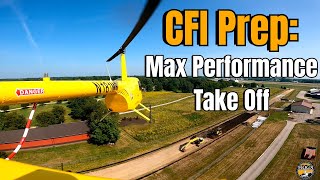
Training-oriented helicopter transcript demonstrating hovering procedures, decision-making for maximum-performance takeoff into the wind, and a 180-degree maneuver to a confined area. Includes in-flight checks (pressures, temperatures, RPM), power settings (manifold inches), and airspeeds reached during climb (around 50–55 knots), plus a safety reminder to abort if pressured to fly.
Chapters
Started feeling. We start to feel it. There we go. Now we're in a hover. Clear on the left. Clear on the right. We'll cross this taxiway a little bit towards the grass. This aircraft is starting so doubt that they're going to come our way, but we want to keep an eye on them. Pressures and temperatures are in the green. We have no warning lights. Rpm's on top of the green. Perfect. What's the first thing we would like to do? Let's do a max takeoff into the wind and then do a 180 back to the left or right. I want to take you over to my confined area. Perfect. 180 over to the west. In this case, perfect. Warsaw traffic. Helicopter 181 Mike Bravo is at the North Angus. We'll depart eastbound Warsaw. All right. Be something green. No warning lights. We're hovering with about 20, 23 inches of manifold. You okay over there? Yes. And we have enough to do a maximum performance takeoff. And there we go. We're gonna apply our maximum continuous power and we're going to give it some forward movement until we push through etl. There we go. We gained efficiency. We're going to keep it going until we clear the obstacle and we accelerate. 50 knots. 55. We can start our climb with our best rate of climb. When you feel the pressure to fly, but know the right decision is to stay on the ground, hit the hogs no go and live to fly another day. Helicopter ground com.