Helicopter Fatal! The biggest FACTOR that should be talked about!
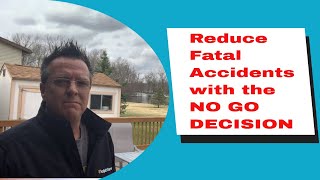
Kenny Keller (Helicopter Land Ground School) argues that the helicopter community should focus more on strong "no-go" decision-making and on avoiding inadvertent entry into IMC, rather than only emphasizing instrument ratings and recovery training. He reports conversations with a representative of the U.S. Helicopter Safety Team and a California search-and-rescue instructor who agreed that better preflight/weather decisions and on-ground waits or turnbacks are critical. Kenny also describes preparing an accident-review presentation for the FAA Lessons Learned Library, potential participation in an October Rotor Safety Challenge, and promotes his online ground school (helicopterground.com) and free study PDFs.
Questions this video answers
April 1, 2020.
helicopterground.com.
FAA Lessons Learned Library.
October.
Chapters
Hey, what's up, Kenny with helicopter land ground school? I want to talk about something today that we need to be talking about and we're going to continue to talk about. We have been talking about it, but we're going to continue to keep talking about it. But first, neighbors out there fishing, can't really tell if the world's going crazy right at the moment. My buddy, my neighbor Jack's out there fishing every single day. It's awesome. I should start doing that. Anyway, I spent the majority of my afternoon today talking to one of the representatives from the U.S. helicopter Safety Team and then a good part of my afternoon talking to one of the trainers, an instructor from the, an instructor for one of the search and rescue units, aviation units in California. And our conversation going around was. And they feel about, and I feel about the real thing that we need to be talking about. Everybody is saying, oh, we got to get IFR ratings, oh, we got to be IFR certified. Oh, we gotta train how to, you know, get out of inadvertent imc, which is true. We need to be able to know how to get out of it if in the, in the event it happens. Okay. But what we're not really talking about in harpening about, and this is my view and both of these professional people, their view from what they see in the industry going on right now, there needs to be more focus placed on number one, the no go decision when you should have never even been leaving the ground on the in the first place. Or number two, let's say the weather was iffy or a little better than iffy, but you did a proper pre flight and the weather looked okay, maybe not the best, but then it's, it's. You run into weather that's not forecasted, it's understanding the danger ahead of you and either putting the thing on the ground and sitting in the field for two hours or four hours or all night, that's what you have to do. Or turning around and going back to base if that can safely be done. Or there's different methods depending on who's teaching it and where you are in the world. And so this, the answer could vary on what's the right thing to do. But the number one, the thing that we're harping, we should be harping on is number one, the no go, making the good weather decisions, looking outside, checking the weather and going, you know what, I just don't feel good about it. I'm iffy. Yeah, I probably could. But just because you probably could doesn't Mean, you should. And the other thing that we were talking about on the phone today was, you know, helicopters have a lot of leeway in some of the regulations as far as special VFR and the, you know, the weather that they allow us to legally fly in. Okay, well, the EMS company I worked for said it best. It shouldn't be that, oh, I got minimums. I'm going, if it's minimums, you probably better be staying at the base. Right? We had one pilot's like, if it's minimum or higher, I'm going regardless. He was going. He didn't care. That wasn't what our company wanted. Right. They're like, when the. You should be taking off in decent weather. And if the weather starts approaching minimums, that's the time that you either need to be getting on the ground or returning back to base and picking another course of action. So I wanted to shoot this today because it's on my mind. And I, for the first time today, I didn't go to the airport. I've been live at the airport every day for, I know, all of March at least. Today's April 1st. It's the first day that I haven't went to the airport. It wasn't because I wasn't working. I've been home working on a computer all day. The activity inside helicopter line ground school has been amazing. So many people are logging in, in training now that they're stuck at home, right? So that's awesome. We love it that people are logging in. Brian Rutledge has been like, Johnny on the spot. He's answering people at 6:00am California time, you know, in the comment section inside helicopter on ground school. And people are going, wow, man, that's fast. Because I don't. I don't ever get up that early. So anyway, we got a lot of really cool stuff coming for you over the next month. I just today, you know, I got wrapped up and taking care of things at home, and I eventually just thought, you know what? I'm just gonna stay home and work today and maybe even not do a video. And then I thought about it. I'm like, I've done every one. I've done one every day for so long. And even today, a member said, hey, Kenny, I just passed my commercial checkride. You know, thanks for your help. And he said, thanks for going live on YouTube every day and motivating us and keeping us going during this crisis. You know, and this member's not the only one that has said that. Right? So I take some pride in that, and it was kind of cool when I was talking to the gentleman today from the U.S. helicopter Safety Team. You know, he's spouting off things I've said in the videos in the last month, right? So. So this even. He's watching a lot of what we're doing, right? And I'm proud of that fact. I'm proud of the fact that we've been asked to help evaluate some of these accidents I mentioned in the video last night. Brian and I are currently putting together a presentation on a helicopter accident from 2012 where the helicopter was doing photo work out of ground effect hover, and the helicopter ends up descending, and it's a. It's a too fatal accident. We're going through the accident report. Brian and I have both been through it one time. We've highlighted the things that popped to our attention. And then we got together and put together a presentation on the key points that we want to go over. And we. I discussed that today with this gentleman from the US Helicopter safety team, and it was kind of fun because he said, so, what'd you think of that accident report I sent you? He goes, you were holding it up the other night in your video. Was that the one I sent you? And I'm like, yeah, absolutely, it was. And he goes, did you read it? And I go, yeah, Brian and I both read it. And he said, like, what you think happened? So I started going through. And I said, well, I just did like I normally do. I just go through the accident, and all I'm doing is just highlighting what I. What. What. What looks to me as it's pertinent, right? Like, what about this? Okay, I'm gonna highlight that because, you know, these acts are important. When you print them off, they turn up to be six or eight pages long. So I went through. I just read it. Anything that immediately caught my eye made me think of something. I just go through the list. Brian did the same thing. I said, but don't tell me any. Don't, you know, don't read it. Let's not talk about it until we've both been through it. So we did that. After I read through it, I called Brian. I said, all right, here's what I think, right? And I just kind of went through and just said, I'm gonna just touch on these. The things that popped off the page to me. And I went through it, and then he said, you know what's funny? I highlighted all the same stuff, and there might have been one or two things that maybe weren't exact. But most of what Brian highlighted was the exact same things that I highlighted. And then when I was having this conversation today with the guy from the US Helicopter safety team, when I went through it, he was just kind of agreeing with me, right? And he's going, yep. And he was telling me more, some of the more in depth things that, you know, came from the investigation. And he's a great resource. So he's there, available for us as we're putting this presentation together to check in with and say, hey, what about this? But we discussed it openly on the phone and told him where we were going to go with it. And he brought up some good points that I hadn't thought of. Right. About this accident. And so that's what these, these accidents that we're going to be doing here pretty soon. That's what they are. We're gonna, we're going to be reviewing some accidents that are going on. The FAA lessons learned library. Okay. And so they're looking for a video to go along with this accident that's going to be going on there. And he said, kind of hinted, do you have anything like that? And I said, you know what, let's. How about if we just make a brand new one? So hopefully this video that Brian and I are preparing will go on the FAA website. And I discussed it with this gentleman today and he said, well, how about, you know, we take a look at it when you get it done. I said, that's perfect. We'll send, send him a link, let them review it, see if you know what they think of the presentation before we release it so that we can get the input from the US Helicopter safety team before Brian and I put it out. So I'm pretty proud of that and I'm again, I'm proud to be asked to do that. And I was also asked that there's something called the rotor. What is it? The safety challenge. Rotor safety challenge in October, if this goes on, we've now invited to go down there and possibly have a booth and also been asked to get involved with this thing that I started out talking about in the video about how the industry is going. Oh, we got to be better at IFR ratings and we got to be better about knowing what to do, going imc and we gotta, we gotta train people how to get out of it. So again, in case you missed the beginning video discussion with the U. S. Helicopter safety team and my pilot buddy from California, the fly search and rescue, the conversation is all the same. There needs to be more focus Number one, good no go decision making. And then number two, how to avoid it before you even get into it, right? So, yes, instrument ratings are important. Knowing how to get out of it is important. We get it, okay? But that's all you see people throwing out there. It's like, that's all the talk. And my buddy from the search and rescue in California, he was even kind of aggravated about it. He's like, you know, this is where we need to be focusing. And all three of us talked today. That was. We were all in agreement. It's like, all those things are great, but let's back up and talk about the real problem here. The problem is the decision making to even go in the first place, or if you made what seemed like an okay decision, but the weather was less than forecasted or, you know, not forecasted. Just sometimes that happens, right? You look at a forecast and the weather looks pretty good. And then you get somewhere along your route and it's like, this is not. This wasn't supposed to be here today. That's what happens. And that's how people end up flying into the clouds and getting killed. And during my conversation today with the U.S. helicopter Safety Team was, you know, I never did or I haven't really done a video on the Kobe accident. And of course, everybody right off the bat started going, hey, you know, when you go, what do you think happened? When are you going to do a video on that? And I just kept saying, you know, I'm going to wait until. I just don't feel good about talking about accidents when they're fresh like that. You know, there's friends, there's family, there's things that people throw out there, and people make assumptions and they start making videos and this happened and that happened. When they're not. They're not there, they're not the investigators, you can all make a guess on what happened, right? So we discussed that today, too. And I said, well, just so happens, you know, my buddy was there that day, and they turned on a search and rescue flight as Kobe's helicopters firing up. What's that tell you? And I'm like, so there you go. You know, all these comments we've had on face or on YouTube, the actual videos, those are all now my top 10 videos and have been for months, right, since the Kobe accident. Those videos went crazy. But all you see is, oh, you got to have an instrument rating. Oh, you got to be ready to go inadvertent imc. Oh, you got to know how to probably get out of it and, and that's where the focus is. And that's still, I'm not saying that's bad. Yes, those things need to happen. But like my buddy said, flying for search and rescue, he said if you're not flying this stuff, if you're not out there routinely staying current on instruments because you flew instruments three months ago or you flew instruments six months ago doesn't mean that you're going to be able to go inadvertent IMC and be able to save yourself. Just because you have an instrument rating doesn't mean you're going to save yourself. Just because you have an instrument rated aircraft doesn't mean you're going to be able to save yourself. If you go into it and you are not prepared, you're not going, there's a good possibility that you're not going to survive it. And to sum it up, this conversation I had today was well, here's the numbers on the fatal accidents from going inadvertent imc. It's the killer, right? It is the killer. We know this. So I'm going to make a decision on the no go button and get it ordered and get it here soon. That was discussed today. A lot of really cool stuff to come and some really good conversations I had today and it's kind of got me motivated to get back on that bandwagon. So that's gonna be our push for the, for the next year. Training is great. IFR ratings are great. Being prepared to go. What you do if you go into invert an imc. It's great, it's great. It needs to happen, needs to happen. But we need to be harping about the no go decisions and the what to do before you get to inadvertent. Whether it's set it on the ground and sit there for two hours, avoid that and don't ever even get into it. All three of us agreed that we have that. We as in general, as a whole, we are failing with this in the industry. I'm not pointing my finger at anyone, any one person. We all agreed that there's more focus needs to go back to the no go and more focus needs to go to how to avoid even getting in it. Just my thing for today. So I think we're gonna go try to make a trip to Chick Fil. A might go check, see what Jack's caught out there today. So we're going to continue to come back every day I think for as long as I can stand it. I do appreciate the comments from people that have said, hey, Kenny, you know what? We really appreciate you going live every day just in this crisis just to keep us motivated and talk about stuff. And, and I feel really good about that. And I feel really good that people are getting in there and studying. And both these individualized individuals I talked to, they said, you know, you know, we had a great month and ground school's going good, but I'm so worried about the, you know, what's gonna happen. They're like, dude, you should quit worrying. You're set up. You are, you are helicopter aligned ground school. And you're already saying people are coming in, logging in. And my mother, buddy, I did a CFI rating for him 10 years ago, you know, now he's flying. You know the lead instructor for the, for sheriff's department in California, right? He's going, dude, people can't go to flight schools right now. You're on top of the world. He's like, me, get out there and promote this because people can still work on their ratings. And I go, I know I am. And he goes, but I mean, you really need to be focusing on this. You should be on, you should be contacting everybody and going, look, people, you're stuck at home. You got a written test you need to do, you got a rating you want to do. I've had some people, believe it or not, where the world's kind of going to hell on one hand, but I've had people go, you know what? Now's the time. I'm not waiting any longer. I've been wanting to become a helicopter pilot. I'm gonna sign up for your course and I'm gonna get started because life's too freaking short. And what's going on right now has made me realize I want to go for my dream. So that's what, that's what I got to say about that. We're still here for you. We'll be here for you all the time. We love what we do. There's three of us with make a living doing this helicopter land ground school. That's what we do. We are here for you. We'll be here for you. So you can go to helicopterground.com to sign up for any of our courses. As soon as I click finish here, I'll go upstairs and put links down below for our free PDFs on those free books that we give out. People have been gobbling those up. You're more than welcome to, to gobble up those free resources, free PDFs, helicopter checkride and top 10 checkride tips. There's also a free radio course down there too. So all those links will down be below be down below. So subscribe to the channel, click the bell and we shall see you tomorrow. Thanks.










