Helicopter Maneuvers
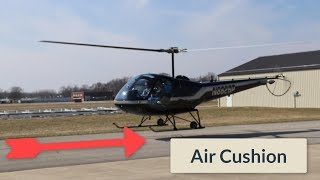
Kenny Keller walks through helicopter techniques including stabilized landings, quick stops, and air taxi procedures. He covers the two-step pickup at 2300 RPM, the 30-and-30 climb technique, and VSI lag timing. The stream includes HOGS membership info and a KK50 promo code.
Questions this video answers
574-767-1797
KK50 (expiring at the end of the sale)
Approximately 40 ft altitude and 40 mph for a quick stop (mentions keeping air taxi under 50 and under 100 ft).
About 2300 RPM.
The VSI has about a 9-second lag (reads what you were doing ~9 seconds earlier).
Chapters
Okay, we're going to talk through a set down. And basically I want to set down from a stabilized hover. I like using just a hair of forward movement. You can do it that or you can come straight down. Either way, I just like a little bit of forward movement. So I'm going to start from a hover and I'm just going to start lowering collective, adjusting my pedals, adjusting my collective, getting ready for an ear cushion. Right about there, there's a little bit of a cushion. See how it kind of hangs. I'm going to go a little down collective staying on top of the pedals, staying on top of my cyclic. And once I'm there, I go all the way down. All right, let's do another one. From a three to five foot hover, I'm going to set the helicopter down. But you want to think about this air cushion. There's an air cushion 6 to 8 inches above the ground to the bottom of your skids. And if you have a really nice set down going where you're coming down slow, you're coming down slow, you're coming down slow, you'll get to this little air cushion right there. See how it stopped? I have to go a little bit down collective to make it go on down to the ground. Stay on top of my pedals, make an adjustment, take my collective all the way down. I'm going to lift back up and I want to show you again what happens if you come down faster. You won't hit that air cushion. And I'm not telling you I want you to come down faster, but if you come down a little faster, you won't get that air cushion. The air cushion comes when you come down with a nice slow, steady set down. So starting again, looking outside stabilized hover. I'm going to come down a little faster. Down collective, adjusting my pedals, and it's gonna go boom, right to the ground. Because I came with a little more speed down. It went right through that air cushion. And it didn't, it didn't have to make me pause right there. So it's such a light touch that, you know, I could put the camera on the collector, but you'd never even see it. That little bit of movement to get it going on the ground is so slight, and I mean so slight, it's not even funny. Going to do it one more time. I'm going to come down super slow and explain it in a little bit more detail. I'm going to try to make it to where I'm just coming down so slow that it pauses. So here we go. One, two, three. I'm going to go a little down collective. Watch what happens. It's coming down, it's coming down, it's coming down, it's coming down. It might even touch. Look at that. Now it's going back up. I'm doing nothing with the collective. If I do nothing, it'll go up, it'll come down, it'll go up, it'll come down. So you see what I'm saying? So let's go back up to the 3 to 5 foot hover and I'm going to do the same amount of pressure but I'm going to give it that little bit of downward pressure right before set down to push through that cushion. Let's try it one more time. One, two, three. I'm going down collective, right pedal. It's coming down, it's coming down. Right there where it wants to pause. Now I'm going to go a little pressure down collective to make it go on down to the ground. Collective, all the way down. Don't stop midway and start yanking up again. When you set it down, take the collective all the way down to the floor.
Alright, got a few more of these coming up for you. Some of the new videos we have inside of helicopter land ground school. I see Clarence. Awesome. Thanks Clarence. I see Paul doing a wings webinar. Lots of learning going on. Awesome. 21 people here. Let us know where you are logging in from. We are live. Just felt like going live tonight. Show you some of the new videos that we've shot in the last couple weeks and a bunch more to come. And I want to mention what I put up. I sent this out to everybody yesterday. There is our Hogs customer service number 574-767-1797. All of our courses are fully operational with everything crazy going on in the world. So you can get ahold of us by either phone. You can text or text or call that number, either one. So your support for you, for you, for our members is phone, text or email, whatever you want to do. As we've stated, we're up and running. Everything is going well. And tonight is the end of our big birthday special. Eight years online. We've been celebrating all month. Amazing. A lot of, you know, crappy stuff going on the world right now. But hey, you know what, those of us that you know can just keep working and we keep coming back live every day. Oh man, look at the people jumping in here. 25 awesome, North Carolina. Awesome. Hey, if you got Any questions? There's Jason Montana, Hogsmember, Nice Paul near Chicago. So if you got any questions, type them in the box. I'll roll some videos here. I'm working alone tonight, so I'll do my best to answer any questions that you might have. So I promise some more videos. Let's go with, how about Quick Stop? Some of you may have seen this, maybe some have not. So let's roll our brand new Quickstop video. And, like, know what you think. And hey, I'm doing this with no mic tonight. Just straight from the my Mac. How's the audio? How's it with no microphone? How's it sound? Let me know in the chat. So here we go. Let's do a quick stop.
All right, next we're going to film for you a quick stop. Now, remember, there's a million ways of teaching quick stops, okay? I'm going to show you what I do. You may very well be taught something a little bit different. My examiner of 20 years says as long as the maneuver is safe and within parameters, there's a million ways to teach a quick stop. Okay? But basically, I'm going to do a normal takeoff, get some airspeed, some altitude, and then I'm going to pretend that something, you know, pulled out in front of me in my takeoff path. I'm going to give some aft cyclic, adjust collective as needed, adjust pedals as necessary to flare the helicopter. And when the speed's almost gone, I'm going to level it out, raise collective and adjust the pedals as necessary. So let's just do one. We might do a couple. We'll see how it goes. So warning, caution lights are out, gauges in the green. Everything looks good. I'm gonna get rolling here, get a little bit of air speed, get a little bit of altitude, and I'll call it out when I'm ready to do it. So let's say we're trucking along, and then airplane pulls out in front of us. One, two, three, quick stop, stop. I'm gonna go aft cyclic, right pedal, Keep flaring, keep flaring, keep flaring, keep flaring, keep flaring. I'm going to lower this or, I'm sorry, go forward with the cyclic, raise collective, adjust pedals as necessary. Okay? So it's very important to remember that when we're doing these quick stops, no quick stop ever comes out the same. Instructors have different methods. You can have a real aggressive flare. You can have a more shallow flare. I can't stress enough. There's a million ways clear the towel. Right for us, Heather, Million ways doing a quick stop. We're just giving you an idea, letting you hear what's going on, letting you see a little bit of it. So again, I teach a normal takeoff warning, caution lights are out, gauges in the green. Everything looks good. I'm going to get flying along, call it out, and I'll go half cyclic. I'm going to adjust collective, adjust pedals as necessary and then level it back out. So here we go. Let's get a normal takeoff going. And I'm gonna say 1, 2, 3, quick stop, down collective, right pedal, aft cyclic. Flare, flare, flare, flare, flare, flare. Now I'm going forward with the cyclic. I'm raising, collecting collective. I'm adjusting pedals, and I am back to a hover. So again, we're just giving you an idea of how it can look. It could be aggressive, they could be shallow. The amount of inputs depends on the helicopter, depends on the day, depends on the weight, depends on the make and model, depends on so many different things. But that gives you a good idea. All right, well, then we'll go back and do airtight. Seeing.
Very nice 41 of you in here and a lot of comments. Awesome. We've got a few more videos to play for you. Brand new ones just like that. I promise we'll play another one here in just a few minutes. Description below. If you're not a member yet and you want to sign up special deals in the description box below, and those of you that are watching, a lot of you are members. Now that we got Brian Rutledge all tuned in, you know Brian can handle wheeling and dealing with you. And if you want to do some upgrades, we're always available to talk to you about that. And I got Brian tuned in where you could talk to Brian now. Brianhelicopterground.com Let me. I know there was a couple questions here. Let me scroll through and again, bear with me. I'm working alone tonight. So I noticed, man, people logged in from everywhere. Awesome. And I remember seeing a question for Are the practice questions on my exam similar to the actual exam? Tommy, I'm assuming you're talking about our written test practice that we have inside helicopter ground school. And yes, they are taken from actual FAA written test questions. And one of the cool things that Brian's going to be doing is he's going to be working on that very soon. Right now, these videos that we're showing you, we have. He's been making downloads for every single maneuver and he's got Part of them done and part of them are uploaded in in the site right now. They're in there. Okay. So as we upload brand new videos to the both the bait, both the basic maneuvers and advanced maneuvers, Brian is uploading. We're calling Brian Download Rutledge. Brian is uploading a download that you can just click on it, look at that on your computer, download it if you like, make even a small book out of them. We are trying to keep the verbiage pretty close to the helicopter flying handbook. So, you know, a number might be a little different than what I say in a video, but he's writing these to keep them very general for the basics of maneuvers. Because the fact is it doesn't matter what helicopter you're flying. Most of the maneuvers are pretty much the same. The only thing changes a little bit of a technique or maybe a number here and there. But the essence of flying a helicopter, Brian agrees with me. The essence of flying a helicopter is the same. So that's a good question. So, yes, we have FAA written test practice within helicopter land ground school for all courses, private commercial, CFI and instrument. And I've been doing some videos with those lately and I worked with the system. You can take the test many times as you like, no cost to you, score yourself when you're done. You can view the entire test after you score, see all, everything you answered right, and the incorrect answers will be marked and you'll see the correct answer. And then you can even download that if you like. I have one here somewhere. When we were doing the written test practice, when we were doing competitions with everybody, you can download the whole written test if you want to sit there and study that if you like. So the written test practice we have is taken from actual FAA questions. It is available for wings credit. There's a practice test just for fun. You can take over and over and over and then, and then if you want to take the one for the FAA wings credit, that's available too. Brian Rutledge, brianelcoptergrouting.com He is going to be in charge of going through those because we built those a couple years ago. And I just recently went through the private questions and there's two or three questions in there that probably need updated, but 95% of the questions are still valid. So he's going to go through with the 2020 written test practice and go through and check the questions and we'll be in charge of that. So, you know, Brian's digging in deep to the details of things and he is available to talk to you. Our members, brand new members get a 30 minute conversation with Brian and if you're a current member, I'm sure we can set you up so you can always email brianelicopterground.com set up a time. I like the comments on the audio is good. Not bad for just direct to computer microphone. This is pretty nice microphone for just computer microphone. Gotta say. Okay, so I answered that question. Audio is great. Perfect. Nice. Lots of sounds good login from New Guinea. Quick Stop can be called Smooth Stop. Yep. We talk about inside helicopter on a ground school. I have a video called should be called Slow Stop and I talk about that in length. Oh, quit screaming. I'm scared too. What a great helmet sticker. Okay, not sure what that's all about. Hello from Australia. Awesome. Do you always drop collective first? Not sure what we're talking about there. Hogs veteran Mark McDaniel. Hey, Mark, how you doing? Private. Private license with a night cross country for three hours. Night cross country hours. And I flew an enstrom back in 1998 in Hungary recently only flight R44s. But now I'm planning on getting an instrument. Awesome. Mainly because of that pretty black blackness from the background. This thing is. It's a beauty and I like it. And hate to say this out loud but it may be coming up for sale this year and I'd love to have it, but I don't think I can swing it. So if any of you out there want to work a deal, it's going to be a nice helicopter for sale. If you'd let us use it part of the year, that'd be pretty cool. Let's go. What do we want to do next? Let's. What do we got here? How about air taxi? I didn't do air taxi yet. Right. I did Quick Stop. I did that set down at the beginning. Let's roll with an air taxi. See how that looks. What do you think of these new videos, people? Let me know if you've seen some of our really old maneuver videos. I'm pretty sure you're probably gonna like these. I'm even kind of embarrassed. I'm glad. Some of them old ones I've got out of there already. So here we go. Let's do air taxi.
All right, so we're traveling back down the taxiway here and we're getting ready to do an air taxi. Now the way I do an air taxi is I do a normal takeoff. I use about 40ft in 40 mile an hour and Then I do a normal landing. You could also throw a quick stop at the end for practice. You could do it either way. The thing you want to remember during your air taxi is when you're out flying with the examiner, he's going to say, what do I need to know about a quick stop? You're going to tell the examiner, him or her. Well, I need to keep the speed under 50, I need to keep the altitude under 100ft and I cannot fly overfly persons or property on the surface. Okay, very important tell clear. Right, Heather? Okay, so air taxi, very simply put, I just told you what you need to tell the examiner. Keep in mind, I got a nice open area here. So I'm going to do my pre takeoff checks. Warning caution lights are out, gauges in the green. I'm just going to do simulate a normal takeoff, get my airspeed and again I use 40 and 40. Just depends, you know, numbers in that range. But keep it below 50 and keep it below 100ft. So we're flying along, we're flying along. Now I'm just going to basically descend and just go down into a normal approach. You could ultimately throw a quick stop in there at the end for practice. If the examiner says, show me a air taxi, I would do an air taxi. I would do a normal takeoff and a normal landing, keeping it within those parameters.
Awesome. I see our newest member in here using HOGS to refresh knowledge. That's what HOGS is all about. It doesn't have to be that you're just going for a rating. We have a lot of private owners that are HOGs members because they like to use HOGS to refresh their memory. Right. So Brian and I talk about this at length all the time. We're always students. You know, you start adding ratings, but you know what we're always learning. You lose knowledge if you don't keep it fresh. So that's awesome that we have a new member who is joining HOGS to refresh his knowledge. That's awesome. I see the question about can a student be endorsed to solo at night? I don't know any school, anywhere, any instructor that allows students to solo at night or any schools. It's just not something that's normally done. Slope landings. We have slope landings inside helicopter line ground school. Tommy Holly has a really good lesson inside helicopter and ground school on slope landings. I would buy three instruments. I would too if I could. What is that kind of helicopter? If you're talking about this one, this is an Enstrom F28F wonderful, wonderful, wonderful helicopter. All right, still got 26 here, people watching. Awesome. So this is the end of our sale tonight. Midnight details are down below. So for any of those last minute people wanting to jump in on our membership, it's the best deal we've ever offered in eight years. And you know, it will be a long time before we bring back this big of a sale. It's the biggest we've ever done and we excited to extend to the end of the month because of everything going on in the world. Give people a chance to get in. And we've been really excited that the last couple weeks since people are, you know, grounded, people are stuck home. So many people are getting in there and consuming the training and that's awesome. Brian, now that he's full time, he's been taking care of your comments in the site. And Brian's good at that because he's a detail oriented pilot. Very, very detail oriented and trainer instructor. So Brian's on top of those comments inside the helicopter and ground school site. So you have a new resource people and we're happy to have him here on the team. We're working on some stuff right now where we're getting ready to do a. We're gonna review an accident report. Clarence, the other day asked about this. I got a message from one of the guys at the U.S. helicopter Safety Team and he was curious about us reviewing an accident. And it involves HV diagram and one if I had any current videos that might be good for the FAA website, the lessons learned. And so I told him, hey, you know what, we're going to jump on this. And Brian and I put our heads together today and we both read through this accident and we're building a presentation that we're going to do very soon, probably within a couple days. And we're going to talk about it, talk about the HV diagram and how it's a very possible that in this accident we think they had an engine failure and they were in that dead man's curve is what it kind of makes you believe. So we're going to have that for you within a couple days. We want to put it together nice and neat because if it's a good video, the FAA is going to put it on their site to go along with this accident talking about the HV curve and the danger of not following the height velocity diagram. So we're honored that they asked us. We have one video now on the FAA lessons learned website, lte. They asked my permission to use that and they put it on their site and I'm thrilled. So to be asked to have another video on the FAA Accents Lessons Learned site is a privilege and I'm thrilled. So Brian and I jumped on it. Like I said, we went through it today and just kind of picked out the things that popped to our attention. And Brian put a presentation together that we're going to do and we're just going to kind of go through it, talk about it, what may or may not have happened and how that maybe the accident could have been avoided. So we got that coming for you. Awesome. Okay, Kenny, going to resubscribe to private pot membership. It was very useful. Great knowledge. I'll see what's changed. Awesome, Tommy. That's the thing I was telling Brian today, you know, there's a guy, there's a member in there, a commercial member who's been a member three times on the commercial. I know what happens, right? You're working on your checkride, you're trying to get ready and then something happens, right? Whether it's work or family or you run out of money. So the beauty of the monthly memberships really is that you can come in, you can unsubscribe, you can come back. And we see that more and more where people use the training for private. Take a break, come back, do the instrument, take a break, come back to their commercial or whatever the case is. Now that we've had the monthly options for two years, so many people come in, they come and go and we love that, right? Why pay for training you don't need? Pay for it while you need it, take a break when you need to and then come back. And so Tommy, awesome, Absolutely, come back. We have more and more people all the time and it's a really reasonable price for somebody that wants any kind of specific training. Especially when you can go in for 30 days. If you just need a refresher and you just need it for a month, go in and consume the information and make sure you cancel your subscription before the end of that 30 day period. And we part as friends and you're always welcome back. So we preach at all time. Stay as long as you like, cancel anytime, come back anytime, come back as many times you need it. We just freaking love it and it works out so good. Hi from Brazil. Awesome. Frank. Roy. I believe during the dialogue for the lead up to air taxi you stated what do what do tell. What do you tell the DPE about the quick stop versus air taxi? Under 40? Under. Yeah, I think I might have messed up in there. What I'M talking about when I'm talking about air taxis and quick step quick stops, air taxi. The general rule is during an air taxi you do not fly faster above 100ft, no faster than 50. Okay? That's been the rule for years. And then on quick stops I use 40 and 40. Everybody has their own technique. A quick stop can be a little mini quick stop. Where it can be you're just barely going. It's a little baby quick stop. For general practice I teach about 40ft and about 40 mile an hour. In the instrument we use mile per hour. You might be in an aircraft that uses knots. Basically it's just terminology, right? I might say 40 and 40. Another instructor might say 30 and 20. As long as the maneuver is safe, it doesn't matter. But with the air taxi, the examiner wants to know that you know you're not supposed to go higher than 100, no faster than 50. And he's going to want to know or she's going to want to know that you do not overfly persons or property on the surface. Let me know if that answered your question. If that what you were getting at. Awesome. I see another question. I'll read that while we roll another video. What else do I got left here? I don't think I do lift off yet. I don't think so. I don't think I did lift off yet actually. Let me know, did I show the lift off video? Just the lift to a hover. I will roll surface taxi. This is a short and sweet. Let me know if I showed the lift to a hover yet. So here is surface taxi.
Alright, next I want to show you a surface taxi and at the private pilot level, you don't do a surface taxi unless you would be happen to be flying a helicopter with wheel type landing gear. Most small training helicopters have skids just like the one that I'm flying right now. I'm going to show you what it is. Why would I need to do it? I don't know. If I wanted to move the aircraft from point A to point B and never have the skids leave the ground. If you had an emergency situation, you had to take off and you didn't have hover power, you could do a running takeoff which looks a little bit like this. But I'm just going to show you what it is. Is it going to be real far, isn't going to be real fast. So basically service taxi, I'm going to start out as a normal liftoff, right? I'm going to do my pre takeoff Checks or pre liftoff checks. All my warning caution lights are out, all my switches where they need to be. Everything looks good. I'm going to get the aircraft light on the skids and then I'm just going to slide the aircraft forward, never having the skids leave the ground. So there's our stupid instrument bounce. But you know what, we just deal with it. And I'm going to go a little forward cyclic. And now I'm staying on top of the pedals and I want to slide this thing forward. There we go. I'm not going to do it long, so I don't like rubbing the skids, but there you go. That is a surface taxi with skids. Again, you won't do that on the private with skid type landing gear. And then I just basically braked it with the collective by lowering it. It stopped and I kept the nose straight, basically with the pedals.
All right, back a little. Little foo paw there. That was an interesting video. Cool. So, yeah, on the surface taxi, remember you don't do that as a private pilot for the examiner if you have skid type landing gear. It's only wheel type landing gear. So most of you aren't going to do a service taxi for your checkride. And I want to cover a great question here. 40 hours in Robinson. How's throttle in Enstrom? I watched your video a while ago about this. Just seems intimidating. With no experience, anytime I meet somebody, like for example, I worked with a guy in ems. He was our base manager. He flew turbine aircraft in the military, only flew turbine aircraft in the civilian world. And I invited him to come fly the instrument that I owned one day. And he's like, oh man, I couldn't be able to handle that throttle. I'm like, what are you talking about? And he's like, I've never flown anything but a turbine. And I'm like, it's okay. It's not a big deal. And whenever I talk to people that are used to using the throttle, there are some helicopters that could be kind of a nightmare. But this is not this aircraft. The correlator is so nice. And you'll see when I I'm going to play the liftoff video. I put the RPM right at 2300 and as I'm raising that collective, the correlator adds the throttle and by the time I get it off the ground, the the correlators adding the throttle and it's right in the green. And then all I got to do flying that thing, if I'm Flying it nice and smooth. I don't have to move the throttle hardly at all. Maybe a little bit if you fly it properly. All you got to learn is just a little tiny bit of finesse on that throttle. People worry about it, and they're intimidated by it. Let me tell you, it is so easy once you get the hang of it. Now, early on, I trained in an old, old instrument that did not have a correlator. Now, that's a lot more work, right, because you're. You're doing all that throttle movements up and down all the time on your own. But with the correlator that's on this model, the F28F, the throttle is no big deal. Trust me. So don't be intimidated. Everybody that has went from a Robinson to the Instrum, they're always a little bit nervous. I take them out for half an hour, and they go, wow, this is a cool helicopter. And they're amazed that if you learned in the Robinson, if you did your initial training in an R22, you get in this thing, and it's a piece of cake. And I mean piece of cake. Piece of cake. Transition. And what they're really surprised at, they're really surprised. When I show them an auto rotation. They go, that's it. I'm like, yeah, all you got to do is just. You want to do an auto. You just go, okay, I'm gonna lower the collective now. Do, do, do, do, do, do, do, do little cyclic. Hold your speed, get down there, do a little flare with this heavy inertia rotor system. Trust me, anybody goes from Robinson jumps in this, they go, wow. Now this is a freaking helicopter. I mean, that's just the way it is. It's true story. All right, so that was a great question. See Ross late. Joiner, Paul, doing good. Thank you. Interesting video. Yep, covered that video ended. Where are you? I'm here. What speed would you do? A surface. Tap surface, you mean service taxi with skids, I would think would lead to a dynamic rollover with the right wind, Just like I did in that video. Service taxi. Whatever it takes, right? It was just a little. All I did was just get it light, moved it along. As long as you're sliding forward, there's no real worried about, you know, if you did something dumb, you could roll it over, but if you're keeping the nose straight, staying on top of the pedals, it's not going to roll over. Speed depends on aircraft. I just did that one video for demonstration so you could see it one time Almost nobody with skids does a service taxi. Rarely ever happens. Awesome. Thank you for the clarification on the difference in speeds and altitudes between Quick stop and air taxi. Yep. Just wanted to clarify, you meant air taxi in the dialogue for that video. You are correct. I have to go in and fix that. I watched that yesterday. I was like, whoops, I said air taxi when I was talking about Quick stop or vice versa because I shot those two maneuvers. I did one and did the other and I did, I did. Confused terminology there. And I do need to go in and fix that. So thanks for pointing that out. Awesome. Hey, still 40 people here. Heck yeah. 17 likes. Very nice. Thank you all for being here. This is awesome. I keep promising video so let me queue up another one. Let's do the do the liftoff. What? You can hear me talk a little bit about the throttle. Not a lot to say about it. It happens really nice and smooth. This good video. My daughter was shooting video helping me shoot video that day. Heather was shooting video insight. So we had several cameras. We had the GoPro, Heather using a camera and then my daughter shooting from the outside. So I'm really happy with these videos how they came out and we've got more to do. So before we go the next video, remember those that aren't members, you want to join up. Description box below. This is it. Tonight's end, that great big old sale. Alright, let's do lift a hover. I really like this video. I want to know what you all think. Here we go.
Alright, so we're going to start shooting some of the maneuvers for you. Last video I did my walk around before I got in. Got everything fired up. You should always do that every time. Whether you're just doing hover practice, you're going on a flight, whatever. Do that walk around before you get in. And then all I do is move the helicopter over here out from the hangar. My daughter's helping video today, so she's in the hangar and Heather's right here running cameras inside too. So the first thing we're going to do is basically a lift off, right? So I'm going to make sure everything is good to go before I even roll up and lift up. So I'm looking down. All my gauges are on. My boost pump needs to go on. Anti collision's on. It's bright and sunny so I'm not going to turn those on. I need to lean the fuel just a little bit. Radios are good, everything's good. So the first thing we start doing is focusing outside, you know, 75 to 100ft, whatever the case is. But you want to be focusing out, away from the helicopter. Okay, so you're looking outside. And what I'm going to do is I'm just going to get my RPM where I like to start, 2300. And we do the pickup in a two step process. And it should be done every single time in a two step process. Number one is get the aircraft light on the skids. Pause, neutralize all movements and then when you're ready to go, step number two is gently lift the helicopter off the ground. So I'm going to do it and talk about it as I'm doing it. So I'm going to start raising collective. I'm looking outside, I can glance back in at rpm, I can look outside, back in at rpm, still raising. Helicopter is going to bounce. We just got to put up with that. It'll go away in a little bit. So I'm going to get it light and I want to feel what's the nose going? Is it going up or down, left or right? What's it doing? Is the helicopter trying to slide right now it feels pretty good. So I'm going to go a little more up collective. And there it's getting pretty darn light. So I'm making a small adjustment with a little left pedal. I'm doing just a little bit of trim. It feels good. Step number two is gently lift it up. So that is your normal pickup. Step number two, gently lift into the air. So this is an instrument. They all have that little bit of balance on the ground when you're lifting them up. It's just part of it. It's what they do. So a good two step process. Get the aircraft right in the skids, pause, neutralize all movements and then gently lift the aircraft up off the ground. Got a little bit of crosswind that's messing with me here. But that's part of it, right? I know it's blowing the turbulence right into the tail rotor. So there is a normal pickup the way I do it.
All right. Another pretty good video. And I see Tommy said. Okay, Kenny. Subscription complete. Thanks for the discount. Looking forward to re reading and seeing what's new. Oh, you love it. Lots of new changes. We've been doing stuff and the changes are going to keep happening faster and upgrades are going to happen faster now than ever because I got Brian helping me full time digging through the site, which is what he's been dying to do for several years. He's like, man, when I retire I'm going to dig in that site and just really help me organize and really take a really good. Some really good training and make it even better. And yeah, Tommy, you sign up, it's $49 a month for the private. So at the 50% off, you get a whole month for what, $24.50. I mean, you spend 50 bucks an hour to pay an instructor for ground. You know, it's good deal. Those chrome pedals are just polished. You know what? I believe they're Chrome. Awesome. Well, 32 people still here. Awesome. We did go out recently and did some traffic pattern fly. And I'm going to roll that video. It's a little bit longer, but I want to roll it. So I get some more people in here to ask questions about membership or about the memberships, about either signing up or what is available in our program. We're damn proud of it. I'm so thrilled to have Brian Rutledge. You guys are going to be you Hogs members. You're going to, you're going to notice the changes. There's already been some, but they're going to continue. And you know, just like today, two minds is better than one, right? When Brian. I asked Brian to help me out with this review on this helicopter accident. When it's just me, I got to read the accident, think about it, build a PowerPoint or build a presentation, shoot it, edit it. And it's nice having, you know, two people like, hey, Brian. Well, we both read it and then I called him and said, well, here's what I, you know, here's what jumped out at me. You know, two people are always going to have different opinions, but that's good, right? Because you take. And that's the beauty of it, right? Two, that's better than one. Gonna be so many cool things happening. So many cool things. Awesome. Take my first introductory flight tomorrow. Can't wait. Awesome. Clint, that is awesome. Where. Where are you in the world that you'll be taking an intro flight and you have to let us know how it goes? So. Awesome. Very nice intro flight. Heck yeah. It'll get you hooked. All right. I'm going to roll a recent traffic pattern video that Heather and I went out and shot and I'll be back in just a little bit. One question, Pro membership, are you still doing member streams Tuesdays inside the website or they YouTube? We've just been. I've been doing a lot of YouTube stuff because of. Just because we don't currently have the Set in Stone thing on Tuesday. However, with that being said, this is Brian's second week and we want to start doing something again live for members that's not on YouTube. That's just being member only. The last. I'm going to be honest, the last time I did that, I was very disappointed on people really not showing up. When I spent a lot of time preparing presentations and then was there to work with people one on one. And then people didn't show up. And I was kind of like, I'm working pretty hard on this and people aren't really showing up. So we're going to look at that and we're going to structure something. We're looking at that. We're looking at doing it again, something specifically for members. We are looking at that. Especially in these tough times right now, knowing that people are going to be in there and logging in and working on ratings and written and things. So, yes, we're going to look at that. But as of right now, there's nothing scheduled. But I do something on YouTube every day. Every day. I like the new videos. I have a bunch of them on my YouTube page too. Awesome. For my other members. My previous private membership was great. I did entire course and lots of great info. Looking forward to checking out again and also all the new info. That's awesome. Tommy, love having you back. Thanks for jumping in there. We're gonna roll this video on flying the pattern and I'll be back. This is awesome. Good crowd. Thanks for all the interaction. I'm so glad I found this page. We're glad you're here, man. Be back in a bit. Got your little red light. All right. Hey, Kenny. With helicopter line ground school, we're gonna go out and do a standard pattern. And don't click off yet because you think, oh, I know how to do a pattern. Hopefully you were learned. Hopefully you learned a standard pattern when you started flying. Hopefully you learned properly. If not, this could be, you know, some pointers for you. But if you're an experienced pilot, many times you learn and you get your ratings. But then you go out and start flying, whether you're private pilot or commercial pilot, and you just land point A to point B and you lose those skills of the basic parents pattern. Everything we do throughout our careers is based on picking up, setting down, normal takeoffs, normal landings, standard approach, normal takeoff. Our whole livelihood, everything builds off of that. So we're going to go out and do a standard pattern, normal takeoff, normal landing. Kind of as we get ready to go, thinking about the procedure going out, we'll do the Radio calls and just talk through a good standard pattern. At the private pilot level, an examiner may say, well, tell me about the pattern. What do you need to know about flying a pattern? He may say, tell me about the pattern. What altitude you gonna fly at, what point you gonna turn base, what point you're gonna turn final, those kinds of things. And then later on, as a commercial pilot, maybe you haven't flown a pattern in a while, but you're gonna go interview for a job. And they might do an interview flight and a check. Airman's gonna go out and have you do a standard pattern and make sure that you still can fly a good normal approach, normal takeoff, and know the elements of a good, of a good pattern. So that's what we're going to do. Heather's going to be running cameras for us. Got the GoPro ready, so we're going to do quick pre flight. We've already checked fuel and we're going to go do it. So let's go.
So we're getting ready to go out and shoot a normal pattern. I just checked weather, like 10 miles visibility 12,000 ceiling even doesn't look like 12,000, but there's plenty. The wind is 170 at 5, so it's just a little bit out of the south. So starting off from the ramp, we make sure we look left and right and make sure there's nobody coming. Two step process, get us up off the ground, get away from the hangar. And the first thing I see is I didn't turn the boost pump on. So what am I going to do? I'm going to set it back down, secure my controls and boost pump on. All right, so pre lift off check. We just got away from the hangar. We're clear left and right. Temperatures and pressures in the green. We're good to go. We checked weather. Heather's running camera, I'm flying. Unlock the collective. Two step process and we'll pick it up. So, you know, leading up to the pattern, we're clearing left and right. Pre lift off checks. Hover checks. Okay, so once you get into hover, you want to just take, you know, 10, 15, 20 seconds, look over everything, over, make sure everything's in the green, make sure all the switches are on, everything you need, make sure you're good to go for the day, how much power you're pulling, make any adjustments you need. We're clear left and right now I'm going to just go ahead and go across the grass. I could take the taxiways, but you know, I'M not an airplane. No real reason I'd have to do that. Winds out of the south, so I'm going to use Runway 18. So I've already checked the ATIs and see what's going on. This quiet little airport, but I know the volume is working because I just listened to the ATIS and then I just switched it over to the frequency for this airport. So as I'm going out, I'm listening. Is there anybody else in the pattern? I was out flying last night, there was a few airplanes out. This is mid afternoon, so probably be pretty quiet. Other than maybe a jet that might come in here, might be some guys flying after they get out of work. I'm going to come out to the adjacent taxiway. I'm checking the taxiway, checking the Runway, looking around the pattern. So in helicopters most generally we do right traffic. Airplanes most generally do left traffic. Now at any given airport there could be a reason why they don't want you using a certain pattern. Left or right, depending on any given airport. Could be a noise, obstacle, whatever the case is. So I just set down the ground so I can readjust the heat because I'm about burning up. What about you, Heather? Yeah, so I'm gonna turn that heat back a little bit. I was thinking the same thing. And we can pull some back out when we need to. All right. So when I sat down, I kept my hand on the collective. Never take your hand off the collective and the instrument. You can actually take your hand off the cyclic. It's not a big deal. It's got trim rotors on it. We're gonna do another pickup and get ready to enter the pattern, the two step process. As I'm doing that, I'm looking left, looking right, making sure the area is clear, still listening to the radio in case there's anybody that comes into the pattern, wants to do an approach. Everybody comes rolling out to enter the pattern. Looks clear from what I can see. I don't see anybody. So we are going to use 18 and I'm going to use the numbers 18 for my actual landing spot. And I'm going to make a radio call. Warsaw traffic helicopter November 8626 Papa departing 18 for right traffic, Warsaw. I just made a radio call in case there's somebody out there that I don't see. Then hopefully they just heard me before I go into the Runway. So I was saying I'm going to use the numbers 1 8, which is right now just behind us. That's going to be My landing point. I like a nice, solid point to use for your landing spot so you know exactly where. Where you're going to be landing. No guesswork to it. And if we don't make that spot, we're gonna go around. We're not gonna move the spot on down the Runway because we screwed up the approach. Many students make that mistake. Not a good habit to get into. If you can't hit your spot, go around, try it again. So I'm gonna look left, clear my tail. I'm gonna do a full 360 just to be sure. Looking for traffic in the pattern, looking for anything going on. I should have cleaned that windshield before we go out, and I didn't. But that's okay. Our detail guys coming this weekend to put a nice spit shine on the instrument. Looking all pretty like brand new again. Okay, so for a normal takeoff, first thing, pre takeoff, check. A lot of guys don't do them. And girls, but you should be a lot of them. People are okay. So we're gonna do warning, caution, lights out. I just kind of. I start at the top and work my way down. Check all the instruments and the gauges. Check all the needles, make sure they're all in the green. Make sure I have all the switches on everything I need. See how much power I'm pulling now. For a normal takeoff, I'm gonna do this without pulling any single power. I'm gonna use the slow takeoff, and I'm just gonna inch forward little bit by little bit. We call it even painfully slow. So I'm looking for etl. Here it comes. I trim forward just a little bit through ETL, and I've got 30 to 35 is where I'm gonna start my climb. Right there's 35 according to the POH. I get my climb going. I haven't had any power above 50ft. I'm putting it into trim. I want to get my 60 for my climb. Looking good. And I want to climb to 300 AGL before I start my turn. So I got my 60, got a good climb going. I got all that with hover power. I didn't add anything. So you always trim up, trim, put in trim above 50ft. Align with the Runway below 50ft. We're above 50, so I'm in trim now. I got 70, which is good. I got another 100ft. We got an intersecting Runway here. So I'm looking left and right. Make sure I'm not flying in front of somebody. Another 100ft to go before I can start my turn. All right, so we're in trim, we got 70. I'm approaching my 1100. Everything looks good. I don't hear anybody on the radio. I'm going to wait and make a call on my downwind. A lot of people make a crosswind call which is fine. I don't. I usually wait till downwind but I do it early in my downwind so clear left and right before I start my turn or as I'm making my turn I'm looking around, I'm going to level out for just a moment and then start my right downwind turn. So I'm going to level out, look left, look right, make sure nobody's coming. Looks good. Then I'm going to make me a right hand turn and find me a spot that I'm going to use for my downwind leg and I've got a road down here on the ground I'm going to use. I just started my downwind so I'm going to level out and I'm going to make my radio call now. Warsaw traffic helicopter 26 papa right downwind for one eight Warsaw. I keep one to say Plymouth. All right so I got 70, about 75. I got my 1500 or my 500 AGL looking good. I'm going to trim so I'm going to have Heather point to the right here in just a second and show you when we're going to start a little bit of a descent for our approach or I'm sorry started to set when we're beam our spot. So if you will turn the camera to the right. Heather probably won't be able to see it in the camera but we're right now we're a beam the numbers 1 8. So this is where I'm going to start just a tiny bit of a descent, not much. I only need to learn Alpha uniform departing the pattern to the west at 2500. I only need to lose 200ft between now and the time I start my approach. Now looking out ahead, Heather's got the camera going forward. There's a line of trees going east and west so that's where I'm going to use for my base. I got a very small radio descent going about 100ft per minute. I've only lost about 50ft so far. Gonna keep that speed up. I'm gonna clear left and right for both my turns and then I'm gonna combine my radio calls face to final. You can do, you can call them both if you like. This is just what I choose to do so I'M looking left, I'm looking right. Make a right hand turn. Line up with this row of trees so I know where my base is. It's nice to kind of get landmarks and fly your pattern the same when you're perfecting the pattern. I've lost 100ft. I need to lose another 100ft now. I got 65 on the speed, which is good. I'm gonna start my approach just above 60 today. I'll make my radio call for base turning final Warsaw traffic helicopter 26 papa right base turning final Runway one eight. I like making those two calls together. That way it's just one call versus two. I can focus on what I'm doing. I can focus on looking for traffic. Get my numbers set up. Here's 94 Romeo Sierra. It's about seven miles northeast, four five field teardrop entry Runway 25. Cold water. All right, looking good. I'm in trim. Well, a little bit of left puddle there. Got it in trim about 100ft high. I'm gonna lose that. I want 300 AGL when I start my approach. And then I'm going to align what's visually for me, my eyesight to the compass to the numbers, which may or may not work for you. Depends on what aircraft you're flying. But you should know for your aircraft what your angle is going to look like. For me, about 1 8, about the center of the compass. Again, I can't say how it's going to look to you in the camera, but I'm waiting, waiting. I got my 61.8 is coming right about the center of the compass for me. So I'm going to go down collective, a little bit of right pedal. So the key to a good approach is a good setup. I had a good setup. I'm happy with it. Now I'm just going to use the gauges occasionally. Look at them. I'm doing this more by fill reflective controls the angle cyclic controls the speed. It should look like I'm always Approaching the numbers 18 at the same speed. So I'm slowing it way down because we don't have much wind today. So I'm going to have to slow it down quite a bit. So I'm keeping that one eight lined up with the compass, keeping it moving forward. I'm bringing collective in. I want to get rid of that rate of descent before I drop below 30. I'm right at 30 now and that rate of descent is about gone there. We're at 300 and that's got a nine second lag so pedals to new or get the nose back in line with the Runway and down to the numbers 1 8. So that is your standard pattern. That's a lot of talking. We're going to do it again. But what I would normally do in a class G uncontrolled airport like this is I like doing a pedal turn every single time just to be checking for traffic. I'm going to look out to the left, make sure my tail's clear and I'm going to make a right hand turn. I can see the windsock, I can check the sky around us, Checking the traffic pattern. I'm listening to the radio, just looking at a little bit of everything. There might be somebody out here that's not using a radio. Maybe they're on the run frequency, maybe they got the volume turned down. Always good idea to do it to check traffic and you can even throw in a pickup and a set down if you like. Nobody coming in. So let's do that. This is good when you're doing the pattern, when you're training, help keep up your skills. Clearing turn, nice set down. Here we go. About to touch. There we go. And collective, all the way down. Always go collective all the way down and start from scratch to pick up. Alright, so in the instrument I'm going to do 2300 and start raising the collective. Looking outside, raising the collective. Step number one, get the aircraft lining the skids, pause, neutralize all movements. Then when I'm ready, I'll gently pick it up. The aircraft's coming up. Here comes the instrument bounce. No big deal, it'll go away as soon as we lift up. All right, aircraft's light. I'm making a pedal adjustment now. I'm going to lift this up in the air. I've already done the clearing turn. Going to do a hover pre takeoff check. Warning caution lights are out, gauges in the green. I'm going to keep the aircraft parallel with the Runway with the pedals until I get above 50ft. This time I'm going to show you something. 30 and 30 make 60. So I've got 30 on my manifold pressure. If I keep that until I get 30 on the airspeed and start my climb, that will give me 60 on my airspeed in an instrument and I can do that without ever adding any power. No power change. I'm not adding no power whatsoever. We're still at 30. Airspeed's climbing. I'm doing this just by gently pushing forward. I'm not adding any power. We're still at 30. We got 30 on the airspeed, so I'm gonna let it climb and I'm gonna turn this into 60 without ever touching the power. Little bit of trim, there's 60 still at 30 inches and I got about 300ft per minute climb. As we get more effective, boom. There's your standard climb out. 60, 500 with just a touch above 30 on the manifold pressure. I never added any power whatsoever. That is the best way to take off. Let's do it one more time for Romeo Sierra. Entering that left downwind Runway 25. Cold water. So again, standard turnout is at 300 AGL. The five years I flew EMS, the company said 300 AGL. That's where you start your turn. Textbook. Okay, so I've got my 300 AGL. I'm going to clear left and right. Don't see anybody to the right, don't see me to the left. Take a right hand turn again. I like making my radio calls early on the downwind. I particularly don't make a crosswind call. You could if necessary or you wanted to last year. 408 taco 112. All right, so there I leveled out. I'm clear on the left, I'm clear on the right. Almost have my altitude, got my airspeed. I stuck my right hand turns. I see my road coming up that I'm going to use for my base leg. So let's see if I can put my money where my mouth is. Let's see if I can hit 70 and 500 AGL with trim and no climber descent experience. Turning left base Runway 25 color. All right, I'm getting my radio call done early now on downwind Warsaw traffic helicopter two six Papa right downwind for Runway 18. Warsaw. All right, radio calls done so I can get it in trim about 50ft high. So I'm going to go down collectively just a hair to get my 1500 at about 66, 67 on the airspeed. I'm going to leave it there. I like starting just a little bit high. So there we go, everything in trim and all looking good. I'm happy with everything's up. So I was explaining to Heather before we went out, when I say a beam, it means we're directly across. So if I look to the right right now I'm directly a beam directly across from the numbers 18 which is our landing spot. When I see that, I go just. I do the same three things every time. A little bit of down collective, little bit of ride pedal and a hair of Aft cyclic. That's why I didn't care. I was a little fast over my 60 because I knew when I go apt, I'll slow it a little bit. I've got my base defined out there. That row of trees is my base leg. So I got all kinds of time to lose the 200ft so I can start my normal approach at 300 AGL. Textbook with the airspeed I want in trim. Because the key to a good approach is a good setup. Been preaching it for years. Luckily I had that drilled in my head when I was first started out. I had some amazing people that taught me and I've just. All I've done is kept everything that I learned. All right, let's clear left and right real quick. Make sure there's no traffic. Don't hear anybody radio. I'm gonna start my right hand turn. I'm a hair slow so I'm gonna pull up. Just a little bit of power to keep my 300 AGL. Get my 60 back level out. Check the Runway. Check right and left for any kind of traffic. I don't hear anybody. Traffic Cirrus 173 whiskey mic. We're about six miles to the northwest inbound. Over five field manager left downwind. 25, cold water. All right, go make my radio call. Warsaw traffic, helicopter 26 papa right base turning final Runway one eight. Warsaw. Okay, so I got my 300 AGL right now. That's good. One zero one and tango is about eight and a half miles to the northeast of the field of Mount Salami. 13 anchors. All right, I'm in trim. Got my 300 AGL. Got my 60 or just a hair. 62, 63. That's good. Perfect. Now I just want to hold this. I want to hold everything until my sight picture gets the sight picture I want. And again for me, maybe the GoPro is about right, hopefully. But from my visual, my eyesight is going down through the center of the compass and I want it lined up with the numbers 1 8. So when I start that approach, I'm going to use that collector to control an angle all the way down there. So I'm almost there. I actually climbed 100ft, but that's okay. Same effect will work. I'm going to start right now. Collective controls the angle, cyclic controls the speed. So the whole time I'm coming in, I'm using my collective to control that angle. We're now about four miles to the north northwest. I'm going to be applying the field 2,500 left down with 25. I need a little bit of right pedal. Keep it in trim until I get to 50ft. My angles with 18 is freaking looking good. I got rid of more speed this time a little sooner so I can, I can make this smoother at the end. Angle's nice. Collection controls. I like it. I like it a lot. I'm gonna go ahead and put the right pedal in. I'm up higher than 50 but I'm put the right pedal in. Line up with the Runway. My angle really nice. Coming in nice and slow. Angle still right on where I was the whole time. It should look like you're always approaching those numbers at the same speed. You should be slowly just bleeding the speed up from start to finish so that it always looks like you're approaching that same speed. And there we go, right to the numbers. Yeah, not bad for a rookie. All right, well I think if you would Heather, look out the right hand side make sure our tail's clear. And I'm gonna make a left hand turn here and we're gonna head back to the hangar and go and see how we did, see how it came out. First flying video we've done this year. First one we've done in quite a while actually. So I'm going to call clear the Runway here in just a second. Warsaw traffic helicopter 26 Papa is clear of the Runway or so. Nice slow hover taxi back over to the hangar. So nothing fancy there. Everything that we do builds off that normal approach. Normal takeoff. 2 miles north of field at mat 91 3. Cover taxis. Speed of a brisk walk. Got some uneven areas here. Just keeping that in mind.
We gotta go. Turn that volume down. So yeah, awesome questions. So much activity. I'm heading back over. So. Yeah. Hey there's our information. There's our Customer service line 574-767-1797. Through this virus and all this going on in the world, we will be here for you. We are helicopter line ground school and luckily we can all work from home if we have to. At this point I can travel back and forth to the hangar no problem. Heather can still make it in and Brian works from home anyways. He is going to travel out here when the world calms down to do some stuff here. But Brian was hired as our full time operations manager to work at home. So we're set, we're good. Even if I got quarantined in my house, I can work from home. I've made videos from my home for years. So we're all good to go. There and the questions that were popping up. Yes, I say this all the time in the video. So you must be new to our videos. You can cancel anytime. Keep as you long as long as you like. Come back anytime. On the monthlies, we always part as friends. If you just need a couple weeks for a refresher, you just need that 30 days. Unsubscribe before the 30 days and you're good. And anytime you want to come back, you can come back. We have people do it all the time. That's the beauty of the monthly. You can self cancel with from within the site or we can do it for you either way. But we just need notice, right? So keep the training as long as you like. Cancel anytime. That is the beauty of it. So that's a great question. Thank you. Thanks for the encouragement. You're very welcome. I'm always motivating people, man. I'm a dreamer. Always have been and I will be, always will be. That's just the way it is. So let me back up here. I know we had the question about the VSI and how far do I go back to find it? Try to get everybody's question answered here. I'm getting hungry, man. I could do this stuff all night, but I'm getting hungry. It's getting chilly in here too because I turned the furnace down so it's not real noisy in the background and I'm starting to get chilly. So let me go, let me work backwards here. Yeah, I just answered that about the, about the memberships and the link is below. I'll take this video down later tonight. That code will be gone. Code's going off the website won't be valid anymore after. Should be valid until 3:00am Eastern Standard Time, midnight Pacific time I think is how I set that. I always forget. I always forget. So yep, month to month. See some people talking about prices. Yep. Fox Deuce has been reading manuals for the last two weeks. My brain's a bit mushy. That will do it to you. Reading helicopter manuals for two weeks, that will do it. Oh yeah, the vsi, sure. Can you touch on the nine second lag on vertical speed? Never heard of that. This is pretty important. And the way it was explained to me is you look at the vsi, okay on this aircraft right here, which is the one I use in the videos. So you. Yes, it does fly. It's not a Hangar Queen. We get her out there. That does not say instantaneous vsi. Okay, so what it's reading. Reading nine seconds ago. So let's say you're going from 500ft per minute to 300ft per minute to 200ft per minute to 100ft per minute. It's reading what you were doing nine seconds ago. So that's important to understand that when you're using that rule on the approaches the 30 and the 300, it's important to understand is that VSI reading 9 seconds ago or if it says instantaneous, then it means it's calibrated to tell you exactly what you're doing at that moment in time. So that is a great question for somebody that doesn't understand. That's an important thing to understand is whether you have an instantaneous VSI or not. Very, very, very important question. All right, man, 30 people still here. This has been a good turnout tonight. I've been going live every day just trying to do something to keep people entertained. Keeps me entertained. Talk about our courses, talk to members, talk to the general public. I just, I really enjoy going live and I really like showing off our new videos. We're going to be shooting more video, new videos Thursday and Friday. Hopefully the weather is supposed to be 55 and 60 and sunny both those days. So I'm going to go out and shoot a brand new hover auto video. Going to get as many different angles as I can get. I'm going to go do a confined area video and I've recently shot some auto rotation stuff, but I may shoot a few more new auto rotation videos. I'm going to shoot a new selling with power video where you go out and demonstrate getting into it, how to get out of it. The one that we have in the site now is just the standard old method we've all learned for many years ago. May go out and play with the new Richard Recovery a little bit and maybe do a little bit of that. So lots of new really, really, really good stuff. Coming to ground school. It's a never ending, it's never ending project and has been for eight years. I mean that's what I do full time. And now I have Brian Rutledge with me full time. For those of you that are new, Brian's a 30 year aviator, airplanes and helicopters, Sheriff's Department deputy, 25 years, just retired, 15 years with the aviation unit. He's flown UEs, Eurocopters, Robinsons, a lot of different stuff. Brian is now like my, you know, right hand man. And Brian's main job is to talk to you, the members, if you've got a flight training need or something. And also help me with the site. He's going to go through the FAA written test questions, check to see if any of those need updated. Amongst Brian's generally in charge of the site, right? Where he's going to go through and say, yeah, that video is still good. That's still good. That one's too old. Let's rebuild that one. Or, hey, there's a reg that's changed here. Let's get that. Not that much changes years, year to year, little things change. But he's looking me like my fact checker, you know, going through and going, hey, we need to update that video. So the ones that are good will leave. The ones that need updated, we're gonna update. So what else we got here, Dale? Thanks for the new downloads. Awesome. There's more to come. Brian is Brian download Rutledge. And he hinted last night and he's talked to me about this to me in the past, he's going to put together some CFI lesson plans that are going to be available for people to adopt. And that's pretty big because over the years, it's always a hassle when you're trying to figure out CFI lesson plans, right? I've never had any available because I've always felt like, you know what? To be a cfi, you need to do the work and you need to create your own so that you're learning your own trade and your own skill. But Brian's going to come up with something, and I'm not sure how we're going to do it, whether he'll leave it to where you can adapt it to your cause, but he's hinted it and he brought it up. So we may very well have a CFI lesson plan library that you can adopt or at least take a look at, but we'll know more about that in the future. So that is awesome. Kenny. I bought or from Clint, I bought the helicopter student pilot kit. I've started on the Helicopter Flying Handbook. That's. That's it. I have it. I have them with me all the time right here by me. Helicopter Flying Handbook. That dude is your resource. That's your helicopter bible. I use it all the time. If I'm somewhere talking about something, I'll go look at it up on a PDF on the iPhone real quick or whatever. Live by that dude, man. And this is what we based like the private pilot on. We follow the helicopter Helicopter Flying Handbook. Not word for word, but we based the flow of information. So as you're going through helicopter online ground school if you like, you can kind of use it as you're going through the helicopter flying handbook, Right? So if you're reading it, doesn't you. You don't quite understand, go to that section of the course and watch the videos, Right. To help you cement these things and help you understand and put that practical application. Because I remember when I started reading this over 23 years ago now, when I had my first lesson. Yeah, 1997. I remember the guy going, here, here's the book. Take it home. I remember sitting at home after my first lesson, going, reading this stuff, going, what? What? It gets easier with time. But in the beginning, this book is overwhelming. With time, it'll all make sense to you. All makes sense to you. Kenny, down the road, can you do a video on gyroscopic recession with the swash plate? We'll see. You really can't see the swash plate on this one because it's actually down below. But we'll see what we can do. I don't see anything else new coming in there. I guess I better wrap it up. Still got 29 people here. Do me a favors and give us the thumbs up. That little button down there below the video. See that little hand down there with a thumb like that? Click that dude, for me. And if you decide to dislike the video, make sure you click that twice. The link is down below with the code KK50 expiring tonight. Great deal. The professional pilot memberships, a phenomenal package. This whole time, an hour I've been online 70 minutes. Oh, my God. I got to wrap this up. I've been talking about the monthly. The professional pilot doesn't expire. That's one time deal. You get private, commercial, cfi, instrument. It does not expire. You never get billed again. You're done. All four courses, you keep. That is 50% off, and that is a smoking hot deal. People have been eating that up. Already done. Awesome. I just enrolled on your school. Awesome, Gus. Nice. If the instrument sells, what would replace it? Ah, man, I wasn't even gonna bring it up. I don't know what I would do. I'll need another helicopter. Of course it's offered up to me. I have first chance at it. But for those of you that don't know, I harp on not buying a helicopter as an individual. And I have a small company and a small business. But I'm not going to do anything to jeopardize my business, my livelihood, my house payment, my car payment. I owned one for four years and this helicopter is a Wonderful helicopter. Oh, my God. And one of my best friends of all time that owns it. He's owned it like 17 years. But even after 17 years, the last year, the money he put in maintenance, he's just like, I knew it was coming, right? Because he's like, dude, I just can't. I just can't justify the money I spend anymore. I mean, he spent a lot of money this past year just upgrading the rotor system and upgrading. Upgrading the avionics. And he's my close personal friend. I've been using it for five years now, every winter and spring. I've flown it with him every year since he's owned it. You know, it's a cream puff. And it's maintained wonderfully. I mean, it is just, oh, my God, what a wonderful aircraft. If somebody, some stroke of luck, I could latch onto it somehow. I mean, I'm the back of my mind, I'm going, could I work some kind of a contract? You know? But I am the first guy that says, you know, the happiest days when you buy your helicopter or the next happiest days when you get rid of your helicopter, right? The one I own just, oh, my God, it's such a tough business. Such a tough business to pay for an aircraft. So maybe I did get a line today from actually a guy that used to work for Enstrom, reached out to me and said, hey, I got some customers and one guy's buying two of them. He wants to deck one out and would you be interested in using the other one? And I said, well, as a matter of fact, yes, I'd be highly interested in another one. And I just flat out said, this one I may lose this year. I may not lose it because it's not mine. It belongs to my best friend. But if it goes away this year, I'll be really bummed. So I just to let him know that, yes, I might be looking for another one to use, and I would love it if there was somebody in the area that wanted to come train and buy this one and then let me use it. That would be the perfect deal. But, you know, go turbine. Hell no. Okay. I just said. I just talked about the expense of the gas powered. So how do I want it to go? Turbine? I can't. That. I couldn't do that. I could maybe swing if I didn't want to be able to go out and have a steak and just want to live on ramen noodles, maybe I could pull that off, but then it's too dangerous. Turbine. No way. No way that's for wealthy guys that have a lot of money to just throw around. If you're thinking about trying to buy a turbine helicopter, I hope you've got a whole bunch of money that's in your account that's just there for nothing but to burn. And I mean burn. You know, flying old Jet Ranger and that's going to cost you grand an hour. It is, hands down. All right. Went to fly the H3 in Belgium. Awesome. Not really sure what that is. Somebody asked me a question earlier about some other Augusta or some other thing and I wasn't familiar with the aircraft. You know, I like helicopters, but I don't really, I just don't. I'm not that up on what's coming out and what's new. I like time tested, proven. You know, I flew a 6 million dollar EC135 in as much as fun as I had flying that aircraft. I didn't like the EMS environment and the EMS pilot job. I did it for five years. By the end of that five years I had enough. I would much rather get in this old 1983 instrument, go on the pattern and do autos and quick stops and teach people and do training. Way more fun, way more fun than that six million dollar aircraft where I had people watching my every single move and nitpicking every little thing I did and. Yeah, but Kenny Hoggs is on the up and up. It is on the up and up and we'll figure something out. I mean, I gotta have an helicopter to go fly and play with, right? And maybe I'll end up with this one somehow. I just, I gotta really, really, really, really think about it. Is a Schweitzer helicopter a good beginner, friendly. That's what I'll be starting on. Schweitzer is a great little helicopter. Schweitzer's have been around forever. Based on the used 269 that the military used forever. So yes, the Schweitzer is time tested, proven, been around a long time, great little training helicopter. The only problem with them is they're a little hard to get parts for. But there's a company trying to revive that and that could get better. But yes, the Schweitzer is a great little helicopter. And you will, you will end up loving it. Absolutely. Tommy. I train a Sweitzer 300. Love it. See, yeah, Sweitzer is a good little helicopter. It really is. You'll enjoy it. I guess that's about it. Go for it and get an F28 and a 480B. I would love to have a 480. I tell you what, all right, since we're just telling stories here and you're still watching, I like this helicopter right here. I like the F28F. They have the 280 FX with the pointed nose. I would like to have one of Those too. The 480B. The 480B is a nice helicopter. That's an instrument. Basically the same rotor system, bigger cockpit seats, more people, and it has that, you know, same turbine that's in the Jet Ranger. Has been around forever. And as much as I love the Jet Ranger, I love flying the Jet Ranger. I really do. One of my favorite helicopters of all time. You know, as a kid growing up in the 70s and 80s, watching TV, that's what you saw, right? Jet Rangers. And then of course, the MD on Magnum PI but the Instrum 480B has this incredible view. When you're in there, there's so much room for the pilot. And then, you know, some people say, well, the seat configuration is really goofy. And it can be goofy, but they allow you to be able to adjust the seat to move them in different configurations. So depending on what you're doing, if you're just a private individual buying one for fun. And I was buying a turbine just for the hell of it, and I was going to try to go do some commercial stuff maybe with it. I wouldn't be afraid to own a 480B. The visibility is incredible. I mean, just they're so roomy inside. Wearing a Jet Ranger, my favorite. You know, you still feel kind of like this, but sure, you know, money was no object. I guess I could just write a check, right? But yeah, 480B, definitely out of my price range for sure. Bell 47 was Medevac for mass units. Yep. I flew a Bell 47 in my first couple lessons way back in 1997. Cool little helicopter. And then I did fly one this past fall or late summer with one of our ground school members. Brought one up. And I have a video on that, actually, it's Coffee with Kenny video where my ground school member took me out and flew me around in the bell 47. And he let me fly it a little bit. That was fun. Kenny, when I hit the Powerball, brother, I'm sending you a prepaid turbine. Be all yours. You do it, man. Go win that. Go win that lottery and send me that and. Or just call me. I'll come pick it up, I'll fly it back. Absolutely. I would love it. Safari makes a 400. Looks like a bell 47. You know, I've heard about that and I've seen it and a neat looking, but I can't really comment on it because I've never flown one. I don't know anything about them, so I don't feel fair to make a comment. I see. Alex said the cab is a good option. I have had one flight in the Cadbury. I have a video on that if you haven't seen it yet. Chris Hauser, who is one of my. Well, he did his private commercial CFI with me, had worked for me when I owned an instrument and now Chris is out in the world as a CFI and he's flying a Cadbury. And I went and did an intro with him where he was teaching me and I recorded it and that's on YouTube. And I was very humbled by the Cadbury because for me, a guy, you know, it was hard for me to learn in the beginning and learn how to do this. So you struggle so hard to learn the pedals, right? For me to get in a helicopter where the rotors spin the other way and you got to do the pedals opposite. Some people say, oh, I just jump them and it ain't no big deal. I struggled with the pedals in that thing big time. But I will say, from what I've seen a great little helicopter, it's gaining a lot of popularity. We have another video where we talk to the guys from Precision Helicopters out in Oregon and they at Heli Expo two years ago where we talked to two instructors and talked about the helicopter. Have a video on that. And then I have a video, three videos with Chris talking about teaching in the Cadbury. So Cadbury is becoming popular, gaining popularity and seems like a pretty nice aircraft. The people that fly it really, really love it. All I can say is I've had an hour intro in it and it humbled me. Humbled me quite a bit. Awesome. God, still got 30 of you hanging around. That is so awesome. Very cool. Well, I think I got everybody caught up there. I hope so. This is, you know, I normally have Heather helping me do this and now the last week Brian helps and jumps in with some of the technical stuff. When I'm running this by myself, it's difficult for me to try to keep my mind flowing. Switch the videos, think about what I want to talk about, answer people's questions. Yeah. Go eat. I will, thank you. Go eat. I'll do it. So make sure you click that thumbs up button if you haven't subscribed to our channel yet? Do subscribe the channel. Click the bell. So we notified new videos description is down below for our website. I appreciate it, all of you for coming in tonight. It's been fun. And trust that we shall do it again. So keep it pointed into the wind. And remember, if the weather's bad and it looks ify and you're not sure.
That was easy.
You turn it down and walk away. Fly another day. All right? Peace out.










