Helicopter Preflight Procedures, Cockpit Management, Engine Start Rotor Engage, & Trivia
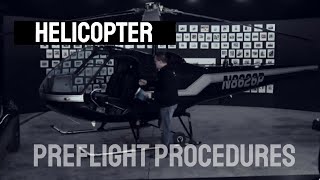
YouTube livestream by Kenny Keller (Helicopter Online Ground School) covering helicopter preflight inspection, cockpit management, engine start and rotor engagement, hover pre-takeoff checks, examiner/PTS expectations, and live trivia. Also includes a time-limited promotional sale (HOG birthday special) offering 50% off memberships through March 15, 2020 with coupon KK50, plus giveaways.
Chapters
Alright, go ahead. Hello, I'm Kenny Keller, the creator of Helicopter Online Ground School and author of the Amazon number one bestseller, Helicopter Checkride. And I want to cover two things in this video today. One, I'll get to in a minute about hover solos and how we start our students out hovering. And number two, the air cushion that people have, the trouble they have when doing their pickups and set downs, which is this little air cushion does pretty good, pushes right down through that air cushion, goes right down to the ground. The trouble that people have is they might have a really nice set down going and they get to that cushion of about 6 to 8 inches of air between the skids and the ground and they hesitate or they push through it too fast or they start wiggling the controls. Very, very common problem that people have. So if you keep in mind that there's this air cushion there, as you're coming down, you push through it. There was a little bit of an oops, but that's normal. He was coming down, he kind of hesitated. He decided to pick it back up again. Here's a view from the front where you can see him push through it. He had a hair, a sideways movement, but all in all, not too bad. So if you're struggling with this, don't feel bad. Almost everybody goes through this. This is one of his first solos and all in all, he's really doing pretty good. And if I wasn't comfortable, he wouldn't be out there. And I sure wouldn't have the camera out there filming what he's doing. I just thought this would be a great tool using this video to talk about that air cushion. Because you can see it firsthand as you're coming down nice and slow, about 6 to 8 inches, you'll get this air cushion and people will normally start jiggling the controls around. Getting a little nervous there. You can see he slid a little bit to the right. That is a no, no. You don't want to slide to the right, you don't want to slide to the left and you don't want to go backwards. You need to come straight down or down with a little bit of forward movement. That set down there looked pretty good. So the point is, know that air cushion is there, be ready for it. And when you get to that air cushion, it just takes a little bit of small pressure down on the collect to get it to go down onto the ground nice and smooth. And if you're staying on top of those pedals, staying on top of those pressure changes, you can Just push right through it on down to the ground. So let's watch another one coming down, coming down, stay on top of the pedals. Boom. He pushes through it right down to the ground. So the other thing I want to expand a little bit more on is this hover solo time that we do prior to letting them go in the pattern. When I was a new instructor, I did the standard old send them out three times around, you know, go around, make sure everything's going good and they're having a good day, have them set down, get out and say, okay, three times around. And over the years I heard about people using this three hours of solo time before letting them go in the pattern. And I've now adopted that. And I really like it because you're giving a person plenty of time to get comfortable in the aircraft, picking it up, setting it down by themselves. The way the aircraft changes with not having your weight beside them in the aircraft and just gives them that confidence. And during this three hours of solo time, I still jump in and we go around the pattern, make sure we keep the pattern looking good, takeoffs and landings. But this way when you get ready, send your student out. They're just a whole lot more comfortable in the aircraft. And this three hours of solo time, it really, really, really helps people hone their skills and get comfortable in the aircraft. So thanks for checking out this video. If you'd like to learn more about our online training, click the link below. And there's also another link for my author page if you're wanting to check out or get a little more information about my books. Please give us a like and share this video. Thanks again for stopping by. Alright, as Heather just put in there, Day four the hogs birthday celebration. So we opened up there with a video of one of our students in the past doing some hovering. I filmed a solo which I'm pretty hesitant to film solos but I was confident that guy was going to be okay. So that was a kind of fun video to get things started. We are celebrating eight years online. This is two weeks of birthday special starting with March 1, 2020 eight years online was the birthday to my birthday. March 15 going to do some trivia in just a bit we're going to give away a copy of helicopter checkride. Whoops. Top 10 checkride tips, helicopter Checkride and Helicopter online ground School T shirt. That's right because we're crazy at Helicopter Online Ground school and we are going to film something here for online ground school. Won't take more than probably about 10 minutes. We're going to do it in real time and we're going to cover pre flight inspection, cockpit management, engine starting and rotor engagement and before takeoff chassis. And this video I just showed Heather, the one that's inside our site right now, I made in 2000. It was either late 12 or 13. And I just showed it to her and she went, oh my God, look at you. You could tell by that video that I was a little bit beside myself at that point, trying to get things off the ground. And life was beating me up a little bit at that moment. But that's okay because here we are eight years later and it's freaking amazing. So Heather saying hello to everyone. So for this birthday special, we're going to roll something here. I'll have Heather get it ready and we're going to tell you exactly what we're offering right now for the special sale. And then we're going to come back and we're going to shoot this video on what I just mentioned and we're going to do it in real time. And of course we can always edit it up. And if it's any good, I'll put it in the site and replace that video that's in there. But luckily we got the beautiful instrument right here behind us ready to go, so we can cover these things. This video I'm going to replace. You know, I'm sitting in my old little tiny cubicle office and the office was horribly ugly, so I had a green screen behind me. And anyway, I'm excited to reshoot it today. And then we're going to do the helicopter trivia and do some giveaways. So, Heather, go ahead and roll that video now on what we're offering for our special sell special sale through March 15th. Go ahead and roll that, Heather. Our hog's birthday special is 50% off any membership. Our biggest discount we have ever offered. So to break down the memberships, our basic option is private pilot. You can get that monthly. You can go month to month. You can cancel any time. First month, 50% off. Then it goes to the normal price again. Keep as long as you like. Cancel anytime. Or there's the unlimited option only. Only back for our special sale. It will be gone at the end of the cell. Private pilot, unlimited, you keep at no expiration, 50% off. Then next is commercial pilot. And note, this includes the private. So you get private pilot and commercial pilot. Again, you can go monthly or Unlimited. Monthly, 50 off the first month. Keep as long as you like. Cancel anytime or the unlimited. You'll keep the private and the commercial. No expiration right now, 50% off. Next, certified flight instructor. This includes the private pilot. This includes the commercial pilot. Again, you can go monthly, 50% off that first month or unlimited. You keep private, commercial and CFI, you keep them. No expiration, 50% off until the end of this sale. Instrument pilot. We built this after all the courses were already up. So this is a stand alone. You can get it when you need it. Keep as long as you like. Cancel anytime. First month, 50% off. Then to the normal price. Again, cancel anytime or unlimited where you just keep it. Hang on to it. No expiration that right now, 50% off. Then here's the big one. This one is the one that is hot on this cell so far from launch. Professional pilot, includes private, includes instrument, includes commercial and certified flight instructor. That is the professional pilot membership. That's unlimited. There's no expiration. You keep all of those private, instrument, commercial and certified, certified flight instructor, you keep them. They do not expire right now. 50% off. And for Clarence, who always brings this up during our live events, you get with private, commercial or CFI or the professional, you get our Robinson R22 training, our Robinson R44 training and our Enstrom helicopter specific training that's available to you in your library with private, commercial or CFI or professional. So what do you do? You need the code KK50 that is 5450 off. You enter that in the coupon box during checkout and it will reveal the 50% discounted price off of any one of those options. Helicopterground.com do it now. Alright, as the party continues, as I said, we're going to roll through these things I mentioned in the beginning of the video. So we're going to shoot this first, then we're going to do some trivia. But to play the trivia you got to answer in live chat here on YouTube. We are actually broadcasting on Facebook right now, but we're not going to monitor Facebook. We get some traffic on Facebook but not much and it has a lag in it. So we've decided that to be eligible to win the gifts, you have to be live in the live chat here on YouTube, not the, not in the comments below because those don't refresh and we're not scrolling down refreshing the page. If you want an opportunity to win, you must be in the live chat on YouTube. Description below doesn't work or comments below doesn't work and Facebook doesn't work. Live chat in YouTube. All right, so we're going to go through this and we're going to talk about first pre flight inspection. So and we're going through the pts, which is still, as the making of this video is still called the pts. The ACS is still not out yet for helicopters. I guess we're kind of the bastard child of the aviation industry because the ACS has been out for quite some time for airplanes. But Taz and I had a discussion about this since Taz is a airplane instructor and helicopter instructor and just this past couple months when he was here around Christmas, I haven't used the ACS because I'm just an airplane or a helicopter guy. I have my airplane fixed, Wayne. But that's beside the point. So Taz said, you know, the ACS isn't going to change all these elements that are in the PTS now. They're still going to be there, they just are going to add some more like scenario based stuff in the acs. So even though I'm using the PTS right now, these things you're still going to see in a checkride and that's what we're prepping you for right now with this video and going through these different topics. It's about getting you ready for the checkride. Okay. Because the examiner is going to want to see some different things out of you and we're going to go through them here just step by step. So the first one from the acs and I also want to say I just went to the faa.gov site today and I just downloaded the section I wanted from the FAA website. The PTS doesn't change very often. When I went to the FAA site it showed 2005 as the last it was put out, I believe. So not a lot changes. Again when the ACS comes out we'll cover that. But I still believe you're going to see these same things. So if you come along this video and the ACS has come out, hopefully you're still going to see this stuff pretty much the way it's worded right now. So with that being said, let's get to it. So the examiner is going to have a conversation with you at the table sitting across from him as you're getting ready for the checkride, of course. And he's going to ask you about certain things orally and then also when you go out to the aircraft, basically he's going to, he may stay back in the office and may say go out and pre flight the helicopter and I'll be out in a little bit and maybe he'll stand there in the lobby and kind of watch what you're doing out there and then walk out partway through the pre flight or maybe he'll follow you out there or she'll follow you out there. If you have a female examiner, what my guy does, what I mentioned this before was this is what he has during the checkride and for 20 years he's always just had his own printout and this is how he goes through the checkride. So I thought I'd do the same thing today so you'd understand I'm doing what I've seen my examiner do for 20 years. He prints the thing right off and he just sits there just like this and goes through it page by page during the checkride. So that's why we're going to use this. So as I was saying, you're going to have questions during the, the oral portion and then you're going to go out pre flight and you're going to get in the helicopter with him and you're going to go through some certain things and there's things he's going to be looking for. So we'll still stay with the first camera for the moment, Heather, and we'll go through these. So this is pre flight inspection object to determine that the applicant exhibits knowledge of the elements related to pre flight inspection that shall include which items must be inspected, the reasons for checking each item and how to detect possible defects. So as you know, you're carrying a conversation with him at the table, but also outside he's going to expect you to be walking around the helicopter using the checklist. And then he may walk up and do something like I've seen my examiner do it. You're out there with the helicopter and you have the engine compartment open. So he'll walk up and go, oh, what's that in there? For example, on this aircraft the alternator is tucked up in a spot where it's hard to see. But a lot of times he'll come out and go, what's that right there? Oh, that's the alternator. What is that for? What's the function of the alternator? He may very well ask you about some specifics regarding the engine or anything related to the helicopter. Another one of his favorites is he goes back to the tail rotor. And I watch him do this almost every time. People get confused on which way thrust goes from the tail rotor. And we cover that inside the helicopter holding ground school. And we've done it quite a bit in the different videos. A lot of the YouTube video stuff we've done too. So again, you're looking at the whole aircraft. You're using the checklist as it says inspects the helicopter with reference to the appropriate checklist. So you should be using that checklist. Just as I have this in my hand right now, when you're out there pre flighting the aircraft, whether he or she is standing there beside you or if you don't know where they are, checklist should be in your hand. Now it's okay to do like the do verify method. Let's say you're going to get in the engine compartment and you got five things to check. You could maybe set it down here on the seat, open it up, make sure you check those five things, grab the checklist and then go back and make sure you hit them. So in case the examiner says, well, hey, I saw you set the checklist down, just tell him why. Just use the do verify method. I looked at what I needed to look at, I opened the panel and did the checks and I picked the checklist back up to check it. So using the checklist during the overall pre flight and same thing in the cockpit, which we'll get to here pretty shortly, during the startup, you need to be using that checklist. And don't wait until two days before your checkride to start using the checklist. Your instructor hasn't made you use it because you got good at the startup. And then if last minute you try to start using it again, you'll fumble through the day of the checkride and the examiner is going to pick that out. All right, so let's keep rolling. Verifies the helicopter is in condition for safe flight. So you're doing that by doing your pre flight, using the checklist, doing the overall totality of the circumstances, looking at everything, going through the checklist, using the checklist for all the checks, making sure all your fluids are ready to go. You know, you've got your aircraft documents that are right inside the corner there or should be visible to the pilot. So you are responsible as pilot in command to make sure that the aircraft is safe for flight. That day of the checkride you are pilot in command. He's going to tell you he is your first official passenger. You've been signed off, you're ready to act as a private pilot. He's riding along and this is your first time as acting as pilot in command during this checkride. All right? So cockpit management exhibits knowledge of the elements related to cockpit man procedures, ensures all loose items in the cockpit and cabin are secured, organizes Material and equipment in an efficient manner. So they are readily available. Briefs occupants on the use of safety belts, shoulder harnesses, doors, rotor blade avoidance and emergency procedures. So, yes, this is a lot of stuff that he can ask you about sitting across the table from you and a lot of stuff that he may do out the aircraft. So let's kind of roll through it. Cockpit management, something that I do. And if you want to go over to the second camera for a little bit, Heather, just to give them a different view. The way I was trained when I started and the first company I worked for, they were very serious about the cockpit. Always has to look good and organized. Luckily I had good instructors who made sure I always did that. And then the first school that I worked at full time and worked there for quite a few years, I mean, the aircraft got cleaned every single day. And when you got out, you made sure the seat belts were put exactly the way they should be. And if you didn't, you got an earful when you went back in the office next time if they figured that you didn't put something back. So using this helicopter right now, for example, and this is why I've always done it right now there's nothing in this cockpit. So if Heather and I went to go do a flight right now, we would do our pre flight check fuel, get cameras wherever we need. There is nothing laying around in here. The one thing that's loose and in here is the pilot's operating handbook. That has to be in the aircraft and it has to be accessible to the pilot. Okay. When I first started in these instruments, one place I worked, they'd put it in the baggage and I'd always get it and put it back in the aircraft. And the examiner, right away, when I met him, he's like, hey, the company you work for, they have a habit of putting that poh in the, in the back. He goes, I said, I know. And he goes, that's got to be in the cockpit. And I said, I know. So the only thing loose in this aircraft is the poh. And I tuck it right up here and it stays put real nice, never moves. Okay? That's the only thing loose in the aircraft. Seat belts always put these things back nice and neat when you get out, you know, cleaning up the cockpit after you fly, then it's ready for the next person, whether it's you're going to go fly next or another person's going to use the aircraft. And one day I was demoing the aircraft for someone and I, when we got Down. I told the guy, I go, just like we're talking about now, I go, when you're done, put everything nice back and neat, put the seat belts where they should be, fix the headsets, put them back where they're, where they're at. And I told him, I go, I always check the fuel after flight to make sure I have enough fuel in the tanks in case though. FAA comes walking up right now. And the funny thing was I did all that. I'm showing this guy in an intro flight how to clean up the cockpit after the flight to be ready for the next flight, how to dip the tanks and see how much fuel you have in your tanks for reserve. Swear to God, 15 minutes later I'm out there monkeying around the ramp. FAA walks up, I knew I was good to go, right? Because I just did an intro with a student, taught that student how to put the aircraft back the way you found it, make sure everything's nice and neat, nothing laying around, seat belts, headsets, all that stuff. So it's going to pay off for you. There's nothing worse. When you, you go to fly the aircraft next and seat belts are laid on the floor and there's charts laying there and the PoH is gone and well, they turn these documents backwards, you can't see them. You know, there's a lot to the cockpit management and having the cockpit nice, clean, everything put away, it just makes you feel good, makes you look good, it makes your passengers at ease. One thing using that checklist during startup. I took a good friend for a ride many years ago when I was new and this person said, you know, I felt really good watching you use the checklist. I was nervous getting in, I'd never flown before. But the way you systematically went through that and checked every item, that made me feel really good. On the other hand, you have some people say, well, you don't know how to fly, you have to use a checklist. Well, that's just somebody who doesn't know about aviation. So cockpit management and it's not only just keeping the cockpit clean. This day when you go out with your examiner, you're going to go out and you're going to do a pretend cross country. You're not really going to go the whole entire trip. But what the examiner is looking for is not only all the good pre flight, using the checklist, cockpit management, having everything nice and neat, another part of that cockpit management is arranging what you're going to have with you. Most people are going to nowadays probably be using an iPad examiners across the country are doing something. Some examiners let you use paper or an iPad, some are letting you do just iPad. So this is something I think a person needs to be well versed in both. But when you're going for your checkride, this is something that needs to be discussed with your examiner and your flight school is what is that examiner doing at that point in time, Right. So whatever you're going to use, whether you're using an iPad, you're using paper charts, you want to have everything nice and neat and organized. And I highly recommend a knee board. And I'm going to actually walk over and grab one because this is something somebody sent us. And this young man wanted me to test these out and we are going to test these here very soon. Had a nice letter from this guy and he wanted me to check these out. And I'm just going to add this to the video because this is important part of cockpit management. If you want to go back to this first camera, Heather, we'll show them. I'm going to try these out in the cockpit and see if you don't know what eboard is. Here's what two of them look like. He gave me two to check out. One of them I think, you know, set up for an iPad. But I'm going to do a video on these days we go fly and we'll show you exactly how these work. And something I did when I was new to this, the particular knee board that I had had a strap on it just like this one. So my checklist is on my leg and I have the checklist in there. So like anybody when I was new to this, I was struggling with learning the checklist, learning everything and keeping track of the checklist. And when I got a stage flight or stage check with another instructor, he's like, dude, you need to get better at the pre flight and more smooth. So what I started doing was putting my checklist on my knee board and just slide it down, right? So there's number one or one or two, three things I would do those certain checks and then I would just slide, slide it up. So with the band going across the knee board, I could tell exactly where I was and I would just keep sliding that thing up as I would go. So I highly recommend as a helicopter pilot, you have a knee board. Now beware. Some knee boards made for fixed wing are a lot wider, so you want one for a helicopter that's narrower because you'll end up running your cyclic into the knee board or it'll you know, can cause problems with the collective if it's too big. So you want a knee board to help you with that cockpit management and to stay organized in the cockpit. So highly, highly recommend a knee board. So that's part of that cockpit management is you're getting ready to go on your flight. He's watching you use the checklist. You're going through the checklist nice and slow. But when you first climb in, get all that stuff arranged ahead of time, whether you're using a knee board or whatever your method is for preparing to go, make sure it's thought out. And so when you get in the cockpit, you get everything arranged, have everything accessible so that you can look down at your chart, look down at your map, maybe you have some notes for the frequencies you're going to use. You're going to have your cross country planning, come up with your method that works for you, work with your instructor, your flight school, come up with your own, whatever you can do to make sure that everything's going smooth when you climb in that cockpit and you get ready to go. Because the examiner is looking at the totality of the circumstances, right? Were you on time that day? Were you prepared? Did you have your paperwork? Were you pre flighting with the checklist? Did the cockpit look nice and clean? You know, he's looking or she's looking at all these different things. Alright, what did we miss here? Let's see. Cover that. Loose items. Yeah, no loose items. And especially think about this, if you have a door off, there is a safety notice out there that says if you're going to take doors off, remove the right door, not the left door. Because there's a pilot that was killed when a knee board went out the window, went into the tail rotor and caused fatal accident. I have this door off for demonstration purposes, for making videos the last couple days. But I do that if I'm going to take just one off, I take that one off and leave this one on. I prefer to have them both off, but still springtime, so can't really do that. Alright, briefs the occupants on safety belts and shoulder harnesses. This is a good one and this is important. And explain this to him. Here's what you'll see, people. Do you want to go back to the second camera? Oh, you're already on it, I think Heather. Good. Here's what happens if you don't properly brief your passengers that are going with you. You're in there, you're going through the startup and you're doing your thing. And then pretty soon they're going, you know, they're over there trying to do this, and they can't figure out how to do the harnesses before you. Heather's giggling over there because she's witnessed this when she hadn't flown in a while. And, and I'm over there running it up and I, I didn't take the time, say, hey, do you remember how to use those? Heather, show somebody exactly how they work. Because some of them can be not complicated, but they might have multiple holes where you're putting in three different belts. And if you haven't explained that to somebody, you don't really want to deal with that. Once the engine's already started, you want to make sure that you tell them, go up, show them, show them the aircraft, show them how those seat belts operate. And then I like this one, and this one is actually funny. You jump in with somebody, you didn't tell them exactly how to put the headsets on because everybody, you think everybody would know. Just do this, right, and adjust and hey, I'm ready to go flying. But you'll get in a helicopter and you're busy with your checklist and your startup, and you're trying to do everything by the book and everything right? And you look at your passenger, and here they are, here's your passenger. And you're going, hey, so and so. And you're trying to talk to them, and you're going, oh, my God, dirt. So you're going, hey, you know, it's hard when the engine's running to explain turn the headset around, take that microphone and get it up and put it just by your lips. You know, they might get it on the right way if you don't explain it to them, but they'll put it on and it's clear out here like this. And they're trying to talk to you, and then you're yelling at them. In the helicopter, I'm probably yelling into the microphone. You're yelling at them, trying to say, move that mouthpiece over and get it to where it's almost touching your lips. For a voice activated, if it's a floor button, then you have to explain that to your passengers. So these simple things on how to use the seat belts and how to use the headsets can seem simple and easy. But if a person doesn't understand, then you're distracted during your startup. That's a part of cockpit management. Of course, we have lots of videos on helicopter safety and the rotor blades. But let's go to first camera Heather, look at this rotor blade right here. So if you think about this, there's about hand width between me and the top of this blade. Okay? Now as this blade moves forward and I'm not going to move them much because I don't have a habit in a helicopter or in a hangar. I don't like spinning blades. Sometimes you'll see guys in the hangers, you know, spinning the blades around. I've never done that. I don't like doing it. What if somebody stuck a ladder up, you didn't realize or whatever? So I don't move them inside a hanger. I just don't. That's just my general rule. But if I walk this blade clear up to the front right now, this thing would almost would basically hit me in the head. Okay? So you got to think about when you're on unlevel terrain, asphalt, whatever you're on, if the ground's unlevel, you don't know where those blades are going to be. And someone can walk in and get their head hit by a rotor blade, they can walk into the tail rotor and get themselves killed. Somebody made a comment on YouTube. Oh, I can see roller tracks. I don't walk in front of them. Why would I walk into a tail rotor? Well, people can't see a tail rotor when it's spinning. It's barely even visible. So you have to brief your passengers. Hopefully you're not going to be escorting people up and back when the blades are running. But you need to explain to them with your briefing that, hey, we're going to have the aircraft shut down, you're going to get in with me and I don't want you to get out until we're completely done and we're shut down because there's so many dangers with the rotor blades, main rotor blade, there's so many things that can happen. So briefing your passengers prior to going out to the aircraft, explaining the dangers of the main rotor, the tail rotor, explain to them that you don't want them getting out of the aircraft for any reason. And when you're done for the day, you want them to stay with you inside the cockpit until you're done. So many horror stories that we could, you know, go through and tell you about and we're not going to take time for all that right now. Alright? So that's pretty good. Pretty good. Pretty good on all that. Exhibits knowledge of the elements related to correct engine starting. Okay. There again with your dual time with your instructor. You're going through the checklist. You should be training this way from day one. So hopefully when you're in there with the examiner, this is just a smooth transition because you've already been doing it the right way all along. You've been using that checklist, you're using a factory approved checklist, and you're going through that thing step by step. There's so many different helicopters out there that in this video, I'm not going to go through the different types of rotor engagements. You're going to find many for different aircraft. This one has a manual, some have switches up here, some have actuators that do it. There's all kinds of different ways. But understanding exactly how the rotor engagement works for the aircraft that you're flying is very important. And again, you're going to go through that with your instructor. This shall include the use of external power source. Let me make sure I didn't skip something here. Yeah. All right. Engine starting procedures. This shall include the use of external power source, starting under various atmospheric conditions. So some turbine aircraft companies will use an actual start box that they plug into the front of the helicopter. And that's another kind of a big subject, because there's things that can go wrong when you're doing an external start. So wherever you're flying in the world and what aircraft you're flying, you're going to need to know the procedures for your operation, your flight school and the aircraft you're flying, what's legal, what's not, and what is the established procedure for starting with an external unit positions the helicopter properly considering structure, service conditions, other aircraft and the safety of nearby persons and property. You know, some of the things that we talk about and learn are common sense, Right. A lot of things that you should know, you could kind of even figure out on your own. This is a big, huge subject. But a lot of the things that you got to think about is like, you know, is there a stepladder standing up over by the fuel pump? Is there a trash can that's going to get knocked over and stuff's going to blow everywhere. You're going in to land at a ramp and there's an aircraft parked out there that's not tied down. You will push an airplane across the ramp. And I've done it. Someone else didn't lock their aircraft properly. You come in thinking you're safe distance, and all of a sudden their airplane goes rolling across the ramp. God. There's millions of scenarios with on and off airport landings, all the obstacles, terrain, surface. I was working in EMS for five years and One of our pilots went to fly part time at another base and he went to hover up to the fuel pumps and there was some kind of a pipe up out of the ground near the fuel pumps. Took out four rotor blades on a EC135. You know how many hundreds of thousands of dollars of damage that that guy did? He was at unfamiliar airport, got too close to these pipes that were near a fuel pump. Why do you have pipes near a fuel pump? I don't know. I wasn't there. But it was, you know, pretty horrendous situation. So think about that day, the checkride when the aircraft is out there. When you either you're at the flight school and the examiner is going to meet you there and you pull it out for the day. Think about that when you take it out to position it, maybe you fly to another airport. When you go in to land that day, be looking at the ramp. Okay, Use common sense on where might be a good place to park out away from everybody else. So you have plenty of room on your pre flighting. Plenty of room. When the examiner climbs in there and you're a little bit nervous and you're trying to do that first really good pickup of the day. Use some common sense and put some thought process in behind where you're going to park when you land to meet the examiner or where you're going to put it when you take it out of the hangar. Some flight schools are going to have good procedures for how they want you to handle things, and that's great. But you're going to find a lot of fly by night places where people just go crazy and just do whatever the heck they want. So you got to be looking about for everyone else too. You got to be thinking about what anybody else might do that could cause problems to you. All right. Of course, utilizes appropriate checklist for starting procedure. You know how many times that comes up, right? Checklist, checklist, chest checklist. Every single thing you're doing throughout this checkride day and the things that you do throughout your career should always be involving a checklist. It's easy to get complacent and think, oh, I know that I can, I can, you know, get past this. I don't need the checklist. I've tried it and I always forget something I've tried. Doesn't work for me. It's just better to use the checklist. Okay, so before takeoff check. I love talking about this one. I'll read you a couple of them, but I just, I can know. I Can kind of rol with this one. Exhibits knowledge of the elements related to the before takeoff check, include reasons for checking each item and how to detect malfunctions. I'm just gonna. I'm not gonna read that to you because I'm just gonna tell you about it. The hover pre takeoff check, before takeoff check is so important because you've got lots of opportunity before you take off for the day to figure out if there's a problem. So you're using good cockpit management. You're getting the aircraft ready to go before you pick it up. I would tell the examiner or be verbalizing all these things so he or she knows what you're thinking, they know what you're doing, they know what your thought process is. I would say things like, okay, everything's good to go before I lift up. We're going to do a pre liftoff check and you're going to look down. And however you've been trained to do your pre takeoff checks is fine. What I've always done, I just start at the top and work my way down. Find a systematic way to go from the top of the panel and just work my way down to the bottom. Your flight school might have some other reason why to go a different method, but I like to just start at the top and go down and verify everything's good to go. You want to do that before you pick up. So I would verbalize that for an examiner. Okay, pre lift off. All right. Looking over everything. I've got everything. I'm going to stow my checklist. I have my frictions ready to go, and then I'm going to lift up. Once you lift up, so many people get in the habit of just scurrying off and they're on their way. You don't want to do that the first time. The pickup of the day. You want to do a hover pre takeoff check. Okay, pull it up and hopefully you already know where the wind is. Point the thing into the wind and give that aircraft 10 seconds, 20 seconds, 30 seconds. Make sure everything's still in the green. Look at how much manifold pressure you're holding. Once you're up at a hover, see where the temperatures and pressures are. How does the helicopter feel? Does it feel normal? Is there a new bump or new vibration that you don't notice? You're listening for noises. You're looking around. Is there any traffic coming either way, left or right? Be thinking about what might be coming behind you. I've been on an airport ramp more than Once hovering and had somebody come from behind and drive right underneath the rotor system, go right past us. You can never trust what other people are going to do. But the hover pre takeoff check, in essence is so important because you're giving that aircraft a few minutes to sputter. You're waiting for maybe a pressure to start rising or a pressure to drop. You might look down once you're up and go, oh, oil pressure's not working. Set it back down. Tap, tap, boom. It comes alive. Older aircraft, many times it'll happen where your needle will be pegged one way or the other. You sure don't want to start taking off with that needle pegged or zero. And the examiner's going, so we're going to do. We're just not going to do a hover pre takeoff check here. And you're going to hover over to the Runway with a gauge. That's all the way, one way or the other. Okay? So lift up hover pre takeoff check. Then you're going to hover taxi out to a Runway to a taxiway, whatever it is he wants you to do first. When you get ready to go from leaving the ramp to the Runway when it's time to fly another hover pre takeoff check. You know, mine is warning caution lights are out, gauges in the green. Yep, we got fuel, our timer started. All of our switches are on, radios are set, frequencies in 1200 on the squawk. You want to check all that stuff before you take off and you want to verbalize that to the examiner. And I will tell you what my examiner 20 years has said. There are a lot of instructors not teaching a hover pre takeoff check. And that's bad. That's a bad thing. When you go out in the pattern to fly that day, let's say you're going to do eight patterns maybe eight times. You're going to take off on land, maybe 10, maybe 12, maybe six, I don't know. Every time you get ready to go to takeoff that day, you should do a hover pre takeoff check. And you should be verbalizing that. A lot of times I'll catch them and go, hey, whoa, stop. Where's your hover pre takeoff check? Well, I did it. I go, I didn't hear it. Well, I did it in my head. I'm like, that's okay. But I'd rather you say it and I want to hear you say it every single time. Because that way by the time you make it to checkride day, when the examiner is sitting behind beside you, it's just fluid. It's just what you do and you do it all the time. Hover pre takeoff check, warning, caution lights are out, gauges in the green. Check all your stuff. Helicopter's doing good, we're ready to go. And I will tell you in a professional environment, I flew helicopters for five years in EMS and I was religious with the pre flight checklist, startup and all that stuff. And I did hover pre takeoff checks every time because it's the way I was trained. And I worked with three military guys and you know, they're trained in a different environment, right? And I understand that they come from a different environment. But at the company I worked for, they told us in the initial training, 10 day training, look, guys, you got to do hover pre take off checks every single time. We don't care. You have to do them. I'm in the business for a couple years working, and it comes along at some point where an email comes out from the head honcho, chief pilot of the company. And he's like, guys, I hear there are many of you out there that are taking off directly from the ground and not doing hover pre takeoff checks. And they said at this company, you will do them. And if we catch you taking off without a hover pre takeoff check, you won't work for us anymore. And that's pretty powerful when the chief pilot has to come out and tell Everybody who has 2000 hours or more professional pilots that we hear there's a lot of you not doing it, and this is a problem, and if we catch you doing it, you're not going to work for us. It's just, it's what we do in the civilian world. And I know my examiner has said, you know, what they do in the military and we do in the civilian world is two different things, right? Military's trained one way. You know, they got guys shooting at them and they're fast in and fast out and got all kinds of things going on. Civilian world's different, right? Even in ems, it's about safely getting from point A to point B. That 5 or 10 or 15 seconds for that hover pre takeoff check is so important and it needs to be done every single time. All right, I was on a roll. I think that hopefully that comes out pretty good. And that'll be the new section to replace what I had in there. I know it's definitely better than what I had in there from nine years ago, eight years ago. I wanted to, I almost downloaded that so we could show it to everybody today. And I just didn't want to take the time because we have a lot of stuff ready to go anyway. So if there's any question that I took directly from faa.gov I went on there, printed the portion that I wanted from the PDF. Student pilots, private pilots, commercial pilots, CFIs. You all know what the PTS is. So many people aren't using it. Yes, I'm calling it the pts, soon to be the acs. But these elements of this part of the checkride and these things that you need to do daily aren't going to change. Even when it goes to the acs, it's going to be the same thing. How we doing on time, Heather? That went longer than I thought.
We are at 42 minutes.
What time is it? You gotta leave at 4:30 or can you stay over? What time is it? 4:30. 4:30. You want to go for trivia? Yeah, absolutely. All right, awesome. I see 24 people still hanging around. Any big questions I need to answer? Not really.
Just people kind of commenting. Paul said one problem with the knee board, does it relate to iPads? Is that he tends to focus on the board instead of the outside. So he mounts his iPad on the windscreen so that his eyes are outside. And I just said whatever works.
Sure, whatever. It works in the, in the aircraft. I mean, there's so many variables here. Whether you do it. Paper, iPad, knee board, put your whatever. I mean, that. That's such a wide variety that I can't even tell anyone what's right for them. Whatever you're doing, it's got to be organized. It needs to be an organized matter. And on this topic, for the check ride today and for the private pilot course, getting you ready to take the check ride, you know, these are the kinds of things that you're going to work out with your instructor. And whatever works, you know, whatever works for you. It's just like the maneuvers we talk about. You know, you get people arguing, oh, an auto's got to be taught this way. Oh, no, it's got to be taught this way. And the same thing with quick stops. And my examiner 20 years says, you know what, there's a million ways of teaching quick stops. As long as the maneuver is safe and it's within tolerances, who cares, right? Same thing with cockpit management. Whatever works for you. All right, so I'll just get going with the trivia, otherwise we'll be distracted with a whole bunch of stuff. So. All right, if you are watching on Facebook, go to YouTube real fast because you gotta be in YouTube live chat in order to win the prizes today. I'll answer after we get done with the trivia, we'll go back through and grab them. Otherwise we're. We get off track here. And I know you want to get going home with your son here very soon. So we are going to go over if you want to share the trivia. Well, let me say one more time, you got to be playing on live YouTube chat. If you're on Facebook, go find us on YouTube real quick. Click on it and go to the live chat area. We're not monitoring Facebook, we're just monitoring YouTube. We're giving away three prizes, two books and a T shirt. So let's get that up on the screen when you're ready, Heather. And we are going what question 51. Is that right? We are doing question 51. On question 55, we will give away the first book up which is helicopter check ride. That's going to be our first one. So here we go with the first question. Oh, you guys probably already read it. What documents are required to be in the helicopter? Now as you're reading and thinking, you start putting your answers in. Make sure you put 51 dash and then your choice. Okay. Because as we proceed through each question, we need to make sure we know which question you're answering. If you answer, just throw in A, B, C or D. Then we don't know which one you were. You were answering. So yes, the answer is A. That is correct. So Paul's got that one. Let's go to the next one. You know what, I think I'm just gonna read the question and then I'm not gonna read all the answers. I'll just let you guys think they.
Do have a little bit of a delay. So by the.
Oh yeah, there is a delay.
So it kind of works out perfect.
If I just go ahead and read them. Okay.
When you click it over and read it.
Okay. All right, we'll do that. Go to 52. Oh, I got to answer it first. Duh. Dummy. Alright, there we go. There's 51. Go to 52. What documents are needed to be carried by the pilot? A, birth certificate, logbook and pilot certificate. B, pilot certificate, log book and medical certificate. C, driver's license, pilot certificate and medical certificate. D, medical certificate, logbook and pilot certificate. Everybody should know this. If you're. Especially if you're a rated pilot or if you're a student, you're getting ready to go. It is C. You got to have your driver's license, your photo ID your pilot certificate and your medical. Alright, let's keep rolling, 53. Well, what are you laughing about?
Clarence got it wrong, so he deleted it.
Oh yeah. I won't even call him out. Well, you just called him out. That's too funny. That's alright. He's still a student so he hasn't went to a checkride yet. The pilot's operating handbook must be stored where? A, in a place easily available to the pilot during flight. B. In a storage compartment C, with the maintenance records at the hangar. D. There's no specific requirement. If you've been watching, I just covered this. It is A, in a place easily available to the pilot during flight. It has to be accessible to the pilot. There are people that move them elsewhere and that is illegal. You cannot do that. 54. Certificate of Airworthiness must be kept where? A, with the maintenance records at the hangar B, in the owner's tax papers, C. In plain view of passengers aboard the aircraft. And D, there is no specific rule. So Heather, tell me when. Well, say I'll give it. Yeah, I'll give it five or 10 seconds. You're gonna see who answered, right? So the answer is C in plain view of passengers aboard the aircraft. All right, so 55, this is gonna be for helicopter checkride. We're giving away a book on this one, so get ready, peeps. Here we go. Remember, you got to put. You got to put 55 dash and then your answer. So. But don't answer before and don't. Please don't guess A, B or C or D. Wait till the question comes up. Please be fair to everyone else. Here we go, question 55. Who is responsible for maintaining aircraft airworthiness? A the owner operator, B the pilot in command, C. The airport manager, D, the faa. I'll give you a few seconds. And it is A, the owner operator.
Everybody said A, Joe Dillon got in first.
Joe got the first one in. So Joe, you are the winner of helicopter checkride. You got it first. Awesome. Email heatherelicopterground.com she could even type that in the box if she wants. And give her your address and you get a copy of helicopter checkride. She'll get that shipped off tomorrow. Too late in the day today. She'll get it tomorrow. Alright, let's roll through some more questions. Next. Oh, let me tell you, these are. This is directly from our private pilot. Written testing inside helicopter line ground school. In case you're wondering. You can take these as many times as you want. I pay for these helicopter online ground school pays for these tests. It's a part of your membership and we don't limit you. You can take them as many times as you like, and when you're done, you can score the test and you can print off every single question. You can go and see what you did right, what you did wrong. It's an awesome addition that we put in helicopter and ground school for all four courses. We built that. We paid for it, and we pay for it to have it there for you and you to utilize. Should I find out what's really funny, Heather? Should I keep going? All right. Okay. So owner or operator? That is it. Oops. Am I. Did we answer this one yet? Pilot in command. Yeah, Pilot in command is safe for flight. So owner, operator, for airworthiness. Pilot in command is safe for flight, which we just talked about. You're checking all that during your pre flight? All right, 57. What things must be documented in the pilot's log book? A, all flights. C, aeronautical experience for the rating currency for passengers and flight reviews. C, all night flights. D, no log books need to be kept by law. Hmm, not that one. Alright, it is. B, aeronautical experience for the rating currency for passengers and flight reviews. Paul. Got that. Awesome. So Paul, he's got everything already, doesn't he? Or does he not?
Well, it's not a winning question.
Oh, yes. Yeah, duh. I keep doing that. Sorry. Alright, here we go. Next one. 58. What is the currency requirement for taking passengers? A, the pilot must have made three takeoffs and landings in the past 90 days in the same category class. B, the pilot must have made three takeoffs and landings in the past 60 days in the same category in class C, the Pilot must made three takeoffs and landings in the past 30 days in the same category class. Or D, the pilot must have made three takeoffs and landings in the past 120 days in the same category in class. Well, they are correct. A is the correct one. That answer is correct. Good job, people. You're doing awesome. You guys are badasses. At what time of the day must a pilot have night currency to take passengers? Now this messes people up. So think about this before you answer. A half hour after sunset until a half hour before sunrise. B an hour after sunset until an hour before sunrise. The end of civil twilight until the beginning of civil twilight, and D sunset to sunrise. These questions always screw people up. And you know, I have to go back and review it occasionally too. So that is correct. B is the correct answer. All right, up next is what top 10 checkride tips. Right. We already gave away helicopter online ground school. We had a winner. Now we're going for top 10 checkride tips. Winner gets to book on question 60. Here we go. How often must a pilot get a flight review? A every six months, regardless of category. Class B, every 12 months, regardless of category. Class C, every 24 months with the exception of some Robinson R22 and R44 provisions listed in the SFR73.D every 36 months. And I'm sure you've answered already. Got answers coming in. Yep. The correct answer is C. Paul. Alright, Paul, why forget have you got everything? Helicopter check. Ride both books and the T shirt. Let us know, Paul. Because if you've got all three, then let's give that to somebody else. Let us know Paul.
He's got everything. So then next in line would be climate Bet. Climb.
Paul, you okay with with that? Since we've already got both books and a shirt, are you okay with that? If we take the next guy in line, let us know, Paul.
Climb to bed.
Climb to bed.
Climb to bet.
Climb to bet. I don't know what that means.
That's what his name is. He said okay. Paul said okay. So climb to bet.
Okay, let's do this. Paul will send you the no go button when it arrives. You'll be the first. How's that so, and the second guy, he gets the book. Okay, so that's what we'll do. Paul, you get the first no go button. When they arrive, we'll ship you the first one for free. They have not been given out, they have not arrived. So Paul, you win a no go button since you've already got both shirts and or both books and the shirt. So Paul will send you a no go button and then the second answer person is gets helicopter check. Right. So email heatherelcopterground.com give her your address and she'll send it out tomorrow. All right. Just a few more and then Heather can go home. What is blade coning? A blade conings when the blades bend up or down in relation to the RPM and load. B blade coning is how the helicopter blades flap. C blade coning is a sign of a damaged rotor blade. D. Blade coning is only possible in fully articulated systems. Answer. Everybody says A, that is A. That is correct. Do the next one. Bang these out. What limits blade coning to acceptable amounts? A Centrifugal force from proper RPM and operating within max gross weight limitations. B the delta hinge. The delta hinges limit blade coning. I think that should be hinge C blade coning is limited by the material it is made from. D blade straps keep the blades from coning excessively.
We have eight.
Eight is correct. On to the next one. What is the proper speed for a hover taxi? 10, 20 knots. Excuse me. 24 knots. 30 knots. D, speed of a brisk walk. If you've had any lessons at all, you should know this answer. It is deep speed of a brisk walk. Did anybody answer yet? Awesome. Alright, two more freebie. And then. Then the T shirt. Which way will the nose of the helicopter yaw if the engine quits on a counter rotating system such as the Enstrom or the Robinson helicopter will not yaw is A. B, the helicopter will yaw to the left. C, the helicopter will yaw to the right. D, the helicopter will initially yaw to the left and then immediately to the right. The answer is B, yaw to the left. In angstrom, we teach E.T. in your mind real quick. Left goes E.T. to the left is E. To the right is T from the movie ET Left is engine, right is tail rotor. Works for the counterclockwise system. Alright, last question. Then Heather can go home. This is for the T shirt. You guys get ready with your fast fingers. If Paul wins, I don't know what we're going to send him next. Alright, here we go. Which way will the helicopter yaw if the tail rotor fails to function? A, left. B. The helicopter will not yaw with the tail rotor malfunction. C. Right. The helicopter will. Will first yaw left, then immediately yaw right. And the answer is C right. Paul, you madman. Let's go. The next person after Paul. All right, medic892, you get the helicopter language on school shirt. You can go back to camera one now if you want. Heather and I'll wrap things up. Awesome. Another round. Done. So, man, Paul, you're on it. Hope you think that's fair that you're getting a no go button. And we gave the T shirt to somebody else. We do appreciate you being here almost every day. And Paul, you did mention you'd be a guest this week and we could pull you in from your iPhone. So let me know what day you want to try to do that and we'll set it up and we'll do a little test an hour or two before we go live and make sure we can pull you in from your phone. So I know you emailed me that. Email me and let me know what day you want to try that. What day is good and we'll work that out so you Want to go back in time with these questions. Anything big we want to answer. Hey, thanks, everybody for playing Joe.
This is, I think, the second time I saw this question. He's trying to get you.
How can you have more landings than takeoffs? I don't know. You take off and you land. I don't know. I mean, you take off your land, I guess, unless you vaporize in midair when you never land. I don't know.
And then, Daisy, what do you think about using passengers or FAA checkers pilots for the purposes of clearing your blindside at a hover or any clearing turn?
Oh, that's a great question. I can answer that. Absolutely. Use the person beside you. Absolutely. I do it with Heather. Just last couple flying videos we did, Heather's in there with me, and you can hear it and you can even see her turn. I purposely go to that camera when she turns her head right, because she is sitting there beside me. She's qualified to look out the window and go, yep, we're clear. Or look out the window and go, oh, there's a truck coming up behind us. Or there's a tree over there. So that's a great question. And on the check rides, I've prepped people for. For 20 years, I tell them, your examiners are you as a resource, use them. I mean, an examiner, I could say, well, no, I'm not going to check that for you. But I don't think that would even happen. And I don't think most examiners are going to. I would think that'd be a bizarre reaction if they, they didn't want you to use them as a reference to clear a towel, whether it's a passenger or an FAA representative. If there's somebody on my right and I'm in the left on the instrument, I'm going to ask that person to clear my towel. Absolutely, without a doubt. I'm going to ask them to clear the towel. It is so important. You know, even in the EMS world, they told us, they said, here's a study we did in our own company, guys, 40 years. Here's who's wrecking aircraft. It's guys with over 5000 hours. It's guys with more than 1500, 15 years in EMS. And guess what they're doing. They're turning the hotel rotors into trees, wires, cars, trucks, buildings, hangar doors. That's what we were. That's what helicopters were getting wrecked from. People putting their tail into something. So anyone that wouldn't want you using somebody on your side to help you clear I think that would just be kind of silly. All right, what else we got?
Clarence just chimed in.
Clarence, there you are. Hey, Clarence, you know, yesterday I talked about you in the video or two days ago on the checkride. Are there any set number of questions examiner will ask or will they cover every question with the ACS or PCs, PST, PTS? I'm getting PTS. That's up to any examiner. I can tell you this firsthand, Clarence. The guy I did my private commercial with, not the guy I failed with, but the guy I retested with, legend in the industry, he pretty much, pretty much went through every single question in the pts. And my oral for the private was, I don't know, probably six hours. Now, my guy that I've used for 20 years, and I'll answer this, and he's, you know, he has the pts, just like I was telling you earlier in the video. He prints it all out and he has the PTS right in front of him. And his checkrides complete oral in flights, about three hours. Now he says the difference between me and a lot of examiners, he said, I still cover the pts and I hit something from every single area. And I still, I'm doing a thorough job. I'm not just an easy examiner. And he's not right, he's not an easy examiner. But he said, I don't tell you war stories. And a lot of examiners will do that, you know. And the guy I took mine with, he did tell me some, you know, war stories, but they were awesome stories. Right. He was a Vietnam pilot, but I'm pretty sure he probably asked every question. And my guy says I have to hit every single area that's required for me to hit in the PTS or acs. And then if you're doing add ons, it's different for what's required. But no, they don't have to ask you every single question. They could, but I think an examiner shouldn't have to. If you're doing well and you know your stuff, an examiner is going to learn the first 5 minutes, 10 minutes, half an hour, hour in, 2 hours in. If you're just nailing stuff, why ask you every single question? If you're struggling, then they're going to ask you more questions, I would think. But these guys are professionals, they're good at their jobs. So yeah, it's up to the examiner. You know, I had an airplane checkride many years ago. I did my add on and I think he asked me three questions. And then we went. The airplane went fly I'm just saying it was many years ago. I don't think that guy's even gonna check rides anymore. Nice guy, but I guarantee he didn't ask me every question. He didn't even hit every topic. Anything else? Any other big questions? Back in time?
Joe says, I'm not a pilot, but serious question. Ever consider a camera to see behind you or mirrors? Maybe a dumb question? I said, that's a great question. Maybe some of the fancier helicopter.
There probably are helicopters now that have cameras behind them. Anything you'd mount to the other aircraft that have to be FAA certified and you have to have, you know, the proper paperwork that goes along with it. I don't think it's common yet. Certainly a good thought, though. Good question. I haven't had any that had a rear mounted camera, but that's a good question. All I know is I haven't seen any. All right, well, I'll get out of here because Heather wants to go home and you all been hanging out long enough. So subscribe to the channel and let's roll. For people watching Heather and then you can take off. Let's roll the video on what we're offering for our sell and then I'll come back, I'll kind of read through the questions, you can head for home and any last minute questions, I'll come back after the video and hit them. Our hog's birthday special is 50 off any membership. Our biggest discount we have ever offered. So to break down the memberships, our basic option is private pilot. You can get that monthly, you can go month to month, you can cancel any time. First month, 50% off. Then it goes to the normal price. Again, keep as long as you like. Cancel anytime. Or there's the unlimited option only. Only back for our special sale. It will be gone at the end of the cell. Private pilot, unlimited, you keep at no expiration, 50% off. Then next is commercial pilot. And note, this includes the private. So you get private pilot and commercial pilot. Again, you can go monthly or Unlimited. Monthly, 50 off the first month. Keep as long as you like. Cancel anytime. Or the unlimited. You'll keep the private and the commercial. No expiration right now, 50% off. Next, certified flight instructor. This includes the private pilot. This includes the commercial pilot. Again, you can go monthly, 50% off that first month or unlimited, you keep private, commercial and CFI, you keep them. No expiration, 50% off until the end of this sale. Instrument pilot, we built this after all the courses were already up. So this is a standalone. You can get it when you need it. Keep as long as you like. Cancel anytime. First month, 50% off. Then to the normal price. Again, cancel anytime or unlimited where you just keep it, hang on to it. No expiration that right now, 50% off. Then here's the big one. This one is the one that is hot on this cell so far from launch. Professional pilot, includes private, includes instrument, includes commercial and certified flight instructor. That is the professional pilot membership. That's unlimited. There's no expiration. You keep all of those private, instrument, commercial and certified certified flight instructor, you keep them. They do not expire right now. 50% off. And for Clarence, who always brings us up during our live events, you get with private commercial or CFI or the professional, you get our Robinson R22 training, our Robinson R44 training, and our NSTURM helicopter specific training that's available to you in your library with private, commercial or CFI or professional. So what do you do? You need the code KK50 that is 5450 off. You enter that in the coupon box during checkout and it will reveal the 50 discounted price off of any one of those options. Helicopterground.com do it now. All right, Another great event. I'm gonna let Heather get out of here. She's packing up. For those of you hanging around, I'm just gonna roll through here real quick, see if there's anything else. I just want to see kind of stuff was being said. I know there's a lot of answers. See, somebody got their first flight in R44. Awesome. That is awesome. Jim. R44 is a great aircraft. Paul. Yeah, I know he's gone now, but have you ever thought about doing a course for passengers or co pilots as it relates to CRM? How passengers or copilots help make the pic job easier. Good question. I know, I never thought about that. The last year or two we've like hold off on building new courses. We built so much and right now we're focusing on taking care of the customers we have and the content we have and update and older videos. So we kind of put a hold on building new stuff. But that's a great question, Clarence. Is it hard being left handed and using an E board? Clarence, I don't know if you're just being silly or what, but you got to use both hands to fly a helicopter. Bye. Yep, there goes Heather. She's heading out. Thanks. Heather did a good job. It was a great, awesome event today. Went nice. I'm so happy with it. Michael Wirth. I use color coding on my checklist to bring my eyes back where they need to be. If multitasking while waiting on something else, like gauges in the green, for example. Absolutely. That's great idea. Anything you can do in the cockpit to help yourself out, I'm game for Paul's question on the knee boards. Not a pilot, but ab geek who works offshore. We're busy. Refueling station. Hot fuel is a part of what we do. Sometimes four or five times a day. Yeah, hot fueling can be done. I don't recommend it for students. I don't recommend it for private pilots. But if you're working for a company that has a set procedure for hot fueling and you're sticking to the procedures, it is something that companies do. I don't recommend it in the training environment. 407 awesome 76s. All right, what else we got? Already answered that question and it looks like we've got them about covered. I think Clarence said hard to answer these in my phone. Well, use an iPad. Clarence. Use a laptop. Go to a desktop. Do it that way. I think we've got them all covered. All right, thanks everybody for tuning in. This has been a blast. A lot more to go. Remember to email heatherelicopter heatherelicopterground.com for any of your stuff. Subscribe to our channel and click the bell. That way you're notified of the other events we're going to do between now and the end of the sale on March 15, Saturday and Sunday. Depends on how whether my daughter wants to come help me run comments and stuff. We'll see. Well, then I'm gonna might take Saturday Sunday off. But lots more days to party. Lots of great deals. Subscribe. Click the bell. See you in the next video. Peace out.










