How to Impress Examiners with Your CFI Lesson Plans
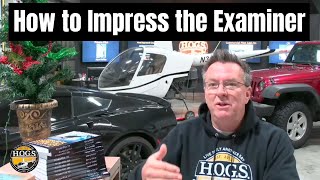
A transcript excerpt from a HOGS YouTube video where Kenny Keller answers a question about the best way to prepare lesson plans for a CFI checkride. Keller emphasizes personally writing lesson plans (handwritten) to internalize maneuvers and verbiage, recommends using visual aids and being animated when teaching, says digital lesson plans are acceptable, and promotes HOGS resources (askhogs clone, free PDF 'Private Pilot 101' blueprint, R22/R44 course updates, and the HOGSpaysme affiliate program).
This next one is from Kenny Sullivan. For a CFI rating. What is the best way to make.
The training outline book probably meaning lesson plans, I'm guessing. Well, I can show you what I did. You know, most people build a big book with lesson plans. Some people buy lesson plans and you can certainly do that. But one of the recent checkrides that we did, the applicant had purchased CFI lesson plans and the examiner questioned it. He at the, during the debrief that day, he said, well you brought in, you know, a pre purchased lesson plan book today. And the kid's like yeah, I did. And he goes, why did you do that? We, we, you know, prefer that students make their own lesson plans, right, so that you're really familiar with them. And he was just like, oh well you know, I just, you know, I thought this would be good. And, and the examiner made a comment to me, right? He's like, we'd rather that they have a lesson plan book that they made up. And I can tell you what I did and I can show you my old fancy, fancy notebook. I talk about all the time that I used after I failed and I used this to study over and over and over and over to go back and retest. I did all my lesson plans right here in my notebook. And what I did is I just sat down and I used, you know, now would be the helicopter flying handbook. Back then it would been called the rotorcraft flying handbook. And I just went through and I did all the aerodynamic lessons. I did a lesson for every single maneuver that there is. That's how I did my lesson plan. So I just opened up the notebook and I just went through here and I just started making them lesson plan, you know, steep approach. So I went through every single maneuver, all the aerodynamic stuff and I just used the, use the books, you know, the, in the helicopter flying handbook or whatever the case is. And I just went through and made them and I hand wrote everything out because we learned through repetition, we learned through writing. So the best way to do it is just to sit down, start doing it because you're going to learn more than just buying some pre printed lesson plan book. So some people are going to do it and I get it, I get it. People don't want to take the time, but the examiner is going to be more appreciative of hand built lesson plans versus you just going and buying a book. Because if you just go buy a lesson plan book, maybe you go through it and you know the material in it really well. But I think most of the time an examiner is going to expect that, oh, you just bought some lesson plans, and you probably, you know, have you really went through those? How well do you know those lesson plans? So that would be my main take on that is it's a lot of hard work. But you know what? It's. It pays off in the end. And I went as far as. I also went in and wrote down what I was going to say. For like, example, a normal pickup. I just sat down, my notebook went, okay, normal pickup. All right, let's see. Look ahead 50 to 75ft. Wrote that down and just thought through the process of the way I'd been taught to do a proper pickup by my instructors, but then put it down in my own verbiage and wrote out everything I was going to say for that maneuver, for a lift, for a pickup. And what's funny, if I go back and look at today, I'm pretty much quoting, not quoting. I'm just the way I say it is the way I wrote it out. And I'm still using that same verbiage today when I'm in the helicopter, I'm using the verbiage that I wrote. And that helps you get in the aircraft. If you think through them and put it down, your lesson plans and write through the. I would say all the maneuvers is really, really smart because that way it helps you become more. More versed in how you're going to speak in the aircraft. So there's my take on that.
To tack onto it. LP asked if examiners prefer paper lesson plans or if they can do digital.
I think that can go both ways. In the CFIs, we've done just here. One of them, I think it was Todd used our. Our screens we have on the wall, the Hogswell fame screens, TVs, and he had his lesson plans on his laptop. And we just used the hdmi, ran it to the. To the screen, and he taught right from the screen. I think that's totally acceptable. Way back when, when I did my R44 sign off with the instructor or the DPE, he's like, well, come with a lesson plan today on sfar. So I made it all on computer, and then I just took the laptop in and sat it down and like, okay, well, here's. He's like, let's see your lesson plan on the sfar. Okay, So I opened it up and then I just scrolled through the PowerPoint as I talked. So I think digital lesson plans are fine. I think handwritten is fine. I think either way is Fine. Here's what examiners are looking for. They want you to be animated. And whether you're using paper, you're using a chart, you bring in. We've got a big giant tablet here that's on a stand where we write stuff out, we make sure the person always has the helicopter. And the worst thing is when somebody's here for a CFI and I say, well, teach me. Oh, low G. And they'll go, okay, well, low G, let's see. And they just start talking to me. And they're not using any kind of a visual aid or nothing. I'm like, I'm sitting there going, come on, pick up the helicopter, you know, and so that's the last thing you want to do, is just sit and talk to the examiner, right? You want to be very visual, using your arms. And you have as many visual aids as possible, which you're taught that, or should be taught that in your CFI training is you want to be super visible. You know, you're talking about the advancing blade, you're using your arm, you're talking about the retreating blade, you're using your arm. The helicopter we always have sitting right.
Here, I think it's over.
I moved it over to the table because yesterday we were using it to teach when we had the gentleman here for half day of training. And I always have the helicopter nearby. Pick up the helicopter, show them. So whether you're using a helicopter handwritten lesson plan that you have right here, opening up the helicopter flying handbook and showing them a diagram using a PowerPoint and putting up on a screen or a PowerPoint that's on your laptop or your. Or your iPad or whatever, knowing the material is the big key, right? So I think, I think digital is just fine. I think it's about being the cfi, is about being a teacher, and it's about trying to be making the presentation a little more, I'm not going to say necessarily exciting, but it is more entertaining. And I also tell my people to stand up, right? If they can, they can sit and teach if they want to. But if you're standing up and you're doing this and you've got your board that you're drawn on right here, and then you're turning to look at your person you're teaching, and you can come over here and you can write something down, you confer to that. You have your helicopter flying handbook in your hand or your lesson plan by moving around, being visual. Standing up, to me, I think is important, and I just think it helps it helps make the presentation more exciting, exciting, interesting. You know, keeps the person awake. If you're up moving around, using your arms, using your visual tools, using everything in your power would be my take on that one. And our clone is located@askhogs.com you can go below and click on the link to go check it out. 24 hours a day, seven days a week, you can ask training related questions. Flight and ground. 14 years of my contents loaded in this thing. Blogs, podcasts, videos, paid content, free content. There's over 6 million words piped into my clone. It's amazing. Go down below ask hogs.com the clone is free to everyone and the clone is also inside of our hog site on every video, every page. So you can be in viewing videos. And you can always ask the clone a question while you're at it so you can get an immediate answer first. Right here is free free PDF private pilot 101 helicopter training blueprint that's why we created this. And let me cover what's in the first chapter since you ask and you're at the beginning. That's why we created this. The first chapter are questions that we've, we took like the top 10 questions that we get all the time. Like is learning how to fly a helicopter difficult? How long will it take to become a private pilot? How much will it cost to become a private pilot? What is the best approach to selecting a flight school? What are the key differences between helicopters and fixed wing aircraft? How many tests will I have to take? How many hours for solo on the license? Kenny's recommended training supplies so this is absolutely 100% free. You can go down below, there's a link down below. Or you can type in your browser privateblueprint.com and you can download immediately after you sign up. You'll sign up, enter your name and email and the next page will show you download your book here. That's where you should start because again it's free. Or subscribe to the YouTube channel. Subscribe the channel. You'll get notification when the new video comes out for either the live or the premiere, whichever way we do it. And then we want to also bring up. We are updating and starting to update our R22 specific course behind us. Course behind us Course using the helicopter behind us. Lindsay's in charge of getting in there and updating some images in the R22 site section of Hogs. We have R22 specific section and R44 specific section that come with any of our memberships. So you don't have to buy that specifically. We use private pilot, for example, monthly membership. It has both the R22 and R44 sections in there. And since we have an R22 available to us and an R44 available to us, we thought why not get the content updated in those courses with some fresh videos, fresh images. And also want to mention hogspaysme.com this is passive income. You want to earn some money, particularly if you're a flight instructor. Anybody can use the HOGS affiliate link. You go tohogs pay me dot com. That link is down below. You'll sign up for it. It'll give you access to a dashboard. Inside that you'll see your link and a link to share with others. So when they sign up, you receive 50% off our online memberships. Private Pilot, commercial pilot, instrument pilot, certified flight instructor and or private or professional pilot. That's 2800 bucks if you share your link with one of your students and they buy Propilot. It's lifetime membership for all courses. You will get $1400 shipped to your PayPal account after the 30 days. So we have a few spots left for the spring of 2025. So you got to get in now if you want one of these. Because of course as we're moving into spring, people are talking, they're calling. So we've got like three spots left for the spring if you want to get in. We're going to put a link down below this video. We've got a short questionnaire to see if you qualify for the final approach course. Go through that at the link below. Answer the question. We'll get back to you if you look like you're a good fit or we're a good fit to get you finished up. We got three spots basically for the spring so we can make you number 20, number 21 and number 22 on the hogs Wall of Fame.
When you feel the pressure to fly, but know the right decision is to stay on the ground, hit the hogs no go and live to fly another day. Helicopterground.com.










