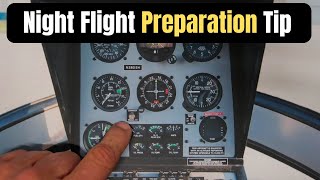
Kenny Keller shares a brief anecdotal tip about night flying: check the instrument-panel dimmer if instruments don't illuminate, since dimmer switches can be accidentally turned down or vibrate over time. He emphasizes taking extra time for night preflights, cockpit organization, and having a flashlight; recommends being methodical if you haven't flown at night recently. The video also mentions incoming merchandise included with a professional pilot package, a giveaway, and a shoutout to fellow instructor Gavin from Straight Up Aviation.
Chapters
I have a tip for you today that some of you experienced pilots may have already experienced this. And it has to do with instrument lights at night. I have a just a short story. When I first started doing like 135 operations, I'm going out in a Jet Ranger sunset flight. We know it's going to be dark by the time I get back and I go to turn on the instrument panel lights and they're not illuminated and it's starting to get dark. I'm starting to get nervous and I'm looking around the aircraft. This isn't a Jet Ranger, but we're going to use this for an example. I'm checking switches and breakers and I'm starting to panic a little bit because I'm like, oh man, you know, this is going to suck if I can't get back to the airport before I figure this out. Look right here. This is just something to think about. Dimmer switch. Sometimes maybe somebody else has turned it down for some reason, maybe turned it down low. But I also think that sometimes these things over time might vibrate and I could be wrong, but I've had this now happen to me a couple times. It's kind of unnerving. And yeah, it seems like a simple thing to check and it would be easy to remember. But you know when you're out flying and hey, it's getting dark and you flip your lights on and then you're just for that, for that moment you'll go, oh, man, well, the switch is on. Is there a breaker or something? And it's easy to just not think, oh, reach down and check the dimmers. Really short video. I just want to share that with you because it's a great tip. There's a lot to night and you really got to spend the extra time on your pre flights and your cockpit management and making sure you have. Whether it's a flashlight or a finger light, night's a different animal. And it's just a reminder that you really got to take extra time at night to be careful. And I know recently I went out, did some night flying and I hadn't flown at night for a while. And it's, it's easy to go, oh, well, you know, I'm experienced, I've got a bunch of night, no big deal. When you haven't done it in a while, it quickly humbles you and makes you realize, you know what, if you haven't flown at night for a while, just make sure you take that extra time for pre flighting and fueling and cockpit organization, getting everything set and ready to go again, slow, smooth, methodical, don't rush. Take the time to get ready to go. So I just wanted to take a moment real quick. There's a shipment of eight of these coming in today. These are included with our professional pilot package. So I'll put a professional pilot package down below. And we've been doing some giveaways with these too. Stay tuned. And we've got some more videos coming from you. I had a fellow instructor text me today from Florida and he was like, hey man, nice job on the videos and bringing kind of the real world element to it. And I appreciate that and that helps me moving forward. So that was Gavin from Straight Up Aviation. So thanks, Gavin, for the encouragement. Appreciate it very much. Great. Go down below for private pilot or any of our other memberships, some free book resources down there, a free maneuver guide, and we'll see you in the next video. Peace out.
When you feel the pressure to fly, but know the right decision is to stay on the ground, hit the hogs, no go and live to fly another day. Helicopterground.com.