Lowering you altitude and or speed? Time to set down or turn around!
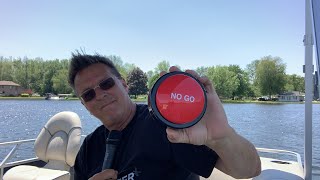
Kenny Keller announces new weather training modules on thunderstorms, icing, and clouds coming from operations manager Brian Rutledge. If your altitude or speed is dropping, it's time to land or turn back. Members who pass checkrides get a free no-go button.
Chapters
Hey, it's Kenny with helicopter line Ground school going a little late, a little bit live after two today, our operations manager Brian Rutledge is home resting his knee. He had a little mishap last weekend and he's all good, but he's home resting up his knee on the couch. So he is working on helicopter land ground school, has his laptop in his lap and is home recuperating over his knee. So I talked to Brian earlier. Next week we are going to start doing some weather stuff. We'll do something on Tuesday next week. And what we wanted to lead into was we're at that time of year now where we're gonna start worrying about thunderstorms, right? For us here in Indiana, it's just starting heating up this week where it's gonna be in the 80s and 90s every day. So what's that mean? The day heats up, moisture in the air, the cumulus clouds form and then we end up having thunderstorms. So we know we've been needing to update the weather section inside Helicopter Only Ground school for quite some time, right? We've been promising that and we know from polling our members the number one of the number one things that people struggle with is weather. They struggle learning weather. So now that Brian is here with us full time, eight weeks now, Brian's been working up some new weather presentations. We've already done the taps and metars, as many of you have seen here on YouTube, those are full presentations now inside Helicopter Only Ground school. So what we're going to gear next Tuesday towards is weather making good weather decisions because we do have now our fancy new no go button, right? So you look at the weather, you make a decision, it's iffy, you're not sure. Live to fly another day. Helicopterground.com right? You make the decision, you stay on the ground. Now sometimes people make bad weather decisions from not doing a proper pre flight or whether they did a pre flight and did a weather check and just decided to go anyway. But then there's times like thunderstorms for example, where you may have had the best intentions and maybe you checked the weather and it looked pretty good, but there was a possibility of thunderstorms. There are tons and tons of reasons why a pilot puts themselves in bad situations, sometimes from bad decisions, but not always. Sometimes they made good decisions and things looked okay. Then the weather doesn't do what's forecasted. So all the time we're harping about pilots making bad weather decisions and they do, but not always. A pilot can do A good pre flight, a good weather check and really have the best intentions and properly done everything. But as in with thunderstorms or fog, many other things that can happen, sometimes the weather just wasn't as forecasted. So that's what we're going to start doing next week. Brian has put together something on thunderstorms, icing clouds and more. So we're going to give you a sample of that next Tuesday and we're going to gear that towards making these weather decisions, knowing what to look for, knowing the three stages of a thunderstorm. Brian and I discussed that today and I said, you know, every single checkride, private pilot, commercial pilot, CFI, even as a EMS pilot, my five years in EMS, every year we had that 135 checkride. Every year they ask you about the three stages of a thunderstorm. So understanding the three things that are part of the development of them, that's something everybody needs to know. And then the actual three stages and what happens. So we're going to cover that along with icing and many other things. So that's what we're going to be doing next Tuesday. I told Brian, you can rest today. He's like, dude, it look kind of weird. I'm on the couch with everything propped up and I'm working but I'm just not moving real good yet. So I said, relax Brian, hang loose, heal your knee. And next Tuesday we'll start doing some of that weather stuff. So we'll give you a taste of it. And then the helicopter land ground school members will have some brand new full fledged weather courses inside helicopter and ground school. And Taz has built some stuff too and he promised it, but this hasn't showed up yet. So Taz, if you're listening, we're still waiting on your weather stuff too. But guaranteed, if you've liked Brian's Taps and his Metars and everything he's done so far, I'm sure you're going to enjoy the weather as well. So back to the no go button. Heather will be in tomorrow I believe to ship out the ones we've promised the deal right now the promotion people have been saying, hey, can I buy, I want to buy one. Send me one. I want to buy one. They're not for sale. This is, you know, exclusive. It's a promotion. So let's see, whatever day I did that video last week doesn't matter. If you're seeing this video now and you pass your checkride today or tomorrow or next week, the next five buttons we're giving Away are for members that pass a recent checkride, like today or after, send us a picture with you and your examiner, you and the helicopter, whatever you want to do. But in the excitement of that checkride, after you pass, take a picture, send it to us. Just give us a couple sentences on how hogs helped you get through that checkride, and then we're gonna send you the no go button. For those of you, those of you new to HOGS or helicopter on ground school, I've told the story many times. When I flew ems, we used to have the easy button, the staples easy button. And you look at the weather, you know, you get a lot of pressure from people about flying and not flying. Something one of the pilots came up with was he bought an easy button. And after you turn down the weather flight, you go live to fly another day, helicopterground.com which of course it said that was easy. It just made yourself feel better about turning down a flight, right? Because there's thousands of reasons why you may have to turn down a flight. There's thousands of reasons why you may feel pressured, whether it's your own pressure inside, it's pressure from an employer, pressure from a friend or family member to get home, whatever the case is. So this is our part in trying to help change the industry and get people to say no when the weather's ippy. And you know, you know, you should probably stay on the ground and for the wrong reasons, you take off. We're giving you some motivation. We want you to pop this dude, you know, on your desk at home or wherever you make your weather decisions, when it's time to decide to go, fly or not. And when you decide, I want to go, I need to go, but in my gut, I know it's better not to go. And the title of the video, before I go. Yeah, the title of the video says if you're lowering your altitude or you're lowering your speed, it's time to set down or it's time to go home. And I got that from EMS when I was brand new to EMS. We did 10 or 12 days of training down in Texas. And our chief pilot, who was a former line pilot, legend in the industry, a Madman in the BK117, he's the one that come out and told us, you guys, girls, as EMS pilots, if you're flying along at the altitude in the airspeed that you had planned for any given flight, and you have to start lowering your altitude from where you plan to fly at because of low clouds or fog, it's probably time to be setting down the ground or if you can successfully divert or successfully do a 180 and turn around. That depends on many different factors on what may be the best choice for you. If you're flying along like in EMS, we were to fly at 120 knots and they said, we don't care, guys, whether you're going for fuel, you're transporting patients, 120knots is where we want you to fly. That is the airspeed that you will fly. That's just, there's lots of reasons behind that, okay? He said if you start slowing down below that 120 because of bad weather, clouds, visibility, get it on the ground, turn around. Actually in the beginning they were big on doing a 180 turn. And at some point along the way they said, you know what, after the crashes and investigations and everything we've learned, you know what, sometimes doing a 180 could be more dangerous and can get you into trouble. And they said, you know what, we just want you to land the damn thing. If you start lowering your altitude and you start slowing down because you're not at where you wanted to be along that course of flight, then you need to get it on the ground, bottom line. So that's why we titled that video today, because I thought that was a good lead in for the new weather stuff that Brian's working on and what we're going to do for you next Tuesday with helping you with making weather decisions, thinking about thunderstorms now that we're into that time of year and with thunderstorms sometimes on a day like this, beautiful, it's blue, it's windy, unstable air. If a storm blows through shortly after it's going to be clear again. But when you're talking more stable air, sometimes you'll have a storm come through and then you have that low hanging fogs, clouds, those things that just kind of hang around after the fact, those can be very, very dangerous because that stuff is spotty. And one of my scariest EMS flights ever was flying back home after sitting and waiting on a thunderstorm. They loaded the patient, the patient went by ambulance. And I'm checking the weather between where I was and I wanted to get home. And they were reporting 800 to 1,000 at night, which isn't great, but I was legal, right? Well, guess what was hanging at 300, 400ft along the route in between where I took off from and where I got home scared me to death. And when I got on the ground, I said, I'm never doing that again. And that was after a thunderstorm had went through and there was all this low hanging garbage hanging there in the sky after the fact that and let me tell you, I was scared stiff. I was brand new EMS pilot and they preached to you about the EMS accidents and how many people lose their lives from bad decisions. And I'm brand new to it, right? And I thought here I am out here as a brand new EMS pilot and I'm going to be that statistic of what they were just taught training us and what we've been hearing and been taught I'm going to be that statistic scared me to death and it did help me make better decisions in the future after getting in that and then it's sad to say everybody needs that. That one scare that you don't lose your life and nothing bad happens but it scares the hell out of you and makes you understand what's going on out there and what happens with these decisions and how sometimes you just get in these bad spots. Sometimes it's even with all the best intentions. So members, pass your checkride. Send us a picture. Couple sentences about how we helped you. We're going to send you the no go button. Live to fly another day. Helicopterground.com I like it. Subscribe to the channel. Click the bell when you do so. Be notified of our videos when we come out with new stuff and leave us a comment down. Comment down below. Give us a thumbs up and we'll see you in the next video. Peace out.










