Robinson R-44 Overspeed Damage Result: $34,000
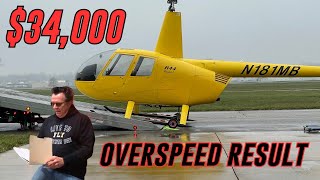
Kenny Keller walks through the $34,000 repair bill after a Robinson R-44 helicopter engine overspeeds. He covers what the damage looked like, how insurance handled it, and why maintenance checks matter.
Chapters
Oh, my gosh. Just came from the bank. Look at that hair. My hair never looks like that. That's from sending off 20 grand to California. No results of the overspeed. I text Lindsey and said, get a camera ready because I want to talk about the overspeed. You haven't heard about it in really much in the last couple months. Aircraft's getting put back together. The aircraft is together. They're doing a fresh annual on it, finishing it up. And I just came from the bank, literally walked in the door from the bank, and I just wired $20,696.67 to the engine company or the engine rebuilder in California. And all in all, the end result of the overspeed is 34,000. And what I want to say is, driving out here, I thought, you know, I want to talk about this while it's fresh in my mind, just coming from the bank. You know what? All in all, $34,000 really isn't bad when you consider that Sevier county choppers brings a guy in a trailer all the way from Tennessee. They haul that helicopter all the way back to Tennessee, disassemble the helicopter, ship the engine to California. Engine rebuilder goes through an engine with a hundred and just over 100 hours on it to make sure everything's okay, send it back, reassemble the helicopter and finish it up and get it flying again. Turns out it's like engine month for me. My jeep needs an engine, and we thought my daughter's car needed an engine all within, like, two days. And when you think about the amount of work that they did, I think $34,000 is actually reasonable. And we recently, on a YouTube video on the overspeed, somebody said, I paid for an overspeed once and I'd never do it again. It's bullshit. There was nothing wrong with it. Well, you know what? I did it. And I. And it's. The insurance company did help out with it. My deductibles, like $21,225. Okay, well, you think about it. My insurance policy is $26,000 for a year. So the end result, my deductible being, you know, 21,000 something. The insurance company's paying the remaining 13, 14,000 to pay the guys that disassembled the helicopter and put it back together. I just paid the engine guy. So my point is. What's my point? No. Okay. I know where I was going. Lost my train of thought there for a second again. This isn't normal, having the camera on. Just come in and start Talking. So in our case, you know, I found out from the guys down in Tennessee, like, there was definitely some things wrong with the engine, right? And what's one decision I made was I had two choices on where the engine could go. It could have went to, like, North Carolina, Carolina or South Carolina to be inspected or could go back to California to the guy who did the overhaul. And we knew he might take a little longer and he might be a little more money, but we thought that's the right move because that is the guy who rebuilt the engine for the overhaul. So if you send it back to him, he can't say, well, those last guys that rebuilt it screwed it up, right? It's his engine. And everybody I've dealt with has been super, from the insurance company guys of sevier county, engine rebuilder, owner of the aircraft because it's a lease aircraft. Everybody's been great. And I'm not going to sit here and go down the list of everything they found. But I can tell you, when this first happened three months ago, I called a mechanic, a friend of mine, who, who said, kenny, you did the right thing. You got to fess up to this and you got to just spend the money and get it inspected. He said, because, example, in the engine, you could have stretched something. A connecting rod, a rod bolt. There are things that could have been stretched inside that engine, and the engine runs just fine. But down the road, somebody has a failure and somebody gets killed. Whether it's you or somebody else later flying that aircraft, you don't know until the engine's been inspected, you don't know. And when I look down the list of everything that I just paid for, some of the things that this mechanic, buddy of mine of 25 years, said, here's some things that could be wrong with the aircraft. Sure enough, those are the some of the things that's been replaced in that inspection. So I will never complain about the cost insurance again on a helicopter because again, they're not getting hurt. My policy for the first year was 26,000, right? So I'm paying the $20,000. Insurance is picking up 13, 14,000 of it. And what if the rotor blades would have been damaged and need replaced? Or what if the engine would have been a lot worse, the bill would have been a lot higher, and the insurance company would have still picked up anything above my deductible. The big scheme of things, this is why you fessed up to an overspeed. You know, the ladies at the bank were like, oh, well, what's an engine Rebuild in a helicopter. And I'm like, yeah. And they start asking me questions and I explained to them just briefly what it was all about and they go, well, that's really good. That's the smart thing to do. Pay the money, make sure everything's okay. So the end result is a bad situation. I'm smiling, I feel good about right. I did the right thing. Now I know the engine's been gone through, the aircraft's been gone through, rotor blades checked, drive system checked. When we get it back here very soon, I can feel good about it. If I wouldn't have fessed up to what happened every day I flew it, I'd be worrying. And then if I ever sent anybody solo, I'd really be worried about it. Right? Like what I choose to do is one thing, but then when you have passengers with you or you know, you're somebody else is flying the aircraft, that's a big deal. So I'll never complain about insurance again. This is why you need to do startups so slow. This is why people talk about overspeeds. This is why you have to go through that checklist so darn slow. I've been teaching 23 years. I screwed up. Student hat was his third flight. I'm still responsible. I got distracted. He rolled advanced throttle too far. The overspeed happened that fast and yeah, it didn't seem like, did I really hurt anything. Well, yeah, I did, right? So end result, pre flights, properly, proper maintenance, take your time. Startup checklist, startup. Go slow. And if your flight school is pushing you, I would question the integrity of that instructor and I would question the integrity of that flight school if they're rushing you on a startup because anybody can make a mistake. And again, three months without the aircraft, the headache, the heartache, the money that I have to repay, I'm not complaining and it's part of it and I understand that. So I wanted to put that message out there. It is almost March. We're ending our 12 year sale soon, March 5th. So we have a bunch of specials going on. We've got current videos coming out and we've had some emails going. So 20% off all memberships until March 5th. You can reach out to Hogg's Member Support at 574-767-1797 with any questions. Something new we have, if you haven't heard yet, it's called ask hogs.com we have Kenny's clone that's built so far on 12 years of my content, 2200 videos and 4 million words in this clone that can answer questions better than I can because it's AI right, go to ask hogs.com, carry on a conversation with it. You can type in your questions and or you can click the icon and have a conversation with it and it will speak to you in my voice better than what I can do because it doesn't stutter and lose train of thought. What else should I tell them? Oh, you know what? The PDF is available now for the updated book of Private Pilot 101. Is there a copy laying around somewhere? We have the paperback ready. We've made the changes, we've made the updates. So now if you go to the link below to download the free PDF, it is the updated copy and this is going to be published March 1. We've called it done, We've made the updates. So again, free PDF down below where you can download the whole entire book. The updated book available now, Kindle's available now as an updated book. This will be published March 1, so stay tuned for those of you that want the paperback. And my thought is just this morning before going to the bank, I saw in the like a helicopter pilot training Facebook group, a lot of the people ask these basic questions, right? Like how much is it going to cost? And there was a guy in there saying, Well, I hear 40 to 60 hours and is this going to be the cost? And there's a thread of 58 people answering that question, putting all kinds of feedback in there, which is great. So I'm going to jump on here and post a link to that book and say, hey man, here's a free PDF that helps answer that question. What's it going to cost? How long is it going to take? And then the big thing is, I warn people, yeah, national average probably like 60 to 70 hours. But if you're at a flight school who's not necessarily giving you the best training, you wind up with 150 hours or more trying to get that private. So when you're worrying about, oh, this place is 325 an hour, but this place is 375 an hour, it doesn't matter if the cheaper place is going to run you up to 150 hours to get your rating, that's the problem. So go down below for the free PDF, go down below for a link for helicopterground.com that's where all of our memberships are at. Go down for a link for askhogs.com and we'll see you next video. Peace out.
When you feel the pressure to fly but know the right decision is to stay on the ground. Hit the hogs no go and live to fly another day. Helicopterground.com.










