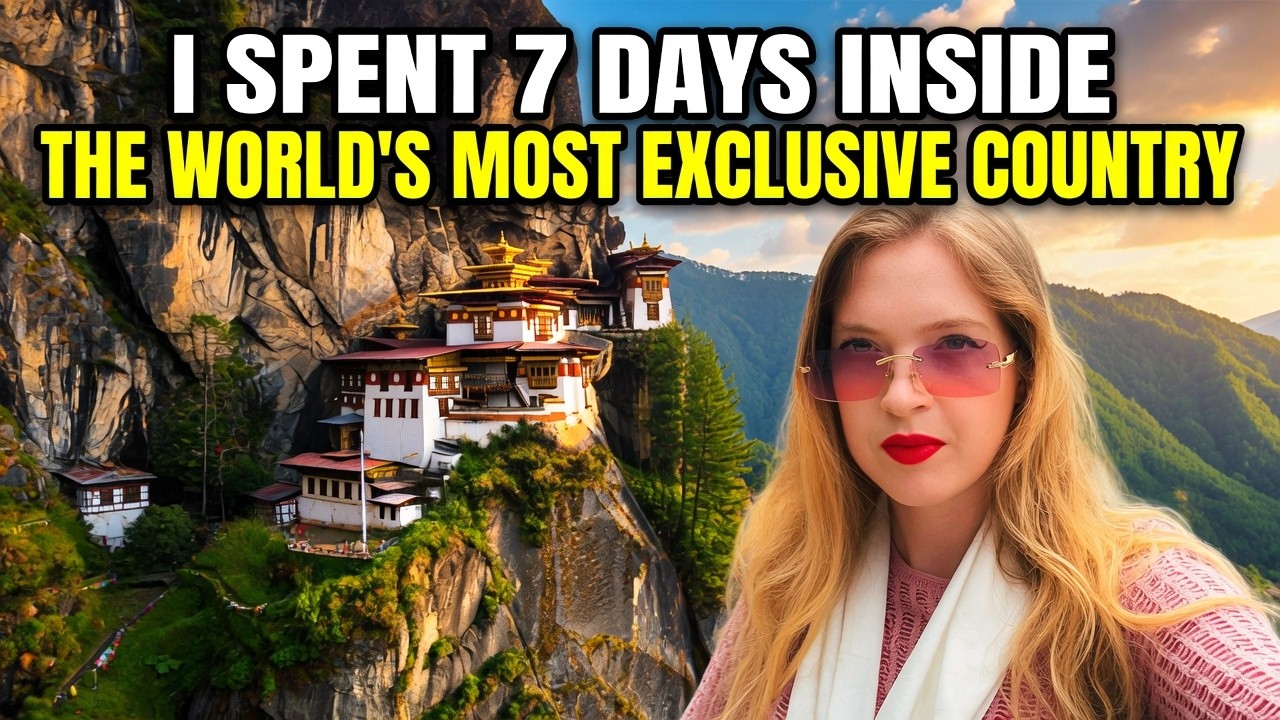
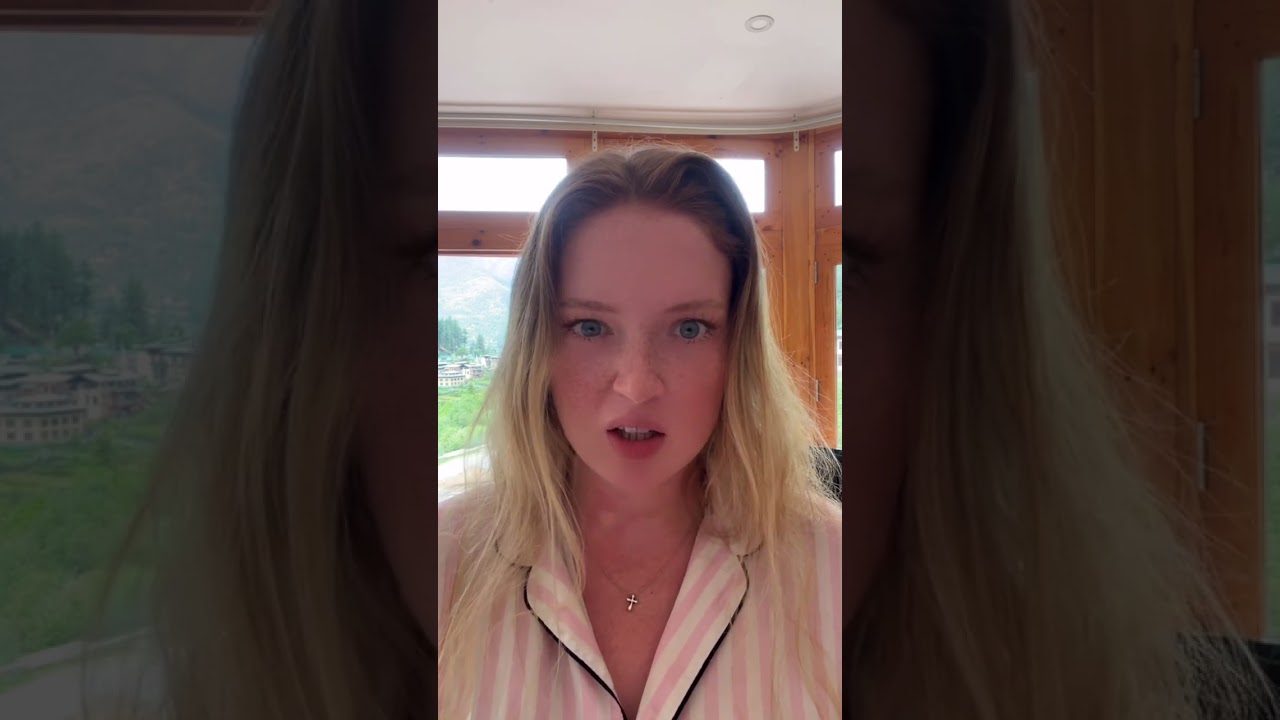
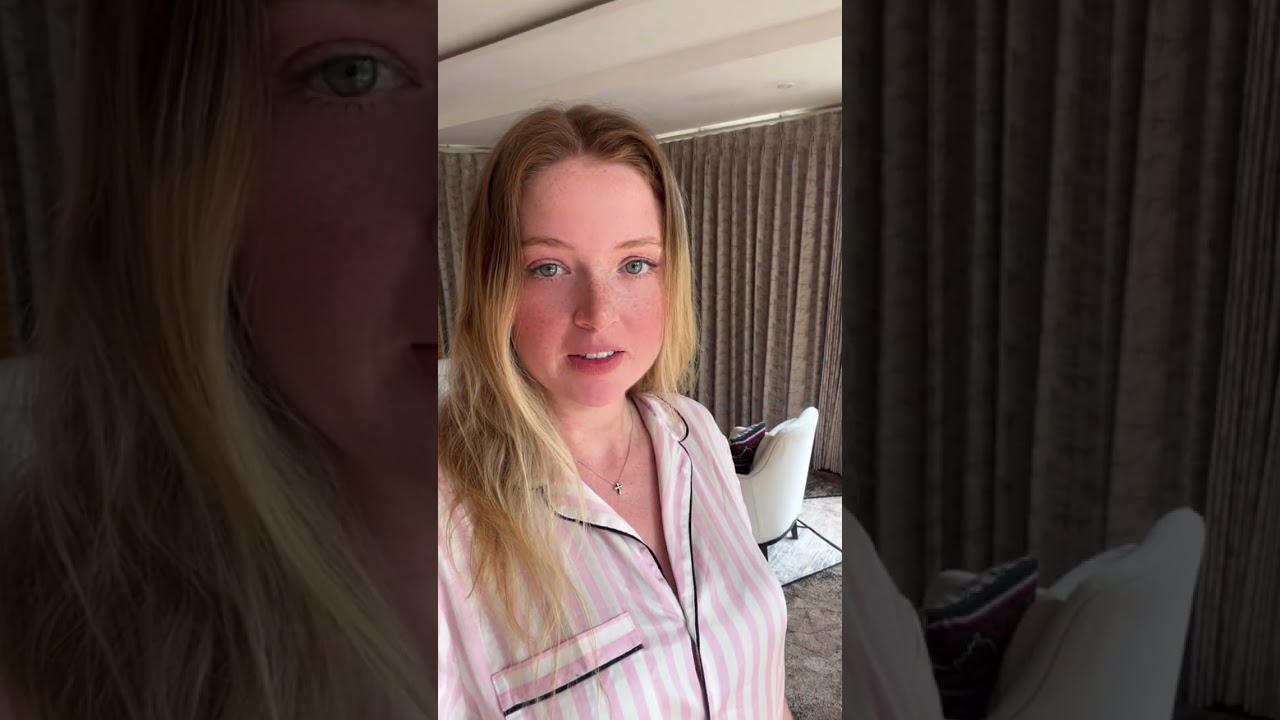
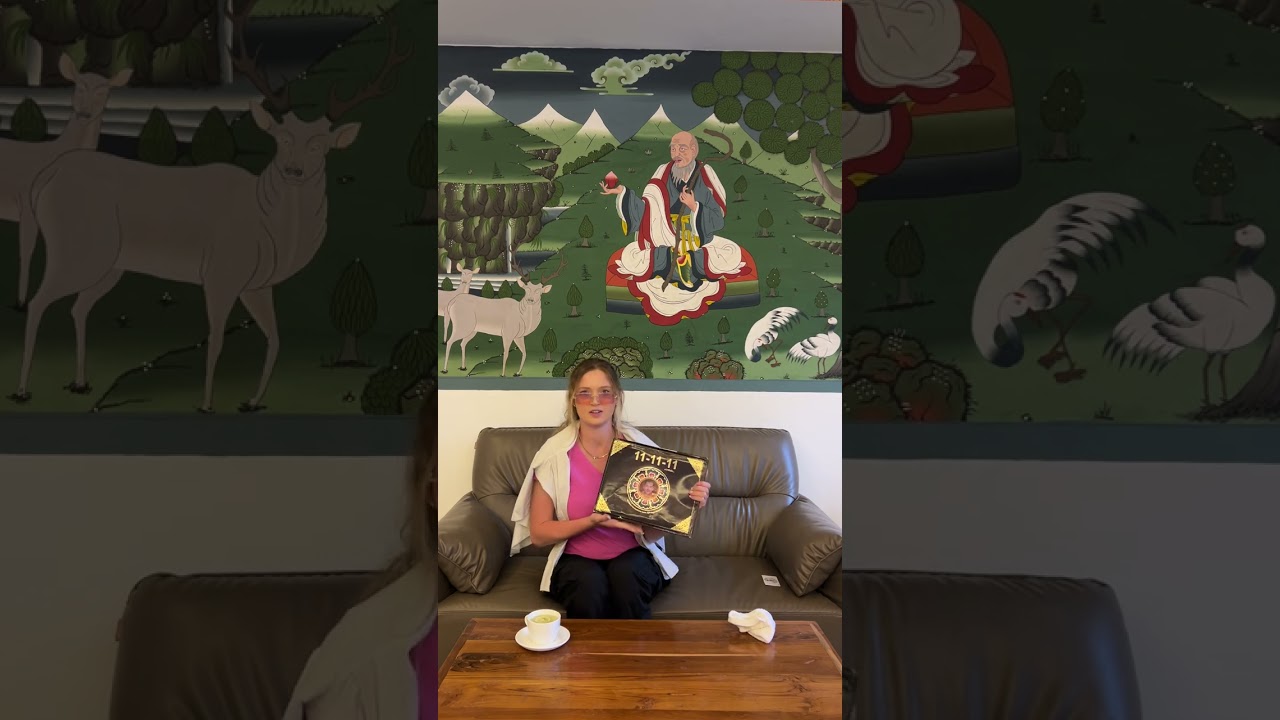
Kristin Fagerback documents her 7‑day guided tour of Bhutan with Authentic Bhutan Tours, offering a vivid, first‑person narrative of the country’s unique blend of tradition, natural beauty, and controlled tourism. She begins in Thimphu’s Tashichho Dzong, describing its historic role as the seat of the king, prime minister, and monastic body, and notes the daily sustainable development fee that funds free education, healthcare, and environmental protection. Kristin highlights Thimphu’s low‑tech traffic system, the prevalence of traditional dress, and the relaxed pace of life. She visits Wangtse Lhakhang (Temple of the Peak of Conquest), shares its 18th‑century origins, architecture, and panoramic views, and recounts daily tea‑time rituals with her guide and driver. The vlog showcases the Takin Reserve, explaining the mythic origin of Bhutan’s national animal and its rehabilitation program. Kristin travels to central Bhutan, staying with a third‑generation homestay family, exploring the “Penis Valley” village and a fertility temple, and then visits Punakha Dzong, the historic capital and site of royal coronations and weddings. A substantial segment covers Bhutanese death customs, contrasting cremation rituals, multi‑stage mourning periods (7, 14, 21, 49 days, and sometimes years), and the cultural importance placed on funerals. The journey continues with hikes through Himalayan valleys, encounters with friendly cows, a homestay experience with traditional dance, and the iconic Tiger’s Nest trek (no‑camera zone). Throughout, Kristin emphasizes the country’s exclusivity, the need for careful planning due to fees, and the deep sense of happiness and tranquility she felt.
Chapters
And I'm on a tour with Authentic Bhutan Tours, and right now I'm in The fortress in Thimphu. This is where the king's office is, the prime minister's office, and the head spiritual leader's office is as well. I'm doing a 7-day tour, so come adventure with me as I go through Bhutan and explore this magical kingdom. Behind me is the original watchtower for the fortress. It was renovated in the 17th century into being a temple. However, it is the tallest building in all of the fortress. And I hope you're feeling a very warm welcome to Bhutan. This is one of the most exclusive countries on Earth. Tourism only began here in 1974, and even today Bhutan carefully limits the number of visitors through a daily sustainable development fee. That money goes straight into free education, healthcare, and protecting the environment. I'm standing in front of the Tashiko Dzong in Thimphu. This fortress houses the offices of the king, the prime minister, and the central monastic body. Parts of it date back to the 13th century, and it was rebuilt in the 1600s by a man who unified Bhutan. From the moment you arrive, you feel it. This place was never meant to be rushed. I even got to watch the change of the guards here, which I definitely recommend. Make it here in time so you can see the change of the guards. It opens up in the afternoon because it is used as an office for the king here and the monastic body, so they work during the day. So it's just open to tourism for a certain amount of hours in the evening, so plan that with your tour beforehand. Alrighty, now let's explore the streets of Thimphu. Thimphu is the capital, but it still feels quite quiet compared to most of Asian cities. There are no traffic lights here. Instead, traffic police direct cars by hand. Honking is rare. People just Wait, even in the capital, traditional dress is still common. You can see people walking around in a mix of traditional dress and in modern clothing as well. So yeah, the pace, the, the pace stays human. Thimphu only became the permanent capital in 1961 before Before that, the royal court moved with seasons. You can still feel that older rhythm in the streets. So it's a— it seemed when I was there, it just— it feels like I'm time traveling a little bit. You do have the modernness to it and buildings, and definitely felt like the Switzerland of Asia. Um, but I love the traditionalism that you see people still keeping the traditional clothing, especially men. It almost seems like a suit. And yeah, it's really beautiful to see the slow pace of life and happiness here. No rush, just take it easy, don't stress out. That's kind of how I felt when I was here. It's so beautiful. And my driver was so cool, he even let me play music in the car sometimes when I wanted to listen to music. And he showed me some of the local Bhutanese songs here, which was really cool to see. And he showed me the music videos as well. So I Oh yeah, you can just see like people walking around in the traditional dress as well. Honestly, Bhutan is one of those places that I would love to stay longer in. Though you do have to consider there's a sustainable fee there. So paying the sustainable fee, then plus the tour guide fees, that, that can rack up. So you definitely want to plan very well when coming to Bhutan and try to see as much as possible, but also Have time for the slow-pacedness, to be like a local and take it easy, be happy, don't stress. You know, as you can see, there's really no traffic in Bhutan. Okay, then I went on a hike. Now we've come to Wangtse. Let's go check out the temple. The Temple of the Peak of Conquest. It's one of the oldest and most historically significant fortress temples in Thimphu, Bhutan. I also could see a beautiful viewpoint from up there that you could see the dzong we were at earlier, and right next to the dzong you can actually see the royal palace, the king's palace where he lives. Now, we couldn't go to the king's palace. That is his private residence. However, you can get a beautiful viewpoint up here at the Temple of the Peak of Conquest, also known as Wangtse Lhakhang. It's One of the oldest and historically significant fortress temples in Thimphu. It was founded in 1715 by Druk Rabgye in the 8th Druk Desi and originally served as a residence and administrative seat. The site was originally blessed in centuries earlier by Drabdung— I can't say the rest. It was named Druk Wangditse to signify the unification of distant regions under central authority. Historically, it's a 3-story structure. It features traditional Bhutanese architecture built with stone, mud, and intricate wooden framing. It houses sacred shrines including a large gilt copper statue of Buddha flanked by historical murals and dedicated protective deity chapel. The temple suffered a fear damage during the 2011 Himalayan earthquake. And it underwent extensive restoration. It's perched on a forested ridgeline to the south of Tashiro Dzong. It commands a sweeping panoramic view of the entire Thimphu Valley. Actually, it was beautiful. I definitely recommend going there. Afterwards, we had a beautiful tea time together with my driver and my beautiful guide, Tsitsing. We, on my tour, actually, we had tea time. I love tea time, so they knew I love tea time and they prepared me tea time almost every day. We did a glamping-style tea time. So that's coffee, tea, local breads. They even made Bhutanese croissants and crackers. And then actually you know, they brought food. They can bring food along, so they brought something similar to dumplings with meat in it. Also, we went to the Takin Reserve. So right now I am visiting some takins here in Bhutan, which are the national animal of Bhutan. They're so cute. And here they don't believe that you know, animals should be enclosed in a zoo. So actually these are just being rehabilitated and going to be released back into the wild. Yeah, so to elaborate a little bit more about the Takin, as I mentioned, they're Bhutan's national animal and they're a rare kind of goat antelope found only in these mountains. According to legend, a 15th century saint known as the divine madman, was asked to perform a miracle. He ate an entire cow and an entire goat, then stuck the goat's head onto the cow's bones, snapped his fingers, and the creature came to life. That's the story of how the Takin was born. Bhutan doesn't keep them in regular zoos, as you could see. It was in a reserve. Because as I mentioned, they're being rehabilitated and will eventually return to the wild. Even the national animal feels a little mythical here. It's such a magical and mythical place. All right, so now I am on my way together with Karma and Siring to central Bhutan. Now, as you know, I have 7 days in Bhutan, so I'm trying to make the most of it and see as much as I can. So I went outside of Paro and Thimphu into central Bhutan and if I had more time, I would go to Eastern Bhutan because in Eastern Bhutan, that's where— actually, it's the best time to go to Eastern Bhutan when there's festivals going on and they're holding competitions over there. So hopefully in the future I will get to come back to Bhutan during one of those festival times and get to see that. But yes, on my way to Central Bhutan now, where I did a homestay with a beautiful family where the grandmother, grandfather was there, and it was a third generation homestay. But before that, I first did a couple hikes, including one hike in a valley where they have a village they nickname the Penis Valley Village, basically where they draw penises on houses as protection and to keep jealousy and the evil eye out, which was so interesting. I I definitely recommend stopping here and kind of checking out this interesting place. The architecture, the— it's just beautiful here in general. Yeah, you can find lots of sculptures they have of penises actually that you can buy to bring with you back home. And it's— there's a few other tourists there too. Most of Bhutan, there's no tourists around. Oh, and then we also went to the fertility temple which is famous that the Divine Madman was at. Next we go to the Punakha Dzong.
So welcome to Punakha Dzong, which is seated right behind me. This was the capital until 1955, and all the royal coronations for Bhutan are taking place here, as well as the royal weddings.
Standing here, you understand why they call it the Palace of Great Happiness. For centuries, it was the capital of Bhutan. Every king has been crowned here. Royal weddings still take place inside of those walls. This is my hotel, not the palace. Tell me when you're ready.
Ready.
All right, so behind me is Bhutan's prison.
Oh, too many bees. Let's move. Right, right.
So here in Bhutan, um, people are generally cremated, which it's like a Buddhist thing, right? Yeah, also in Buddhism. Um, so we were talking a little bit about Norwegian, um, like death culture versus Bhutan's death culture. And, um, like in Norway, in my country, um, people are buried, and generally they're, they're buried around the church and they're buried with their family, like relatives. So we'll have like a village church and we're buried there together. But here in Bhutan, like the, uh, people, they're cremated. And then are they cremated by the river?
Yes.
Okay, so they're cremated by the river. And then what do they do with the ashes afterwards?
Oh, okay.
Then afterwards the ashes are put into the river. But it's interesting because both of our cultures, it's around, um, like 7 days, like before the body has something done with it physically, right?
Yeah. Yes.
Um, however, here there's up to 49 days of rituals that has to be done. So here they, um, they have the monks come and help with the spiritual side of the body because they say that, okay, so the body might not know it's dead or not. So we have— they have to direct the body to say basically, okay, it's time for you to be done in this world and move to the next step.
Yeah, right.
And to go to a better place. And so it's kind of a— yes, it's It's kind of stuck in a spiritual place that you kind of have to help it go to the next, the next place for, um, to be reborn.
Yeah, I guess that's beautiful.
Most probably be reborn unless they reach a state of enlightenment, right?
Yeah.
Um, so yeah, it's, it's, it's pretty interesting. So you were saying like, okay, what are the, the different days and steps?
So the first 7 days So yeah, right after you were passed away, you were dead. So, uh, the person will call the, the astrology, yeah, and then they will check when it's— when it will be, yeah, when your body be cremated, and then what things need to be done for having a better thing for the soul, yeah, like the rituals and all. And And then only, yeah, after the directions from the astrology, then only then we do the cremations and all. And then after cremation also, like every after 7 days, we do the ritual because we believe that once the soul passed away, the soul will be in the state called intermediate state. Intermediate state. So for that, we do like every after 7 days we do the ritual just to remind the soul that to have or to direct the soul to go in a better place. Yeah, if he or she wanted to have a rebirth also, yeah, to do the rebirth in a higher realm, so the higher kind of the world or something like that. Yeah, so we take like 7 days, then we do like 14 days, and then we do like 21 days, and then we do like 49 days. So that is how we try to, yeah, do the rituals for the soul.
Wow, that tree has like cotton on it.
Cotton tree.
Wow, we just passed by a cotton tree. So a total of 49 days?
Yeah, 49 days.
Okay.
And then some people, like some families, and then like they even do like for 3 years death ceremonies. Oh wow. Yeah, every year they do the death ceremony, and then some they do for even like the 5 years, till 5 years. So once the soul, once the person passed away, so in memory of them, yes, we do 108 red white flags, a pure white flags, and then even we do the small miniatures stupas. So in the stupas, mostly, uh, if the person is like this creature Highly learned spiritual masters, so we don't throw the ashes in the river. Instead, we just preserve this, the ashes, and then we put it in these stupas.
Oh, okay.
But whereas the ordinary person, we just put the ashes in the river, but we make a stupa, the miniature stupa, yeah, small one, not with the ash.
Okay.
But solely with the earth. Yeah, the clay. Yeah, so, and then in Bhutan, uh, we spend more money for the funeral than for the birthday parties and all. Wow. So in Bhutan, the funeral is more important than a birthdays and all. Birthdays. So that's why we spend more money to the funeral than the birthdays.
Interesting.
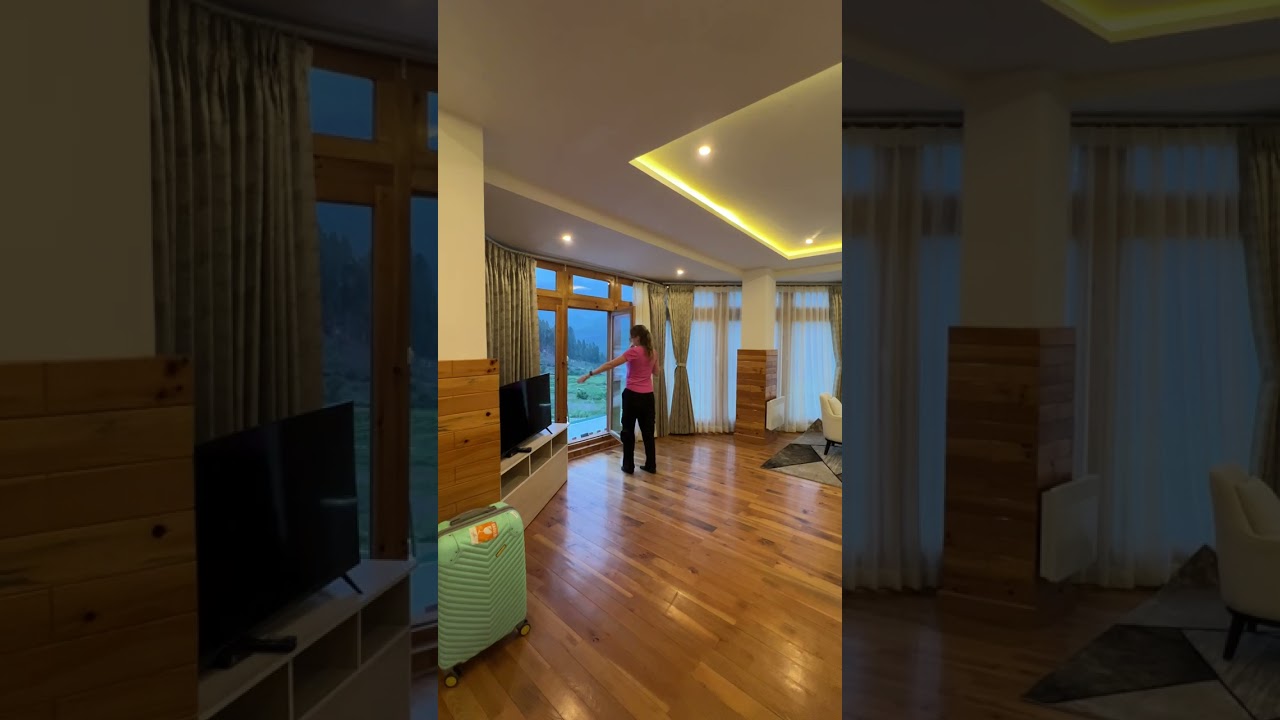
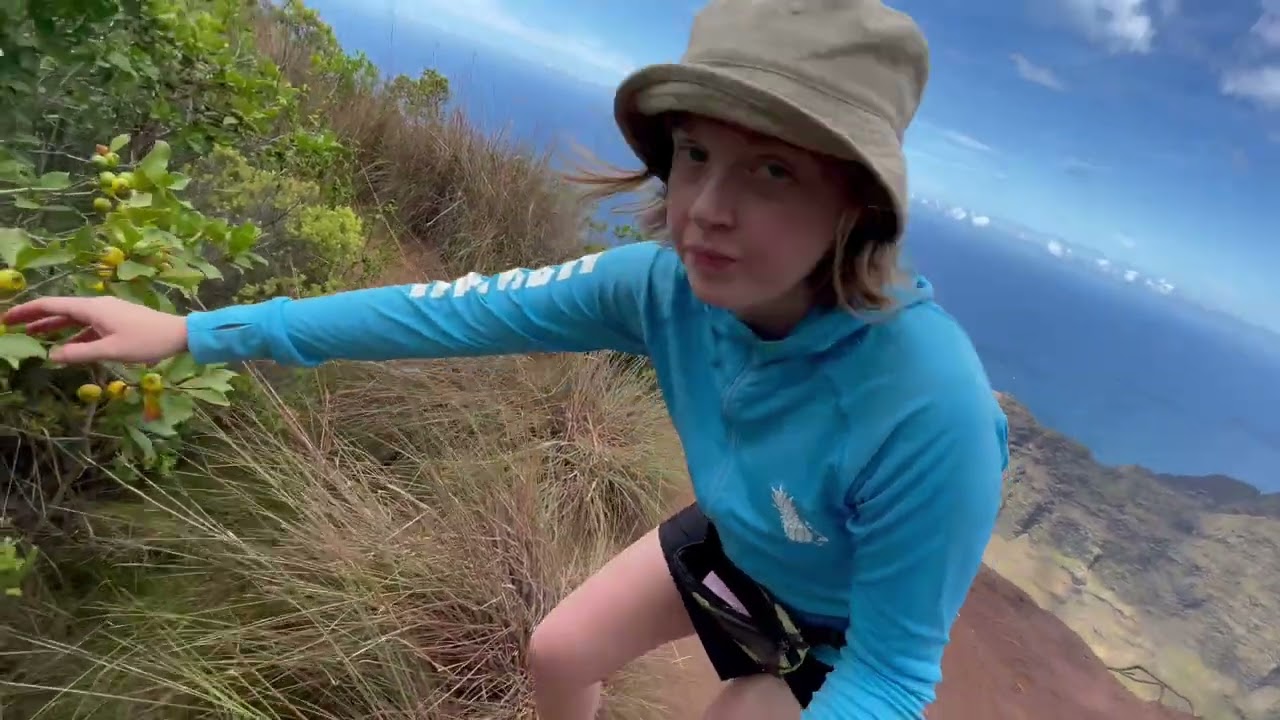
Doing hiking in Bhutan. Yeah, so in Bhutan there's lots of open landscape to do hiking through the Himalayas here, which I got to do and I love to do, especially as I'm a Norwegian. I love hiking. In general. There's my beautiful guide, Siring. She's the best. Definitely. It's like we're having girls' tea time every single day on this trail. I got to see just cows walking along the trail that were friendly and licking me. I wanted it. It was so cute. Yeah, not getting licked by a dog. You literally get licked by a cow. It's so cool. And then after this, we went and did a homestay with a family which had an adorable little boy who, he wanted to do a traditional dance for me. It was cute. He probably did the dance for a straight 15 minutes for me. And yeah, it was just adorable to see kids that they don't play with the iPhone or iPad. They're out here playing in the real life. In addition, of course, I had to do the Tiger's Nest hiking trail, which was amazing. No cameras allowed inside. Behind me is the famous Tiger's Nest of Bhutan. It was made in the 17th century and is a sacred and blessed place here in Bhutan. This is the hotel I stayed in, and it was so beautiful. I stayed at a few different hotels on my stay, but you can just tell Authentic Bhutan Tours where you want to stay. Thank you, karma, for everything.