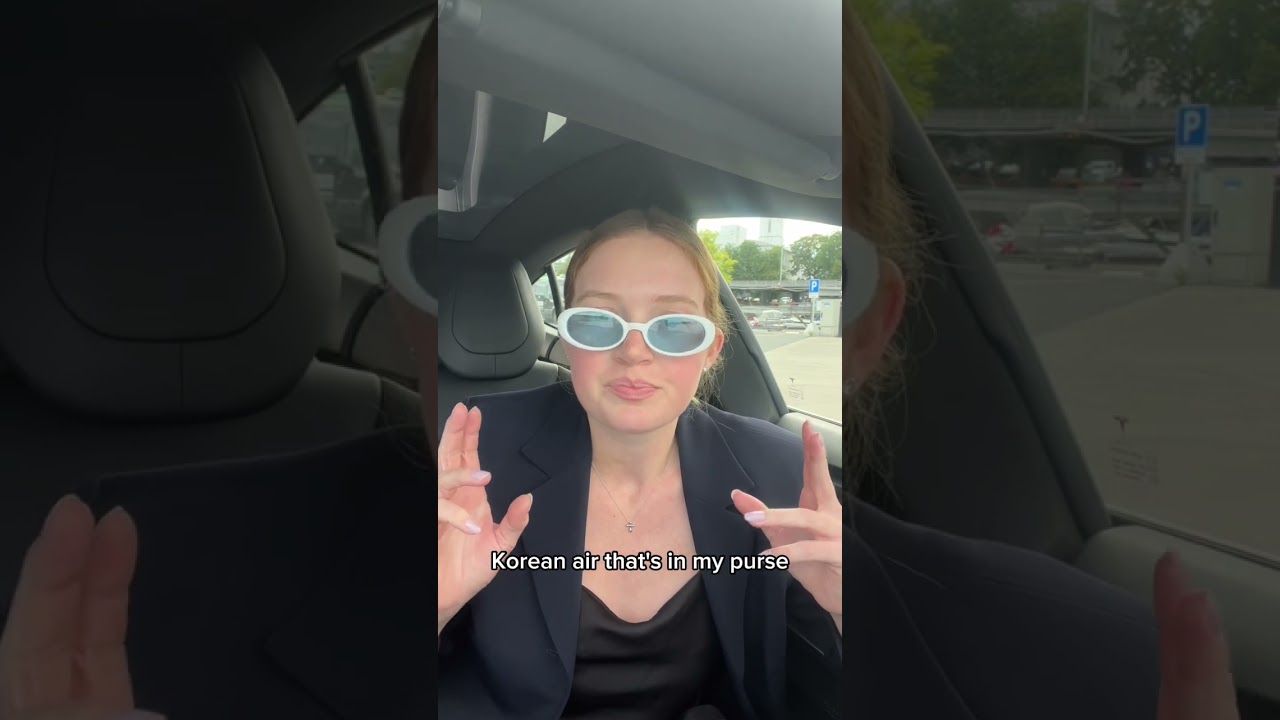
In this first‑person video, Kristin Fagerback, an American citizen and former flight attendant, recounts recent experiences with U.S. immigration authorities that she describes as unusually invasive. She describes an encounter at Honolulu International Airport after arriving from South Korea, where six immigration officers opened and inspected all of her luggage, questioned her about small food items she unintentionally carried, and scolded her for bringing prohibited foods. She also mentions a prior interaction in Chicago where an officer was initially skeptical but eventually trusted her after a brief conversation. Kristin notes similar aggressive tactics applied to a Norwegian traveler whose phone was examined. She reflects on the growing strictness of U.S. immigration even toward citizens, advises travelers to be prepared for thorough searches, to remain silent if confronted, and to seek legal counsel and evidence only if a situation escalates. The overall message is a cautious warning to prospective visitors to the United States to “prepare for the worst and hope for the best.”
Chapters
Do you want to go to the United States? Just think twice. So I am an American citizen, and, uh, recently, I would say in the past few years, the US has gotten like weirdly, strangely, you know, more controlling at immigration, even for me as a citizen. They— let's see, in the last year, they'll always try to ask how many countries I traveled to before, and I'm like I was a flight attendant. Do you really have all day to sit here and ask? I, I talked to the officer nicely in like Chicago immigration, but then he kind of gives up on me. He's like, ah, yeah, yeah, okay, okay, I trust this girl, she's fine. Um, yeah. And then also in the past year, they— me as a citizen, immigration— this is at Honolulu Airport. I was traveling from South Korea to Honolulu. What they did is they, I don't know, interrogated, investigated all of my baggage. I came with maybe one large suitcase, one carry-on, and a purse, and they put it through the machines, and I had 6 immigration officers around me who literally opened up everything and took out everything and asked me, what is this? What is this? What is this? And then They scolded me for like some small food I brought in accidentally in my purse from the airplane. I'm okay, whatever, I get it. I don't— the fruit, the fruit whatever bowl that I got off the airplane that came off Korean Air, that's in my purse because I didn't eat it. I'll throw it away. I just forgot that. Fine, you know. But then they started telling me more stuff like some dried food that I can't bring to the US. And I wasn't gonna argue with him. I knew I could bring that in because it's not like you can't bring any food into another country. You can't bring seeds and these kinds of things, but I wasn't gonna argue with him, okay? And he says like, don't bring food next time, don't bring this food, whatever, to the US, or food in general. And I wasn't gonna argue with him. So anyways, I'll tell you, if they're treating me, an American citizen, like that, I don't know how non-citizens are getting treated coming into the United States. I've heard of Norwegian. There was a Norwegian girl I know, she also flew into Honolulu Airport and the American immigration asked for her phone and they looked through her phone. So yeah, just be prepared for that kind of stuff because I feel I can't speak back against the immigration because they are law enforcement. And so even if they are wrong about something, I just kind of have to keep my mouth shut. And of course, if something went really bad you know, it's best I keep my mouth shut, hire a lawyer, and provide evidence. But thankfully it didn't get that far. But just precaution, going to the United States these days, immigration, just be ready. You might be fine, everything is probably going to be fine, but just, I say prepare for the worst and hope for the best.