How to Build Thriving Paid Communities In 2025
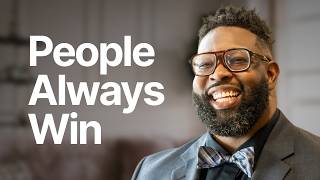
This content was created by Kyle Ford. This content was uploaded by Kyle Ford. This is a YouTube interview/talk titled "How to Build Thriving Paid Communities In 2025" (recorded July 3, 2025; last edited Jan 29, 2026) featuring host/interviewer Daryl and guest Martinez Evans (founder of the Slow AF Run Club). The conversation covers Martinez’s origin story (from blogging and working at a gym to launching Slow AF Run Club), community growth and tactics (launched with ~40 members, a pandemic virtual race grew to ~4,000 then 10,000 signups, the community now counts ~40,000 members), product and publishing milestones (a book and experiential brand work, a nonprofit arm and plans for global chapters), and practical lessons on resilience, “hosting” culture, non-scalable personal touches, community design (guest list, flair, language), and advice for people starting communities.
Chapters
If you've done hard things, you can continue to do more hard things. Resilience isn't something you have, it's something you build one challenge at a time. And I think that for a lot of people, we forget that resilience is a muscle.
Martinez Evans is the founder of the Slow AF Run Club. He has one of my favorite stories in the creator economy at large. I had the opportunity to hang out with Martinez just a couple of weeks ago here in Minneapolis. I'm really excited to welcome my new friend Martinez to the stage today to talk about his journey. What's up, my man?
What's up, man?
How are you, man?
I'm feeling good, feeling great. What about yourself?
Good man. I've been looking forward to talking to you all day. I want you to tell the story of the Slow AF Run Club. And for those who don't know it, first tell us a little bit about what the Slow AF Run Club is. And then I want you to tell the genesis story, how it got started.
Yeah, so slow if Run Club is the premier run club, we have about 40,000 members worldwide and our goal is to make running more accessible, running more fun, and just overall take over the world when it comes to the running industry.
Okay, so you have a 40,000 member community in Slow AF Run Club, which is. That's a couple of people. That's pretty cool. So you must have been like a pretty big community builder when you got started with this. You must have been like a veteran. You must have been doing this for like 15, 20 years, building communities like this when you got started. Tell me how it got, tell me how it got started.
Far from it. So let's, let's talk about this right there, there's. I would say there's two genesis when it comes to slowing up Run Club. So the first story, I'm gonna tell you two stories, right? The first story on how I came up with the name of Sly Front Club. So picture this. I'm running a marathon, running New York City marathon at that. And I get heckled. Somebody looks at me, point at me and said, hey, you slow as beep. You know, I don't know if we can cuss here, but you Slow af, right, have this big argument with him and you know when I say a lot of couple of words that I can't say here. And when it was all said and done, I finished that race and I was like, you know what, Like, I'm going to create something as a big middle finger to him, right? So you have that Going on.
Yeah.
On the other side of the story, you have a young man who was working at a gym. Okay, not just any gym, right. A person who moved across country, from Boston to Silicon Valley or Boston to California, a with this, with multiple degrees, a lot of, A lot of experience, but finds itself working at a gym.
And you must have been running the gym, right? All those degrees.
Why are you running the gym? I found myself working as a morning manager. Not just a morning manager, like overall, just a glorified key holder. Somebody who was responsible enough to open up this gym every day at 5am wow. So peep this out. I'm literally cleaning shitty toilets at this gym. I'm the person who has the most experience, the most degrees, the most education rigor, right? But I find myself working at this gym and during this gym, I'm ear hustling, I'm trying to figure out what my next move is going to be, my best move. And at this gym, I meet this lady and she's working out and I'm ear hustling and I just happened to ask her very poignant questions about this launch of a new product that they have going on. This woman was actually doing kettlebell swing. So imagine I got a little gym, I got a little push broom. I'm asking questions. She stopped in the middle of a kettlebell swings and asked me, why are you. Why are you here? I'm thinking she asked me like, why am I here? Like in her space asking her questions, but it was like, no, why are you here in this space right now? Like, you're. The questions you're asking is way beyond somebody who should be pushing a broom at a gym. This woman end up to be GMB being Gina Biancini.
Wow.
Well, we have this conversation. I tell them our story of like, hey, just moved here from Boston. I'm a blogger. I've been blogging. You know, not necessarily a. A big blogger, but you know, blogging. I run marathons. Things that I saw. And she mentions, hey, you should start a Monday network. And I'm like, no, not necessarily interested. And I wasn't necessarily interested at that time because I had spent my last thousand dollars on Guru's plan that was supposed to help make my course and blow it up and things of that sort. And I launched the course and that course I. Three people signed up for. It wasn't thousands of people. And during this course, one person dropped out, one person got injured because they didn't do anything that I asked them to do. And one person asked for A refund. So imagine you spent all this money on these gurus, you launched this course, and you. You. You have the flop of your life. So I'm telling Gina this process. Go ahead.
I've actually been there, man. We could talk about my course. So I spent three months building, and zero people bought, so at least you got three. So I've been there, man. It's. It's painful. So I. I resonate with that a lot.
So I'm telling Gina this process, right? And, like, why I'm not necessarily interested. And she's like, you know, you should try it out. You should check it out. And she invites me to take the community design masterclass B1. And what. What's amazing with this is that while she's going through the masterclass every day afterwards, I'm in a gym asking her questions. I don't understand this, why we doing it this way, so on and so forth. And she was like, you really should start your almighty network. And from that moment on, I was like, you know what? I am. And I know what, what I'm going to call it. I'm going to call it the Slow AF Run Club because of this dude who told me that I did not belong on the course for the half for the New York City Marathon. And that's what we started. I started this thing with zero people. Yo.
Zero people. Well, that's what I was going to ask next. Do you have 40,000 people in the community? So you must have had, like, a huge Instagram or like a big newsletter, a big audience. No, you're to 40,000.
Absolutely, man. That's the thing. Go ahead.
So how. So how'd you get there? So you went, I want to hear the story. So we launched with Gina. You met her at the gym, which, by the way, like, of all the people to meet at the gym, that's probably like, the best person you could have met at the gym. And then you launched this network. What happened then? What was going on from launching it out to 40,000 people? How did you get. How did you get there?
So let's talk about this. Right? This is the maintenance story, right? So we launched this thing. I launched this thing with zero people. But what I started to do was invite, like, some of my running friends, some. Some of my running friends along the Internet. Right, Right. I said I was a blogger, right? So I was blogging. I had this blog called 300 pounds and running. Some people would read it. I didn't necessarily have an email list. I had a small Instagram following, like, maybe 10,000 or less than 10,000 during that time. But one of the things I did was just reach out to my personal network. These people that I met during the races, these people that I'm cool with on the social webs, and I'm like, hey, I'm creating this thing. And what I want for this thing is that we are. That we are able to run races and no longer be alone while running these races. So 40 people was like, I'll bite. So we're planning races out. There's 40 people in this thing. I'm asking questions, so on and so forth. And as we are planning out our year of, like, what. What races we're going to run, Covid happens. So imagine you. You get the first message of, like, my race got canceled. Boom. Next domino, my race got canceled. My race got canceled, too. That race got canceled. Always going to run that race together. That is not canceled. So now we got 40 people in this. Inside this community. We're sad and depressed because a. We got this thing called the pandemic, that we have nothing, that we have, like, no knowledge about how long it's going to run, so on and so forth. But also, like, the goal of the group was for us to get together and run races together. So I had to pivot. I had to pivot. You know, I was like, I want to make sure that people say interested. I also want to stay interested in running as well. So I launched a virtual race. And I remember launching this virtual race, right? And I was like, I'm gonna get medals made for this thing. And the minimum requirement was 100 metals. I remember this. I'm like, I don't know how I'm going to recoup all this money back for these medals. Like, there's only 40 people in this community. Like, what am I going to do? So I put it on the blog. I put it on social media. I tell the 40 friends to, like, put it on their blog and social media and things of that sort. And then next thing I know, 4,000 people signed up.
4,000.
4,000.
So from 40 people on the network to 4,000 people signing up for this race.
Yes.
Wow.
Daryl. I had to get more medals.
I think. So. That's wild.
And what do you.
What do you think it was about? I mean, obviously the pandemic was a factor of that, but, like, you created something that people wanted to be involved in. What do you. What do you think that was? Or what. What was your thinking? Or. Or in hindsight, what was your thinking? Or what worked about that? Going from 40 people to 4,000 people. That's wild.
So what worked about that is that, is that I know what people want it. And at that time like runners just wanted to run and runners wanted a damn metal. Like that's what, what that, what. That's what they want. That's what they wanted. And it's not only what they wanted, but it's also what I wanted. So I'm self, I'm solving a, a selfish need for myself. But I also know that, or now looking back, like it was also a huge population of people who also wanted that same thing, which is to run their distance and get the shiny metal that they, that they paid for or worked hard for.
Yeah. So how did, how did that work? Just, just, did you just. Basically everybody ran in their neighborhood or how did, how did the virtual race work?
So how the virtual race work is that you sign up, you pay the fee and, and you run your distance. Right. And then you submit proof. And submitting proof can be, you know, your, your smartwatch, it can be a app or your phone, so on and so forth. You just have to submit proof. And once you submit a proof, I send you your medal in the mail. So something as simple as that.
And what I love about this is like, I have a friend the other day who posted something on, on Instagram. He's like, you can just do stuff. And like, I think sometimes we forget that you're like, hey, I actually want this thing. I actually know some other people that want this thing. You just did a thing. You didn't have to ask for permission. You were like, who do I talk to about doing this? You just did a thing.
Yes.
And it worked. And I think it's pretty, pretty amazing to see that result of like. But it all was built on the foundation of like, I really wanted this thing. And I knew other people wanted this thing. And I think that that has the ability for something to go bigger than the 40 person network really quickly when we just use that as a foundation.
Yes. So we did that. Right? This became that thing. Round two. 10,000 people signed up for it.
Goodness.
Man. You saying goodness. But imagine having to order 10,000 novels.
From China.
And comes in the mail. And like, not only there's 10,000 metals in China, like you're. I'm physically packing these metals and shipping these models out to people. Like each one of these metals had either my hands on it or my wife's hands on it to like shit. So from there people just stood around.
Yeah.
It's like, hey, we want more of this, we want more races, things of that sort. But also what happened was, you know, there were people who signed up for this thing where like, this was their first 5k that they ever did, or like their first time even running. So it then became this thing about questions of, well, what's the best running shoes should I wear? Should I run for a distance of speed first? Should I, you know, like, what, what are the things that I need to know about running? Like, what is the hidden curriculum about running that I'm missing out on that nobody's telling me? And my model from the blogging days has always been never miss a hand, handshake. So whenever somebody left a comment on my blog post, I will respond back. And for the, the people who were asked questions, I would answer every question. And people just stuck around. And then from there it went from that to just me saying like a sly remark of like, you know what, Like, I should write a book about this. And it was like, yes, you should, like, I'll buy this book, so on and so forth. And then from there I went through the process of, you know, writing a book.
How did that, like, so tell me the genesis of that. So basically like, you're wanting to write this book, you've now got these people who are doing these races who are part of the community. Did you just like start writing it one day? Do you self publish it? What was that whole process like?
No, man. So it's funny how the universe works. So the genesis is like, I slightly say I should write a book. And, and the universe conspires for me to write a book. And what I mean by that is like, it's not self published. It's actually published by Ping a Random House. But how this came along is that I had a friend who actually wrote a book and I was supposed to write the fourth for this book, and then she just wanted to give me a couple thousand dollars. The couple thousand dollars never came. Well, she was like, hey, like, this is amazing. I'm indebted to you. Like, you have a favor for me and I use that favor. I was like, what I want from this favor is access. I want you to open up everything and show me the process of how to get this book written. She introduced me to my agent that I have now. And I met her, I hit it off, I told the agent the idea and I, I wrote my book proposal in 90 days. And after, on the 92nd day, my book was in a bidding war between two large publishers.
Wow. Amazing.
Yeah.
So what I'm. What I'm so struck by, Martinez, is just like. It's just like it was all from this curiosity. It was all. And that actually was probably from a pretty hard spot to begin with. Like, you weren't like, man, my life is like. My life is exactly the way that I hoped it would be. It was actually from a point of loss. It was from a point of hardship, from a point of, like, being in a spot that you didn't envision yourself being. But in the midst of that hard spot, it was like the curiosity. And you kept kind of pulling the thread, and it's like, okay, first curiosity. There's this lady swinging kettlebells over here. She's saying something interesting like, let me pull the threads over here. Let me ask some questions. All right, I'm doing this thing. Well, the hardship then was I created this course, and only three people bought, and one person asked for a refund. And it didn't go the way that I thought. Hardship, pandemic, hardship. And just continually pulling the thread over and over and over again. It's like, there's something to me that really strikes me about how you've responded to hardship with curiosity and how that's, like, led into this next vision, this next iteration, or kind of things. Like, talk to me about that mindset a little bit. Like, what kept you going in those moments? Instead of being like, I sold three courses, I guess I'm out. I don't want to do this anymore. Oh, pandemic's here. I guess I just quit this community because, like, we can't run. We can't go to these races anymore. Like, what kept you going in the midst of hitting those hardships?
This is something I'm actually trying to figure out and bottle up and sell it to the world. So I'll try to bottle up and sell it back. But what it comes down to is this. I rely on the thoughts and memories of the art of hardships that I've already been through. I have this model as, like, you know, if you. If you've done hard things, you can continue to do more hard things. Right? Resilience isn't something you have. It's something you build one challenge at a time. And I think, thank you. That's a word. And I think that for a lot of people, we forget that you just don't have resilience. Resilience is a muscle, just like reading or writing. And you have to be able to continue to have resilience every Day. And I think for me, you know, a. My life growing up in Detroit, things of that sort. But I think one of the things that has been extremely helpful is for me to be a runner, right? For me to go through these quote unquote failures as a runner, whether it's not, you know, running a race at my particular speed or somebody heckling me or so on and so forth. Like, those things for me are just little buckets of gold that I put in my resilience piggy bank that I can rely on and go back to whenever there's other hard things or other hard things that's happened in my life.
Yeah, I mean, that's another piece of the resilience is like, that. That dude making a comment towards you. You could have been like, you know what? He's right. And I quit. But there's like, maybe there's a chip on your shoulder or maybe there's like a. Like, you're talking about this Detroit level resilience, which you and I kind of share a little bit, like that Michigan grit. But, like. Like, it's so inspiring to me. It's like, a lot of people I met, a lot of people who get a comment like. Like that from somebody, and they're like, you know what? You're right. I quit. Or they hit the spot where they're, like, working. They have all the degrees and they're working the job, pushing the broom or cleaning the toilet, and they're like, you know what? I give up or I'm just gonna stick here. Or they launch the course and they're like three people bought. I'm out. And I think that's just like, there's something here about the, like, the stick to itness, the resilience to keep going. It's like this. The success came every single time. The success came after you kept pushing through, even in the midst of something hard like that.
And that, truthfully, that's where success is typically at. Success is typically right after the failure. Yeah, you gotta have the failure to what? Have the success. So. And I think for a lot of people, like, this is what I pretty much spend my life doing, like, providing psychological safety for people to go through these failures in order to. To be able to get to their other side.
Yeah.
A metaphor that I like to use is this. Strike a match.
Boom.
You got a little match. Your goal is to take this match and cultivate it into a raging fireball. And just, like, resilience. When you just start out like this match, it can just easily go out but as you continue to cultivate, it provides the right fuel. Add the logs in a certain space, you know, get that little blowing thing and, like, blow fire into it. And the next thing you know, like, you have this huge fireball.
Yeah.
Once you have that fireball, you also have momentum. You just become unstoppable. And now it doesn't matter what, you know, this guy said to me while I'm running a marathon. It doesn't matter that I moved to Silicon Valley, applied for hundreds of jobs, and landed at a gym cleaning shitty toilets for 14 an hour. Right. It didn't matter that, you know, I launched this community with 40 people and Covid happened. And I'm like, you know, people are like, well, let's just hang it up. And me be like, no, like, let's. Let's figure out what. What. What's the next thing. Because one resilience is another resilience later on.
Yeah, Yeah. I think it's so good you said something that. That I think will stick with me, which is failure might be the point where success is bred or, like, where it's like the breeding ground for success. And I was just seeing something in the chat here. It's like, you know what, like, I currently feel in the failure zone. It's like, okay, you know what people in the failure zone don't do? They don't show up for events like this. They don't keep pushing. They don't, like, seek to learn. They don't pull the thread of curiosity a little bit more and say, well, what if? And. And I think it's so interesting to me is like, if you were just to reframe failure as, like, awesome. This might be the thing that is the step before my next success or my next understanding or my next finding is a really interesting reframe. I'm really inspired by that. Martinez. I wasn't expecting us for go that route, but it was like every single piece of success you had came after some point of hardship or some point of failure, some point of, like, things not going the way that you wanted or expected them to go. So tell me a little bit what the community looks like now. So it started out with these races. It went from 40 to 4,000 to 10,000. But what does the community look like now? What are you doing now? How do people interact day to day?
Kind of paint that we actually got some exciting things with the community. So one of the things that we also did is that we just launched a nonprofit arm for the slogan for o'. Clock. And with this nonprofit arm. One of the things that we're planning on doing is launching chapters all over the world.
Amazing.
So, you know, this thing started off as a, you know, community owner app because. Because of the pandemic. And now that we're a couple years after the pandemic and we've, you know, launched this book as I think the book is sold 30,000 copies. We have went on the 50 day book tour. We, you know, work with a lot, a lot of brands with experiential engagements and things of that sort. And I think for us the next thing is to have in person chapters. Have in. In person chapters in every city in the world. So like me, like, that's my big scary goal. You know, it's the scene that keeps me up at night. It's the thing that scares me, like, when I say it. But I know, like, that's the thing that needs to happen next with Slow afy.
Yeah. Yeah. I think it's so inspiring. It's like the next big. The next big thing is something that scares you. It's not a thing that is easy to understand or easy to solve for, but it's like now taking that community into all these chapters feels exciting. So are people in the community? Are people engaging in the app on a daily basis on the regular. Are you guys hosting runs together? How are people engaging in the app on. On the regular basis?
Oh, man. So yeah, people are engaging in the community. One of the things that we, that we do every day is called the daily Grateful.
Okay.
Just something for me, like, for me to be like, hey, like, this is what I'm grateful for. And now it just been like a force of habit that I cannot stop inside the community. I tried to stop it. Like, there were a few times where I've like tried to like pewter off and like people hit me up or they just started doing their own daily Grateful that I was like, okay, like, I'll do this. So every day we do a daily grateful. In addition to that, people right now, they, they meet up for races. So, you know, a lot of people are saying, like, you know, as we're gearing up for fall marathon season, a lot of people are, you know, putting their name in the hat to say, like, hey, I'm going to be at this race, who's going to run with me, who's going to, you know, share a hotel with me, so on and so forth. And then we also have people who are meeting up to say, hey, I'm running at this place, who want to Run with me. And like I said, people are already unofficially, like, meeting up at Slowly Run Club all over the world. And now what we want to do is just be able to give them the platform and the. The guide rails around it, so that way they don't necessarily have to worry about, like, what does it look like to have a slow F1 club meet up in their area, but also that we. So that we can have parity amongst all the cities as well.
That's great. That's really great. A couple questions that are coming up is you mentioned this phrase, like, never missing a handshake. Yes. Well, I. I can imagine with 40,000 people in the community, that's a lot of handshakes. Maybe feels like unsustainable or something that you can't scale. Like, how do you think about doing those kind of actions of, like, the never missing a handshake when there's 40,000 people in the community? Or you have to sit down. You have to, like, sit down in your garage and be like, all right, we gotta pack 10,000 metals. Like, how do you think about, like, that kind of mindset at scale with people?
I want to say it's not scalable. It's not scalable. Right. And I probably. I went through tons of hand sanitizer, but I think that's. That's the thing for me, that's like. That's the secret sauce is like, I'm doing something that is so unscalable. But it's. It's. It's the thing that people expect. Right. And it's the thing that people know, like, I can't get to all y', all, but, you know, I'm in the back tribe.
Yep.
So one of the things that we also do. Right. Like, of course, we have, like, moderators and things of that sort, and they are also giving out verbal handshakes. But I know, like, it's not scalable. And that's the thing. Right. It's okay to not be scalable. Everything don't necessarily have to be scalable. Everything won't be scalable. And that's okay. And I think the motto is, is that people know where my heart at, and people know, like, what I'm trying to do when I do this thing.
Yeah.
And this thing is, is that I want to host the greatest party for the back of the pack people. So that way, like, they know that if they come to a Martinez Evans slowing Run club event, somebody will be there for you, or at least somebody going to attempt to be there for you. And not be like, oh, like, we have this whole process. People come in and people shake their hand when they take three steps, and it's like, no, we family, and I ain't gonna be able to get your hand all the time. Yeah, well, you know, I'm gonna try to. I'm gonna try to fist bump, finger poke something.
Yeah, the. The phrase you just said, host the greatest party for the back of the pack people, where did that come from? That feels like a very specific idea and a very, like, specific mantra for slow AF for me.
Like, that's how I think about my community. That's how I think about community building, is like, this is my party, and I want it to be the dope party that you're gonna go. Tell everybody else about this. I don't know about y'. All. Like, you know, I grew up in Detroit, so techno house music, you know, having these ragers is a big thing. And it's like, oh, man, Darrel, you missed out on this huge house party. You need to come. Like, you need to come. And it's like, I missed out. Like, Daryl, the next time this party happened, you need to be there. And, like, that's the model and that's the mindset that I have for Slowly at Run Club, that somebody's be a part of it when they come back. Like, they're telling all their friends, like, yo, like, you need to be there. Like, you missed out. Like, you missed out on the greatest thing ever. And it's like, what? I did. All right, I'm gonna take off work next time.
Yeah. And that's.
That's how I see community. That's how I wish most hosts would think about their community. Is that, like, this is your event. It got your name on it. You stepping your name on it. And you want people to go out there and ride for you as much as you ride them for yourself.
Yeah. I think that's why the language of host is so important. And we talk about being a host, not an expert or not something else. Martinez, if you were to throw a party, and I think you're a super cool guy, and I think I want to listen to things that you say. But if I came over to your house for a party and you just sat in the corner of the room and talked for two hours, I'd be like, dude, I gotta get out of here. This is not a place that I want to be. But, like. Like, the way that it becomes scalable is like, you're creating the culture of that party. You're Creating the culture of the party where, like, maybe Martinez can't shake every single hand, but like, everybody else knows to shake every single hand. Or like, this is the place that I want to be. This is the place that, like, I actually say, like, hey, I'm actually going to take off work because I can't miss that thing. It's like we're hosting this thing that people want to be a part of this movement, this party. And I love that framework so much more than like, you know, with the course that you were doing before. It's like, all right, well, sit and listen to me talk for three hours. It's like, I think that day might be done in the creator world where it's like, hey, just listen to me talk for lots of hours. Hey, come like, come sit at the feet of the guru or come sit at the seat of the feet of the expert. It's like, no, what I want to do is I want to host a party that people actually want to show up for, but they walk out of the place and they say, I got value from this because I got connection. I met people I wouldn't have met otherwise. I've learned something. Whatever else it is, it might be, but it's like that, that visual of host is like, you're the ultimate host of the Slow AF Run club. You're the ultimate host for the, the people at the back of the pack. And that, I think is what makes this scalable, is like, if Martinez was like sitting at the door and shaking everybody's hand, it'd be such a boring party. But it's like you're creating the party in the environment that everybody wants to be a part of. That culture just drips down. I can't help, you know, dude, it.
Just broke me because I just had the vision of like, hello, nice to meet you.
Welcome to my party. I'll talk to you shortly.
What's up? What's. What's going on? Why are you doing? You hungry? Take your shoes off there. Come on through. We got the music in the back, we got the drinks. What's going on? What do you like?
Yeah, yeah.
Like, that's the, that's the type of host and party that I think that that has made Slow F R Club be as successful as it is because running is such a hoity toity, like, nose up type of thing, right? Like, how fast did you run that race? I don't care. I'm not going to win. So, like, why, why, why are we having these conversations about, well, this race I ran five seconds faster. What about you? I don't care. Like, no. And if that's what the run industry is going to be about, like, I don't want to be a part of that. So for me, I had to make something that's going to be more interesting. For me, like, the story is a lot more interesting. Why people run it. You know, like the, the. The. The horror stories that they've been through. The, the. The stuff that makes resilience for them. Right? Like, I got a member and I'm going track now, but forget it. I got a member who ran a first half marathon. She took a wrong turn, got lost, ran three miles in a different direction. That, that. That was not a part of the race. Her phone died. She asked somebody how to get back to the. Back to the course. And the person was like, oh, you too far. Here's some bus fare. And she just said, we just poured love into her because, like, excuse me, that shit is hard. And like, if we gonna be all, oh, that's, that's, you know, that's unfortunate by how fast you were. Like, no, like, we don't care about that shit. Like, we care about, like, the actual person. And I just wish more people had that. That mindset.
Yeah. And what I love about this Martinez is like, you're. You are like drawing people like you, and you're attracting people like you. Yeah. And what I don't mean is like, you know, like the old school way of thinking about this is like, okay, so I've got a. I'm creating a community for people of color who are 300 plus pounds, who are wanting to run marathons. It's like such a weird way of thinking about your people, right? It's like, that doesn't make any sense. It's like, that is so, like, narrowly thinking. But it's like what you've done is like, there are a group of people who want to run and want to have fun and want to be a part of a community that aren't like, tapping their. Their watch at every single split. They're, like, in it to have fun. They're in it to be a part of a community. They want to do it for the exact reasons you're talking about. Like, they want to be a part of the greatest party at the back of the pack. Like, that's your people. And so it's like, you didn't have to become a running expert. Awesome. Check. You didn't have to be so narrow to be like, all right, it's men in their, you know, it's men in their 30s and 40s of this particular race and this particular age and this particular weight. And like, that's so weird. It's like, inclusive of the people who are a part of this transition. And the transition might be. I want to run without the judgment, without the intensity, without everything else. Like, this is who I want to.
Become and I want to be a.
Part of that transition. And it's inclusive and it's a party that I want to be a part of. And I think that's such an interesting way of thinking about it versus the old school way of, like, this sex and this age and this race and this is weight class, like, whatever. It's such a weird way of thinking about business. It's kind of like. It's like a. It's like a cattle call sheet. It's like, well, this particular breed and this particular. It's like, so weird. And what I love about what you're doing here is, is it's hitting all of the marks of what we know to be true about the best communities inside of Mighty. It's people in a transition. It's being a host of a party that people want to show up to. So I'm. I'm just. I'm continually inspired the more and more I pull the threads on your story here at Slow af.
Okay, let's continue to pull it there. What else you got for me?
All right. If you're starting over again or for the people in this room who are just starting their community, maybe they don't see Gina in the corner swinging kettlebells, but they see Martinez at this event right here. Like, how would you. Like, what do you have for people who are just getting started or who are like, I really want to do something. I really want to pull some. Something together. I want to emulate what Martinez has done. What would you say to folks are just getting started?
Oh, man, I would think, think of this thing as, like, this, right? Like I said, you want to think about it as your party. What is your party about? Something that either, you know, we have. We have this first. Like, what's the thing that makes your ass itch? Like, is that what the party going to be about? Like, are we going to come together and we're going to talk about this thing? You know, what do you want this party to be? So I think that's the first thing. Right. Second thing is thinking about the guest list. Right. You cultivate in this. This guestness, especially for your first round of people like you want to cultivate this thing, right? Like, I was actually having a. A conversation with my wife about this today, right? Like hosting Subit. You got somebody, you got Auntie Gina and Uncle Jerome. They brothers and sisters, but they don't necessarily get along together, so why would you sit them next to each other? Would you? I hope the answer is no.
Unless your party's about drama, then maybe.
I think that's the second thing, right? Is that, like, what is this? What is the people and the guest list that you're going to cultivate, like, so I think that's the second thing. And I think the third thing is, like, what's your flare? And a flare could be multiple things, right? For us, like, our flares is this cute ass turtle and paisley, right? Like, what's your flare? It could be anything, but it's like, what's that thing that people going to know that's going to be a part of that, right? I think the fourth thing is create your own language, right? You know? You know, for us. Like, you. You know, you're gonna get a turtle with a green heart. And you know what that means? That means turtle love. So, like, you know, what. What's. What's your own language when it comes to that?
Yeah.
You know, I think those are the things that. That comes to mind when people ask me, hey, I think I want to start this thing. I want to start a community. Those are, like, the four things that kind of comes to mind.
Yeah. I love about the flair is I often. This reminds me of Sally Hogshead, who has a quote about being different. And she says that different is better than better, because different allows you to be who you are without having to become somebody else or something else. And I think that's like, what you did here is like, you were different. It wasn't just a run club. It was the Slow AF run club. It was different. It was like, uniquely you. It was uniquely what you wanted it to be. And in that way, different was better than being the best run club because it was this particular run club. And I think that kind of flair is super, super important. Yeah.
Big facts.
Okay, so how do you get out of your own head, Martinez? Because again, like, the story that's coming up here is the. All right, I got a minimum of a hundred metals I got to order here. I only got 40 people in my community. Like, how. How did you, like, get out of your own head or build the courage to take the steps?
I have a phrase or there's this quote that I live By I'm a butcher. It. But I'm gonna try my best, right? And it's. It's all about pain, right? Like, it's the pain not doing it greater than the pain if you actually did, right? So it's like, it's the pain of failure following you in your face more, you know, Is it more than, like, actually trying and getting it done? Yeah, nothing for me. Like, those are the things that I kind of balance in my head and balance. And most of the time the answer is no. Like, it's the pain, you know, the pain of me actually getting started on something, like, on this goal. More than like, the pain and I'm feeling right now sitting here in my head. No, in my thoughts, you know, knowing that I have something to give to the world, but I'm not doing it.
This is low key. This just came to me. I've never said this or thought this before. Martinez. This is the low key importance of failing.
Yeah.
Because like, when you fail, you're in the midst of that pain and you're like, man, this sucks. It is like, you know what sucks? Pushing this. This mop across the floor and cleaning these toilets. It sucks. And in that moment, the pain of being in that spot was like. Was like, so great in comparison to be like, all right, well, I'm just gonna start this community instead. It's like the idea of starting that community probably felt really easy in comparison of like sitting in the midst of that failure, that pain. And I think that sometimes we avoid failure so much. And like, A, you get so much learning out of things not going the way that you thought they're supposed to. But B, it's like the pain of being in the midst of the failure is greater than the pain of maybe doing the new thing or the fear of the new thing. And I think that's such a low key thing that we forget is like at some point the pain of doing the thing has to be smaller than the pain of being in the midst of not doing the thing is. Failure is the great, the great equalizer for all that.
Exactly. And I think that's the thing that a lot of people just need to understand is like the pain you going through now. Like, yeah, it sucks. It. Yeah, this shit sucks. But you know what hurts more still staying there. Like, why not try something different, right? Why not try something new? Because guess what? You can always go back to status quo.
Yeah.
Always fall back in status quo. So, like, why not try something different? Why not take that leap? Why not take that first Step. And for me, like, I, I, that's what I do. Like, I, I, I, I know my supervisor is providing psychological safety, like I provide the psychological safety just for people to fail and then come back to me and say, you know what? That was hard, wasn't it? But guess what? You did it. Don't that feel good? Yeah. Don't that feel better than standing in the same spot? Yeah, well, let's do it again. Yeah, but I'm afraid, but, like, guess what? But you already did it, though, so why are you afraid of something you already did?
Yeah. That's good. Somebody just asked the question. When you get to thousands and thousands of members in your community, how do you keep that feeling of personal, like, it being personal or being like the, the vibe and the culture that you want to set? Like, what are some things that you, you think about or how do you do that when the community gets so large? You mentioned community managers. You mentioned things like that. But, like, tell me more. Kind of drill into that a little bit more.
So I'm trying to, trying to talk in a way that don't sound cliche, but also give you a little bit of Martinez Evans secret sauce. And a part of the Martinez Evans secret sauce is this, right? I have an email autoresponder that goes out for every person that joins the Slow F Run Club. And it asks one simple question. You know what? What are you struggling with in running? Like, what's one thing that you're struggling with? And I even say in the email, like, I might not be able to respond to you, but I read each and every email and what I do with these responses, and I get hundreds of them every day, sometimes even thousands of them. Right. It's like I take this information and sometimes, like, like I said, I can't respond to everybody, but every month I spent, I sit down and I write all of the, like, email newsletters, autoresponders or whatever you want to call them. Right. We got three of them that go out of wheat in these emails. Guess what? I'm hitting the things that people said they struggling with.
Yeah.
So even if I can't necessarily shake their hand, even if I can't necessarily say, like, hey, like, I hear you, I respond to you. When they get that email responder. The way they feel, it's like, oh, this guy get it?
Yeah.
And not only do I know they get it, like, this is not like blowing smoke up people's butt. Like, well, my email responder go off. Like, I had to. Like, I have a whole Nother email that I had to have that stuff go to, because I'll get 150 email responses from an email that I send out. That's like, man, you were in my head. Dang. This is what I was thinking about, yo. You.
You keep it going, and it sounds like magic, but it's just listening. It's just empathy, right? It's just listening.
Yeah, that's what I said. I don't want to make it cliche. Right? Like, I'm trying to make sure I give y' all the most valuable ever, but, like, it's just as simple as that. Hey, what are you struggling with? Great. I might not really respond with you, but guess what I'm gonna do. I'm gonna make sure I attack you, tackle what you're struggling with. Yeah, it's gonna be in my emails. It's gonna be in the. The post that I post about inside the community. It's gonna be the. The driving force that in everything that I do. And now that I have so many members, like, I can kind of see a wave of, like, when they're struggling, how they're struggling, and at particular times. And that came from just simple. The simple question, what are you struggling? Yeah.
It's like, again, this is. This is going to be a theme, I think, this entire summit, Martinez, is. Empathy is a superpower inside of business, and it's like, vulnerability. Yeah, I agree. It's like, hey, you're inside of my head. And again, I'm not a mind reader. It's like, you literally told me what you were struggling with or what questions you had.
No.
And we're like, if one person asks a question, we can assume that there's 10 more people who didn't have the courage to send that reply and ask that same question. And so if we're just answering the questions and we're just listening enough to hear where the common things are coming up, we're just responding to that. We're hitting on that mark of like, I bet you weren't the only one during that pandemic who was like, dang, I'm so sad about these races being canceled. And you listened enough to be able to be like, cool, well, let's just do a race, right?
Like, and that was the thing. I was like, well, like, it can't be that hard. Like, people buy race medals all the time. Like, it can't be that hard. Like, let me figure this out. And I think that's the thing, right? That's the superpower. That's the Secret sauce, y'.
All.
I think a lot of y' all think, like, well, I'm gonna build this course, and I'm gonna teach people xyz, abc, yada, yada, yada. They don't want that shit. But what if you just ask them what y' all want and then just give it to them?
That. That is, like, we could, like, close the summit down right now. It's like, that's it. That is business. It's like, what do you want? And let me give it to you.
Yeah. And I think for a lot of people, we get in our head, we. And this is why, like, I'm kind of anti guru. Like, of course I spent my last thousand dollars on that, on that particular course. And I'm never going to forgive them about that. But. But when it's all said and done, it's just as simple as that. What are you struggling with? I can answer that. What do you want? Here you go. Boom. And I think a lot of people, we get in our head, and it's like, oh, I need to be like this. Or, you know, this. This one guru. Do it this way. I should do it this way. Oh, but this other guru. Do it this way. I should do it this way. No, do you. And it can just be as simple as that. You ain't got to be as animated as me. But that was two. Two simple things. What are you struggling with? I got you. Let's talk about it. And what do you want? Here you go. You'll have a successful community.
Yeah, I. I completely agree. It does not. It means that you don't spend 10 years becoming an expert in something. It just means, like, you have to give. You have to care enough about people to actually give a shit. And I think that's the real answer here. And that's the good news for everybody who doesn't have an audience, who wants to build a business online. It's also the good news for all the good guys out there who are like, I don't want to become, like, the swarmy, sleazy salesperson. Great news. What are you struggling with? I'm here with you. And what do you need? I'm going to help you get it. I think it's such a huge way. Another question that comes up for me here, Martinez, is like, how do you, like, persevere in the midst of the haters? Because, like, to me, this entire thing, it put a little bit of a chip on your shoulder, which I kind of love. It was a little bit of fuel for you. But, like, I think that's a lot of fear of why people don't put themselves out in the world is they're afraid that people are going to, like, critique them or tell them they shouldn't be doing it or tell them that they're slow AF and they shouldn't be running. But, like, what. What's your mindset? How do you approach that? Or how do you approach the haters in a way that keeps you going versus halting you in your tracks?
The haters are not in the arena. I'll say it again. The haters are not in the arena. What that means is that, you know, when I was running that marathon, this hater was a spectator on the barricade. I mean, you know, didn't have a. Didn't have a race billboard. I'm out there struggling, doing what I needed to do, and he is spectator. And most of the times you're gonna find out that most of the haters are the people who are just spectating. They're not in the arena. They're not competing. Because what you'll find out is that the people who are competing who are actually doing the thing, A, they ain't got enough time to see what you're doing and talk crap about you. B, they know the. The hardship that goes on with being in an arena. So they're going to actually cheer you on. And see, of course the haters gonna hate because they ain't got shit else to do because they. Guess what? Spectating. I think those are the things that you really need to think about. The people who are talking crap, the people who are giving you hate, they're spectating because if they were actually doing something, they wouldn't have the time to actually be hating looking over and hating on you. They'll be out there competing. Yeah, it's as simple as that.
I had a mentor once tell me this piece of advice. He said ninth graders don't make fun of third graders from being third graders. And so if you feel like you are worried about what people are going to say, I have never seen somebody from ahead look back and be like, what are they doing? It's usually people who are at the same level or below you that are making fun. It's like, if you. If your goal is to, like, go build something, go build a business for yourself, and you're worried about what people are going to say, you just have to remember it's not the people who are ahead of you that are going to be saying it, because, like, I know ninth graders, they're not even thinking about third graders. They're off doing ninth grader stuff and not doing third grader stuff. Probably the second graders or other third graders who are saying that kind of stuff to you. And if you, if you keep that in mind, man, it's like, what am I so worried about? The people who aren't even playing this game talking to me about, like, I'm just gonna go do my thing and I'm gonna graduate.
I'm gonna graduate beyond Daryl, my biggest troll that I love to do is that like when people hate on me in the comments, I'm like, oh man, you must be a Russian bot. Like, you ain't got. And I said like, oh man, you must be a Russian butt. Like, you, you got all this time to be sitting on here hating on me, clocking all the things I'm doing. Hey, you must be a bot.
Yep. All right, I got one more question for you. When you're getting started, you know, having a 40,000 person community, it must have cost you lots of money, must have cost you lots of time. You must have a huge team and all kinds of fancy tools. Like, I'm just getting started, I want to get started. What kind of systems do I need to have in place to build a community in the same way that you did? Like what, what resources, what tools do I need? What kind of budget do I need to have to get going?
What I've been telling people truthfully need two things, right? You're going to need your mighty networks and you're going to need your Merkit, like.
That'S it.
And the reason I say that is that you're going to need, in this age of social media, you're going to need a place that you can gather people's emails and email them outside of that whatever social media platform. So that's, that's one thing. And then you're going to need your community that you can actually build. All the other stuff is arbitrary. Like social media is free, Facebook account is free, Instagram account is free, LinkedIn is free. But you don't need, you know, your emails and your mighty network. And from there I would say build, build a league magnet to build up your email list. Like that's one way to do it. Or the other thing is, you know, as you building out this community, go find 10 people who's willing to give you a thousand dollars that's in a transition for the thing that you're trying to do, have them pay you that thousand dollars and Y' all build and go through that transition together.
Yeah. Yeah. That's good. Yeah. And here's the good news. We've got an incredible offer for Mighty. It's $199 for your whole first year to get started, and you can get a KIT account. You can get a KIT account for absolutely free for your first. I think it's 10,000 subscribers. So you can get started for an entire year free on Kit$199 to get started with Mighty Networks. Right now, that offer is right below this video. And so we want to make it really easy. Like, if you want to get started, you got an idea like Martinez and you're inspired by his story. We want to make it super easy for you to jump over the hurdle of getting started. We don't want to make it hard for anybody. So really excited about Gina allowing me to put that offer out in the world so people can get started with their Mighty network for just $199 for their whole first year. So, Martinez, any final thoughts for folks who are wanting to get started and build something similar to the Slow AF Run Club? What's one last piece of advice you. One last little thought you'd give to folks here?
One last piece of advice that I want to give people is that.
This.
Thing is easier than what you're making in your head. It can be done. It may look different from what I'm doing with slump, and that's okay, but you can do it. And then the second thing is that I'm approachable. So if you need help looking for help, reach out to me. You can find me on LinkedIn.
Yeah. It's amazing. Martinez, thanks again for your time today and for being so generous with your story and all the insight. I'm walking away inspired. It's like in the midst of all the hardship, you kind of just had a big win on the backside of it. And I'm. I'm going to keep that in mind. The next time I'm complaining about something being hard in my life, be like, wait, there might be something here that I can't see. So thanks for sharing your story about Slow AF Club and giving us your time today.
Thank you. Thank you for having me, man.










