How Tyler Denk Built a 100K+ Newsletter Audience
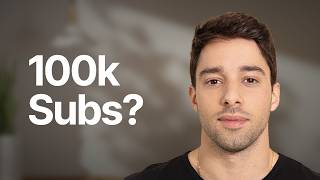
Tyler Denk, who grew Morning Brew from 100k to 3.5M subscribers before its 2020 acquisition, shares how he built his Big Desk Energy newsletter. He spends 10-15 hours weekly writing in his authentic voice, publishes Tuesdays, and scales through referrals, lead magnets like his $2.6M seed deck, and paid acquisition once product-market fit hits.
Questions this video answers
Recorded 2025-07-03; last edited 2026-01-29.
Big Desk Energy goes to 100,000 people every Tuesday.
He joined Morning Brew in 2017 and said the team grew the newsletter from 100,000 to 3.5 million subscribers before its 2020 acquisition.
Beehive was started in 2021.
He shared his seed pitch deck that raised their first $2.6 million.
Chapters
The norm in this space is let's keep our trade secrets to ourselves. Let's not showcase how much we're growing. And so you've created this ecosystem where people see that as a competitive advantage. And sharing what's working, what's not working, is kind of like showing your cards to the competition. And I've just taken the complete other approach.
The question that we get more often than anything else is like, how do I build an audience? How do I build a group of people around what I am building around the community around my business? And I'm excited to talk today to Tyler Dank, who I'm going to welcome on stage. He is the founder of Beehive. And, Tyler, you are also employee number two at Morning Brew. And so I'm excited to talk to you about email, the current state of email, but also you've built some really incredible audiences, and I want to hear how creators should be thinking about building their audience. So welcome today. I'm excited to have you here.
Thanks for having me. Hopefully, the best for last, right?
Yeah. Best for last. I love it. Okay, Tyler, for. For those who aren't Googling you, who don't know you, what do we need to know about Tyler that I didn't say in? The founder of Beehive and also employee two at Morning Brew, what do we need to know about. About you?
Also the writer and creator of his own personal newsletter, Big Desk Energy, which goes to 100,000 people every Tuesday. But I think you. You cover the basics. Right. I joined Morning brew back in 2017 as the second employee. I did product engineering and growth for the company. We grew it from 100,000 subscribers to three and a half million subscribers, and then got acquired by Business Insider in 2020. I left there, joined YouTube for, like, a very brief stint, and then started Beehive back in 2021, which you can kind of think of as Morning Brew in a box. Not the media company aspect, but, like, the underlying tech and infrastructure. And we've been building that for the past four years.
Cool. By the way, I love Big Desk Energy, and the thing I love about it so much is that it's such a specific and unique voice. Obviously, it takes years of probably writing and figuring yourself out to figure that out. But, like, talk to me about finding your voice in that particular way, because it's very unique. It's very particular. It's very Tyler, it's very authentic. How do you think about carving out that voice and showing up in that way for your newsletter? And how should other People be thinking about that in their own way.
Yeah. I'd say it's not for everyone, but I think when you said it's very Tyler, the answer to that question is like, I don't think about it. It is genuinely just me. How I think, how I speak, how I talk to other people. And it's like overblown. Like the authentic self and being authentic. And at one point, every tech company wanted people and employees to be authentic and bring their authentic selves to work. And then I think that swung too far on one pendulum and they're like, actually, let's just like do work and, and accomplish goals and keep that to yourself. But from. I mean, I've never worked like a big corporate job. I was, you know, I came right out of college and joined Morning Brew. We were a bunch of 20 year olds in New York just building this, like, newsletter media business where we were going up against incumbents that were like actual journalists. And not offense to any of the writers, but the early writers of Morning Brew knew that they weren't journalists. And that was kind of like our competitive advantage. And we had no business competing and growing to the the extent that we did. And then Google was the most corporate that I've been, but I was only. I only lasted 10 months and it was remote during COVID And then Beehive is like, you know, a company I've started. And the type of people and the culture that we've created is everyone's comfortable being themselves. Everyone is so unique and so like, I don't wear suits to work. I don't wear ties. Like, I'm very casual and laid back because I don't think anything's that serious. And so my voice and how I communicate in the newsletter is really just me pushed out.
Yeah. For somebody who like, would look up to that or aspire to that, like, it sounds so simple of I don't try. And I think, like, cool guys can say that and I think you're a cool guy. But like, for somebody who's really struggling to find their voice, like, what, like, what do you, like, how would you help somebody who's like Tyler? Like, that feels like it takes bravery. It feels like it takes courage. I'm scared to do it. What would your thoughts be for somebody who's wanting to develop that themselves? Because maybe not trying is like, hard to conceptualize. You know, it's like, let this be me. Like, that sounds easy, but maybe it's.
I think you could probably back into it of like, what is the end Goal and like why are you creating content in the first place? And whether it's to create a business or to find other like minded people online to typically the content starts with trying to provide value, right? Like if everything is about your, your lead magnet, your funnel, like monetization, it's hard to win real customer and audience loyalty where it's all about like you getting to the bottom line, where genuinely the best content creators are just genuinely creating content that is quality and provides value to other people. And those other people could be marine biologists or startup founders or artists or anything in between. And so my value has been I have grown this business incredibly transparently. Where I think the norm in Silicon Valley and startups is it's so competitive. Money is commoditized, you can raise money, you can copy ideas easily. We operate in a very competitive industry. There's dozens of companies that are doing something similar to us. And that's true of most industries now, right? Especially with AI where the barriers to entry are so much lower. You can launch an MVP and a company very quickly and compete with existing incumbents. And so the norm in this space is let's keep our trade secrets to ourselves, let's not showcase how much we're growing, how we're growing, what acquisition strategies are working. And I mean I know a lot of founders who are having tremendous success, but they'll never say a word about how much money they're making because they don't want to attract more competition into the space. And so you've created this ecosystem and this culture where people see that as a competitive advantage and sharing what you're working on, what's working, what's not working, is kind of like showing your cards to the competition or what could be eventually competition. And I've just taken the complete other approach. I think that if the content that I was creating was solely about email newsletters, there's a market for that, but a smaller market. I think if I can talk about company building, hiring startups, that creating content that helps grow the business. All of the challenges that we've faced in being a seed company to a series A to now a Series B company and the growing pains, there's now this whole market of people that my content appeals to is like, hey, I, maybe they are people who are also at a seed stage or series A company. Maybe it's people who have a full time job that they are interested in entrepreneurship and haven't taken the leap yet. And I've kind of like open sourced kind of sounds lame. But I've just transparently shared what we're doing, what works and what doesn't. And so that does a few things. I think that is like kind of my voice. It's the, the courage to not feel like I have to hide what we're working on, because I have a ton of confidence in myself and the team that we can out execute even if we share what we're working on. And then on a not more selfish level, but I've expanded the pie of people that would care about my content because again, if it's just about email newsletters, it's like this fraction of a percentage of people who are focusing on email. If it's about company building and businesses and startups and hiring, now there's hundreds of millions of people who are probably interested in some of the content that I'm creating. So kind of long winded answer, but that's kind of like been my approach that I've taken to creating content. And it kind of circles all the way back to me just being me. Like, I don't have to think about it. I have like a super productive meeting that I found valuable and I turn that into a newsletter that I can share and how I'm going to build on that as a framework. So it's kind of become second nature.
So if somebody's here, they signed up for the creator summit and they're like, all right, I'm bought in. Tyler, I'll build a newsletter. I can see the value of it. Uh, it's awesome that you're at a hundred thousand dollars. Like, how would you reverse engineer Tyler being Tyler and big desk energy? And what is, what are the thought processes that somebody should be going through when they're thinking about the very early stages of building an audience around a newsletter? And, and the kind of other side of this is somebody maybe who's been writing consistently and doing all of the things, but they've never hit any kind of momentum because maybe they aren't finding their voice in that way. What's advice or what thoughts would you give to somebody who's in that spot of like, all right, I'm bought in. I've either been doing it for a long time, it's not working, or I want to make sure that I'm doing in a way that is going to get me there as, as likely as possible. How should they be thinking about building that voice or thinking about who they're talking to? Kind of, kind of talk me through that.
Yeah. I think the good news is now is the greatest time there's ever been to bet on yourself on creating content and growing an audience. When at Morning Brew it was so manual, right? Like it was so difficult. We were using six different platforms. We had a WordPress website, we were copying and pasting for two hours every single night into Mailchimp, we were sending out an email, we were building our own custom tools and like that's part of what made Morning Brew great. We had amazing writers and created great content. But we also had this well oiled machine of just like a platform that worked in terms of audience development and growth and monetization. And fortunately today, like Beehive, obviously it's something I'm extremely passionate about. It's what we've been building for the past four years. But it really is to bring that vision to life for anyone where we have the ability, where you know, the CMS and this editor that I genuinely think is the best in the industry, like done available for you right off the shelf for free. To get started, we have a bunch of growth tools to help find that audience. So whether it's this recommendation engine that we have 30,000 active publishers recommending each other, we have a referral program where you're like most loyal. Like everyone says you need to find your first 1000 fans or even your first hundred or first ten fans. How do you incentivize them to then take the content that they enjoy reading that you're creating and refer more people to read the content? And so we built a referral program which worked super well at Morning Brew, directly into our platform. And then monetization is kind of the other thing because like the, the, the little secret in acquisition, especially for newsletters that the hustle knows and the skim and Morning Brew and all of these like hypergrowth newsletters, is you can't do it without paid acquisition. You don't start there. You start by really nailing your ICP and the value and understanding what type of content resonates the most with our target audience and what resonates from there. Once you kind of understand who your target audience is and what the messaging points is like why they continue to read. Paid is what really accelerates finding your audience and whether that is Google or Facebook and Instagram. And so then you have this like cold start problem where you know that you could pay to grow and find your audience quicker, but you're not yet generating revenue. So like where does that money come from? And for a lot of people, you can't just shell out hundreds or thousands of Dollars for audience acquisition. And so there's two things that have like developed over the past few years that have been very common is paid subscriptions directly. So Beehive along with Substack and a bunch of other platforms are basically coupled newsletters and content creation with paid subscriptions where you can charge your audience directly 10, 20, $30 a month to access your content. And so now if you only have 10 fans, but there are 10 fans who are willing to spend $10 a month, you now have $100 a month of paid acquisition budget that you can then find more fans to then pay and convert. And then the second is the Ad Network. And so when morning, I haven't been at morning brew for four years, but when we got acquired we did about 20, 25 million dollars in revenue, all ad based. And these are brands like Apple, MasterCard, Visa, you name all the largest brands basically sponsoring to get at the top of the Morning Brew newsletter and the ecosystem of newsletters. But that took a massively large sales team and brand partnerships team to facilitate that. Beehive has built this native ad network directly into the platform where we have the relationships with all these large brands and you can add them to your newsletter. So what I'm trying to get to without pitching Beehive too aggressively is the fact that we've tried to bring forward monetization as quickly as possible where if you only have, it feels insurmountable to find 100,000 readers that you're sending to every week. But if you have 25 readers who really resonate with your content, there's now ways with modern platforms to monetize via subscriptions or monetize with Ad Network that you can then start to find more and more people.
Yeah, that's good. It's, it's, it's, that's. This has been the theme of the entire event so far and it has come up in every single session, which is the way that you build something people want to read is to have an intimate understanding of the pain points or the frustrations or their curiosities or whatever else that it is there. And it's like once you can figure that out and then you couple in these tools with like referrals and partnerships and, and paying money to grow the list as well. That's the key. But that kind of like that, that like that little like fire at the beginning which is this like really understanding people, really understanding what makes them tick, really understanding what's going to make them open the email or click through or. And then once they click through be like, hell, yeah. Nodding their head as they're reading it, wanting to open it again. That level of trust, that level of understanding of people is actually the core of all of this.
And you can't skip that part at all. Right. Like, I talked about some of the flashy, like, features and monetization, which is great. I actually think a mistake that a lot of creators make today is they jump too quickly of, like, oh, how am I making money from this? How do I optimize my growth funnel? What lead magnets should I be creating? And, like, those are great, but, like, more advanced. Morning Brew didn't spend a dollar on acquisition for the first, like, I think year that I was there, it was all just understanding what the readers liked, what they clicked on. How do we give them more of that content? How do we use the referral program as, like, a free, organic mechanism to have people who are already resonating with the content share it with other people who they know would resonate with that content? And that's like, the beauty of referrals, though. You're, like, kind of putting the onus on the readers to find your core icp because they know that better than you do. But same with me, right? Like, I think really understand. Like, you can't. You could have the greatest lead magnets and funnels and monetization game plan, but until you actually understand how to solve the customer and the customers, your audience and, like, provide value for them, it's kind of like a leaky bucket problem where you're doing too much before really nailing what's most important.
Exactly.
Right.
And I think that I want to park there for a little bit because I think you do this so well and it's probably, like, it's so easy to you. It's like, this is where I see a lot of people really struggle, which is like, the content they just create is boring or it's not resonating. So, like, I want to, like, pull the thread on this Resonance. That's the word that you kind of use is that resonate? Like, how do you know something is going to resonate before you hit send on it? Or how are you thinking about it? Or if you're helping somebody launch a newsletter on Beehive, like, how are you helping them find their resonance? Like, when. When does that moment hit? When are you like, this is the thing, or this is the thing I'm moving towards? Like, how do you know that you've got it versus it just maybe being something you care about? Or something that you want to hear about. Like, how do you know that resonance moment happened? What are you, what are you looking for? What are you feeling? What are you seeing? How. How is that something that you know is happening?
What's funny is my answer is actually going against when you said, how do you know it's not just something that you wanted, that you enjoyed or that you liked? And so I'm actually a huge fan. I think Sean Pury has described it as like, he creates content for himself and he also uses the frame that the content I create is just me pushed all the way out. So, like, I'm not trying to be someone different again. This depends on the type of content you're creating. Like Milk Road was a huge success story on our platform. It's a crypto focused newsletter like they, they have similar to Morning Brew. They took what was an industry of like trade publications and news, whether it's Bloomberg and whatever, Yahoo Finance and like added personality and character to it in a way that the. So Neil, our managing editor at Morning Brew, like, he wrote it as like, oh, this turned this very uninteresting story about tariffs into something that I actually enjoy reading about, whether it was like pop culture or cultural references or like a few jokes or like breaking it down in like a different manner than how Bloomberg or Yahoo would describe that same piece of content and news. And so in that case, using the Morning Brew example, the editors were like the end customer. They're like, I like this. And we are making the assumption and we've already made the bet that our core reader is also 20 somethings in a large city who are upwardly mobile, care about their careers, care about current events, and they would also find interest in this content that I just created. And so they, the writers were the core icp, which makes that much easier. And so for me, it's the same thing. The trick for writing, again, not all content's the same, but for me it's like if I was receiving this, would I find this interesting, insightful, entertaining, funny, all the different kind of things that I go for. And the secret about my newsletter is that it takes me 10 to 15 hours to write it every week. I rip it apart many times over and edit it a ton because a lot of times it does come off cheesy initially. And I'm like, okay, that's not funny. I need to make this hit harder. Or it's two in one direction without being applicable to like, more people. So that's another thing that I'm pretty Cognizant of if it's so hyper focused on my experience at Beehive. But someone who's a founder at another company can't read it and extract any, any insights that they can apply to their company. That's like a secondary check that I do of, like, is this not just interesting, but applicable, but again, this is kind of like custom for, like, the content that I'm creating. And there's not a one size fits all. But there's plenty of people who have no interest in the content that they create. They just know it's a lucrative industry to cover and that there's a business behind creating content for XYZ that's not the content that I create, but there's not one way to do it.
Yeah, I think most of the people here kind of are vibing on your, on your pathway. And one of the things that I said yesterday that's now pinging back to me is I bet so many people who send out newsletters that aren't working, they don't even like the content they're sending out. It's like they're not even able to jump over the hurdle of like, would I read this? And I think there's a tension here between, like, would I read this? And is it interesting to me, but also really understanding the market. And you were talking about that tension a little bit here, which is, is this so narrow that it's only applicable to me or is it more applicable for a wider audience? And that is maybe like the tightrope to walk a little bit between, like, is this interesting to me? Is it even jumping over the hurdle of something that I would read, but then also making it applicable to other people. Talk me through your mindset as you're, as you're sitting down for 10 hours, which is a lot of hours.
A lot, a lot of time. It's because I'm a very slow writer and I'm also kind of a perfectionist. So, like, I'll rip through it four or five times before I feel good about it, which is a huge stressor in my life because running the company, in addition to spending 10 hours writing a newsletter is like, a lot to do. Yeah. My weekends don't exist. Is what, what suffers? No. I guess it's also important to understand why you're creating content and it's not always for the same reason. Right. Like, some people are in the content business for business. Like, they want to generate revenue, they want paid subscriptions, they want ad revenue, they want to reinvest and grow an audience. Call it like the Morning Brew Hustle playbook. Like, that exists. There's other people who create content where money isn't the motivating factor. Or maybe it's not business. It is just because they want an outlet. And by having an audience of people who follow them, that opens doors beyond just capital. And is that invitations to different panels or events or being a thought leader or advancing your career? So I think it's first important to understand, like, why you're creating content. I know that Beehive leans heavily because we've had so many acquisitions on the platform of, like, the business focus. Like, if I scale this quick enough, There's a large SaaS company who wants this exact audience that I can flip this for a million dollars. And, like, that's a great outcome. And, like, that's great. And like, we definitely, like, that's cool. Encourage people, can, you know, generate revenue and, like, an asset that is valuable to other companies. But we have tons of, like, thought leaders, independent journalists, people who write as a hobby. And so I think it's also important to just understand why you're writing, because there's not a one size fits all. The other thing I'd say is, like, I think experimentation is key. And that's something I was always impressed with. At my time at Morning Brews, I sat. I sat right in between the sales team, which is who generated all the revenue. So I saw how they felt about brand partnerships. And on the other side of me, I sat next to the content team. And, you know, like, for most people, Morning Brew was like, you read it, you get in the morning, you read it for five minutes. It's cool, it's insightful, you laugh a little bit, you move on with your day. Sitting next to the people who spend eight to 10 hours a day crafting this email and experimenting with, like, different subjects, different formats, different ways to communicate information. I was, like, very inspired by that. And so for my newsletter, I try to experiment wherever I can. An example of that is this past week I was in Cannes for, like, Cannes Lion. And then I spoke at Vidcon last Friday, and it was like, way too much travel, honestly. And, like, it was super stressful, but, like, a really interesting experience. And so I almost took, like, a travel blogger type approach. And my most recent newsletter was just like, here's the past 10 days. And, like, I documented it day by day of, like, day two of can. I met with Alexis Ohanian, and then I met with. Who did I meet with? Bunch. Bunch. A few Name drops, whatever. But like cool meetings that I had. And like then we went to this party, then we did this and I flew back to la and then, I don't know, totally different from every other piece of content I've ever created. But I saw someone else do like a similar type of travel blog type newsletter. It's not his main thing, but he did it once and I didn't even care about this person in particular. It was just an interesting format of like, I was interested in the narrative. And so I did that this week and it was probably the most replied to email I've sent in the past. Like two months of like, that was super interesting, like wild 10 days, whatever. And so I say that as just like always be experimenting, I think is really important and not to like pigeonhole yourself to a specific format or specific type of content because I think your audience is more forgiving than most people give them credit for.
Yeah, I think that's really true. And actually I had like two people call me about that newsletter so I can, I can validate that people like responding to that in a way that's like, oh, hey, have you read this thing from Tyler yet? You should go check it out. It's really interesting. And that kind of pings something for me, which is the balance between consuming and creating. Like, you had to do a level of consuming other people's content to be like, hey, that's actually interesting. I, I want to test something like that out. How do you think about the balance of consuming content and creating content? Obviously you spend a great deal of time creating content, but how do you think about the balance of those two things or the relationship?
Yeah, I, I think taking inspiration from as many people as possible is a great habit. Right. So I consume probably 15 to 20 newsletters per day. I have a bunch of other weekly newsletters that I read. We're like just in the media and attention space and then just being, you know, habitually online across socials, you kind of see what content resonates and what people are naturally attracted to. I think like the greatest thing you can do is take inspiration from someone else and use that to direct like the different types of content that you're creating. So I'm not shy. Like I told the person that I kind of copied his format. I was like, hey, this. He responded to the email. And I was like, oh, I actually got this from your email you sent six months ago. I thought it was great. And so there's that and then there's also, once you're In a certain frame of mind for creating content, you start to look for things differently. It's like I'm a huge believer in like the subconscious mind. And it's like why my newsletters are always better when I start earlier in the week because even all those half baked thoughts that I can't formulate properly, they kind of sit there and then in the shower I'll be like, oh, that's an amazing, like, I should fix it like this. And so to put that into practice, like, if I wasn't in the habit of writing this weekly newsletter, I wouldn't have gone to Cannes and taken notes throughout the week of like, oh, this is a great story to tell or this is like an interesting insight. But because I'm now putting on like my content creator hat there's like certain moments or, or insights that I extract from working or meetings or different frameworks that I'm applying where like I go the extra step to being like, oh, other people would enjoy this. And that's a kind of like a muscle, I guess, that you kind of build over time as you create content. It's like a lot of people consume Twitter or X, not many people post. But once you get in the habit of like seeing what people resonate on X, then like, you'll be walking down the street one day, see an interesting billboard and you're like, oh, that's like actually really interesting. I have an insight on that and you can share. So you kind of have to have that like content creator muscle and the more you do it, the better you get.
Yeah, that's good. It's again, like, the secret here is there's no secrets. It's just you've got to be bad at something, you've got to work at it, you've got to grow in time, you've got to learn what works and doesn't work and create those feedback loops. But I'm particularly drawn to the starting and the earlier in the week. Talk to me a little bit about your process because 10 hours is a lot of hours and if I were just listening before, it would sound like, all right, well, he does it on the weekends because he's CEO of this company, so he must start Saturday morning and then publish it Sunday night. But it sounds like you have found a habit of like getting into it early in the week, creating more time and space between writing, ideating, publishing. Talk to me about that process a little bit.
Yeah, so I have an Apple notes pad of like all the different topics that I want to write about. Which is like a running list, right. So whether it is a book that I read that I'm applying a new framework to the company, a meeting or insight or some initiative that we're kicking off and we have data to prove something interesting that I think other people could extract. I just have this like running list of things I want to write about and I'll prioritize them relative to like relevance and you know, like it's better to launch this now. This one can wait till like Q4 or whatever. So that's like a running list that's always kind of top of mind. What I'm not good at and generally I'm not good at writing, like it's super stressful for me. I have writer's block a lot. And so what I've learned is like when I wait till Sunday to write my newsletter, some days you just don't have it. And there's nothing more stressful than knowing that you have like. And granted you put all the. I put all the pressure on myself. My, my a hundred thousand readers, like they're not paying for it. If it's a bad email, like no one's going to get super pissed off and like mad at me. So it's all like self pressure that I put on myself. But knowing that a hundred thousand people are going to receive this email, it's Sunday night and like the words just aren't coming out is like a super stressful period or inexperience. And what I've learned from running the company is I'm trying to reduce the stress in my life to the best of my ability to. And so procrastinating, writing the newsletter is one of the bigger stressors. So what I learned is my. Now what I try to do like a preferred process. I have it like an hour block to my calendar tomorrow. I'm just going to write a super sloppy top of mind rough draft that like spelling doesn't isn't important. The sentences don't have to be formatted perfectly. I just kind of want thoughts on paper that I know I'm going to go back and clean up. And so that's like my first version but at least I can kind of have like a gut sense of like that felt good. Like I like this opening paragraph or I'm missing a lot of substance here. I can't think of the right words here, but it's like top of mind for me that I know where the gaps are. And then I try to go back to it like an hour every day after that so Friday evening I'll go through different mindset, fresh perspective, kind of clean it up a little bit and then I'll do that Saturday, I'll do that Sunday and I'll do one final read on Monday. That's like my preferred. I like just like everything in life. Like it very rarely goes as planned and I'll wake up Thursday. Three things are broken, there's a few fires I have to put out and like, I never actually get to like write a newsletter for an hour, but I've seen just from having things like top of mind in your subconscious or giving yourself more time and more space to iterate, it's always a far better product than if I wait till Sunday, Monday to write the newsletter last minute and I don't have enough opportunities to go through with additional reps. Yeah, that's good.
I think, I think it's really, it's really helpful just to see the practical process for a lot of people. Here you sit in an interesting spot because you have a newsletter, but you also own a company where thousands of people, maybe tens of thousands of people are creating newsletters as well. So you get to see what's working for yourself, but then you also get to see what's working for other people. And this group of people, I don't know, there's a lot of like morning brew startups or people who have lots of budget out of the gate to grow their newsletter. But what are the common things that you're seeing of some of the organic people, the people who are like just getting started small and they built something really great over time? Obviously you mentioned like getting to monetization as quickly as possible makes a lot of sense. And we've talked about how creating content that really gets attention, really connects with people, really resonates is important part of that. But what are other commonalities that you're seeing of some of these, like organic and homegrown successes on Beehive?
Yeah, I think consistency is key. That's like what you hear with anyone who creates content. But no matter what I send every Tuesday, you'll see all of the other content creators on the platform. Like they have a schedule, they have a habit. It's not like a, when I feel like writing, I'll release my newsletter sometimes on Tuesday, sometimes on Thursday, post and create content. And that's like great for just audience retention in general. If your audience doesn't know when to expect your content, they can't build a habit. It's not like a when I feel like Writing I'll release my newsletter sometimes on Tuesday, sometimes on it. There's a lot of newsletters that I read that are weekly on Friday and like I look forward to receiving them on Friday. And so that's like an expected audience behavior that they have created by normalizing their send time. So consistency is one again. It doesn't have to be using monetization and paid budget to acquire users. And you don't even need to use all of the fancy features that we've built. There's something about understanding who your core audience is and just being ruthless about sharing the content that you're creating. So like everyone has an Instagram, a LinkedIn, a Twitter, Bluesky, whatever platform you choose, and ideally the content that you are consuming there is somewhat similar to the content you are creating, whether it's interest based or professional based. And so I've gotten worse at this. This is like the downside of actually having a little bit of budget to put into acquisition is you get lazy on all of the organic things. But when I first started out and had 500 readers, every Monday night I would preview the content that I'm writing. Like tomorrow I'm going to share our framework for hiring. Sign up here to get it in your inbox. And I'd post that on Instagram, LinkedIn, Twitter. And so that trickles in, you know, 15 to 25 people who are interested in what I'm previewing, they get in their inbox the next day. I publish on Tuesday. And then I post a different, a similar but different angle of like today I just wrote about how we've hired our five best employees. Read here. They click through, there's like a hard email gate which is like a feature we have out of the box. And they're already sure it's kind of like not clickbait, but like it's. They've already shown interest and now they have to put in their email to read the rest of the content. And so like that one, two punch of previewing content that I'm not yet published, but hinting what it will be and then giving like a teaser of the content that I just published and have more people find and sign up. Like that is like a very small free and organic flywheel that you can create. And that worked really well. That's how I got from, you know, a hundred to five thousand, I'd say before really putting any budget behind anything.
That's really, I mean that's super great, simple, practical strategy. I want to like just pause for a second and Be like, if you're not doing that, those are things that cost you no time or money to be able to do. And I think that's a really, really helpful practical way. What, what else are you seeing or what else are commonalities between, between things that are, are working to grow, to grow the audience or platform?
Yeah, so some have had a lot of success just repurposing content and playing with distribution. And so What Reels and TikTok have done is like gone from a follower based social platform to a content base where the best quality rises to the top. And a lot of these newsletter creators, a lot of them also do a podcast version of the newsletter or just have a podcast as part of their like content suite that they're creating. And so they'll create, you know, 30, 60 second hype reels, more or less, post them on TikTok, post them on Instagram, and that drives more followers or more subscriptions depending on what the call to action is. So they've already put in the work of creating the content. How can they get that to hit as many channels as possible and expand the top of funnel? So we've seen a lot of people have success with that. Another one is Lead Magnet. So Lead Magnet sounds like Super B2B SaaS Technical. But there's like a lot of really useful ways to leverage lead magnets to acquire new readers. And so an example for that is my newsletters. All focused on startup founders and employees. And so the people who read my newsletter, because all I talk about is how we're building the company, maybe I should take a step back. I don't think I ever explain what my newsletter is. Big Desk Energy goes out every Tuesday. It is basically me building in public. So me sharing all of our hiring practices, our revenue milestones, new features, launching all of the shit that went wrong, which there are plenty of things that we do wrong and kind of like owning it and sharing like the experience, but in real time as we're building the company. Another hypothesis I have is a lot of people go on podcasts after they sell their company and like five years removed from the heyday of their company, they're sharing all these insights and frameworks that are like, you know, worked four or five years ago or like, you know, it's just like older content or like they're not in the thick of.
It and they, or they're giving advice that they didn't actually follow. Like that's not actually how you got there, man. Like now you're giving advice, you're like, that you didn't even use. I call that the myth of success. Often where it's like, hey, person who's now a billionaire, that's not how you got here. But you're telling me to do it differently than you got there. Like, how do you even.
There's, there's plenty of that. And there's also like, while they're on the podcast, sitting back in the chair, like, they've already cashed out their 100 million, right? So like, there's no stress or pressure for them to give like this advice. The difference of what I'm going for is like, I have no. I mean, I'm very bullish and hopeful on how the company is going. Like, you know, we're going to surpass 20 million ARR next week. Like, things are going good, but like, you're kind of following the story in real time of like me trying and testing different things as a founder. And like, there's no guarantee of success and you're kind of, it's like a soap opera in real time in a way, but with through the lens of my raw, unfiltered feedback and also that I'm like super transparent in sharing exactly what we're doing. And so anyway, that's kind of, that's what my newsletter is. And knowing who would benefit from reading that is like other founders who are interested in startups or employees who are like early employees at these companies. So a lead magnet that I created is I took our seed deck that raised our first $2.6 million and put it on a landing page and said, hey, put in your email and I'll send you the exact deck, like totally unfiltered, that we use to raise our first two and a half million dollars. And so anyone who is like thinking about raising money, they're like, an aspiring entrepreneur would probably have interest in seeing what this CDC was so they can build their deck to be better. And like, that's the perfect ICP of like, who I want to be reading my newsletter. And so I've done that for a bunch of different things, but I think that's like a good example and like, that's hyper specific to me. But if you know who your audience is, what's something that you can, it's free for me to do. It's like I already did the deck four years ago. I'm just making it available and people can receive it and sign up for my newsletter.
And again, the hurdle for this lead magnet has to be something that I actually think Is interesting. I see so many people doing lead magnets and their first thought is, what is the easiest thing that I can put out into the world because a lead magnet is going to work? And they forget the whole process of, like, setting the hurdle of, like, do I think this is interesting? Would I actually sign up for this? Would I want to have this thing? And again, that's where the empathy piece, I think, comes in really importantly, which is like putting yourself in the shoes of your potential reader. It's like, do they actually think this is interesting? Would they actually spend time looking at this? Or what is it that they would want from me that I could create? And then it's the Venn diagram. Then you. Once that is the question, then the Venn diagram of, like, is this something I've already created, or is this something that's easy to create? Or is it something that's evergreen and can be here for a long period of time? And that, like, sweet spot between those two things are the key. But I see so many BS lead magnets out in the world where it's like, dude, I don't even think you'd sign up for that. I'm definitely not signing up for it.
Yeah. Yeah, for sure.
Why would I be engaging in this at all?
Another example of that. So it wasn't exactly. It was a lead magnet, but used as part of the referral program. But Milk Road, which went from like zero to a quarter million subscribers in 10 months and then got acquired for seven, eight figures. A lot of money in a very short period of time.
Yeah.
Was they. Their referral program was incredible. I think they had 40 to 50,000 referrals and all they did was they created. So Milk Road covers the crypto industry and they spoke to like, 15 crypto experts and it was like, refer one person to the newsletter and we'll send you the 15 predictions of the crypto market in 2023 as told by these experts. And, like, perfect Venn diagram of, like, ICP to value. Like, they're reading. They're already reading Milk Road because they are super interested in crypto. And like, anyone who's interested in crypto and especially crypto, because there is, like, that financial incentive. Like, you don't want to be the one who doesn't know about, like, the different trends and, like, insights and predictions. Yeah. And so for them to share the newsletter with just one person, again, the barrier of entry is so low. It's not. They didn't get Greedy and say, 10 referrals they could have and Some people would have done it, but, like, most people aren't going to refer the newsletter 10 times. So they kind of normalize this, like one referral, super low barrier to entry, and then something super valuable to their audience. And that led to 40,000 subscribers. And so I actually think a lot of creators can kind of think through it like a good place to start. And it's a good exercise because, again, you shouldn't skip over what value can you provide your audience? Because you can do all of the lead magnets in growth and monetization. You have to understand how to provide value to your audience. And like, a great way of, like, forcing that exercise is like, if I offered a free something that I know that my audience would go crazy for, what would that be? And if you can nail that, you could play back into the type of content that you should be creating on like a daily or weekly basis. And if you nail that, you can actually just make that the lead magnet that then drives growth and you kind of solve multiple problems at once.
Yeah, that's so good. I. There are things that continually change in this world. Like, referrals wasn't a thing five years ago in the way that it is now. But lead magnets have been around. They're changing. The types of lead magnets have changed. It used to just be like, hey, create an ebook or hey, create a free email course. So it's like, there's so much that is changing, and with AI, there's so much that is changing, even at a faster rate. But, like, what we're talking about are principles of attention that have just never changed, ever. It's always going to be the same.
I was gonna say with AI, rather than viewing it as a threat, it could actually unlock additional lead magnets.
Right.
Like with AI and replit or whatever tool that you want to name, you could probably build like a quick app that would be valuable to your core audience and that could be the lead magnet.
Right?
Like access, like this free app that you built for specifically for whoever your audience is. So super dumb example. But, like, going back to my pitch deck, like, imagine I created an app where you could input, like the 15 things about your company, almost like Mad Lib style. And it spit out, like a beginner seed deck that you could use to raise money. I doubt that any investor or sophisticated investor would invest in a deck that was fit, that made from Mad Libs. But as like an example, like, that's something that started. Yeah, I mean, it's a framework, it's a template. It's something to get you started. And like I would never spend the time to code an app to do that previously with these AI tools, I could probably build that in like an afternoon and you can offer it and even if it's terrible, there's people probably talk about it and you know, you can get people in the door with that.
Yeah, that's really good. What else are you seeing from. From some of the top. The top creators. Growing audiences quickly. So we've talked about getting great lead magnets, we've talked about referrals. What else should we be thinking about when we're thinking about going from either nothing or small amount of people to building something substantial?
Yeah, I think one is recommendations. And that's something that we did at Morning Brew and that's something that other platforms have normalized a lot in a bunch of different ways. Beehive included. At Morning Brew, what we realized was people who read other newsletters and click on things are very likely to read additional newsletters. And so our number one acquisition strategy at Morning Brew was sponsoring other newsletters. So we would find newsletters that were non competitive and that they would see a Morning Brew ad or cross promotion is what we would call them. Sometimes we would plug them, they would plug us. And so it was basically just supporting other publishers with the hope that like the pie is big enough that a consumer could read multiple newsletters in the morning. And so we partnered with a bunch of other non competing newsletters. And so now a lot of platforms have taken that to the next step and built these recommendation networks. And so the secret of what we're seeing with a lot of the most successful newsletter operators on Beehive is they have like a hub of like two to three to four content creators that all recommend each other. And so there's like a network effect built into the growth of each of you. So there's like a support system. Like ideally these are people you know or have interacted with on the Internet or have like supported from afar. And if all four of you recommend the four of each other, the way that this works on Beehive and other platforms is you put it, a reader sees my lead magnet, they sign up for Big Desk Energy. After they put their email in, you'll see the four newsletters that I'm recommending that I want to support. So I did the hard work of acquiring that reader via my lead magnet to bring them in. But these four people that I want to support are also benefiting because they can opt into their newsletters as well, and that works both ways. So when newsletter A brings in new readers and someone signs up, they can see that big desk energy is one of the ones that they're recommending. So I can benefit from their acquisition strategy. And I think there's diminishing returns beyond 4, 5 or 6, because no consumer really wants to sign up for 15 newsletters when they want, when they initially meant to sign up for one. But we have seen a lot of the fastest newsletters have a ton of success building these hubs of three to four recommendations. And so that is totally free. There's like a support system built into it. And I'm hinting that on Monday we're launching a massive update to our recommendation engine. That should make that a lot more powerful. Breaking news. So this is something that's very top of mind for us. It's something that we've seen all of our top users already benefiting from and I think there's a lot more we can do to build that and help.
Yeah. So is Beehive actually like recommending these hubs or am I having to build my own hub or how is that.
How is that happening as of today? The latter. It's kind of like build your own. As of Monday, I think we are going to help streamline people to find other similar but non competing content creators on the platform where like we can use data to say like, you'll all benefit significantly if you just opt into this and be able to have the data speak for itself.
So that was gonna be my question because I've seen these type of referral networks exist in other places and the biggest barrier that people have are like, well, where do I find the people? Like, how do I make the ask? How do I, how do I actually build that hub? Like cool, love that you're doing it, works for you. But I don't know how to ask this question. So that sounds like there might be some updates there on Monday.
Yeah. I'd also be realistic and like not everyone who's like, you know, if you posted once in your Life, you have 15 subscribers, you're like kind of finding your footing. Like you're not to have like this rush of hundreds of newsletters throughout the world just like volunteering to recommend your like unproven new newsletter. So there has to be like a bit of, of level setting on expectation. But I think it all starts with like, if you're creating quality content and people genuinely want to read what you are producing, we as a platform should do our best to be able to elevate those who are creating quality content that resonates and find other people who can help support them and vice versa.
Yeah, it's like you've got to do your part. You've got to like write something that's compelling or write something that people want to partner with. It's not dissimilar from like a dating world where it's like, hey, if you aren't keeping yourself up or you're not doing the work, like you're not becoming an attractive partner to somebody. And I think the same is true here when you're building a hub is if you're hearing no a lot, maybe some self reflection is pretty interesting to like say, how do I become the kind of partner in a newsletter hub that people would want to work with? And it's, it's a not so self serving, not so self serving focus.
But yeah, we can shift to dating advice if you like.
Yeah, I love it. We would, our viewers would go way up, Tyler, if we could, if we could solve that problem for a lot of people. What, what else is like, what else is like on the verge? Like, what else are you all thinking about? You again, you sit in a really interesting, interesting spot here. What else are you thinking about the creator world in the next, you know, two to three years? What are, what are you excited about? What do you think is going to change or shift or what opportunities are you seeing pop up?
Yeah, I might echo some of what has already been said. I think monetization is really exciting. I think monetization used to historically be something reserved for very advanced creators. Those who have a lot of notoriety, those who have big teams and sales teams and can justify charging their readers or audience directly large sums of money. I think not just Beehive, but the industry as a whole, whether it's YouTube, Twitch, other newsletter platforms, Patreon, like the, the, the ability to get people to build and create the content that they want and be able to support themselves by monetizing the content by either finding people who are willing to pay for it directly or ad supported, I think. And then the optionality to have both, I think is really interesting. So that is, I mean, YouTube's been doing it for almost a decade. Right? Like that's super exciting. I think the newsletter space has been, it's like, I mean, it's why we're doing what we're doing. I think it's pretty wide open for the taking. And I think there are billions and billions of emails being sent that are under monetized. And that even goes to like big publishers as well. So beyond just creators, a lot of publishers only viewed email as a way to drive page views back to their website to monetize on, like Google AdWords or Google AdSense or whatever. And I think that's shifting a lot with seeing how valuable those impressions can be in the inbox. So broadly monetization, I think we as a platform have a long way to go. But the sooner that we can have people feel supported that they can generate revenue for their work, the more people who will take the plunge to continue to create quality content and develop as a content creator. So I'm very optimistic on that. And then the second thing is just distribution. And so I kind of already hinted this earlier. You know how TikTok has changed a lot of how content is distributed across networks, not just in your follower network. And from written content and audio content, how do you elevate the best emails, blogs, newsletters, podcast across a network of people who are interested in finding that content, what everyone wants? Like when I publish my newsletter every week, I wish 10, I wish millions of more people saw it. And like, how do we start to solve that problem? Whether it's partnerships with large platforms, whether there's new mediums, whether AI plays a large part in that, I think there's like a lot to think about how we can amplify distribution.
Yeah, that's really good. This is an interesting question that Trisha just came up. What are your thoughts about companies having a newsletter?
I think it's wildly underutilized. I think so again, talking the talk of like, we are a newsletter platform, but like we send comms to all customers. I think it's amazing. And we do kind of, kind of like it's me again, like transparency. Like we'll do like a behind the scenes of what we're building at the company. But so many people don't resonate with a big logo or brand. They resonate with the people behind the brand. And that's just like a bet on creators in general. And so I think some companies do a great job of showcasing the team behind it. We have Brex on the platform who sends like a community newsletter. So it's not like they're transactional mail. It's like them promoting different events in different cities. There's quite a lot of companies that use email to communicate with their customers. We also have a lot of startups that send like investor updates to their investors, friends and family on the platform. Obviously I could go on forever. I'm like, very bullish on email. I think there's a lot of people who are underutilizing email. But yeah, we have a ton of, like, large companies who do just customer comms or like, nurturing and lead generation of like, leads that they've acquired through events or something before. They're actually a customer and using content and earned media as a way to have them build some sort of alliance and affiliation with the brand before converting to being a customer. I think there's like a lot of opportunity. I think that's where a lot of companies aren't investing and those who are see a lot of success in those different initiatives.
Yeah, that's good. Is an email just for old people? Like, are young people actually using email? Is email eventually going to die because everybody's using TikTok or Instagram or Snapchat to communicate instead? Like, why should we keep investing in email in the future? Isn't it just for. For all the old folks in the room?
I mean, I think there's studies now that a lot of the younger generation don't want jobs whatsoever. So, like, my usual argument would be like, if you want to enter the workforce, like, everything runs through email. When I book a flight, like, all of the information comes through email. When I purchase things, I track everything through email. Most of, not most of my day ideally, but a lot of my day while working is like, communicated via email. And so I think that's like, as much as people have said, we've hit peak email and email's dead. There's too much core infrastructure from work professional, just general comms in general that are routed through email. That's, like, why email has such staying power. And you could also argue for like, anyone in like, the professional setting. Like, TikTok's an option. It's a very addicting option. But, like, it's something you have to go to. For any of the employees at Beehive, I can only speak for my employees. Like, they will be on their email, otherwise they won't be at BI for very long because, like, that's how we communicate. Right? And so, yeah, I think email has like, tremendous staying power. I actually think we're gonna see a lot of innovation around email. Not in, like, interactive video type emails. But I think people are starting to realize how ingrained email is, like, their lives. And like a CRM, like, it's the reason why HubSpot and Salesforce have like a massive thing, but like a CRM for like, personal and like, how to like, stay in touch with people. How to leverage email and like extract insights from the things that you're buying, the trips that you're going on, the content that you're creating. I actually think we're going to see some interesting innovations around email, like the client side of things. And we've started to see that with Superhuman a bit.
Yeah, that's super. That's super interesting. I, I was, I was goading you a little bit there because I, I believe email is, I mean we, we still get that.
We, we, we got that when we raised investment from investors. Right. Like why email? It's like the, the easy, big shiny thing is TikTok and video and, and, and the, there's, there's also a place for both. Right?
Yeah, but I, I think email's not going anywhere. Well, Tyler, I appreciate, tell people about Beehive. Just give us like the 62nd version. You've given us some, some nuggets along the way. But why should people pick Beehive over, over another platform?
Yeah, I think actually. So I hinted at Morning Brew a lot. I think that's a big part of the story. Like we are building from a place of experience that we've taken a newsletter from 100,000 to 3 and a half million to this massive acquisition and built one of the larger, most successful newsletters the time, more or less. And so if you can think about all of the learnings and insights and tools and data that we put into that experience, that is more or less exactly what Beehive is. So it's a website builder. We acquired a website builder a year ago. It's incredible. You can build a full custom website however you want. We do CRM, CMS like emails as well. We have the ad network built in, we have paid subscriptions. We don't take a cut of subscription revenue unlike other platforms in the ecosystem. So we're very creator friendly and we have everything you need in a single platform.
Yeah, awesome. Well, people can find you Big Desk Energy. I've seen a couple people, so they've already subscribed to it. You can read his updates there. You can also find him at Beehive. Tyler, anywhere else that you're hanging out in the world where people can read what you're doing.
Twitter or X. And the newsletter, definitely the main two. And also Big Desk Energy started as a Spotify playlist for working. So the origin is actually it's like a 50 hour playlist of what I think is the best music to work to and it became a newsletter later. So if you don't follow the Spotify playlist. I'm probably the only one who will ever do a webinar and promote their playlist at the end, but highly recommend you checking out the playlist.
Awesome. Tyler, thanks so much for your time. I appreciate your generosity both in sharing your story and some of the wisdom and what you're seeing in the world. Thanks for being here today.
Yep, thanks for having me.










