This Module 10 video gives practical, cost-conscious renovation tips aimed at maximizing perceived property value and ROI. It emphasizes repairing and repainting lower-return items instead of replacing them, concentrating visible upgrades for street appeal, choosing materials/cost-effective alternatives, and renovating to match the target demographic via buyer personas and a ‘swipe file’ for design ideas.
Chapters
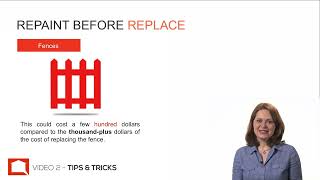
Before you rip it out and throw it in the skip, ask yourself can it be repainted? This is particularly relevant to lower end cosmetic renovations. Does it really matter if the laundry shelves are not brand new or or if the inside of the wardrobes aren't completely up to date? Often it doesn't. Remember these are low return items and a simple coat of paint will suffice in most cases. Even though these are small things, it does all add up and it's also money that comes straight off your profit. So should you repaint bathrooms? Can the tiles in the shower be repainted instead of being retiled? What about the bath or the vanity? So what about the kitchen? Can we keep and repaint the cupboards and the bench tops? It's really easy to get carried away at the start of the renovation and rip out everything, which could be a very expensive mistake. Now I'm not suggesting that you be stingy or try to do everything as cheaply as possible. This will just look cheap in the end run as we covered in module 10 adding bang for your buck. We're rather interested in spending money where it can be most seen on items that give your property the highest perceived value possible within your budget. And it's through this lens that we will increasingly view all of your renovation decisions as you gain experience. We could also apply this thinking to low return items outside. Can a fence, such as a paling fence that's leaning over, be repaired and repainted? Maybe it would be just a matter of propping it up straight, pouring some fresh concrete around the posts, replacing a few palings and repainting. This could cost a few hundred dollars compared to the thousand plus dollars of replacing the fence. The same goes for garages and carports. It's amazing what a wash with a pressure washer and an hour painting with an airless sprayer can do. Here's a tip, paint with a dark color if you want to make the structure appear less prominent. Concrete patios and driveways can also be repaired and repainted with paving paint. Sometimes this may require some sections to be repaired first with custom products including self leveling compound. An old driveway can also be covered over with a new driveway straight over the top without the costly expense of digging it up and removing it. This is done by using a layer of road base and then crushed rock. It's much cheaper than replacing with concrete. If you're building a deck, consider using treated pine with stain applied as opposed to using an expensive hardwood like Merbu. Some great stains are now available on the market. Check out a product called Quantum Echo Decks in Mabu or Black Japan Colour. This gives the decking a stick stained look with a low gloss finish which looks very good for half the cost of using Merbu. Can the majority of the landscaping be concentrated on the front of the house for street appeal with only modest landscaping in other areas Renovating to the Demographic as we discussed in Module 8, adding bang for your buck, it's all about renovating to the tastes of the target demographic and not your personal tastes. It's worth repeating this again that renovating to add equity is not an avenue for your self expression. That's an expensive property transaction that is not without financial risk. This is an area where so many people have difficulty. There is no doubt that design is a subjective matter, but the important thing to remember here is that you are not your customer. You need to renovate to the taste of the majority demographic in your chosen area and within that demographic to the broadest possible tastes. Here are a few tips to help you establish the tastes of your target demographic. Question many real estate agents what is the profile of the people buying this type of property? What are the must haves for this buyer or renter? Visit the open for inspections of comparable properties and take note of who is attending these Attend the auctions, see who's bidding. Create a Buyer Persona Once you know who your demographic is, create a buyer or renter Persona. This is a technique used by marketers for many many years and while it may seem a little weird, it does give you focus. Know who your client is. Let's say you know exactly who your buyer demographic is within this demographic. Create a Persona for one person. So for instance Jody and Pete. They're 28 and 29. They're professionals. They have one kid. Jody's must have is a large modern kitchen, a large modern bathroom with a bath, an ensuite storage visibility of the backyard. Pete's must haves include a double garage and a big yard. Both want to be close to schools, shops, a modern facade and a second living area. Now you could add so much more detail to this. You could then make a list of their don't likes the styles of houses they like and don't like the type of finishes they go for and much much more. You get the picture. It's about knowing who you're creating your renovation for. Cross check this list with the local real estate agents and what they're telling you and fine tune it a bit further. Now this may all feel a bit trite but it's really just an exercise in looking at the renovation outcome through the eyes of your potential buyer or renter. Whenever I see a good design idea, either online or offline, it goes straight into my swipe file. A swipe file simply means it's such a good idea and I'm going to swipe it in the future. This takes the form of a categorized folder on my computer or or a plastic binder for all of the pages that I cut out of magazines. There are a lot of wonderful house design magazines available to provide inspiration, and I subscribe to several of these. Here's a hint. If your library subscribes, then check out their digital online subscriptions. There are even iapps that you can use that allow you to copy a page off the Internet and create for yourself a virtual swipe file. I simply cut out the pictures that contain design elements that I think I could use and then file them room by room. So I have separate folders for lounges, kitchens, bathrooms, bedrooms, studies, entrances, landscaping, house plans, and even garages. And here's another tip. You might want to check out my Pinterest site because I have all of the things that I like the most right there. Whenever you see something online, be it a real estate website or anywhere else, I also saved the picture to my computer swipe file, which is also categorised into rooms.