HIGH FUNCTIONING ANXIETY SYMPTOMS // What It's Like to Have High Functioning Anxiety
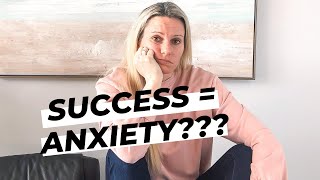
Lori Streator explains high functioning anxiety, where people appear successful and energetic but are driven by internal anxiety. Common signs include overthinking, perfectionism, people-pleasing, and fear of failure. The condition causes real distress despite outward competence.
Questions this video answers
About 40 million adults.
About 18%.
No — the host states it is not a DSM diagnosis.
Chapters
What's going on? Welcome back to my channel. I get asked a lot, what is high functioning anxiety? Lori, is this even a thing? So to get a little statistical for A second, about 40 million adults deal with an anxiety disorder diagnosis and about 18% of those would identify as high functioning anxiety. And that's according to the National Institute of Mental Health. So these are statistics that are studied and researched. The now when we talk about high functioning anxiety, high functioning anxiety is not actually a diagnosis in the DSM that we as professionals use to diagnose mental illness or mental health disorders. But it is this subset of some people who struggle with anxiety. But it doesn't mean that it doesn't cause distress. But people with high functioning anxiety tend to, quote unquote, look really good. It's high functioning. And something that I hear a lot from my clients is nobody believes me that I have anxiety or when I tell people what I struggle with, they have no clue or they've never seen it or they would not have any idea that I have these thoughts in my head or I experience some of the things I'm explaining. So a lot of what we see with high functioning anxiety people do really well because they perform form from this anxious state. And we're going to get into that a little bit. But there's a real internal struggle going on and the success isn't coming necessarily from a positive place, it's coming from a fear or anxious based place. So when we talk about high functioning anxiety, some of the things that we see a lot are overthinking, people pleasing, inability to slow down, brain porous boundaries. Right. Not able to say no. People are very loyal, very detail oriented, super helpful. There might be a lot of procrastination or over planning. And people with high functioning anxiety tend to perform very well under pressure because again, it's the anxiety that's driving them to perform and succeed, not just a general desire to succeed. When I said that a lot of my clients who struggle with high functioning anxiety tend to hear from people in their lives that people had no idea that this was something that they struggle with. It's because the person with anxiety might be experiencing a lot of over planning or overthinking, but the people around them are seeing a lot of detail oriented or meticulous kind of behaviors. So the experience, experience to the person struggling or dealing with the high functioning anxiety is a lot different than what it might look like on the outside to other people who have no idea that this struggle internally is happening within this person. Another thing that people might be experiencing is a lot of people pleasing or not being able to say no. And what people are seeing are maybe very outgoing or loyal or incredibly helpful behaviors from this person who's just experiencing. Or a lot of this inability to say no because they're afraid they're gonna let other people down. With high functioning anxiety, I also see a lot of an inability to slow down or relax. We have to be able to relax. Your body needs rest. What other people see is a lot of energy or somebody being very active or oh, it's just a cute thing that this person can't sit down. But the person struggling is feeling very anxious or very agitated or keyed up or on edge. And anxiety is a lot of pent up energy. So what they're experiencing internally is coming off as very active and energetic, but it's driven from this experience of all this pent up energy that they're having a difficult time managing internally. A couple other things that someone might experience is a fear of failure or a fear of rejection because a lot of what's rooted in anxiety is insecurity. And people tend to very much worry about what other people think or how other people are perceiving them, or what other people are seeing. So there's a lot of fear of failure and rejection and judgment. But what other people see is maybe someone who looks very hardworking or determined. And one last big thing that I see that I mentioned is that people with high functioning anxiety tend to perform very well under pressure. And it looks good on the outside. It looks like this person really is great at meeting deadlines and they always have this sense of urgency. But. But it's coming from a place of incredible procrastination over planning, perfectionism, things that they're having a hard time managing. And that is a huge internal struggle. So it's coming off as them performing very well under pressure. But what the experience to that person with high functioning anxiety is that they've procrastinated and they've worried themselves sick and they've struggled for so long that now they have to get it done asap and they have to do it well, because now there's a deadline, now they're at the end of the deadline and they have this incredible fear of failing or rejection or people judging them or how their performance or project at work or whatever it is is going to look to other people. So it looks like a good performance, but it's not coming from the greatest, most supportive, most positive place. The thing with high functioning anxiety is it tends to propel people to succeed rather than paralyze them. Some people who struggle with anxiety can't function. They can't go to work, they can't go social events, they can't go to school, they have a hard time in crowds or one on one or in relationships with people. People with high functioning anxiety are very propelled to succeed rather than feeling paralyzed by the feelings that they're experiencing. And it doesn't often look like there's an underlying problem. High functioning anxiety is often hidden under a smile. And that's why people around them often are like, I had no idea that you struggled with anxiety or you experienced ang any of this. Once that person starts to open up about what they're really feeling and thinking on a day to day, or why they're performing under pressure, or why they show up to every event, it's because they're afraid of being judged or all the other thoughts that they experience with these anxious feelings. And now this isn't a rule, this isn't for everybody. But a lot of what I see is that people do tend to be really loyal and stay in these relationships even when they know that they're not being treated the best. But because of their fear of the unknown or the fear of rejection, or their fear of if I let this person go, nobody else is going to like me, or if I let this person go, what are they going to tell other people or what are they going to think about me? That is too big of a burden on them and this person stays in a relationship where maybe it's not good for them or they're even being treated poorly. So that's interpersonally something that I see a lot when people struggle with high functioning anxiety. So if you remember I said high functioning anxiety is not its own diagnosis. It's not something that I can check all the boxes and say, you meet all the criteria, here's your diagnosis. Not that that's what I generally do anyway. I'm very careful with diagnosing somebody. But it's not its own diagnosis formally for us as professionals. So what that means is that people often don't realize they have an issue or they don't seek help because they don't think it's an actual thing. They don't think because it's not a diagnosis, because people don't talk about it or because everything looks okay on the outside, they don't actually seek professional help. So if this is something that you struggle with, or if there are just thoughts that you're having for longer than you wish you were. You're thinking about something more often than you wish you were. It's always okay to ask for help. But if you're not ready for professional help, do things for your lifestyle. Pay attention to your eating. You're sleeping, you're working out, right? Like I said, a lot of anxiety is this pent up energy, feeling keyed up or on edge. So making sure that you're moving your body and you're taking care of your feet. Physical health. Educate yourself on anxiety. Spend 10 minutes a day practicing mindfulness or even use tools like meditation or hypnosis to address those deeper beliefs that are causing you to perform the way you're performing or that are causing these thoughts of fear of failure, fear of rejection, having to be loyal, staying in relationships. Address all those things within yourself. If you're too worried about getting professional help, address all those things, start thinking about those things and use these tools. Meditation, hypnosis, mindfulness, taking care of your physical health, all of that stuff to really look at yourself, raise your awareness and think about what's going on and if this is actually coming from a good place or if your success is driven by internal struggle. Now I get it. Some people might not want to let go of that internal struggle because they're worried they might lose their edge. They might lose this thing that drives them to succeed or has given them the results that they've accomplished in their life over time, whatever it may be. So some people are honestly afraid to address this because they're worried about losing that edge that keeps them going. But when we talk about professional support and treatment and help, we want to do more of the developing the positive traits that you've worked on over time and letting go of the internal struggle, not forcing you to let go of your edge or release the things that are driving you. We want to tap in to what is working and let go of the things that are maybe causing you stomach aches or causing you distress in relationships or or the other physical symptoms or stressful thoughts you might be thinking. Just remember, success does not have to be a result of anxiety. It doesn't have to come from a place of fear, fear of failure, fear of rejection, or from a place of over planning and procrastination. I always want your success to come from a place of your strengths, the positive traits you've developed and your hard work, not from a place of internal struggle.
More from Lori

WHAT ARE SOME SYMPTOMS OF SOCIAL ANXIETY DISORDER? // Are you struggling with Social Anxiety?

WHERE TO FIND THE BEST THERAPIST FOR YOU // Who to call when you need to talk to someone



4 SIGNS OF ANXIETY YOU SHOULDN’T IGNORE // Anxiety symptoms you should pay attention to



WHAT IS THE DIFFERENCE BETWEEN STRESS AND ANXIETY // How to Tell What's Going On

5 WAYS TO HELP A CHILD WITH ANXIETY // How to Help Your Child with Their Emotions

BEAT HOLIDAY STRESS BEFORE IT STARTS // 4 tips to manage anxiety about the holidays
