HOW TO TELL THE DIFFERENCE BETWEEN PANIC AND ANXIETY ATTACKS // Are Panic Attacks Worse?
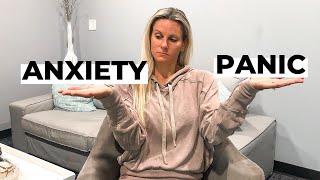
Panic attacks hit fast and peak in about 20 minutes with intense physical symptoms and fear. Anxiety attacks build slowly from stress and linger longer, disrupting sleep and focus. Neither needs to go untreated.
Chapters
What's going on? Welcome back to my channel. I want to talk about the difference between panic attack and anxiety attack. A lot of times we use them interchangeably because a lot of people think that an anxiety attack is just a lesser form or less intense panic attack. But they're actually two different things. There are similarities. There are definitely symptoms and signs of panic and anxiety attacks that they share. But. But they do have some differences. And I'm a big fan that when you educate yourself and you know what's going on, you'll be able to work on it more efficiently because you know what's happening. So knowing some general differences between anxiety and panic attacks can actually help you get the help you need, figure out what's going on so that you can feel better and A, help you manage them in the moment and B, also help prevent them because there's similarities. But there are some different things that we can do to help help treat panic or anxiety attacks. But it's important, like I said, for you to know the difference and we're going to go over that today. It's important to note that everybody's experience, just like anything in life, everybody's experience with panic or anxiety attacks is different. So if I say some of these symptoms and you're like, that's not me, that's totally possible. I'm not going to go over every single piece of criteria that helps us as professionals figure out what's going on. But I want to give you some general ideas. That way you can start to think what's happening here and get the help that you need. So panic attacks can happen with or without a panic disorder diagnosis. So there are features with panic attacks that can help us diagnose panic disorder or, or other disorders. But you don't have to have a disorder or a diagnosis to have a panic attack. They can happen, but there are specific criteria that can help us figure out what's going on diagnostically. Now, anxiety attacks are not actually their own diagnosis. They're not recognized in the DSM 5, which is the big book of all the criteria that helps us, again as professionals, figure out what diagnosis fits best and how to treat it. So anxiety attacks are not actually in the DSM 5, but the features and the symptoms of anxiety attacks fall usually under the different anxiety disorders. So I don't want to get too much into that, but I want you to understand there is actually a panic disorder diagnosis. There is not an anxiety attack diagnosis. When we're looking at diagnostic stuff, we are thinking about what fits where. So that we can figure out what's going on and that we can best help you when we talk about a panic attack. If we're going to diagnose panic disorder and specify that there's a certain number of criteria and you have to have so many of them to be diagnosed, I'm not going to get into that, like I said, because I don't need to get into that nitty gritty. If you have questions, if you have a therapist, please ask them because we love to educate people. I want you to understand this. I want to talk about it more in general terms so that you just have a general understanding of what's possibly going on in terms of a panic attack. When I explain this to clients, I, I explain it in the idea that they tend to peak really quickly. They can be expected or unexpected. Sometimes we think that panic attacks don't have a trigger, but they can. We just might not be aware of what that trigger is, but they tend to peak super quick. You get those really intense physical feelings super quickly and then it starts to dissipate and you can feel better. You, you might not feel 100%, but you start to feel better as those physical symptoms subside. So there can be a lot of shortness of breath, feeling like you're choking, feeling like you're having a heart attack, shaking, feeling really hot or feeling really cold, having the chills, feeling dizzy, feeling like you're having an out of body experience. There's a lot of fear, fear of losing control, fear that you're not yourself, that you don't feel like yourself, fear that you're gonna die. There are people that go into the ER because they feel like they're gonna die. They feel like they're having a heart attack and it's really a panic attack. So there's a really intense fears and physical symptoms that tend to accompany a panic attack. And that's generally how I explain it to my clients. There are both the mental, the fears and the physical symptoms. The shaking, the sweating, the, the shortness of breath and all that. So there's both mental symptoms and physical symptoms. But the general idea of a panic attack is that it peaks super quickly, it feels in the moment like it's lasting forever, but they usually last about 20 minutes or so. Again, it's not a rule. Everybody's different. But those are just some ideas to help you get an understanding of what a panic attack might look like. Now, an anxiety attack can involve some of those same physical symptoms, but an anxiety attack tends to have more of a Buildup, and there's usually a stressor that we're aware of. Again, that's not a rule. But typically people have anxiety attacks when they're afraid to fly. If they've been driving down the road and they've been in a car accident with a white truck, and every time they drive behind a white truck, they, their anxiety gets higher and higher and higher until they're having a full blown anxiety attack. So there's often a trigger, tests, things like that, there's a buildup, it's slower, it can happen over a longer period of time. But the symptoms do eventually subside, though. The longer lasting symptoms of anxiety can disturb sleep, irritability, concentration and things like that. So if you've been in a car accident with a certain color car, and every time you're driving behind that color car and you start to feel really shaky and you feel really anxious and all of that, it might be an anxiety attack because there's a stressor. There's the stress hormone running through your body because you're freaking out that you've associated that color car with a terrible accident or you're afraid to fly. And every time the anticipation of getting on an airplane is there, you start to feel more and more and more anxious and, and then once you're off the plane, it might not be 100% better, but it definitely starts to subside because that stressor is no longer present. You're off the plane, you've landed, you're good. So just think about if you really know the stressor, if there's a buildup, how quickly something is peaking, and longer term, again, if it's more anxiety attacks, there tends to be more disruption with sleep irritability, problems with concentrating and things like that. So again, there are both the mental symptoms, symptoms of an anxiety attack and the physical symptoms of an anxiety attack. Don't forget, everybody is different. I have clients who have panic attacks, but not anxiety attacks, anxiety attacks, but not panic attacks, both or they have anxiety and no signs of panic or anxiety attacks. So everybody's different, everybody's experience is different. But regardless, when these things go untreated, when they're left unaddressed, when you're not educating yourself, they do have the potential to disrupt your life. So educate yourself, go into a therapist and say, here's some things I'm experiencing, what could it be? Or can you tell me the difference between anxiety and panic and have them help you understand it. Because I, I really firmly believe the more we educate ourselves, the better off we are. Because we know what's actually happening with ourselves and we know more directly what to do to deal with it. But just don't let things go left unaddressed and untreated because the longer they go unaddressed, the longer we try to stuff them down. It's like a beach ball trying to hold it underwater. We're eventually going to roll over and it's going to pop up on a sad side. So if this is something you're struggling with, make sure you ask for help. Don't let them go untreated. But the awareness and the education around what's happening is a really good place to start. Both panic attacks and anxiety attacks are very intense, very emotional and they can be very scary. So don't think that one is better than the other. They definitely share some symptoms. There are some differences but. But again, just educate yourself so that you can best help yourself so that these things don't go left untreated. Don't forget to subscribe and I will see you back here next Wednesday with another video.
More from Lori

WHAT ARE SOME SYMPTOMS OF SOCIAL ANXIETY DISORDER? // Are you struggling with Social Anxiety?

WHERE TO FIND THE BEST THERAPIST FOR YOU // Who to call when you need to talk to someone



4 SIGNS OF ANXIETY YOU SHOULDN’T IGNORE // Anxiety symptoms you should pay attention to



WHAT IS THE DIFFERENCE BETWEEN STRESS AND ANXIETY // How to Tell What's Going On

5 WAYS TO HELP A CHILD WITH ANXIETY // How to Help Your Child with Their Emotions

BEAT HOLIDAY STRESS BEFORE IT STARTS // 4 tips to manage anxiety about the holidays
