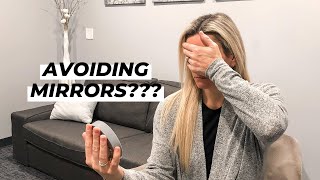
A short video/transcript by Lori Streator explaining how body image, self‑esteem, and mental health are interrelated. The speaker defines healthy body image (the mental picture of oneself), healthy self‑esteem (self‑value, self‑respect, realistic expectations), and describes how struggles in one area can negatively affect the others, while encouraging self‑compassion, boundary‑setting, and seeking help when needed.
Chapters
Body image, self esteem and mental health can be very much interconnected. A healthy body image says my looks don't define who I am and I know my self worth as a human being. A healthy self esteem connected to that says I have realistic expectations of myself and I respect myself. The healthy mental health part of this whole circle is, is that I can handle difficult feelings and emotions and situations and I know they don't define me or my worth. So when one part of the circle is struggling, it affects everything else. Just like anything else in life, we have to kind of keep everything working in harmony to make sure that everything else isn't negatively impacted. So if you're struggling with body image, it doesn't necessarily mean that you struggle with mental health. But an unhealthy self esteem or an unhealthy body image can impact how we feel about ourselves and it can impact our mental health. A healthy body image is more than just not disliking yourself. When you look in the mirror, it's how you see yourself. It's the mental picture of, of how you see yourself as a whole human. It is what you see in the mirror. But a healthy body image is how you see yourself as a person, the mental image that you have of yourself. So a healthy body image means that even if I look in the mirror and I see something I don't like or that I'm working on or that isn't up to par today because maybe I'm having a rough day, I. I'm still able to recognize what's going well or I'm able to say, oh, I don't like the way that shirt looks on me. But I'm really proud of the strong legs that carry me throughout my day. We're not all going to feel perfect 100% of the time. But a healthy body image is that mental picture that we have when we think about ourselves as a person. Do you see yourself in all negative light? Or if you do start to pick out flaws, can you catch yourself and stop yourself and bring yourself back to the things that you do appreciate? So it does have to do with the physical body, but it's not just about looking in the mirror and being able to turn away. If you don't like what you see. It's the whole picture you have in your brain. And if you do start to go down that path or you start to compare yourself to someone else, what does your brain do with those thoughts? That's body image, that mental picture that you hold in your head of yourself. That is your body image. So your self esteem is more of how you value yourself and how you respect yourself and how you take care of yourself. Do you come at goals and things you want to improve for from a place of love rather than a place of hate? Are you able to again look in the mirror and maybe not like what you see every day because we all have rough days. But quickly turn that around and a good healthy self esteem can kick any of those flaw picking moments out to the curb and say no, I respect who I am and that flaw doesn't define who I am as a human being or, or my worth. So your self esteem is how you value yourself as a person. Having a healthy self esteem means you still feel good enough, even in those moments of struggle that you still know you're a good person and you still value and respect yourself. Even when you're dealing with a difficult situation or a difficult emotion, or you're going through a tough time in life or, or something has happened that has impacted you or you're working through a healthy self esteem is going to impact how you work on that stuff. It's about respecting yourself and thinking realistically and being able to effectively manage those difficult feelings or those more difficult moments. And that's where it impacts mental health. If your self esteem is struggling and you don't value yourself, you, your mental health might struggle. If you're struggling with body image and your self esteem is tanking and then you start to feel anxious because you're feeling so bad about yourself or you're not respecting yourself so you're not setting boundaries or you're not valuing yourself, it's all interconnected and it can all work together again. It doesn't mean that if you struggle with body image or you know, your self esteem isn't the greatest right now that, that you have a mental health issue, that's not necessarily the case, but they can impact each other. When we feel good about ourselves as a human being, when we can look in the mirror and say, hey, like I like that person, I like that person that I see staring back at me, our mental health tends to be in a better place because when we struggle we can effectively cope with that stuff and we're in a place that we feel good and value ourselves, that we can handle something that might come our way. So when we feel good about ourselves and the person looking back at us, when we look in the mirror, we feel more at ease, we feel good about who we are, there's less negative self talk and the things that come up in life because we're feeling pretty good about who we are or we have the self esteem to back up those rougher moments. We can set those boundaries, we can cope effectively, we believe in ourselves and trust ourselves that we're going to get through those rougher moments. They're just all very interconnected. And I know when I see in my office somebody who has a really low self esteem, it can put them at risk for things like anxiety because their thought process is just different. So you don't necessarily have to see a therapist to work on your self esteem or. But if this is something you struggle with or if it's something you've been struggling with, ask for some help and support and start to work through this. Because when we work on one area of our life, it's just a natural thing that the other areas start to improve too, even if it might not have been a direct issue. So the example I gave in the beginning about how body image and self esteem and mental health work together, a healthy self esteem says I respect myself. I a healthy body image comes in and says I'm in tune with what my body needs and I treat it with love and kindness even when I struggle. And healthy mental health comes in and says things might not be perfect all the time and that's okay. So they all very much work together. A struggling self esteem can put us at risk for other things. So it's important that whatever you're struggling with, you know that things are interconnected. They might not be directly related. Just because you struggle with self esteem doesn't mean you have anxiety or depression or a mental health issue. But they're still going to relate, they're still going to impact one another. So body image, self esteem, mental health, they very much work together and it's important for you to know where you're at, how you feel about yourself, how you value yourself and your, how you think about things, even maybe when they're not going your way or there is a struggle or you are down on your physical body or life at that moment. Thinking about how you approach yourself and coping is going to give you an indication of how you feel about yourself and your overall self esteem. So it's just something to think about. Body image, self esteem, mental health, very much related. I will see you back here next Wednesday with another video.