IMPROVING YOUR RELATIONSHIP WITH FOOD // What does it mean to have a Healthy Relationship with Food?
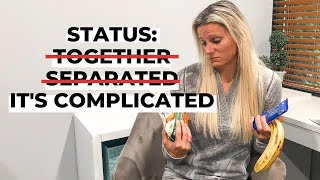
Lori Streator explains how food beliefs form in childhood and shows three steps to fix a broken relationship with food: define what yours is, investigate what's missing in your life, and write a letter to food to work through your feelings.
Chapters
What's going on? Welcome back to my channel. We have relationships with people. We know that we have friends and family and co workers, and we need to get along with those people. We want to get along with those people. But did you even realize that you have relationships with things like food and money? And those relationships are actually equally as important because when we don't take care of our relationships with those things like food and money, those. Those relationships, just like our relationships with people, can become dysfunctional and cause us problems. So we're going to talk about our relationship with food today. But these ideas can be used with your relationship with money and other things. So we're going to focus on what a relationship with food looks like, why it's important to take care of it, and things you can do to improve your relationship with food if it is more dysfunctional or even if it's just not as healthy of a relationship as you'd like it to be. We all have a relationship with food. Every single person has some kind of belief system and relationship with food in general. It's our responsibility to make sure that we have a healthy relationship with food because it is something that we have to have in order to live. It is something that we pretty much come across every day. We. We deal with all the time. And when that relationship is dysfunctional, it can cause some pretty big problems in our life and impact us in big ways. So it's up to us to be able to identify what our relationship with food looks like and how to improve it if it is a relationship that is more on the toxic or unhealthy end of the spectrum. So your relationship with food is something that's developed over time. You're not born thinking, I can't wait until I'm 20, 30, 40, however old, and I overeat or I binge or I lose control when I see my favorite foods. Right? These are all things that we learn over time. So these stories around food, our relationship with food is given to us by our caregivers and developed over time from experiences that we perpetuate from those stories or that we develop as we get older. So just remember, this can absolutely be something that can be repaired and worked on, but it's going to take time. Because if you are struggling with your relationship with food, it's likely something that didn't happen overnight. It's something that has been going on for a long time, possibly even since you were a child, because that's where we learn a lot about our relationships with the world around us. People, food, our belief systems about money and things like that. So just remember to be patient. When we look at what your relationship with food looks like, what does that look like in your life? How are we going to work on it? Please always be patient, because that's a key factor here. Because again, this has developed over time. This repairing process is not typically an overnight fix. So just please be patient. The first thing you need to do when you're looking at your relationship with food is define it. Is it healthy? Unhealthy? Is it a toxic relationship? When you think about eating, what do you think about? Do you get really excited? Do you dread it? Have you been a yo yo dieter your whole life? Do you struggle with control around food? Do you struggle with your weight? These are all things that play into our relationship with food. If you look at it like a person, my relationship with you, I know it's good if you call me and I'm excited to see your name on my caller ID or if I know we have plans, I'm looking forward to them. But if I see your name on my caller ID and I'm like, and I don't want to answer it, that's a bad sign. So. So if you struggle with your relationship with food, think about your feelings and your thoughts when you think about food, when you think about your weight and all of the things that go into eating and that relationship with food. When I hang out with the person, my feelings matter. Those are gonna be indicative of how that relationship looks to me. So when I'm eating, if I'm scarfing food or I'm enjoying it, those feelings are indicative of how I feel about food. So just start to define it. How do you think about food? How have you been your entire life? What stories have you learned about food? I have a client and she grew up and her mom would tell her, I'm fat, your grandma's fat, your aunts are fat, and you're going to be fat, too. We all have food issues. Well, guess what? She grew up having issues with food because those were the belief systems that were instilled in her. And she didn't know any better and just carried them through into adulthood until she had issues with her weight and control and all of these things that went into her relationship with food. And now she's backtracking and starting to unravel and repair that relationship. But that relationship came from those stories that she got from her mom at a really young age. So think about when you were little. What did you learn about food? Was there always tons of food? And this is how we celebrated? Was there never really enough? Were there struggles around food? Was there a lot of going out to eat, a lot of home cooked meals? Nothing is good or bad. This isn't about judgment, this isn't about right or wrong. This is just about what did you learn about food? Food? What kinds of things growing up did you learn and take in and make part of your life that helped develop your relationship with food today? Because again, your relationship today is probably from things in the past. This has usually developed over time. So really think back, define this relationship. Where did you learn about your thoughts on food or your weight? That tends to very much go hand in hand. What were you told? What did you learn about and what have your experiences been your whole life and now what do you think about it? Really define that relationship just like you would when you were trying to think, do I like this relationship with this person? Is this person good for me? What do I need to do about it? You do the same thing with food. The second thing I'd like you to do when it comes to your relationship with food is figure out if there's anything missing in your life. When we're living out of alignment or out of our values or we feel like there's really something important missing in our lives, our relationships suffer. So it would go to say that our relationship with food and our bodies and everything that goes into that relationship and is also going to suffer if there's things missing in our lives or we're living out of alignment or we're really not living the happy life that we want to be living, chasing our goals and all of the things that go into being who we really are. So another example is I have a client and she came to me and again, really struggling with her relationship with food and weight and all of that. And we talked about what's really missing in your life. And it turns out she's really creative. She grew up dancing in art classes, she paints, and guess what? She has a job that's very linear, very formulaic, it's mathematic. And she hasn't really had an outlet to be creative in her life. And her assignment, instead of us addressing directly her relationship with food and weight loss, I told her three times a week, be creative, make a creative date with yourself, paint, go to art shows. All of those things that sparked that creativity in her and gave her back that light, gave her back what she's been missing for so long. And what happened was she started to get that Spark back. She started to feel more like herself. She started to tap into all those parts of herself and that were missing. And naturally, it was quote, unquote, easier to begin working on her relationship with food because she felt more like herself and she felt more like she was living in alignment with who she really was. So pay attention. If there's something missing in your life, or maybe you have a relationship with somebody who's really nagging at you and this relationship is toxic, you're having a hard time letting it go, and that's affecting your other relationships. Again, everything affects everything. We're whole humans, so everything we're doing in our lives impacts everything else in some kind of way. Maybe your physical environment is really cluttered and really messy. And yes, there's tons of research that really smart people are messy and they swear a lot. And you can find research that's going to back any kind of theory or belief. But if your home environment or your work environment or just your physical environment around you is really cluttered, really messy, and you're living in that external chaos that might affect your relationship with food. So what's missing? What's going on around you? Where are you maybe living out of alignment? Are you struggling with a move or a job thing? A lot of times, too, issues with money correlate with issues with food. Food, I see that a lot with clients. So if you get your money in order and you start to budget and you really start to address your financial health, that also might impact your physical health and your relationship with food. So we don't realize that all these things are very interconnected, but they are. And paying attention to what's missing, what's going on, what does your external life look like? What are your other relationships? What is your financial health? All of those things, what do they look like? And what are the things that if they're out of alignment, they could possibly be impacting your relationship with food. And that might be a better place to start because it might actually be easier for you to address that than directly address your relationship with food. And addressing something else might be a way to ease you into addressing your relationship with food. So there's all kinds of ways to go about it. But just ask yourself, what am I missing? Where am I maybe out of alignment? What does my life look like? What does my external life look like? What does my relationship with money look like? My financial health, how does work look? All of those things that impact every other part of our lives, it impacts us. It matters. So pay attention to it. If you're having an issue with your relationship with food, there might be other things going on. And the third thing that you can do to address your relationship with food, define it, and really look toward the future and what you want it to look like, is to write a letter. We write letters and have conversations with people, but again, our relationships with things like food and money matter just as much. Address them like you would people. Write on the top of a piece of paper. Dear Food, here's how I feel about you. Here are my thoughts when I have to see you and deal with you and think about you, and here's what I'd rather it look like. Here's what I want our relationship to look like. Here's what a healthy relationship with you would look like. I know it sounds silly, but it works. Address food just like you would a person. Tell food how you feel and your thoughts and what's going on and how you'd rather things be. Because that gets it from your head onto paper. And then you craft a plan on paper and you're telling food what you're going to do, what your responsibility in this relationship is, moving forward, and then you sign off, sincerely, all the best. Love you. However you sign a letter I. But address food like you would a person if you had a tough relationship and you were going to write dear so and so and you were going to get out all of your feelings and tell them how you felt and what you wanted things to look like in the future. Do the same thing with food. It can be really cathartic. It can be really helpful to see our thoughts onto paper, and it's also helpful when we get toward the end of the letter and we're writing all what we want things to look like in the future and we're starting to wrap up the letter. It can just be a really good way to identify what your relationship with food looks like. Get everything on paper, get it out, come up with a plan, and tell food what you want things to look like moving forward. Food isn't good or bad. Food brings us together. It brings us comfort. It's a way to celebrate, and it's often associated with all kinds of feelings. Your relationship is subjective. It's personal. Somebody could have a really good relationship with food and somebody else could have a really toxic relationship with food. That is up to you to figure out what your relationship with food looks like and what maybe you need to work on so that you can have a good, healthy, functioning relationship with food, and so that it doesn't cause you a bunch of stress and impact you negatively. But just don't forget to be patient because again, there are so many emotions associated with food and eating and things like that and it plays such a big role in our life. So all the more reason to be able to identify what your relationship with food looks like and how to improve it moving forward so that you can have a good working relationship instead of. Instead of this battle and this constant fight like you would a person that you didn't get along with or that you couldn't stand. Just like any relationship in your life, it is up to you to make sure that you gain awareness around the relationship and you work on your end of it. You deserve healthy, positive, well functioning relationships. And the same thing goes with food. Gain some awareness around this, put some thought into it and then make sure that your relationship with food looks like a loving, healthy, positive relationship just like you want every other relationship in your life to be. Don't forget to subscribe and I will see you back here next Wednesday with another video.
More from Lori

WHAT ARE SOME SYMPTOMS OF SOCIAL ANXIETY DISORDER? // Are you struggling with Social Anxiety?

WHERE TO FIND THE BEST THERAPIST FOR YOU // Who to call when you need to talk to someone



4 SIGNS OF ANXIETY YOU SHOULDN’T IGNORE // Anxiety symptoms you should pay attention to



WHAT IS THE DIFFERENCE BETWEEN STRESS AND ANXIETY // How to Tell What's Going On

5 WAYS TO HELP A CHILD WITH ANXIETY // How to Help Your Child with Their Emotions

BEAT HOLIDAY STRESS BEFORE IT STARTS // 4 tips to manage anxiety about the holidays
