THE POWER OF BEING PATIENT WITH YOURSELF // How to Have More Patience in Life
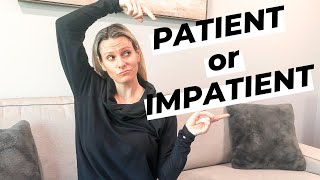
A short motivational talk by Lori Streator on the importance of cultivating patience—particularly patience with oneself—as a teachable skill that supports long-term goals, self-control, physical and emotional health, and trust in the process. She defines patience as delaying immediate gratification and tolerating discomfort without heightened emotional reactions, and offers three practical steps: make yourself wait, identify triggers of impatience, and clarify long-term goals.
Chapters
Patience goes way beyond just sitting and waiting. We see patience as when you think of a little kid and we're like, just be patient. Just wait. What's going on? Welcome back to my channel. I want you to ask yourself two questions. What is something that you have a lot of patience for? And what is something that you have zero or very little patience for? When I ask people this question, a lot of times we have more patience for other people than we do ourselves. But patience is a key indicator in how successful we are. Results we see when we're working towards a goal or whatever we're working on in our lives. Patience is a key indicator of that. Patience is something that we need in order to be successful. Whatever success means to you. So, so nobody is setting a goal, thinking, I hope this takes five years to accomplish. We want immediate gratification, but lack of patience leads to short term gratification, but it leads to long term disappointment. Lack of patience leads to short term gratification, but it leads to long term disappointment. So when we're talking about the power of patience, we're about talking, when we're talking about how to be more patient, we're talking about being patient with yourself and developing it and practicing it like it is a skill. Because it's not something that usually we're born with. We're taught patience and depending on how you grew up is going to kind of determine how much you have as an adult and then how much patience you have with yourself as an adult. So especially when we're talking about goal setting or working towards a result or whatever that may be. So patience is going to be a key indicator in how successful we are as adults. Patience is more than just sitting and waiting something out. Patience is about delaying that immediate gratification. It's the capacity to wait something out that might be tedious. But the next level that we rarely address is without getting angry or frustrated or upset. There's the waiting piece of patience and delaying the gratification, but then there's the emotional response, the discomfort that we feel when we have to exercise patience. So patience isn't just the waiting. It's also the waiting and the capacity to endure something when, without having a heightened emotional response, without getting really angry or really frustrated. And when we talk about patience in terms of beyond just tolerating, sitting and waiting, trying to delay that gratification when we're talking about it. When it comes to our emotions and our emotional response, we need patience because patience, we literally makes us healthier physically, emotionally, mentally. Patience can make us healthier in the sense of overcoming frustration or dealing with emotional responses, whatever might trigger those emotional responses, but also in our physical health too. When we set a physical goal to lose weight or to get in shape or exercise, or even just to be able to do something physical, get up and down with our kids or our grandkids or we need to work on that, it's going to take time, it's going to take patience in the process of working on something physical. So patience plays a key role in being able to accomplish whatever we're trying to accomplish. Because when we lack patience with ourselves, we tend to lack self control. When we talk about this in terms of ourselves and our goals. If we're trying to eat healthier or, or exercise and we wake up and we just don't feel like it that day, and we give in to the feeling of just not feeling like doing the thing, whatever we're trying to do, our lack of patience in that process, our lack of patience in terms of dealing with our own discomfort is not going to get us closer to our goals. So we really want to work on something like patience to help us gain more self control, to make us physically, emotionally and mentally healthier, but also to be able to reach goals and tolerate the process of setting goals and the ups and downs and all the mistakes we make along the way. Life requires patience. And the more patient we are, the more successful, whatever that might mean to you. We tend to be because we can delay that emotional response and that immediate gratification and we can see, think more long term, and we can make decisions based on what we really want in the longer term, not just what we're wanting to feel or accomplish in the moment. Now, there's three ways or subsets of patience. When I talk to my clients about building this skill because again, it is a skill that can be built with practice, with constant repetition, with, with intention. So if you don't have a lot of patience, it's definitely something that we can work on. But you have to realize, like I've been saying, that patience is going to go hand in hand with delaying that desire for immediate gratification. And the first thing, the easiest, well, it's the simplest, maybe not the easiest way to start to build patience is to make yourself wait, to sit in the discomfort of having to wait. If you want to get up and go to the fridge, if you want to get up and go eat that cookie, if you want to just watch a show and do nothing, but you're going to make yourself go for a walk first, whatever you're wanting to do. If you can make yourself wait, you start to develop patience with yourself and you start to develop a tolerance for for the discomfort that you might feel for having to make yourself wait. And the more you build that, the more of a window you create for yourself. So that you can say I really want to go eat that cookie or I really just want to sit here and do nothing all day or I really want to procrastinate on this work or these emails. But your brain can kick in and say no, here's what we're going to do instead. Based on long term results, not just short term. What you want in the moment. So practicing little ways to make yourself wait to be able to tolerate the discomfort or the frustration you might be experiencing in the moment is one of the simplest, not easiest, but it's the simplest way to start to practice patience and develop it within your the second thing is to start to recognize what makes you impatient. What are those triggers for yourself? Start to be aware and mindful of what those people or those situations are that make your blood boil or that make you want to just react in the moment and make you respond in a certain way, or make you want to just immediately do something versus being patient or waiting it out or tolerating that frustration. So pay a lot of attention to what those triggers are, who are those people? Or what are those situations or those triggers that make you want to respond that you tend to have less patience for. We can't work on what we don't know or what we're not aware of. So being mindful of the things that trigger an impatient response in yourself can help you learn to be more mindful. And then you know when what it is that you need to work on. And the third thing is to really identify what you're trying to accomplish, what your goals are. It doesn't matter if it's something small or something bigger, it doesn't matter what the goal is. But you need to have a really clearly identified goal because your impatience doesn't care about your long term goals. It wants that immediate gratification in the moment. Moment. So if you're trying to accomplish something more long term, you need to be able to catch yourself in those moments and say, no, this isn't what I'm working on. This short term, immediate gratification isn't worth me feeling disappointed. In the longer term. Your impatience wants what it wants in the moment. It's not caring or thinking about what your longer term goals are so you need to have them clearly defined so that you're very intentional with your decision making, that you're very aware of what you're trying to accomplish, and that you can kind of grid it out if you need to and be able to build that patience along the way. But if you don't even know what you're working on longer term, it's going to be really difficult to delay that immediate gratification and start to practice being more patient with yourself. The biggest thing that I think we've all heard phrase, but I'm not sure how much people actually apply it to their lives, is this whole idea of trust the process, trust the process and having patience very much go hand in hand. Just like immediate gratification. Without patience, we tend to make decisions that lead to short term results, meaning short term happiness or short term feeling a certain way or short term gratification, but then lead to longer term disappointment. And trust the process means that you're going to develop patience along the way, whatever your process might look, depending on what your goals are. We have to have patience with ourselves in, in the ups and downs of goal setting, in the ups and downs of life, in the mistakes that we're going to make. Any new challenge, whatever it is, big or small, that we take on is going to have its ups and downs. We're going to make mistakes. So our lack of patience with ourselves and our lack of ability to keep in control in those moments and just wanting to give in to that immediate gratification doesn't lead to those longer term results. We don't learn to trust the process, we don't learn to trust ourselves, and then we don't make it towards our goals or whatever we're working on because we get frustrated and we just want to give in and make that frustration go away. We don't want to tolerate the discomfort that comes with setting goals or working on ourselves or working on something for work or other people, whatever that looks like in your life. So learning to trust the process, but also having patience with the ups and downs and the mistakes that we're inevitably going to make along the way is going to help you make progress in whatever you're working on in life. So if you're thinking about how to develop more patience within yourself, it is definitely a skill that you should put some in intention to, because I can almost guarantee if it's a skill that you need to work on and you are intentional and you work on it, you'll start to see more long term results in whatever goals that you are setting.
More from Lori

WHAT ARE SOME SYMPTOMS OF SOCIAL ANXIETY DISORDER? // Are you struggling with Social Anxiety?

WHERE TO FIND THE BEST THERAPIST FOR YOU // Who to call when you need to talk to someone



4 SIGNS OF ANXIETY YOU SHOULDN’T IGNORE // Anxiety symptoms you should pay attention to



WHAT IS THE DIFFERENCE BETWEEN STRESS AND ANXIETY // How to Tell What's Going On

5 WAYS TO HELP A CHILD WITH ANXIETY // How to Help Your Child with Their Emotions

BEAT HOLIDAY STRESS BEFORE IT STARTS // 4 tips to manage anxiety about the holidays
