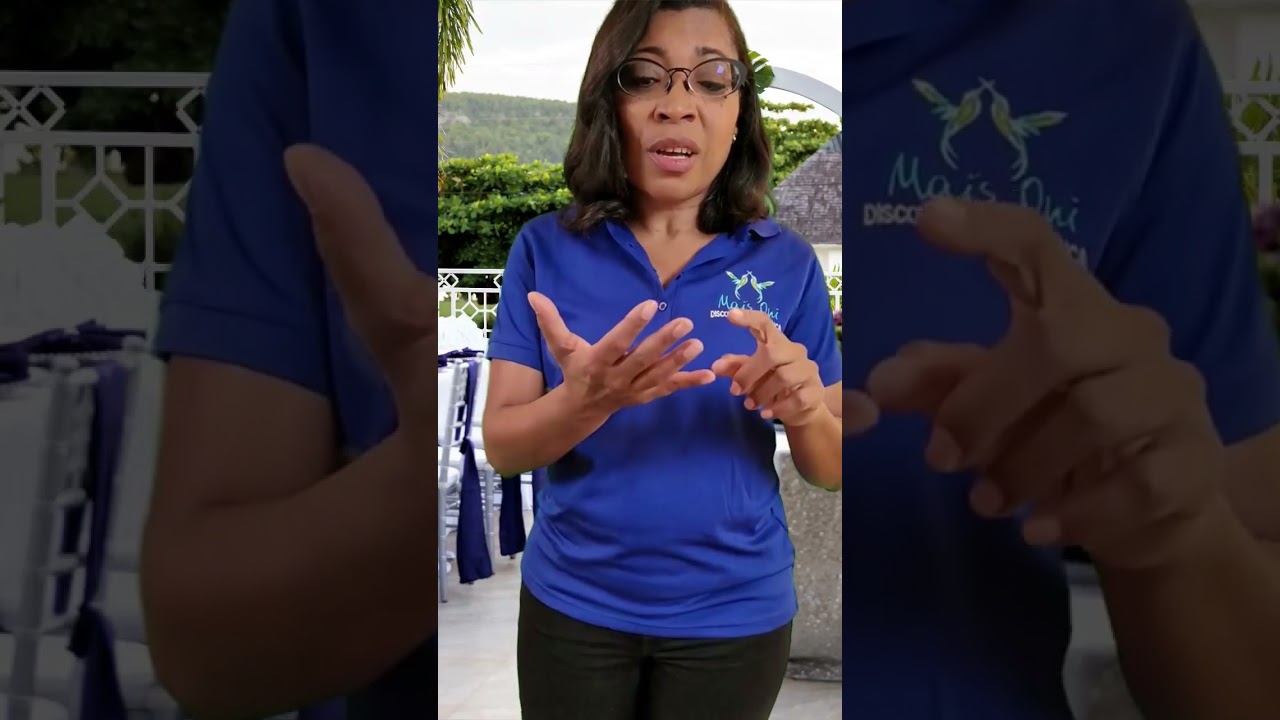
In this video, Sherry of Make It Jamaica, who owned a licensed villa in Discovery Bay during Hurricane Melissa, provides a comprehensive, fact‑based update on travel safety in Jamaica post‑storm. She explains that while Hurricane Melissa (landfall Oct 28 2005) caused significant damage in the southwest and western parishes, the north‑central and eastern regions—where most tourists stay—were largely spared. All three international airports reopened quickly, and major north‑coast tourism corridors (Discovery Bay, Runaway Bay, Ocho Rios, Montego Bay, Negril) and attractions (Dunn’s River Falls, Blue Hole, Dolphin Cove) are operating normally. She clarifies that the U.S. Level 3 advisory applied only to the hardest‑hit parishes, not the whole island. She then addresses public‑health concerns, reporting that the Jamaican Ministry of Health logged 71 suspected/confirmed leptospirosis cases (26 confirmed, 7 deaths) as of Dec 5 2025, primarily in western/central parishes. She explains the disease’s transmission vectors, why the risk to tourists in licensed accommodations is minimal, and outlines simple hygiene precautions. Mosquito activity after heavy rain is noted, with standard repellent and window‑closing advice. Practical post‑storm observations include ongoing telecom repairs (with many businesses using Starlink), modest price increases for certain produce, and the importance of licensed villas’ backup power, water treatment, and pest‑control protocols. She concludes that traveling to the north‑central and eastern parts of Jamaica is safe, supports local livelihoods, and encourages visitors to use the linked blog for detailed planning.
Chapters
Welcome to Make It Jamaica. I'm Sherry from Maywee Villa in Discovery Bay, Jamaica, where we help families and groups plan meaningful villa vacations. Today's episode is based on our blog post, Is It Safe to Travel to Jamaica After Hurricane Melissa? What Travelers Should Know Now. That's the question I've been asked repeatedly over the past few weeks. I was here in Jamaica during the hurricane. I own a licensed villa in Discovery Bay on Jamaica's north coast, and we had guests in-house during the storm. So I want to give you a clear, factual update about what conditions actually look like on the ground, because headlines don't always tell the full story. So what happened and what didn't? Hurricane Melissa landed on October 28th, 2005 and did cause significant damage in parts of Jamaica, particularly in the southwest and western sections of the island. Most of the island, however, was spared. But here's what's important to understand. Jamaica receives one travel advisory level for the entire country. There's no parish-by-parish breakdown. So when the U.S. temporarily raised Jamaica to a Level 3 advisory, that reflected the hardest-hit parishes, not the entire island. All 3 international airports are open. In fact, they opened fairly quickly after the hurricane. Tourism areas along the North Coast, especially east of Falmouth, including Discovery Bay, Runaway Bay, Ocho Rios, and beyond, stabilized quickly. Businesses are open, flights are operating. That's the current reality in this region. Visitors arriving into Montego Bay and staying east along the North Coast are generally finding things functioning normally. Restaurants are open, grocery stores are stocked, transportation is running. Many of Jamaica's most popular attractions— Dunn's River Falls, Blue Hole, Dolphin Cove, river rafting experiences— are all open again. Montego Bay did experience more visible damage in some areas, and cleanup there has been major and coordinated. Recovery is steady. But on the north coast, east of Falmouth experienced far less impact and returned to normal operations quickly. It's also important to remember that Jamaica's tourism experience extends well beyond Montego Bay and large all-inclusive hotels. Areas like St. Ann, St. Mary, Portland, and even Kingston remain welcoming and operational. Let's talk about the geography of Jamaica for a minute. Hurricane Melissa made landfall near Black River on the southwest coast and exited near Falmouth, which is kind of north-northwest. Discovery Bay and much of the north coast sits east of the storm's exit point. That geography matters. It helps explain why this region saw far less disruption. Now let's talk about leptospirosis, because I know that word alone can make many people nervous. After any major storm in a tropical climate such as Jamaica, health officials monitor for short-term increases in water-related illnesses. On December 5th, 2025, the Ministry of Health for Jamaica reported a total of 71 suspected probable or confirmed cases since the passage of Hurricane Melissa. Of those, 26 were confirmed cases and 7 deaths were attributed to being leptospirosis-related. So that's still a relatively small number in a country of nearly 3 million people. Those cases were mostly concentrated in western and central parishes. That reflects environmental risk factors such as flooding and also population vulnerability factors such as homelessness after the hurricane or lack of running or potable water. I actually commend Jamaica for being very proactive and transparent about reporting this. Early reporting allows for faster and more coordinated public health response. Now, here's what's important for travelers to understand. Leptospirosis can occur anywhere in the world where there are rodents, livestock, or standing water. Most cases arise after flooding or heavy rain. The bacteria can survive in damp environments or in water contaminated by animal urine. That's why public health guidance everywhere emphasizes simple precautions: washing produce, washing hands, and avoiding contact with muddy or stagnant water, especially floodwaters. The highest-risk situations involve unavoidable contact with contaminated water or soil. For example, residents walking through flooded areas, cleanup crews, farmers, or emergency responders. That's a very different situation from what visitors experience in Jamaica's tourism corridors. Leptospirosis is not spread person to person, and that's very important to realize. It's It's not something you get from being near other travelers or Jamaicans, and it's not associated with staying in licensed hotels or villas. Licensed accommodations rely on treated water systems and regular pest control protocols. At our villa, for example, water comes from a private treated supply, goes through whole-house filtration, and drinking water is again filtered at the at the bar area. On top of that, we have regular pest control. For most visitors who are relaxing by the pool, spending time at the beach, dining at restaurants, and visiting attractions, the conditions that lead to leptospirosis exposure simply are not part of the trip. Using normal food hygiene, avoiding rivers and muddy areas in parishes that experience flooding, and washing hands before meals are more than sufficient. In short, the recent reports reflect a typical post-storm public health pattern, not a sign that travelers staying in established tourist areas are at heightened risk. Another common question is whether mosquitoes are worse after a hurricane. Heavy rain can temporarily increase mosquito activity in tropical climates. That's not unique to Jamaica. Bringing repellent, keeping windows closed in the evenings, and using fans at night are usually all that's needed. Licensed accommodations routinely manage standing water as part of their normal maintenance. A few practical notes about post-storm life. There are a few normal adjustments that you may notice. Some telecommunications providers are still repairing cell sites in affected regions. Many homes and businesses now use Starlink as an additional layer of reliability. You may also see higher prices on certain fresh fruits and vegetables in the coming months due to agricultural losses in southern parishes. These are normal recovery patterns and generally do not affect the overall visitor experience. Licensed properties matter. Storms tend to reveal which properties are prepared and which ones are not. Licensed villas and hotels follow safety guidelines for water, sanitation, structural integrity, and emergency planning. They are more likely to have backup power, water storage, and experienced staff. During Hurricane Melissa, those systems made a real difference for us and our guests. No one can predict how a Category 5 storm will behave, but preparation and responsible planning matter. So, is it safe to travel to Jamaica? If your plans include the north-central and eastern regions such as St. Ann's, St. Mary, Portland, Kingston, the answer is yes. The airports are open. St. Ann's Bay Hospital is open. Most attractions are open. Licensed accommodations are hosting guests comfortably. Most of Negril, most of Montego Bay are also open. The areas in the southwest with the most severe damage are not areas where most visitors stay. Traveling now is informed and reasonable, and it helps. This matters because tourism supports real everyday families— drivers, cooks, housekeepers, small business owners whose livelihoods depend on visitors. You're not being asked to travel to damaged zones. You are being reassured that the parts of the island that are safe and ready are open. If you'd like additional updates, airport links, and planning guidance, I've linked the full article in the description below. Always know that Jamaica is resilient, recovery is underway, and much of the island is welcoming visitors with the same warmth it always has. So thank you very much for asking the question, and if you are planning a visit, we would be honored to welcome you to Maywee Villa.