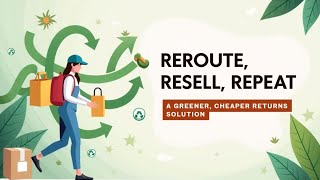
Manish explains peer-to-peer returns, a system that cuts costs and carbon emissions compared to traditional retail returns. Instead of shipping items back to warehouses, customers can return products to each other, reducing logistics waste and expense.
Welcome back to Kahoot Commerce Brief. Let me ask you a blunt question. Are your returns operations part of your sustainability strategy or your biggest liability? Most brands talk a big game about being green, but behind the scenes, they're shipping returns across the country back to warehouses, repackaging them, and often sending them right back out again. That's not sustainability. That's waste wrapped in cardboard. Here's the key insight. Peer to peer returns don't just cut costs, they slash emissions. Instead of dragging returned items back to a central facility, we reroute them directly to the next buyer nearby. That means fewer miles traveled, fewer trucks on the road, and far less packaging waste. You know, think of it as Uber for returns. And unlike carbon offsets, this is real impact. Measurable, immediate, and operationally sound. Now here's the part most retailers miss. Consumers want green options, but they won't pay for them. So if your only answer is eco shipping that costs more, you've already lost the game. Peer to peer returns don't ask the customer to sacrifice. They actually improve the experience. Faster refunds, faster fulfillment, and lower prices for the next buyer. That's how you win. Retail logistics today is upside down. We burn fuel and money pretending every product needs to be sent home to mom before it can go back out the door. It's a legacy mindset and it's killing your margin and your ESG credibility. The future isn't about building more return centers. It's about building smarter networks. Peer to peer returns unlock distributed intelligent routing that aligns profit with planet. And here's the kicker. You don't have to wait five years for this shift. It's happening now. Retailers that adopt peer to peer today will lead the next wave of sustainable growth. The rest, they'll still be scanning barcodes in a warehouse while claiming to be eco friendly. Thanks for tuning in to to Kahoot Commerce Brief. I'm Manish. Until next time, ship smarter.