WENDY: A Passion for Helping Agents Discover Domestic

In this episode of the No BS Travel Advisor Podcast, host Marcie Muensterman interviews veteran travel advisor Wendy Bartley. The conversation spans Wendy’s multi‑decade career, her experience with burnout and the path to recovery, and how she now focuses on coaching and mentoring other advisors. They critique the industry’s hustle culture, discuss the importance of charging advisor fees, and explore the benefits of niching and achieving work‑life balance. The pandemic’s impact on business models is examined, highlighting a shift toward domestic travel as a profitable entry point. Wendy introduces her TA USA Travel Toolkit, a “business‑in‑a‑box” that provides curated weekend and national‑park packages, partner DMCs, hotel selections, Canva proposal templates, and a streamlined planning‑fee process. Practical advice on minimum spend thresholds, using DMCs over FITs for new agents, and leveraging domestic trips as a gateway to higher‑margin international sales is shared. The episode wraps with gratitude, a call to action for listeners to share the show, leave reviews, and engage with Marcie’s community.
Chapters
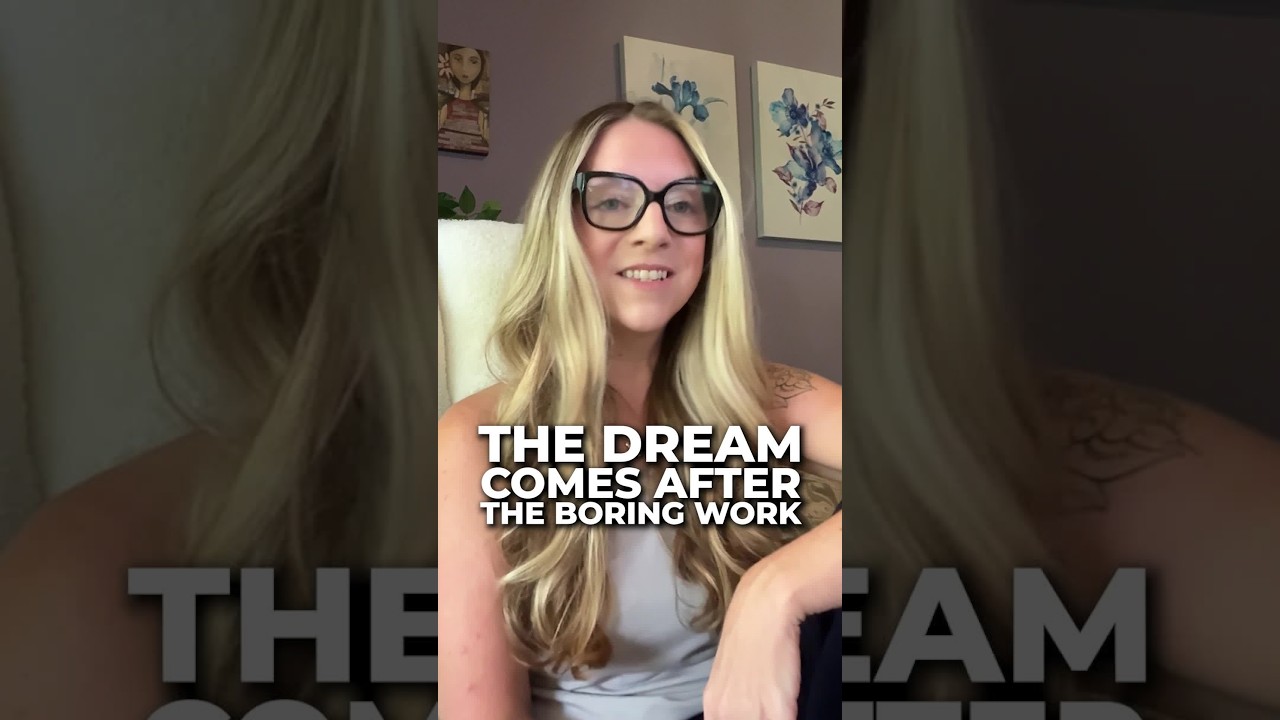
Hey everyone, welcome to the No BS Travel Advisor Podcast. I'm Marcie Muensterman, your no fluff, no filter, tell it like it is coach. I'm so excited to bring you the stories, strategies, and straight up truths right from the mouths of your colleagues. So glad to have you here. Let's get to it. Welcome everyone to the No BS Travel Advisor Podcast. I am so excited today because I have one of my dear friends and colleagues Wendy Bartley with me today with Wandering Toast Travel, and she also advises travel advisors through her USA Travel Toolkit and amazing Facebook group. We'll tell you a little bit more about that soon. I wanna reintroduce myself. I'm Marcie Muensterman, 18-year burnout survivor, travel advisor, and now coach and mentor to thousands of travel advisors every day. Seriously, sometimes I can't even believe this is my life. And I just wanted, um, to say thank you so much, Wendy, for joining us. I can't wait to talk to you guys. She has been in the business, we were just discussing it. She believes she started like around 1991 and then became an advisor agent in, what'd you say, 2000? Feels like dog years. 25 plus years. Wendy, tell us a little bit about your journey and like introduce yourself to us.
Marcy, I am so thrilled to be here. I've been looking forward to this, and thank you for for having me. Yeah, that putting it in perspective like that. Holy crap! What we have seen—I mean, fires and actual wars and terrorist attacks and strikes and a global pandemic that was fairly memorable—and it's just it's been nuts. I. Started in the business actually in a timeshare room selling vacation packages over the phone with cold calls. If that doesn't teach you how to qualify and raise people, I mean, the best training you could ever get. Everybody should probably have to do that for 3 months of their life, telemarketing, if you're gonna be in sales, because you learn a lot. Not something I'm interested in at all. Wouldn't go back, but it was a lot of fun. I was, you know, 19. Oh, fun is a different thing at that point. And eventually I did. I got into the industry as far as being an agent because I talked to an amazing rep on the phone while I was planning a cruise and found out he only lived about an hour from me, not even an hour. And so we met for drinks. He's still one of my very best. industry friends, and he told me about an opening in the company that he was working for. And so I went to work with him as an inbound agent with Cruises Off World Travel Holdings. And I learned they had an amazing 3-month training program, and I truly learned how to do this business. And I'm so grateful I had that. And then I got stupid and then I bought a franchise.
Hold on, hold on. We— I— you do not get stupid. Don't say that. We all make business decisions that we're eventually not sure about. I know you've been around all the things, but before we dive into everything, I would love to hear like a little bit more about your life and—
Sorry. Yeah.
Where— no, it's okay. Where you're from. And I know you're married and, you know, I just know there's a lot going on with you. And I want to make sure that people understand your whole story. So what else is going on with you right now?
I have 4 kids. They're all adults. We've got 2 grandkids and my husband has some, some health issues and has had some health issues. And it's become critically important to me to be a lot more present here. And when he's having a good day to be able to do things, there's nothing If he says, let's go play golf today, I didn't want to be backed up with appointments and stress and people traveling and I missed too many holidays and I needed a better work-life balance to enjoy it. I'm 50 years old and I am going to change the way I did things. That change started a few years ago, but I, I burned out many, many times trying to do it all and find the magic piece.
Yeah.
That would make my life run the way I wanted it to run. And I always thought that that was making more money, which of course we've got to have the financial resources to, to pay the bills and be comfortable and do these things. Getting there, that's the tough part. You know, does it have to be $1 million in sales, $800 at a time on Carnival cruises? That's going to kill your ass, by the way. Yeah. No, it's going to kill your ass. Oh, I'm—
Indeedly.
Oh, Jesus. So I'm a native Floridian, which makes me weird on like 38 different levels, but also amazingly awesome and adaptable to live in crazy, which I really think fits well with being a TA. Also raising kids, mine, mixed, you know, stepchildren and the whole thing. You gotta be adaptable and I am uniquely positioned to that. However, about 3 years ago, we moved back to my hometown to take care of the older relatives here. And I, I am struggling with that just a little bit. Not sure how I feel about it, but here we are. So I love what I do and I needed this to be a soul-building thing that I didn't dread going to work every day. Cause I've got a lot of outside pressures. And a lot of people depending on me and it had to be sustainable. And if I crack, a whole shit show comes falling down. Yeah. I know a lot of women are in that position where it's all on you and if you are the one that falls apart, what happens to everybody else?
Right. I think that that's such an important aspect of the women that We especially are working alongside right now, the women who are in our groups who are talking about all the different things that they have responsibility-wise. And whether it's young children, or I always say, like, I feel like I'm in that stage of my life where my kids are a little bit more independent, but I do have to step into a role in my parents and the loss of my dad. And that has been so In like enlightening because obviously there is a space now where I have to take care of my mom and she would hate to hear that, but she probably won't listen to this anyway. But I think, you know, it's not me feeling obligated. I think it's just the nature of course of your life. And so even when the kids grow up and they move out, there's—
It doesn't get better.
Yeah, it's still hard. I always say, like, I always tell my friends who have younger children who ask me about, like, advice, I'm like, the only advice I can give you is that you're being hazed right now for, like, whatever is coming next, which you have no idea what that's gonna be. And even if I tell you my experience, it's not gonna be your experience.
Yeah.
Like, there will be relatable qualities where we could all just come together with some wine, but there's never gonna be, like, there's no cookie-cutter parenting experience. Experience. And I would say there's probably zero cookie-cutter marriage, zero cookie-cutter relationship with parents. So I think in all things women, in all things entrepreneurship, figuring out— I hate the word balance personally— but figuring out your schedule, figuring out what you have time for, and understanding your calendar, I think, is like a huge piece of this. And I just don't think we were Taught all of that. So even with your three months of training, I don't know that at least for me in my early days, nobody sat down and said, "We know how busy you are, and we respect it." And here's here's an outline of what a day looks like, or a week looks like, or a month might look like for a travel advisor, which we know can be so all over the place. And just like you were like, "Oh, I did this," and then I started franchise. It's like, but I know you've done lots of things trying to find your footing being a travel advisor. And I think with this much experience comes so much wisdom. So I'm thrilled you're here. So we can definitely take it back all the way to the franchise if you want, but we can also just talk about like how you are spending your time now and how you got here. Like we know that things are so much better. I know that things are so much better than they were when we met almost 2 years ago.
Yeah. Which is my word.
Has it? Crazy. You were one of like my very first coaching clients. I was terrified of you, by the way. I was so nervous. Like, she's got so much more experience, but it's crazy that it's been like, I think it's been, yeah, I think you said like the summer of '23. So we're coming up on, it's crazy. Crazy. I love it. So tell me more about where, you know, where we started and how we ended up here.
The reason that I I came to you and you intimidated the hell out of me because coming in with someone older, it's always a weird feeling to ask someone younger than you. It, it's a pride thing to go, I don't have this figured out. I need help. Yeah. You're younger than me. I mean, Miranda is an amazing example of this.
I love Miranda. I have a lot of years on Miranda.
A lot of years on Miranda.
Yeah, she's brilliant.
She's amazing at what she does. And that's what I had decided that I was going to do is seek out the best in what I needed to do. And I was tired of asking directions from people who didn't, who'd never been where I wanted to go. I burned out hard during the pandemic. I went from having $1 million in business on the books and making a 6-figure income to 3 months later having nothing. And I've been a cruise agent. You know, I'm glad— I'm not glad it happened, but man, where I am now, I wouldn't have changed anything then.
Yeah.
I was making a— I was making 6 figures, you know, I was doing it and I wasn't utterly miserable, but my business was not able to pivot quickly. I was not diversified enough. When all your eggs are in a cruise basket, a global pandemic shuts you down for 18 months, you're screwed. And the only thing that was open domestic, which we have all been told you cannot make money in domestic. I used to jokingly, I've always done it, but it was like the nonprofit arm of my business and I did the other shit to support it. And so what was open? Mexico, all-inclusive. I hate that. It eats my soul. I admire Lori Gold because I just can't keep track of how many resorts there are. And there's so many ways that can go sideways if you are not Completely invested in it. So I figured I needed a lot of help and I was going to have to build $1 million in business. And I joined an agency that was all about, we're going to give you an assistant and we're going to give you a CRM and we're going to give you all this stuff. And all you have to do is sell. Man, I love selling. I so love selling. I do not love maintenance. And so they were going to do all that. And it was all about push, push, push. And then I started mentoring and training new agents. there and was, I went through, we went through 23 agents in a year that burned out. So brand new. Oh no. To burn out, 23 of them in a year. And that about crushed me.
And that was after COVID? That was when we were coming back, 2020?
Late 20s. Yeah, that was, that was '21, late '20s to up until I came to you. So that was like '21 and found you. That I, that I was there. And when I came to you, I mean, I, I ended up in inpatient care for 3 days. It was—
I knew that.
That was right before I found you. When I just said my contract was coming up for renewal in January and I said, I can't do this anymore. It's going to kill me. And the agency owner just started saying numbers. And I realized there's no amount of money you can pay me for this, to do this, you know, mental health. I got to put some, I need to put some focus on that. And 3 days of inpatient care made it real clear. So I took a break. I stepped back for about 3 months and that's when I came to you. And it was like, look, I'm giving this one last shot or I'm going to go use that college degree that my dad is so damn proud of. And I'm going to go and teach or do something to get a nice steady retirement and paycheck and have some kind of life here that I can sustain.
Yeah. I, well, I'm glad that—
That's where we were.
I mean, I'm glad because it brought us here. So I want to take a pause and just reflect on a couple of things you said, because I think it's really important that we highlight these conversations around mental health and entrepreneurship, as well as just being A mom and a busy caretaker. But I think too there was a representation of if I pay you X amount of money, will you keep training these agents? And obviously something wasn't working. And I know you're no longer there and you've moved, you know, forward from this particular host. But I feel like why do you think hosts and agency owners? And you can speak in generalities. We're not going to name names. But why do you think? Some of these travel advisors and host agencies are like this. Why do we have to push, push, push to be successful? Why isn't there a conversation happening when they can recognize you've been honest? You've said, I'm struggling. I'm mentally not with it. I need to take a step back. And instead of, I guess, supporting this and saying, I see you, I hear what you're saying, let's make some adjustments. Why is there so much pressure in our industry to perform and just I don't know, spin our wheels and deal with tire kickers and try to book the unfindable fines. Like, where did this come from?
Historical salespeople. I think sales in general, when you think of like used car salesmen or even, even realtors, it's based on volume. But a realtor's not getting a call at midnight because a flight got canceled. A car salesman isn't getting that. You can absolutely push and turn and burn for eight hours a day or six hours a day for a quick return. Some of our trips get planned two years out, and then they change, and then a natural disaster comes. So it's a completely different environment, and I make a differentiation between host and agency owner. And if you don't mind me.
Yeah, please do. I do speak about them both interchangeably, but you're right, they are different.
So in my definition, a host holds the IATA number that you are booking under, and there is nothing between you and that host. You may talk to them directly, they pay you directly, you are contracted with them directly. You know every level between you And the booking. An agency owner often has a host in between them. Many agency owners and many host agencies, and I'm gonna give you just, you know, we're talking travel planners, NextGen, outside agents, the big host agencies. There are certainly smaller host agencies where the agency owner holds their own IATA, but I'm talking about the traditional host model. Yeah. The ones that are gonna give you 70, 80, 90% of your commission, no questions asked. Pay this fee, this is what you get. We're here, you can talk to us directly. Those, I feel, do a better job. You add agency owners in there now, and not all agency owners, there are some excellent ones out there.
100%.
There's my disclaimer. So don't come at me, people, but some agency owners It's hard to run an agency. It's expensive. If you are giving an agent 90% of their commission and giving them mentoring and giving them all the things, what, where do you go with that? The reason— yet where are you making your money? Well, the reason they're making their money is because the host agency looks at all of those as their personal sales. There are million-dollar agents. that are getting fam trips and free everything and bonus commissions that have not sold anything in years because their entire— I'm going to say downline, but all of the agents under them are going to their personal production as far as the host is concerned. And I think that's where it comes from. Those agency owners need you to hustle so they can keep living the life that you want. But you can't get there because of that extra layer.
Interesting. I know there are so many different variables when it comes to a host and a travel agency. And then you also have some like that kind of meet in the middle where they consider themselves travel agencies, but they host some agents, you know, and then they pay you to other agents. And there's all kinds of different business models out there. I think really when I speak about hosts and agencies, It does come down to not just commission splits, but when it comes to the mentorship and the training, why we're still not talking openly about the 24/7, you know, hustle culture. And while yes, the push, push, push, but it makes no sense that we're not having that conversation that if you teach them how to sell efficiently and you don't encouraged taking every lead and working 24/7 and instead teach them truly how to sell something that is meaningful, that adds value to a client's life and educate them on balancing the calendar and having it all. I put that in quotation marks for the listeners. It doesn't make sense to me that they don't see the bigger picture that not having a bunch of burnt out fucking agents makes more sense, whether you are a host. And you're encouraging only using preferred partners, which I hate so much. And then, you know, like if you're an agency owner that's specializing and needing all these numbers, it's like, yes, but at what cost? At the mental health cost of your agents and the destructiveness that is 24/7 hustle culture. That's where I'm like, over the years, that's what I've just completely not understood because when I decided not to hustle anymore is actually when I started selling more and making more money. And I think it's because I chose to stop listening to, you have to take everything, you have to work 24/7 to be needed, to be wanted. When I stopped competing with every other travel agent out there and every other online agency, I realized I really can sell to my aligned client. And it seems like their agency owners and hosts Who are trying to put a wall up between that conversation and the one that they've always had with agents that they're bringing into the fold. And so I think like, that's where I'm like, we've been here a long time. And I feel like this, you said something the other day on a different conversation we were having that we're in a pivotal moment in our careers. If you are in it right now, 2025, we're in a moment of shift. You certainly, I mean, came before me, but I do still feel like between terrorist attacks and COVID and norovirus and all the things in between, bird flus and I don't know, there's hurricanes. There's been a million things that we've dealt with. But the one thing that I feel like has never changed is this idea behind hustle culture in our industry.
It, from what I've seen in, in the years, about every 10 years comes a huge seismic shift in the way this industry runs. About every 5 years, you start to see rumblings of it. And I think that was what we saw during the pandemic. We saw the rumblings of the change. And now I don't know the answer to the question that you're asking. I don't know why, why there's such a resistance or such a mind block To saying you can have one client traveling at a time. You can control your calendar. You can say that you're not gonna put people on late night flights, that your people are only gonna fly in the morning. You can, you can put those rules around your business and you will make more money.
Right.
And you will have more time and you will be better at your job and you will enjoy it more. We sell travel. We're not selling funeral plots for the love of God. And so when I, when I came to you, that had always been my thing. That's why I did cruises. They're pretty manageable. You know, they leave on a certain day, they come back on a certain day. It gave me the work-life balance that I, as much as I could get at that time.
Mm-hmm.
And then you start saying the same stuff that's been in my head that everybody has told me. That won't work. You're crazy. You know, all the things that were negative for 18, 19 years at that point.
Yeah.
You went, look, this is what I think. And I'm like, well, damn girl, so do I. And so I think that's where we are. There are enough of us now that believe that and aren't afraid to stand on the hill and die there. Trying to bring other agents with us that I think we are going to see that. I think some of the bigger hosts are starting to see it. I think it's gonna be a slower change for them because they have to change a lot of things.
Well, it's a culture. It's a, it's a culture change. Yeah. And every host, every travel agency has their own culture. And again, this is hard to speak in generalities because there are good agency owners who aren't pushing the 24/7, but The thing is, is we don't hear, you and I, we don't hear about those.
We don't hear about the ones that do so well.
We're not all in the same, right? Because the only ones we get are the DMs of, how do I get away from this? Like, how do I have what you are having? And I just wanna be like, everyone can have it. And I want you to talk to your agency owner about it. And then it's like, they won't talk to me about it.
Why? Why?
So I know you don't know the answer to that, but when you talk about this seismic shift, does it include the anti-hustle culture mindset?
100%. I think we're there. I think as an industry, the big sweeping, we do everything with AI becoming such a big deal now, that's going to be the Expedia. That's going to be, you know, we saw that, we saw Airbnb. Agents thought that their careers were over because of Airbnb. Agents thought that their careers were over when people could book travel online by themselves. None of that has happened, but we've had to pivot. And I think what we're seeing now is that consumers are much more interested in a personal relationship and a personal connection and confidence. There's so much uncertainty in their lives in general. And this is travel. This should be a break and a release and should not be stressful. And they're looking for a calm voice to say, I've got you. And to take the time to get to know them. We're all sick of press 1, only by email, send in a request and somebody will get to you within 72 hours. Man, I get on a Zoom call with my people. They see my face. I read their body language. If they are distracted by 37 other things while we're talking, I know it.
Yeah.
If I'm on the phone with them, I don't know that. And I sure as hell don't know it if I'm responding to things in a DM. And I think that we're seeing that shift in the industry to niche down, become really more hands-on. And we are a luxury. Let's face it, a travel advisor is a luxury. It's like getting your lawn cut or your oil changed or your haircut or your nails done. Right. You don't have—
it's not something you absolutely have to have. No. Right. It's not a, it's not like you have to go, like we have to go to the dentist. We have to do these things. Nope. Yeah. We don't have to have a travel advisor. I 100% agree. I, I'm always like, no, this is like having a housekeeper. So yes, I can clean my house myself. I don't want to, I don't have time to, and I want—
I'm not as good at it.
Understands it. Yes. And I, I love this because I think it needs to be highlighted that we need to quit comparing ourselves to like literal college-educated master's degree holders because we're not. A lot of us aren't. Some of us are because they do that too. But that doesn't have anything to do with travel and being in travel sales, especially considering we don't even have to have a certificate or a college degree in it or anything like that. It's important to realize What you said, we are a luxury item, right? And there are not just what we sell, but the actual physical presence that we provide is a luxury.
And there's different levels of that. You can go get your haircut at Mastercuts. You can go to, you know, any level of salon that you want to. What are you looking for in the experience? And advisors, There is nothing wrong with being a generalist and selling budget trips. If you figure out a way for that to be your bread and butter, if you need, if you're working this part-time and you need to make $500 a week working 6 hours a week, cuz that's what you've got and that's your goal and that's what you're happy with, then absolutely fucking do that. Okay. Let's figure out how to make it work. If you want a 6-figure income, then we need to level up. You're still gonna block your calendar. You're still gonna take a limited number of clients. You're gonna have to have a higher dollar amount. You've gotta be strategic, but also understand that we are not competing with any of this hustle. People will go to AI if they want to. They'll go to Expedia if they want to. You are not for everybody. You are special. You are the guacamole on the plate. You are not the free chips and salsa people.
That's right. So speaking of that, I know you do charge fees.
Hell yeah.
This I feel like is, is probably the most obvious seismic shift. And there is still a substantial amount of travel advisors who are not charging and often even very critical of agents who do. And then of course you have the opposite side of that, of agents who have chosen to to charge and are critical of those of us— those of us, I say us just generally because I also charge fees, but those that do charge. And so I think there's this like current of like almost like a little mini battle on the ground of travel advisors that stand on either side of it. Why do you— why do you Charge a fee, and what is this part of that seismic shift? Because this I feel for sure since the pandemic, and that's when I started charging. I mean, I did this for years and years and years and called myself free, and blah. I don't want to see how much I did for free. But what about the fee? A makes travel advisors prickly. You know the ones that are really nervous about. charging or don't think we should be charging? And then what inside of that seismic shift, you know, do you feel like with your business has made it better to charge fees?
I also did not charge fees pre-pandemic. And then after I canceled $1 million in cruise business and stayed on hold for 19 hours one day consistently with Royal Caribbean for no pay, something had to change and the, the mindset shift For me and the mindset that I think we're starting to see and what I am teaching and screaming from the rooftops, what we do is 2 different parts. Booking travel is pushing a button. At its, at its most basic core, somebody's gonna push a button that says book now or put a credit card number in. Might be you, might be the client, but somebody's pushing a button. That is Booking travel. What happens prior to pushing that button is what you do for them, and you should get paid for that by them. After that button gets pushed, what you're really doing at that point is for the supplier. You're taking payments, you're talking to the client, you're making sure they're ready to go, you're setting expectations. The supplier pays you for that in the form of commission. If you if you can start to think of your service in 2 parts, I think it helps advisors understand why they should be getting paid for what they do. You've planned that trip before the client ever books it, and they may not book it.
Right.
And it may cancel, and there may be no commission on the back end, and you may have to chase that commission, and any number of things can happen on that end. You deserve to be paid for the service that you provided to them. And I think that is kind of what we're seeing with the agents that are charging fees. They're realizing that they provide a valuable service upfront for what they do, but it also comes down to the type of travel that you are booking. If you are taking requests through DMs, sending the price back through the DM, And the client says, yeah, I'll take that. And you're pushing the buttons. No, you don't deserve a fee. You did not do shit. You deserve the commission on the backend for making the booking. But if you're not doing the consultation, if you're not building that relationship with people, it does become harder to justify the fee for that.
Right.
And for the client, what did you do that I couldn't do myself? So I think that's I think that's the big shift that we're going to start to start seeing. And the agents that are so critical and so resistant to the ones that are charging fees are based on the old model of we're order takers. They're using an intake form and the client is telling them exactly what they want and they are pricing exactly that. And one out of, what are the statistics? You've got to touch 100 to talk to 10 for one to book.
It's such a small number that will book exactly what they think they want. Mm-hmm. And at the price point in which you think you can find it, which is why I coach and have been coaching no intake form since I started again in 2018. And as far as like, and that's just me helping agents those years when I wasn't actually doing this as a job. I mean, I would just say, why are you still having them fill out a form? With so many options that you've put on there that starts at the price point of like $2,000. But then you have, I don't know, as one of your options. And then they put, yeah, I want to go to the Maldives. Yeah, I only want to spend $2,000. And now you're stuck with this shitty form that insinuated that you could actually get them that. And I think like, that's what people Travel advisors aren't trained. They're just trained to send this form and ask questions. It's like, yeah, but you can't actually get the answers you're looking for from a form because people, especially now in 2025, but I can think back all the way to when I started, no one ever has understood pricing dynamics, time of year. There's a million things that travel advisors should know about the business That their consumer and their client and their prospects don't understand, don't understand the pricing, don't understand how dynamic the pricing is, how it can be different from one week to the next based on availability, time of year. So when they're plugging all these numbers in or they're plugging or they're answering these questions haphazardly on an intake form, it doesn't reflect the actual needs or wants. Of that client, and then you've put all these ideas in their head that they could get those things for that price and that time of year. And it, it's bizarre to me that no one understands that it's backwards. Like you really do have to talk to somebody and especially when they're not 100% sure where they wanna go and really find out what is going on with this. And that's why, yeah, that's why I personally got rid of the intake form.
Mm-hmm.
And then started telling agents like, get rid of it because you cannot possibly get to the bottom of what is needed just based off this form or some quick DM. Even cruisers, I'm sorry, like, nope.
Nope.
You have to talk to your cruisers. I, I, as somebody who's not a cruise specialist, there's so many cruises, there's so many different itineraries, time of year that you would wanna do certain things. I'm like, no, just because they found a cruise they think is in their price Doesn't actually mean that's the cruise they want, right? Like, we have to talk to them. So stop being order takers. But if you are an order taker, to circle back what you were saying, I understand why you don't want to charge, and I understand why someone wouldn't pay you, because you're not an expert if you're just an order taker. You, you are just that. And so if we are actually what we call ourselves, Travel agent, travel advisor, then we need to know more than the client. We need to be a qualifying master. And if we're not a qualifying master yet, we have to know where to go and spend that time. And that's what I always tell people. If you aren't charging from day one and you care so deeply about your client and your prospects, it's okay to charge because I know you're gonna spend hours and hours and hours. Researching, learning, finding the right place. If you're not going to do any of that and you're just gonna do whatever they say or try to do whatever they say and hope for the best, I can understand why you might not be fully ready to charge because you can't validate or justify, you know, just plopping something into an email.
You can't justify it to yourself, so you sure as hell can't justify it to a client. And you don't understand your value.
Yeah, it is gonna be hard to charge. But I think too, that's part of this shift is like, we're not just one thing in travel. I think there is a misconception, especially of somebody like me that's like out here kind of like yelling about all kinds of stuff. But at the end of the day, like you're responsible for your business, only your business. You stay in your lane, you focus on yourself and you focus on the the things that are important to you, but also how do we make money. And the different ways we can make money is vast and diverse. And while yes, I would love to see everyone charging who's providing a service, I would encourage you to really look at what that service is, does. And that's where the shift is coming in, like how educated are you, what kinds of effort are you making to become a niche expert in your particular interest, because we see it every day that travel advisors who are niche are making more money.
100%.
Because they're spending all their time on one or two things tops, and they totally know it inside and out. And that's who you wanna pay for your vacation. Like I can say that I'm paying somebody right now to help me with Germany, and it has been an awesome experience and totally worth it because I don't know anything about Germany. I don't even want to really learn about it. I just wanted somebody to help me have the vacation I want to have, right? So I paid somebody and I'm working with the DMC and it's been an awesome experience, but I don't think I, I couldn't get that from myself even after 18 years. I have no idea how to go to Germany. So I think it's just that idea that like, if you can find the right travel advisor for your trip, they're going to be worth their weight in gold. And as travel advisors, we have to see it as this person's an expert at this. They know like the back alleys of Disney. They know where all the trash cans are located.
Like, there you go. The trash cans.
They know the best trash can to eat under for getting up at 5:00 AM to get your dining, you know? I mean, that, that's what actually killed me after the pandemic was I took on Disney and That realizing how much investment of time that was and really trying to become the best at it was so time-consuming. And I just thought, I deserve to be paid for this because I'm good at it. I'm really good at it. And I understand what you're looking for in a great trip. And yes, there are hundreds, thousands of agents who specialize in this, but it doesn't make them any you know, any good, I guess. But also, if you are good, there are so many agents specializing in theme parks that are amazing. They are incredible. They deserve to be paid. And so that's really like that seismic shift. That conversation around what's changing is just because somebody over here doesn't charge doesn't mean they're bad at it. But it also doesn't mean— what I see is somebody who hasn't quite figured out how to value themselves in the business.
100%.
You can cut me if you want, but, or, oh, what I get paid by Disney is good enough. There is no fucking such thing as good enough when it comes to lower paying commissionable.
10% is not good enough.
Yeah. And so that's what it really comes down to, I think, is like, okay, is it good enough just because you're burning and turning through thousands of clients? Because that's what you're going to have to do. To get to 6 figures. For those of us out here that want to be able to support our families and pay the ever-increasing cost of living, our time has to be reciprocated. Like, it just—
Absolutely. And I do too. I agree with that. Because one of the things that I do with people is if you write down every step of your process and everything that you do for your clients, and you are I advocate for using a timer of some sort to figure out how long, because if you are doing, if you don't specialize or niche in something and every time somebody calls you, you have to learn an entire new place, you're hitting the Facebook groups going, where do I even start? You're, you're not efficient and your time needs to be compensated for that. Are you going to charge your client for 12 hours? No. Of course not, but you should be getting paid somewhat because if it's taking you 6 hours to research every trip and you're dependent on the commission on the back end and it's a 10% trip somewhere, that you're gonna make more money as a Starbucks barista or a bartender. I was making more money as a 19-year-old bartender than I was selling Carnival cruises.
Burnout. Same.
No, I'm not doing that anymore. I'm too old.
Right. I'm not trying to be up till 4:00 AM.
Not doing it anymore.
I mean, at what point though, I think the burnout is real. I think we have both have that in common in our history. And I think like that there's just no, it was like, for me, it was very much like I didn't recognize it. I didn't even know what it was back when I had burnout. I didn't know that that was what was actually happening. I didn't know that I was having panic attacks. They weren't like. as openly discussed as they are now. Sometimes I'm like, oh, if only I had like, you know, started a little later. And, but I think just that, like you wrote something in your survey that basically said like you were literally experiencing pure exhaustion and desperation and you've been doing this for so long, but just all those things that you had been taught, like you said, were just kind of coming to a head. And so when you say like, You were about ready to be done if this coaching didn't work out. Like, what about the coaching specifically really empowered you to, like, what changes did you make when we started coaching?
It didn't have to be that complicated. I remember one of the first things we did is I sent you a list of all of the things I was doing and the programs I was using, and you were like, Girl, I remember that list.
I probably still have it.
But that list came from the agency that I came from. That was all the stuff that she was using and pushing to manage this insane amount of work that, that was being pushed, you know, taking company leads and all this kind of stuff. And it was you saying, what do you want to do? You know, just What is it, Wendy, that you want to do? And I'm like, all right, well, I'll tell you, but please don't yell at me. I really want to sell the knife.
I don't yell during coaching.
She was like, because everybody I'd ever said that to either laughed or went, oh my God. And you were like, all right, well, do that then. Intriguing. And yeah, but where am I going to find those people and what am I going to do with that? And I believe the First, you came out with Facebook first, right?
Yeah. Facebook groups launched March 18th, 2023, our anniversary.
Coming up. Congratulations.
Oh, thank you.
And that was just such a, a refreshing deep breath gateway to go in there and be able to say what I wanted to say and be who I was. And if I wanted to cuss, I could. And if they—
You mean in your Facebook group, right? Like you built out the private Facebook group.
Yeah.
Okay. I just wanna clarify that. Sorry. It's like going everywhere.
No, no.
Networking group, like dropping it down.
Yeah. The private Facebook group gave me a place to say, this is what I specialize in. This is the type of trip I book. No, I don't book this. No, I, I'm not going to do this. And really tell people who I was, show 'em a picture of me cooking dinner. And people liked me and holy shit, they started Reaching out for trips and they started reaching out in a different way. They weren't saying, can I pick your brain? They were saying, hey, I saw what you said about Sedona. I would love to do that with my husband. And it was, it was just such a breath of fresh air. And then going into when I did, uh, I think I did Close to Home next, or I can't remember which one came next. But that one was like, oh, this is how I nurture a relationship. So I don't have to do that new thing every time. All I realistically need is 30 people that are willing to travel with me. And I already have 100. I've got 100 people in my book of business that travel every 2 years, every other year. I've got all the clients I need. Any new ones that come in are just gravy. If I really, really like them, I'll boot somebody else to the curb if I need to, to make room.
Yeah.
But it was, it was just taking it back to such a simpler process and then building it up from there. It wasn't about the technology. It wasn't about the marketing. It wasn't about Instagram. It wasn't about all these different things. I didn't have to do a newsletter. I didn't have to do a blog. I did, right? It was like—
I know. I mean, we see it every day in our groups. Like the agents are asking about all these things and I still think it's way too much, especially when you're Resetting or new or learning because people are, I'm so bad at this. I'm so bad at this. I'm like, no, you're just learning new things. So you need to pick the thing you want to learn, focus on the thing you want to learn. And I know it's hard. I also love the rabbit hole, but if you truly know what you enjoy and like, and it can keep you busy for a while, that one or two things. And I, I'm still pretty simple in my business. Like I'm not saying I'm totally tech. Unfriendly, but I don't necessarily think you need an app for that. Like, that is my outdatedness a little bit shining through, because the more challenging you make it for them— if you're like, you need an app and download this and sign up here— and it can get really annoying because they're like, we came to you for that personal touch. Like, how much are you going to help me? And again, it goes back to what are you providing for them? That they don't have to do as much shit. When you take it back to basics, sometimes you really can grow in places that actually create return on investment instead of funneling through all the technology and all the pretty stuff on Canva and things I actually really enjoy. But when I look at it, I'm like, this is not an ROI activity. Why are you doing 55 things that do not produce income in your business every single day and wonder why you're not making more money, why you're frustrated, why you're burnt out? That exhaustion comes from all of those types of clogging your mind activities that you absolutely don't need to be successful as a travel advisor. Okay, y'all, let's pause for a quick Break. If you are sick of spinning your wheels on social media and want a real way to grow your travel business, the No BS Facebook Groups course is exactly what you need. I have been running my business 100% inside of my Facebook group since 2018, selling $600,000 to $1 million in gross sales a year, working just 20 hours a week. And now I'm teaching you how to have the social media business that grows your network and brings in your most aligned clients. This self-paced course is built specifically for travel advisors, covering everything from starting your group to boosting engagement and connecting with clients using my proven 3-pillar strategy. Plus, you'll get access to my members-only Facebook group and reusable content calendar through Trello. To jumpstart your business. I know you're ready to ditch the social media hustle. Grab my course now and don't forget to check the show notes for an exclusive coupon code just for my podcast listeners. Okay, now back to the pod.
Scaling before they have their first client. Yes. And because they're told, I mean, I'm not saying anybody's doing anything wrong. New agents are like, I gotta have a CRM. I need to be on all the social media. Platforms. I need, I need, I need, I need because they've been told they need. And what they need is to figure out who in the hell their aligned client is, and that also directs your process. My people are Gen X. We're like right on the edge of being acceptable technology. We peaked at Facebook. We're not really branching out too far. We're comfortable with email. We don't want everything too automated. If your Your Align client is 26 years old. They do not want to talk on the phone. You don't want to hit them. They're gonna hate it. Gen X, I'm like, we're getting on a Zoom call. They're going, oh God, I have to learn Zoom. Like, and I only do that for brand new people. Once you know me and you have paid my fee one time, you get to talk on the phone, Gen X, after that. So yeah, I, I—
It isn't all black and white, is it, Wendy? I mean. I think too, when you're being coached by really direct, like I'm pretty direct, I'm, I'm gonna tell you exactly what I think and I'm gonna teach you a certain way that might work or work generally speaking for 9 times out of 10 people. But once you are in a comfort zone of the sales piece and you know what to say and how to say it and the tone of voice and yeah, just shoot me a text. I, I mean, I sold a $34,000 vacation this week right over text. With a link to the website directly because I didn't have time to put together a proposal and she didn't have time for me to put one together. But we've been working together for three years and we are—I wouldn't say we're friends. I would say we're definitely in a business relationship, but there's so much trust there. There's so much realness. It's easy now, and that's what I want people to understand too—is like building that what you said. I have thirty great. Clients a year. I have a hundred active in my book of business that travel at least every other year. It's like if you can get your book of business firmed up, you're going to get to hundred K faster as well because your clients trust you and they'll start to spend more and they'll be more and more excited that you even have an idea for them. And you're going to feel comfortable reaching out and saying, "Oh my gosh, I found this hidden gem property. You are going to love it." And instead of it being a backwards thing, like waiting around for them to call. You get to drive every conversation, you get to drive every sale, but it doesn't feel salesy. It feels like I'm serving you. I'm giving you what you asked for last time, but better this time. Even more interesting this time. I know you, I know your husband, I know your kids' quirkiness because you're not just making it about the booking. You're making it about that relationship. And I think successful travel advisors over time.
Mm-hmm.
Are in deep, amazing relationships with their clients.
For sure.
That is what will also keep you out of being burnout.
Big time. Because I don't get last-minute pressure requests anymore. I know when my people travel and I'm ahead of them going, okay, if we're going in September, like you do every year for your anniversary. It's January. Let's get this on the calendar. Let's talk about what you want to do. I've got a couple of ideas. And if that's not a week that I'm able to do something, I schedule it for the next week, but I'm driving the bus and I haven't been burned out in 2 years now. It's been really, really nice. And I've made—
I'm so happy for you.
My husband is just beyond. He, he's asked me if my doctor put me on a new medication. He's asked me if I drink in the morning on a regular.
I love him.
I'm like, dude, I'm just relaxed. He goes, you're gonna have to get used to this.
He's never seen it before. He's like, what's going on?
Bless his heart. He deserves this.
I'm glad though. I, I mean, you deserve it. I mean, let's be real here. Like, you have worked so hard for so long and you deserve it. And I'm so glad that we could simplify it together and kind of, I feel like I've even just grown up a little bit even more in the last 2 years with you and watched you close up. What I loved about coaching you and watching you these last 2 years is not just that you took what was said and understood the assignment, but you actually completed the assignment multiple times over and over and over and over. Until it was just the way. Yeah. Instead of it being the old way, it's like, no, this is the way now and I'm not gonna go backwards.
I've told you, I consider coaching therapy for my business. You know, sometimes you gotta go do a little marriage counseling or a little short-term therapy. Hopefully you're not in it for like 20 years cuz that's a problem. But you know, you got me on the right path with the coaching. I had the tools with the courses to put it all together. Go do, make it yours now. And I don't do everything the way that you do it because we're completely different people. And there are as many different ways to run this business as there are advisors who are doing it. But it is a sound framework that strips it down to what you gotta know. And we're not teaching people the right things. There's not a host agency out there that has a training program worth a damn. You will need to seek out your own training, your own coaching outside of your host.
With someone you like. It doesn't have to be us. With someone you like. It doesn't have to be us. I always wanna ask.
No, no, it doesn't have to be us.
The right mentor, just like, or the right person to coach to you. Because if you don't like us, our vibe, you're really not gonna like the course.
If we're not doing what you want to do. Yes. Don't, don't ask people that aren't doing what you, what you want to do. If you want to do something complete, if you wanna do corporate travel, please don't come to me for coaching. I'm just gonna tell you, I, I got no idea. Now I will tell you how to strip down your process and get your head right. But I, that's not me, but I'll direct you to the right person, you know? And exactly, you gotta find who you connect with and who speaks your language.
We have a few more things. So before we go anywhere else, I'm just, I'm, I've loved this conversation. I love talking to you about the business all day. I'm really excited to spend more time with you anyway. So I would love to hear, we've given so much advice that I feel like I don't even know if I can tackle this part, but what 3 things would you advise a travel agent do? They don't need to buy something. They don't need to invest in the course. They don't need to hire a coach. I'm so inspired. I want what Wendy's having, what can they do?
I'd say ditch the intake forms and start talking to your people. Become a master of qualifying. And that doesn't mean having a checklist. It means getting into a conversation with people and understanding how to tap into their emotional— why are they taking this trip? Because vacations are emotional. And you've got to tap into the emotion to recommend the correct place. Get rid of the intake form and actually start interacting with your clients.
That makes me so happy because you are right. It is emotional. Even boarding an aircraft is emotional. Figuring out what your clients need by listening to what they say in the conversation and not some random form. And we're not saying don't take any information, right? When you, we're not saying that. We need to know a little bit about what you want and we need to know your name and your email and your phone number, cuz I'm gonna text you.
And I just, I leave it open as you, like it's in your thing, you know, tell me something about your trip. Tell me something. Tell you something. And whatever they tell you is, it's what is the first thing in their mind. And that's super important. If it's a place, you gotta ask. Why? Because it's their uncles, cousins, neighbors, best friends, dog sitter 28 years ago on their honeymoon. And they loved it. And it was great. Okay. Let's find out why.
I always say you have to give your prospects the benefit of the doubt.
Oh, that's my number 2.
Oh, it is? Okay. Well, go ahead. I won't interrupt. I love you didn't.
Let's hear what yours is and then we'll, I bet it dovetails.
Really believe that people even texting you in the middle of the night are not trying to annoy you. They're in the middle of literally doom scrolling on Expedia, and they're like, "I need help," and I'm in Wendy's group. I'm just gonna shoot her a quick DM, and you wake up at 7:30. You just get your kid on the bus, and you're like, "What in the actual F is going on? Why is this person messaging me?" But I think it's just that moment of I need help, and so that's the way I look at those DMs. Or if they say, like, "My cousin's best friend went 25 years ago," I want to roll my eyes. I also They need help. Offer benefit of the doubt.
You can actually humanly talk to someone and ask them why, and without it being, why would you pick that? That's my second one is re— extend grace and reframe everything that they say. Those random, can I pick your brain? Do you have any suggestions? Whatever nonsense they say, add to the end of that. Tell me what to do next, because that's really what they're asking. Tell me how to work with you. Do you have any suggestions on a trip to Washington, D.C.? Hey, that sounds amazing. I would love to hear more about that. Here's my calendar link.
That's the next step. Always, guys, no matter what, send your calendar link if you want the D.C.
trip. If, if, if not. All they've said now, if I've added in my head correctly, tell me what to do next. That may be sending them to the tourism bureau or sending them a list of the restaurants or whatever they ask. But what they're asking you, they're not trying to waste your time. Nobody ever deliberately calls you saying, I am going to screw over Wendy and waste her time and make sure that she doesn't make any money. They know me as having experience in travel. So they're— everything they say, I just add, tell me what to do next. And then I tell 'em either it's make an appointment or it's call this agent or it's go to the tourism bureau. So you've gotta extend grace. It's hard when you've been burned a bunch of times and had a lot of tire kickers, but tire kickers are your fault, quite frankly. You did.
We haven't even got to your unpopular opinion, but I'm—
Oh, that wasn't it.
I know it's not it because you told me what yours is, but That is a point we could go on forever. Anything that's kind of going wrong, kind of going wrong in your business is 1,000% your issue. Because if you are doing the thing that you'd wish the client didn't do, or you're like talking to them in the DMs and you're wondering why things aren't going somewhere, why are you still in the fucking DMs? Like, get out of the DM, get 'em on your books, get 'em on your calendar. Or if you keep sending them quotes knowing that they don't respond for 5, 6, 7 days, why do you keep doing it? Why have you sent 12 quotes? Stop. The only person who can make change in that specific instance is you. And like I, like you were saying, give them grace. I say like, give them benefit of the doubt. They don't know what they don't know. And if you're not willing to have a conversation, and I'm not a fan of being like, well, I don't get paid to do that, so I'm not gonna do it. I am a fan of helping and releasing, which is what you're talking about. If you don't wanna get 'em on your calendar, help them and release them. Either put them in alignment with somebody else that can help them or send them to the tourism board. Give them some tools and resources. That takes 5 minutes of your time. They're gonna remember that more so. And if you don't help them, they're gonna damn well remember that. So come back.
Saying, I reserve that information for clients that have worked with me. The next time you're thinking of planning travel, please consider me. What?
Talk about gag.
Oh my gosh. I can't with that. That makes my head spin.
I mean, just say, I am not a specialist in DC, but here is a great resource. And when you think about traveling to the Caribbean, I would love to be tapped. And it changes the entire vibe of the conversation and you're in control of what's—
Changes how you feel. You will come out of the interaction feeling happy instead of feeling frustrated and annoyed that somebody tried to take advantage.
You can't make an assumption. You cannot make an assumption about anything you read on Facebook, any DM, any even text from somebody you know well. I mean, I get texts all the time from really good friends who are like, Can I tap you for a travel question? And it used to, 10 years ago when I was burnt to the ground, was like, oh my God. Oh, now I'm like, oh my gosh, absolutely. What can I help you with? How can I help you? And just that initial shift in your mindset alone, that giving more than you take from people, it really does come back to you in other ways. You don't get to decide how it comes back, but I know it has come back. You can start that right now with your next DM. You may even have a DM sitting there right now, y'all, that you're like, I don't know how to respond. Respond with helpfulness, kindness, grace, benefit of the doubt. That's how you respond.
100%. And add on to the end of all of that, put it on your computer if you have to, but put it on your screensaver. Tell me what to do next, because that's the unspoken question at the end of whatever they have sent over. And that's what you should respond to. So, okay.
What's your third one?
My third one, stop asking people for directions that have never been where you want to go. You do not want to sell— if you don't want to sell Europe, stop asking a European travel agent what, or someone who specializes in Italy, what their favorite CRM is. It doesn't matter if you're selling cruises. The CRM is going to be different. Every CRM, every bit of training, everything that you need to do needs to be what you are in pursuit of. Find the people that are doing what you want to do and join their Facebook groups. Follow what they say. Follow them on social. Find the people that are going where you wanna go and get your directions from them, not the people that aren't.
Yeah. I mean, there are times when someone will ask me something about cruising specifically, and I'm like, I don't sell cruises. I've made it very apparent that I don't. And somebody said, oh, I know you don't sell cruises, but what if you did? And I was like, but I don't, so I can't. I'm, I'm not saying I can't coach you on sales and stuff. Like if you— Me to teach you how to sell a cruise, I could probably help you. But as far as like which cruise lines you should study, no fucking idea.
So trainings you should do, which CRM fits a cruise process.
Well, I would have to call one of my girlfriends and be like, hey, I have a new coaching client and she loves cruising and she wants to do the sales coaching that I'm giving her. But I do need to provide her with, I mean, and I would just tell her the truth. I have to go tap somebody else for this information. I might even put you in touch with her if she's willing to talk to you for a few minutes. That brings me to another point in terms of asking for help from your fellow advisors.
Honey, you know I will die on this damn hill. You have seen it in my Facebook group. I run that group differently. And be specific in your ask. The ones that make me nuts are, what's the best? What's your Oh, same. Okay. Here's what I wanna know about you. What are you doing now that isn't working? What is your pain point? Be open, be transparent about the pain point. If I don't know what isn't working, I can't help you to know what you need to shift.
Be really conscientious that no matter what, go to the tourism board. If you're learning a brand new product, if you're learning a brand new destination, That you really wanna do, and not just this one time cuz you got this one lead, but because, hey, I think I would like to plan Iceland vacations, then go to the tourism board first. Don't go to the Facebook group first. Go to the tourism board first and then learn a little bit about it. And then come to the Facebook group open-minded, read everything. There's probably an answer on—
Use the search. Yes. And then don't just search one word, search a few.
Be specific. Have researched 4 hotels. I'm not sure if it's the right fit. This is my first trip. Be vulnerable, but also very honest in what you've already done when you're asking that question. They're not all here to just bend over backwards and help every single new agent coming through the door. So we also have to be really respectful of each other.
I agree with that. And what, one thing I do wanna be clear on, this is not telling new agents don't ask questions. This is not No, not at all. Neither one of us come from that. You and I both come from a place that we want you to succeed and we want you to ask, but what we want you to also do is learn how to do this so you don't get hammered when you come into those groups. We've all seen those things.
Oh my gosh. Yeah. You know, it can become a shit show.
It's brutal. So if you're heading into a Facebook group to say, I don't know, I have this lead and I don't know where to start. You always start with the tourism bureau, or you start with Google, or you start with ChatGPT. What I like to tell people, whatever question you are getting ready to ask in the Facebook group, run that through AI or Google real quick before you come and ask it in the Facebook group, see what it tells you, and then come trust but verify over in the group. This is what Google told me. I just wanna make sure that this is accurate in practice. That this is what I need to know. There's always a place to start and we need to learn where to start. It will make their life, it'll make your life better and easier.
Absolutely. Because I do think you have to take responsibility for learning as a new person. And I'm not saying, well, I had to, I had to drown in all this shit when I started, but like, it's like, no, seriously, I wanna help. We wanna help, but we ha— we need more information. Okay, Wendy. We have not even touched on every single thing in your form, but I wanna hear, cuz you are passionate about helping travel advisors learn the United States and all of the different ways you can make money. And so as someone who's never believed you could make money because of my outdated, my outdated training is stuck at the forefront of my mind when I'm about to ask you this. I know what your unpopular opinion is, so why don't you tell everybody what it is?
I'm hoping it's the same one I put on my form because it honestly does change on a daily basis. I do believe that domestic travel is a viable niche and where brand new agents should start in the business for at least the first few months before they try to do anything else, unless you are just absolutely, you lived in Italy, you've lived in the Caribbean, but for a brand new agent that has never booked travel before, I firmly believe that domestic is where it's at and the fastest way for you to become profitable without losing your shit and potentially having an E&O claim.
Wow. Okay. That is, that is an unpopular opinion. I have had— To the point, to the point that when you first told me, I was like, oh my God, we're gonna need another hour for this. But for real, I think I've never heard this ever in 18 years of— and I certainly didn't start in domestic, and I'd only been out of the country twice. But it makes sense when you say it. So why do you feel so strongly that advisors should start with a domestic Background and how can they make money quickly and how can they become profitable doing domestic?
Everybody lives somewhere. And so you are already an expert in something. You don't have to really go learn. There's going to be a tourist mecca somewhere near you, whether it's the Blue Ridge Mountains, the Smoky Mountains, Colorado, whatever it is. And you're going— the people that are going to call you at the beginning are going to be friends and family. And by God, they are not gonna trust you with a trip to the Maldives. And they should not. You're not qualified yet. What you are qualified to do is help them plan their long weekend getaway with their husband in driving distance where you don't have to book flights. And they're just looking for a fabulous hotel. And all of a sudden you're going to have a booking that you can charge $125. That's where my— base rate for a domestic starts $125. I put a beautiful proposal together in Canva. It's only about 4 or 5 pages long. It's got lots of pretty pictures on a destination type property. It's got all the information in it.
They're not staying at like the Hilton Garden Inn, right?
We ain't doing that. No. Okay. We just wanna make sure. We're not—
I wanna make sure because people are gonna be like, how am I gonna make money if they're spending $80 a night.
Yeah.
In a side hotel.
Excellent point. No, we're going for destinations here. We're building a dream. We're building an experience.
A domestic destination.
Yep. I'm talking Sedona, St. Augustine, Florida. Some of these places where you need to identify the right properties by calling the property, by visiting the property. That's the other thing. Go to enough places that are within 3 hours of your home that you have had lunch there and walked that property and taken pictures of you having a beverage there, put it on your socials. And they can now see themselves hanging out with their husband or their girlfriends or their mom for 3 days by the pool, having great service, taking a hike, doing something. You don't even have to book those activities. You can give them the information. To wing it when they get there, because this isn't Europe where we need to make reservations for the Vatican a year ahead of time. This is, you're gonna walk to a waterfall in North Carolina. We give them the information. It's beautiful. It's ready to go. You can charge them a planning fee and feel good about charging that planning fee. You can book the hotel. You're gonna make 10%. I still tell people, $500 per person per day is what it takes to work with me. That's my, that's the type of experience I put together. Can I do it less? Yes. And sometimes I do. But if they're prepared to spend about $3,000 on a 3 or 4 night getaway, and you can do domestic air in that because that budget will get you domestic air. You can put something beautiful together for them, make $250 commission on the back end. Those usually travel faster. You're not booking a year out for that. Right.
I think that's a huge point. Minimum spend. So you have a minimum spend.
Yep. A minimum level of quality and hotels. And to put that together, you're looking at about $1,000.
Okay, and so it's not. So when she's saying build a domestic business up front, it's because you're comfortable with domestic. You know how to travel within the United States. You've probably been on an aircraft from here to. One of the reasons I moved to Tampa is because it's a two-hour flat flight to Indianapolis. I know. You know, I did grow up in Indy. I know every major. destination within about 5 to 7 hours of Indy that are nice, you know? So I love this idea behind also getting profitable quickly because you're right, they are gonna travel probably sooner. They might call you for something a little more last minute, you know, like in the next 6 weeks. I think it's definitely something people should keep an open mind about because I'm still a little hazy on it. I'm gonna be totally upfront.
No worries.
But I am open to it. And here's the thing, guys. Wendy not only talks the talk, she walks the walk in her Facebook group every single day, helping travel advisors learn about profitable domestic vacations. And so we're gonna drop the link here in the show notes. But Wendy, tell us a little bit about TA USA Travel Toolkit. Travel Toolkit. USA Travel Toolkit and what it Gives you and provides you. I've seen it. It is incredible resource and a great way to dive in inexpensively into this training.
It's just an ecosystem for either brand new agents or agents that need a reset. I needed a reset after 2020. I was looking for a profitable business in a box. Somebody to just tell me, follow these 10 steps and you can actually pay your bills. Next month, because this will do it. So what I've done is exactly what we're talking about: these curated weekends, national parks. That's what people are going to call you about domestic. It's going to be long weekends and national parks. Put those packages together. We've identified the partners that you should be working with—the DMCs. I do not believe in FITs for new agents if there's more than three individual reservations within your booking. I think you should be using a DMC. We've identified those. We've identified the hotels. You've got the Canva proposal templates. You've got the local know-before-you-goes. You have everything that will make you feel confident that you can charge a planning fee at the beginning. And it will take you probably an hour, 30 minutes to do your consult, 30 minutes to go in and pull this thing together and customize it. Get your clients on board with it. Get them booked, you're only going to have a couple of hours of booking maintenance. If you're doing this part-time, if you're working another job, I'm not saying that it's a sustainable business model for you to make 6 figures. Not even going to pretend that it is, but it is a gateway to get into profitability. It's a reset. And for those clients that later call you and think that they want something international, And you realize they only have 3 days and they want Jamaica and it's 2 hours from the airport to the resort. And none of it actually works for what they're asking for. You need to have these domestic places in your back pocket and go, but guess what? I can fly you nonstop into Miami. The flight is cheaper, no passport. We're gonna get you a convertible. You're gonna go to Key West. Here's what you're gonna experience and all that's ready for you. And that's what I'm so passionate about is making it easy for you to have this stuff in your back pocket.
Absolutely. I love it, Wendy. Well, we're gonna wrap it up, but I really am just so excited about this. I feel like there's been a million things you could take away from this conversation and we covered so many different topics. I don't even know where I'm gonna start when I dig into it deeper, but Thank you so much for coming on today. I really appreciate your time. I appreciate your friendship and all the nuggets of fabulousness that you dropped on us today. So thank you so much.
Thank you for having me. Thank you for helping me get here. This was, this was really a lot of fun and it was an honor to be on here. So excited.
Thanks, girl.
Talk to you later.
That's a wrap on today's episode, friend. Thanks for hanging out with me again on the No BS Travel Advisor Podcast. I hope you're leaving this episode feeling fired up, inspired, and ready to take back control of your business. And let's be honest, your fucking life. If today's episode hit home, do me a favor and share it with your fellow travel advisors who need to hear this. And don't forget to leave a review. Your support means the world and helps me reach more badass advisors like you. And hey, if you've got a story to share or some no BS advice of your own, You've taken a course or two of mine. Maybe you've been a coaching client. I want to hear from you. Head to my website to apply to be a guest. I'd love to feature you on an upcoming episode. Until then, you fucking got this. Keep being bold, keep being unapologetic, and keep building the business you fucking deserve. This is Marcie Munsterman signing off with zero fluff and a whole lot of heart.