4 Contracts All Business Owners NEED To Know...
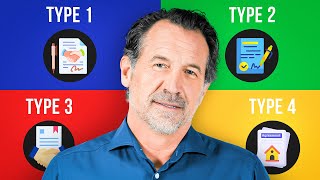
Mark Kohler and Matt Sorenson break down four contracts every business owner needs: commercial leases, partnership agreements, employment contracts, and customer service terms. A triple-net lease cost a landlord hundreds of thousands, and a PR contract trapped a client with a 90-day non-compete tail. Always have a lawyer review your draft before signing.
Chapters
We've seen a lot of bad contracts that have wrecked deals that have wrecked businesses.
Do not call your lawyer and say, write me a contract. This building owner has lost hundreds of thousands. What are you providing? What are they paying? How, when. Take the time to put yourself in your customer's shoes or your landlord's shoes or whatever and say, these are the terms I want. You got to know these things.
If you have a bad contract, you have a bad deal, you're screwed.
As a business owner, you should. Welcome everybody to another episode of the Main Street Business podcast where we help business owners around the country with their tax and legal issues topics. All those things that can really beset and cause a business owner problems or help them leap into success. We got a good one today.
Yeah, we got a good one today. Want to talk about the four contracts you need to know as a small business owner or investor? These are. Contracts are going to come up in your life, so you want to make sure you know them.
I would go with more than no. You almost need to know them backwards and forwards, memorized, almost. I mean, you got to know these things.
You just came back to know.
Okay, fair enough. Really? No, really, really. I'm going to add some adjectives, but the point is business owners, a lot of times, once they, they set it, forget it. They think they're okay. Yeah.
And we've seen a lot of bad contracts that have wrecked deals that have wrecked businesses and have caused issues with customers that have put you in a bad situation in a lease. And so we want to go over those scenarios. We want to hit these four contracts, give you some tips and pointers. And because we want the law to be on your side.
That sounds so good. That's like a commercial. Now I'm going to, I'm going to give kudos to Matt Sorenson. It's literally, I'm going to say this honestly, come up with one of the top five best legal quotes I've ever heard. I mean it. And I. I want to tell you I love you.
Oh, thank you.
Okay, so one of the five. Okay. The bad contract quote, give it to me.
The people.
You gotta write this down.
You need to know this and.
Yeah.
You need to, like, live this.
Yeah.
If you have a bad contract, you have a bad deal. Okay. If the contract sucks, you're screwed.
No matter how good the deal.
No matter how good the deal is. In fact, the better the deal. If you have a bad contract, you're really screwed because the other person on the other end of the deal knows it and if that contract sucks, they're going to want to get out of it. And so focusing on having a really tight contract is really important, but past that too. It's also that we want to get a clear understanding of everyone, of what's supposed to happen. It's about setting expectations. And a lot of times people think, ah, this is just boilerplate. No. If there's any little dispute, the only thing we have to rely on is this contract, this piece of paper that has words written on it. It really matters.
Yeah, it's brutal. Now, I want to give you the four that we're going to talk about here. And I, at some point I'm going to tell my Arnold Schwarzenegger story on this. It is a good one, isn't it? It's worth it, people. Okay, here's the four contracts we're going to talk about today. A lease agreement. So if you have a rental property or you're leasing property back to your
business or from just a landlord, either one.
Oh, yeah, yeah. Or yeah, your leasing property. Oh my gosh. Lease agreement. Whether you. No matter what side of the.
Everyone here.
Oh, yeah, very important. Number two, a partnership agreement. Now you may say, well, that's a partner. No, no, no. It's a contract at its core. So if you have a partner, an llc, that operating agreement is a contract. And what is going on in your partnership? Number two, any employment type agreement, you may not have it. We're not believers in employment contracts, but you still may have a letter of understanding with an employee or if you have a third party vendor that you have a tight relationship with, what does that agreement look like? That's number three.
And you might have independent contractors. I want to touch on that too. So some of you might be like, I have like agents or people. Independent contracts. Want to hit that for a second too?
Yeah. And the funny part is, number four is if you're an independent contractor or you're a business owner, what is the contract you provide for the delivery of your services. So in this contract, are you selling a product or service? What's your customer agreement, terms and conditions? Do you really understand what your customers are expecting? So number three is you as a business owner in a relationship with a contractor or an employee. Number four, as a business owner or a vendor, what are you having people sign? Yeah, okay, those are four.
All right, I want to go 1, 2, 3, 4.
Yeah. Should we do number one and then I'll tell my Arnold story. Let's get number one out of the way first.
Reading lease. Yeah, let's get into. Let's get into the lease. Okay, well, let's talk about you being the tenant. Okay. You've got a business, maybe you're a storefront, maybe you have an office. And I want to talk about you being the tenant and going in.
And I want to give Matt kudos again, too, all of our lease agreements because we own some of our buildings and spaces, and we're also a tenant in some of our spaces. And Matt knows in our partnership we have strengths and weaknesses. Matt negotiates our leases.
Yes.
Mark Kohler gets to look over his shoulder and go, yeah. Matt's like, shut up.
Now what happens is, I said, where do you want your office? So, oh, you want the corner with the window. Cool. All right.
Yeah, that's all the part I play. No, but you're good at this.
Yeah, I think. And this is, you know, this is. You kind of get. Got to get into the details with this, and you need to know kind of the basic rules of the game. So when you're getting into a commercial lease, you need to know something called triple net.
Okay.
You need to understand that there are different types of commercial leases out there. One is just going to be kind of a fixed lease. Sometimes it's called a gross lease, where it's like, all right, this is all in. Like it's, it's five grand. It's all inclusive. Maybe you got to pay the, the cable or something, but like they're covering everything. Utilities, taxes, insurance. Like you're just paying rent. Like you think about paying rent for a home, for, for living. And so if that's the case, the lease. Better say that. Now, a lot of people get surprised, and business owners, over the years I've talked to, they sign a lease and they understand what the heck triple net was like. Well, they said the rent was only five grand a month. No. Plus the triple net cost, taxes, insurance, maintenance. Okay. And they're like, wait, I'm getting charged when I call someone, when I call you to have some come and fix something. Yeah, that's getting charged to you back through the lease. Well, I got to pay the utilities. I have to pay your insurance, your insurance, landlord, I got to pay your property taxes. Yeah, that's what triple net is. So make sure you first understand, like, what lease deal you're negotiating here.
Yeah. Now, I'm glad you led with that, but I am going to say this. We could do a three part, three hour series, leases, how to understand them, how to negotiate them, how to draft them. But let's just give a couple of examples why this is so important. I like the triple net example. What is the renewable term? How much does it cost to renew and how much control do you have over that renewing experience? You could get kicked out unknowingly. We've had clients in that situation. What happens if there are damages, an act of God, a fire, water, repairs? All these little details. You need to know that lease backwards and forwards. And let's just so the point today, and you might, I don't want you to get frustrated like, well, holy crap, tell me all these things. Like I said, we could do this for three hours. The point to today is you can already sense this is a lease. You've got to know. And if it's a little too legal, that's what the lawyer's job is, is to say, hey, will you sit down with me and explain what this provision means? You might just pay a lawyer for an hour. Say, walk me through this lease, because I don't speak legalese every day. Tell me what this means. And so, and I've got a bad, terrible story I want to share on this too, but. Yeah, but I think a lot of it is just getting engaged and understanding of a provision.
Yeah. And I think I love the renewal that is so key because, you know, you got to think of what are your, what's your growth opportunity, what is, what's realistic? And also, are you going to grow out of this space? And what's the term I need? Maybe I want to get a shorter term. That gave me renewal options so that I can stay longer if I want, but if I grow out of this space, you know, there's all these little factors you want to think about. The last thing I'd give on the lease agreement, just in terms of tips, is the tenant improvements. When you typically lease a commercial property, you can negotiate tenant improvements. If you're going to have a long term lease. If like, well, I'm just going to lease for a year. The, the landlord's going to be like, space as is, then you know, yeah,
you rent for one year, knock yourself.
Yeah, as is. And if you want to improve it or change a wall or add in a kitchen in the corner, you're paying for it, you know. But if you're like, no, I'm signing a five year lease or maybe even three years, the landlord might be like, all right, I'm going to throw in tenant improvements. I'm going to give you a budget of an X amount or certain amount per square foot to redo the offices you would want for your space for your business. And so, so know what that is. And also realize that if you're signing a longer term lease, the landlord typically pays for that. They will pay for that tenant improvement as part of the process.
I love it. Now let me give an example. On the flip side, you might be the landlord. This could relate to your rental property portfolio and your leasing to another business. So you're going to be on the other side of the table now. So the provisions are going to cut a different way, if you will. And so, but the importance of understanding every provision and then how to carry them out is so important. I literally just had a client last month, Matt, that I talked with. They've had a commercial lease for over 10 years and it was a triple net. So they were the landlord, they owned the building, they were leasing it to this client. Now the, they've had this a long time back in the day when they signed it. A triple net works like this. You're going to pay me X number of rent per month and then I'm going to bill you for the cam common area maintenance, this triple net piece. I'm going to bill you every month and then at the end of the year we'll true it up. Okay. So back when they had signed this lease, the business owner was alive and well. The family inherited this property, yada yada. Somewhere along the way, they forgot to start to keep billing the monthly cam. They got the rent every month. They thought, oh, we got a rent. And somewhere there was a snafu where they didn't bill for the cam. And it went on for years. So now the tenant's like, man, this is a great lease. Yeah, I've never got a bill for cam. This is wonderful.
The day of reckoning came well, and
now because there's a lot of principles in the law that you just can't show up and bill for the past 10 years. But now you're saying, well, moving forward, we're going to get back on this. The tenant's now like, well, maybe it's time to move. And I don't know. And so it's created a weird political situation. They've lost five to 10 years worth of cam and it was terrible. But what happened is somewhere in the mix, someone didn't read the lease properly on how to charge for cam, when to charge for cam. And this building owner has lost hundreds of thousands of dollars. And it's really, and it's really sad, but again, we can't expect our accountant to know this. We can't expect our lawyer to know this. This is on you. The owner of the business as the tenant or the landlord.
Yeah, I've read into so many times that people getting billed certain stuff between landlord or tenant, and no one reads the damn lease to see who's responsible for it, you know, and so, you know, so that's where, like, knowing this stuff is really critical. I think a lot of clients sometimes call and they're like, ah, I want to get out of this contract. Or this contract's like, you know, it's not fair or whatever. And they just think, I'm going to come up with, well, you know, if we just apply the Jones versus Smith case, you're out in 1989, you know, we can get you out of this, you know, because it's not fair. You know, a judge decided that if a con, you know, so. But no, it is. Whatever is written on the contract is what it is. Like, it's as simple as that. Like, this is like the Constitution. This is what the law is, what you put in the contract. So the more you know it, the more you can protect yourself and not get taken advantage of it.
I'm already thinking of a story for our third contract. Okay, number two, partnership agreements. Can I lead it off?
Yeah.
Okay, so as I said earlier, a partnership agreement could literally be titled partnership agreement, but typically it's going to be your LLC operating agreement. Now, some of you might hear the word joint venture, and that could be. That would be considered a partnership agreement as well. But again, at the end of the day, these are all a contract. And I like what Matt just said, if so, let it be written, so let it be done. That's Yul Brenner, Ten Commandments. All right, so that partnership agreement is so important. And we've done podcasts just on partnership agreements, so please go back and listen to those where we really unpack it a little bit more. But what typically happens, there are several things that can happen is people are, oh, the sun's shining. We're going to make so much money. High five. We're at Denny's and we shake hands, and the partnership agreement or the operating agreement is an afterthought. And whatever they agreed to and verbally did not end up in the operating agreement. And. And then the storm clouds come. Recollection of what the agreement was is verbal versus written. Guess which one's going to control what's written. And all of a sudden you're like, holy crap, I did not look at the contract. And it. That. Can I just. I can't. You can't even count the number of lawsuits over this sort of issue.
Yeah, it's unfortunate. And, you know, a lot of businesses are going to have some turmoil, particularly new businesses. There's. They don't make money. It takes years before you hit profitability, on average. Okay, that's average. All right. Let's not talk about the ones that are below average. And so there's a lot of risk in this, and it's great to do it with a partner. I've been fortunate enough to have an amazing partner over the years, and so it's been pretty easy, you know, but
we really are lucky.
You know, I am lucky. We seriously have had a great partnership ourselves, but we've also had 100 consults between the two of us with partnerships that are a disaster. And a lot of it can be solved by a partnership agreement where you're getting clear on the terms. And I'll give you one common one I've had. I've had this one probably like three or four times over my career as a lawyer. They run out of money. They run out of money, and they're like, well, who's going to put money in? And sometimes you have a partnership where someone's like the work partner, and someone was the money partner. And guess what? Whose responsibility is it to put more money in when you've ran out of. Let's say the money partner said, I'm going to put 100 grand into this business. Whose responsibility is it to put. If you need 120, and we're now two years in and the money partner hasn't got any money back, and. And the work partner's like, I've been working my tail off for two years. Like, we need 20 grand to keep this thing moving for the next three months. What are we going to do? Well, what does the partnership agreement say you're going to do silent on this? It doesn't say. And you're 50. 50. Oh, how are we going to decide this? So now let me just say this by default, if you didn't say that means you're both going to be responsible to put it in. Now, you could say, hey, cash partner, if we need more money, you know, I need you to put it in. I'm gonna have to work more, and I'm the work partner.
Say that.
Agree to it.
Yeah.
The problem comes later when you didn't think about that.
Yeah. And you could always add a provision. Okay. If we need Extra money. It's a loan provision with a simple interest rate.
That's not what our operating agreement says.
Yeah, ours does. And it's not onerous, meaning really bad for the person that's not putting money in it, meaning like a 10% interest rate or something crazy like shift the ownership.
Person putting more money in gets more ownership, and the person not loses it.
And when do you do all this? Well, ideally before you start the partnership, but many of you listening, if you're in a partnership now and you know that there's nothing in writing or that what you have in writing is terrible, and there's been a lot of handshakes over the years. Matt, we should frankly talk is this. You can still do this. You can sit down and go, hey, we really need to update our operating agreement. Can we put in writing everything we understand to be the case and the truth? And let's look at some possibilities of some disruption a year from now or three years from now. What would we do? Let's put it in writing. And the time to do it is when emotions are low and there aren't storm clouds. So this is something that can be easily remedied. Get out and update your LLC operating agreement. As an aside, this is your time to do your annual minutes, your BOI report. Get with our law firm. We can do what we call a company cleanup, get you a new operating agreement. You can sit down and figure these things out. It can be really affordable, too.
Yeah.
Take the time.
Yeah. Yeah. This is a critical one. And for those of you that are kind of, you know, maybe it's like you and your spouse in the business or it's just you. You don't have. You can skip this one. That one's kind of nice.
Right?
Yeah.
Yes. Well, should we. Okay. Is this the interlude where I tell a quick Arnold Schwartz Schwarzenegger story and then you go to story time?
Yeah.
Okay, Quick story. Now, I might have some of the dates or the movie references a little jumbled up, but it's a true story. And. Yeah. And some of the details might be a little gray, but Arnold Schwarzenegger would tell this story, and who is a phenomenal speaker. So now you have to set aside. Any of you that have some angst against Arnold for his politics or Maria Shriver or you don't like his movies, whatever, just put it aside for a minute. The bottom line is the guy came to this barely able to speak English, and became the governor of the biggest, the most the state in the country. And it's absolutely Unbelievable what he's accomplished. So give him a little cred for that. Now, one thing that happened along the way, that played into his role as governor, and this is where the story would show itself, is when he first came to America and he was down on Muscle beach and he got recruited to start doing some acting classes, and muscle superstars weren't a big deal. All of a sudden he got a contract for Conan the Barbarian and that was his first big breakout role. Well, because of his lack of his language barrier and experience. Lack of experience. He just signed the deal and he talks about this. I signed the deal and I was so excited. Well, it was a great movie. Yeah, and a great deal. But a bad contract. He ended up getting paid a pittance. It was not good. And he got taken advantage of by the production company and everybody along the way. Now, again, it could be a Conan or there was one other one in that same mix, so give me a little attitude here. But he had a bad, bad experience in one of those first movies. And he said to himself, I'm never going to let that happen again. I'm going to read every line of every agreement I ever signed for the rest of my life. And if I've got a language barrier issue, I'm going to stop until I understand the issue. And he committed to that. So fast forward 20, 25 years later, he's governor of the state of California. And his staff hated this. Hated this because before he'd sign a bill, before he'd do anything, he's like, I don't understand that provision. Explain it. I don't understand that. Explain it. And he would be meticulous about understanding every provision before he would sign agreements or contracts or, of course, legislation. So I just thought that was a really fascinating story. And he's on the public speaking circuit. I've seen him live. It was phenomenal. And the stories he tells and his life experience. But that was one that's really stuck with me.
Yeah, that's a good one. And that, that solidifies for every contract we're going to be talking about here of, you know, be like, Arnold, you know, so crazy. All right, let's get into employment agreement, the next one. And this could be sometimes an independent contractor agreement. But the key thing I want to note here and again, we're just, we want to give tips. The key tip I want to say here is make sure you're clear that this is at will employment. Now, you probably should have, It's a problem. You should have an employee handbook that also Outlines certain things like what are our holidays, do we have benefits?
You know, and they sign that.
Yeah.
It is a contract of sort. In a sense, it's an employment agreeing
to follow policies of the company. And so you want to have the hamburger.
Oh, and you know where that helps is unemployment comp. Because when they, you fire them because they didn't live by the handbook and then they go claim unemployment, you can go, hey, look at the handbook. So it's, it's different than an employee contract. But I just wanted to say I like that you brought up the handbook.
Yeah. And I think that what I'm saying is like the employment agreement itself should just specify, here's what you're going to do, here's what your role is, here's your scope, here's your computer. You're also going to be employee and you're subject to the terms and conditions of all employees of the company. And that's kind of like what your handbook is like the fallback. So that your offer of employment, we call it letter of understanding, whatever you want to call it, that goes out to the employee is very specific to them and their role. But also make sure that it does say that it's at will. Okay. At will means that you can fire them at any time and they can quit at any time. All right? You don't want to, you don't want to be where there's a certain. There's actually a contract term where if you fire them, they can be like, will, you owe me the balance of the contract. And so make sure you're indicating that it's at will.
I love it. Now, let's talk about third party contractors. I've got a couple stories here. I'm going to back out on the story I had. I was going to talk about event space. When you sign a contract to rent an event space for your company for an event and you got to back out, what are the terms? Oh my gosh, I'll tell you, hotels are the worst.
By the way, I had to do that during COVID for our self directed IRA summit. And thank goodness one of those clauses in the contract that no one thinks about force majeure. Okay, what is that? One of those, all these little terms at the end nobody reads, you know, or like, like act of God type stuff, is that you're able to get out of it because covet, you know, the government was in shutdown, people couldn't go, they couldn't congregate in that group of that large of people. It was illegal yeah, see, I was able to get out of it.
Hotels did take a bath. Now I want to share. So let's say you're hiring a contractor, a third party business consultant, a painter, a plumber, someone to come in and do the tenant improvements in your lease space. Those are all contracts and agreements that you want to have a good understanding of what the expectations are, how much you're paying and da da da. Quick example on this. I had to, I hired a media consultant, let's call them PR agency La la La. They were independent, one person show they were out of New York. This was probably five, ten years ago. And they were gonna book me at different news interviews. And this was pre Covid and I was, you know, getting seen here or there and I was trying to make a name for myself. I was in my second or third book. And so she was booking me here, here, here, here. Well, all of a sudden I wasn't getting any bookings. I was kinda like, how much are you paying you a month? Yeah, you know, la la la la la la. And so I was like, I'm gonna let her go. I'm like, I'm done. She's like, slow down tiger. Let's look at your contract. I had not read that as carefully as I thought. I just signed this little service agreement. I had to give her 90 days notice first of all. So she had this protectionism that she couldn't, you know, all of a sudden, you know, all of her revenue for a month dries up or one of her bigger clients dries up in one month with no notice. Not good. So she had a three month tail on this. And there was also a tale that was super interesting that anybody that she lined me up with as an interview I could not go to independently for one year. It was kind of like a non compete. If I introduce you to a producer at Fox for one year, you can't go back to that producer at Fox. They could call you. But if I had to find out if you contacted them, there was a penalty in the contract like liquidated damages. Because this protects her contact list. Because if I pay her, get all of her contacts, fire her a month later, what the hell. So she had this one year tail there. And I was like, oh my gosh. And so I had to really figure out, am I gonna, is this, how bad is this gonna hurt? I had the 90 day. It was a pain to get rid of this PR person, so. But it was on me. I did not look at the agreement, I didn't have the Foresight to realize what could happen. And that's a. So the tip is here. Always think of if I want to get out of this hotel agreement, if I want to get out of it with this third party, what's my exposure? Before you even sign it. Just worst case scenario, what's my exposure? And then you can negotiate around it. Sometimes you can, sometimes you can't. But at least you know.
Yeah, that is, that's a really great point. That is when I, you know, it's been a long time since I reviewed contracts for clients, but I'm always doing them for our own businesses. But that was, that was always on my checklist is like, the number one thing is, how do we get out of this? And sometimes I would review a contract. This could be any of these contracts we've talked about. And if I didn't love the terms or I was like, I don't know, this is a good deal for you. If I had a good out in the contract, like a 30 days notice and we're out, I might be like, well, let's see how it goes. Because we got 30 days to get out and there's not a big, you know, if it doesn't work, it doesn't work. But if we're tied up for multiple years and we're stuck, or you got a tail like that, or ongoing obligations even after termination, then it's like, no deal, no dice. So termination is really, really critical.
Oh, my gosh. We could tell story after story here. Okay, number four, now you're the business provider, and this is a really different perspective because it could involve a number of things. So let's say I am representing that media PR agent.
They had a good lawyer.
They had a good lawyer. She had a good lawyer, she had a good contract. You know, she was like, boom, ready to go. Because she had been burned before, probably, right? Every term in a contract usually has evolved from some dispute or a problem before. So when it's your business, you want to be thinking, how am I protecting myself here? You know, what's my worst case? This client comes on board, they're a pain in the ass to work with. They want more money, they want more. I mean, sorry. They want more time, they want more product. Am I going to deliver that? What are the parameters? What are the expectations? And if I want to get out or if they want to get out, what is going to happen? And so as a business owner, when you're providing services, and I know you want to talk about product and terms, but. But in Anything you want to add. But as a. As a freelancer, as a consultant, as a service provider, a law firm, an accountant, whatever, whatever you're providing, you're going to have a service agreement. It could be a retainer agreement, it could be all sorts of names, but it's a contract. And what are you providing? What are they paying, how and when? What are the worst case scenarios? And as a business owner, you should. That should be like. You should know that backwards and forwards.
Yeah. And I've just, I've worked with so many people over the years, clients helping them draft this. And I think, like, my kind of principles for this is be very clear about what you're gonna deliver. Like what is. For what they're paying, what is. I only want to specify the minimum of what you have to deliver, because we're right. I'm writing this contract to protect you not thinking about your customer. That's how you want to apply the contract. And if you want to use the contract against your customer, that's up to you. Okay, this is Matt, the lawyer. I'm representing you. I want to write the contract to benefit you and protect you. Because a lot of people mistakenly think when they're writing their contract, I have such great customers, and my great customers won't need this. I'm writing the contract for the shitty customer. I'm writing the contract for the bad customer. All right. That you want to get rid of and you don't want to deal with, and it's kind of a pain in your butt.
All right?
Think of your contract that way and how it can protect you. And if you get into it, that mindset, you're like, all right, here's the minimum of what I need to deliver. Let's be clear on their obligation to you and payment. Termination is always critical about how you want to let them out or not. And you always. A lot of times, depending what you're doing, you have a lot of upfront cost in them becoming a customer of yours. And so there might be some termination penalties or some type of tail on it for when they can get out.
Oh, my gosh. I love what you said too, about the drafting the contract for that one bad customer.
Yes.
And now this is interesting. I want to. You may not expect where I'm going here, but so if you. And that's a great reason. And so you call us up our law firm, and we got 14 lawyers here, and they could get on a call and help you. Oh, we should talk about how to approach any of these contracts. I've got a tip there, but let's say you get your lawyer and you're going through it. So business owners can get lazy or go, well, I don't want to have my good customer sign this because, you know, that's weird. They're a great customer. I don't want to have them sign this. I'm doing this for the bad customers. And la la, la. Well, you never know when a good customer can turn into a bad customer. And so sometimes we can get very selective on who we have sign agreements. Oh, this is right. My brother in law. Oh, he'll be fine. You're gonna provide services to a family member, you better damn well have a contract. So my point or message here is everybody has to sign your agreement. Maybe your mom doesn't, but that's probably where I draw the line. Everybody else has got to sign this contract because you never know when it can get ugly. And actually you're preserving a relationship. That's another important point. The contract can preserve the relationship because you don't want to fight over who said, she said what, you know.
Yeah, yeah.
Okay.
All right, well, we hit them all.
Yeah.
Let me talk about those just like terms and conditions a little bit thing here. Just.
Yeah, you're selling a product.
Yeah, maybe you're selling a product. This could be online or in a storefront, you know, and this could be the receipt or the invoice or it's on the website. Specify the terms and conditions. Is this thing connect? Can it be returned? Can it be exchanged? Are there warranties provided with it? Will you fix things on it if they have problems like that needs to be spelled out and put in writing?
Oh, yeah. And these online businesses, so, so, so many. I sell online product, I sell online videos, I sell online. So when people buy that online there. When was the last time you updated your phone on, you know, your iPhone? Agree, agree. You know, you need to have that same thing on your website when people buy your online product, your recurring revenue type products. When, when do I get a Hitler card? What happens if they cancel? When do I refund all those things? Save you so much heartache and customer service. And those terms and conditions need to be agreed to.
Yeah.
So good. Okay, now here's my tip on application.
Okay. Okay.
I'm going to say this, I mean this, this actually helps our law firm if I you do it the wrong way. So I want you to know I'm kind of doing you a solid here saying this. Preventative medicine, this is preventive.
We don't want to be the.
Do not call your lawyer and say, write me a contract. Okay, that's going to cost you the most. I don't, don't do that. We, we, we would take you to the cleaners. Do not call us and say that. No, do not call us and say that. What you want to do is say, okay, I need a lease agreement. I'm going to take my first best stab at it. Maybe you're going to download a template. Maybe you've got one from a prior lease that you used before. Maybe you've got an old employment terms and understanding, an old employment handbook, or you've got an old service agreement or you took your first stab at it. Go to the lawyer with a draft and say, help me take this across the finish line. What am I missing? Could we add something to it? It's always easier for a lawyer to review something that's maybe 90% there, then start from scratch. And I, and I think now some of you are going to need an attorney just to take it from A to Z. I get it. But if you have something that's okay, and some of you right now are going, oh my gosh, my contracts are jacked. Take them for review, don't take them to get redone.
Now, I will say this now, we might receive that contract to review and we may be like, I can't polish this turd.
Oh, the polish the turd statement. I love it.
We're throwing it out and starting over. So.
Yeah.
But at least we know what you're trying to accomplish and so we can kind of see what you're trying to do and maybe start with a more cleaner, simpler, direct, specific way to do it. Because there's an art to a good contract, you know, I mean there's, we want to get terms in there that protect you, but you also want to be succinct and be clear about it.
Oh yeah. You don't want to give your client or someone a 10 page contract and scare them on.
Yeah, yeah. It can be like, it's just, you know, it's bad for the environment, you know.
You know what other thing you said that was helpful and this will be important when any of you take to get yours reviewed or do a new one is, I like what you said. At least we know the terms you want. Holy crap.
Right?
How many times have we been on consults and it's like pulling teeth. What do you want in this agreement? Well, I want this or I don't know. Oh my gosh, take the Time to put yourself in your customer shoes or your, you know, the landlord shoes or whatever and say, these are the terms I want. Because a lot of times we're just trying to understand what the hell you want with this thing.
Yeah, yeah. And it really just boils down to the end of the day, what is your obligation? What are you going to agree and commit to be doing? What is their obligation? What do they need to do for you? Maybe it's just paying you, but let's be clear on what the obligations are between the parties. And if you can get really clear on that, that is what will give you success. In all these different contracts, we talked about just being clear on the obligations, getting it written and writing. Because that's really what a contract is. It's just two people, a meeting of the minds about what would the expectations are. And sometimes when you do have your off and your customer's like, I don't like that contract. I don't like that, you know you have a two month termination clause. Well, you're not a good customer for me then. That's good to know now. Yeah. Don't sign the contract. Let me talk to the next person.
There's so many tips here and I last. Okay, here's my last tip. And you've heard me say this over and over and over again over the years, people. There's always another deal, there's always another customer. Do not feel like you have to take a bad customer or take a deal. Because if you're prepared and you're being careful and being a smart business owner or investor, the right deal will come along. Now that doesn't mean you go into analysis paralysis and never pull the trigger. But it doesn't mean you should ever feel forced to pull the trigger with someone that's like, hurry up, sign it, we got to do or you're going to miss the deal. Ooh, that's when we slow down.
Exactly.
So. Well, man, that was a great show.
That was great.
If I should say so myself.
I think we were amazing. So if you thought we were amazing, give us a five star review. Please share this and we'll be back next week with another amazing episode of the MA Business podcast.
More from MARK




The secret to managing your family's future #financialfreedom #estateplanning #shorts



Moving Property to an LLC: What They Don't Tell You #realestate #investing #tips


