Building the Entrepreneur Mindset with Cayla Craft
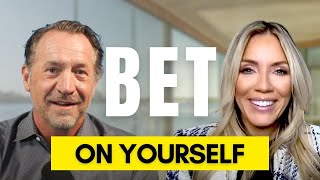
Cayla Craft left ER nursing to build a multi-million-dollar business through personal branding, real estate, and a cash-advance fund. She earned $1 million in network-marketing commissions and now runs a syndication that accepts non-accredited investors at $25,000 minimum for a 12% annual return.
Chapters
If all of the money I've made went away tomorrow and I had to start over at zero, would I be able to do it again? And I looked myself in the mirror and I'm like, absolutely, I could do it again. I could probably do it better because I have the experience. I would learn from my mistakes. I bet on me. And that's where people have to get to, is that that belief in themselves that no matter what, you know, I can do it again again.
Welcome, everyone, to another Main street interview with a person with a major influence of making a major impact out there in the entrepreneurial world, which I call Main Street America. Hate Wall Street. Kayla Craft has joined me. Thanks for being here.
I'm excited. I'm really excited to be here.
I love it. And we've been building a relationship this last few months and I've just loved following her social media and her inspirational messages. She does such a great job. She's been, boy, there's so much you've done. I love the branding training and sales training and entrepreneurship you did for 12 years, but now it's morphed more into real estate and business coaching and business mentoring in a different way. We're going to unpack that. But folks, you're going to love the, the insights. I'm sure you'll get here from Kayla today. And I'm really excited about that. So Crafted Entrepreneur is the podcast. I'm going to say it right now that if you are looking for a new angle, you're burned out on some older podcasts. Get over to Crafted Entrepreneur. Love that name. Kayla Craft. Crafted Entrepreneur. So cute. I know. I'm so wish I could be that cute. I love it. Well, okay, I had this big question. This is the one. I was literally driving in this morning and I was like, you know what I want to ask is like, did you grow up thinking you were going to be an entrepreneur? Or when was the moment when you're like, you know what, I want to be frickin a business or just you fall into it as you were going through your 20s and selling and growing and training. Your thought, holy crap, I'm entrepreneur. When did that click? Like, you found that voice, right?
So I definitely didn't grow up thinking I was going to be an entrepreneur. I didn't know anybody who was an entrepreneur. I was the first person in my family to like graduate from college and I became an ER nurse and that was like my goal. Really. I. I was so excited, you know, to be a nurse because I knew there was a Nursing shortage. And I was always going to have a job. So I very much had an employee mindset. Like, you know, play it safe, get that paycheck every couple of weeks. And then I found myself at 23 years old. I had a 1 year old, and I hated leaving him for 12 hours a day. I'm like, there has to be something better than this. So I actually. I started being, like, a nursing professor at the local college. And so you kind of. There was a lot more flexibility. We made a lot more money. And I was still like, you know what? Like, this isn't it. Like, there's more for me. I went from making $28 an hour to $80 an hour. And I was like, I like this. Like, okay, what else is out there for me? I found a network marketing. And then that was like, whoa. There is no ceiling on the amount of money I can make. It is all up to me. And it was really the first time in my life where I, like, met people that made a lot of money. And I was looking at them, and I was like, these people are awesome, but there's no difference between me and them. So if they can have that type of lifestyle, I can have it too. And I just got to work figuring out what a personal brand was and how to monetize it. And so by the time I was, like, 26, I had made $1 million in commissions. And I was a little bit bored with the way that I did it. And so I was like, I want to teach other people how to do this personal brand thing and how they can monetize their personal brand. And so I really focused on that. And you could see there's a. There's a theme in my life. I get bored quick, and I give myself permission to just, like, follow the desires. Like, whatever I want to do, I know I can do it. I want to figure out, really what is the highest potential for myself. And so I am constantly challenging myself, trying new things. And I guess I became an entrepreneur along the way.
I love it, I love it, I like it, I like it. And, you know, I want to unpack that a little bit because. And what an incredible story. And I want to get back to nursing, too. Wow. From nursing to, you know, millionaire investors. So cool. But okay, so I know a lot of your messages in the past, you've evolved from helping other moms figure out this journey to now helping all types, sizes, ages, and genders of business owners and entrepreneurs. But when you made that leap from W2 to going out on your Own and that and wow, I could make a lot of money at this. A lot of your messages on your social media are about that transition and having confidence and faith that, holy crap, can I do this? And the fear that's involved there. Well, what, it sounds exciting, that piece of it, but how scary was it too? How did you overcome that fear?
It was really scary. It took me quite some time. I was making already a million dollars a year before I actually gave up nursing. I had gone to work at a surgery center where I would wake up at 4:30 in the morning. I was pregnant with my third child. And I would go and work for just a couple hours because I was so scared to give up that identity piece of being a nurse. I mean, Since I was 14 years old, I wanted to be a nurse, you know, and then here I am going, I'm gonna leave it all. I even let my license go, you know, it's such a big deal. So what happened was I had to start hanging out with people who were entrepreneurs. You know, at that time, I had a group of nurse friends and they thought I was crazy. So of course I thought I was crazy. But then when I started hanging out with people who were doing big things, investors, you know, who was network marketers, just some other people that owned their own businesses. I thought, okay, you know, again, it's surrounding yourself with those people who are doing it. And then you think, like, if they can do it, I can do it. And they speak life over you. And so I just decided to take that leap. But of course, yeah, it was scary, but it's all about the story you're telling yourself. And I asked myself the question, if all of the money I've made went away tomorrow and I had to start over at zero, would I be able to do it again? And I looked myself in the mirror and I'm like, absolutely, I could do it again. I could probably do it better because I have the experience. I would learn from my mistakes. I bet on me. And that's where people have to get to, is that. That belief in themselves that no matter what, you know, I can do it again.
And yeah, well, incredible. I love it. And this transition, has it been smoother to embarking on real estate investing and because it's, it's like the sister to being an entrepreneur in a lot of ways. But what's, what's different about this transition?
Well, you know, I've been investing in real estate for the last nine years. So once I started making money, I started investing in real estate. And now that I'm teaching other people how to do it, it's been just an education piece for people. Like, hey, you know, I'm not so much talking about social media and personal branding anymore. Here's what I'm excited to talk about. And I think people get excited seeing the evolution because it gives people permission to evolve themselves. People need that like inspirational icon in their lives and I'm happy to be it for people.
So tell us about one of your real estate projects real quick. I mean, you've got, you're raising some money for a fund and a large development, but you also have the little rentals too. What do you most like about real estate?
Yeah, right now I'm focused on just flipping properties. So my brother and I, my brother in law and I work together and we're focused in the Central Valley in California and just flipping homes there. He found this little property. It's literally two streets away from the high school I graduated from. And so I like to focus in areas that I understand the neighborhood and I understand the economy and everything that's going to be, you know, happening in that little area because you don't want to get places that are high crime. Right. So we got this property because I made a post on Facebook. I love Facebook. People say Facebook is dead. I live on Facebook because I'm constantly getting deals over there. So I had made a post like, hey, you know, I'm looking for a couple houses this year. And we found out somebody in my network had inherited a property and he didn't know what to do with it because the roof was caving in. And so, and he's already behind in taxes. Like he has a lot of issues happening. So we decided to pick up the property from him and we're gonna flip it. So I'm really excited right now because I'm actually funding this whole entire deal through a couple of my friends that are all childhood friends, and we're gonna go in on it together and make a, hopefully a triple digit profit on it.
Oh, I love it. Do you, do you like rentals more or flipping more?
I like flipping more, yeah. Especially in California because of the tenant law. So I used to hold a couple rentals in California, but we got rid of all of those in 2020.
Well, for the entrepreneur, for me, that was a inspiration for my financial freedom book because as I work with entrepreneurs, they start making money, they're getting their brand dialed in and they're like, where do I put my money? What do I do? And more and More. I found that the wealthy people around me, those circles that you talk about hanging out and the clients that come through, they're like, okay, Mark, you're noticing that wealthy people all own real estate. That's a pattern. And so it. It's trying to get. Yeah. What are your thoughts on that?
Well, so I've invested a lot of the capital back into private equity funds and private debt funds and then have my money just work for me that way, because I don't really. I found out I've done Airbnb. I didn't enjoy that. I don't enjoy, like, managing and dealing with property management companies right now at this time in my life. So I own a couple fourplexes in Alabama, and I manage those well. I have a property manager that does that for me. But other than that, like, I think I see myself holding more properties in, you know, three to five years. But right now I just. Yeah, I'm in the exciting side of just like, getting that big cash in flipping. I love reinvesting it in funds. I also have, like, you know, a lot of. I want to talk to you about our cash advance indication, because I don't know if you've had anybody on the podcast talk, talk about that. Have you heard? Yeah, okay.
No, go ahead, you, please.
Because this is really what I have, like, been really excited about in the last year and a half. My husband, he is in, like, the cash advance world. And we, we created our own cash advance syndication. And so basically what it is is it's invoice factoring. So we help businesses with these small business loans that they're going to, you know, they need a little cash advance on the front end because their, you know, receivables aren't getting paid in time. And so it's hard money lending, you know, so we're basically like, factoring invoices and getting paid a lot.
How many? No, factoring is a sweet business. When I was in my undergrad in accounting, I figured out factoring for those that don't know if that's just because I want to talk about this. This is cool. Is that when a business owner has, let's say, 50 grand in accounts receivable, they haven't learned how to properly run their business. And they get accounts receivable, which is a problem in the first place. But they're sitting there with 50 to 100 grand in AR and they're like, I need that to pay payroll this week. But. And I know I've already earned it. I'm just Waiting for this customer to pay. Factoring, I don't know where that word came from, is a factoring company will say, well I'll lend you the money in advance of your accounts receivable and you assign your accounts receivable over to me. So when this person pays, it's going to come to me first, not you, to protect my advance that I'm going to give. That's the world of factoring. And you've syndicated this like you've created a fund just like massively go out and do this, right? Yeah, we have all of the country.
Yes. Yeah. So we're, we're helping about a thousand businesses a year in, in this and we're actually, we've just signed three new contracts that are like huge, huge, huge. I'm so excited about. So we're raising for this cash advance indication right now as well. Yeah, so I'm excited about it because we're guaranteeing 12% annually for people and you can't get that really anywhere else in a, in a fund model right now, even with real estate, you know. So I'm excited about it because we're helping these small businesses that are having issues but they, you know, have the cash flow coming in. It's just not coming in right now. So we're helping these people out in a pinch. We just helped out a online entrepreneur who was hosting an event and you know how it is to put on events. I mean sometimes these things are multiple six figures figures to put on these events and at the event you're going to sell a big product and you're going to have some money, a lot of cash flow coming in. But in the meantime to pay all these vendors and all these people, she was in a huge bind and we were able to come in and help her out. So we're really helping businesses. And that's what you know, gets me really fulfilled at the end of the day, you know, is knowing that we're helping people inside.
Well, what kind of fund did you do? Do people out there have to be accredited investors? Is there a minimum buy in? What, what's.
Yeah, so this is the only one where we' actually taking non accredited investors. So that's also like with my real estate fund, everybody has to be accredited and so it really, you know, creates a big gap for people. So this one we get to take non accredited investors but they can only invest 10% of their income. So you know, it, it's, there's a limit there, but it also helps protect them as they hopefully one day become an accredited investor. But this, this investment is a lot more liquid because we say, you know, you put it in for a year, you can pull it out after a year if want to. But most people keep it in because the compounds start, the compound effect starts to happen because not only are they still investing their original principal investment, they're also now investing their interest back into these deals. So. So they love it.
I love it. And minimum, because I want to tell people about it more, is there the max is a 10%. Yeah.
Is like the minimum you have to be able to put into this is around 25,000. So what I've seen even with non accredited investors is they've been, you know, building up their investment account. Maybe it's taken them a couple years to get to that $25,000 in that investment account, but they still don't hit that required $300,000 a year.
Right.
So I, and I see it all the time with my real estate fund. It's like, kayla, I have 50,000 to give you, but I'm, I can't take it. But this opening up this SPV helps, you know, those people.
So I love it. I love it. Okay, now back to helping the small business owners. I know you've been a business coach and trainer for years that this might blindside. You could be creative here with me if you could. I know you going through your entrepreneur life when you're meeting with a someone trying to make that leap again. I love that leap that you made from quote unquote, the corporate world. It was the medical industry to entrepreneurship. What are business ideas that you've given small to men and women that are trying to make that leap. You went through network marketing, which is a very low barrier to entry. You just got to kick your butt and get out there. What other that and other businesses do you like to see young entrepreneurs or people getting back into the workforce in their 50s even like or into entrepreneurship,
it's always about monetizing their expertise. So I'll give you a recent example. You said, you know, in their 50s. I had somebody that's, she's around 56. She's been a hair stylist for like 30 plus years. And she is really good at helping people revive their hair growth. So she's working with a lot of people that are losing their hair. Well, she's created this awesome treatment along with a doctor on like it. It's, it's amazing what she's doing for people's scalps. And so we created an entirely New million dollar business for her in all around, like luxury hair growth. Because I think, you know, people can walk into any med spa and get a hair growth treatment. But I'm always on the camp of how do you make everything you do luxury? Because people will pay for luxury. They will pay, like, for you to come into their home and take care of them and make them feel special, you know, and put the cherry on top. So we were able to help her do that. And she's, you know, she's just been coloring hair for years. But we found this unique thing that she did that she would just had it priced right wrong. She didn't have the marketing on point. And so we helped her with that entire package and now she's rocking and rolling up in the Northern California. Yeah.
Wow. And med spas are so cool. Do you get your IV treatment on a regular basis? Have you been doing iv?
I used. I have actually an IV concierge that comes to my house. But I. I'm not doing it as much anymore. I need to get back into it. But, you know, I have people in my programs that own IV businesses as well because I have a lot of nursing, you know, people that are in my world because they're like, I want to do that. I want to be financially free.
Yeah, it's a cool business model, especially if you have that. What do you call it? You're. You're not a, I'm going to say, philanthropist. What do you do when you learn how to draw blood? You're called a phlebotomist. There you go. Not a philanthropist. Phlebotomist. That's where you. Oh, my gosh. So with these business owners that you're trying to bring along and help and coach through it, what do you tell the moms out there, the dads? How do you balance that entrepreneurship with kids? What's the pros and cons even? I think there's pros and cons to it.
Well, if you want to be a business owner, I just think the work life balance thing is an absolute myth. I really think it was something I used to chase like 10 years ago. And then I found out rather quickly, like, you know, there's seasons. I like to teach seasons. And just like, you know, the world has seasons. We have fall, you know, winter, spring, and summer. I like to work in those types of seasons because that's what works best for my family. So in the summertime, I like to not work as much. I enjoy doing less. And then when the fall comes and my kids are back in school and everything's rocking and rolling. That's when I'm like hitting it hard. And in the winter, you know, I really, I've done a whole podcast on this because I just think it really works out well for people that have families is, you know, work with what you have instead of trying to do what people that, with that have no kids. You know, people that are empty nesters, they're gonna, their life is going to look a lot different than you. So you have to make the rules for yourself. And so that's currently what I've done. I always take off July because I know that's the month that we're gonna travel with the kids. And I've set up my business to be able to do that. So you get to make the rules and you also get to break the rules that society has given you.
It's funny how you talk about seasons of life too, because it's now become the opposite for me. Like December is my month because I know that's when my kids that are older now are gonna say, okay, we can get away for the holidays or we can, we can take off at work or we can do this. And in my business, December is busy with year end tax planning, but it's not the craziness of most entrepreneurs in the spring and fall. And so I kind of, I flipped that. It's interesting. July's your.
Yeah, so you've made your own rule, right? You're like, okay, I know I want to spend as much time as I can with my kids in December. That's when you could squeeze the juice right out of those relationships. And so you build your business around that. You've put systems in place and the right executive team in place for you to be able to go and focus on that while they run the business.
And that's the pro, one of the pros of being an entrepreneur. You can choose any 12 hours a day you want to work. So lots of flexibility. All right, well. Oh my gosh. Okay, so one last question here too. So as you've. It was interesting you mentioned that you were the first to graduate from college from your family. First entrepreneur. Very interesting. How has it changed the way you're raising your kids compared to the way your parents raised you? What do you talk about entrepreneurship with them and are they opening lemonade stands? Like, what's going on?
Yeah, you know, for me, I was raised by a single mom. My dad was in jail my most of my life and even into my adult life. He had an Addiction problem. He still does. So for me, I had a lot of instability. We never knew, like, how things were going to work out. My mom lost her home when I was 8 years old, and I just went from, like, home to home after that. So. So that's why I craved, like, stability in a job. And then I got to start dreaming again in my twenties when I realized, like, okay, not every family is like that. And I can create the family I want to have. So I'm trying to create a family of entrepreneurs. I'm teaching them now you can do anything you want to do, you know, And I teach them, like, as we go along with, like, real estate investing, I'm teaching them the numbers. I'm trying to give them that mindset of how to think about things. I don't want to indoctrinate my kids on what to think. I really want to teach them, them to be critical thinkers. And, you know, going back to when I was a nurse and I would manage and lead teams, you could tell the difference between the people who just know how to do tasks. I don't want my kids to be like that. And I liked the people who were excellent nurses, excellent doctors, were the people who critically thought about problems. And so I knew from that moment I wanted to teach my kids how to be critical thinkers. And so I'm constantly like, you know, we're not scared of problems. We. We face the problems head on, and we just. How do we think about these things? So last week, actually, my youngest did a. We live, like, in this cute little gated community, and he went out there and made a bunch of slime and was selling it, and he's raising money for charity. And. And what he found was, like, all these older people are coming by, like, oh, I wanna buy from you, but, you know, I don't need slime. They don't have young kids at home anymore. And so he had all these chocolates that he was. Was eating, and he goes, well, do you want to buy the chocolate? And I said, oh, my gosh, I am so proud of you.
Pivoting. He's pivoting, yes.
So I'm like, it's working. And he's only 8 years old, so definitely, like, that's a huge thing with both my husband and I, is we want to. We want to teach them to own their destiny.
I love it. And we've talked about the board of advisors, board of directors. They're on the board now. We're cranking, paying them in the business. Loving it. Okay.
So I Need them to listen to your podcast?
Well, no, I love how it comes together. Like, this is why I love interviewing the main street entrepreneurs is because it's hand in glove with the tax and legal and wealth building world that we all want. And you can't do one without the other. And so that's why it's been just fun working with you. And. Okay, now before you leave, tell us about what you're trying to do to help others with addiction and the charities you work with. It's really admirable.
Yeah, so I'm big into doing prison ministry. I don't know if I've told you that before, but just because, you know, I was raised and really didn't get to see my dad a lot, obviously, cause he's in prison. But, you know, like these kids like you, you grow up with a lot of shame because you don't want people to know that your parents are in prison. And, and you, you don't want people to know that you're different. And so my heart is in those families of the people who are imprisoned, just helping them see that, hey, like, life is your oyster. Like, you can create anything you want. It's all about what you're thinking and the stories you tell yourself so you don't have to own that shame because your parents made a bad decision. You get to choose a different life for yourself. What's your story going to be? And you know, that's like just where my heart is, is helping those kids think differently. And yeah, so we're Covid. Kind of put a damper in that. But we're getting back into being able to spend time with them and using a lot of my coaching strategies to help them.
I love it. So when you say prison ministry, I think if you going in during visiting hours and giving a motivational speech to the crowd, you know, a little Johnny Cash, pull out the guitar, you know, but now you're like, no, no, we're outside.
Yeah, but because my heart is more with the families. I mean, I think there is a lot of, you know, rehab that has to happen with people who are imprisoned. And I really want to help those people.
Right, so you're helping the kids that are outside of prison with parents inside. Wow, that's so neat. Well, Kayla, thanks so much for being with us. Now, where can people go to learn about this cash advance fund, the factoring fund. I'd love that and anything. We got to get your social media out there. How can you help? Because we're both trying to help all These entrepreneurs, what would you say? Where did we send them?
Right, so, so make sure to check out the Crafted Entrepreneur podcast and I'm on all social media at Kayla Craft. It's C A Y, L A dot, C R, A F, T. And then also if you just check out Kayla craft dot com, you'll see a lot of the ways that you could be a part of what we have going on. But if I could just leave, you know, everybody with one thing just to really remember that you want to be the bank, Mark. And I think you talk, you talk about this too. Like, I love, love, love being where I am right now in my early 30s, like learning this concept of being the bank. I want to lend my money and have my money work really hard for me. And I think that's what entrepreneurs, they get really good at, chasing money, right? And chasing that dollar. But if you learn to make that dollar stretch with all the money that you're making, how are you getting it to work hard for you? So eventually you have an exit strategy. So you're not constantly on the rat race of being an entrepreneur. So it's something to leave everybody with.
I love it. And you know, just like your fund, when you're saying for as low as 25 grand, you can get involved because there are so many people that have 25 in an IRA or a 401k or those as many of you know, can be self directed and placed to work better than just maybe a money market fund at 4% at best, you know, so I love that you're helping the smaller investor be able to participate. That's a big deal. So. Well, Kayla, thank you again. We're going to have all those links down in the description below. Thanks for being with us and thanks to all of you listening and viewing. Don't give up. The American dream is real. We're all putting in our time every day, trying hard, even if it's a little daunting at times. No, Kayla and I are there too, trying to just make it work. So, Kayla, thanks again.
Thank you so much for having me on. It was fun.
Right? See you later.
More from MARK




The secret to managing your family's future #financialfreedom #estateplanning #shorts



Moving Property to an LLC: What They Don't Tell You #realestate #investing #tips


