How To Build A $1M Business Plan
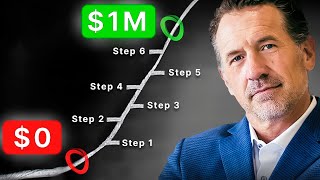
Mark Kohler and Matt Sorenson break down a one-page business plan with six core sections: elevator pitch, products or services, competition, financial basics (startup cost, monthly fixed cost, variable profit per unit, break-even point), funding strategy, and marketing. They use examples like Five Guys and vegan cupcakes to show how to test viability before launch.
Chapters
Not everything you love is going to make you enough money to raise a family to do the things you want to do, to travel, maybe retire early, all those things.
Oh, I want to quit my 9 to 5 job. I want to own my own business.
Oh, really?
Because it's not 9 to 5 now. It's 24 7.
Don't think you have to do it all yourself, but don't think you also have to give it away. Find the balance there.
There is something that gets the customer in the door that you break even on. And there's something else you sell that actually freaking makes money.
Welcome, everybody, to another episode of the Main Street Business podcast here with the amazing Matt Sorenson. I am so excited about today's topic. This is a good one.
Yeah. Mark and I are business owners ourselves. We get jazzed about this, but we've also had 10,000 consults with clients, small business owners trying to figure out how to make money from the beginning of when they started. Also to those having success. So we've seen what works and what doesn't. That's what we want to talk about today.
Yeah. This is your Shark Tank episode. So what we want to cover is what should you have on just a one page plan? We have so many clients that we've met with these 10,000 consultations, each of us where we go. Okay, tell us your idea. Give us a couple cool sentences. We're like, awesome. What's your break? Even point. How many items do you need to sell or how many services? Well, you know, who's your competition? Well, you know, okay, have you written this down at all? You know, and you don't. I don't expect a 20 page business plan.
Yeah, but you did pay $600 an hour to talk to me. So did you think this through? I mean, and so, and now obviously so many clients come ready to go and they know what they're doing. They've analyzed the heck out of it, frankly, sometimes too far. Frankly, sometimes they've analyzed it over.
They've overcooked it.
So. But we want to go through what needs to be on your one page business plan. What is the key items I need to know to think through my business before I go plunge my time, my money, or try to raise money or get employees and bring people into it. Let's nail this on one page first. And I think the process of doing this is more valuable than the one page you get at the end. Oh, process of thinking it through.
Yep. We're going to give you six things that should be on this business plan and how to structure it very simply, we're going to go through it in detail. But there's also some forethought before you even list the six. And I want to set some parameters Matt and I love. Matt's going to share with you here in a moment. I asked him before the show, what were those three things, you know, before you choose a business? So he's going to share that. But let me just put it in context. Let's imagine you just rolled off the subway into the subway hole. Boom popped out on Broadway. You're headed to the NBC building. You get in the elevator, you're going to go up 30 floors and mark Cuban standing there with you, and you're like, oh, this is my chance. And you've got about 90 to 120 seconds to like go through your business plan and say, hey, I'm not on Shark Tank. But I can, I tell you, and Mark Cuban's in a good mood and he says, sure, throw down. And you've got a one sheet paper right there in your pocket. And you can say it all in 120 seconds. That's all I'm saying. Yeah. And it's gonna, it's gonna be revolutionary for you.
Yeah. Like Eminem said, this could be your one shot. Do not miss the chance to blow this opportunity.
That's right. You could be Hamilton.
I know.
Like, you gotta take my shot. Yeah.
Another one shot. You want to be like mom's spaghetti. Okay, so. All right, well, let's do. Should we say the six things and just get it out on the table and then go through them?
Okay, throw it in.
I think it'd be important to kind of go through the thing I like to call the first thing your elevator pitch or your concept. Okay.
Number two is going to be what are your top two, three products or services?
All right, Then you want to think of who's your competition and the market. How big is the market and who's competing in it right now?
Perfect. Number four is going to be four pieces. So think of number four, four pieces. What is your profit variable profit per service or product? Like if I'm selling a sandwich, what's my food cost to deliver that sandwich? And maybe even the labor? Like, what's my variable cost if I open up on day one and I'm going to produce this, how much is it going to cost to do that product? Number two, your startup cost to launch. Number three, what is your monthly fixed cost to keep the doors open? And number four, your Break even point. And so we'll go through those four in a moment. That's your financial piece.
Yeah. And the next thing is, are you need to raise money? Do you need partners? What's it going to take to get this business off the ground? Are you bootstrapping this? Are you working at your day job? Is this a side hustle at first? We want to talk through that. What are your options there? And by the way, the first four questions should inform you when you get to five.
Yeah, yeah. You gotta do the four to get to the number five and then number six. All right, what's your basic marketing plan? What is your differentiation or segment or avatar that you're gonna go after to create market share? And again, all of these could fit on one page. That's the secret. Okay, now before we dive into those six, Matt, what do you even do before those six?
Well, you need to do some soul searching first, I think. And you need to just think about your life for a moment. But no ser. Now, this is from the book Good to Great. I think the author's name is Tim Collins. I was trying to think of his name. I'm like Phil Collins. No, not that one. Tom Collins. No, that's a drink.
Look that up.
Something Collins.
Anyway, can you look that up?
It's a great book. Good to great. But one of the things they talk about there is you're thinking about what you should do is you want to have three things collide. If you can get these three things to collide, this is definitely something you should do.
Perfect Storm, George Clooney. You got me.
If you can get two out of the three, that's good. One out of the three. Don't do it. Don't even do it. Okay, let me go over the three. First, is this something you're good at? You better be good at this thing because you're going to go charge people for it. So something you're good at. Second, is it something that can make you money? Okay, it's got to make money. And then third, is it something you like doing? Just because you're good at it doesn't mean you like doing it. And just because you're good at it doesn't make it mean it makes money. So you got it. If you can get those three things to connect, though, after you should spend your time.
And there's one option here, by the way, our tie or author, Jim Collins.
Jim Collins.
There you go. You know, I'm still impressed you had that. Now, one of these, that is a option. Is you may say, I really love this and I'm passionate about it. It can make money, but I'm going to partner with someone that's really good at it. But I've got the business piece. And so that's when a partnership can be really synergistic. But you don't want to find a partner that's just like you and a mirror review, that's not good. If you're going to partner with someone, make sure they fulfill that. Maybe good at it, or maybe they're good at the marketing and the business piece, and you're good at producing the service. So there's some options in that, but make sure those three things align. I love it.
Yeah, Love it.
Okay, now the other last point I want to add to it is not everything you love and you're good at is going to make you enough money to build wealth, to raise a family, to do the things you want to do, to travel, maybe retire early, all those things. So I just would give an example. Some of you may be just great at music. You could be great at art. You could be great at personal, athletic, health and development. But those markets are so competitive, so saturated, that sometimes you can be a great artist and make no money. Have you heard of a starving artist? You could be great at music and never break down. That could be a dream. But here's my proposition to you. Use that passion as a hobby. Maybe it develops into something that could make money. But what is your quote, unquote day job, which could still be a small business? So if you're gonna write a business plan for something, you're like, hey, I'm gonna go out and be a landscaper. Because I kind of enjoy being outdoors. I like being a landscaper. I can make 2, 300 grand a year being a landscaper. And that's true. We've got great, you know, discussions about that. But your side passion is at night. I'm gonna start a band and I'm gonna freaking work hard at that. And that's my passion. And maybe I'll make it big, but if not, I can still make my wealth and enjoy what I'm doing because I have a day job of being a landscaper. So find the balance.
Yeah, I feel like you're talking to me there about, you know, why I didn't become a rock star. I felt like that was, you know, because so. And I seriously think about this, and I want to take a different path on that too. Is, let's say you love this music. Okay? This is Me, I'm just like, I love music.
I love that. And it's good. He's good.
I love playing the guitar. Some people make money at it, so I like it. Some people can make money at it, but I'm not good at it. I'm like, good enough to play, but, like, no one's going to pay for my album or my music. Okay. And let's be honest. Okay. Now does that mean you can't be a music. No. Maybe you promote events. Maybe you do some type of business in the music industry. That's something you love. Back in the day, I'd say maybe you had a CD store or something, but those don't exist. You know what I mean? But there's ways to be in an industry or so connected to things you love where you can find out how to make money at it and use your skills and abilities to create a business around where you can make money.
You know, I once even had a client say, after I gave him this speech, they're like, I love fly fishing. I'm like, you could be a fly fishing guide. You could open a fly fishing shop. You can do it. And he goes, why ruin my hobby trying to make money out of it. I'm like, all right, fair point. So sometimes we need that reality check. And that's where I love where Matt started with the words, have a soul searching experience.
Yeah.
Last point is sometimes this business plan, the best thing you can get from this business plan is a reality check not to do it. And that's okay. Don't go into a business plan of trying to find out why you shouldn't do it. Do a business plan with the perspective, why should I do this? It's a very different mindset. So many people are like, I'm doing this, I'm going to do a business plan. And they're. And they may be trying to find a reason not to do it, and they're kind of half ass at it because they're already sold themselves. Sell yourself on why to do it with the business plan. All right.
Okay, One more wind up.
I know we've been. I know, it's so good.
So we've been winding up on this before we get to these six points, but I got one last thing I want to say you to. And this is something that annoys me that's on social media everywhere. Oh, I want to quit my 9 to 5 job. I want to own my own business.
Oh, really?
Because it's not 9 to 5 now. It's 24, 7 do you think real business owners, growing businesses that are actually successful clock in at 9 and leave at 5? You're kidding yourself if you think that. If you do not like a 9 to 5 lifestyle of work and fitting all your personal life around that, good luck being a business owner and an entrepreneur. Okay, so first of all, you have to go into it knowing what you're gonna get. And so if you're cool with that and you're like, but I'm building a legacy. I'm doing something that I love and I can take ownership of. I'm in control of my destiny. But don't think you're gonna get more personal time. Don't think it's gonna be more time with your family, more time at the gym, more vacations. I'm gonna be on the beach like all these influencers. That's freaking bs.
Oh, man. Okay, now I'm gonna save my last little big picture concept for the end. So let's get into it. Number one, your elevator pitch. Now this not only should be something you can say in less than 30 to 60 seconds, I loved. I have Forbes Riley here as an interview. I think on our show two months ago, at least it's been. It's already posted. And she even said, mark, tell me what you do. I was like, oh, I do not. Good enough. Do it again. I'm like, this is what I do. Okay, that's a little better. But she really pushed me just in my own interview. If any of you haven't watched that yet, go back and watch Forbes Riley. She is the pitch queen. She has been on QVC and sold over $2 billion of worth of money on QVC. She's the joy. If you've seen that joy with Jennifer Lawrence, it's so good. But she literally knows Joy, the real QVC salesman. And she's been on the stage, but she's like, you gotta be able to say it so quick, so confidently, and know it and own it and be it. And that's gotta be able to be written in two sentences and set in two sentences.
Yeah, yeah. And I think just for an example, like our law firm, KQS Lawyers, it's the number one tax and business law firms for small business owners and investors. Like, that's a quick thing. Like say what it is and who you are serving. If you can at least get a couple of those components into your little pitch there, I think it's helpful. And that's like your opening statement, Mark. You've called it like the power statement before. When we went with our own lawyers. We're like, all right, who are we? And just thinking in our, in our law firm, which has been around for a while, but it's like, man, let's like, let's really define like who we are, what are we doing and who do we serve? But I think if you're in that elevator pitch and go back to where the setup you had of you got in the room with Mark Cuban, you know, you got 90 seconds of his attention. What are you going to get into? And I think as we go through some of these other points here about the top product and service, your competition, your price and, and your marketing plan that, that might go into that little, this little 90 second pitch. So some of the stuff we're going to talk about, I think we'll weave back into point number one.
Okay. And lastly on point number one, here's a cautionary point that I get trapped in when someone goes, hey, what's your business idea? Well, I've got. This is me, Mark Kohler. I've said this. It's not good. I'll say, oh, I've got a family of companies and I do this, this and this. But this idea is this. And I'm going to do it because of that. No, they don't need to hear all that. And it's hard for me, Mark Kohler, because I've got a trust company, I've got a law firm, I've got my Main street tax pros, we've got Main street business. I've got like five to six, seven different revenue sources or businesses that are a part of me. Focus on what that person needs to hear and that one shot you've got. Don't give them your life story. Why are you doing this? La la la la la. Say, hey, what's your business idea? I'm going to open up a cupcake store that specializes in cupcakes that are tailor made to the sporting colors and da da da da da athletics of the different high schools and then that area. Okay. They didn't need to hear the 10 other things I'm doing.
Focus.
Make sure that pitch is clear on this business model.
Yeah, you know, it was cool. We had a nonprofit come by the office to talk about entrepreneurism, starting a business. They brought a bunch of kids into the office and so I did a little thing about how Directed Ira was started in particular and how long. Yeah. And they were in the office. We have a cool lounge where we were doing this and it was packed with kids and, and so I was kind of go over, how do you start a business? You know, And I asked them, do you even have a business idea? And this little, cute little girl, I mean, she was one of the younger ones in the room, maybe, you know, raised her hand and she said, I want to sell cupcakes to vegan cupcakes. Because this girl has a lot of allergies and she loves cupcakes and sweets, but she can never eat them. And she's like, I'm gonna go sell vegan cupcakes. And she knew her stuff. She, like, knew there's other people that sell it. And so I started asking her a lot of these questions. How would you price it? Okay, how are you gonna make money? How much do the ingredients cost? You know, who else sells this in your town? And she actually knew a lot of the answers to this question. She was very. She knew that the angle she had, it wasn't just cupcakes. Right. It was for people like me. I get that problem of I want to have a cupcake, but she had
a problem to solve.
Yeah. She knows that for, like, her body, like, her diet doesn't work for her.
So I might have. I'm loving that example. This is a transparent moment here on our show to let you know we do not plan our examples for our show. We let it just organically happen. So let's play with that one. So number two on the list. So you've got your concept. I'm gonna sell vegan cupcakes. Okay, what are your top two to three products or services? Now, if I was her, I might say, okay, what's your average cupcake cost? Okay. Because it's kind of the Mrs. Fields model. I'm going to sell one cookie for X, I'm going to sell a dozen for Y, and I'm going to do catering for parties where I'll bring in cupcakes and drinks and some other items. Catering is a big piece of anyone doing a food product business, in my opinion. Because if I'm just selling one cupcake one at a time, I got to sell a hell of a lot of cupcakes to break even, which we're going to come to later. So I would like to see a number two. What are your top two to three products? What did they be priced at? We'll get into break even later. I'm going to sell cupcakes for $3 a pop. I'm going to sell dozens for X and I'm going to do catering for Y. Great. Are you selling a service oh, I'm going to do landscaping. I'm going to do lawns for this, fertilizing for that, sprinkler systems for this. Okay, cool. Just give me your top two or three.
Yeah. And I think we're going to get into some of these other costs here too, But I think we've identified the product here. Okay. And sometimes it's a service, and a service is going to be a little different. I want to talk about those of you that provide a service in your business, because when you think about the product and the cupcake, you could say, well, when I make 100 cupcakes versus a thousand versus ten thousand, my cost starts going down. I start getting bulk pricing. Actually, as I grow and there's a certain number that I hit, I have more profitability in that business. In a service business, and this is particularly interesting, I think, for smaller businesses that are service oriented, where the business owner is very much ingrained in it. You got less than five employees. A lot of your ability to make more money is frankly, you working more. You are the service. You're putting in more hours and more hours and more hours. Then you're getting burnout. And so you got to be careful about that. In the service business, where you are the fricking service, whether you're mowing lawns, doing someone's taxes or their legal work or I don't care what it is you're cutting, hair, whatever it is, you know.
Yeah, so what I'd love on that one if I can, because that's how
you make more money. You hit your profit margin. All your fixed costs here just for you. In the service business, I just want to know this. We'll get into some of these numbers, too. You can get a trapped with that and start hating your life.
Exactly. And this is why Mark Cuban would ask you, okay, so you're going to do janitorial. Yep. Okay, so who's the first janitor on your team? Me. Now, then you start talking about how you replicate yourself. And so in that service business, you may say, I can hire a janitor to work for me. With FICA and workers comp at 20 bucks an hour, I'm going to bill them out at 60. I'm going to go out and bid my jobs, and I'm going to replicate myself. And so you start to get in this mindset of, in a service business, how many attorneys do I need? How many CPAs do I need? How many janitors do I need? Landscapers. And so you start looking at your variable Cost of labor to provide more service hours. So we're going to come to that. But I love it. Services. You got to really know how are you going to duplicate yourself? Because anybody that's going to invest in your business or if you're going to do this, you got to run the business.
Yeah.
If it's a service business, who's doing the work?
Yeah.
And you got to budget that.
Love it.
Okay, number three.
All right, let's get into competition. And I want to kind of throw in market too, because some industries are wide open. There's a ton of opportunity. Some of them are hyper competitive. And so we want to kind of look at the market in general. For example, is this a market that's growing? Let's talk about vegan cupcakes. There's more and more people getting concerned about that. More and more people doing that type of a diet, the healthiest or whatever it may be. And that market may be underserved versus a more just cupcake market in general where you're not very. You're not in a niche, so to speak. So we want to look at where you're at so you know where your competition's at. Because this is going to form. Inform the next thing, which is price. And also what is the future growth of this business if you're like, well, you know, like my brothers, for example, have a. One of their businesses is they do satellite TV installation. I don't know how much longer that business is going to be around. I don't know that they would start it from day one. Right now. I don't know that I go tell someone, you want to go install satellite TV anymore. Right. That's a dying thing. Everybody's pulling the plug or streaming and all that type of stuff. So where is that market going to be in five to 10 years?
Okay. I love it. And UN competition. I love how you kind of quiz that girl in the office tour. Because if you say, hey, my concept's this and I'm gonna sell these two or three products, you let a person process and you go, but let me tell you about my competition. They may ask you, who's your competition? That's really comes next. And I'd like that as number three. And you say, this girl goes, oh, there's only three vegan cupcake places in the whole valley of Phoenix of 2 million people. I think it's wide open. Really? So I can't get on doordash and find a vegan cupcake? Nope, only two places in the whole valley. Okay.
The end.
That's what I need to know.
Yeah, exactly. And I think this could even be very location specific, depending on your business. You know, you could be in a town or a part of town that's underserved for plumbing. I don't know.
Or you're selling online nationwide.
Yeah. Or you could be selling online nationwide. It's just a general shortage. Or there are opportunities there in a specific niche. And so I think some of these concepts, if they're very location specific, know the market you're going to go to. And we've had business owners, a lot of people over the years that have moved to a specific area for a local business opportunity. Okay. Because that there, where they lived, didn't really need it as much as another place where they could move and go, put their resources and time because it was location specific.
Okay, now the finance section, if I can take a shot at it here first, Matt. And then you can add some color commentary, if you don't mind. First thing in the financial section is, and it can be one sentence. How much do you need to launch the business? What is your startup cost? Well, I'm going to do cupcakes from home. My startup cost is not much. I need a few more pans. I need this. I'm going to start from home versus someone that's like, I'm going all in. I need a shop, I'm going to rent a place. I need to renovate. I have ti. I need ovens. I need this. It could range from $1,000 startup cost to $100,000 startup. I don't know. So have one sentence that says, to launch my model landscaping, I'm going to buy a trailer and three lawnmowers and whatever it is, who knows? Tell me what your startup cost is. One line.
Yeah, yeah. And I love that. And I also love thinking of this in phases, too. You might have the vision of, well, I want to be to the storefront location, but I'm not going to do that all at once and put that pressure on me and my time and my money. And maybe other investors I might bring in that might be a little too much risk than I want to take. So maybe I start out small. And this is like a good little example that was just in town here. There's a taco place I love called Backyard Tacos. You know, it's in the East Valley here in Phoenix. And literally the way that restaurant started is this guy just made tacos in his backyard on the weekends and had his friends and family over and People just kind of pitch in and enough people finally came over like, would you start a restaurant already? This is freaking awesome.
I love that idea.
And he finally like, was like, okay, this is actually a business. This is not just me doing this for my friends. And everybody's throwing in money to cover my costs and I'm making a little money. You know, it's kind of the side hustle. And you could think of that for, for a lot of businesses. I don't, you know, it's a soft one. So many businesses from like a consulting business or whatever it may be, you have that little step up. But I want to say that in your model and even on your onepage, and even as we've started businesses, like, even when I started Directed from the very beginning, five phase plan, I knew what the first thing I was going to do is not where I wanted to be. And so when you start anything, know that where you want to be isn't where you're going to start first.
I love it. Okay, number two is what is your fixed cost per month? Now hang with me. Number one, what does it start? What is the cost to just open the door? What is your fixed cost for the next month? Let's say you don't even sell one product or one service and you're like, just what do you have rent, is there, utility bills? And if you're service based, you're going to say, I'm going to duplicate myself twice my employee cost to really do. What I'm going to do is going to be 2,000amonth, rent, 3,000, whatever it is. So I'd say if you don't sell one thing, which we're going to get to variable cost here in a moment, like you don't sell one product or service, what does it cost to stay open for a month? That is your fixed cost. Or we might call your nut. And we want to make sure that you've got some reserves to keep the place open for three to six months. As you're in your startup mode, maybe you're not starting in your backyard, which I love that last example. But what is your fixed cost per month? Because we're going to need to know that number to break even, which is coming in a moment. But the fixed cost per month, a lot of people don't even think about it.
Yeah. And I think it's, it's something that you're going to commit to. And so you got it. You got to know and you'd like, you could be signing leases, you could be Committing to vendors.
You could be having Xerox leases and phone Internet.
And so you're gonna be on the hook for this. So there's no backing out of it. So you want to make sure you're good on that one. One way I like to think about it and just even like in the startup and venture capital world, like if a venture capitalist was gonna come in and fund your business, for example, they're gonna want to see what they call the burn rate. Okay. They want you to create a little model that says these are my costs and as I grow, my costs are going to go up because I might have some.
Phase one could be one or right.
More materials, more product, more lease space, more whatever, more marketing budget, whatever it might be. And then. But then you also are running what's my revenue as I'm going quarter to quarter or every. You know, you can do it month to month, year to year, however you want to do it, but it's going to show the revenue hopefully increasing. So you want to build a little model for this and don't over complicate this freaking. Do it on the back of a napkin. Do it on a little Excel spreadsheet. Like just pencil it out and know what these costs are going to be and how they're going to go up, but also how your revenue is going to go up.
I love it. So fixed cost. And back to Matt's point earlier, phase one, fixed cost, phase two, fixed costs. Like I'm going to in phase one, here's what I'm going to do. And then my fixed cost will be this until I expand further.
Yeah. Can I say one other thing I think is important here too? Because we're thinking of like these costs and pricing and everything and how you're making money. If you think like the venture capital space versus small business. I just want to hit this for a little bit because people start googling around, they're going to see different things on this. A venture capitalist or even a startup, a tech company or it doesn't have to be, that is they're not trying to make money. If they make money, they better be reinvesting it back in the business. No one's trying to make money in a living off of this business yet.
Initially.
Initially, yeah. This is like a five to ten year run. Someone's going to make money on this. A small business is typically very different in the sense that when we talk about small business, I'm talking about like a Main street business here where you're like, no, this is My livelihood. I'm going to take money out of this. But, but I also want to kind of, I think there's like the middle ground of this, of where a really successful small business owner can have the discipline as you're thinking through this, your pricing and your cost. And I want you to think of this in the long term. You want to have a successful business that doesn't need you at the end of the day, right? That's the dream. You want to just be chairman of the board and just let that business that operate, you know, you kind of stick your nose in it when you want. I mean, for some people, that the dream, right? That's the thing everybody's seeing on Instagram, oh, you know, I'm on the beach, you know, typing an email to my team and I said, that's, that's it for the day. Send, you know, and they're in paradise. Okay? But let's say you have that, that goal. Well, that's going to take some discipline. When there's money on the table and you start, you're breaking even. You're taking more money home than you need. Don't up your lifestyle, okay? Have the discipline to reinvest that and continue to grow this in your business. Now, we've talked about this too, with making sure you're setting money aside. And this is tough for business owners because they're so bad at like saving and putting money aside. They drop everything into their business too. So I know it is difficult, but I just want to point that out here as you're thinking about starting this business and have some discipline to this of where you want to be. Don't just waste it all buying expensive cars and taking ridiculous trips.
And there's another point here, I've got to say it is don't force the business to support you too soon. This is kind of the sister to what Matt just said. He wants to build this long term valuable business which needs some reinvestment. But the caveat to that is you're over here going, well, I got to pay my mortgage, I got to pay my rent. I got kids, I got this, I got that. Well, this is where your, your business is much like a baby to a toddler to an adolescent to a teenager to an adult. It may not be ready to support you for a year from now or two years from now, or maybe it is six months from now. But don't so many people take money out of the business and then the business fails and they're like, yeah, business sucks. No, no, no, no, the business, great. You just starved it. It needed some time to incubate and grow. So that's where if you're married, you have this other source of income. Maybe, maybe you can keep the day job while you start your backyard tacos. Realize that your business needs to evolve.
Yes. And have the patience for it. Most businesses are going to take two to three years before they really make money. Like if you're thinking, oh, the month or two, I'll have this thing rolling. You're kidding yourself. That doesn't happen. I have yet to meet a client that does that. Yeah, I can't even tell you, like, I'm just trying to think like what, it takes years. So know that you're on the long path to this, but you start getting some wins and the snowball keeps going. Building it, building it, building now.
And by the way, what we're saying is a business that is self sustainable, that can make you six figures or more. Now if you want to start a side hustle tomorrow, next month, you can be taking home some money. We get that. But the real goal here is how can I duplicate myself or scale a product? That's what we're talking about. That process takes some time. Not that you can't live on a side hustle in perpetuity, but where do you want to go with it? And if you really want to scale it, it's. That's where that self discipline comes in. Okay, now the third piece of this. So we're in the financial piece. We're really just two lines. What's your startup cost? What's your monthly fixed cost in phase one? Then you're going to say, I'm going to ask what is your variable cost? Slash profit for every product or service you perform. So let's stick with the cupcake. Now I've seen some pretty expensive cupcakes and these little bundt cakes and all that. So let's just have fun with it and say it's a $4 cupcake. Okay, $4 vegan cupcake. Now you might have a price for dozens and other things for catering, but let's say the average revenue per cupcake is $4. I'm going to say, what is your variable cost? Now she's saying in phase one, I'm not going to have employees. So I've just got this cost, this cost, this cost. So to produce that cupcake is literally just food cost. And she's going to go with a 50% food cost. So that means my variable cost to do a cupcake is $2. I'm going to sell it for four. That means her variable profit is two. Okay, variable profits, $2 a cupcake. Which brings us to number four. What is your break? Even point. And you're going to take your fixed cost. So let's say her fixed cost per month is $1,000. She's got to rent the kitchen from her mom. She's got, you know, like, what is her fixed cost? She's got to pay for a cell phone, her website, and a few things. So I'm going to play with Siri here. Siri, $2,000. No, what did I say her fixed cost was? $1,000. Okay. Yeah, $1,000 divided by $2. It's hard math.
Mark's a CPA here.
That's five. But I want to just show you the math. You're going to take your fixed cost divided by your variable profit. What is that? She's got to sell 500 cupcakes. 500 times $2 is going to give me $1,000. So before she can even take home any money, she's got to sell 500 cupcakes. Now, that's going to bring us to the marketing plan here in a bit, because I'm like, how in the hell are you going to sell 500 cupcakes? And pretty soon you're like, ooh, this is a harder business than I realized.
Because.
And so now you may say, well, I can hire out accountants. I can hire out consultants or janitors or whatever. So you want to look at that variable revenue per service hour or per product, and then take that and divide it by your. Break even.
Yeah. Now, here's. Here's one thing I think is important to add into this, too, is your time. How much time was it taking her to make that? How many cupcakes did you.
500.
500 cupcakes. We didn't calculate that into it. That time could have been spent making money somewhere else. Are you making at least 15 bucks an hour here? I mean, what's this cost of your time in the business, too? Because that matters. And this is what some people miss at the end of the day is they're like, but I'm breaking even because you're not paying yourself or, I made a thousand bucks. Well, congratulations. You worked 40 hours a week. Every week, that whole month, you made a thousand bucks. Now, I'm okay with that if you're like, but I'm investing, I'm building. It's growing, it's working. I'm getting more customers. I'm getting my costs down. What I want to say is, if this is going to be a real sustainable business versus a hobby, you have to know, once you get that, you know that margin of what kind of your cost of goods and the materials and your. The fixed cost, whatever it is.
Yeah.
Factor in your own labor, because a lot of these businesses are going to start with you. You are the labor. But you've got to be able to replace yourself. You've got to be able to add people in to do that work for you, that then you can focus on selling the product, innovating growth. You know, maybe you're a backstop on some of this stuff or involved, but. So just make sure you're calculating that into the equation, too.
And I'll review these four. Everybody in the financial section, you're going to say, here's my startup cost, one line. Here's my monthly fixed cost in phase one. Number three, here's my variable profit. Now, you may say cupcakes are $2, but I'm going to sell cakes and make $4, and I'm going to sell wedding cakes and make $50 or whatever. So you have your top two or three products. What's my variable profit per product? And then you can start doing math. Oh, I've got to do 10 wedding cakes, 30 cakes, and 200 cupcakes. Okay. That's your goal, to break even. And that's number four. What's your break even? So fixed cost or your startup cost? Fixed cost, variable profit, and break even. Those are four lines. It's not hard, and it's a reality check.
Yeah, yeah. And I want to hit a couple. There's so many important points here I want to make.
Oh, my gosh.
All right, so let's come back to price and how you're going to set price. Mark kind of ran with four bucks here as an example. And I asked this girl that was in there, what does it cost to buy a vegan cupcake? And she knew, says, like, five bucks.
Okay.
They are not cheap. All right. It's like. It's like $5.
That's why I don't buy them.
Yes.
Other than they taste like crap, but. Yeah.
I mean. Yeah, because you don't have to. You know, you can. You can do the real deal.
You know, I'm going the safe way. Load it up.
Yeah.
Is that made by butter? Okay. I want it.
Yeah, yeah.
So.
But seriously, if you. If you undersell, maybe that's. Maybe that's part of your strategy. You've realized you can make money. And you're like, people are overcharging for this. There's an opportunity for me to still make money and get into the market. And sometimes that's a great strategy is to be the low price leader. If you wanted, you still got to make sure you're making money at it. So that's where you got to really do your numbers. But so know what the. So what I'm. What I want to say here is when you're thinking about price, I want you to think of two things. The cost that we were talking about to make sure you can make money, but also the market competition. Because if you run your numbers on cost and you're like, man, I got to charge six bucks for a cupcake. And all your competition's doing it at 5. Good luck entering that market. You're the new participant and you're going to be the high cost provider of this. Maybe your cupcake tastes better than all of them at freaking better at six bucks. And so. But you're going to have a harder way to get into the market. So think of your cost in terms of. Or sorry, your price in terms of the cost, but also the competition in the marketplace. And honestly, this might be a part in your analysis where you say the business doesn't work. Let's be honest, the business just does not work.
Now, one example, and this is fun, and then we'll go to number five and number six and you got your one page business plan is five guys.
Yeah.
Their story is so interesting because these five guys back east said we want to do a great hamburger. And they went out and did their competition like, holy crap, we got to compete with Burger King and a buck 75. Wendy's, McDonald's, Carl's Jr. All these are like, we don't want that space. We want the best tasting hamburger that's never frozen. Oh, in and out's another story. But let's just stick with five guys. And when you look at the history of their company, they said, we're going to start with the best product, the best tomato, the best ingredients. Best ingredients and work backwards. And so if, and if you go there, there's all the way, which is one model. And so they've done their cost of goods analysis. And they say, we're going to let the market drive the price, but we're going to have the best burger. That's going to be our distinction. And so their burger, you go in and out. I'm spending 12 to 15 bucks for a burger. Sometimes they're pretty good. And you know what? When you go to five guys, the price can change.
Yeah.
Because based on the region you're in or this or that, they're like, we're not trying to be the cost competitor. We're going to try to be the best at our burger. And it's a different model. So you just have to decide what works for you.
Yeah, yeah. And I think, I mean, there's so many interesting businesses where I want to add on some little points here. So let me, let me throw another couple things in Victoria's Secret.
Were you going to go to Victoria's Secret? No. Okay, go ahead.
You know what? Let's do it. Oh, okay. Let's do Victoria's Secret.
All right.
Because the example works here. Okay. In a lot of businesses, there is something that gets the customer in the door that you break even on. And there's something else you sell that actually fricking makes money. Okay. For example, at Victoria's Secret. Now I'm just giving the example here. I don't know this for detail, but it could be the case. Okay. They get you in the door for the underwear, let's just say it that way. But they make money selling you lotions and fricking ponytail stuff and all the other little crap that you're buying there. You didn't really go there for it, but you're there. So let me grab this stuff. And the profit margins on that might be two to three times what it is on the underwear and what they built their business on that might be more super competitive. Another example. I love it. Yeah. The client owned a Buffalo Wild Wings and I went over their financials on this. It was very interesting. This thing made like one and a half million dollars a year. But when you looked at the financials, they broke down everything. They barely broke even. I mean, they made tens of thousands of dollars on the food. When you looked at the break even, where do they make all their money? The bar on the liquor. If they did not have a bar in that frickin Buffalo Wild Wings, it would have been shut down. But because they knew the margins on selling liquor, because we got these people eating wild wings and they want beer and drinks. That's the model. That's actually how they make money. So if you're like the cupcake store, let's say that has a location, you might be really tight on your margins there, but you can sell them a coffee for $3 that might cost you 50 cents to frickin make. Because they know they're Going to pay five bucks over at Starbucks for that. So think through the product mix that you might have and where you can actually make money.
I love it. The Buffalo Wild Wings. I don't know if you remember. So Matt and I were scoutmasters for years. We had scouts and we'd take them to Buffalo Wild Wings and they'd always dare each other, you know, to eat the Inferno jalapeno, whatever, the hottest wing possible. And I took these scouts one time and they started eating the hot wings, and for some dumb reason, they start rubbing their eyes and whatever and start, oh, my gosh, I had like three scouts crying in the bathroom, just throwing water on their eyes and give me some milk, give me some milk. It was the funniest thing. All right, okay, now number five, this is a short answer as well, is how are you going to not only come up with the money for the startup cost, but you need some reserves. You can't expect, like we've talked about, to be making money right out of the gate in every model. Sometimes you will, but you want to be able to say, okay, if I don't sell enough cupcakes for the. In the first three months, do I have enough in reserve to cover my monthly hard cost? Do I have a reserve? And what do I need to raise? Now some of you are like, I saved up money. I sold that piece of crap RV next to the side of the house. I have a partner. I'm going to borrow from the bank. Whatever. Tell me. And this is why people go on Shark Tank. They'll say, do you have any investors right now? Or how will you capitalize? Do you have any debt? And they're like, hey, Mark Cuban, I want you to come into this for X dollars, and I'll give up X percent because they want to expand. And so you want to be able to say, here's how much money I need. I need partners. I don't need partners. It's a short section, but it's important to address.
Yeah. And I think the more you can control your own destiny, the better, of course. But also be realistic about your abilities to get this thing off the ground. I think one of the great things of Mark and I in our partnerships on things is, and he said this at the very beginning, which was, find someone that complements you, too in the business. You don't want just another one of you, necessarily. You fill that role, but find someone that complements you in that business. And that's one thing where Mark and I have had a lot of success Is we complement each other in a lot of areas. Where I have weaknesses, Mark has strengths. Where he has weaknesses, there's only a couple.
Well, I don't know. Yeah, I mean, Matt is very smart and articulate, but he's not too easy on the eyes. And so he's like, I need to find someone.
I needed a good looking guy.
Yeah. So he was like, Mark, you're not that smart, but you're pretty hot. I'm like, all right, I'm in.
Okay. So, but the last thing I want to say on that is, and I think too many people skip, this is the bootstrap. There's nothing wrong with bootstrapping this and taking your time to build this. Yes. Like, do you really have this technology or this product that you gotta get to market and you've gotta get it out in the next 30 days and you gotta raise money and you've gotta bring in all these investors and partners? Or is this something you can build on and grow and bootstrap? You know, I think of Amazon and Jeff Bezos when he went out and raised money. Jeff Bezos went out to start Amazon. Remember he was frickin selling books first, but you know, the guy took 60 meetings to get 20 investors that put in 50k each for a million bucks. Okay, two out of three people turned him down on the best business idea in our generation. All right? Yeah. Now they didn't have the foresight to know, but Jeff Bezos nailed it, of course, and he executed on it. It's very, it's a great story. Now those people, by the way, that 50,000 investment was worth hundreds of millions of dollars right now. If they would have held onto their stock all the way through till right now. But there's a couple important points though. As you're thinking about building your business and as you think of the Jeff Bezos and Amazon, because we all know it, we all freaking use it every day. One is it was hard to raise the money. He was, is twice as likely to get rejected as someone to say, yes, I'm the best business idea out there in our generation. The second thing is he diluted himself 20% to get those investors. He gave up 20% of his business. Now, of course, you go back to him right now, would he have taken that if he didn't have to? Would he have given up 20% of Amazon? By the way, this is like, like a trillion dollar company now, right? This is hundreds of billions of dollars we're talking about here of this 20%. Now you might have a Lot of different zeros behind it here, but the principle still holds. Be careful about what you're giving up.
Now, on the other hand, can I give the other.
You want to give the counter?
Yeah. The counter is we have so many business owners that are scared to death to give up any ownership, and they stay in this analysis paralysis, and they're like, I gotta bootstrap this and I can't give up any ownership or technology. And they stay in this for four or five years when it's like, holy crap, you get borrow 10 grand. If you don't want to give a ownership, go borrow somebody, go sell something, go. And if you need to bring on a partner, it could really make a huge difference. Partnering is not bad. Giving ownership is not bad. But because you can stay in this paradox of not making product.
And I think on the other hand, just in the Bezos example, we could look at it and say it might not have ever hit if he didn't get that million bucks to make that investment into the business, the servers and the other things it took to actually execute on that business. It might not have been just a bookstore that died.
So, yeah, I like the depth of number five. Don't think you have to do it all yourself, but don't think you also have to give it away. Find the balance there. Now, number six, the marketing plan. And this is again, such a good example on Shark Tank. I know some of you may hate the characters on Shark Tank, and it can be very uncomfortable. And sometimes I'm like, oh, I don't want to watch Shark Tank because I don't want to see people get the crap beat out of them. And. But it's such a good example of how are you going to sell this? How many of you sold so far? Do you have kind of a soft launch? Like, I love this backyard taco thing. If it's a food product, are you already selling it even to your friends? Are you selling your product online, even on Etsy or Shopify, or just something to get some test cases back? And. And I think the marketing plan is about differentiating yourself, having a little test case or market, because the first. Next thing someone's going to ask you is, oh, how's it going? Have you sold any yet? No. Okay, maybe go out and sell a few before you start pitching this to people, you know.
Yeah, you test the waters, so to speak, you know, a little bit. Well, I think the marketing plan is.
It's huge too. I'm just saying give them a paragraph of what you. Your plan Is at least.
Yeah, yeah, but, but the marketing plan is to can make the difference of whether this is going to work or not. And so many of you may have worked in an industry already. You're well known in that space. Maybe you've worked at a competitor, you're going to go start a business in that same industry and you've built a network. You know, people know you. You got to tap into that. So think of the strengths that you have. Maybe you have a social following, maybe you don't. Like, where are your strengths? And if you're starting at scratch, you're thinking, well, I'm just going to pay for Google Ads. Or I'm going to like dude's like, well, I mean, you know, I don't know what your concept might be here, but like, I like to start small, work with the things you have, the network you have, the connections you have, those are gonna be your most likely first customers. And if you're stuck on like, I don't even know, would my friends and family use me for this? Like, if they were the typical customer in this, would they use me? And if the answer is no, you might not be able to pull this business off. Your marketing plan is gonna die right there.
I love it. And now if you, if your one page works and you're like, okay, you've sold yourself, you've vetted all the possible pitfalls, you're liking it, you've done some test case and you've got to go raise money. Let's say you're going to bring on partners or a bank or a loan or something. Okay. Now you're going to write a 10 or 20 page business plan. Of course, we know that. But the one sheet is so efficient to just kind of make that initial determination. Now, last note on the marketing plan, and then I got a couple final notes is look at Rockstar. You know Rockstar. I'm drinking one here today. Said, you know what we're doing for a marketing plan? We're going to sponsor rock stars. You know, they're going to sponsor real professionals and athletes and talented people, and we're going to send them bags in the mail of rock stars.
Yeah.
Because they want to sponsor rock stars to get, you know, exposure. Would you like.
Yeah, yeah.
Because there you go. They sent me a whole bag of rock stars, by the way. Oh, yeah. Thank you.
Do you not have the new ones? I want one of the new ones.
I don't want one of these Rockstar phones. Focus.
Yeah. Pineapple.
Oh, yeah, that's A good one.
Okay, so let's give it a whale here.
Yeah, tell us. Give it that test,
man. And you thought I was focused already on this podcast. Watch out, watch out.
See? No, we send that piece back to Rockstar, they tag us on Instagram. We love you. Keep sponsoring those Rockstars. We won't let you down. Okay, now I've got one other good one. So last week I was down in Miami and I was able to be at the 10x conference, which is so well done with incredible speakers. So John Maxwell was there. He's written over 90 books. So good. He was one of my favorite speakers. And I saw Peyton Manning, Arnold Schwarzenegger, Mike Tyson, Tyler Perry. But John Maxwell, you know, this old guy that's been an author forever, he said something that was so powerful to me, and it was right on this topic. He said, everybody, hey. I was given a speech and he's an incredible public speaker. And he goes, after I finished my speech, this guy came up and said, oh my gosh, Mr. Maxwell, I want to do what you do. This is so powerful. You changed my life. I see the impact you have on people. Everything you've done, oh my gosh, I want to do what you do. And he goes, oh, thank you. That's an honor. I would love to see you do what I do. But do you want to do the did? Do you want to do what I did to get here to do the do? Because if you don't do the did, you don't get to do the do. And I'm just emotional even saying it because it's so powerful that people are like, oh, I've got this great idea and I'm gonna sit on the beach someday. I'm gonna hit the sand, I'm gonna la la la. But you gotta put in the time. You gotta do the did if you wanna enjoy the do.
Dude, let's just end on that. Is that powerful? That was powerful.
So good.
And just not to be discouraged by that. Cause it's like it, it's. It can be empowering, though. Like, doing the did can be super empowering.
And do it for the did. Yeah, don't be doing it so you can do that if you don't love the did.
Yeah, this is just like people, whether you're running a marathon or 100 mile bike ride or whatever, you know, if you don't love the process and the training going and doing the race, you're going to hate it. And sure, you might get the excitement at the end of the day and that's, you know, but like. But learn to love the process of it and let that be part of who you are as an entrepreneur. Business owner becomes part of your Persona and who you are. If you get that and you love that, you can become unstoppable because all the challenges are going to be thrown your way. That's just part of the gig. That's just part of the deal.
I've got one more. I got one more. This is such a powerful podcast. I'm so excited about Tyler Perry. So Tyler Perry started out down in the south and he had come up with this. This play. He did it for seven years. Some people would. Sometimes he had no one even show up. He was living homeless. But he had this dream and he said, I knew it was my calling, I knew I was going to do it. And eventually, on the seventh year after this, he got discovered and La la la. One of the most successful artists in cinematic history in our generation. So, such a wise business owner. But what he said was, all of those failures helped me become who I am today. He goes, those seven years were the most precious to me. And what's funny in my Matt's 10,000, isn't it true a lot of people going, oh, I've got this great idea. I'm like, oh, my gosh, I want to invest in that. That's a great idea. Year later didn't work. Then other people come with the dumbest idea. I'm like, good luck with that one. And then a year later, they're making millions. I'm like, what the hell? So if you believe in this and you're passionate about it and you know it and it's your calling, keep the day job, keep working it. It'll happen if it's supposed to happen. But don't listen to family, especially the naysayers. You freaking stick to it if you believe in it. Yeah.
And for any of you existing business owners, this is, I think, a good refresher to come back, walk your own existing business through this process here that we talked about. Please share those other people. You got someone that's got a business idea that's throwing it down to you. Share this list with you. And then the last thing for those you're like, been wanting to start that business, it's been in your brain. Take this list, get through that process, which I think is helpful in and of itself, but go talk to a friend, Go talk to some other business owner that believes in you. Yes. That believes in you and will give you straight advice and will give you straight advice. Sometimes the process of talking it through is super helpful. Now, the caution on that that I want to say is there's a lot of people that are scared that you go out and be successful. And so they're going to give you crap about this. They're going to tell you you're most likely to fail. And you know what? You're more likely to fail starting a small business than to succeed. But just like the man in the arena that's on the wall here, Teddy Roosevelt said, you know, it's better to. Or Shakespeare, you could say it's basically the point of both of those things. Better to love than and lost than to not have loved at all. Or a man in the arena, it's better to have basically gone the fight and even if you've had challenges and loss than to be one of the. What does it say? The cold, timid souls who neither knew victory or defeat.
And I just love that. Oh my gosh. And when you go through that process, it can be scary. And those people that might be shooting you down, you have to also I'm just going to give a little legal point here is be careful who you share it with. It is very incredible idea that what's called is an NDA, a non disclosure agreement. And if the person you're sharing this with could possibly compete with you or steal your idea, make sure they sign something before. But that brain trust of people that'll give you an honest answer that aren't going to pull you back down, but they'll be, you know, straightforward with you. Those are so valuable, those people. So.
All right, we got to wrap this.
Yeah, man. What did I. Great show.
That was awesome.
Great show. Thanks everybody for listening and watching. This will certainly be on YouTube as well. Please get down in the description below for the support you need. Get with the law firm when you're ready to pull the trigger to get the right entity, get the right plan. The consult. We've got a network of accountants that understand Main street business tax principles. We've got so many podcasts and articles and ongoing support to help you succeed. We're not going anywhere. We wish you the best and thanks for watching.
More from MARK




The secret to managing your family's future #financialfreedom #estateplanning #shorts



Moving Property to an LLC: What They Don't Tell You #realestate #investing #tips


