Part 1: Seize Your Business Empire - Valuing a Business Acquisition
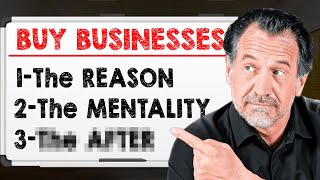
In this opening episode of the Main Street Business podcast, tax‑lawyers Mark Kohler and Matt Sorenson walk prospective small‑business buyers through the entire front‑end of a purchase. They begin by probing why a business is for sale, emphasizing the difference between a distressed seller (personal issues, divorce, health) and a distressed business, and warning against buying a “job” instead of a self‑sustaining operation. They advise buyers to secret‑shop competitors, assess market positioning, and identify a unique value‑add (systems, cost‑savings, new revenue streams). The hosts then dive into valuation fundamentals – focusing on net profit/EBITDA, typical 3‑5× multiples, and the importance of add‑backs and normalized financials. A detailed due‑diligence checklist follows, covering financial statements, tax returns, customer concentration, employee retention, lease and equipment terms, non‑compete and seller‑transition plans. They explain the legal scaffolding: NDAs, LOIs (including contingent language), and the role of seller financing in aligning incentives. Throughout, they stress a disciplined, analytical mindset, the need for experienced legal and tax counsel, and the willingness to walk away when the deal feels off. The episode ends with a preview of upcoming episodes on deal structure, financing, and tax allocation.
Chapters
I just bought this business I'm running into the ground. What do I do?
The first thing I always want to ask is, why is this business for sale?
You don't want to just say, oh, I'm going to buy this business and now I've got to work it. You just bought yourself a job. I cracked the code on how a business owner should really be working on their business, not in it.
You want them to think this is the worst business. It's a dumpster fire and you're the lucky person coming in to help them save this thing. Now the best businesses to buy are.
Yeah, I just got chills. Welcome, everybody, to the Main Street Business podcast with yours truly, Mark Kohler and the infamous Matt Sorenson, my co host here today on an incredible series that we've designed.
Yeah, this is going to be exciting. We love talking about this. Buying a business. We're going to have a series of this. But there's so much to it. Mark and I started talking about and we're like two. This is a series. Yes. We will be here all afternoon. So we want to break it out into chunks. We're going to go sequentially.
Yeah.
Today we're talking about offer and due diligence. Kind of looking at a business, deciding what to offer. Then understand the due diligence it takes to determine. Is this something I actually want to buy and do?
Yeah. And there's. We got at least eight to 10 points just in today's topic, the ones that will be coming. And please look for these if you're catching this down the road. All three should already be published, so you can watch them in any order you so choose. But we also are going to be talking about the structure and legal provisions, what the documentation should look like, maybe some pitfalls there, financing. And then the next one after that will be transitioning and taking over the business. How to properly structure that and succeed in that process so that you don't buy something and run it into the ground right away with some bad mistakes. We'll do our best to.
Yeah.
Keep you out of hot water.
And this topic is like this amalgamation, if you will. That's word of the day of business, tax and legal. There's a lot going on to this and sometimes we're talking about things. That's an important point from a tax perspective. This is a tax optimization way to structure the deal. Sometimes it's just good legal protection to make sure your butt's not hanging out there. And sometimes it's like this is an important business consideration. Make sure this company actually makes money when you take it over or you don't get burned by the seller.
Yeah. Or you take over properly. In this systems and unique proposition, you add and you're really adding value. So much to discuss. Now, why I feel we are well suited to talk about this is we have each done 10,000 consultations in our career or more as tax lawyers. We've had so many business owners over the years come into a phone, call a meeting in the office, zoom, whatever, and say, I'm thinking of buying a business, or, oh, no, I signed a napkin and I'm buying a business. Help me get out. Or I just bought this business I'm running into the ground. What do I do? This is a very, very common conversation for a small business lawyer or tax professional to have. And so we feel really, really lucky to be here with you. We have so much we want to share.
Yeah. And plus, on the other side, we represent a lot of people selling a business. Right. And so. And then sometimes that's a different analysis. Kind of like take the advice. We give the opposite side of it
when you're selling a business.
And we'll do a show on that.
I think we should. Yeah. Do a series there.
And I'll say every week we, we have some business owner, someone buying a business or selling a business actually in our office. And Mark Fetzer is the attorney in our firm that really specializes in this and runs that, that little group. So if you're like, ah, guys, I want to do this. You want Mark Fetzer. Okay, all right.
AKA FETs. What do you call? They're going to say, I want Mark. They're like, Mark Kohler. Well, we'll see what we can do. But Fets. Oh, you Fets. Okay, we got you. Exactly. So no, he really is. Comes with a background of business valuation as well, which is going to be one of these topics. So. All right. Offer and due diligence. Boy, I'll let you go first. You had one, you put out the bullet point, and then I was feeling strong about another one.
Okay, all right. The first thing I always want to ask is, why is this business for sale? Okay. Are they selling something? Is this a Blockbuster Video franchise?
Okay.
Like, what's going on with this business?
Oh, my gosh. And I'm going to just say this right out of the gate, too. There's so much to consider. We were working on a real estate deal just two weeks ago, and after closing, we find out, oh, the neighbors are doing XYZ with the property or the city is doing xyz. That's why they're selling. And there's a lot of questions to ask, not only about the business itself, the surrounding area, the industry. Oh, my gosh.
Yeah. And I think one of the things that's smart, I've just learned this over the years, is you don't ask that question. Okay. You don't just say, why are you selling the business? Because they're not going to tell you the negative things. Maybe ask them what are the challenges you've had in this business? Like start having a conversation with people. You're going to get into the understanding of what's going on in the business. Now, the best businesses to sell are good businesses that you have some knowledge or expertise in that have crappy operators. They have the business owner that's checked out, the next family generation that didn't do a good job, whatever it might be. Or maybe there's a divorce or some factor that's forcing an issue. Maybe they didn't pay the IRS and they got a liquidate or something like those are the best. Because that's not a distressed business. The business otherwise good, that's a distressed business owner.
Yeah. And I think you said best business to sell or buy, I guess.
Yeah.
But no, and there's again, I don't think we can talk about this enough. So, but we're going to have to cut this point short and move on. But I want to just add another point perspective. And that is what does the competition look like at this point? You're going to get into, we're going to get into some serious due diligence. But even before you have that conversation, maybe with a seller and you're, but you're interested in this type of business, you're interested in this industry. You've got some unique skill sets. You're excited about this, this business opportunity. Go out and see what the competition is doing. Talk to the competition. Be a secret shopper. Get in there, Secret shop this thing. What was your experience? Try to figure out. Why? Because a lot of times you're not going to find out until after you buy the business. So you got to be magnum PI little 83.
So we wear our, what are those, Those shorts. The op shorts. Oh, yeah. And the Hawaiian shirts.
Those were the days. Okay. Can I.
You were strong on your one, your first one.
Yeah.
And, but what are you buying?
Yeah, I, I, I've got a close third, but I'm going to do this one right here. Are you just buying a job now? Think about that, are you, when you go to look at this business, are you buying something and you should be looking at it in this manner that is it self sustaining? Hypothetically, could you hire employees or the employees already in place where you could buy it and just watch. And that's the theory here. You don't want to just say oh, I'm going to buy this business and now I've got to work it. You just bought yourself a job. You, you know, you've got to be able to replace yourself in that equation with a salary to really analyze. Is it profitable?
Yeah.
So hard to say.
Yeah. Let me give an easy example. This. I remember I had this client that bought a pool maintenance business. Okay, you do like the pool cleaning and maintenance, you have the, it was a whole route. It's like 150 like you know, customers already signed up and it was recurring revenue, which is great. I love those businesses when you're buying something where it's like there's already 150 customers that need your services every week, you know, and those are great. So. But he came into it and I remember him saying when he was buying it, he was like, he's like, man, I just sat at a desk for 25 years in corporate America and he made some good money, right? And he had a good 401k and he was like, I just want to be a business owner. So he went and bought this pool maintenance business and I remember five or six years later talking to him and he was trying to get the hell out because he said the exact same you said thing you said. I just felt like I bought a job. He's like, man, I worked more than I ever did. You know, you're always on call and this is the reality of business ownership. There's upside. Absolutely there's upside. You get all the windfall if things go great. But also have some reality of like what is this business? What's my involvement going to be? And don't be like the pool maintenance guy who realizes five years later he just bought a frickin take it.
No, I love, I just got chills because there's a huge pro tip here. Think on the other side again of why this business is for sale. When we hold the show on selling a business, guess what we're going to do? Make this business run without you.
Yeah.
Work on systems, automation, whatever it is. Get your people skilled, trained, ready to go because a buyer is going to want to see that they're not just buying a job. So you've got to be able to run this business without you. So we can show EBITDA what's your earnings and profit and that, and we'll go through that. But you want to be able to show here's my profit for my business and get a multiple. So you're going to say, yeah, we made 100 grand last year, but I'm going to sell the business for 300 grand. That would be a multiple of three. We'll get into pricing a little bit here. But the point is, if you're a seller, you're automating everything and trying to show that profit. You know what sellers figure out real quick. Man, I went to all that work to automate it. I can really leave and go golf or I could sit down and I'm gonna make money without being here. I should have done this 10 years ago.
I actually love my business now. That's right.
I love my business now. Why do I sell? And so many business owners, once they get it really ready to sell and they're looking at that multiple, they're like, well, if I just stay in the business three more years, I'll make my money back and I don't have to kill myself anymore. I cracked the code on how a business owner should really be working on. On their business, not in it. Now, if you're a buyer, you want to find that seller that hasn't figured that out yet.
Yes, that's why I said the distressed buyer, you don't want the distressed or so the distressed seller, you don't want the distressed business to be buying. You want the distressed seller of that business that's got their head up their butt. Let's be honest, they got some personal issues. Medical death, divorce. All those things are great problems that put stress on the business that make it valuable for you to acquire. So then you come in like the night and you can hopefully turn things around and you're getting it at a discount. Typically, yes.
And see, but you're not gonna say any of that. You know, you're gonna come in and go, oh my gosh, this guy gal, whatever, they crack, they found something really cool, but they're idiots. And if I come in, I know I can automate it and create 3x in the profit bottom line and won't have to work in the business. So you gotta be thinking right out of the gate, how am I gonna get this business, buy it, and not have to work in it to make it succeed. Now, if you want to work in it, that's fine, but that'll Be an extra multiple for you. If I'm in there now, we're even making more money. But I got to have it run without me there. So you're looking for that again. I love that. That distressed business owner that's jacked up. And which brings us to really your unique proposition. Can we go there?
Yes, yes. I got so many great points I want to say on what I just want to riff on. I feel like this is like this episode, I can already tell, is going to be like long blues jam session where you just want to, like, riff off of the next thing.
I love it.
Okay, so when you're negotiating, talking about the business, this is just like negotiation 101. I don't care what you want to buy. You want them to think this is the worst business. That's a dumpster fire.
And you're lucky.
You're the, you know, lucky person coming in to help them save this thing. You know what I mean?
Tell me why I need to buy this thing.
Don't go into your strategy of how you're going to turn it around. The things you can see that are bad, that you can find fix. Right? That's. Don't show all your cards, of course.
Yes.
Okay. Now, another thing about coming in, I do want to give a reality check that these businesses you can get at a value or a lot of small businesses. We're trying to have some unique proposition to increase value. And that means you are going to be frickin involved. It is going to take someone to run that business. A lot of small businesses that you might buy. Any business you're going to buy in less than a million bucks. You can't just go hire a CEO at the right type of pay with someone that has that confidence. That's gonna be you. You're gonna be that business owner that needs to come in and turn it around and set up the systems and processes stuff for that business to grow and foster. But what's gonna happen? You're gonna need to choke money. You're not choke money. You're gonna need to restrict taking money out because you need to reinvest money in the business to grow it and give it that fuel to where you can get systems and people in place. And I think a lot of people understand that. They think, oh, I can just come in here and work on it for a month and then I've got this passive mailbox money. No, no, no. You can get there, I think. But you've got to be able to be the person that's Going to go make the change and do the work.
Okay. Now that's in the situation where you see a distressed broken business where you know, you can add systemization as that unique proposition. That's the value you're going to add. Now here's another option. You may see this business and it's systemized, it's cool, no distressed buyer. But you have some other unique proposition. You have software that's better. You have a supply chain that's going to save a ton of money. You may be able to add a vertical that they weren't able to add. You're like, well, I can do delivery. So I'm going to, I have, because I already have trucks over here. So you're bringing to the table something that's unique that enhances that business in another way. Maybe a better. You have a potential customer base that they could not tap into. But you can. One other example, we see this all the time in our Tax Pro program. Cause we're training tax advisors around the country. They're going out and buying other tax businesses. So they go see a tax business with a book of business, maybe 100, 200 clients. But they're going to buy those 200 clients and then turn around and offer them advisory services. They're going to convert them from compliance to, to advisory. So the value of those 100, 200 clients is 3x what the seller thinks they're worth. Because you have this unique proposition. Now they could be systemized, they could, you know, whatever. But you've got something you're going to add and that's. And like Matt said in that example it was systemization. That's cool. But just figure out what are you going to do that's different. Yeah, that's better.
Yeah. And that's the secret sauce. And that's I think where you can get buy even a business at not a discount. You can buy that business at market value. Let's say that business made 200 grand a year on net profit. And we're going to talk about valuation. You paid a 5x multiple, which would be a little bit higher on a small business side. You paid a million bucks for that business. But if you can add services and revenue or some cost structure and do some of those things now you're driving a lot more revenue and bottom line profit. And really that is what private equity is doing. That's going out and buying all these big businesses out in the world. They're doing one of these three things we're talking about here. They're creating Systems and processes. They're saving on cost. They have additional revenue sources they know they can drive into the business. And that's adding value to that business. That makes it more profitable if you keep it and own it or if you want to sell it later.
Oh, my gosh, I've got so much to add here. So we're not even to the letter of intent. We're not even to value yet, or signing an NDA or, you know, we're not even there yet. Because what we see over our careers we've seen over and over again is people get so excited, they go out and just make a deal. I've had, I can't count how many people have come in and said, I'm gonna buy a business. I'm like, oh my gosh, great. We got so much to talk about. Well, I already signed the deal. What do you mean you signed a deal? Well, I'm gonna buy it for extra. Have you even done this?
This?
And all of a sudden they are embarrassed. They're sheepish. They're like, oh my gosh, I offered way too much. I didn't even think about that. Yes. So if there's one other major takeaway from this episode. If you're thinking of buying a business, slow down, tiger. We may not buy the first business you see out there. There's always another one around the corner. And on this point, I wanted to say quickly, is it. There's an example of a guy up in Idaho, he was going to buy a carpet. Carpet sales business and flooring business. And by the time he did all the analysis, he's like, can go start my own business? Yeah, I don't need to go buy one and I can do it cheaper.
I had the same thing. Client wanted to buy a laundromat, you know, and I was looking in there, trying to sell it based on the net profit. And then when you looked at how many laundry machines they had, they just had a crappy building they rented. We were determined. We're like, you could buy new laundry machines and have new things, not 10 year old stuff that's breaking down in a nicer location.
For the same price.
Yes. At a cheaper price. At a cheaper price.
Oh, my gosh.
And some businesses are easier to get customers than others. You know, like a laundromat in the right location could be easy to pick up customers quickly. Some businesses have a brand and they might have team and people that are really important to running a business.
And you.
That's part of what you're acquiring.
Yeah.
Think of what you're looking at there in the business. Great, great point. But let's. Because I want to get to the how do I determine what to offer and value a business? But before we do that there is a legal point of what happens next. Okay, let me hit that if you don't mind.
I want to because when we can
hit to like maybe some, some like getting some financials and understanding what to offer and doing an loi. Yeah.
Before you say legal, one last thing. I just, it's on my trying to
push us ahead here.
I know, I know. Is I'm just going to ask one more on this, the theoretical point and that is what's your why? Why are you doing this?
Simon Sinek.
Yeah, yeah. Get start with why is it sometimes buying a business of your favorite hobby is not the best reason? Yeah. I love fly fishing, so I'm going to buy a fly fishing shop. You just ruined your hobby, you know, like so just because you love that industry, you love, you know, a restaurant. You know, maybe buying that restaurant is not a good idea. So really understand what is your long term picture here? Communicate with your partner, your spouse, your family. Because when you buy this business, your family's along for the ride. Are they with you on this? And I've had so many people going and buy a business and their spouse was don't want anything to do with it and it destroyed their marriage because this is a big deal. So you're knowing your why, making sure your family's behind the why, your significant other. All that again. So good. Okay. Legal. Legal.
You had me on one more thing down.
Okay,
okay. Let me tell you who should not buy a business. If you're the person that thinks, oh, I want to get out of my 8 to 5. I don't like doing the 8 to 5 thing. I want to buy a business because that's not you.
Okay?
I'm not talking to you. Don't buy a business. Keep doing your 8 to 5 because you want to know what you're going to do next. You're going to do 24 7, 365. Okay. You're always on call. Okay. Who's customer service?
Who.
Who's the cleaning company? Who's it? Who's sales? It's all you now. You're everything. Okay. And you're on call all the time. So I want to make sure you got the right mindset. That would be my why going into it. Why do you want to do the business? I want more control. I want the upside. I Want to build something. I want to have. Be passionate about this and have some ownership. That's why you go and buy a business.
Or you want to build future wealth. You want to be built by cash flow. You want to, but just know what the hell it is. But Matt, I thought business owners had freedom. I want freedom.
I can't get to freedom. But there's a price for freedom. Okay? You must pay the price first.
Let me tell you what you have. You have flexibility and I will own that. You have flexibility to work any 8, 10 hours a day you want, and that's cool.
Any 14 hours on the day you want, you get it.
You get to choose. You can go to soccer in the afternoon with your kids. That's great. No, 8 to 5 and then you can work from 10 to midnight and pick up what you didn't do from four to six. That's up to you. Yeah. Yep.
That's what we call freedom.
That's what we call freedom. All right, so now we figured all that out, we're ready to start really getting in the nuts and bolts of making an offer. An LOI or what do you, what do you like next?
Yeah, well, even before we get to the offer and loi, the first thing you want to determine is, well, what would I offer? But before you can even do that, you got to do an NDA. Okay. Now some companies are with a broker. It might be for sale officially with like a small business broker. We're talking about small businesses here. But I don't like the 100%.
We got to define LOI and NDA.
Yeah. So NDA is going to be the first thing that's called a non disclosure agreement. That's a document you're going to sign that says, hey, I am going to agree to receive all this information from you about your business, your financials, your information, all the stuff that's happening in your business, and I agree to keep it confidential. I won't go use it against you. I'm not going to go give it to third parties, except my accountant or my lawyer or other advisors that I have. But that's really important because anyone selling a business wants to make sure that they're going to be protected. And the financial information stuff they give you, you're not going to go out and use against them.
But you would think, well, I'll sign an NDA, who cares? It's their business. But they can also have some unique provisions that could bite you in the butt later. For example, if you're going to go into this industry anyway. If you're going to go even start a business, you may be debating, I don't even know if I'm going to buy this business. I might just start my own. And you get their personal information or their business information and, and then use it against them. That could be a lawsuit right there too. So you've got to be really careful what that agreement says, because they're nervous to tell you who their customers are. They may be nervous to let you know who their supplier is, how they do this and how they do that, because you could just turn around and go do it. But then you need enough information to make a decision. So just don't go into the NDA too lightly. And this is, I think at this juncture, as you're getting even close to this point now, talking with someone, that's when you're talking to your lawyer. You're gonna, and be careful of a lawyer that just wants tons, you know, five, ten grand retrainer. And they're gonna bill you every time you sneeze. We have packages to help clients do this affordably, but finding the right lawyer, holy crap. To do a whole.
Yeah, and I'll say this, this is not cheap too. I mean, I, I don't, I don't want someone to think like, oh, I can get an hour and get this figured out. No, no, this is not what that is. There's a lot going on here. And the number one investment, you know, we want this business to be successful. You want to get the deal done, get some expertise to some people that have done it before.
Now, the LOI stands for, okay, LOI
stands for letter of intent. If you think about like a real estate purchase deal, you have kind of your purchase contract. That's like where you start making your offer and they might counter offer back. An LOI is kind of like this initial stage too of where you're saying, here's what I offer you for the business and they can counter and come back and you eventually get to a final letter of intent. Now the difference between like a real estate deal is kind of like a real estate deal, you have your like final closing documents where you sign the deed and everything. And maybe there's a mortgage in a business purchase. We're talking about this in the later series in a business purchase. So I just want to make sure every understands is the LOI is kind of like the contract. But then you're going to have a asset purchase agreement with a number of other documents. We're going to explain that here in a second too. And that's kind of like your final closing document. So you sign that at closing of the business. Maybe there's some financing documents. You did an SBA loan or some seller financing was involved. And so whereas like in a real estate deal, you're signing like the deed, you know, and everything like that.
Yeah.
So that's a little difference might be helpful. Loi is really kind of the contract you've negotiated, the key terms and the purchase price.
Gosh, so much to say here. Riffin another way to look at this. Loi too is being. Is offering a range, being careful with saying, okay, I want to buy your business for X. Well, they're going to think that's. That's it. You know, they may not be thinking there's going to be a counter or this or that. And they may be like, great, let's get going. Whoa. How you word. That needs to be very, very.
Let me give an example.
Yeah, yeah.
If you could. So like, let's say, okay, when you value a business, and we should probably just lead into that, because that's the number one thing, it's like the offer price. Right. That's going to catch the seller's attention and that's going to cost you some money. Yeah.
Sometimes you can't even value it until you have them show the books.
Yeah.
And so there's this kitchen before.
That's why we needed the NDA first, so you could get some information on the business. And let's talk about here in a second. What due diligence information we're going to get. But one of the things you're going to get is their financials. Okay. And generally, when you value a business, you're looking at what's the bottom line? Profit. I don't care how much revenue you make. You can make $100 million a year and spend 100 million and you make nothing. I want to know what's the profit in this business? Okay. Then you take that profit and you apply a multiple. And there's a multiple that could be three to five times. Let's say that business makes 100 grand. You might be willing to pay $300,000 for that business. So when you make the offer, one thing you're going to say in there is purchase price of $300,000, subject to the business actually having $100,000 of net profit. Because when you start doing due diligence, you're going to peel in there and you're like that. Actually, business didn't actually make 100 grand this year. The business owner didn't even take a salary and they worked there for 50 hours a week.
Yeah. And you can even be more, I'd like you to be even a little more cagey, saying the offer price is 300,000 subject to my review and approval of the financials. Period. Yeah, it's almost like I'm going to go buy this house subject to an appraisal. I'm going to buy this house subject to my inspection and being okay with the inspection. And it's kind of a different wording that you would use in buying a business versus buying a home. But many of you are familiar with that. You've made an offer. I presume many of our listeners have bought a home before. And when you do that, you're saying, hey, it's, I've got this kind of soft money time where I can get my earnest money back if I get in and get an inspection done. And oh my gosh, the furnace is ready or the roof is ready to fall off or whatever. And so you, you want to build that letter of intent properly so it gives you a chance to get in and really peel away the onion, find out what's really going on with the business. And I, I want to bring up normalized financials.
Yeah.
What are you looking at in those financials? You said bottom line profit, but I think it's really. What are they writing off? What are those financials? Because they can be very deceptive.
Yeah. So when you're kind of looking at financials, there's something called like add ins and add backs, too. Okay, so let's say that I'm looking at the financials and the payroll line is like, is on. You know, it's an expense on the financials. And let's say payroll for employees was like $20,000. Like, hold on. How's the whole year? I got your last year's financials. How's it only 20 grand? Well, it's because we have one employee that actually takes a paycheck, and then the business owner that works there 50 hours a week doesn't take a paycheck. Okay. And then you. And then that shows this business shows $100,000 in profit, guys. That's what we're talking about earlier. You're buying a job. Okay. That business owner was not paying themselves a salary to go work there 50, 60 hours a week. And so we're going to add in maybe 80 grand or 100 grand, whatever the real manager salary would be for that. You know, like I had a client buying a UPS store, right. And I had this issue of like that payroll looks really low. I was surprised the business owner wasn't taking a salary. And so we got to add that into the financials, which creates more expense, which takes down the net profit.
And on the flip side, you might take subtract from revenue certain figures because as you start to look at their customer list and their revenue, oh, come to find out one of the major accounts is the owner's brother in law. And if you buy this business, are they really going to stay as a client? Are they not? And this is that due diligence you're going to be looking at to how strong is the book of business that you're buying or the revenue? Where is it coming from? Who are those customers? Oh, one of those customers is a, you know, an international company that's about ready to close its doors. Yeah, the owner knows that, but you don't know that one. That really was a shocker for me is I had a client that was buying a GNC store and they were this general nutrition center store and they loved health food, they loved working out. So they wanted to be in the industry. This was their deal. They were so excited and they just went in with 100 at 100 miles an hour and just barely. Which brings up a point I want to make. Anyway, so they were going in to buy this GNC and the financials really were cooked up on, on the revenue side where they were really showing they were making more. They were trying to show they were making more than they really were. And this buyer was trying to find every reason not to buy the business. And this is a unique point too. When you're in there analyzing these financials, you want to have the perspective of tell me why I should buy this business, not why I shouldn't. And that's a very subtle perspective because so many people are like, oh my gosh, this business is great. I don't see anything wrong. They're looking for things wrong on why they shouldn't buy the business. I want you going in looking for damn good reasons why you should buy the business. And when you just take that different look at things, it really creates a more critical, careful eye.
Yeah. And here's a little strategic tip when you're buying a business is you want to look at the financials of that business owner that tries to write every damn thing off. Okay? They're writing off all these personal expenses. They got their season tickets that they're writing off as marketing. They're writing off all these little kind of quasi personal expenses in the business because I love that. Because we know once you buy that business, those expenses are gone. That's now profit in the business. So a dumb seller of a business is going to give you those financials that have all these ridiculous expenses in it. And you know that that's going to get ripped out once you take over, driving immediate profit. A smart seller of a business is going to have their tax set of financials which you want to get. I want to see your tax return. That's one thing we want to get. As the buyer of the business, I want to see the actual tax return because I want to make sure you're not overstating revenues on the financials you gave me, because I know you won't do that with the irs. But smart silver business is going to have like, okay, here's our real financials. This really has the legitimate expenses that are not going to be here when you buy the business. There might be some quasi personal. I might have a home office deduction or something you're not going to really have. That's an expense in the business when you buy.
Now if. Let's step back for a minute. The title of this show was Offer and Due Diligence. That's a really key point. The next episode we're going to be doing structure and legal documents. So let's clarify again, in this offer, it's going to be subject to or contingent on. This is not the stage of the game where you're firming up the price. That's going to come in the legal documents section where you're really putting together the formal closing documents. What is this final price? This phase could last two or three months. You're going to be really peeling away the onion to use that point again and trying to get to the bottom of every possible problem that could happen. Do they own the building? Are the repairs necessary? Do they lease? Have you talked to the landlord? Have you talked to potential customers? Again, secret shopping, all of these little things. I just want to reiterate. You want to know every line on those financials and verify their accuracy. And that's this stage. We're not even to the final price you're going to pay yet.
Yeah. Now I will say that's the buyer's perspective advice.
Oh, yes. This is all buyer side. Yeah.
If I'm representing the seller or the seller has some sophisticated person representing me, they're a broker or someone that's been around the block a few times. They're gonna be like, yeah, this is gonna be the price, because I'm not gonna waste my time helping you sell this business. And you're gonna be racking up fees as a seller for your attorney and your accountant and all this stuff that's gonna happen unless we really know the price. So, sure, let's set a price. And it could move based on some. Maybe the net income does change and we get into some dispute on some of that as we go through due diligence. But you could have a seller push back and be like, I got three other offers. I got other people that want to buy this business, so if I don't know what the hell you're going to pay, I'm not going to walk down this road with you for three months doing due diligence. Now, from a buyer's perspective, if you don't have that competition or that issue, we want to do this. We would represent you in that.
Yeah.
We want as much flexibility as we can out of it, obviously.
And this is the tug of war that you can already see. And we represent both sides. And this is. I'm glad you brought those up. I would be singing a very different tune if I was representing the seller. And I'm going to put the screws down on them. I'm going to be. Yeah. Very, very different approach if you're the seller. One last point or two, maybe, in this area is that. Let's just talk about the word appraisal. Some people feel like they've got to get an appraisal, or the seller has brought you an appraisal and you're like, well, I've got to stick to that. You may be doing bank financing, and they're going to want to see some sort of formal appraisal. Is the seller going to do seller financing? These issues, we're going to explore more in the next podcast, but we want to be cognizant of what the benefits of an appraisal could be and what the drawbacks of appraisal could be. And I don't always think they're that important.
Yeah. And I think small business appraisals in particular can be all over the map. I mean, there could be 100% difference in value. Not kidding. I've seen that before. And so what kind of a good rule of thumb, and this is, again, specific for small businesses. Three to five times net profit. I might go five times. It's a recurring revenue business. It might be three times. If it's, you know, making small hundreds of Thousands of dollars a year. So the bigger the business is, the higher the multiple you can get. And so that's why we're so focused on what is the profit when we're buying a business, we're buying the business for its profit and income.
Yeah.
And so that is really the number one criteria. Some businesses will, they'll say, well, you know, the appraisal is going to say, well, another, you know, Subway franchise over here sold for this. So we should be able to get that for this. Well, but that was in a better location. It had an actual good manager that ran the store. Well, like, it's not all. It's not like, yeah, it's not like a home appraisal. Okay. This is like very specific to that business and the bottom line. Profit.
Yeah. And one, one last perspective here too is, in my opinion, is knowing that this is a process, do not be in a hurry, and you may be going to talk to the seller. And they're like, well, this is the price and you make an loi offer contingent on a few things and it just blows up. You're like, I'm out. And the seller's like, and, and if the seller does say, I got two other buyers that want to pay this. All right, knock yourself out. But finish in good graces. Be willing to go, okay, okay. If those buyers come through, I wish you the best. If they don't, here's my number. I'm serious. But I want to make sure I pay a fair price. And if you've got other buyers that are just going to write a check sight unseen, God bless you. But a lot of times they're just flexing their muscle. That may not be the case. And I've had so many buyers get re approached from the seller three, six months later, and they go, well, we're still in the market. Are you still interested? So you're like, actually, I am, but let's, let's talk again. And I want to start. And next time they come a little bit more on bended knee, a little more open, because they've already been through the due diligence with two other people and the deal fell through. And this is a constant problem because sellers always think their business is worth more than it really is. And so that wake up call that, you know, that reality check might take them months or a couple years. I've had buyers go back and buy a business after they sold it, and the buyer now has a buyer's remorse and you're on the second seller and now you're getting a really good deal because that buyer overpaid, they're screwed, they're upset and they just want out. And so now you get a fire sale on the second round. You never know.
Yeah, yeah. Let me hit a couple other things. You want the due diligence. We talked about the financials. We want their profit and loss statement. Want a company of their tax returns. You may want transaction receipts or history from their merchant account even or bank statements. Everybody goes a little deep, deeper depth depending on the value of the business, frankly, because there's a cost to analyzing all that and not just your own time, but also we want to look and Mark mentioned this briefly was what's the customer concentration? Is there like two customers in this business that give it all the business and is it the seller of the business, brother in law, that could be like peace out later or they have a thousand clients and you know, you don't feel like there's concentration risk with you coming in. As a new business owner, what are the employees? Are those employees likely to stay? They're the ones that have all the institutional knowledge of it. If the business owner's kids run the business or work in the business, are they going to stick around? And so like make sure you understand who the employees are. Are they likely to stay then? Also I want you to look at any agreements for fixed stuff like does this business have a equipment? Are those leases running up? What's the condition of that equipment? Is that equipment have warranties on it or not that are about to run out? Is there a lease on the business? Has the landlord gave notice that they're not going to release the property or their lease is going up significantly? Because I want to know that stuff when I go and make my offer.
So good. And you also want to know what is the intention of the seller in their remaining involvement? Are they going to stick around for six months? Are you going to need them to stick around? Sometimes you want them to just get out of the way. Hell, hell no. I do not need them in your money in the water. But if you're going to be doing a transition with certain customers, you may make an offer contingent on 80% of those customers staying and having the seller be an ambassador going on tour, introducing you and how great you are. And so you got to be thinking, how am I going to get all these customers to stay? Do I need the seller to stick around? And sometimes you're trying to get rid of the seller and they don't want to go away. And is there a Threat of them becoming a competitor after a non compete. And how long are they going to go play golf? Two years later, they're your number one competitor. Again, Very, very common.
Yes. And that's important. You're going to definitely have. We get into the next part, we're going to talk about some of that stuff like a non compete, a consulting agreement for the seller to help transition the business. That's really important. The last thing I'll say here too because this does get into kind of the offer. We'll talk about it more in the next video on the structure is seller financing. I love seller financing for a buyer of a business. Not only because it's less money you gotta bring to the table or less money you gotta go get from a bank or an investor to help fund them get the deal, but it gives the seller motivation for you to succeed. If I'm buying a business for a million bucks and the sellers finance $200,000 of that, where they've said hey, just I'm gonna, you pay me this, this 200,000 over time, over the next 10 years, I know that seller is motivated for me to succeed in that business because if I don't, they're not getting their 200 grand. And so it creates this alignment of interests that's very beneficial to you as the buyer. They're more willing to help you to stick around, be up upfront with you about what's going on in the business. So that would be one of the things you'd outline in the LOI is I have an expectation of 10 to 20, 30, 50% percent of seller financing. And I'll say this, it is more likely to have seller financing in a small business deal than to not a lot of people think that might be a weird exception. No, that's actually more common than not having seller financing. Yeah.
And many of you have heard of the concept price or terms because if this seller is wanting 500 grand for the business and you're like, well I'm only going to pay 400. Well sometimes you're like, but if you throw in seller financing, I'll pay 450. And you're getting a bonus there because again, you're getting the seller very invested in your success. And even if you pay a little bit more, the seller's picking up the paper on that. You're not having to go to the bank or come out of pocket and you just bought kind of a cheerleader.
Yeah, yeah, yeah.
And that could be really, really important to your long term success. So we're going to unpack those issues and more in the next two podcast videos. And there's a lot to talk about there. But these are all things you're going to be considering now, and that's why we have to mention them, because you're what you're going to be doing, why you're doing it. Is this the right seller? Is this the right LOI to even make it? Do I have the right contingencies? And you want to be thinking five steps down the road at when you walk in for that first meeting, being cagey, being careful, not showing your cards, Getting legal representation as quickly as you can, getting a business consultant, a friend or a mentor that's been down this path before, saying, hey, can I pay you for your time? Free advice is what it's worth. And so getting a team behind you to go through this process, even if you're just paying them for an hour every couple weeks, two or three people that can sit around and just kind of riff on what you're trying to do, that could be really, really helpful. This is going to. This could be the next three to five years of your life. Sometimes it's dodging a bullet that you don't buy a business.
Yeah. And be willing to walk away. That's the important thing. A lot of people feel like they've got so much time and investment in it. They're excited. They got the deal heat and everything. Be willing to walk away if stuff starts feeling odd and know there might be another deal around the corner. And like, just a week. You know, there's. There's always something that can come around.
And so I love that term deal heat. It's almost like fever. Yeah. You just like you're shaking with the gun to shoot that deer you got on your skin. You got the deal. I got to close this.
You know, just take your breath.
Yeah, yeah.
So now I'll say this on due diligence. And I know we're wrapping up here, but is due diligence is not done. We are getting initial due diligence to know what to put into the offer and whether we want to even make an offer in the first place. But due diligence does not stop now. Once we do an loi and it gets accepted, we're going to go into confirm due diligence as we're then creating the final documents, whether it's an asset purchase or stock purchase. We'll come to that in the next video and podcast. But for now, I've got at least enough due diligence to make an offer. And then there's going to be what we would call confirmatory due diligence, where you're going a little deeper, making sure stuff is right and that they represented stuff accurately. And you might start interviewing some customers. You might get a disclosure or an authorization to talk to a couple of key employees.
And don't be put off if you're expecting to walk right in and start talking to employees or customers or landlords, you need to be very subtle as well and quiet from a public perspective, because it could cause a lot of disruption and that would hurt you down the road as well. So let's do what you can to get that LOI and that initial offer on the table. Then in that confirmatory due diligence, that's when you and the seller are going to decide who can you talk to without screwing it up for everybody down the road, too, because you may want it to be really quiet, what's going on behind the scenes. And the seller wants to tell everybody. So be careful about who's going to see this due diligence in the process. And don't be put off if you're not getting carte blanche to just run around and talk about it.
Yeah, and let me hit a couple other things that are upcoming, guys, because this is really important. When we get into the next video and podcast on structure and legal documentation and stuff like that, we're going to be talking about, what are the SBA loan terms? What kind of rate would I get? How much cash down do I need to have? How do I structure seller financing? What if I bring in an investor into the deal? How does that work? What type of entity or structure should I use for that? So much to talk about there.
Yeah, the tax strategy here, too, because what. How the purchase price is allocated is gonna affect your next five to ten years on your tax return. And the seller's gonna have a very different motivation for structuring this deal for their tax strategy than you're gonna have going in buying this from a tax perspective. So that's the beauty of this, this conversation is we wear that tax hat as well. We're really excited to dive into these next two videos and podcasts. And thank you so much. This is just exciting. We wish you the best in your endeavor to live your dream. Just deal heat. Keep that. Yeah, put some ice on the ice on that muscle you're so excited to flex. Let's just take some time.
This is the analytical time where you want to be the most analytical version of yourself that you can be. But also, I want you to be excited, too. I mean, chasing down the American dream can be very exciting. And you don't have to start a business like there is a ton of opportunity in buying existing businesses that are already down the road a little bit. And there's a lot of opportunity out there. So that's why we thought this video be super popular right now is because we're just seeing that in our law firm. We're helping clients across the country doing it. And I'm excited for, you know, the next episode. I don't know, episodes or series.
Part. Series. Yeah. And please look down in the show notes for our website to the law firm and phone number. We help clients all over the country in this process. You don't have to have a lawyer down the street to help you purchase a business. It may come to some local representation based on a unique type of business. But really, you need to find that lawyer that speaks your language, that you can feel like has got your back. And we've got a great team and we can get on a zoom call right away and start helping you go through these steps and keep the price in check as well. And again, it's not going to be cheap, and you don't want it to be cheap. You are going to be taught you're talking about your life and a lot of money you're going to be paying for this business. So be careful.
Yeah. All right, we'll see you next time.
More from MARK




The secret to managing your family's future #financialfreedom #estateplanning #shorts



Moving Property to an LLC: What They Don't Tell You #realestate #investing #tips


