Stop Growing Your Business... Do This To Get Rich Instead
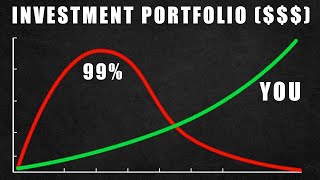
Tax attorneys Mark Kohler and Matt Sorenson outline a four-phase wealth-building framework for small-business owners: eliminate debt and build cash reserves, fund retirement accounts like solo 401(k)s and Roth IRAs, add real estate and HSAs, then move to alternative investments and advanced tax moves like Roth conversions.
Chapters
Welcome back, everybody, to another episode of the Main Street Business Podcast with yours truly, Mark Kohler. I'm here with the incredible Matt Sorenson, my partner in crime, helping small business owners all over America. Well, if you're a small business owner, you are in the right place today because we're going to talk about the unique characteristics of how you invest your money as a business owner, which is very different than other profiles of investors. As a small business owner, you're unique and we've got the steps you need to take. We are both tax attorneys, bestselling authors and business owners ourselves. And our team is helping hundreds of clients around the country every day learn how to build wealth and protect it. Now, our strategies are going to highlight the optimal steps to take as a business owner based on the phase you're in and where you go next to get the best tax savings, wealth building and protection.
Now, there's a lot of misinformation out there. In fact, there's too much information out there about how you should invest. But it's unique and specific for business owners. That's what I'm be talking about and going through the logic order of how you should be doing it. So you're building lasting wealth.
Well, let's jump right into it. And our roadmap for today's podcast and what we're going to be really talking about with your roadmap to building wealth is a diagram. I had come to me in a vision when I wrote the book the Business Owner's Guide to Financial Freedom. What Wall street isn't telling you. Now, this title was chosen very, very carefully. And it's really the foundation of today's podcast is that as a business owner, the information you need is different. And Wall street is really geared towards this W2 wage earner with a 401k and they don't make money off you as a business owner and your unique strategies. And so this book was really to you as a guide and on page 80, if you have the book and you can pick it up of course on Amazon, leave a five star review, please. Is that my inside voice?
But we have a today's podcast brought to you by Mark J. Kohler.
That's right.
That's great. But this is an awesome book, guys. And this is part of what we're gonna be talking about today as we get into all this content. And so if you want another reference point for this, just get with the book.
All right? And page 80 has this diagram, so let's dive into it. I want you to think of throughout this podcast like you're going on a journey, maybe a 20 mile hike. Now, I was a Boy Scout. I know. Matt, you were as well. Yeah.
Well, Mark was scoutmaster. I was assistant scoutmaster for a troop. By the way, the stories of those scouts is pretty incredible.
Yeah, yeah. Just bring up the word propane and fire and we can talk for hours. Yeah. Okay. Now, when we were Scout masters, we take these guys, you know, kids on walks and hikes and all these certain things. And so you learn to be prepared. You know, that could be a great model for scouting.
Be prepared.
Be prepared.
I've never, I think I got put that down in writing. It's like on a patch or something.
Yeah. That is kind of a part of the scouting program. So that's when you're going to go out and build wealth. And this is very serious. You got to be prepared. You got to, how am I going to do this? And sometimes you have to take two steps back before you can take three steps forward. And so I want to just set the stage her mat. I know you've got so much to say on this is that you've got to pack your backpack efficiently and wisely and with all the things you need to be prepared on the journey. Because we want to take you on this journey where, oh, you're at this pot of gold at the end. And along the way, you're loving life. You're not just eating top ramen to get there. You're. You're having a very positive, productive financial experience along the way. And so on this journey, we got to pack that backpack first before we even head out into where do I put my money first. I got to get on the road.
Yeah. And I think sometimes I can think about as unpacking the backpack here before you go on the journey too. Because sometimes there's stuff you got to get out of the backpack before you get on the journey. And I'm talking about debt. And I know this might seem a little simple, but for business owners, this is unique. You could have business debt, you could have personal consumer debt, and this is going to drag you down on your journey. I think of the 12 year old Scout coming to Scout camp with a bunch of toys in his backpack.
Dude, grow up.
Get the toys out. We're going on a journey here. And that's for you business owners too. You've got to focus on this and getting out of debt or getting down to lower rate debt. You might have some long term debt in your business at reasonable rates. But we've got to get unpacking this stuff. That's going to weigh us down. And high interest debt is the first thing that needs to go.
I can't believe we just fell into this metaphor, because it's going to be so good. So there's three things that we want you to look at. Making sure your backpack is ready to go. Number one, getting debt out that shouldn't be there. There's going to be good debt there, too. There's nothing wrong with their business line of credit or debt to build your business, or even debt for a rental property. Things like that. They're productive debt. We'll talk about that for one more second. But there's getting out of debt. Number two is having some cash reserves. Think of that like just having some food for the trip. Like you've just got to have that emergency food that if you can't find food along the way, you've got something in your backpack. And then third is optimizing your business. That's kind of the fuel that's going to keep you on your journey. Because if our business is still limping along, I shouldn't be investing too aggressively yet until my business is stable and creating the money to invest with. And so I want to talk about that optimization as well. So once you have those three things ready to go, it's like, all right, get your walking stick. Let's hit the road. And where are we going to stop first?
Yeah. And I think as you start getting into this as a business owner, here's a couple of things that are unique to you that other people don't have to worry about. Payroll. Okay. A lot of people think about, yeah, this is helpful to know. Right. But seriously, I mean, as business owners, ourselves, I mean, Mark and I have been in this situation over our career. We've been doing this for 20 years, have very successful businesses now. But, you know, we've been at the time where it's like we're living off credit cards because we got to make payroll. And your business might not have that emergency fund. And Dave Ramsey talks about that emergency fund in your personal life. And anyone investing, sure, we need that personally. But if you got a business or other people you need to cut a check to for them to show up to work in your business, you need an emergency fund there. You got to make sure you have enough working capital to cover that for swings and things that can happen, unexpected things that can happen in your business. So I think you should be focusing on that too, is making sure you Have a stable foundation so that you're not at this point where, oh, I got to go, you know, live off credit cards for a month because I can't make payroll and I got to, you know, not take any money myself.
Yeah. Let's get really specific here. On the cash reserves, you're really talking about two different buckets. You're talking about that cash reserve for your business. And you should have about two to three months of operating capital in your business. Now, every business can be a little different. They can be cyclical, they can be seasonal. Sometimes you're like, hey, we are, we're like clockwork. I know we'll be able to cover at any given point a month's worth of payroll. So then just have a month's worth of reserve. But you want to have a reserve in your business. Operational account number two, then you got to have that personal reserve. Car problems, needs for children, unexpected tragedies, medical, whatever. Do we have kind of the golden rule out there is about three to six month of personal living expenses, which are also an opportunity. Sometimes you need cash quickly to do something and a good thing, not just a bad thing happens. So having those cash reserves keeps you very nimble and you need those in your personal life and your business life. Yeah. Love it.
Okay, so I think if you. Are we ready to go on the journey yet?
Well, I want to talk about optimizing.
Okay.
Because what happens with a lot of these Scouts, not only did we see them throw crap in their backpack they didn't need, we would ultimately sometimes find some sort of play game thing. I want to say playstate, but what do they call them?
Game Boy. That was back in Game Boy.
Switch.
What do they call them now?
Yeah, Switch or whatever. I don't know.
We're a little out of it.
Not gamers.
So now the kids have cell phones. Okay. With everything in the palm of their hand. That's true.
But we see these kids like packing video games and all this stuff now. What? That. Why I think that's. It's not about the weight in the backpack, it's about the efficiency of the trip. Because if we've got this kid that we're trying to get to bed early so we can rise and shine and hike another 10 miles and they're up till 2 in the morning playing on video games in the tent, which we would catch them doing, then they're going to be wasted the next day. And so we need to make sure that we, we can still have fun in our lives. But we've Got to make sure that we're balanced in our business. It's efficient and we're not wasting time. Because if we're going to build wealth, we want to enjoy the journey, but also be very effective in a healthy state of mind when it comes to operations and money and cash flow.
Yeah. And I think the purpose of this video and what we want to try to do today is make sure you know where you're going. If you know where you're going and you have a plan, you're much more likely to stick to it and have confidence in doing that and you're going to let go of that crap like the Game Boy in your backpack. It's different for everybody. This might be something in your personal life you're dealing with, you know, but you got some baggage. So what we're saying here, that's going to be weighing us down and not doing us any good. This is the touchy feely part of that. But as Mark and I have been through this for years, talking with small business owners, some that have a significant amount of success, some moderate and some no success, and they frankly have failure, a lot of times it's the personal stuff in their life that's weighing them down and holding them back. So, okay, are we on the trail here?
Yeah. Yes, we're headed on straight. But just to summarize at least three areas of preparation, and that is getting. I love what you were saying. Just getting rid of baggage that could be holding you back, could be family, could be a variety of things. So, yeah, so getting rid of the baggage, having some cash reserves, making sure you're out of reductive debt, crappy debt that you shouldn't have on your plate, and making sure your business is optimized and at least on the right path. And I like the last point. What's your map? Because you just don't want to get on this trail and go, where are we going? And so I really like your point that what is your goal? Now, just a week or two ago, we recorded another podcast that's had a lot of traction on YouTube and that is how much money should you have in your retirement account at age 65? And we've made some bold statements that I've got some serious hate mail on. But. But that may not be your goal. You may say, I want 20 rental properties, I want 2 million in cash. I want X dollars in my Roth ira, I want this type of investment. I want crypto. Well, whatever that that end result is and at what age you want that Result that's going to determine the path you're going to take.
Yeah. And I think at the end of the day, everyone wants a retirement they're looking Forward to at 65 or 55 or 75 or whatever that time horizon is for you. But for business owners, it's a different equation. You have something different that other people have. You also have. You don't have some things that people get some free money on, like the 401k at their day job. But what do you have that's different? You have a business that can create income, that can have an unlimited potential, which is probably why you got into this. And that is an asset at the end of the day. That's right. Now, on the one hand, we love that. We've helped lots of clients sell their businesses, make millions, tens, hundreds of millions. We've seen a lot of success in that. And I want you to think of that, your business itself as being an asset that you're going to build and grow. And this could be something you could sell and live on in retirement, or you could be like, hey, I'm just chairman of the board. I don't have to go to work, but I still don't cash flow the business. I'll poke my head into it when I want. So realize the business itself is an asset. But this is also the danger that we've seen.
Oh, I know where you was going to be.
What's the counterpoint?
Counterpoint.
But what happens and what do people sometimes not realize?
Well, oh, I don't know. Maybe I can't. I don't. I didn't expect you to say that word. Let me say, here's my danger, and I've done this, is you see the business as an asset and your number one asset and the best place to put your money. Some business owners think that. So now they're like, well, why put money in an ira? Or why buy a rental property? My business is doing so well, or I want my business to do well. And there was a period of my life where every dollar I made went back into the business. That was not smart, it was not healthy. And so that's the danger is that you've got to realize I've got to take some profit out of this business and, and deploy it in other areas. We're coming to phase one. So phase one is where we start to deploy some of that money. But I love what you made, that point of balance.
Yeah. I mean, I had an example of this from a client about 15 years ago, a Client that was a real estate investor, but they put all of their money into single tenant commercial real estate. And they had a big tenant, big brand name, corporate guarantees.
Sounds great.
Yeah, great cap rate. And they were all in on this one thing. They put no money in retirement accounts, no other assets, no money set aside. They lived off this cash flow and they're like, this real estate goes up, the rents go up. This is amazing. But their tenant was Hollywood Video.
Oh, wow.
And so they lost everything. I mean, they really had to start over and had to repurpose those properties for other tenants, which took years. They lost a lot of money. And I think that's one of the dangers for small business owners, is you could have the situation where that business does fail in the future for a number of reasons, or it's a business that just can't be sold. And some of you have businesses like that or small business owners. You might be a real realtor or someone that provides a lot of personal services that are very unique to you. It's not very sellable, or if it is, it's only worth hundreds of thousands of dollars at most. And so. So we gotta keep that in mind here. As you're thinking about your business being this asset you can sell one day, you might have to have a reality check of is that really going to be something valuable? And is this. Are you. And be careful because you have all your eggs in one basket too.
Okay. I love it. Great, great, great comment. So we've now learned on our journey, the business is an asset, but we have to be careful to not put all of our money back into the business. Or one might say eggs in one basket. All right, so phase one, I'm going to throw out the two that I think are in phase one, and I don't know which one I would choose first, so I'm anxious to see what you think. Here's the two. First, I think everybody in America, not only just business owners, but business owners especially, need to peel out at 6 or $7,000 a year and put it into a Roth IRA. You can invest that Roth and what you know best, it could be stocks, bonds, mutual funds, ETFs, it could be crypto, it could be real estate notes. You're going to build that. We need you listening to our other podcast, the sister podcast, self directed IRA Podcast, on what you could do with that Roth. But the point is, you're putting money in that piggy bank every year and it's, it's asset protected, it's outside your business that's number one. And now we'll come back to the day job you or your spouse might have with a 401k. But even before I just want you always focused on funding that Roth number two is buying your first home. That's a lot of times one of the first key assets that an American needs to build upon because paying rent to someone else may not be a good deal. Now there are times where rent makes sense. I'll share an example. But I think those are the two that really come out of the gate. First to me, you're building your business fund, your Roth buy your own home.
Yeah, I love that. And I think on the buy your own home there's a lot of stuff information out there, particularly now that rates are higher where people say don't buy a home, just rent. And I get that you can run a math and you can have a beautiful Excel spreadsheet, do that. But the reason I like homeownership, there's a couple reasons, but one is it's forced savings. It's forced savings because you're forced to pay the mortgage every month. It's paying down your debt, you're getting the appreciation. It's like forcing you to own this asset. But also there's a place you can live in and it becomes your home. And there's all these intangible benefits to it too. But just from the financial side of things, is this for savings. And I'll be honest, as we do estate plans for clients and we look at clients wealth, the equity in their home, particularly people over 20, 30 years, is significant. And a lot of people's homes turn into their next rental property. They upgrade and get to a bigger home as their income justifies it. And they hold on to that other home and keep it as an asset, which I love that as a strategy as well. And so think of this homeownership, it's easy debt to get, it's easier to qualify for those loans than it is a rental property. And it's kind of this forced savings. If you look at over at the long term, it can be significant. And I think one one of the biggest mistakes people make that every investor makes and it's particular to business owners because you're thinking, I'm going to put this money back in my business, is not the assets they didn't buy, it's the assets they bought and sold. And this is a lot of your rental real estate and your homes.
I want to add a cautionary point on this homeownership concept. There's the Dave Ramsey community that would say don't go into debt at all. And if you do have home ownership debt, pay that off first before you do anything else. And this hyper focus on to me, which is a very low interest loan to help you not pay rent somewhere else. And I don't want my business owners focused on taking all their profit for the next five or six years and paying off their home loan. For crying out loud. Let's deploy that money in other ways. Now, do I love the Dave Ramsey message? We're going to get out of credit card debt and student loan debt, consumer debt of any sort? Absolutely. But do not get in go down this rabbit hole that I've got to buy a home for cash or pay off that debt before I can do anything else. We want a well balanced approach. And I am a firm advocate of paying down that mortgage maybe with a double mortgage payment once a year, which can make a major impact. But don't go overboard.
Yeah. Now let me come back to other point because you brought up homeownership and retirement accounts and so you said the Roth ira. One thing I'll add on to that that's unique for small business owners is doing what's called a solo 401k. Particularly for you solopreneurs or people that just have partners or family in your business, you can do what's called a solo 401k for yourself. And this is a lot of people where they're like, Matt, I'm 40 years old, I'm in my 50s even I have my own business. But I never had a day job that had a 401k. Nobody was doing a match for me. There was no enrollment paperwork that just showed up in my inbox to sign up for the company 401k. I had to go out and do this myself. Yes, you need to do it for yourself because you are the business owner and the employee. But you can do a solo key. And the good news is you could put $69,000 a year in this. Okay. You can put 10 times the IRA contribution limits, which now for 20, 24 is 7 grand. You can put almost 10 times the amount into the solo 401k. So for a lot of you who are behind in savings, the solo K is a unique strategy for business owners themselves where you can get significant contributions in to kind of catch up on your savings plan. And I think that's a unique thing for business owners to be aware of.
I love it. And now before we get to phase two, let me add one other twist to the 401k is for those of you that do have a day job with your side business or big or your spouse does. If in your equation there is a group 401k with some matching, I do want you to get the match and then we say match and get out. Because if your match at work is 3% of your salary, put in 3% of your salary because it's going to be free money to get that 100% match. You just got 100% rate of return on that 3% you put away. So if you're putting away three grand, the company's going to put in three, you're at six, then go back and maybe in your side hustle, you are starting that solo 401k or with your spouse, or you're still funding that Roth IRA individually. So those are the starting points for me in phase one is that retirement plan approach. Just making sure we're saving and we're looking at our homeownership. And let me mention renting. If you're living in an expensive urban area. I was in Orange county for a few years and it was cheaper for me to rent and buy rental property. That created cash flow because some of these coastal areas were big city areas. To buy a personal residence is like a 10 year savings plan. And is that the best place to park my money? That's not really creating me, money freak. I could rent, live in, maybe even a better home or location in this urban area and go buy rental property. Now, it doesn't mean I'm going to live over the top and rent these exorbitant homes or condos and downtown high rises. But sometimes it makes more sense to hold off on homeownership if you're living in an area where renting is cheaper. So don't beat yourself up on that. I'm just saying that's phase one.
Yeah.
Now phase two. Can I throw out a couple?
Yeah, sure. Yeah.
What would you do next? Fund your health savings account? Start thinking of that aspect. Or buy your first rental property.
I would fund my health savings account first because it's easiest.
Good choice and
thank you. I was hoping to get some approval though. Yeah, it's like I passed. I'd fund my health savings account. Now, here's the health savings account and the reason why and is I get a deduction when I put the money into this thing. We already have medical expenses. You have your own medical. Maybe a spouse if you got one. You've got your kids, you know that medical can be covered by this health savings accounts, whether this is the dentist, braces, prescription drugs, you got to go to the doctor, the emergency room. That money you're putting in the health savings account, you're getting a deduction for and it's getting spent out totally tax free. So if I have five grand in medical expenses, I don't get to write that off on my tax return. It's very hard to write off medical expenses. But if I put the five grand in a health savings account and I use that health savings account to pay my medical, now I've got, I've got $5,000 in deductions I've saved, I've reduced my taxable income five grand. So there's ways to be smart about your money. And that's the thing with retirement accounts and HSAs, is there's significant tax advantages to using those accounts to save and also spending out on the hsa. But business owners have more than just an HSA that individuals can't do. They've got more owners on health care. That's right.
We've got more options on health. Yeah, the health reimbursement arrange. And of course, if you're optimizing your business, you're going to already be taking advantage of every tax strategy you can level. One theory, theoretically is making sure I'm just writing off my medical. But when you can build a health savings account and get the write off at the same time, it's super powerful. That requires a high deductible plan. We've got podcast after podcast and articles on that topic. But as you turn that corner around the first bend, so you're on your journey. You're, you're funding your Roth. Maybe you're doing a little bit of matching out. You've got a solo 401k you're kind of playing with. You got your home ownership figured out. You're out of debt. Oh, my gosh. You're coming around the corner and it's like you're seeing, you know, this beautiful sunrise because now you're feeling healthy. You're like, you've got energy, you got to hop in your step. You're ready to go. This backpack feels totally light. You've gotten rid of baggage now. It could take you two or three years to get there, and that's okay. But as I turn that bend now, I'm going, okay, I've got to worry about my health care. I'd really like to create that savings account. And there's a cute little cabin off in the woods there. I'm going to buy that and rent it to another person on their journey. And so buying these little rental properties along the way creates passive income. It starts to build more wealth. They don't have to be expensive properties either.
Yeah, and I think a lot of business owners, entrepreneurs are great landlords. You know, you know how to make deals and find deals and negotiate. It's just your mentality. And so they're great rental real estate owners. But I think the number one thing any business owners should do, and this is again unique for business owners, if you have a business location, you should be buying the property that your business is the leasing. Be owning the property and leasing it to yourself, your own business. Okay. Why be paying rent to some other commercial landlord when that could be you? And SBA loans are very popular. Mark and I have two different buildings for our different, some of our different businesses that have SBA loans that we lease to our own companies. So we're paying ourselves rent every month. But what's happening there is a couple of things that I think are important. One is the reason I like that is you have control in the business. You have control and certainty in that location. When your lease isn't up, you don't have to worry about the tenant trying to renegotiate and giving you a bad deal and your rent's going up unfairly or that the location is no longer you have to just move. They got someone else they want to do or they want to sell, whoever knows. So I got certainty in that location. That's a great business benefit. The second thing you have, I'm going to have this rent expense anyways. And this is again this for savings where I can get the SBA loan. It's getting paid down over time. They're usually a 25 year term. You can do 15 or 25 years on an SBA loan for rental real estate. And it's now I'm getting the appreciation of the asset as I'm in it too for the long haul. And so I'm getting that. There's some tax benefits too I want to get to. But I think it's very approachable to any for business owners to get where if you have a legitimate business with some tax returns, you're able to get that SBA loan with only 10% down. So you're buying a million dollar location, you're a dentist, let's say, and you got a million dollar office location. You got to put 100k down and you could hopefully come up with that and figure out a way to do that. But now I've got a million dollar building that I have certainty of. It's paying down the mortgage, I'm getting the appreciation. And the tax benefits are pretty unique too.
Yeah. And landscapers and contractors are wonderful at this because they're going to see a warehouse or a metal building that they need for their operation, buy it, rent it to yourself, put an apartment in the back, look for land that can be developed around your metal building and you could be a realtor, a broker, anything that you're maybe seeing a customer face to face with and you're renting a space. You've got to be thinking outside the box. Now that's phase two. So you're, you're deploying more money into real estate, which is the number one asset class of the wealthy. Matt and I have both done 10,000 consultations each over the years or more. And in these consultations we see patterns. We see patterns of wealth and patterns of destruction. And the patterns of wealth are our wealthy clients buying rental real estate, cash flow real estate. Now, not all their money is deployed there. We're still going to go to phase three and four here, but phase two, we're buying a little real estate and we're looking at our health savings account if possible. Now phase three, tell me what you would do. Would you buy.
I love. These are like the. Would you rather.
Number one or door number two is we. Do we start looking at life insurance or do we start looking at, at alternative investments? Maybe the notes, the oil and gas, the syndications. Where do we go to life insurance? What would you do?
I go to, I go to investments and alternative investments. I do not go to life insurance. So I know some people, particularly those who sell life insurance, say go to life insurance. And I like life insurance and a term policy, you know, particularly if you have a business partner, you might have a buy sell agreement that helps protect the value in the business. So, so by the way, that's an important thing to know for any of you business owners. That might be a thing you should have is this buy sell agreement with a partner. Mark and I have one, you know, and so if one of us passes away, that life insurance buys the other one's estate out of the business so that their surviving partner can go carry on. Now you're going to have probably a term life insurance policy for your family too for other, you know, burial expenses and other costs, depending on your net worth. It's good to have. But when you start getting into other insurance Products like whole life or investment insurance that turns into an investment quote, unquote. And I air quotes there. For those of you listening on the podcast, I'm doing the air quotes. It might be something. I'm not a huge fan of that personally. I know some people are, but that's just not me. I don't know, Mark, you can, I'll let you speak for yourself, but I like the alternative investments, particularly for the business owners, because this is you. You're the type of person that can go out and find deals and opportunities. You can find opportunities where you can lend your cash at 12% interest in two points. That's what I do with mine. That's what I do with my own retirement account, by the way, is I'm lending it at 12% interest at 2 point secured on real estate. I'm getting a 14% annual return. You could invest it in other people's businesses, private equity, you could in startups and stuff. You've got risk profiles there. You got to be careful about that. But we've seen so many and we have so many clients that do that. And it's particularly our small business owners that are entrepreneurial that like a little bit of risk, that know how to cut a deal too and make a good deal for themselves so they can make money. And, and that's what's fun too, I think, about investing. There's not a lot of fun in just buying an etf. I mean, you can do that. Nobody called it fun. But the business that your friend's starting that you want to help out, whether it's providing advice and getting ownership for that, because you're a business owner too. I've seen lots of clients kind of consult for equity and throw in some money also to help get them off the ground. I freaking love that. It's a win win. And so I like the alternative investment.
Yeah. And crypto could even be considered alternative. Boy, Bitcoin hit 73 yesterday.
Yes. There you all time high.
So, okay, so now remember where you're at too. Some of you may go, well, that's riskier. This is that. Hold it. You're in phase three. You're already out of debt. Your business is performing well and better. You're learning how to be better at your business. You're building value in your business. You've been funding your Roth ira, you've bought your little rental property, you've funded an HSA if possible. So you're, you're around it now. You're around another bend in the on the trail. And so you're going to be feeling more confident and you're like, where am I going to deploy this profit? And so this is where the alternative investments come into play too, because you've kind of already maxed out your retirement accounts at this point, or at least to some degree, because you don't want all your eggs in retirement either. I want to have some before tax money, maybe in some alternatives. But life insurance does come into play and it has worked for a lot of people. They love it in that I can build this cash value. But I've always said to clients that's definitely a more advanced strategy down the road because it has to be sustainable. It's not that life insurance doesn't work. It's just that too many life insurance agents sell it to people that aren't ready for it. They can't sustain it, and they don't have the money to sit back and fund that premium for five to 10 years. Because that's really what that cash value plan is all about, leaving it alone for five to 10 years and not mecking it out. And for those that know insurance, you know what I'm saying? So you got to find that balance. But be careful. I'd really like to my clients to get two or three opinions on a life insurance strategy as they debate that next step.
Okay, can I go back to the analogy of the Boy Scout one more time? I mean, this is just the. Well, we're just going to keep coming back to totally. So when we're talking about like alternative investments, by the way, this is like you've already the Boy Scout on the journey. You've already done first aid, you've already done basket weaving. The alternative investments is like archery, okay? Someone can get hurt. You need to have a little more skill, a little more maturity here to get there. So this is the order of things and why we say there is an order to this. And I do think as you get into those other investment categories, alternative assets, which could be the oil and gas, it could be commercial real estate, multifamily properties, you're not in yourself as a, as a, as a tenant leasing from yourself, crypto startups, private equity, hedge funds, all those types of things are great. We have an Alt Asset Summit. We do once a year. It'll be in Phoenix in October. Altassetsummit.com where we teach people how to invest in alternative assets. And one of the biggest constituencies there that attends that is business owners, because they like deals and they like opportunity. They like beating the market and doing better than just buying an etf. And now we've talked about this. In our last podcast, we talked about kind of the default investment. If you don't know when you're setting cash aside or even in your retirement account, is just doing the S&P 500 ETF. It's what Warren Buffett says. Peter Mallouk, the number one financial advisor, it's what Tony Robbins says. Everybody freaking knows him. They're like, if you don't know, just do the S&P 500. And honestly, Warren Buffett's like, and even if you do know or you think you do do The S&P 500, I love it.
Well, this is a perfect lead into phase four. So you've decided what alt investments you might be investing in. On occasion, you've just made a plan for at least term insurance because you need that safety net. Now we get into this phase four, which really involved two things in my mind and that is Roth Conversions. Roth conversions. I want to repeat that because Roth Conversions is now taking all of your retirement and putting in the most tax advantageous structure. It's almost like getting on the autobahn or in the fast lane. So now when I do Roth conversions, I might pay a little tax, but it's worth it. I'm in phase four, I'm building those buckets. And then also in phase four, I'm learning to self direct. So now I'm more advanced. I've got wherewithal to be more involved in the investing in my retirement accounts. So now I can take my retirement accounts that should have some good balances by now. I'm five to 10 years into my plan. I've got six figures in these retirement accounts. Now I can deploy that money and get the 10 to 15% rates of return or better by investing in the startups and the, and the exciting things. But now it's just. But there's no secret sauce. Yeah, it's just now you're just being a little more advanced.
Yeah, yeah. The secret is there's no secret. That is the secret. And I think a lot of people are like looking for the secret and they never find it and they don't get started and do anything. I mean, that's the secret is there's no secret. Now there's things to learn and there's this order of things as we've talked about, to do unique things for you business owners. But it's not secret. We're telling you, this is it. It's not complicated, it's not rocket Science. But you do need to do it. Now can I talk about a boring thing?
Oh, yes.
But that matters. And I think is a lot of people's minds is they're thinking about building wealth or they're thinking about leaving their business someday or hanging up the shingles, selling it, pass it on to their family, whatever it may be. Social Security. Social Security is there and it might be there when you get there. I don't know. That's debatable, I guess. But one of the common questions we get from business owners in particular is should I add my spouse to payroll? Maybe I've got a spouse that doesn't work, maybe takes care of the family. When should I add my spouse to payroll? And a lot of our business owner clients are like, why don't I add my spouse to payroll so they get Social Security? So when you know, don't do that. Okay. There's something called the spousal benefit where a non working spouse can get half of the benefit of the working spouse when they hit their retirement plan age, which is like 67. Now that's normal age. You can delay 2 and get a little more. But so for the working person. So, but, but don't feel like you have to add a spouse to get Social Security benefits in the future. There's other reasons you might do that, like the solo K retirement plan contributions, even a Roth IRA contribution because they earned income. But don't be chasing Social Security and adding your spouse just for that.
Yeah, and you may think, oh, you may think, well, they're only getting half of my Social Security so they could get more Social Security if I put them on payroll. You start doing the math on how much Social Security FICA you're going to have to pay and how much payroll they're going to have to take just to get close to breaking half of your Social Security. That's based on a 30 year average. It's not worth it. Now I would love to put a spouse on payroll to help him or her fund their solo 401k. And they don't have to be on payroll to fund their Roth IRA because if they're married, their, their spouse's income is attributed to them for the Roth. So your spouse can do the Roth every year. We have videos on this and again podcasts on just the spouse strategy. In summary, I just want to say that these are benchmarks that we've seen many, many of our successful clients reach in this kind of four phase approach. Some are get lucky and hit the lottery early on. Some it takes a little longer. Sometimes the journey has some paths that aren't fun. Battling some medical issues in your relationships and deaths and kids on drugs or a business with someone embezzling or business failure. So we're gonna have our challenges. Obviously. We're gonna backpack off, do some first aid and get back on the path. But don't beat yourself up. We're all on the same journey and there's a hundred different ways to get there.
Yeah. And I think just one of the things that's been nice about us, because Mark and I are business owners too, but we've had the benefit of advising the 10,000 clients over the years is everybody has something. Everybody has something in their life. They don't wear it on their sleeve. But when we've got into it with clients that everybody's got their own challenge. Some of them are significant, some of them are a little more moderate. And so we know you have one. It's likely there's something that's a challenge in your business or in your personal life that's affecting your business. And so just know you're not alone. There's other people in that same boat with you and you can kind of persevere through and still have success. And I think the order of this and the purpose we want to do the order of this is so you know where to go, you know where to start, you know where you might be in this process here and what to be thinking about next. And the last thing I just wanted to leave is let's not forget about the business itself that you're running, operating, putting your blood, sweat and tears into that is an asset itself that you're going to be able to sell at the end of the day, maybe for three to five times of your net income or cash flow. That's typically how the small business is valued. What's your cash flow and the three to five times that on an annual basis. So if the business makes 200 grand a year, three to five times, that's 600,000 to a million bucks is what that business could sell for to a potential buyer. That's an asset in of itself. Let's not forget that we love that. And there's also some preparation and work you need to do on selling that business to too. Yep.
And I want to give end with one example too. I just talked to a business owner yesterday that is trying to build their business. I want to be very private about it. And their daughter has cerebral palsy and cerebral palsy. Sometimes I can't pronounce it properly. But it's been a huge. You don't want to ever say drained, but it's taken a lot of time as a family to focus on the daughter they love and help her through this. And it's affected how he's been able to grow his business. And so we were talking about, how are you going to expand? He goes, well, I have only so much time in the day because of therapy and this and that. We're trying to get better transportation and deal with this and a special needs trust. And this poor guy and his wife, they're really trying to go on this journey, but they've got a daughter they love that has significant medical challenges. But they're doing it. They're doing it and they're talking about it and they're determined and they're still going to expand and they're still going to invest. It's just going to take them, look, maybe longer or different, more strategic approaches. And so if you think the world is crashing down on you and the sky's falling, just realize there's someone else out there that has it worse and there's someone else out there that has it better. Don't compare. Just worry about your world. What's in your backpack, where you want to go, and what's the next step in front of you. And when you can focus on that, you're not going to beat yourself up. Yeah, it's fun to be on social media, post where you're headed on your journey, but when someone else is a little farther down the path, just, just cheer for them. And if someone's behind you a little further behind you, just pray for them and it's okay. You know, we're all going to get there.
I love that man. I don't even want to have to say anything after that, but it's just an amen. Thanks, guys, for being with you. We're going to be back next week, of course, with another amazing podcast helping you take control of your financial future.
Now, I also want to compliment you for taking the time to listen to or watch this podcast because this is almost like, for us, preaching to the choir, because you're here learning, and it is so, so important. Learning takes away from fear, learning gives us more tools, and learning empowers us. So pat yourself on the back. And you keep just taking in as much content as you can and taking action. Also, we talked about earlier this video of how much you should have at retirement. Is it $2 million? How old are you? How much should you have well, if you have those questions, check out this video below on how much you should have, ideally for retirement. And we go through different age ranges and how much you should start saving now to get there.
Yeah, we also talked about retirement accounts, and we have our separate podcast, the Directed Ira Podcast, where we talk about the solo 401k how it works for business owners, Roth IRAs. We have all that content in there, as well as the ability to invest in alternative assets, which we know small business owners and entrepreneurs love of. You might like the ETFs and stocks, bonds and mutual funds, but those options are there. And that podcast is Mark and I, and it's dedicated to those topics.
More from MARK




The secret to managing your family's future #financialfreedom #estateplanning #shorts



Moving Property to an LLC: What They Don't Tell You #realestate #investing #tips


