Watch this before buying your first rental property...
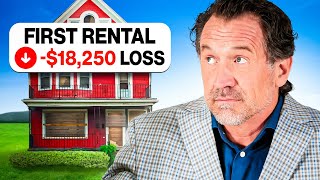
Mark Kohler, a CPA and attorney with 20 years in real estate, walks through eight mistakes first-time rental investors make: not tracking startup expenses, setting up an LLC wrong, mixing personal and business funds, mishandling mortgages and deeds, using bad lease agreements, skipping landlord insurance, not hiring professionals, and paying cash instead of financing.
Chapters
In today's video, I'm going to walk you through eight common mistakes that are easy to avoid when you buy your first rental property. I'm a CPA attorney and real estate investor. I've done over 10,000 consultations with clients over the last 20 years from all sorts of walks of life, starting small businesses and buying rental properties. And I too am a rental property owner. I have commercial property, industrial short term rentals, long term rentals, and even Airbnb. And you know what? Day after day I see clients make the same mistakes when they buy their first rental property, and it's in the tax and legal space, they learn all these great reasons to buy a rental property and how and why and when. But on day two, they ask themselves, do I need an llc? How do I report this on my taxes? Do I need bookkeeping? And these mistakes make the difference between making money and losing money. And the hard part is this information is hard to come by because the same people teaching why to buy real estate, they don't touch this. It scares them. They're not a lawyer or cpa. They're trying to help people buy the real estate and then send them out into the crazy world and it's a jungle. But not here. I'm going to give you those answers right now. So today I'm going to walk you through each one of these common mistakes and help you avoid them so that you can be successful with that first rental. Number one, not tracking your expenses the minute you decide to buy that first rental property, because those are going to be classified as startup costs. Any expense you incur in the finding, locating, purchasing, even some of the education you might be getting to buy that first rental property. I want you tracking your expenses now. Why? They're going to be a write off down the road, which saves you money, which makes your project profitable. So what you're going to do is create an Excel spreadsheet, a folder if you want, if you're keeping receipts, I don't care, but at least have an Excel spreadsheet where you can start writing down expenses from credit cards, debit cards, cash, whatever, travel expenses, education, dining equipment, electronics, cameras, drones, whatever, write it all down. Now, maybe not all of it'll be a write off, but if you don't write it down, we don't know. So track it, have it there, ready to go, and we're going to give it to your tax advisor at the end of the process. Number two mistake, setting up the wrong type of LLC in the wrong state. See, you're Going to need a limited liability company to own the property. We'll come back to banking in a minute. But you need ultimately this property in an llc. Why? Because it gives you asset protection. You need to be protected from anything that could go wrong on the property with tenants and vendors and patrons and visitors, whatever. That's what the LLC is all about. The LLC is not going to save you taxes. It's going to protect you from losing your home or getting a huge judgment against you that could follow you around the rest of your life. Have the LLC done right. Meeting with an attorney, maybe that first time, because you're new at this. It's your first rental. Don't go online and try to hack it out and screw it up. Have the right LLC and the right place and the right type of llc and it will guarantee you the asset protection that you need. Number three, mistake commingling. A new rental property investor with their first rental needs to set up that bank account for the llc. As soon as you can, let's start putting money into the LLC and let it pay the expenses of the rental property. Now, you may close on the rental property before or right after the llc. That's okay. But we need this bank account because we don't want commingling. And why? Because it's going to save us taxes. It's going to make it easier to file our tax returns. It's going to protect you in an audit. And if you're in a lawsuit, you've got to show that you respected the llc. So let's get a bank account account going with the ein from the proper LLC that you set up and start tracking the income through the rent you receive into that LLC and any expenses you have. And if you're like, well, my LLC doesn't have enough money, we'll put money into the LLC to pay the expenses. Your accountant is going to know what to do with this and it's going to protect you and save you taxes. Number four, the mortgage and title. Now, this is exciting because you've made all this progress. You've got your bank account, you're heading into closing, and there's this pivotal moment where this simple mistake can just cost an investor thousands and thousands of dollars. So here's the concern. I want you to get the mortgage in your own name. That's normal. You might get a Fannie Mae, Freddie Mac loan. Put down your money and I want you to use leverage because we want this property to cash flow, but we want to get the lowest interest rate possible. Then after Closing, you're going to deed the property to your llc. Do not worry about the due on sale clause. Every bank has an exemption in their mortgages to allow you to deed the property to an LLC, the same ownership or the 100% ownership of the person that bought the property. So you can transfer title to the LLC and create that protection. Worry about it after the closing. This allows you to get that asset protection and start the path to saving taxes. This will make your life so much more simpler if you just focus on the closing in your name. Then transfer title to the LLC later. And you're going to want to use a warranty deed, not a quit claim deed. And use the support of a professional to get this piece finished. Number five, know your lease agreement. You bought the property. Everything's great. You're so excited. Now you go meet that tenant or you assign your property manager you may have hired to go close the deal with the tenant and they put the lease in your name. Oh my gosh, this is time to stand up and go, whoa, whoa, whoa. I don't own this property. My LLC owns it. And we want to make sure that the lease agreement reflects that. But there's more. The lease agreement is yours. You own it. No one else should know that lease agreement better than you. Don't just rely on your property manager or rely on your attorney. We're there to help explain it to you. But I want you to understand it. Are you going to allow pets? What type of background checks are you doing? What type of deposit do you want? All these little issues that you learned when you were deciding to buy a rental property, those things need to be in the lease agreement. And it's going to evolve. It's okay. The lease agreement will change from tenant to tenant as you learn things. But know it, understand it, and make sure that your property manager or yourself has the LLC as the landlord and you as the manager of that LLC and lock it down with the tenant. This is going to give you asset protection and a better experience with the tenant with less problems on the back end, more clarity, more transparency and protection. Number six, insurance. You're so excited, right? You got your tenant in your property, they're paying rent and everything's good. And then there could be a claim. Insurance is important. Just because you have an LLC doesn't mean you don't get insurance. That's your first line of defense. So the mistake is what type of insurance. Make sure you're careful, not just get your typical homeowner's insurance, which maybe the Realtor lines you up with and you just, oh, I'll get the cheap insurance, yada yada. But you are a landlord now. You need to get landlord renter insurance and shop around, get the right price, make sure you ask them, hey, if my tenant gets hurts on the property, well, what's the deductible? What's going to happen? How do you defend me? How do you take care of me? You're now a business owner. You have a property and you have tenants. You want to have an insurance policy and an insurance relationship with an agent so that you know what you're getting to protect you when those little things that are going to happen, happen. That's why we want this. And it's not that hard to do. But again, a very common mistake that costs cost new investors so so much. The LLC protects you and there will be those types of occurrences where an insurance policy can come in and take care of something and you want to have that. If you don't do this, it could again cost you thousands down the road. So what's the difference between this homeowner's insurance versus landlord insurance? Well, it's because there's different risk involved and that's why it's going to cost a little bit more, but also cover a lot bit more. See, a homeowner's policy protects the homeowner and their family or as an individual in the home who is going to be a lot more careful. See, they take care of the property because they own it. They have equity in it. Well, a landlord policy is a little more broad and going to cost more because you've got tenants at the property that really don't care sometimes and they're going to have parties, they're going to have visitors, and they can have a lot of claims that could be different than a just a simple homeowner situation. So you want to get this landlord policy to really protect you for that unforeseen experience of someone at your property that really doesn't care about your property. Number seven is hire a professional. So what does this mean? It means taking the DIY or do it yourself approach may not be the best in this area at least especially with your first rental property. I have so many clients that have made mistakes trying to think they could do it all and you can still be very, very profitable delegating this to the professionals. So down below we have our link to our law firm and Main Street Business Services that can do your annual reports for your LLC and all the filing to keep it strong. And structured properly. And you're going to need a good tax advisor. The days of knocking out your own tax return on TurboTax might be over for a while. You got a rental property, depreciation and all these cool write offs. We've got a tax pro network with advisors all over the country from any state that will help you go through the tax reporting and get all the write offs you deserve. Check it out below and it'll help you in this piece of just keeping all the tax and legal together. Number eight mistake leading all the others is paying cash and cutting corners to manage the property. I had a client in Chicago a few years ago that was like, oh, I got to get the rain gutters cleaned and oh, I got this tree service going on. He didn't want to pay a licensed contractor, he didn't want to go through his property management and he paid some college students cash to go work on the trees. And this other guy was working on the rain gutters. They fell. The tree hit one of the guys working on the rain gutters and almost cut his arm off. It was bad. And my homeowner, my landlord client, was rushing to the place to help get this kid to the hospital, rushing to the scene to try to help mitigate the situation because deep down he knew he hired the wrong people to do this. And now he's liable for this kid that got hurt on his property because he was cutting corners. Of course. What happened? Big lawsuit tied up the property. He couldn't flip it, he couldn't rent it. It was tied up for about a year in this messy lawsuit because he didn't want to do it right. Be careful trying to cut corners and paying someone to do something when really they may not have the skill or license to do that. I know it's going to be tempting. You want to make as much money as possible, but you don't want to threaten the property or your own livelihood cutting corners. Now, in summary, what have you learned? I'll tell you what you learned. The eight most common mistakes new rental property owners make when they buy that property and they cut corners. They don't take tax and legal seriously and they don't make money and ultimately fail in their real estate investing. People, this could be the difference between success and and failure. Please don't make these mistakes. And let me tell you again, these 10,000 consults I did, I saw everything from the good, the bad and the ugly. I'll tell you what my successful clients do. They respect this, they understand it, and they're careful. And then they build the real estate portfolio of their dreams. Now that you know the exact mistakes to avoid when buying your first rental property, you are positioned to succeed. Now you want another tip? I got one for you. Don't buy another rental property. Let your IRA or 401k buy a property. Did you know you could do that? You know your IRA could actually buy real estate? I have an IRA that owns a rental property in South Chicago. Pretty exciting. Well, I've got a video for you that starts to explain how your retirement account can buy real estate. Not just stocks, bonds and mutual funds and Wall street people. The world is your oyster. You can do it. Check it.
More from MARK




The secret to managing your family's future #financialfreedom #estateplanning #shorts



Moving Property to an LLC: What They Don't Tell You #realestate #investing #tips


