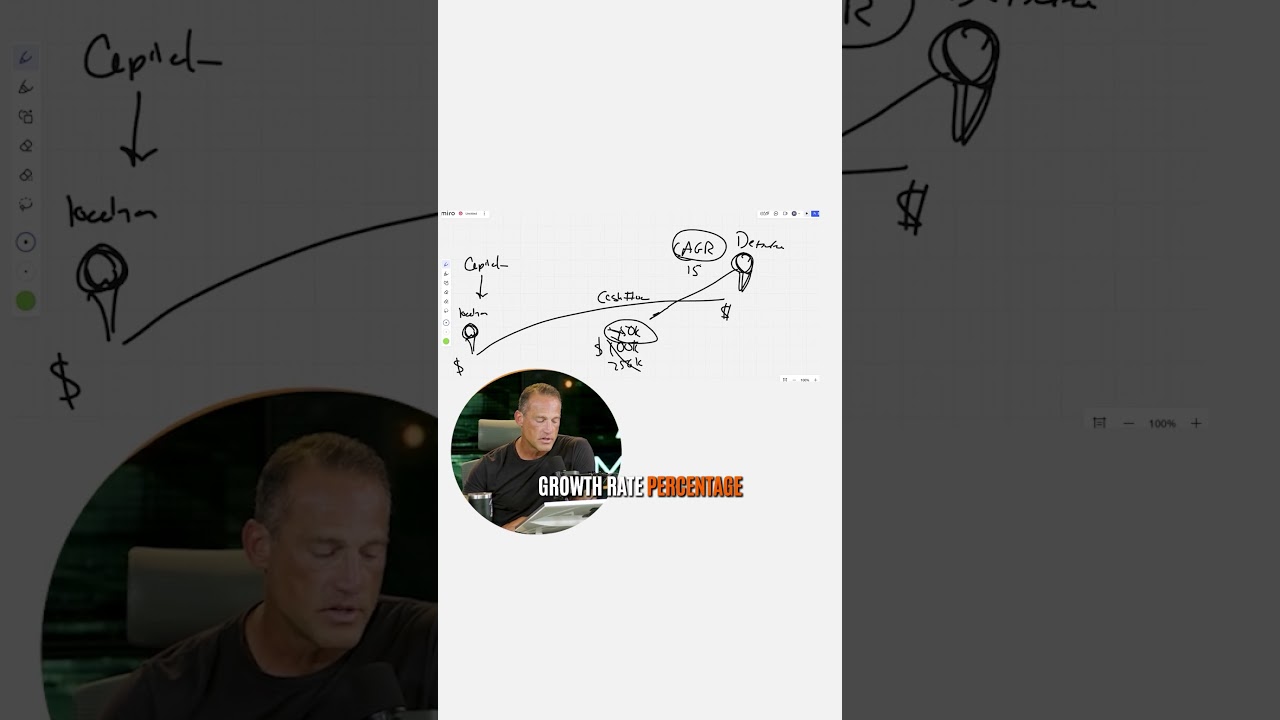
Mark Moss breaks down financial planning into three levers: how much capital you have, how much you need to spend, and what returns you need. Instead of selling assets in downturns, he suggests borrowing against them to keep compounding working and avoid taxes.
Chapters
What do we do if we're person A and we find ourselves in this situation and we're worried? Well, we do a couple things. Again, it starts with a plan, right? And I approach the plan just like Google built their Google Maps application. So I start with, where do I want to be? Little GPS signal. Sorry, I don't know what that means. What is my destination? Where do I want to be? Then where am I? Right? So then that little GPS thing, like my current location. Okay? So then if I figure these two pieces out, Now I have a math problem. Now I have an engineering problem. Now I could stop the bleeding and I can change things before it's too late. Now we need to know what amount we need. For you, most likely it's going to be how much do I need every month or every year? Is that $100K per year? Is it $250K per year? Is it the number I showed before? Is it $750K per year? Okay. So once I know these numbers, how much I have here, how much I need to have and what my goal is, then I can work this math situation out. So there's 3 levers I like to call them. So this is the amount of capital, right? How much capital do I have? How much cash flow do I need? And in order to get my assets into my cash flow, what is my rate of return or my CAGR, my compound annual growth rate percentage that I need to get the cash flow I need? Those are the 3 levers. I can put more capital in, which again, if you're 5 or 10 years from this goal, getting more capital in may not be the easiest one for you. So then the question could be, can I live on less? Well, I don't recommend that. Why do we want to skimp on our lives? So then the question becomes, how do I get maybe a better CAGR to do that? And once I've done those things, then we have to change the entire strategy of the game. And again, we change the strategy of the game by changing what we're doing. So instead of selling the assets down, through the downturns, we now want to start issuing credit against the assets that we have. That way we save on taxes and we continue to hold the assets so they continue to compound forever.