Hardware is for All Companies -- Not Just Tech Companies
17 Oct 2018
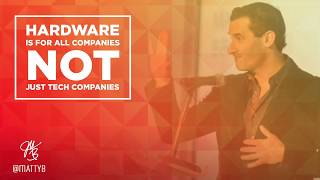
Speaker argues that hardware is increasingly critical for companies beyond tech firms because product commoditization (e.g., private-label retail goods) forces brands to create ecosystems — for example, a detergent maker could produce smart washers that reorder detergent via sensors — enabling recurring sales. Apple is cited as a pioneer of ecosystem strategy; companies that lack ecosystems (example: Samsung TVs) risk competing on price against cheaper alternatives like Vizio.
More from Matt




youtube.com
MikMak’s Rachel Tipograph on Consumer Spending, Retail Media & Holiday Shopping Trends
3mo ago



youtube.com
Jaguar Land Rover’s Charlotte Blank on Luxury, Purpose & Experiential Storytelling
3mo ago



See all content
