Cary Rash Customer Success Story BuyLow Warehouse
In this interview, co‑founder Cary Rash recounts how My Auction House was launched during the COVID‑19 pandemic and grew into a multi‑city liquidation auction business. He explains the core model—buying bulk loads from big‑box retailers and reselling them via online auctions—while highlighting key lessons such as starting small, focusing on small‑city markets, and leveraging reliable brokers. Rash discusses the challenges of sourcing inconsistent truckloads, the need for custom software to track ROI per facility, and the importance of hiring strong front‑desk staff. He shares strategic decisions around expansion, the role of partnerships with brokers like Buy Low and former supplier Vilo, and the impact of software tools (Kilo, MiniFastScans, his own system). The conversation closes with practical advice for aspiring resellers: build a following on free platforms, research market locations, diversify inventory sources, and adopt software to streamline operations. Rash notes that My Auction House has run over 400 auctions and sold roughly 400,000 items, and provides the website URL (myauctionhouse.com).
Chapters
Hey, Kerry, thanks for joining me today to share your story with My Auction House. I'm really excited to hear about how you built your online auction business and the lessons that you learned along the way to share with everyone viewing this. But before we dive in, how are you doing today?
Oh man, happy to be here, Jason. I appreciate it. I'm doing great. Lovely day out in Southern California, our 70-degree winters.
Awesome. Well, thanks again for joining. Before we dive in to get into the nitty-gritty about My Auction House and yourself, you know, can you just give me a brief introduction to yourself and My Auction House to give everyone a little bit of background? Cool.
Yeah, I'm Cary, one of the co-founders of My Auction House. Started back in the pandemic era, 2021. So been at it about 4 full years going on our 5th year now. And we primarily just do like big box retailer liquidation. So we're not like a bin store. We're just doing like mediums and bulk or mech over in Whittier. We've been in Chicago, we've been in Fountain Valley. So we've expanded, shrunk back down, expanded, you know, it's been fun.
That's awesome. It does seem like you've had a rollercoaster ride, you know, maybe some ups and downs, ebbs and flows, trials and tribulations, things like that. I always like to, you know, ask looking back on that journey that you have, especially starting from COVID until now. Things have changed, customer preferences and market trends, things of that nature. What's one of the lessons that you've learned that completely changed how you approach your business today with My Auction House?
Man, it's just been a learning experience from day one. We were lucky enough to be taught by people that, you know, ATX Auctions, shout out to them. They're amazing guys. Jared over there and Jeff taught us, you know, everything. And really got us our foot in the door and at least shared the knowledge that they had that helped build the foundation of the business. But then it was kind of just like I was on my own, you know, with my business partner Alex. And since then, I mean, we tried starting a massive warehouse in Chicago, and I've learned that just because the population density is there, does not mean that it's going to be fruitful. It's hard to market this industry. Not a lot of people know about like auctions and the stigma on auctions is it's just used garbage or estate sales and stuff like that. So marketing is a nightmare. That is one thing that has been a thorn in my side still to this day. I think for most of the industry it is, it's just getting your name out there. There's been a lot of things I've learned. One of the most valuable things is Go slow. Don't go too big, too fast, because you can go upside down real quick. With Chicago, we lost our butts out there, but lucky enough, our California location really helped support that location. So don't overstretch. If you think you might fail, which there always is a chance, always make sure that you have a backup. But yeah, starting off small, like don't sign a 5-year lease if you've never been somewhere. Especially at these small cities that are like 50,000 to 100,000 people, like those are ripe. Small cities, people talk, like you have two freeways, the entire city. You put up a billboard on both freeways, everyone's going to know who you are within a couple of months. So it's like so much easier than marketing in places that have super high populations. People are going to pass right by it, not even pay attention because there's Goodwill or Salvation Army, there's Savers, there's, there's a new one popping up every single day and it's super hard to compete. but those small cities, they'll probably have one cheap store, you know? So there's a lot less competition and people are hungry. Another one is brokers. I know there's a stigma on brokers, but like good brokers, good brokers are looking out for you. There are always those sleep bag brokers, you know, but like Buy Low, for example, I've been with Matt and Dylan from day one. Amazing guys, actually care about you, actually care about your business driving instead of the scumbags that just want to get off one bad deal or like one, you know, one truckload and it's like, oh, it saved my reputation with that client. They've got so much clients that like Filo and these big brokers have so much clientele that like they don't have to worry about sacrificing your business just to pull off and get rid of one load. You know, brokers are great. If you get direct contracts, that's also amazing. But Those are like the biggest lessons I would say is slow and steady, get a good broker that helps you and is really fighting for you. And, uh, always try new things. If you just stick with the same loads over and over again and you get comfortable and you're never trying new loads, your business is going to get stagnant.
Yeah, that makes sense. And, you know, I love hearing about like those aha moments. Um, there's a lot to unpack in there. You had a lot of good insights and tidbits, uh, tidbits. Before we get into getting those tidbits and breaking them down, I'm sure you had your fair share of obstacles that we can share too. Let's rewind it to the beginning for a second because you started in COVID. You had two types of entrepreneurs during COVID Those ones that were like, I'm going to wait to see what happens with the market. And then the ones that just went, dived right into the deep end of the pool. So I kind of wanted to know what inspired you to start an online auction in the middle of COVID And when did you realize, hey, this could become your full-time career?
Dude, it was random, honestly. So my business partner is also my best friend. And he was working with HiBid on their processing side. So CurrencyPay is one of their business under Sandhills, and he did all of the processing for auction companies and worked directly with ATX. And he met with them when they came out to California, because they're like, you, we talk to you all the time. We want to meet you, you know, met with them, called me right after. And he's like, they like want to teach us how to do it. You want to do it? And I'm like, Sure, why not? I'm always up for something new. Sounded cool, you know, just like liquidating Amazon, you know, it's huge. Amazon got way bigger in COVID. My whole thing was the economy, even at that time, was not doing great. And like reverse logistics and discount stuff, it was called like, dang, I forgot the exact word for it, but it's like inferior good or something like that. So when the economy goes down, people are looking for better deals, obviously to save money. So your business goes up. So it's kind of like one of those recession-proof businesses because when everyone's hurting, you should be doing better. Everyone's going to be looking like, oh, you know, like 80% off at this auction house. And then I turn around and I put it on OfferUp and I only, you know, I paid $20 and I made another $40 off of it because we have tons of resellers that are doing that all day long. So yeah, I mean, it just made sense. My best friend had never approached me with a business idea till that point. And I was like, you want to do it? Let's do it. And now we're here.
So was there like a specific sale or event that made you think like, wow, like this is going to work?
No, I've just always been the, I'm going to make it work no matter what type of person. Love it. Yeah. If someone is already doing it and ATX is doing it good, I was like, if they're doing it, I met them. I'm like, they're great guys. Either teaching me what they know, I can do it too. There's no way I can't do it. So I mean, confidence is huge in this industry as is in business in general. If you don't have confidence, your business will definitely suffer. Yeah. Um, yeah, you just gotta try it. And as long as you make smart decisions, you, it should work out. It's really hard. You're buying stuff. I mean, as long as you're not overpaying for your stuff. I mean, if you're getting things 10, 15% of retail value, it is kind of hard to lose money.
Yeah, that is true. And that's great information right there. And you're absolutely right. Having that confidence, that's really what it all boils down to at the end of the day. Obviously there's ups and downs and trials and tribulations and things like that. But like, if you know, like, hey, I have a solid business model, the margins are looking good. It's just going to take the time, the marketing, the team and everything behind me, the inventory. You know, I think that sticking out for the long haul could definitely pay dividends just like it has for you.
Sure. And there's so many different ways of doing it. Like, you know, there's those people that maybe they don't have enough confidence to go balls close to the wall and be, you know, be doing 2, 3 semi-trucks a week. Buy one, you know, get a storage unit, slowly move through it on OfferUp and Facebook Marketplace and start a little following and start slow. I mean, start slow. I went ham and started big and I got lucky. You know, I pushed a lot of business out of California because we do returns, you know, we just do business right. There's a lot of this industry, especially in Southern California before I got into it, no one did returns. You got what you got. And they had, I mean, people had like 2-star reviews and I'm like, what is going on? So like, it's all those little things that builds customer loyalty. I mean, we've got people literally to this day. I know I have so many customers by name that have come back every single week since day one. So the repeat business is so big. A lot of people back in the day, at least in my area, were just running through customers. And I feel like that is definitely what hurt a lot of people.
Oh yeah, definitely customer acquisition and being from the marketing standpoint, a lot of companies don't know how to build that growth engine, like from the start to beginning and map that process out for their customer acquisition process, because there's a, there's a lot of complexities that go through that. So if you could tell me or us, you know, for a little bit, like what were some of the biggest challenges that you faced like early on or even midway in like either sourcing inventory inventory and running that profitable auction that it ended up turning out to be.
So sourcing wasn't too hard. Getting good loads is always hard. You will never not suffer with that. You'll get lucky and then, you know, a year, however long goes by, the contract will change, the supplier's inventory changed, the donation program changed, whatever it is changes. And it went from an amazing load to an absolute garbage load. Like, so loads. You can't focus on one, but you have to buy more than one. You know, that's a big thing, especially with like bulk loads. You know, you might buy one and it's just absolute garbage. Then you buy the next one and there's 30 TVs on it or brand new treadmills and stuff like that. So because there's so much volume pumping out of these places, you might have gotten that one bad load and there's 9 good loads behind it. So always, my rule of thumb is, you know, try it once. If it's horrible, try it again. If it's still horrible, Try it again in 6 months to a year. It might be good again. Luckily, you know, the guys over at Buy Low, we got the liquidation truckloads thing on Facebook. There's a lot of avenues now that were not around when I started and a lot better sources. And this industry, the one thing I like about it is everyone is really supportive of each other. So you got like that liquidation truckloads thing and you can be like, hey, this is the guy that's trying to sell me. You'll have tons of people peeping in like, trying to help you make sure you make the right decision, what you need to do, the right process. The good brokers help you with that. The other biggest obstacle that I had was, especially when you're bigger, is you're mixing loads. And I'm buying from 3, 4 different facilities at a time, and then I'm mixing it all in because I don't want just all the same crap on the same auction. And it was just tracking my ROI per, like, facility. And that's something that I had to develop software for. So I developed my own software and I really solved so many hurdles with that. I've got other great softwares out there, like mine's Kilo. You got MiniFastScans. I think that's like the two main ones, but they really help you make a little one labor, you know, more copying, pasting. A lot of people probably still do that, which is just so repetitive and costly, especially California minimum wage, freaking $17 an hour. So it'll bleed you dry quick. Yeah. So just being able to make wise decisions based on your loads is invaluable. So like my software helped me realize that like that load isn't good or like contact Dylan and be like, yo, like I know it was supposed to be $70,000 on that load. 'But it was only $50 and like, I'll either hand you that and manifest right now,' even though it was like a mystery load, you know, unmanifested. And your broker, if you got a good one, will fight for you, you know, or they'll eat. So that was a huge one. The other big one is hiring good people. That's going to be trouble for anybody, but the person that matters the most is the person at the front desk. You got to get someone that's patient, a little stern, but like good to be around. I'd say those are the biggest 3 hurdles that I've had to deal with. Expansion was rough, uh, but you learn your lessons and, you know, you take that and move forward.
Yeah, no, that's awesome. That's great information right there. And I did love how you were talking about all those growing pains, the sourcing, expansion, hiring the right people and how that's so important. I'd love to hear more about your approach today, especially when it comes to, you built a successful auction model. What are the strategies that have been key to making sure you get that good quality inventory, that it's consistent, plus still maintaining profits?
I mean, like I said, your broker's going to help you out with that, but you're also, if you know that, okay, I've got that whole truckload in that auction, it's pretty easy to figure out your ROI. That's kind of brainless. I bought a $9,000 truckload. The entire auction is my $9,000 truckload. I got 14. Anybody can do simple math like that. But when you're bigger, especially my size, I have to buy truckloads sometimes 2 weeks in advance. And that's a big hurdle. I really, really care about my employees. And obviously in California, I need to make sure they're getting as close to 40 hours as they can because everything is expensive out here. And that's like fighting to make sure we always have something to do is probably like my number one struggle even now, you know, you'll get hiccups like during the holidays. Oh, such a nightmare. The holidays landed in the middle of the week. These facilities were like shutting down completely. So I'm buying, you know, my warehouse was literally busting at the seams. Every aisle's got pallets down it when normally those are aisles that you should be walking down, you know, so every morning we're pulling out inventory. So it's just really making sure you have the stock because rent doesn't stop, payroll doesn't stop. You have to make sure you have the money coming in because if it ever stops, that's when you're screwed.
Yeah, that's true. Speaking of inventory, I know you've partnered with Vilo along the way. What role has working with Vilo for that inventory or that stock played in your business growth and how has it impacted the way you source?
They dropped a lot of their Amazon contracts recently this last year. So they're not in my area anymore. They were great though. And it's all about finding suppliers that have good communication. And when they say a load's going to be there. It's going to be there within a day or two of that day. And it's not on their end that it's not there. It's, hey, I think it's going to be ready because a lot of these facilities, you don't know when the next truckload is going to be there. Even the person that has the contract does not know when Amazon is going to unload all their trucks. So it is a big guessing game. You can't hold your— like, I know a lot of people will hold their brokers responsible for it and lose their crap on them. It's not their fault. They They're trying, especially if you know you got a good one, they're trying. So Dylan, I mean, luckily that's why you test other facilities. If one facility isn't popping off right there, boom, hit the other one. I've got, you know, one in Phoenix, one up in NorCal. So it's like one of them should have them. And if either of them don't, you better have a backup for your backup.
Yeah.
That's why trying other facilities is important. I mean, I know crappy facilities that I've still had to get loads from because a load was available. And I need that auction to pull in that money for rent, for everything. So if you're in a place where rent is cheap, you're a lot luckier than I am. $1.20 a square foot hurts. People are like, oh wow, I pay $0.40 a square foot. And I was like, well, you know what? You should be extremely successful in this business.
Awesome. Perfect. Awesome. That's awesome, Karian. I definitely want to keep this short and concise as possible, so I'm sure there are plenty of resellers and small business owners out there are listening who'd love to learn from your experience. So what advice would you give them or other resellers or small business owners who are just starting in the liquidation or even the auction space?
Branch out, do as much as you can as far as like putting yourself out there on OfferUp, eBay, just all the other avenues that are free and at your disposal, like use them as much as you can because that's going to get your name out there. Build your following first, then go and get a warehouse. There's storage facilities that are so cheap. If you start building your name and people really like you, more people are going to buy volume. That's what I say. Have a security blanket. It sounds really bad, but it's not cheap and it's really hard in super big cities. There's a lot of businesses I've seen over the years move out and try new places like, you know, Phoenix is It's so saturated. I know, uh, you got Nellis, which is an absolute monster in the industry. So just do your research on where you are. It might not be the right place for you. Little cities, I know, are great. You got 30,000 to 100,000 people. I mean, that's why ATX thrives in Salt Lake City. There's like 150,000 people and they got— they boomed out there. I know Texas is auction is their culture. You're going to have so much competition. So really research the industry before you go into it, or just, you know, buy from an auction house where it's saturated and sell it on OfferUp and Facebook. So there's room for everybody. You just got to do it the right way and, you know, do your research. There it is right there.
That's fantastic advice. Okay. Thank you so much. Literally, you know, the conversation has been very insightful. I really want to thank you again for sharing your story. And these are very valuable tips that a lot of resellers, entrepreneurs, and small business owners, I think that they can get a lot of insight from some of your experience and what you've been doing with your auction model. So before we wrap up, is there anything you'd like to share about My Auction House or any upcoming projects you're excited about?
No, not really. I mean, I guess a little bit of history about like the auction house. I think we're going on over 400 auctions now, over, you know, 400,000 items sold. So yeah, there's definitely a lot of experience in it and a lot of items. But the main thing is just have fun, you know, have fun and get software to help you for sure. Whether it's mine or someone else's, you know, Kilo does great at telling you where your money is going. It saved me a ton of money. It saved, you know, many FastScans. I know it saves a ton of people with, you know, sourcing items. Mine does that too, but, you know, I never like to tell people mine's the best. It's, you only should use mine. Do your research, figure out which one you like. But if you're not using software to make your business streamlined, there's something going on. There's a lot of money you're missing out on.
Perfect. And what's the URL for My Auction House?
Uh, just myauctionhouse.com. We're on HighBid, but it'll take you to everything from through there.
Perfect. Awesome. Thanks so much for your time. I really appreciate it.
More from Matt
🚛 Walmart Truckloads – Huge Inventory for Under $10K! 💰🔥 #deals #walmart #truckload
🚛 LPN HPC Truckloads – Consistent, High-Profit Inventory! 💰🔥 #deals #truckload
🚛 Walmart Truckloads – High-Quality Liquidation Inventory! 💰🔥#walmart #deals #truckload
🚛 Manifested vs. Unmanifested Truckloads – Which Fits Your Business? 💰 #deals #truckload #dealguy
🚛 Manifested vs. Unmanifested Truckloads – Which is Right for You? 💰#ecommerce #pallets #business
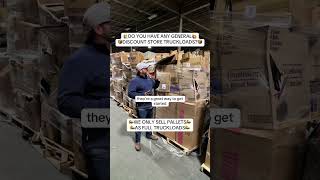
🛒 Dollar Store & General Merchandise Truckloads at BuyLow Warehouse!🔥 #deals #dollarstore #deals
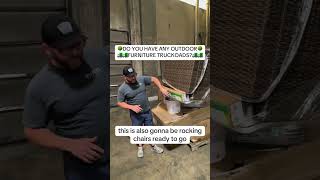
🏡 Patio Furniture Pallets at BuyLow Warehouse! 🌿🪑 #deals #patio #patiodesign #patioideas
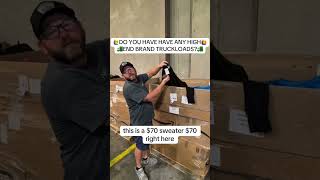
👔 High-End Nordstrom Truckloads at BuyLow Warehouse! 💰🔥 #deals #clothing #clothes
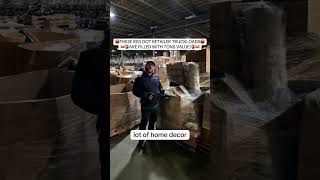
🎯 Score Big with Red Dot Retailer Pallets at BuyLow Warehouse! 🛒🔥#bullseye #deals