Matt Leavell's Journey with BuyLow Warehouse
In this interview, Jason Robinson, marketing coordinator at Bilo (Buy Low) Warehouse, talks with CEO and founder Matt Leavell about his entrepreneurial origins, the birth of the bin‑store model, and how he bootstrapped the business from his home to a 15,000 sq ft warehouse. Matt recounts early experiments buying small liquidation boxes, leveraging remote teams to list items on eBay, and scaling rapidly without sufficient capital or inventory expertise. He describes costly mistakes: over‑purchasing, under‑estimating overhead, and a catastrophic eBay service‑metrics change that suppressed listings and slashed revenue. The conversation moves through a near‑bankruptcy episode during COVID‑19, the role of a personal “piggy bank,” and the importance of taking responsibility for failures. Matt highlights key takeaways—diversify suppliers, channels, and customers; grow slowly; maintain cash reserves; and prioritize customer‑centric guarantees. He shares proud milestones such as making the Inc. 5000 top‑500 list and helping resellers succeed through education, the WHSL conference, and a “Make It Right” guarantee. Finally, he offers advice to new and scaling resellers: avoid overextension, keep a financial cushion, and focus on sustainable growth.
Chapters
Hey everyone, I'm Jason Robinson. I'm the marketing coordinator here at Bilo Warehouse, and today I'm sitting down with our CEO and founder, Matt Lavelle. Matt's been in this industry for years, and he has built Bilo Warehouse from the ground up, and he's been helping resellers succeed ever since. So before we dive in, Matt, how you doing today?
Man, doing good, doing good. Just staying busy. I had to get all ready for this, go shower and all that fun stuff for you. Um, but feeling great, man.
That's cool. I'm glad to hear that. You know, you've been in the industry for years. You know, what was the moment that made you say, I need to start Buy Low Warehouse?
So I've, I've always been entrepreneurial. Uh, You know, well, I say always. When I got out of college, I was introduced to entrepreneurism in college. It struck a chord with me. I really liked it. And I made some shifts. You know, I was planning on being an orthodontist and I just decided, man, I'm not into it. Like I had all the grades, wasn't a problem there. It just was, man, this business ownership thing sounds pretty good. At that point, I was doing a lot of traveling and fishing bass tournaments all over the country, and while I was in college, and, um, and that when I learned entrepreneurism, I was like, well, I can't be a dentist and be a bass fisherman, but I can be an entrepreneur and be a bass fisherman. And it's really funny going back, you think you're really mature when you're like 20 years old and stuff, and, and when you look back, it's like, man, I had no clue. Um, I was so naive. And so I remember having the conversation with one of my, my mentors at that point. I was like, man, I, I really want to start a business so that I can fish. And, um, and so I told him, I said, man, I'm gonna— I'm going to stop fishing for a year, go build my business, and then I'll come back once it's built in a year and continue fishing. And I haven't gone back fishing since. So, um, either I was that naive or it's just a lot harder to build a business than I initially gave it credit for, which that's obviously what I think it is. Um, so that, that was college, you know, but your question centered around when did I decide to get into this industry. So, uh, with a lot of entrepreneurs, um, you know, they don't just start the first business and are ultra successful and, you know, retire at age 23 or anything. Like, there's some people, and that's great, you know, more kudos to them. Um, that, that was not me, uh, nowhere close. So I had a series of a few businesses Looking back, there were some good ideas. They had a more skilled business person at that point had that idea. They probably could have made them successful, but, you know, they were just expensive education for me, which is great. I've put that education to use since then, but they definitely weren't successful to the point where there was a time where I was like, I went and I ended up working for my buddy's company in property management, real estate. And, man, you know, they've gone on, they've built a really big company in the property management space, and I'm super excited for them. But for me, that role, you know, I got to where I was kind of leading the team, and then we wanted to expand. And so we had acquired a company in Nashville, and I moved up here to integrate it into the portfolio. And that was our first acquisition, so it was kind of a big deal. We really had no clue what we were doing. Made some serious mistakes that I'm quite positive they've solved since then for all their, their after acquisitions. But when I moved up here, my role changed from being the team leader, which I was when I was in Birmingham, to being like in the middle of just tenants and property owners. And in that scenario, there's always someone mad at you, like either the tenant's upset or the property owner's upset. You know, you do your best, but it's a really trying position to be in, at least for my personality it was. And so we got to a point where we'd pretty successfully integrated that portfolio, and, uh, man, I was just burnt out. You know, the company wanted me to go to and do another acquisition, and I just said, guys, that I can't. You know, I just can't do that. And really, at that point, that was going to be my future with that company. And I just didn't want to, you know, pack up my family and keep them moving around everywhere. So I had a, uh, had a relationship with a guy in the industry that was in the, in the liquidation space before me, uh, and he actually had come up with the idea and started, you know, putting bin stores all over. And, you know, today you say the word bin store and people know exactly what you're talking about. Back then it was, it was just no one had heard of it. Nobody knew about it. And, you know, they were trying to do both the bin store model and also, you know, taking a lot of the higher-end items out of those trucks and selling them on eBay because it just didn't make sense to sell a $3,500 or $7,500 night vision scope for $5 in bins. It just— the numbers didn't work. And, you know, this person, as talented as he is and was, he just— details were not his strong suit. All right. And that's not a shot at him. I mean, actually, the opposite side of the equation, super talented. So it's like, you know, everybody has strengths and weaknesses, but details were not his strengths. And so I saw that and I was kind of looking for something. And so I was at his warehouse and I was— they said, yeah, we're going to start selling these small lots. I was like, small lots, what are you talking about? Well, it's like 15 to 20 items in a box, and we'll give you a manifest with the retail value and the UPC for every item. I was like, really? I said, yeah. I said, well, how much are you charging? And the percentage of retail is probably dumb high. I mean, it was probably like 28% or 25% or something, just more than what it should have been, at least from my perspective of the industry today. You know, I would probably not pay that for that merchandise today. But, you know, I didn't know and I had really no overhead. So, so I said, well, let me, let me buy a couple of these boxes. And, and what I was going through in my head is I was like, well, if I get this manifest, I can very easily take that manifest and and then turn around and put that on— like, I can send it to a remote team member in another country. They can do the research. I can take the pictures, upload those to a Google Drive, have that same remote team member that did the research create the draft listings on eBay. I go in, I upload the pictures, approve the listings, and then we'd have inventory on eBay. So I had this, this quick idea of how I could process this out. And so I bought a few boxes, came home, uh, all pumped up. At that point, I really wasn't even thinking about selling the stuff I bought. I was just pumped up I'd bought some of this stuff really cheap, as most people enter this industry, right? They're like, oh my gosh, I'm getting it for cheap. And, and yeah, you are, um, but there's a lot of overhead that, that it takes to sell this stuff a lot of times. So I was all enamored with the low cost and my wife wasn't quite as enamored. She kind of looked at the boxes and was like, that's great. What are you going to do with it all? Because, you know, you got a knockoff GoPro and this is, you know, when GoPro was brand new. So a knockoff GoPro was still valuable. It was still cool. She's like, you've never had a GoPro. What are you going to do with it now? Like, what are you even thinking that you're going to do? And I'm like, well, I have no clue, but it was cheap. And I thought that was justification. She didn't think so. So, so I immediately went ahead and just listed some stuff on eBay and, and it started selling. And so then I called my buddy back and I'm like, hey, you got more? Yeah. And it turned into something where, you know, I— it was just me and I still had a full-time job right now. I've always been someone who's been very loyal. I am not, you know, if my employer was paying me to perform a job, it doesn't matter that I had a company that I was trying to get going. When I was on the clock for that employer, I was on the clock for that employer. And so at that point, I had to figure out, okay, how am I going to really do this? So I turned to our babysitter I figured, well, I already trust you to be in the house when I'm not here with my kids anyway, so if I'm going to trust anyway, you're probably a decent person. And, uh, he had just graduated. He was trying to figure out if he was going to go to physical therapy school or not. So I mean, he was, he was capable, he was smart. And I said, hey man, look, I have an idea. I kind of want to start this. Here's the idea of how I see we can make it work. I just need somebody that's taking pictures and and uploading the information so that the remote team members can actually perform the tasks. And he said, okay, I'm, I'm into it. And so every day I'd leave and go to work, and as I was walking out the door and my buddy was walking in the door, we'd give each other a high five. He'd do the eBay thing, and, um, and while I was at work, and I'd come home and get an update. And we continued that for a while. And it was going really good. I mean, it, it, of course it went great. There was no overhead. I mean, he was the only cost. So that and cost of goods. But other than that, there were no costs. And, and so I started to grow the team. Now, again, we're in our house, so that, that was kind of a— if you ask me, it was a fun time. You ask my wife, she may have a different adjective, uh, to describe it with. Um, and but, you know, we were just, we were scrappy, man. We were making it happen. And so we got to where I'd, I'd drive out to that warehouse, to my buddy's warehouse, and I, I, we started like, I started fronting the money for him to buy the loads, but in return I'd get the manifest and I'd get to put my initials next to every single item I wanted. And yes, I was paying a premium, but I was hand-selecting what I wanted. And, um, and so I'd be driving out there loading up 2 pallets in the back of my truck, coming back of all high-value stuff. And, uh, and we got to a point where, um, I had 7 people showing up to work out of my house every day. Wow. Um, yeah, I, I, my wife hated it. Uh, I mean, she was bought in, but she was like, geez, you know, she, you know, our, our kitchen became the, the lunchroom. Refrigerator had someone's lunch in it every day. You know, I learned an interesting lesson. That's when I learned you can turn a bathroom into a phenomenal photo station. I hate— so follow me here. All you got to do is get a white cloth, tack it up on the wall, change the bulbs to the white daylight bulbs so it's the right color. And then I just got some— a little bit of lumber, very, very cheap. And basically built a little— came up, went across the faucet, and came back down. Had that white cloth that went over that, and it was a perfect photo station. So every day in our master bath— it was a Jack and Jill bath, you know, with two sides— I had two people taking pictures in there every day. Um, and we probably had another two or three photo stations in the house. I forget where all we had them. Um, finally my wife said, you got seven people showing up every day, you got to find something else. Uh, and so we found a 15,000 square foot warehouse and moved our eBay operation to there. So your question was, how did I get started? Yeah, that's how I got started. Obviously there's more to the story and plenty of parts I wish I could forget. But for answering your question, that probably gets us to that.
Yeah, no, that's awesome. You know, I love the bootstrapping story. Like, it's a real story of like burning the candles on both ends, you know, and And I love how, like, you know, you didn't find Liquidation, like, it kind of found you, you know. And you having, you know, a good experience and, you know, expertise in, like, project management and understanding processes, you saw that you could do this a little bit better than the person that kind of introduced you, you know. And it started seeing like you were thriving, and that's really awesome. And, you know, and reflecting on, you know, you not knowing about the industry and bootstrapping and, you know, finding ways to do things, you know, I wanted to reflect on, you know, some of the challenges that you faced, like those key takeaways that shaped the way that you're running Bylow today. So if you can maybe give us like one or two, like what are like maybe the biggest lesson you learned from building the company from the ground up?
So there's a few. I mean, some are good, some are bad. Um, but they're all educational, right? And so one of the first things I learned was, you know, my experience up to this before starting Bilo was in a lot of different industries. And I used to think, man, this experience that I got, I just wasted those years of my life because now I'm over here in this other industry. And what I found really, really crazy is that almost all of those experiences have come back in one way or another to help me be more successful in Bylow today. Um, I mean, everything from event management, uh, and event promotion, uh, to like understanding just the cash flow, which I mean, I guess that's a given. Like when I say it, people are, oh, of course. Well, yeah, of course, but when you're new at it, man, I drove my marketing company that I had into the ground. I'm talking nosedive done. Um, and but that experience, as, as painful as it was, uh, I took several lessons which I can directly turn around and say that one lesson saved Bilo from going bankrupt, uh, at least one time. At least one time. So the first lesson that I, I would say is that, man, your, your previous history, or I mean your prior history, definitely comes back. And can help you if you pay attention. If it's always someone else's fault that you failed along the way, you're not gonna learn and take anything from it. So be humble, understand that, hey, the buck stops with you. If you're the one doing it, you got, even if someone else made a mistake in your mind, you gotta turn it back on you. How could I have prevented that? How could I have had a conversation before they made that decision or whatever it is? But always take responsibility because those lessons will come back and help you. You said what's, you know, kind of some of the hard lessons. So I mean, right off the bat, I can tell you that I made the mistake of trying to grow too fast in this industry. You know, it is very exciting when you enter this industry and you're like, wait a minute, wait, whoa, whoa, you're telling me I can buy this stuff for 8%? On, on the dollar, or 6%, or 15%, or whatever it is. No matter what percentage I just named, all that sounds pretty daggum low. And so I think when people get into this, or at least when I got into it, I was so enamored by the low cost that I, I on one hand thought, man, I, I gotta jump on this deal, I've never seen a deal like this before. But on the other hand, I I just thought it was a given that I could be successful. I didn't really understand that, well, yeah, you might be getting it for cheap, but you're not going to get full retail out of it. I didn't understand that there's going to be overhead that I have to put into it, whether it be rent, payroll, insurance, shipping, whatever it is. There is overhead that goes into it in order to even sell the item. Marketplace fees, shipping supplies, all that fun stuff. Um, and, and so I designed this business model, and I was so focused on, on building this process to train the remote team member, and I was so focused on putting this stuff together that I, I thought I understood the model. I really did. But I had no retail experience. I had no inventory management experience. And so I ramped this up really quick. And when we hit that warehouse, I mean, we had 15,000 square foot and we had— I forget the number, but probably 12, somewhere around 12 people every day that all they were doing was processing product and posting it online. I mean, we were running about a $5 million trailing 12 months, uh, revenue on eBay, which for some people that's— that are bigger companies, you know, that, that's not a lot. But man, when you're in your, your house or when you're starting, you know, $5 million is a lot. And so I made quite a few mistakes in that, in that time. I thought, well, first of all, if, uh, if, if I, if, if I want to sell a lot on eBay, then I obviously need a lot posted on eBay. Well, that, that's a, that's a mistake. I mean Yes, if maybe I was trying to work and then say I'm gonna sell 1% of what's posted on eBay every day, and I thought, okay, so now my goal is what's the— make the number as big as I can so that 1% is as big as it is. And so I was trying to work math like that. What I failed to realize— well, I'll get what I failed to realize because that's really the whole key to this lesson. So that was one mistake, but that mistake then compounded because I said, okay, we now have this we have this staff, we have this, this process, it's working pretty seamlessly. Um, let's scale it up. And so we started increasing our speed of buying. Well, as we were increasing our speed of buying, we were getting more and more product, and we were getting more and more posted online, and our sales were going more and more because we were increasing our product online. And I thought, man, that, that's great. And so we kept repeating this pattern, and then I had an offer to buy People call them coffin box loads now, which back then they did too. But, you know, it's, it's a higher piece count type truck, but you're generally going to get some higher value items in it too. So it just kind of worked out for eBay, at least I thought it did. Um, and so I had an offer. Hey Matt, uh, we got an offer for 10 truckloads, uh, of these, of these loads. Now if anybody knows coffin boxes, they know 10 truckloads is not cheap. That's going to be somewhere around $400,000, let's call it. Uh, sometimes more, sometimes a little less, but let's just call it $400,000. So I went to my bank, I said, hey bank, things are looking good, uh, I got this opportunity, it's going to save me some money and secure the inventory, you willing to loan me the money? And they did. I bought it. Um, and then, you know, it, it came to where I'd for whatever reason, I needed some more money. You know, I didn't have money in the account. And so one day I was looking at it saying, we need more money. Where's my money? Like, is it hidden in the backyard? It sure isn't in my bank account. Like, where is my money? And it caused me to start going, like, really analyzing. I had a fractional CFO at that point that was watching my books. And so I'm asking him, Where's my money? I don't know, Matt. I mean, look at your financials. Does that pass the sniff test? Well, um, I guess, but where's my money? And so it caused me to start digging in. Now, this is after about 6 to 9 months, uh, that I'd say we were running at full speed. Um, and as I dug in, I realized what was happening. Because we were increasing our buying speed, we were posting more and more product faster. All the really in-demand product, the PlayStations, the laptops, the, you know, the stuff that you post on eBay, it can sell within 5 minutes if it's priced fairly. All that stuff was selling quick, which made our revenue shoot, shoot up and made me looking at it saying, oh man, we're making really good money because I was looking at what kind of profit I was making on each individual item. Not on a truckload as a whole. Well, I ended up figuring out where my money was. My money was tied up in all the slow-moving items that were still on the shelves in the warehouse that people just weren't really eager to buy. So the whole time leading up to this, I was thinking we were making really good money because I was assuming we might not make as high of a profit margin, but we'd still make a profit on all that stuff still sitting on the shelves. Well, in reality, what happened is I started having to discount prices, and as I discounted those prices, they still weren't moving. At the same time, uh, all of a sudden, my, my weekly sales on eBay— and my numbers may be slightly off, but I was doing about $70,000 a week in revenue on eBay, um, or maybe more, whatever it was— but it, it And basically, if I was at 70, the very next week I did 25. And I'm like, wait a minute, what just— how did that work? What ended up happening is, along the whole time with eBay, every time I had a good relationship with their customer support, every time I'd call them, that I'd say, my account looks good, right? Because keeping your account in good standing is important. Yeah, yeah, yeah. Well, there is this one thing 'Uh, but it looks like your account's not affected by that, so don't, don't worry about that. It— your account's not affected.' 'Oh, is it gonna be?' 'No, it looks like it's nothing to worry about.' All right, well, that thing that I wasn't supposed to worry about all of a sudden did affect my account. It was called their service metrics. And when they flip the switch on their service metrics, no one will ever convince me— I actually had one of their customer service guys tell me I was right that they launched that, that feature into live usage before they had it figured out. Wow. And I'm not blaming that part. I'm not blaming them. Like, I think they should have done more due diligence. It really frustrates me that they did that. That's— it's not all their fault that I ran into my hard spot. I'm not trying to find them as a scapegoat. But what that did do is essentially they were measuring our return rate in different categories against our peers. Well, who were my peers? Well, people who sell stuff that's the same as you. Well, I sell new stuff, used stuff. I sell in every category. So who are you comparing me to? I could never get an answer. And finally, I had their service rep say, yeah, Matt, like, I've asked those questions in internal meetings and nobody can answer them. Oh, um, so basically what happened is when our return percentage. Now, never mind that our customers gave us glowing reviews. We were top-rated sellers the entire time. That never changed. If someone wanted to return, we paid for the shipping, we refunded them, we made it right with our customer. But this service metric thing was not tied into the top-rated seller status. And so when the first category came back and they showed our return percent was so high compared to our peers, they started suppressing our listings in that category in the search results when people would Google or search on eBay. And so our listings weren't showing up as top, as high up in the rankings, which suppressed our sales. Well, when our— when the second category rolled over into that, same thing started happening, but we didn't notice it when it was one or two categories and no one called us, no one told us, no one. I mean, we were just doing business as normal. When the third category did it, it affected our entire account, every listing we had. So all of a sudden we saw our sales drop by more than half. And then the next week they popped back up to what they were. And then the following week they dropped again and they never went back up. And so I'm calling this eBay support and I'm like, what is going on? Well, I don't know. I mean, the developers change the algorithm every now and then. I'm like, an algorithm change didn't drive this. Like you would have people— I said, does anybody else calling you and freaking out? Well, no. Well, that's not an algorithm change. And so at that point, my sales were being hammered. I didn't know why. Uh, we had just committed to that $400,000 purchase, or whatever it was. It was a lot of money. Um, and the first load had been delivered from that 10-load block. And I'm looking at my business model evaporate in thin air. Um, I had two underperformers in the warehouse, and right at that point— I talk about lessons coming back, uh, to help— um, right at that point, I called both of them into the office and I terminated their employment. They, they were already on the hot seat. I'm not saying I terminated my top performers, like, let's be really clear, they, they were on the way out anyway. But I didn't hesitate. They were gone because I remembered the pain and the mistake I made in that marketing company. And I said, well, I learned that if I need to do that, I need to do it immediately. I can't sit on it. I can't wait. And so I did that. And to this day, I'm going to tell you, that move saved me from having to go into bankruptcy. But anyway, we We eventually figured out why this was— why what was going on was going on. We started dropping the prices to try to counteract that, which means all that product that I thought I'd make profit on, we started showing losses on. When you compare— when you combine those losses with the profit that we thought we were making up to that point, now it took the profit percentage of, you know, 20% or whatever it was that I thought we were making and what I was basing all my decisions off of, and it dropped it way lower. And so I'd been making decisions for 6 months on all this. At this point, I didn't know the first thing about selling a truckload or anything. All I knew was eBay. I didn't— I didn't know a thing. And I just committed to 9 trucks. So we just did what we knew and we kept bringing the trucks in. We kept processing them. I knew I was losing money the whole way, but I didn't know what else to do. And eventually we moved out of that warehouse and moved into 4 different storage bays. And, you know, I was either going to declare bankruptcy, or, or, um, which I didn't want to do, uh, or I was going to find a job that paid me at least $120,000 a year. That was the magic number. If I didn't get that then I couldn't cover my debt service and I'd have gone bankrupt anyway. So I finally found one, man, and it was back in the property management world. And I was like, man, this is not where I want to go back to, but I really have no choice. Had the interview scheduled, got a phone call that morning. I came back. Yeah, we got our interview in a couple hours. Yeah, I'm ready. This— you want to do it now? Like, What do we need to do? No, actually, we just heard word from corporate. We're putting all hiring on, on pause. Oh man, there's this random like thing called COVID and we don't really know what's going to happen. So we're putting everything on pause until then. That was it, man. I had no other options. And at that point, everybody started putting hiring on pause because we all know what COVID turned into, but no one knew then. And so, I mean, I look at that and I say, man, I made the mistake— a long-winded answer to your question again— but I made the mistake of coming into this industry trying to grow way too fast before I understood it, trying to grow way too fast before I respected it and respected how fast it could go the other direction. Grew way too fast before I had the assets I needed, whether that be square footage, uh, the size of our team, the customer base, uh, the financial backing. You know, there were a lot of things that I outpaced that put us at a major risk of going out of business, and I just didn't realize it at that time. Um, thank God my, my landlord was cool. He, uh, he He'd let me stay on a month-to-month lease, and when things got bad, I paid him and I made sure I left everything in good order and we got out and he found he had another renter that could move in. And so he helped us there. But if it weren't for that, we would have— we would have gone bankrupt or at least been out of the industry, one or the other. If I didn't go bankrupt, I wouldn't have had any assets left. I can tell you that.
No, I love that story because, I mean, just like you said in the first part of the question, like, it really takes an entrepreneurial mindset and spirit to like like, you know, be able to deal with the challenges in this industry? Because you're hitting problems at every stage, you know, even when you thought things were good, you didn't anticipate those uncertainties from the eBay platform and the trends and things of that nature, right?
Well, I learned from that diversification. I need diversification from the supplier base, the type of product, the sales channels, the, the type of customer. And I, I really learned diversification I, you know, look, I went to a dark place. I mean, I, as an entrepreneur, you know, you got to believe in yourself. You got to believe what you can accomplish because you're hanging it all out there, man. Like, you're not going to do that if you don't believe in yourself, whether that belief is fair or misplaced. You're not going to do it unless you do. And, and so when all this started happening, I mean, dude, look, I, I, and this kind of gets into why I even started Buy Low, which we can get to in a little bit, but man, I, I still remember, I, I'd be lying, I was, this was Christmas time when all this was going on. We couldn't afford a freaking Christmas tree for my family. Um, you know, that's a $100, man, or $80. We couldn't do it. Uh, my mother and father-in-law were giving us money to pay for the kids' schooling. Um, they helped us buy a car because we needed another car, and they had to help us there. Um, the whole thing going on with COVID uh, you know, there were— there was financial help from the government. I needed every bit of it. To help me get through it. I, I never, I never did the food stamp route, but I was really, really close to it. And, you know, we, we still have a frickin little tree that we used as our Christmas tree that year that my wife just loves to decorate every year. I want to burn it. I just want to run it over with the car. Every time she brings that thing out, I'm like, just I love it.
It's that little marker that—
oh my gosh, you know, yeah, it brings it back. But I mean, look, I say all that to say, I mean, look, when I first figured it out, I was curled up in a ball crying in the living room because all I could do is look at my kids and look at my wife and think that my decisions had just led to us either going bankrupt or very close to it. I had just screwed their financial future. And it was no part of their doing. It was all on me.
Yeah.
And that feeling was so sickening. It caused self-doubt. I mean, I swear, I legitimately, um, my body treated it as trauma. I do fully believe that because I mean, I get like nervous and anxiety when I, when cash is tight now. But, um, I mean, the self-doubt, the questioning myself, the am I really capable? You know, I never, as I said, I didn't blame other people. I took the responsibility for it, but just all the question marks. You know, I just had a friend of mine that just shut down his company And I reached out to him and I said, look, man, you might not be anything like me, uh, but— and I don't know what you know about me, but let me tell you, if you are experiencing any of these feelings, I promise you they're not true. Like, you're the same person you were 5 years ago, you're the same person you'll be 5 years from now. Do your best to get education out of this. I walked him through my journey. I said, I started a marketing company, stayed with it 9 years, ran it into the ground, started an MMA company, sold it for peanuts, started this. And, you know, and I took him through just a laundry list of failures that I've accomplished in my life. And, um, and I said, look, man, I just want you to know, if you're choosing the entrepreneurial journey, it's not a smooth— it's not a smooth journey. The best, uh, the best saying I ever heard somebody— actually, it's the owner of the, of the real estate company I worked for. I saw him post this on LinkedIn. And I can only imagine what was going on in his life when he posted it, because I'm like, yeah, I can relate. He said, being the spouse of an entrepreneur is like riding the biggest roller coaster at Six Flags blindfolded. I was like, oh my God, that might be the absolute best description I've ever heard in my life. Yeah, everything's going great. Now all of a sudden you get a phone call. It's like, I think we're going out of business. I mean, it's just like, it is a whipsaw. And so, I mean, when, with that, when that happened to me, it had a very, very profound effect. Um, you know, I realized that you can go bankrupt and you can be really smart. You can, you can think you have all your ducks in a row. You can, you're not immune, man. And if you don't plan for that and make sure that you have proper resources in place when the rainy day comes, 'cause it will come, you're putting yourself at significant risk, which is a lesson I learned which helped us avoid bankruptcy or going out of business the second time that we went through a really rough time in Filo's history.
Man, that's awesome. I love that real story and, you know, That genuine story, I appreciate that. Sure. With us, and you know, just change gears for a moment. Like, you know, I'd love to hear, um, or for you to share a milestone, a success story, or a moment that made you step back and say like, this is why we do it. Like, what's one of your proudest moments since launching Bilo Warehouse that could, you know, validate who you guys are?
First thing that comes to mind is the first time we landed in the Inc. 5000. We landed in the top 500, which was pretty impressive for me. I could care less what anybody else thinks, but we— it really meant a lot to me. It was kind of validation that we'd done something. So that was probably the first time that I felt that. But I also, you know, I think I have that same almost dopamine hit every time, you know, I have a customer reach out and say, man, if it weren't for Bilo or how you treat your customers or how you treated me or whatever the phrasing is, you know, we wouldn't still be in this industry. We wouldn't, we, we wouldn't have been successful. I mean, I had somebody tell me that the conference that we promote, um, he, he was like, man, if it weren't for that conference, you know, it would have been like 7 months and he'd quadrupled his business in the 7 months because he got— he gained belief in that conference. And, you know, that's kind of a side story, but it's those stories like that that I hear and I'm like, thank you, thank you, because I've been there, man, and it sucked, and I don't want to send anybody else there I want to try to describe the lodge properly so they know what they're getting. I want to try to, you know, if things aren't right, even if it's out of my pocket, I try to make it right. And that's just how we've approached the business. And so I would say every time that I get one of those stories, it takes me kind of back to when I was curled up in a ball in the living room crying. It takes me back to, to some, just some stories that I've heard along the way of somebody getting majorly screwed, not by Bilo, but just the stories out there. And I'm like, man, how in the world does the industry, does our industry allow that to even happen? Like, it's always bothered me that the big players in the industry didn't step up and solve it. Like, How are you guys even allowing this, this, this scammer to have a platform to even scam people? And I'm not saying that any specific company can solve it, but they sure can try harder than they were. Yeah. And so that's one of the reasons, one of the main reasons that, you know, Bilo evolved how it evolved and into what we do today. That's one of the major reasons that I decided to take on this conference that we promote. The WHSL is the one I'm talking about. And I'd say that those types of stories are what drives me quite a bit these days.
And that's awesome right there. And I can definitely attest to that being the marketing coordinator and speaking to so many of our customers. And, you know, I want to take this opportunity to, you know, like really, you know, set the record straight. You know, there's a lot of competitors out there in buy low position stuff. Like, you know, what can you share with, you know, every reseller, new and experienced? You know, what can we tell them about Buy Low? Like, what makes us different? Like, what should every reseller expect when they're working with us?
Yeah, so I would tell you, first of all, go to our website and read our education, man. I'm not going to say that it is the absolute top of the top education. But I'll tell you, we put a lot of time into trying to help people avoid getting themselves into bad spots. I mean, the whole lesson I talked about overextending myself, we got an entire blog on that. And I mean, it's not a 2-paragraph blog. I mean, it is— it probably— I probably should call it a, you know, a short story. I mean, a lot of the lessons we've learned along the way we've written about, we've put in there. And, and so I'd really tell people, dude, check out the education. Now, is that what makes us who Bilo is? No. But if you're like, if you're really feeling it and you're jiving with me as I'm talking, then you need to go do that. All right. So let's say that. So what, what separates us from our customers? So there's a few things. You know, there's always I say always, there's people in our industry that want to talk bad about brokers. Now what I didn't say is when we got out of the eBay deal and then COVID hit, we didn't have a warehouse, we didn't really have much, so we actually turned to brokering and started brokering truckloads. Um, when we did that, I approached it with an attitude of delivering on what I said I would. I wasn't going to buy from somebody that I didn't have faith that they— my customer— was going to get what I said. If they didn't get what I said, I made it right. And man, word got around and we exploded. Um, and, and so, you know, that's kind of the cornerstone of what we are. People want to sometimes talk bad about brokers. I always make a distinction, man. There's two types of brokers. There's a broker that is super small, just trying to sell a few loads every, every week or every month so that they can make some money. And then there's brokers I would consider a professional broker. They're looking to grow a business. And I want to be really clear because I don't want to say just because someone's a small broker, they're trying to screw people. That's, that's in no way, shape, or form what I'm saying. But what I am going to say is that working with a larger, more professional broker has a lot more advantages. And today we're not just a broker anymore. We do broker loads still, just like a lot of people in this industry. But that's not all we are, what we are. And so, you know, what separates us, first of all, is, is size. You know, what kind of volume are we moving versus the competitor? And a lot of people say, well, that doesn't matter to me. I just need the one load. Well, it does matter to you when that one load shows up with only 18 pallets when it should have been 26, or when it shows up with a bunch of seasonal chocolate that's melted in the truck when it should have been a bunch of GM. When those things happen, you need to be working with a company that, number one, has the scale that they can go back to the supplier and demand that the supplier help them. Man, if it's somebody only moving 1 or 2 trucks a month, I mean, if they're working with a good supplier, yes, they might take care of them, but they also might be, hey man, is what it is. And unfortunately, when you're working with someone smaller, they're not always vetting their suppliers the best. Let's just be honest. The other thing is with scale is if their supplier won't take care of you, then they might. And that's what Bylow has done with our Make It Right Guarantee. I mean, now, just because someone doesn't like their load, I say I'm not an insurance company. Like, let's be really clear. If you got something as described, sometimes bad loads happen in this industry. Welcome to liquidation. You made the decision to be in the industry, not me. So sometimes bad loads do happen. But if it's not as described in some way, our Make It Right Guarantee stands behind it. And we will— if our supplier won't take care of the customer, we will take care of the customer. So that's one of the main— one of the first things. The other thing is we're always trying to deliver value. We don't look at our customers as if they have a target on their back. A lot of people in this industry do. They want to see how much— what's the absolute most amount of money they can get out of this customer on this deal. I could care less about that. I have no interest in that. What I want to do is figure out how do I sell a load to this customer at a fair price where they can make money so that they can come back and buy the next one and buy the next one and buy the next one. And we can have a long-term relationship of trust. Where we can both win along the way. Now, with saying that, that means there's a few things that are assumed. Number one, that we are going to turn around and provide what we're saying we're going to provide. Number two, that we have fair pricing to where someone can make money and they're not getting screwed, um, on, on the cost, and they're not being set up to lose. Number three, kind of vetting the buyer on, well, how are you going to sell it, and trying to pair them with a good good load and being willing to kill a deal if we see that it's gonna be setting our customer up for failure. So I mean, we've killed a lot of deals, uh, in that regard. There's been some we followed through with if a customer said, no, I really want to, because at the end of the day, it's not my job to manage their business, it's theirs. And I'm not going to not sell if they— if I've, if I've spoken my piece, then we'll do it. But You know, there's been a lot of times those customers have come back and said, I should have listened. Yeah, that's okay. You know, now let's, let's collaborate and brainstorm on how can we get you out of this position, right? I'm not taking responsibility for it, but how do we get you out? And so we're always trying to offer value and education. I mean, we, we are the only active reseller in the liquidation space that I am aware of. Now, if somebody else is out there, okay, but that I'm aware of who has really put their money where their mouth is on trying to improve the industry through a conference. You know, we, we are basically the, we are the WHSL Market Conference. It's an annual conference and man, we foot the bill for that. Now hopefully we can sell enough sponsorship or enough exhibitor booths that at the end of the day we aren't coming out of pocket for it. But we're the ones taking the risk. Now if we make money, that's great. But I can tell you that hasn't necessarily been the case because it's been a newer thing up to this point. So, you know, we are actively trying to improve this industry. Whereas a lot of other people, a lot of times, are just trying to see what they can take from it.
Man, I love that.
I just don't want to be part of an industry— like when I was talking earlier about some of the bigger players should stand up and do something to help suppress the scammers. Well, this is my attempt to help suppress the scammers, at least my starting attempt. We're educating people on how to avoid them, on how to— what to look out for. We're trying to introduce them to legitimate suppliers, which, oh, by the way, every one of those legitimate suppliers are legitimately a competitor of mine. But I feel like for the greater good of the industry, it's better to try to promote quality people than to leave people to, to be crying in a ball in their living room. So, you know, it— I'd say that, that we're really putting our foot out there. We're standing behind the product we do. And, and we're also, you know, we don't just sell anything someone calls us with. Now, there's times people call us and Yes, we might have a relationship. And so, yeah, we do sell it. But there's been plenty of times people have called us and said, hey, can you sell this? And we look at it and we just say, hey, man, price is just too high. We don't feel like we're setting our customers up for success. So we're vetting. I mean, we spend a lot of money every year vetting plenty of suppliers to make sure that we feel comfortable that when we sell the load to our customer, they're going to get what they described because If they don't and our supplier doesn't stand behind it, guess who does? Me or us. And I don't want to— if I'm holding my feet to the fire, I don't want to come out of pocket that strong, like, or that with that much money. So I want to make sure I'm working with quality suppliers. And, um, I'd say those are some of the initial things that I just wanted to rattle off. Now, obviously you're the marketing coordinator. I know you're interviewing me, But is there something that you think I have missed that we have talked about before?
No, I think that's, you know, really good. You know, like Bylo being built, you know, you know, not from, you know, a liquidation standpoint and, you know, just selling truckloads. You know, it was introduced to you, you saw an insufficiency with the processes, and, you know, and all the lessons you've learned, the challenges, has really built Bilo into being more of a partner, you know, and helping resellers succeed, whether that's through education or making sure that they have verified loads and consistent and diverse loads that can help them actually grow their business. And, you know, it's— you shared a lot of really good insights on what it takes to build a business, honestly, in this, in this industry, and the challenges resellers face, and even kind of like where the market is heading and what it should be like. You know, you have a vision for that, you know.
Unfortunately, my, um, talking about the market and where it's heading. It was so unfortunate that my crystal ball broke right before I started Buy Low and I forgot to ask it the question, you know. So unfortunately, I don't know where it's going, but I do have a lot of assumptions, you know, and, you know, in the, in the most recent years, we've seen the cost of merchandise increasing. We've seen the retailers trying to extract more value out on their level and not letting as high a value get, get to the resellers or to the liquidators. We've had some resellers, I mean, completely revamp their, their liquidation process, and the companies that didn't respect those changes, you've had a couple go out of business. I mean, one of them being Target. I mean, they have completely changed their liquidation program, and they had some pretty big consumers of their liquidation loads and that didn't pivot or didn't change, and they've gone bankrupt. Um, and so, I mean, I think the, the prices have increased. I think there's been more competition because technology, uh, this industry has been underserved with technology for quite some time, but now technology is just getting to a point where it's so readily available that there's a lot of changes going on, whether it be social media that, that lowers the barriers for new participants to enter the industry and start competing, to the retailers having better technology to extract that value out that I was talking about. So we're seeing an increase in price and loads, a decrease in quality of loads, and then you're starting to, to get— and I'm not saying this is new, I mean, it's always happened. For me, it's new because I haven't been in the industry for 3 decades, but we're starting to see some of these, some of these companies that are end users of the product that have grown their, their, their business so large that they're just now going out and getting these contracts that are coming up for bid. And those— now that product is being removed from the liquidation space for the rest of the people. Yeah, that company might have it, but the rest of the people no longer have access to that. Or if they have access, then those loads are now being picked through before someone gets access. So you're seeing some major challenges, and there's been some legacy businesses that haven't adjusted, and you've seen their market share erode. You've seen their business models really start to take a turn in the wrong direction, and You know, if, if it's not the person who grew it there, you know, if they sold to private equity or whatever, they're going to have a hard time adapting. And so we're seeing that in some— there's some major gaps being presented in our industry these days. And so it's really interesting to see how are those gaps going to be filled by some of these big players leaving and even some of the small players having to go out of business. You know, some people think there's going to be a reset where, man, there's not going to be enough buyers to buy the loads. And so we're going to see the price of the loads drop. Maybe that's certainly possible. The other possibility in my mind is that the load prices don't drop and the merchandise continues to consolidate with some of the, some of the larger players that are more end users of it. That, and they continue to take more and more volume because they can afford to pay more for it, and they just continue to suck it up. Um, that, that would continue to probably drive prices higher. So, you know, I'm not really sure which direction it's going to go. I'm, I'm pretty interested to see. We're, we're working to try to position Bylow for both outcomes. Uh, and then, you know, of course there's going to be a third outcome that I haven't seen that screws it all up, but You know, but we're trying to position our— for those two outcomes, we're trying to position Byload to at least be stable through that. But it's a challenge, man. I mean, every day brings decisions that have to be made. You know, do we want to grow? Do we want to stay status quo? Do we want to shrink a little? Like, what do we want to do? How do we best prepare for this?
And I don't know.
I got some theories, and I mean, I've shared a few. There's a few I'm going to hold close to the vest because I think they get advantage if they do come to free.
Well, Matt, this has been a really good conversation. You know, like I was saying earlier, like, you know, you've shared a lot of good insight, you know, into what it takes to run a business and, you know, how to, uh, achieve sustainability in this industry and the challenges resellers are going to face. And even now, to where the market's where it's going to be headed. Um, before we sign off, is there one last piece of advice, what, you know, you'd like to give to retailers, whether they're just starting out or looking to scale?
Yeah, if you're just getting started, go ahead and start Rogaine. Yeah, I wish I would have, boy.
That's solid advice, man. Oh, that's solid advice.
No, I think if I were to put in an exclamation point on anything It's, man, don't overextend yourself. Grow slow. I mean, it's so— it, that sounds so boring, but man, that's, that's what's gonna save you. Um, I promise you, in this business, it, it goes so fast. Like, yeah, you're either gonna— you could make a lot of money really fast but it also can turn around and go the other direction really fast. And that's probably what keeps me up the most at night, even today. I've tried to diversify, I've tried to have different revenue streams coming into Buy Low. Um, we're still doing that to today. We're, you know, we're trying to cut the revenue streams that aren't really making good money. But man, it can flip so fast that if you're not prepared And the best way to be prepared is to have a fat little piggy bank sitting there that you're not using in your daily business. It's there for emergencies and you know why it's there. It's going to keep you in business when things go bad. That's— I didn't talk about it, but that's the second hard time in, in Bylow's history. And if we, we went through a major expansion and then the entire industry just collapsed for about 9 months, if I wouldn't have had that piggy bank, we, we would not be sitting here today again. So Um, yeah, if I just don't overextend— that can take so many different forms. Signing a lease on way too big of a warehouse or way too long of a lease on a warehouse when you're not ready for it. Hiring people and paying them ungodly amounts of money when you really don't have a solid business model that you've really vetted. You haven't gone through any business cycles or the seasons. I mean, it can take so many different so many different, I guess, forms that just, man, be really careful. Grow slow.
That's some solid advice out there. Thanks for that, Matt. And for anyone out there that's serious about growing their resale business, Buy Low Warehouse is here to help. Whether you're looking for consistent inventory, expert support, or industry insights, we literally have all the resources that you need to set you up for Success.
More from Matt
🚛 Walmart Truckloads – Huge Inventory for Under $10K! 💰🔥 #deals #walmart #truckload
🚛 LPN HPC Truckloads – Consistent, High-Profit Inventory! 💰🔥 #deals #truckload
🚛 Walmart Truckloads – High-Quality Liquidation Inventory! 💰🔥#walmart #deals #truckload
🚛 Manifested vs. Unmanifested Truckloads – Which Fits Your Business? 💰 #deals #truckload #dealguy
🚛 Manifested vs. Unmanifested Truckloads – Which is Right for You? 💰#ecommerce #pallets #business
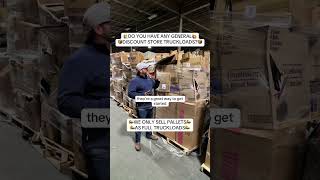
🛒 Dollar Store & General Merchandise Truckloads at BuyLow Warehouse!🔥 #deals #dollarstore #deals
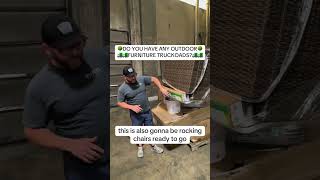
🏡 Patio Furniture Pallets at BuyLow Warehouse! 🌿🪑 #deals #patio #patiodesign #patioideas
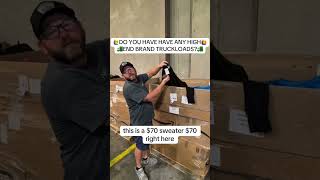
👔 High-End Nordstrom Truckloads at BuyLow Warehouse! 💰🔥 #deals #clothing #clothes
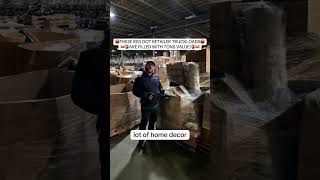
🎯 Score Big with Red Dot Retailer Pallets at BuyLow Warehouse! 🛒🔥#bullseye #deals