Dealing with your Diagnosis and not Despairing! Part-2
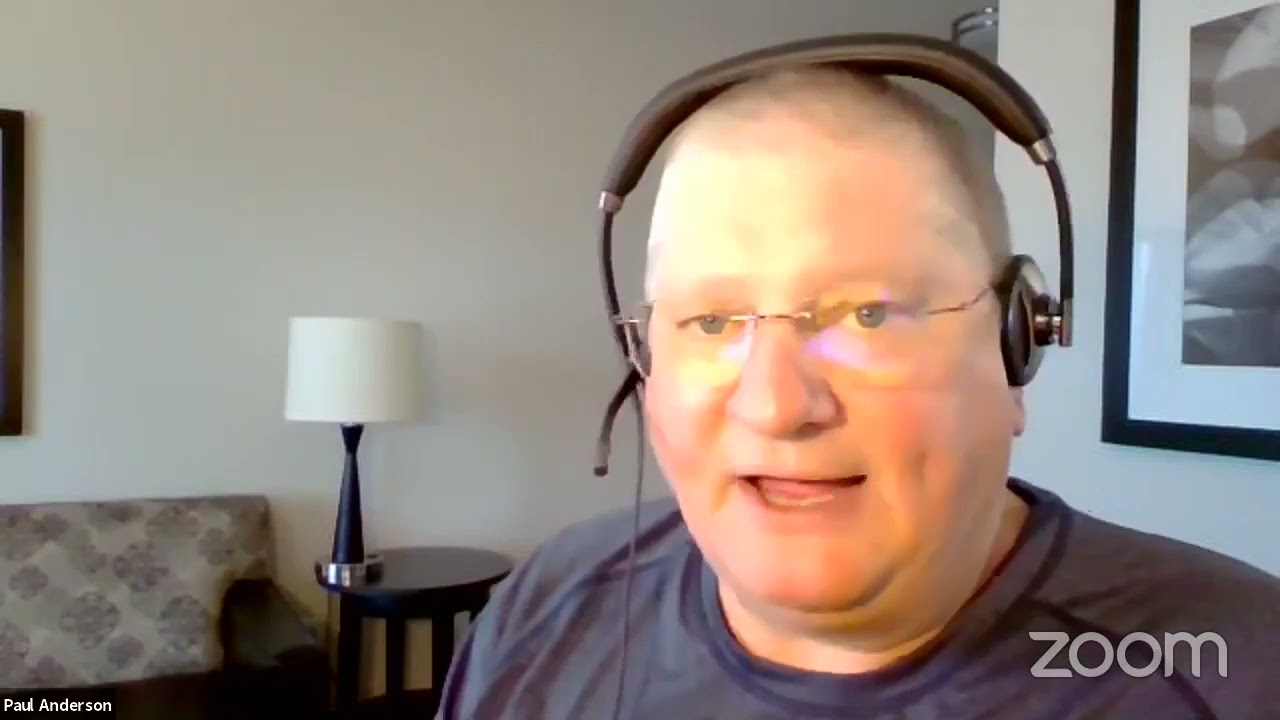
In this solo episode of the Medicine & Health series, Dr. Paul Anderson expands on his book Cancer: The Journey from Diagnosis to Empowerment by walking listeners through Chapters 3 and 4, which focus on the emotional landscape after a serious or chronic diagnosis and practical steps toward patient empowerment. He explains that shock, grief, and the classic stages of denial, anger, bargaining, depression, and acceptance are normal reactions for both patients and their caregivers. Using two composite patient stories—one moving toward empowerment and one remaining stuck in anger and denial—he illustrates how attitudes shape outcomes, including pain management and overall quality of life. Dr. Anderson introduces the “6 OKs” framework (process is okay, pace is okay, revisiting stages is okay, bad days are okay, brain’s urge to give up is okay, and it’s okay to feel whatever emotion you’re experiencing) to normalize the emotional journey. He then outlines a self‑assessment method to identify which grief stage a person is in, highlights the dangers of “tacit denial,” and stresses the importance of focusing on what can be controlled (thoughts, attitudes, lifestyle choices) while delegating medical decisions to professionals. Practical resources such as Dr. Samantha Brody’s Overcoming Overwhelm and the D‑R‑A‑N‑O‑W online hub are offered for further guidance. The episode ends with a reminder that empowerment is challenging but achievable for anyone, and a teaser for Part 3.
Chapters
The goal, to empower the listener to gain access to the best healthcare possible. Good day and welcome to Medicine Health with Dr. Paul Anderson. That's me. I'm Dr. Paul. And today we're doing part 2 in the series about how to deal with your diagnosis without despairing. And a lot of, a lot of diagnoses that are chronic and dangerous and potentially, you know, fatal or life-shortening obviously are some of the toughest types of diagnoses for the patient, but also the loved ones to deal with. And in doing work with people in that category for a long, long time, there's a number of things that I started to see that were very, very common in the way that people were able to deal with things or not able to deal with things. And also that there was a common pathway people often went through. While it's individual to everybody, it had common characteristics as far as what they could do to grow go from feeling completely depressed and victimized by their illness to being an actual empowered patient, regardless of what's going on with your health or medically speaking. Now, last week, and if you're watching this in the future, there's a part 1, you can just, it's the one right before this, it just says part 1. We started into some of the material that I put into the book. And that's this one, Cancer, the Diet, The Journey from Diagnosis to Empowerment. If you didn't see, if you're not seeing this on video podcast, it's available anywhere where you can get books in any, just about any format I can think of. It's audiobook, paper, Kindle, and all the other eBooks, et cetera. But the reason the title is Cancer: The Journey from Diagnosis to Empowerment Is that that is the goal of the book. The book has 2 things going on through it at the same time. One is 2 stories of patients that do different or take different tacks towards their diagnosis and their healing. And then the other part are really just very straightforward, easy-to-read steps that you can take now. It's a book about patients and families dealing with cancer, but in this particular series, I really want to extend that also to people who have chronic illnesses because there's a lot of similarity. A lot of people develop chronic illnesses that they don't have the opportunity to, you know, ever have leave their system. They may get better to a degree, or they may not. And so a lot of the same mental-emotional things that can trip you up with a cancer diagnosis can also do that with a chronic illness diagnosis as well. Now, in the last show, just to kind of sum up what we talked about so we know where we're jumping off today, we talked about how things like shock and grief are normal. You don't get a diagnosis that's unpleasant and, you know, enjoy it. There's the rare person I've ever met who ever wanted you know, a bad diagnosis. It's just, you know, and that's really practically speaking unheard of. So it's very normal as a human to go into a bit of shock and process it as a grieving process, because prior to you knowing that you were sick and getting this diagnosis, you thought your life was probably going to proceed in a certain direction and have certain characteristics to it and all that. Now, all of a sudden you have this very life-changing, you know, word in your life. And whether it's cancer or a significant, you know, autoimmune disease progression or any other chronic type of illness, it can be very, very shocking. And you literally do grieve that. And that's part of the structure that, that I like to talk about with respect to, you know, being kind to yourself and moving through it and honoring your diagnosis and your illness, but also moving to being in charge of your illness, as opposed to a victim of it. The other thing that we talked about last week was that the stages of grief are normal. And that the point of all of this is not to ignore the stages that you go through in sort of grieving your diagnosis, but to find a way to process all of those stages and pass through them. And I think that that's critically important also to know that it's, um, It's okay to start out feeling like you've been hit by a truck. It's okay to process through different feelings, thoughts, and emotions. But your goal is that, that, that's not the end point. I'm not just going to sit and stew, you know, in this sea of emotions that are, you know, initially normal and helpful to process, but long-term not helpful for you. So that there is a way to get through it. The other thing that we talked about last time was that chronic and potentially deadly diagnoses tend to force us to face our mortality much more likely than if we're feeling good and, and we don't believe we have any disease, etc. And so, facing your mortality, facing your disability, those are added to the difficulties that you go through mentally and emotionally. And so we're going through, and, you know, most of us have heard of the stages of grieving, which are really the stages that you go through to try and process this new information that you got. And so you might be feeling, you know, denial or anger or You may be participating in bargaining, you may be depressed, and you may get all the way to the other end and feel acceptance and empowerment. What is critical is that for most of us humans— now everybody, you know, there's always people who don't do things the way everyone else does, but pretty much everybody in their own way goes through all those things, and sometimes they go through them 2 or 3 times. So it's okay that you go through them. The point is, though, that we want to get to the other side. And why? Because if you become not just accepting of your disease but empowered, you now are in charge of whatever you have within your control. And people who are in charge of whatever is within their control when they have a disease of any kind, but especially a chronic or life-threatening illness, actually do better in a number of ways. We're going to talk about some of the more specifics around that today. The other thing that's critical, and when I was writing that book, Cancer: The Journey from Diagnosis to Empowerment, I wrote the book specifically so that either a patient or a loved one caregiver could use it. The reason is that when you are diagnosed, you go through all these things. Well, when you're diagnosed with cancer or a long-term chronic illness, your spouse, your loved ones, your partner, your family, your friends, whoever's close to you, they go through the same shock. Now, they don't maybe have the same disease you do, but they care about you, and so they go through that same shock. And so as a caregiver and a loved one and a support person, It's also important to deal with these things that come up. It's very important to deal with things as they go along. And the reason for that is if you, as the caregiver, loved one, whatever your role is, can move through your grief process and become empowered, you are a better caregiver, loved one, support person, same way it is for the patient. So this week what I want to do, and I think we'll probably wind up with 3 or 4 portions of this, 3 or 4 podcasts that are related to this depending on how our time goes, but we're moving into— we did the first couple of chapters last time. The next chapters 3 and 4 get into some You know, existential sorts of things that we can turn into some, you know, very ground floor realistic things. Chapter 3 is simply titled, How Am I Supposed to Feel and Think? Okay. And part of that is a bit of a play on words because you might have just been told you have a disease that may shorten your life or change your quality of life or all of the above. And so, of course, you're going to feel and think all sorts of things that go on. But the other side of the coin there, when you look at, okay, we, we understand we're going to be washed over by a lot of emotions and grief and things like that. The real underlying question that many patients pose, and it's, it's, it's really the question, is, you know, what is the point? And does it matter what I feel and think? You know, what's the point of all this? Why don't I just sort of float? You know, with the tide of whatever my illness is doing and, you know, see where it takes me. And I don't, you know, maybe believe that feeling or thinking one way or the other is going to make any difference. Now, in the book, I use 2 different patient stories to illustrate 2 different ways of dealing with this. One of the patient stories is on a path to becoming empowered, and they go through a lot of things, but their ultimate goal is that it does matter what I feel or think. And the other person— is not on a path for anything. They're just stuck and they're angry, and, and which of course is your choice if you want to do that, but they become very disempowered and it winds up also not helping their physical progress either. Now, when we get to this real deep question of what's the point and does it matter to go through all of this, that ultimately is in your wheelhouse. That is your decision. And it's true, it's your decision whether you're the patient or the caregiver or loved one. But what's important is if you care about somebody else who has a problem— chronic illness, cancer, other disease that's not going to go away— probably it is in your loved one's best interest, if you're the caregiver or loved one, partner, spouse, whatever you are, to move to as settled and empowered a place as possible, because you can actually provide stability in that, even if they're not wanting to participate, because it's going to affect you one way or the other. And if you not only, you know, care about yourself going through it in maybe a better form, but also care about the way the other person is going to go through it, it's, it's very beneficial. Now, In the case of the 2 people that I sort of used to tell the story and paint the picture of what these things look like in real life, the person who is on a path to trying to get past their grieving and learn from it and be an empowered patient comes to this realization. This is real people that are amalgamated into these stories. They're not obviously— person with those names or anything, but they're these real people. They really come to this crux of their decision-making where they sit back and they say, I don't have to like the way that things are going physically. I don't have to like my disease or any of that stuff. But what I do need to do is decide what do I have control over? And that becomes a very critical point in almost everybody's dealing with, with a chronic or life-threatening or life-shortening illness. Because once you can get to the point of looking at what you actually have control over, which is a lot of things but not everything, then you can focus on the things that you have control over. And by doing that and processing through this grieving process of, you know, grieving your diagnosis, etc., it can make you more empowered and you can make better choices, but you also wind up with better outcomes. Now, obviously, the other person, the counterpoint to the person who's on this path to, you know, to empowerment, they basically decide it doesn't matter. And they want to stay mad and they want to stay angry. And that was their choice too. These are real people that I've worked with over time. And it truly does— it affects everything around them. Now, I'm not making a judgment that you have to do something a certain way. I'm just pointing out that while it is a very difficult thing to do when you're faced with something that's, you know, very unpleasant. It, if you so choose, working through the grieving process, getting towards empowerment, is very beneficial and useful in making you an empowered patient, which will improve your quality of life and a number of other medical things that we'll talk about. Now, chapter 3, the one that's called How Am I Supposed to Feel and Think, is where I start to put in some excerpts from some scientific scientific resources about empowerment, and especially specifically empowerment and cancer, but you can look others up about empowerment and chronic illness and things. And so we start to get into some of the specifics about, does it really make a difference? And the short answer, and these are interspersed between a number of the chapters, but the short answer is Yes, it does make a difference when they look at the ability of a patient to have good pain management. Pain management is super critical in patients with cancer and many chronic illnesses. Empowered patients, it turns out, have better overall pain management, and part of it is because they are in charge of what they What they can be in control of in their life, and they feel empowered in that way. And so it's not simply the pharmacology of the pain management going on, it's also the neurobiology and the mind-body connection being enriched, and it actually helps pain management. There's a number of other things that are brought up in the chapter around that and some scientific excerpts. As I said, they're all referenced, of course. But at the end of the chapter, after I tell the story of these 2 people, at least this part of the story of these 2 people, and we talk about, you know, what does it really mean? And, you know, what is it you can and can't control? And does it, you know, how come it matters what I feel and think? I end with the idea that there are 6 things that you have to be okay with. Now, in the book, the editor said, just call it the 6 OKs. So these are the 6 OKs that come up with, and this helps give you perspective when you're trying to deal with all this stuff, because there is nothing easy about being told that you have cancer, you have a chronic illness, and all that goes with it. Nobody's gonna, you know, unless they're really out of their mind, nobody is gonna tell you that there's anything easy about that. But the other side of it is, if you wanna participate in trying to move forward and becoming an empowered patient, you gotta know that that there's some things that just are gonna happen and that's okay. It's part of the deal. First thing is it's okay that it's a process. Now, most of us, especially in modern times where we want to be able to press a button and have something immediately happen for us, which has been only made more entrenched by the way that computers and the internet work. And I know this from looking at analytics from websites where, and this is with healthcare providers, If they have to press more than 2 clicks to get to something, they often lose interest along the way. And that's just kind of how our brains are set up. So I go into some detail about why it's, you know, it is a process and it's okay that it's a process, but you gotta know that. You can't— this is not a microwave kind of make it better immediately thing. The other thing about processes, especially when it comes to things like chronic illness, cancer, and if that's you or a loved one, is you need to know that it's okay that you go at your pace and other people go at their pace. In the world of grieving, in the world of the grief community, generally speaking, where a lot of the same sorts of concepts cross over, there's a phenomenon that happens. And you see this with people in families, you know, when they lose a loved one. You see it in working with members of military units who are Where people die and all of that, where there's a common thing that happens where one person grieving will be angry at the other people grieving, because if you're not grieving like that person, you must not be grieving correctly. And the truth of it is, is everybody processes their grief in a similar way, but they do it in their own— through their filter, and that's yours and yours alone. So let's say a common situation, you've got a really close loved one and a person who has cancer or chronic illness, or person with cancer, chronic illness, and the spouse, and they're, you know, they're both going through this. They may indeed process the same steps as they go through, but they may do it completely differently. And you have to have enough grace for yourself and those around you to realize that you get to do it your way. The most important thing is, is that you do it. So it's okay that you go at your own pace. The other thing that's common to this process is it's okay that it takes longer in some areas than others. You know, some people have had a lot of life experience, and, you know, life just has ways of teaching us things as we live. And so maybe you've had a lot of experience, you know, with You know, depression or anger or other issues. So when you get to those phases, they're very familiar to you, and you kind of handle that phase a little more efficiently. But maybe you've never really been in a position where you have denial, you know, denial that's very significant, and you're not used to it. It might take you a while. Okay. The next okay is related to this, and that is, it's okay to go back and relive a stage. Till you kind of get through it. I've seen a lot of people where they, you know, they get past the anger and then the anger comes back. We talk about that in the book. And it's okay. That's part of the deal, right? It's not you get one step at each one and boom, you're done and you're empowered. It's, it's whatever amount it takes you. And the amount it takes you is based on where you were with these things before. Right. If this is truly an amazing shock to you and you've never dealt with a lot of these deeper emotions in this way about your own self or about your loved one, it can be very intense and take some time. So again, you have to know it's okay. You have to have grace for yourself and then grace for whoever's around you working on these things and realize, you know, every day you do what you can do to move forward and then You move on. The next okay is it's okay to have bad days. It would be very unusual not to have bad days because if you've lived longer than one day, you know that there are some days that are better than other days. That's just the way that life is. And when you have an illness like this or your loved one has an illness like this, it is compounded because now it's not only life that's happening to you, But it's life plus an illness that brings a lot of unpleasant things usually. So it's okay. And again, you have to allow yourself a little bit of margin that some days just aren't going to be as great as other days. And then the final okay is it's okay that your brain will tell you you should give up. You should just stop this empowerment thing. This is not worth it. This is uncomfortable. I don't like it. Well, That's normal too. Anytime your brain is trying to move forward and you're trying to grow and you're trying to do things that you haven't done before, and if you have a new diagnosis that's, you know, cancer or chronic illness or something, or your loved one does, you probably haven't done that before. And so your brain is going to do everything it can to try and pull you back to a fantasy fictitious place that you don't, you don't live in anymore. So if we sum up kind of the— and we did the speed version of chapter 3 there, but if we sum it all up and you get to the point where you say, well, if it's all okay, then you got all these 6 okays there. If it's all okay, then what does anything mean? Well, the real point is that, remember we said that the person in the one story where they're really— they're, they're having a bad time, they're working towards this empowerment idea. Their goal was to look at what are the things I can control and what can I be grateful for? Those are their 2 big things. Well, the point of all of this is that your thoughts and your attitude and your processing, hard as it is, easy as it is, makes a difference as you go forward. So as you are moving through, you have this dynamic tension in your life where there's all these things you need to realize are a part of a process, and it's okay, and it may go faster or slower, and you're gonna have some good days and bad days. So you've got that on one side, but then on the other side, you're really holding open the idea that there are, number one, You're, you're starting to keep track of things you do have control over and you don't. And you can, you know, it's not that you ignore things you don't have control over, you know, such as, for example, the dose of drugs you're given. Mostly you don't have control over that. Sometimes the choice of drugs you really don't have control over in some cases. So all of those things are things you need to be interested in, but you need to realize that those are things that are going to have to be left up to The, the expert that you are, experts that you are, you know, engaging to do that for you. And you want to focus your bigger efforts. So use knowledge of all this stuff, but you want to focus your bigger efforts on what things you do have control over. Okay. The first thing is your, you know, your thoughts, attitudes, feelings, and working on processing all this stuff that's completely in your ballpark. No one else can do that for you, much as you might want them to at different times. So the follow-up to Chapter 3, because we leave off with this sort of, you know, giant existential pile of, you know, of things that are okay, and then things that I have to realize that I am in control of. Chapter 4, then the follow-up Chapter is literally much more, much more mechanistic and you know boots on the ground. And that is, is there a process I can use to make sense of all this? What is the path from where I am now to a more workable place and then to being an empowered patient? Are there any signposts that most people have along the way? So once we buy into the idea that this is not instant healing, that it's a process for everybody, that we all process in our own way differently, but it's basically a similar path, and all of those things, then we can realize that there is a way And what I tried to put in the book is the actual steps to look for, so you can see where you're at in the process, and you can see what's coming next. And you can get resources and help if you need, you know, if you're stuck in one place. Now, in the, in the book, in the beginning is where I tell the stories of these 2 kind of counterpoint patient types. And so you've got the one patient type who's not interested in being empowered, and this person just stews in their anger and their frustration, and it really leads them to a very dark, isolated place. Now, as I point out multiple times in the book, because these are real people who have lived in the past and I've known, that's a human choice. You don't, you know, I'm not judging anyone for choosing to do that. What I am pointing out is that if you're trying to be empowered, that is not a pathway that leads you to that, and it doesn't lead to really a better quality of life. Essentially, this, this, you know, group of people that this patient is— stylized patient is patterned after— they wind up alienating family, friends. They're just, you know, they just go within and it's very dark and, you know, nothing really good comes from it. Yeah. Now, it's your choice if you want to do that, but nothing really good comes from it. The other folks are no happier to have a diagnosis, especially in this case, cancer diagnosis. But they focused on, again, what can they control? What can they be grateful for? And looking for cues and clues as to how to move through all of these things that are going on. So in and amongst Chapter 4, we talk about self-assessment. So the first thing is whether it's you or a loved one or you're a caregiver and you just want to be really tuned into all this, the self-assessment is critical because you need to know, you know, I've already processed through part of it. You know, then that could be depending on the amount of time. What happens with a lot of people Is that they may go through and, you know, let's say they don't really come to this realization this is a process, and, you know, they get a hold of this book or something like that, and then they realize, oh, well, maybe there's something to this. It's been 6 months or a year. And I've had a lot of people I've talked to where what they say is, what I can see is You know, I was in denial, definitely in the denial phase there for a while, but I'm, you know, I'm not there anymore because I'm, you know, I have this diagnosis, I'm going through the process. So there's no more denial. And I certainly, you know, was angry, but I seem to have moved through that. But I kind of, you know, just am drifting with the rest of the stages. And I'm not sure how my brain's processing it. Whereas I've had other people where they kind of You know, try to jump on things really, really early. And, you know, they're, they're still circling in, in denial. Now, there's different levels of denial. You can, for instance, be completely in denial and not believe that this has happened. So, for instance, if you've got a diagnosis of cancer, you can completely just choose to not believe that you have that diagnosis. And I've seen people do this, and I've seen them get extremely, you know, advanced disease by just ignoring the fact that they had cancer. And you think, how could they be that sick and have that much cancer and just, nope, it's not— I don't have that. Well, it's a real live human thing that can happen. On the other end of denial, though, you can accept that there is this diagnosis in your life, but you can be in denial to the point that none of this matters, and I'm not going to think about it, and I'm just going to push it over here. There are a lot of people like that, both in cancer and chronic illnesses. This, this happens all of the time. Denial can also be related to shock. And so, while a little bit different than the first example that I gave, I've had the unfortunate, you know, job which comes with, with my job of telling a family member that their family member just died. And they didn't know that the patient, family member died. And what is completely common in that situation is that they either— they look at you, they've heard the words, and the words make absolutely no sense. And they literally will say things like, no, no, that, that didn't happen. Can I talk to them now? Um, And that is not, you know, obviously the case. It is, it is the overwhelming shock that happens to the human system when you hear something that is just so far beyond what you were expecting to hear, wanted to hear, etc. So on the denial end of things, on the inside of us as humans, if it's our diagnosis or if it's your loved one who got the diagnosis, it's completely normal to have extreme levels of denial. That's not the problem. The problem with denial is where it gets stretched out into this less distinct version of denial. So an example would be a person knows that they have X, Y, and Z medical issues that are going to be with them for the rest of their life, and they're significant, and they, even if dealt with appropriately, are probably going to shorten their life. They, they know that logical information, but they compartmentalize it into this place that is, um, it's sort of like a, a picture that is shoved over to the side. So they don't doubt that the picture's there, they don't doubt that those diagnoses are there and all that, but when it comes to connecting their thoughts and their behavior and their actions to the fact that that picture is there and those diagnoses are real. They are mentally and emotionally divorced from it. And so you might say, well, that doesn't sound like a bad coping mechanism, actually. You know, maybe it's better to not put too much effort into, you know, this diagnosis and all that. And there's different levels of that. But when it's truly at this cyclic you know, denial phase. The problem is, remember, the whole point of getting over to being an empowered patient is you're realistic about things, but also you're doing things about what you can control. What these folks who get into this sort of cyclic dissociative denial, which is super common— I mean, this, this is not something that, you know, is, is rare and unheard of. This is Many, many people, large quantities of people with cancer and chronic illness. If they're doing that where they put it over here on the side and it's this sort of object, what doesn't happen then is not only do they not move through usually and process their other thoughts and emotions about it, but remember our goal to be empowered and not a victim is that we are going to be on top of things. We're going to understand what we do have control over and what we don't, and we might need to leave to others. And professionals and things to work on. And if we are in this loop of denial where we've objectified our disease, we may do very little. And we certainly aren't going to sit down and figure out what you do have control over in that situation. Now, sometimes what'll happen is there may be a medication strategy or some other intervention from your healthcare team. And so you may have that done to you. Meaning you go and you get infusions or you're given pills to take and you take the pills because, you know, they're right over here. There's this picture of these diseases I have. I must need the pills for them or whatever else it is. You go to the therapy, you do whatever. So you might be doing something about it so that you're taking a little bit ownership there. But there often is a whole other group of things that you could add that you have total control over that could be helpful to this disease process. That you literally are not doing, because by doing that and naming these things that could be helpful to you, you are admitting that that's not just an abstract picture of a disease, that is something that's part of your reality. And that I see happen in people, you see it daily with chronic problems and cancer. So you have to move past that. And I went a little deeper into denial because a lot of people think, well, you get that initial shock. Oh, you know, you're— I was just diagnosed with— and you fill in the blank of something, you know, chronic, unpleasant, life-threatening, quality of life threatening, etc. Obviously, you're going to have some denial and shock there in the beginning, right? But a lot of people don't realize that you can dissociate that denial into something from the outside that looks like you've got it under control. And 6 months in or a year in or 5 years in, you can be in the same place and never have dealt with any of this other stuff. So I really want to just bring that up as a— it's just a reality check that a lot of people don't realize that's where they're at. And the biggest part of that is, is that it's really Super scary to look at your disease processes, whatever they are that you've been diagnosed with, look at them just in raw state. And, you know, you get advice from your healthcare team and whatever else, and it's very difficult to look and say, hmm, that may never go away. That might shorten my life. That might mean I have to take medication I don't like. That might mean I have to to do things differently in my life that I don't want to do. That might mean I have to make lifestyle adjustments that I don't want to make. That might mean that I have to deal with emotional things with my loved ones that I don't want to do. So there's a lot of courage required to get past that level of this sort of tacit denial that people are in. And most of the people— so in the book, when I have the sort of yin and yang of the 2 patient types of stories, they're pretty far apart. So you got this person who's unhappy they have a cancer diagnosis, but they're really driving forward the process to become empowered, as hard as it is. Then you got this other, you know, person who's just going to stay angry and wish, you know, wish themselves dead, essentially. So you got these things really on 2, you know, pretty polar ends of the spectrum. But if I was really going to— and I did that, that's just a literary tool to tell you a story to lead you into, you know, these sort of more practical things. But the point of that is, if I really wanted to be, you know, inclusive, and of course, make the book longer and all that, and I really wanted this to be an easy, quick read so you could get to it. But if I'd make the book longer, I would have added this other group of folks who are just in tacit denial because they're by far the larger group of people. And so those are the people that don't realize, because they don't want to, that they have control over all these other things, that there are things that they can do within their control to take charge of their thoughts, emotions, and feelings, or get some help with it so they can take charge. There are generally things you can do with your lifestyle that can shift things and improve your quality of life and all sorts of other things. There's generally a number of other things that can be done. And if you're in this tacit level of denial that many, many people stay in, you can't go there because that means that you are, you're breaking through your denial. So denial is one of the sneakier ones that are, that can be very difficult for people to break out of. Now, that's part of the self-assessment. And the normal order things go in is denial, anger, bargaining, depression, and then acceptance and empowerment. And you need to kind of see where you're at. You know, am I one of these, you know, I don't even— I'm so far in denial, I don't know I'm in denial people, or, you know, anger is usually a little bit more obvious, or depression, etc. And, you know, what is it I need to do? Do to move forward. Now, later in the book, we talk a lot about getting, you know, outside help too, because, you know, doing this all on your own is not always the best way to do it. If you are significantly, you know, having anger issues, or you're depressed, or, you know, have other issues, outside objective help can be life-saving and life-changing. And it can really speed the process up too. But you have to know that you're going to be traveling down this, down this road for a little bit. Now, as I said before in the 6 OKs, you know, the, the corollary to this is it's okay wherever you find yourself when you do the self-assessment. And it's very okay to be there because your brain needs to be there, at least for a certain amount of time. Now, if it's something where you're stuck there, It's okay to be there. It's, uh, if you're trying to move towards being empowered, it's not okay to stay stuck there. And that can be a very difficult thing because now you're, you know, what you're essentially looking at is, okay, I'm not going to be stuck, but I have to force myself into an unknown area, which is the next step. Because maybe I haven't moved on to that next step yet, and that means I have to deal with my own you know, mental-emotional state, my inner demons, all of that stuff. You know, each step we have our own pluses and minuses there to think about. It's very, very important. Now, one of the real ground-level tips that I give at the end of this chapter is to refer to a resource by a colleague of mine, Dr. Samantha Brody. And And Samantha Brody, Dr. Brody, wrote a book called Overcoming Overwhelm. And she has a concept in there. So it's— she also works with a lot of chronically ill people, etc., but different, you know, different point of view, different group, etc. But the concepts in that book, again, it's a very tactical book, kind of like this one, where helps you. But if you really are overwhelmed by the process and all of that, she breaks down this idea of what do I have control over, how do I organize it, and how do I move through so I'm not stuck. And she has this idea of finding, you know, your true north. So if you're lost and you can figure out where north is, you might be able to, you know, go somewhere, that sort of idea. But by doing that, It can help you progress through the stages. So some people have that, some people don't. And through the book, I try and do that. I try and not reinvent everybody else's work. But if you're stuck or really struggling in a certain area, I try and point you to resources that help you move your way through. Now, in the last couple of minutes that we have here, we're just going to Do the summary for chapter 4. So we did make it through these 2 chapters, but there's a couple of really important things that you have to give yourself permission around. So one of them is that you have permission to indulge The it feels so good to be fill-in-the-blank perspective. So what does that mean? A lot of people, and it's fairly normal, not everybody goes through this, but it's a pretty common human thing. A lot of people feel guilty when they come face to face with their self-assessment and they realize Oh, I've been pretty angry. Now, just like denial, there's different types of anger you can get stuck in. Sometimes, some people, it's anger that is pushed out towards the world and everybody knows you're angry. But there's a lot of people that get to the anger phase and they push the anger in towards themselves because they are unhappy with this disease diagnosis. They never wanted it. it. And they don't want it to affect their life. And they're, you know, they're mad at their disease, they're mad at themselves, etc. And so anger that gets pushed in can cause all sorts of problems. Now, obviously, it can cause health problems. It can give you blood pressure problems and all sorts of stress-induced issues. And if you don't realize it, having stress-induced issues with cancer or any chronic disease doesn't make the disease better. It makes it worse, which is why being empowered usually improves people's quality of life and length of life in these situations. But it's important to know that the first step is assessing. Be real about where you're at. And then the next step is It's human that you feel good being whatever you're doing. So if you're in that loop of tacit denial or stealth denial, I like to think of it, or if you got anger that you're putting out or in or both, or if you're depressed or whatever, and you step back and you do your— you assess yourself and you say, yeah, you know, I am angry. I just, I got diagnosed with cancer. I should be angry. It feels good. I want to be mad. I want to be depressed. I want to be whatever. That's fine. It's, it's, it's okay. That's a human emotion, and it is an emotion that matches your problem that you have, whatever your diagnosis might be. But the point of it Is once you name that, and once you accept that, and once you realize that, you know, that doesn't have any power over you now, and you can move past it, you can work on things that help you to become centered. And so what I mean by that Is you can actually take that information. So let's say, for example, it's, you know, you and you're, you know, maybe an introverted person and you're not, you know, not kind of person who would focus their anger on other people, but you're sure pushing it inside. So you're no longer in denial. But But you know, you're not going to let go of this anger because it feels good. It feels really good sometimes to have you know negative emotions. Well, once you realize that that's normal, that's part of the human process, but it's not healthy to stay there. One of the things, remember we go back to what what is in my control and what can I do something about? One of the things that you can do then is say, well, it is in my control. To not stay here, okay? It's okay that we're naturally in denial of one level or another. It's okay that we naturally get angry, whether people know it or not. It's okay we get depressed. It's okay we feel lost. It's okay all these things. But once we can step back and say, "Oh, okay, that's okay. That's normal." But what's normal most about it is not that that is a healing emotion you have, but it's a signpost that you're on a step to going forward. And so again, whether you have something like a cancer of any type, and there are some people who have cancers that have, you know, very bad prognoses, and, you know, you're likely to have a shortened life. And there's some cancers nowadays that, you know, we treat more like a chronic illness because you can go into remission and stay there a long, long time. And likewise, there are some non-cancer chronic illnesses that, you know, have a really rapid progression that's not good. And there's some that you can get into remission and, you know, live for a long time. But regardless of where it is, by moving forward and moving past these stages and realizing it's fine to feel that way, it's just, that's not where you want to pitch your tent and stay for the rest of your life. The stages are just there to help your brain process through that you can move forward and you can clear this stuff out. And you can, if you so decide to, be empowered, be in charge of the things that you do have control over. And you can move through to a healthier place. And again, the point of all of it is, is when I get to this healthier place of empowerment, I'm not only a better so-called patient in the sense that things work better on me medically and mentally and emotionally and all that, but it's been shown in, in science that quality of life measures improve, your relationships improve, all these other things improve. And that's all very, very critically important. If you want to do everything that you possibly can within what you have control over To deal with this nasty, horrible illness diagnosis that you have. Now, this takes us through about almost to the halfway point in the book. But in the book where, where I end with this chapter is just to remember, and I end the book this way too, is that you can do this. Every human can do it if you want to do it. It doesn't make it easy. In fact, it's not easy, but everybody can do it. And it's a simpler pathway from A to Z than you think it is. So I did put that all in the book again, you know, Cancer: The Journey from Diagnosis to Empowerment. Get that anywhere where you find books of any format of a book nowadays. The other thing is there's the new website, D-R-A-N-O-W, Dr. A Now, D-R-A-N-O-W, and it's got a hub So you can go to the Dr. A Books and there's all the outlets for the book of different types that you can get there. And there's all of my newsletters that you can get through there and all of the stuff that we talk about here on the program. So D-R-A-N-O-W, Dr. A Now, is the best way to get in and see what's going on. And then Instagram and Facebook, just DRA Online. DRA Online. But we are out of time for today. It's Dr. Paul Anderson, Medicine and Health with Dr. Paul Anderson. This is part 2 of dealing with your diagnosis and not despairing. And we're going to have part 3 coming up in just one week's time. I will see you all then. Thanks. You've been listening to Medicine and Health with Dr. Paul Anderson.









