Dr. A explains that glutathione is a powerful antioxidant, but plain powder doesn't absorb well. Only liposomal or acetyl-glutathione work orally. To maximize results, pair it with selenium, magnesium, zinc, vitamin C, and B-vitamins. A clinical study showed this combination restored nerve function without needing higher glutathione doses.
Chapters
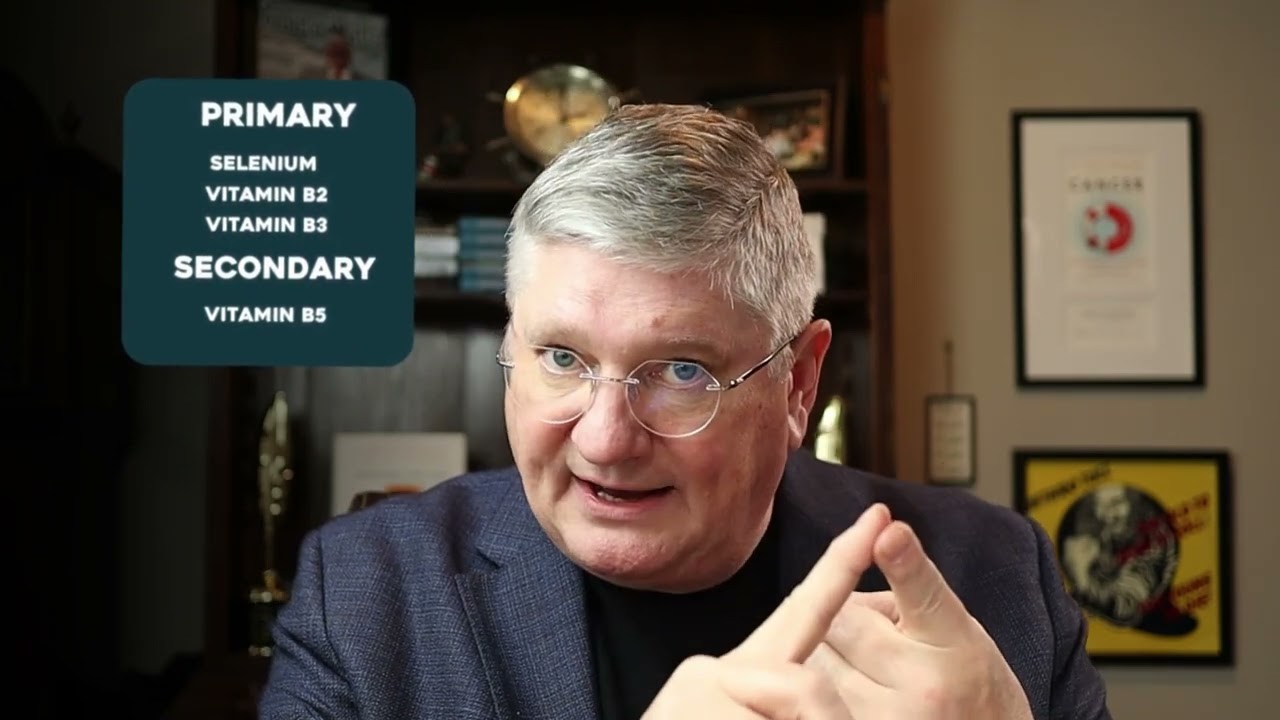
If you take plain glutathione that's in a powder or something like that, it does not really absorb in the human digestive tract. Hey, I'm Dr. A. Today we're going to talk some more about glutathione. Big concept is glutathione on its own is very wonderful. Your body uses it every day, but when you're taking it in any form that helps raise glutathione in your body, you're going to use up more of the other nutrients that help glutathione work. And if we do more with those, we get more mileage outta the glutathione. So let's break that down. How do we do that? The first thing to understand is that glutathione is an antioxidant that we make in our body, and it sits in the middle of a 3-part antioxidant system. And so glutathione helps to recycle vitamin C, second antioxidant. Vitamin C helps to recycle vitamin E, and vitamin E is in fat membranes such as your cholesterol membranes, your cell membranes, et cetera. The thing to remember is that they go through a cycle called a redox cycle between oxidized and reduced. And so when they're reduced and they take on a free radical, they become oxidized. So then their other helper comes along and reduces them again. Glutathione is constantly doing this. And so glutathione and vitamin C in the water-soluble areas, and they help and back each other up. So the first thing to keep in mind as far as how do we keep this functionality, you wanna think of it, just keep it spinning. That's its job. keep it moving. How do we do that? Well, the first level is we want to have enough vitamin E in our diet and maybe supplements to help keep the fat membranes happy. Want to have enough vitamin C, which has to be in our diet because we don't really store vitamin C in the body. There's a little bit stored in a few places, but for all intents and purposes, what you eat or take in today is gone tomorrow. So, vitamin C has to be at least high enough in your diet and/or supplements. then those 2 will keep glutathione also being supported. But the next thing is glutathione on its own, when it goes through its cycle, burns up a lot more nutrients than vitamin C does or vitamin E does. So the way to think about that is glutathione in going through its cycle is going to suck up a lot of other nutrients. And so if I put extra glutathione into you, You are going to speed the rate at which you take up all these other nutrients, its cofactors. And if I don't have enough of those other nutrient cofactors, the glutathione I put in you will be not very efficient and will not cycle very much. That is a waste of money and time for glutathione. So what are the other nutrients that help out? Well, there's actually a number of them, but selenium, And vitamin B2 are the primary ones kind of in the core. Then vitamin B3, nicotinamide, and its, its active form NAD is another big one that is required in that cycling. We already mentioned vitamin C. Then there are secondary cofactors that help with the maintenance of glutathione, especially in your cells. Those are other things like vitamin B5, pantothenic acid, zinc. And then a huge one being magnesium. So you can see that for glutathione to go through its cycle, it's using 3 B vitamins, it's using magnesium, it's using selenium, it's using zinc. It is a very nutrient-intensive type of a treatment. So one of the things that clinically comes up around this is in a number of years ago, I was involved in some research, and what we were researching was human research looking at people that had an and neck radiation, and they had burned a cranial nerve in the head and neck area. And so we were asked by the radiation oncologist if we could do something to help with nerve recovery. Well, one of the big things with nerve recovery, especially if you can get there quickly, is if you can increase the glutathione levels and the activity of the glutathione so that the nerves can help to regrow and the other things that they need to do. And so one of the problems that we saw was in other research they were having, they were giving glutathione patients, but they were having a diminishing return, meaning they would get some benefit at lower doses, and then the benefit would stop, and they have to increase the dose. And they'd do that for a while, and the benefit would stop. They have to increase the dose again, right? So, in order to get past that, the way we designed our trial was to give a static amount of glutathione, but then give these other nutrients as cofactors. Now, we were doing intravenous research, so we were giving intravenous glutathione, and then all these nutrients as factors in another intravenous therapy. And we were able to help people with the nerve burns that I told you about recover. And unlike the other research, we didn't have to keep raising the level of the glutathione. We were able to do a static dose. Well, since then, I've used this type of a strategy with people with traumatic brain injuries and recovering from surgery, many other things. And often we'll do oral therapy. So you can take a B complex to cover the B vitamins, a multi-mineral to cover the trace minerals. Usually, there's magnesium in there, and then some vitamin C, and that will take care of those things. Now, we talked about this elsewhere, but there's 2 kinds of orally absorbable glutathione. One is liposomal glutathione and the other is acetyl glutathione. Both of those have research showing that they absorb into the bloodstream. If you take plain glutathione that's in a powder or something like that, that doesn't have anything done to it, It does not really absorb in the human digestive tract. A little bit will absorb, but not very much at all. So if you're going to spend money on glutathione as a supplement, you want either liposomal glutathione or acetyl, A-C-E-T-Y-L, glutathione. But also, if you're going to spend money on glutathione, you want to make sure you have enough of the B vitamins, the trace minerals and magnesium, and then some vitamin C to help it round out. Okay. So to recap, glutathione is wonderful. It's very helpful. It's a primary antioxidant in the human body, but it uses lots of other nutrients to keep it cycling. So if we're going to spend money on glutathione to say help out with some recovery or help out with some medical condition, et cetera, want to make sure we're getting the other nutrients to help support it so it can keep cycling through its redox cycle. And those generally speaking are it's three B vitamins, but a B complex will cover you on all of those, and then a multi. Multi-mineral that's got magnesium and trace minerals, especially zinc and selenium, but all the other ones are helpful too. And then vitamin C.